FOR ENGLISH CONTENT PLEASE SCROLL DOWN
Hosszú évtizedeken keresztül az álmok netovábbja volt eljutni az oslói Inferno-ra – alapjáraton is imádom Norvégiát, így nem kell különösebben rábeszélni arra, hogy erről a fesztiválról álmodozzak… és hát a felhozatal is az esetek döntő többségében több mint parádés. Nem is csak azért, mert a helyi gyökerekkel rendelkező – a műfajban meghatározó szerepet betöltő – zenekarok lépnek itt föl, hanem azért is, mert egy csomó olyan névvel lehet errefelé találkozni, akik tulajdonképpen Norvégián kívül nem nagyon ténykednek. Az árazás – mint mindig – eléggé elrettentő volt, de Péter barátommal beszélgetve tulajdonképpen arra jutottunk, hogy ár-érték arányban talán még mindig jobb egy eszméletlenül drága négynapos fesztivál, ahol a zenekarok ötven százaléka a fantasztikus, harminc százaléka a kiemelkedő, húsz százaléka meg a jajistenem kategóriába esik, mintsem egy harmadannyiba kerülő hasonló hosszúságú fesztivál, ahol a zenekarok egytizede mérhető ehhez a felhozatalhoz… úgyhogy vettünk egy mély levegőt decemberben, megvettük a repülőjegyet, a koncertjegyet, és lefoglaltuk a szállást.
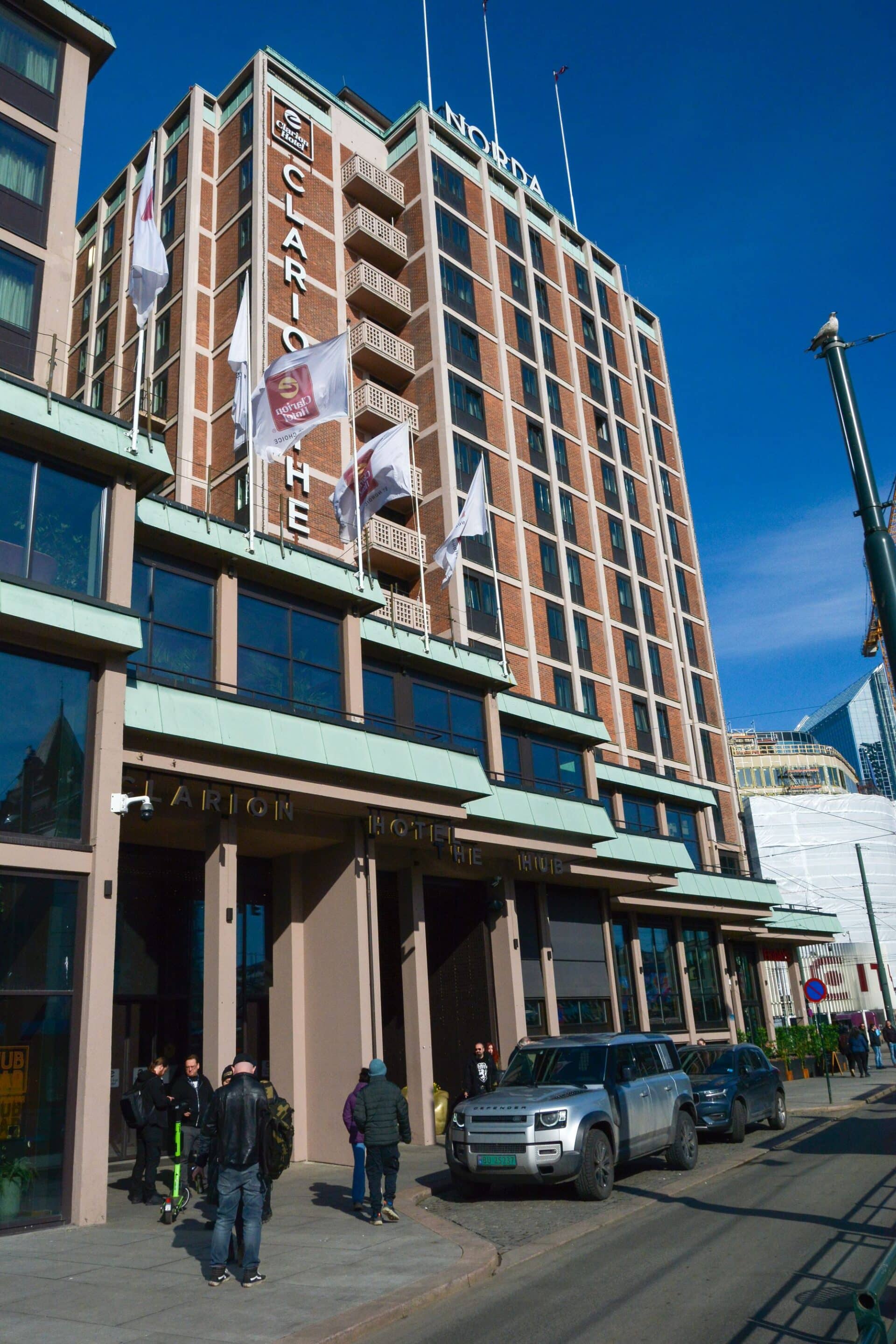
Az Inferno fesztivál nagyjából öt-hat helyszínen zajlik Oslo-ban – természetesen nem egyszerre. A központi egységet a Rockefeller és a John Dee helyek alkotják; ez tulajdonképpen egy darab háztömb négysaroknyira a központi pályaudvartól, és az est fő fellépői ezen a két helyen játszanak váltásban. Aztán vannak a koradélutáni programok más helyszíneken, illetve voltak még nulladik napi fellépők kint a tengerparton egy sokadik helyszínen, konferencia a hotelben… amit akarsz. A jegyáron nehezen lehet faragni, az útiköltségen viszont igen, hogyha az ember időben megveszi a repülőjegyet. A szállással kapcsolatban többfajta stratégiát lehet érvényesíteni – mi a fesztivál hivatalos hotelében aludtunk, ez a Clariton the Hub. Pontosan kétsaroknyira van a Rockefeller-től és egysaroknyira a vasútállomástól; a honlapja alapján ez egy négycsillagos, nagyon pofás, nagyon kellemes szálloda valami egészen hajmeresztő árakkal – ám mint a fesztivál hivatalos támogatója, az Inferno idejére töredék árakkal megy a szállás, mi például nagyjából a mindenkori normál ár 60 százalékáért tudtunk foglalni. Eléggé megrázó látvány, hogy egy fantasztikus, ötcsillagos minőségű hotel hatalmas svédasztalos reggelijénél a konszolidált kisgyerekes norvég családok és a zenekaros pólóba öltözött gyanús kinézetű bőrgatyás fazonok szépen békésen falatoznak a kellemes áprilisi hóesésben; és azért az sem mindennapi, amikor a recepción Inferno-pólóba öltözött személyzet intézi a vendégek ügyes-bajos dolgait a halkan duruzsoló Morbid Angel hangjaira. Mivel a repülőgépen mindenféle limitek vannak, így érdemes csak szélálló túracuccot hozni; erre a két saroknyi távra még a kesztyű is elkelhet, ha az embernek pechje van.
Az árak – különösen az alkoholárak – egészen hajmeresztőek; mi végülis hosszasan öltünk-hatoltunk Péter barátommal, hogy milyen stratégiát kövessünk piaügyben, aztán rájöttünk arra, hogy nagy ivászatot nem kéne rendezni praktikusan azért, mert egy ilyen line-up mellett nincs nagyon üresjárat, amit piálással lehetne tölteni… és istenigazából az pedig megengedhetetlen, hogy ha az embernek egy-egy este kiesik. A fesztivál sörárairól nincs kézzelfogható információm: kiírva nem volt (gondolom a külföldi látogatók idegállapotát óvandó), venni meg nem vettem. Beszerzésre talán a legcélszerűbb megközelítés vagy hozni (csomagban feladva), vagy körülnézni az oslói reptér vámmentes részlegen. Ott az árak persze magasak – hat darab kis dobozos sör 2000 forint –, de ez még mindig sokkal olcsóbb, mintha Oslo-ban kéne ezután rohangálni. Figyelem: a vámnál ki van írva az aktuális bevihető jövedéki termékek mennyisége, kéretik erre különös figyelmet szentelni. Az árakon túl ami még kisebb logisztikai feladatot ró az érdeklődőre, az a beszerzés: lehet csillagászati összegért folyamatosan a hotelben kajálni (szerintem ez még a norvégoknak is meredek), lehet valamennyi kaját hozni és lehet közért után loholni. Húsvétkor alapjáraton minden bezár nagyjából olyan szinten, hogy két nagyobb közért van nyitva ebben a periódusban egész Oslo-ban, nagyjából három kilométerre a hoteltől… ezentúl leáll az élet, lehet a sarki kisközértbe menni, meg a mekibe, és ha ez még nem lenne elég, akkor alkoholhoz jutni sem túl egyszerű: ha valaki rossz időpontban próbálkozik, akkor vagy szimplán zárva van az alkoholbolt (Vinmonopolet), vagy le van lakatolva a megfelelő polc vagy hűtő a közértben, és marad a hotel bárja a tíz eurós sörrel. A legaljasabb eset pedig az, amikor a közértben a futószalagról rakatják le veled a piát, mondván, hogy délután négy óra már elmúlt.
A nulladik nappal kapcsolatban már helyből gondban voltunk, ugyanis két opciónk is volt: vagy elsétálunk az Igorrr, az Amenra és a Der Weg einer Freiheit fellépésre, vagy pedig meghallgatjuk az Inferno nulladik napos fellépőit – végül ez utóbbi mellett döntöttünk, és elcaplattunk a kikötő környékén lévő Salt nevű helyre. Pici hely, derékig érő színpad, meglepően jó keverés, tisztán szólt az est első fellépője, az Eradicated. Fiatal zenekar, két évvel ezelőtt alakultak, egyelőre még csak egy single és egy EP van a hátuk mögött, de mindenesetre nagyon lelkesen tolták a leginkább is trash metal-nak kategorizálható zenéjüket. Valamennyi ismeretségük már lehetett, mivel egészen jó kétirányú kommunikáció volt a zenekar és a közönség között.
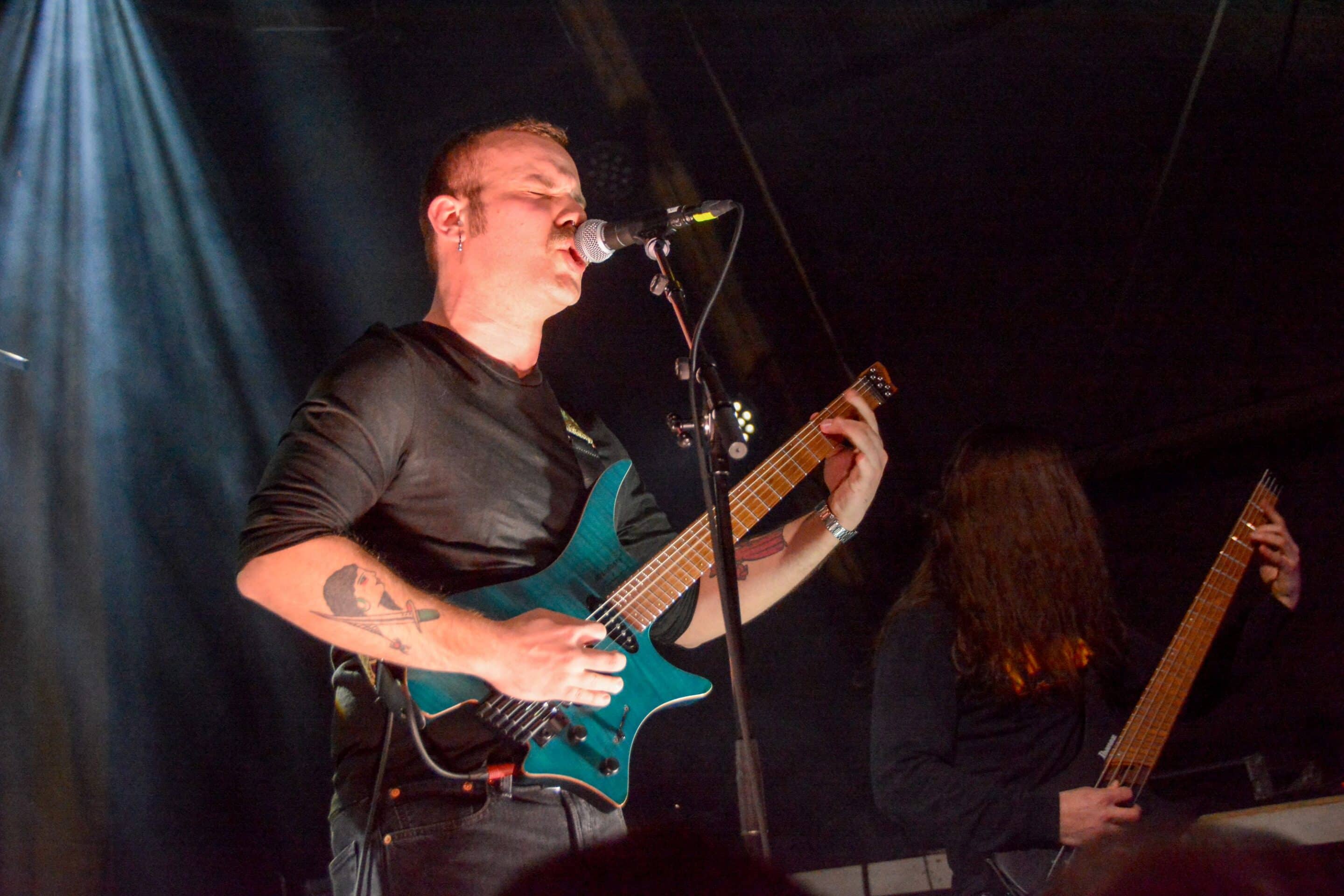
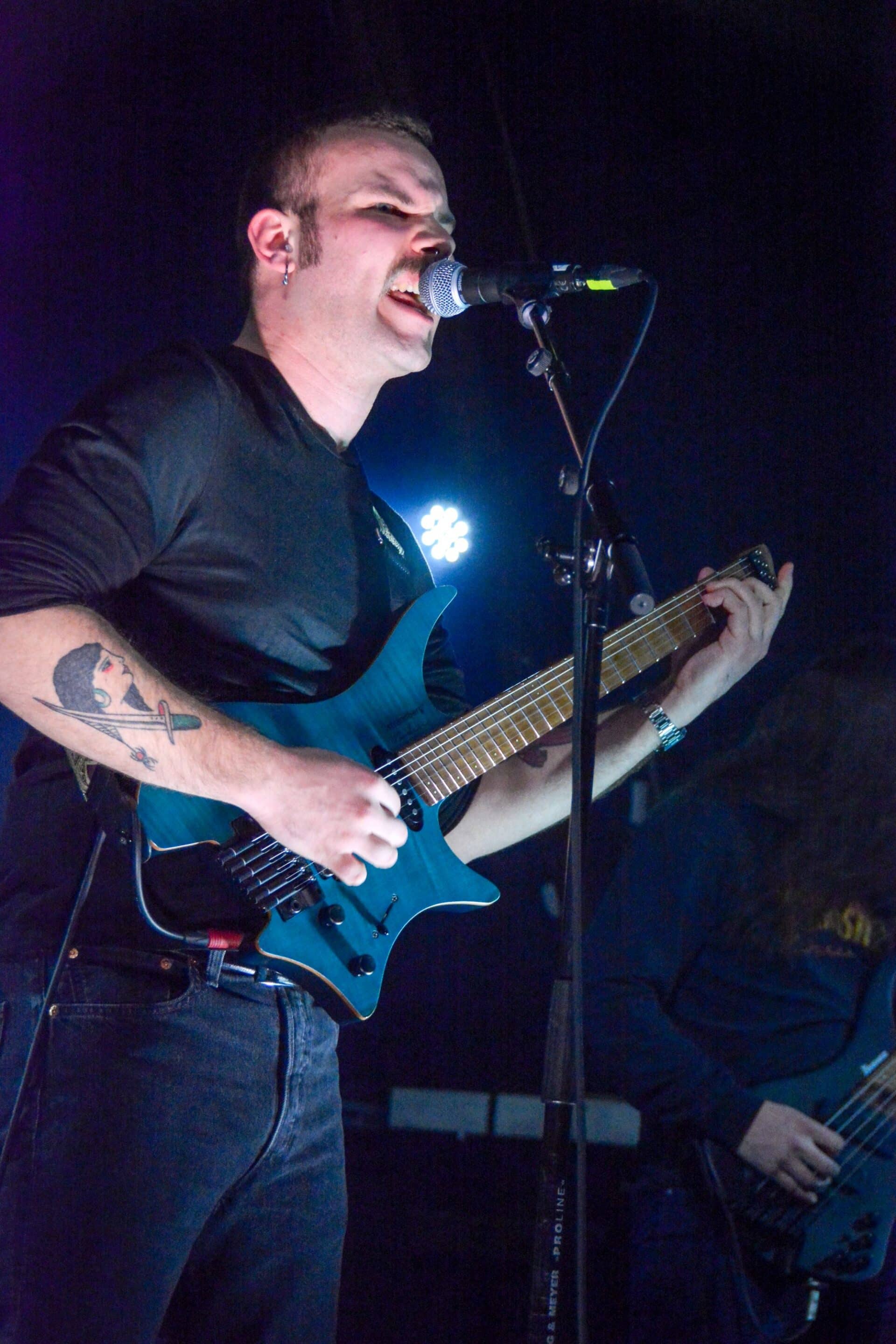
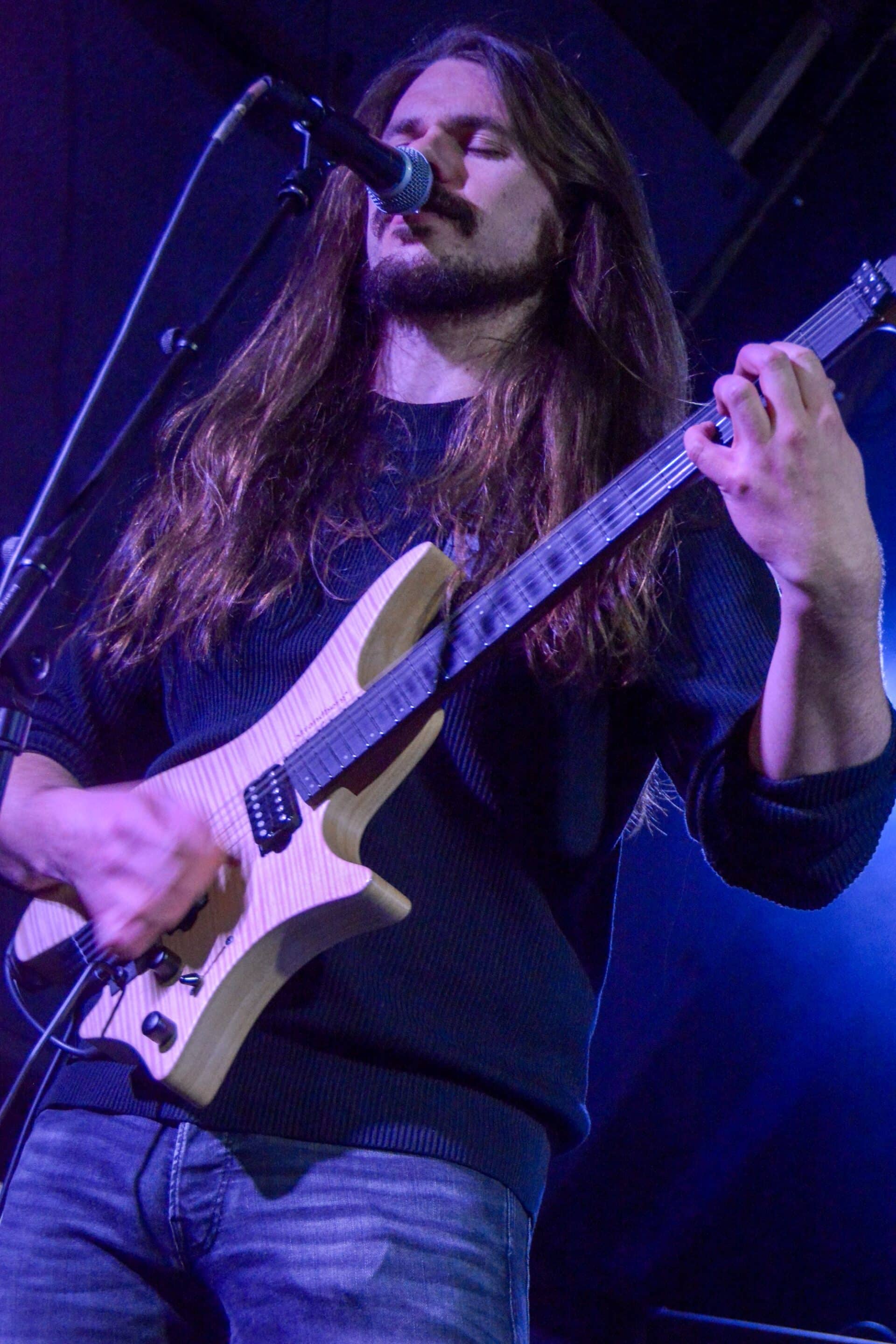
Ameddig elmentünk vécére, addig gyorsan átszerelés, és következett az est második fellépője, a Vorbid. Persze nem volt azért ez egy olyan gyorsan átszerelés, mint amennyi egy pisilés – de itt legalább nem volt számzáras az vécéajtó, mint a hotelben, ahol szerencsére még időben sikerült megtudni a kódot. A Salt egy bulikomplexum – több kisebb szórakozóhely nyílt egy nagyobb térből – és ennek az egyik színpadán melegített a Vorbid. A zenéjük nem kategorizálható, nem igazán dobozolható; leginkább talán thrash metal-nak lehetne muzsikájukat nevezni, de azért sokkal komplexebb és sokkal progresszívebb annál, amit ebben a műfajban az átlagos zenerajongó gondol. Bonyolult, időnként dzsesszes felhangú dalokat játszottak, amit a jelenlévő – és meglehetősen csekély létszámú – közönség határozottan díjazott.
Első nap: az Emperor napja
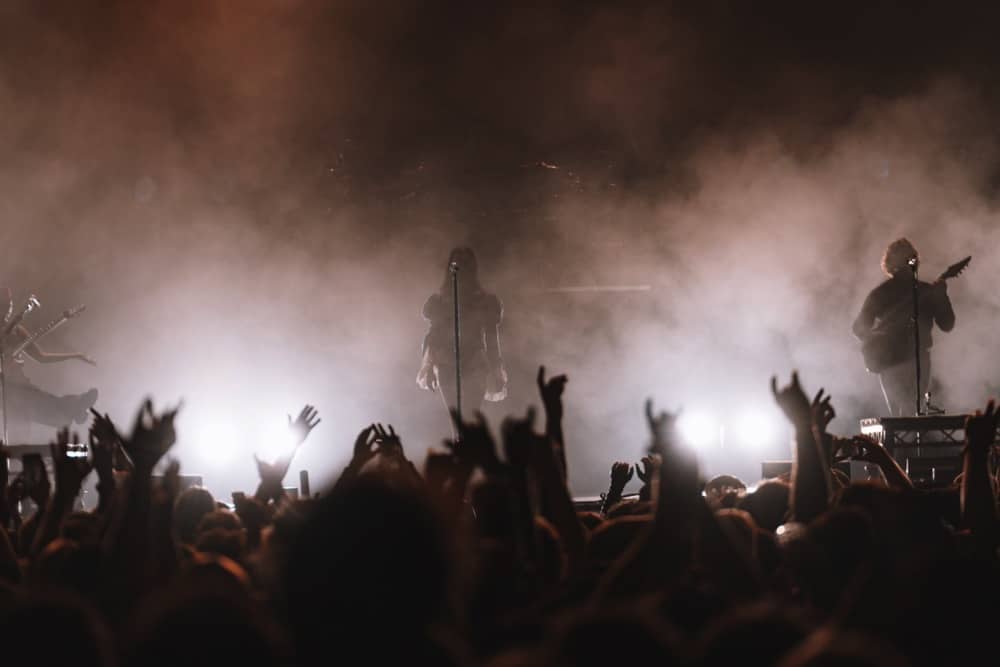
És elkövetkezett a fesztivál első napja: az Emperor napja. A felhozatal valami egészen elképesztő, a fellépők névsora talán leginkább a parádés szóval illethető – például a főbb zenekarok (hátulról előre): Emperor, Cannibal Corpse és Dark Funeral, és ettől nemcsak a saját ujjaimat, de még a szomszéd szobában lakó hegyi troll mérető norvég fotós nagylábujját és megnyalom. A kis színes rovatban található zenekarok erre a napra például a Blood Red Throne, a Mork, és hogy a kezdés kellően erős legyen: a Pesten pár hete meghallgatott Stormruler és Ingested fogja bemelegíteni a nagyérdeműt, egy kétsaroknyira lévő kisebb kocsma (Vaterland) emeletén.
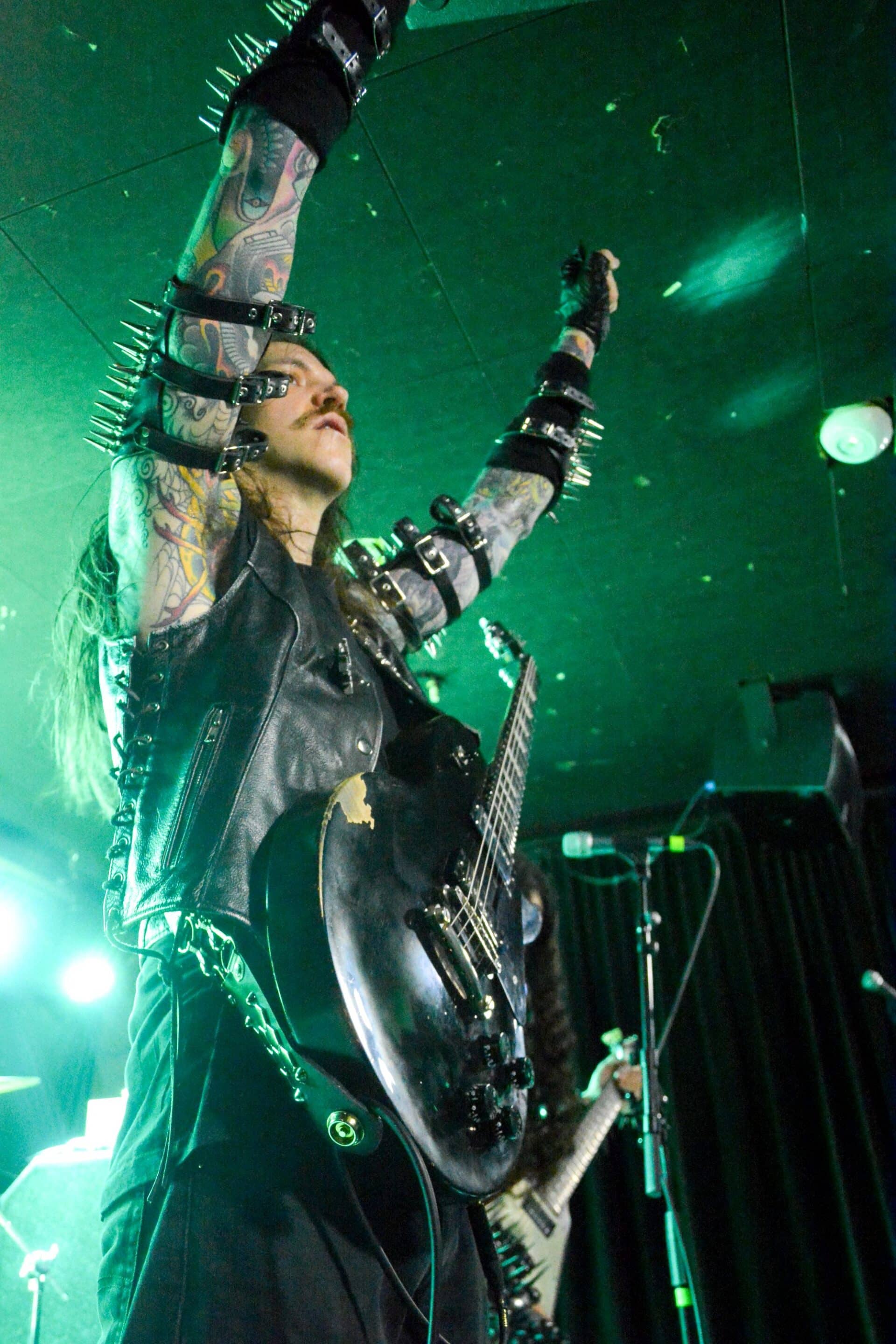
A Stormruler fellépését pár héttel ezelőtt Budapesten is volt szerencsénk élvezni, a Cannibal Corpse és a Dark Funeral előzenekaraként melegítették be az nagyérdeműt az Ingested-del együtt. Dallamos black metalt játszanak, ami nem nélkülözi a death-es elemeket és a szólókat sem. Az Inferno-n nem a Rockefeller John Dee komplexumában, hanem a Vaterland nevű kocsma emeleti koncerthelységében léptek föl. Nagyon tisztán szóltak, nagyon kellemes fél órás bulit adtak, tényleg egy öröm volt újra hallgatni ezt a társaságot – és jól láthatóan nem csak én voltam így vele: a fellépés sorána a Vaterland koncerthelysége megtelt, a további érdeklődők csak a lépcsőről hallgathatták a produkciót.
A potenciális programok listáján szerepelt a Dark Funeral gitárosával, Chaq Mol-lal készítendő interjú. Mint számos esetben, úgy ez most is egy last minute szervezés volt; a turnémenedzser hölgy telefonjára várva ültem, amikor megjött a hívás: azonnal ejtsek el mindent, mert most van a májsztrónak egy negyedórája az interjúra. Aztán ahogy ez általában lenni szokott, a negyedórás interjú egy majdnem egy órás, hülyéskedéssel vegyes jópofizásba ment át, hogy véget érjen picivel a Necromantheon kezdése után – és akkor fotójegyem és belépőjegyem még nem is volt. Értem én, hogy a norvégok nem először szerveznek ilyen eseményt itt a városban, de minden olyan flottul ment, hogy ezt tanítani kellene. Például előre aggódtam más fesztiválok tapasztalata alapján, hogy mennyi idő lesz itt a bejutáshoz szükséges dokumentumokat megkapjam, de istenigazából legtovább talán azt tartott, amíg a pénztárcából kikotortam a személyimet… és ezzel immáron hivatalosan is megkezdődött számomra életem első Inferno-ja.
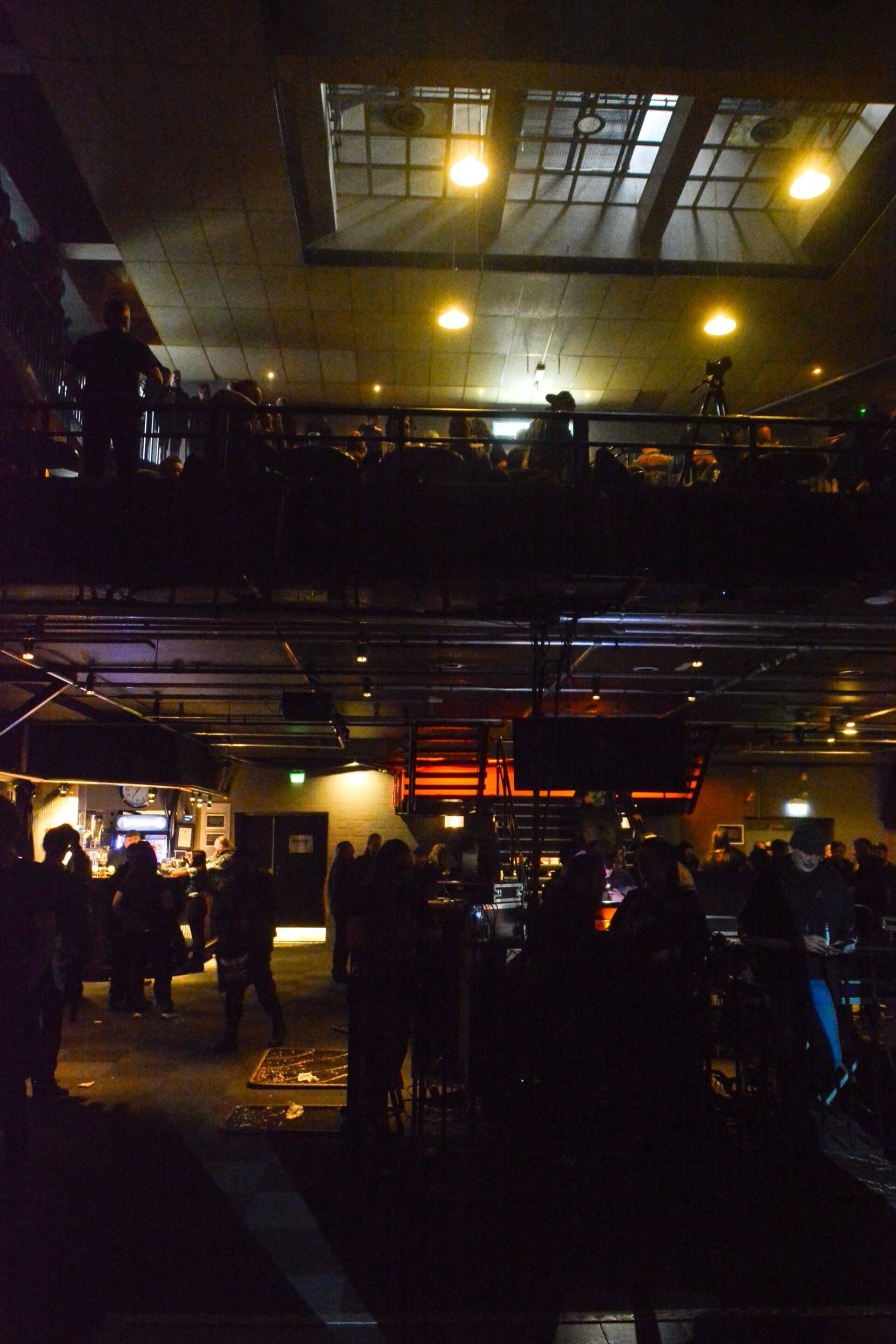
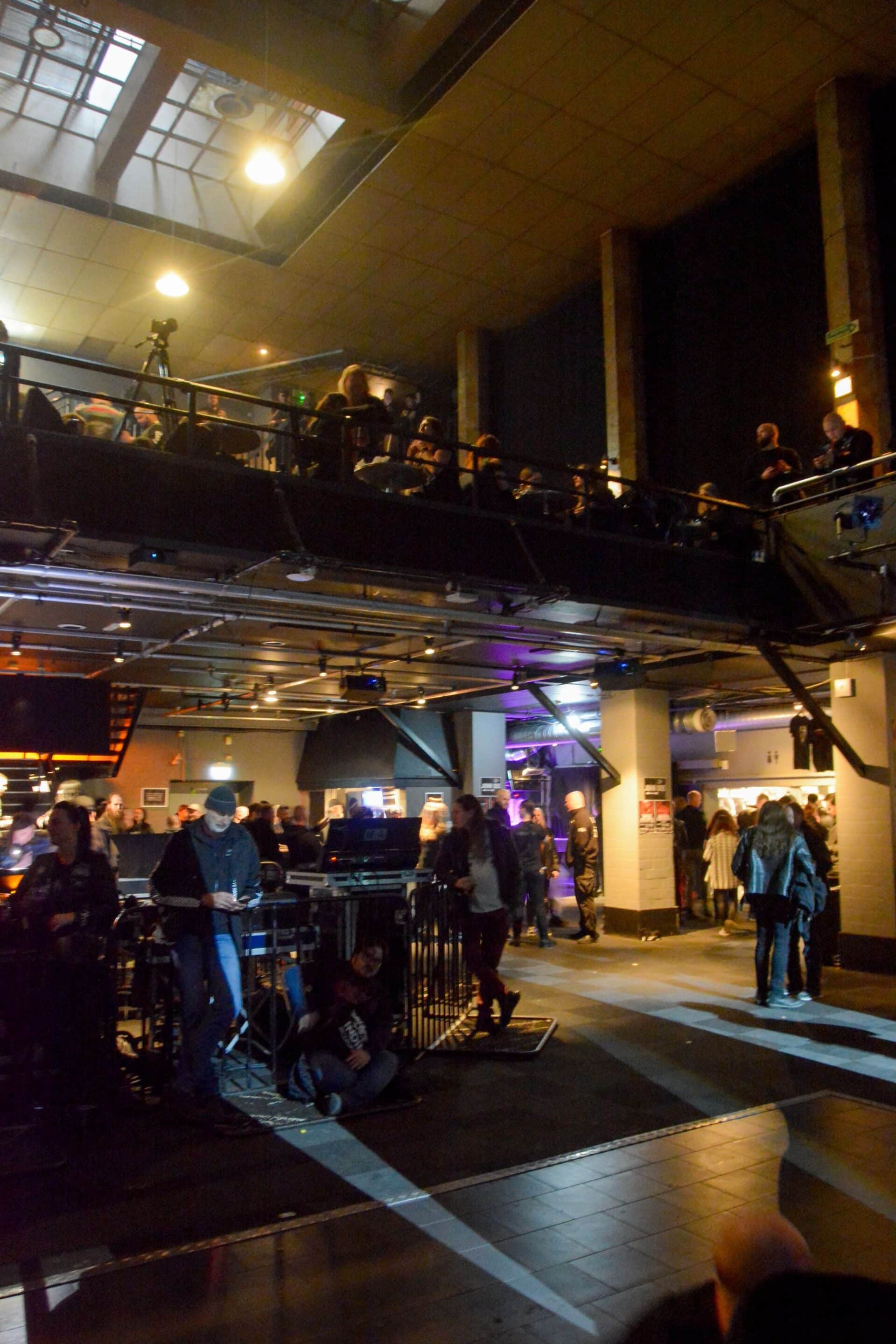
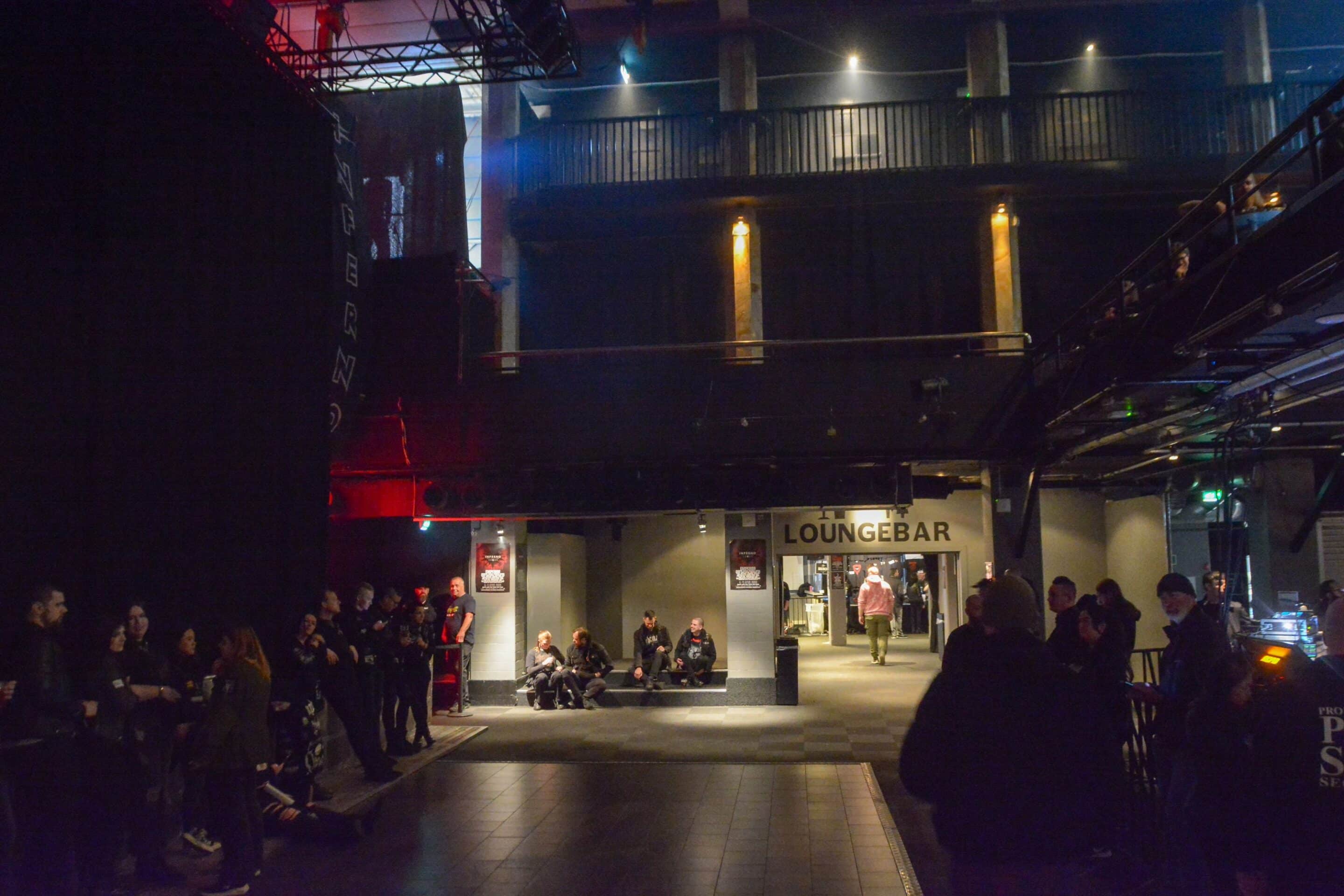
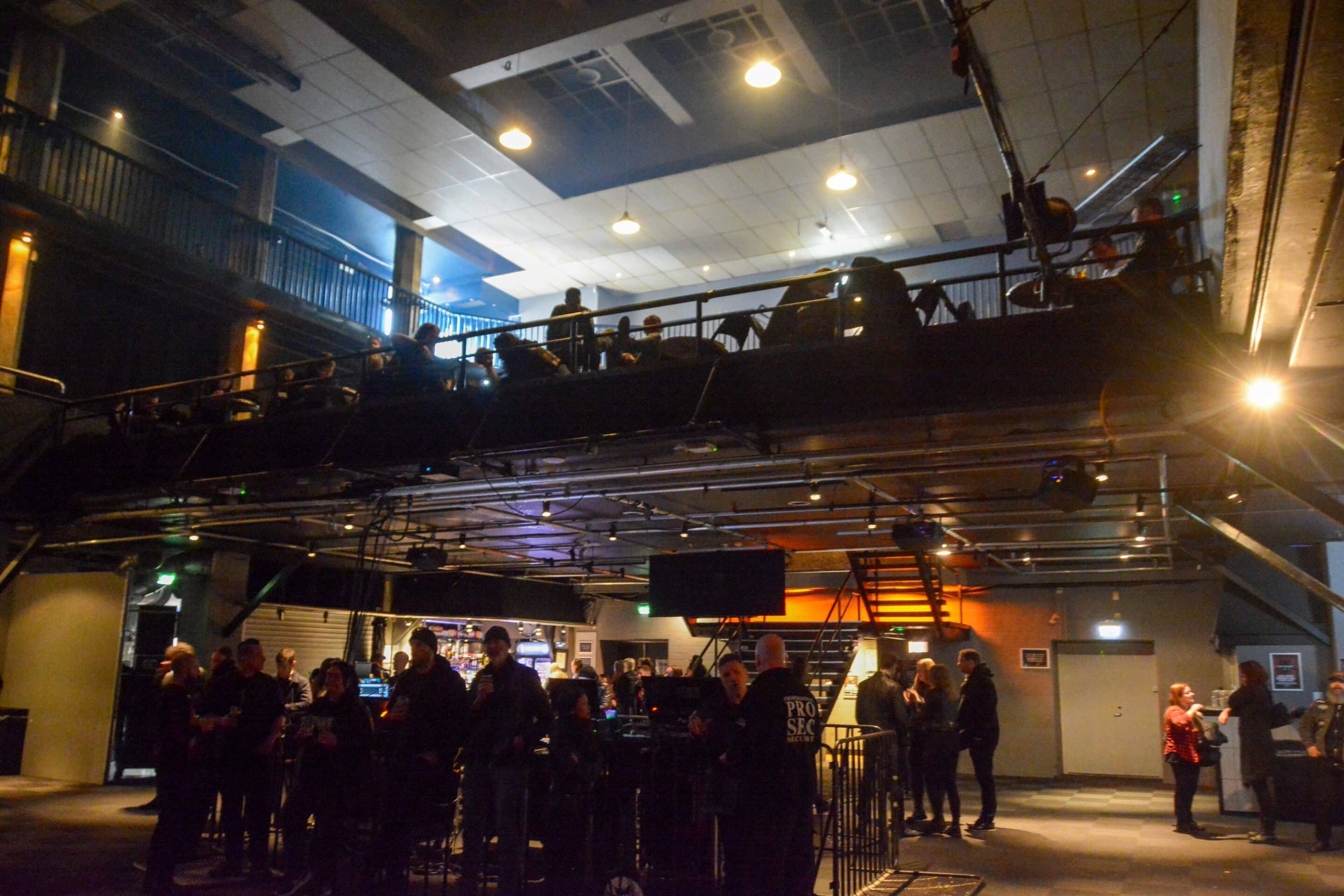
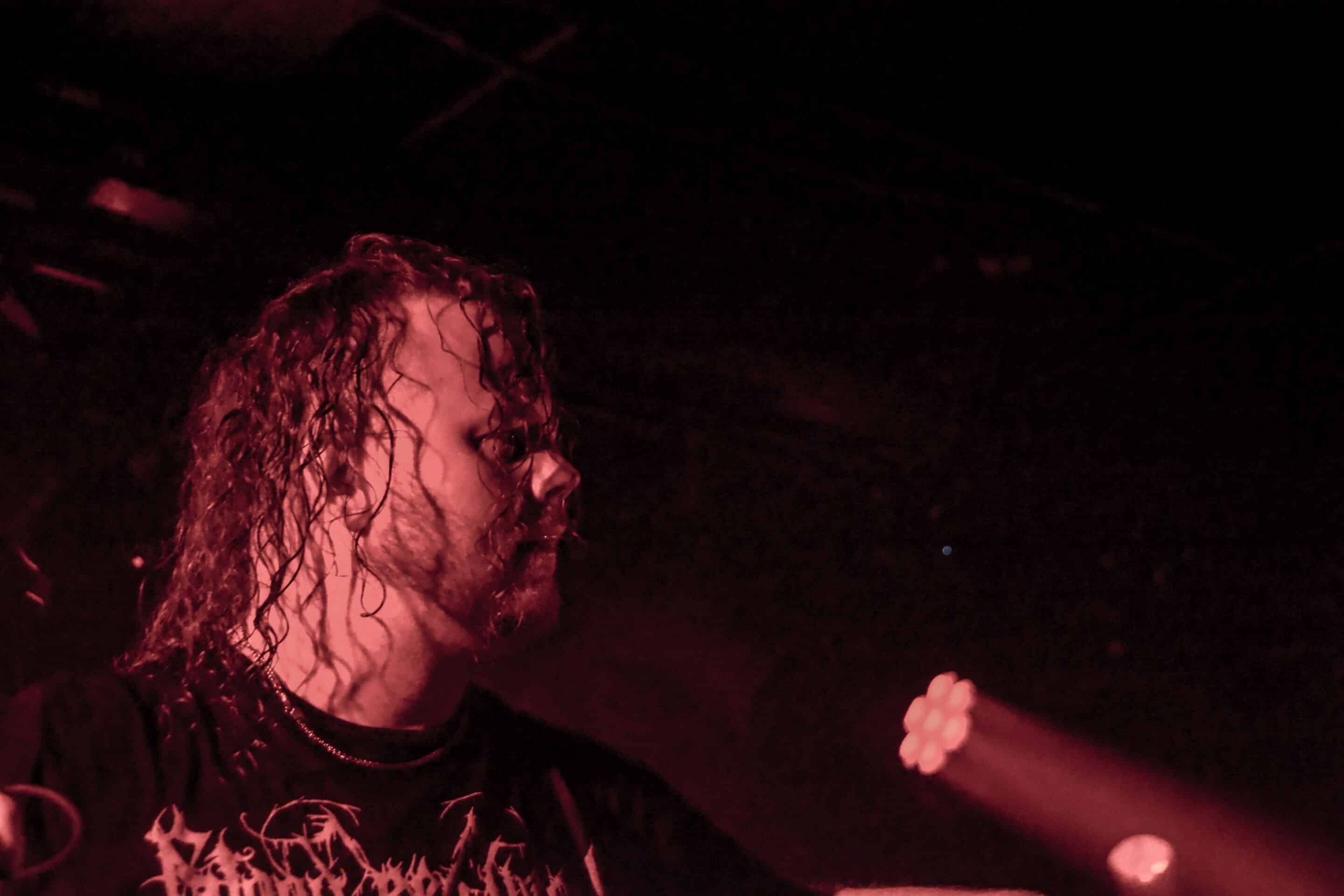
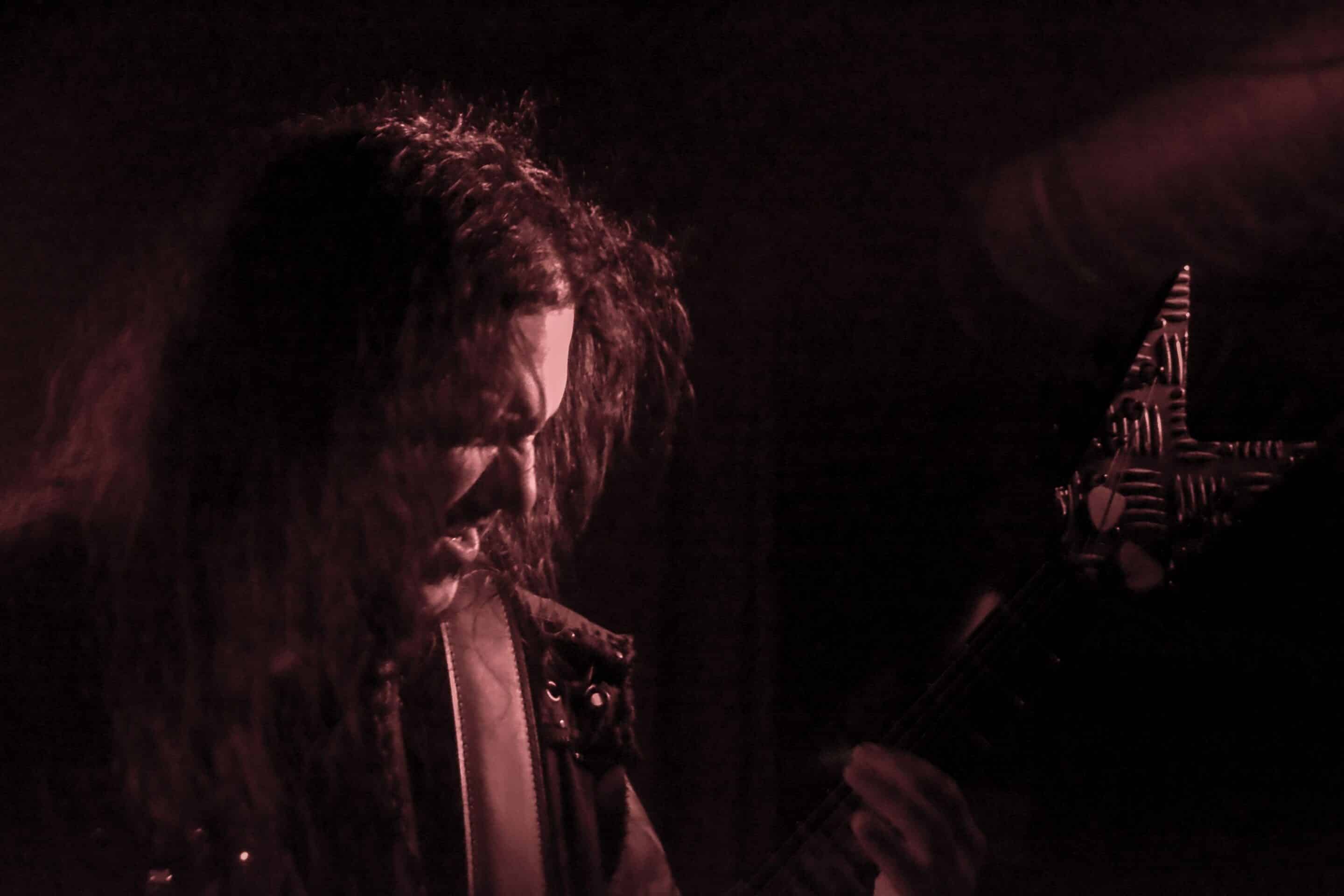
A fentebb felmagasztalt norvég szervezés remekül működött a Rockefeller-be való beléptetésnél: a bejárat előtt egy pofára félórás sor gyűlt össze; nem meglepő módon roppant alaposan még az érkezők ridiküljét is átvizsgálták, de ahhoz képest egészen gyorsan sikerült bejutni a szentélybe. A Rockefeller koncertterme egy nagyjából Analóg méretű hely (teljes alapterületre talán a duplája, ha az összes egyéb helységeket beleszámolom), balkonnal és egyik oldalon egy második emeleti terasszal, ahol már a Necromantheon-ra is elképesztően sokan vártak. A koncertélmény megélésében nagyon sokat segített, hogy a Rockefeller emeletes, így aki időben érkezik, az szó szerint páholyból (ülve és sörözgetve) nézheti az aktuális fellépőt. Az interjú nem gyorsította a bejutást, és tulajdonképpen a Necromantheon utolsó számára sikerült beesnem. Alapvetően heavy metal-ban gyökeredző, pörgős zenét játszottak, de túlzottan elmélyedni nem volt lehetőségem a fellépésükben.
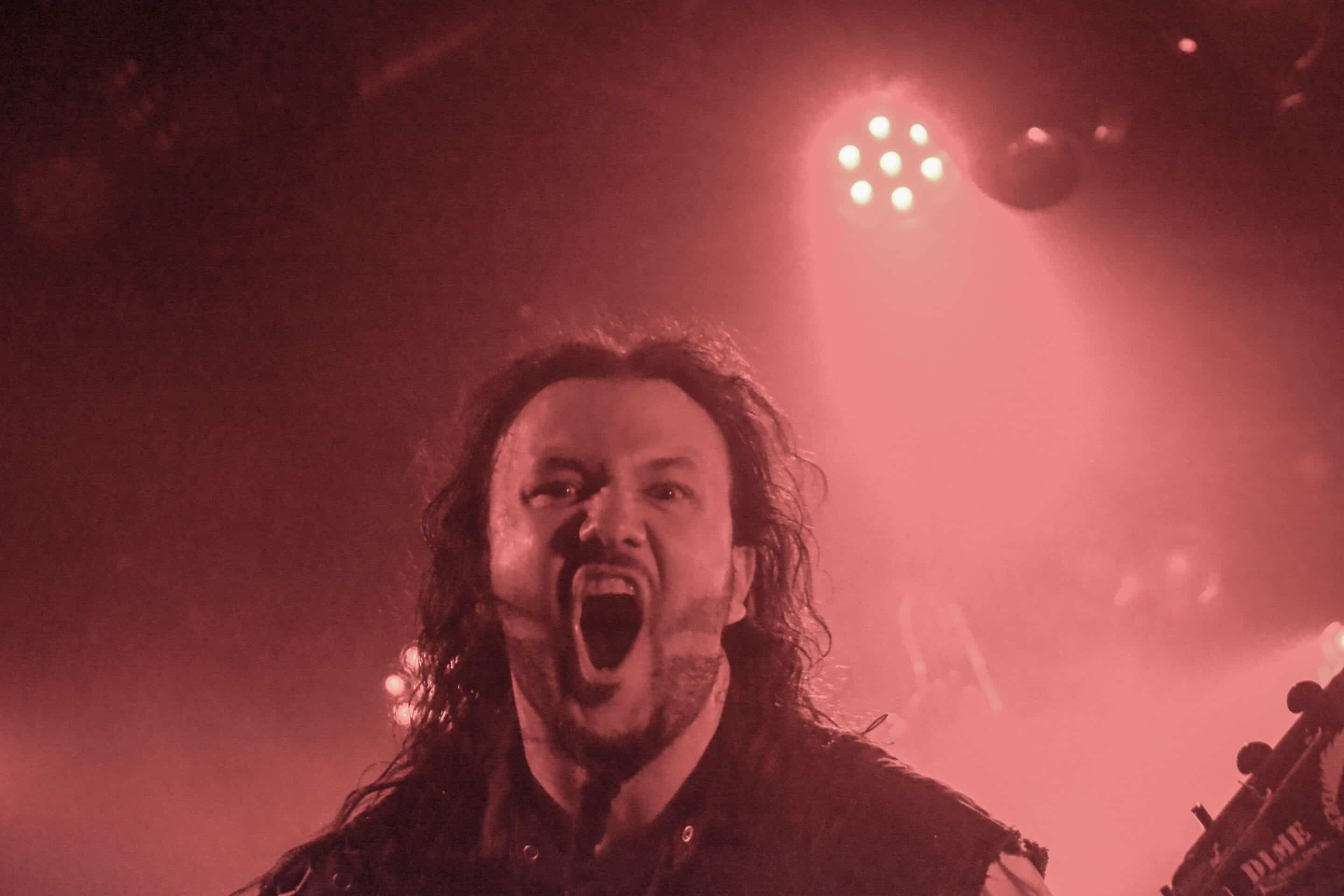
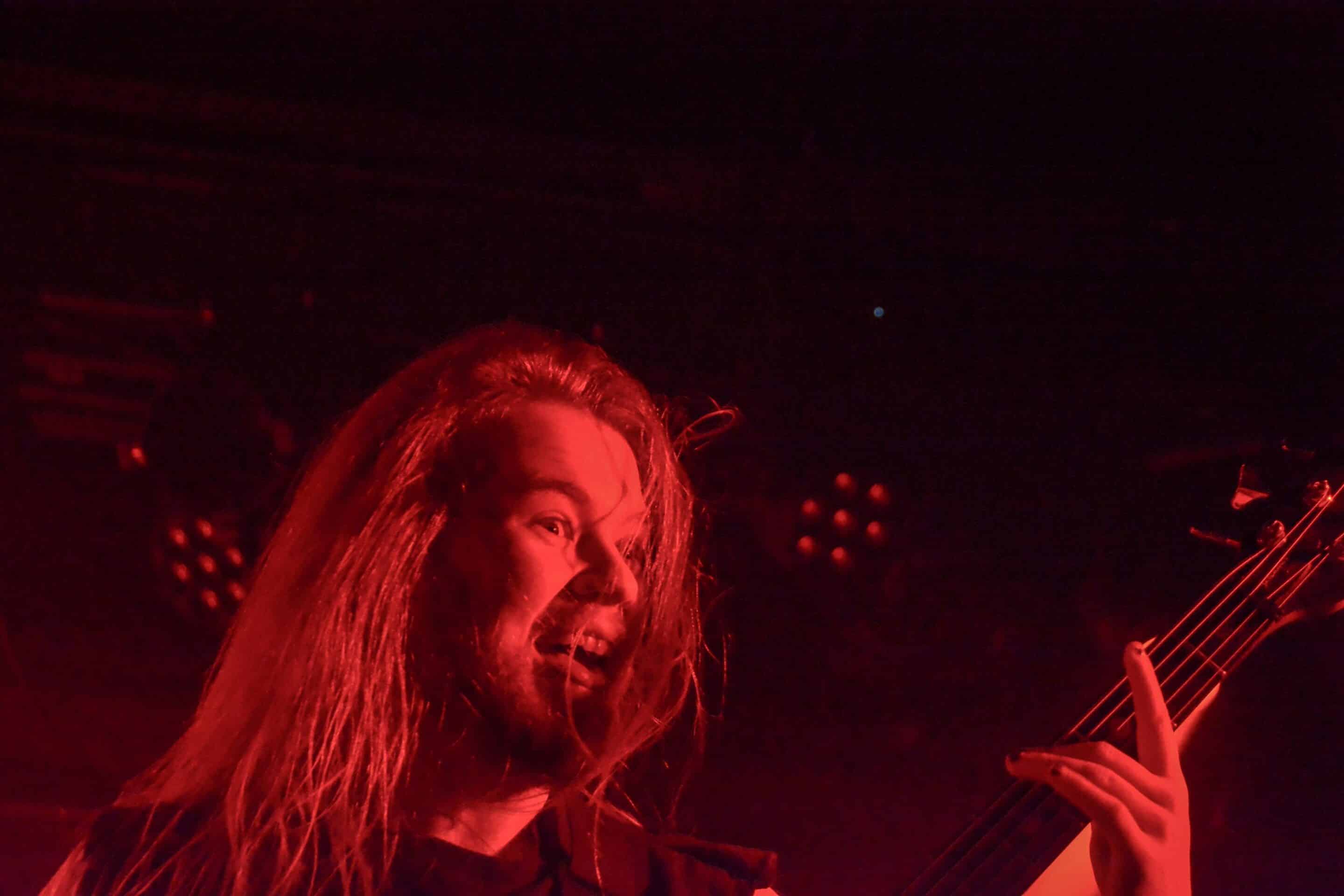
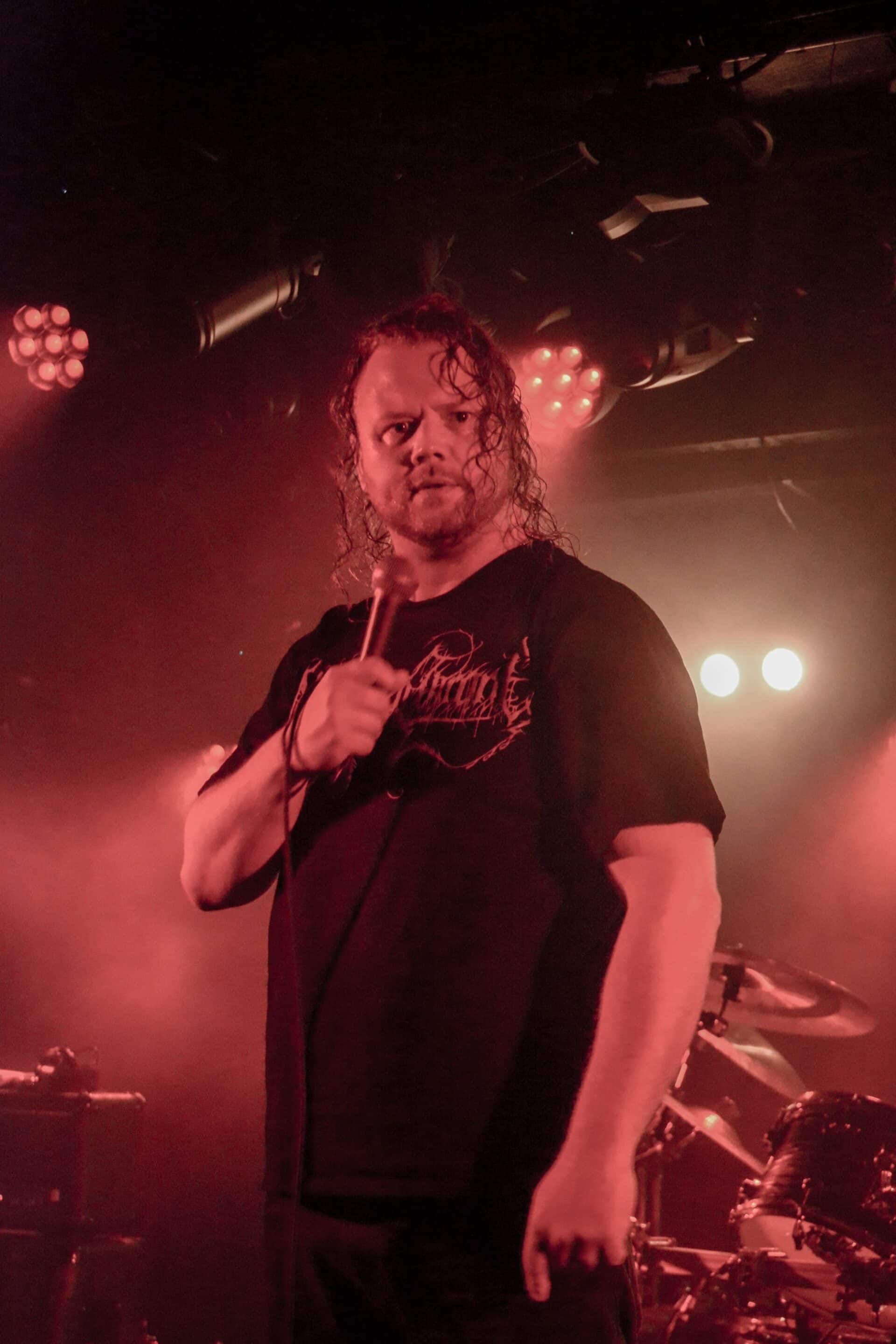
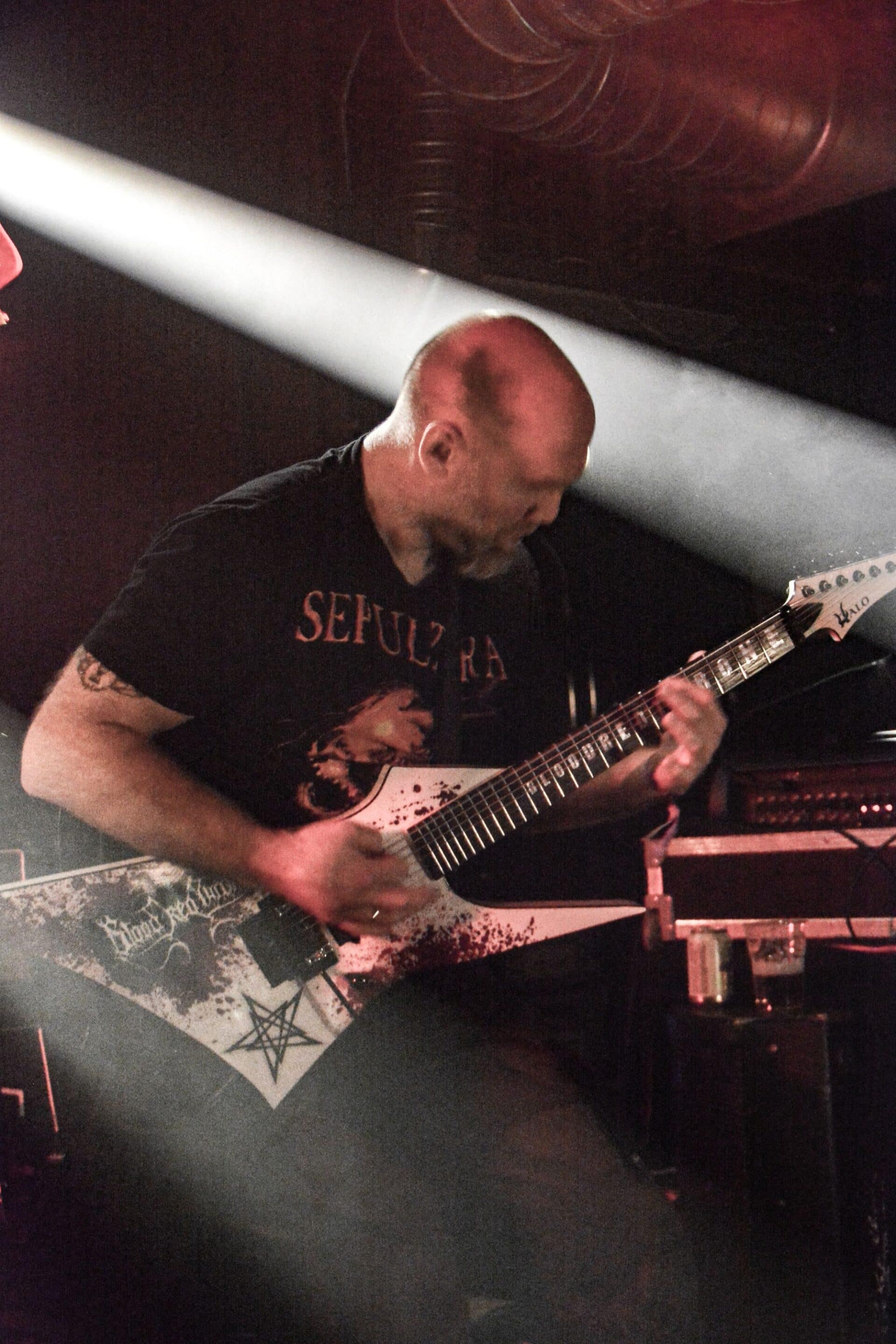
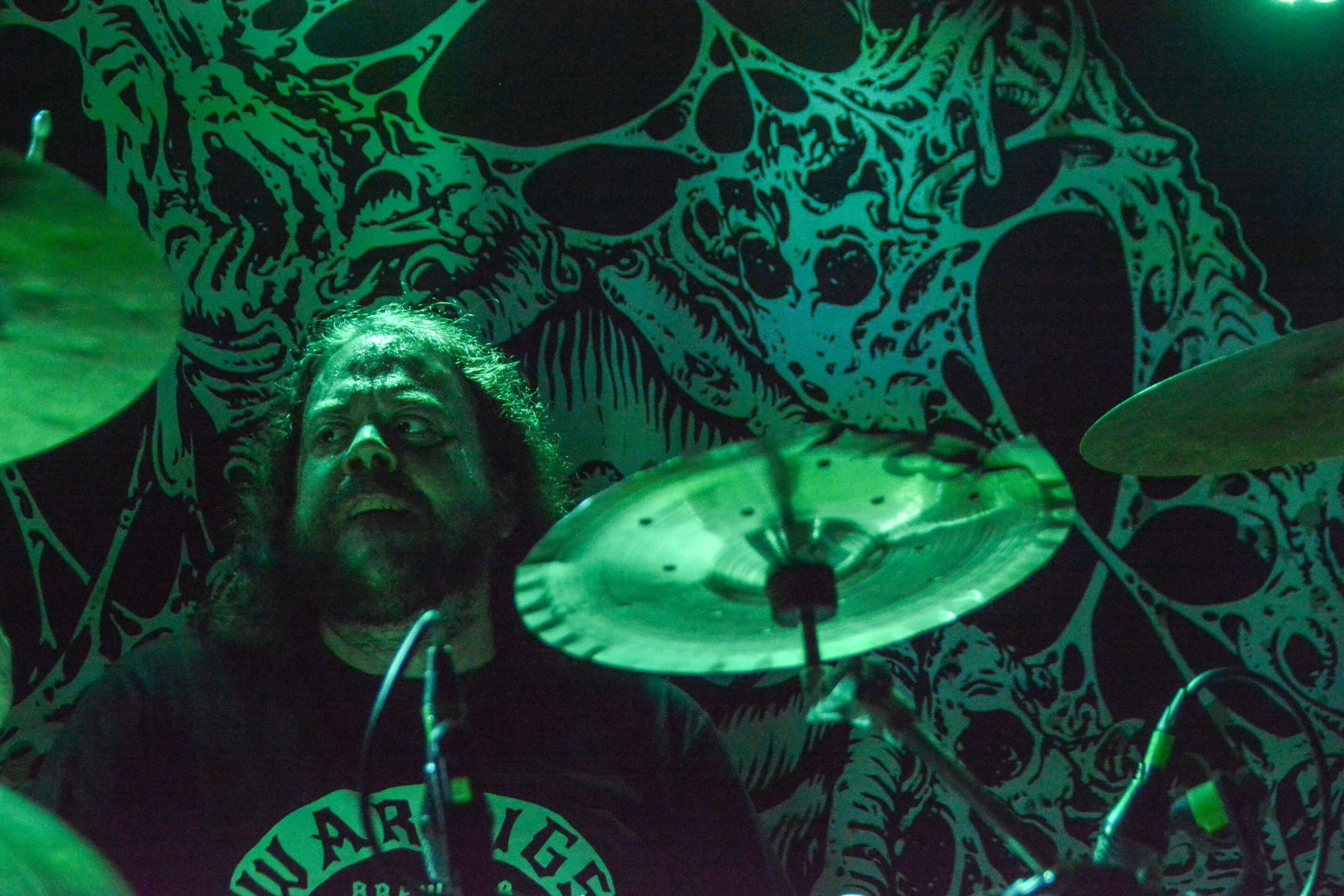
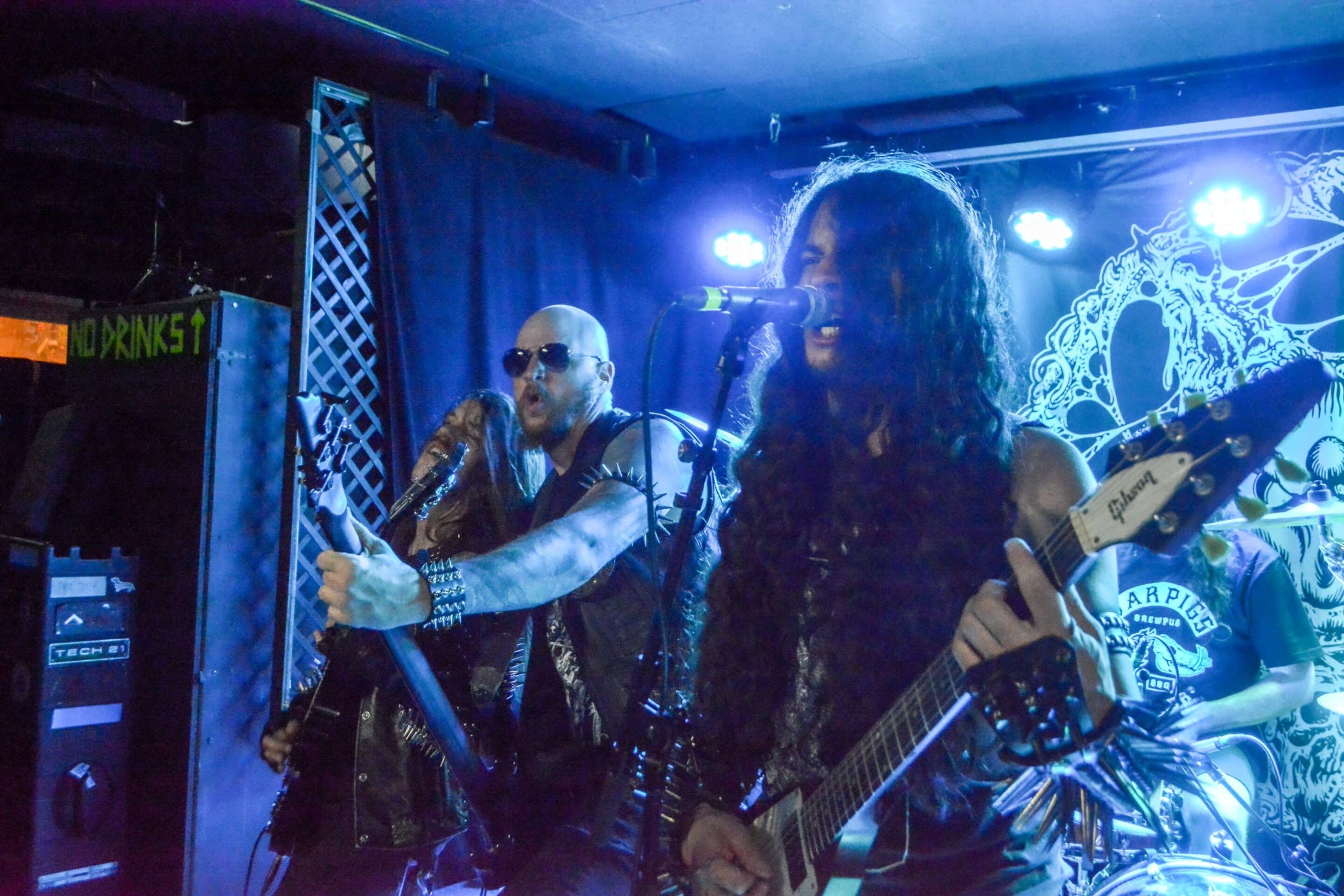
A Necromantheon fellépése után irány a pincében (a valóságban a földszinten) található John Dee, ahol a Blood Red Throne fellépése kezdődött. A koncepció nagyjából az, hogy a John Dee-be befér a Rockefeller közönségének egyharmada: tehát az a nagyon kitartó és érdeklődő zenerajongó, aki képes magát a nagyszínpadtól a John Dee bejáratáig pár perc alatt elverekedni, annak lesz lehetősége a lent fellépőket meghallgatni. A norvégok nem nagyon szórakoztak az egyéni igényekkel: amint az engedélyezett létszám megvolt a pincében, onnantól nem engednek be több embert teljesen függetlenül attól, hogy az illető amúgy hogy vagyonért vásárolt jegyet. A Blood Red Throne egy nagyon pörgős fellépést adott – vélhetően nem függetlenül a Ivan Gujić gitáros által szorgalmasan fölkeresett nagy műanyag kanna tartalmától. Erre először csak barátunk járt rá, majd később a közönség soraiban is körbejárt, de jó láthatóan nem csak ez kellett a jó hangulathoz. Igazából szerintem amennyire egysíkú a konzervzenéjük, hát annyira lendületes fellépést produkáltak az este során. A zenekar legénysége a fellépés végére erősen elhasználódott, már a kézfogás meg az egyéb magasabb szintű koordinációt igénylő műveletek sem igazán mentek; amire meg fölküzdöttem magam a John Dee-ből, addigra már a Djevel is nagyjából a setlist felénél tartott.
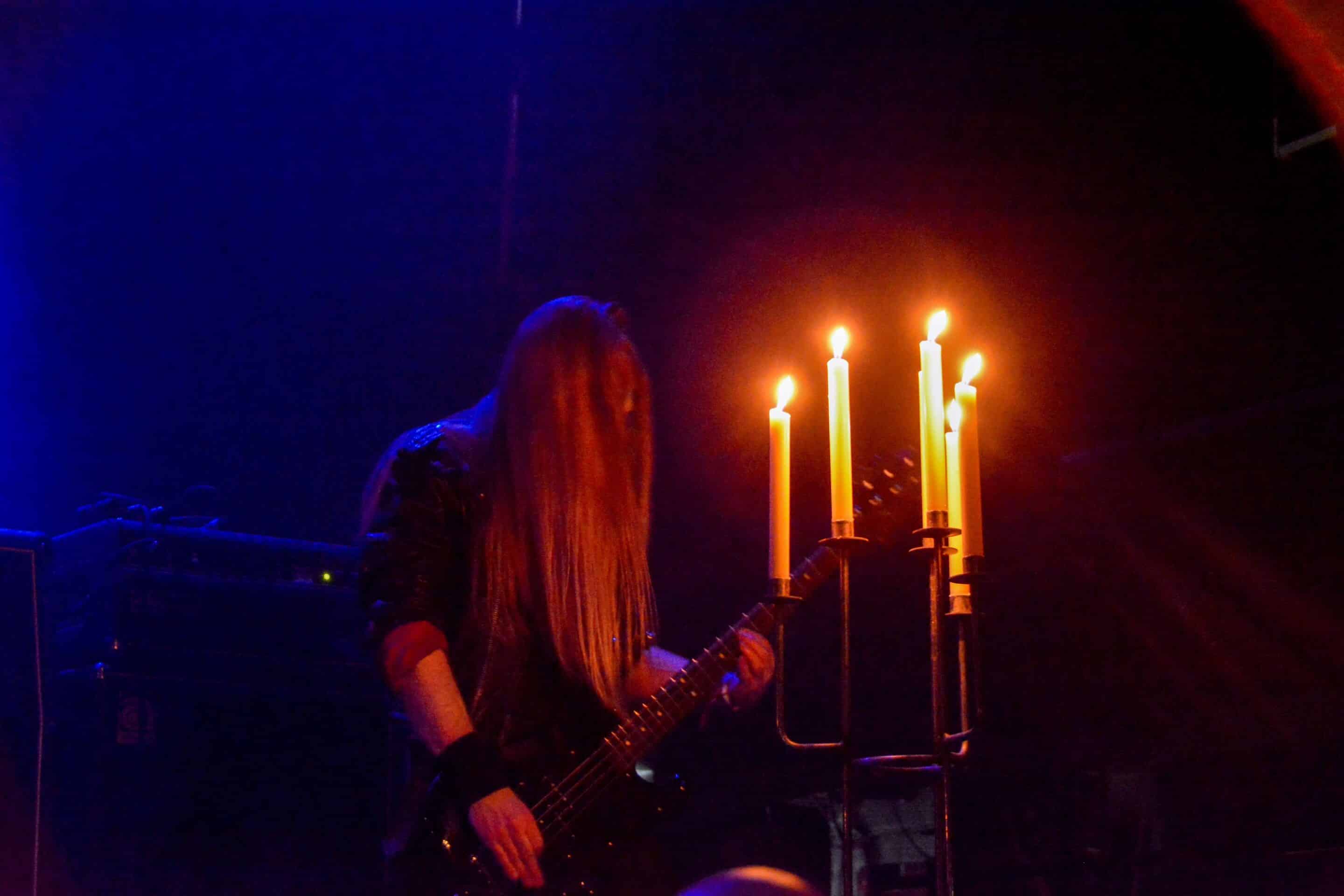
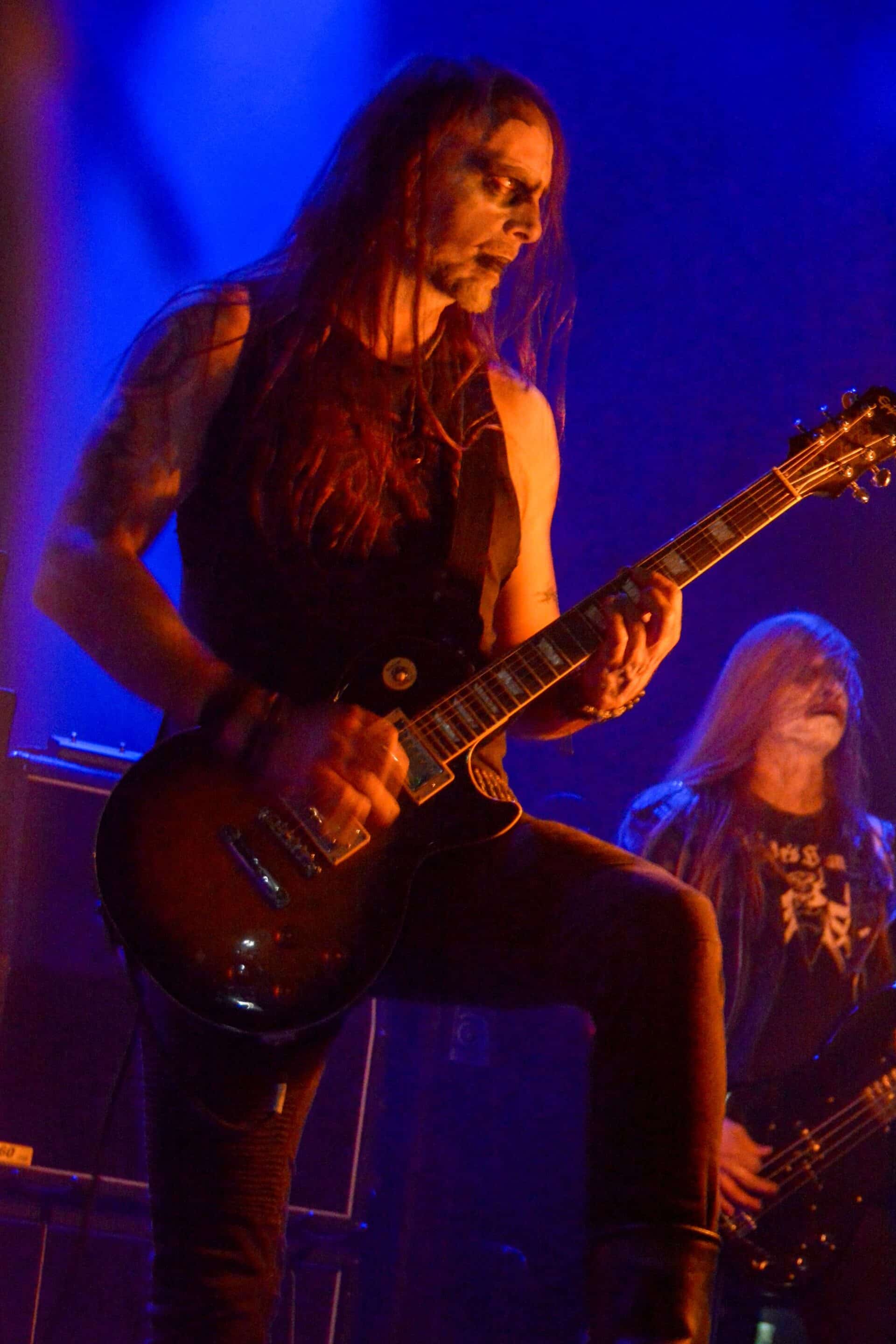
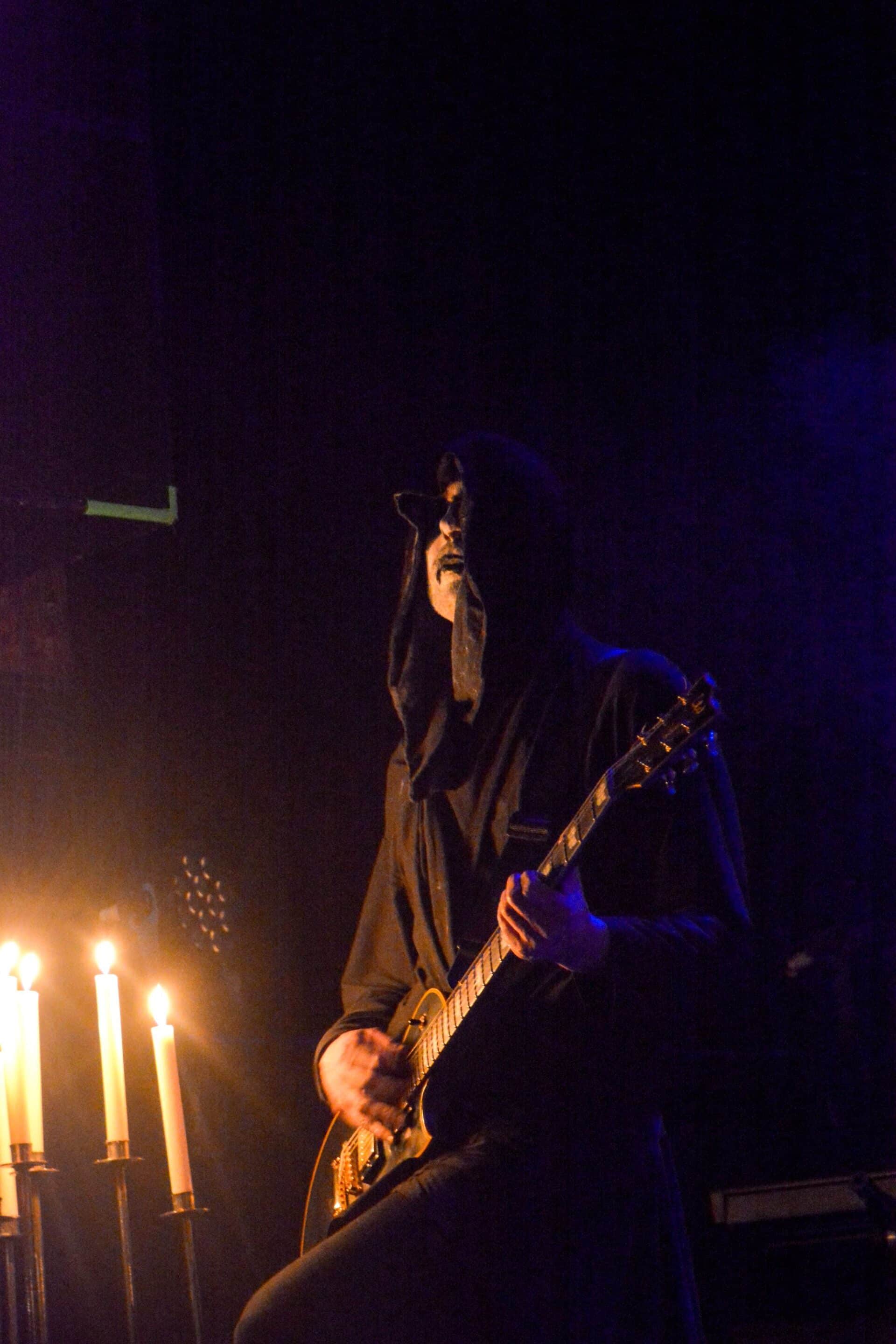
Hol voltunk még a fő fellépőktől… de már most olyan tömegnyomor volt a Rockefeller-ben, hogy tulajdonképpen meg sem lehetett közelíteni a nagyszínpadot, fotózni előre menni meg teljesen esélytelen volt. A Djevel nagyon klasszikus atmoszférikus black metal-t játszott a hozzávaló – mármár elvárható – kiegészítőkkel. Talán jól mutatja a norvég szcéna fajsúlyát, hogy ez a zenekar – amelyikről Magyarországon tulajdonképpen nem is nagyon hallottunk – teltházas fellépést produkált.
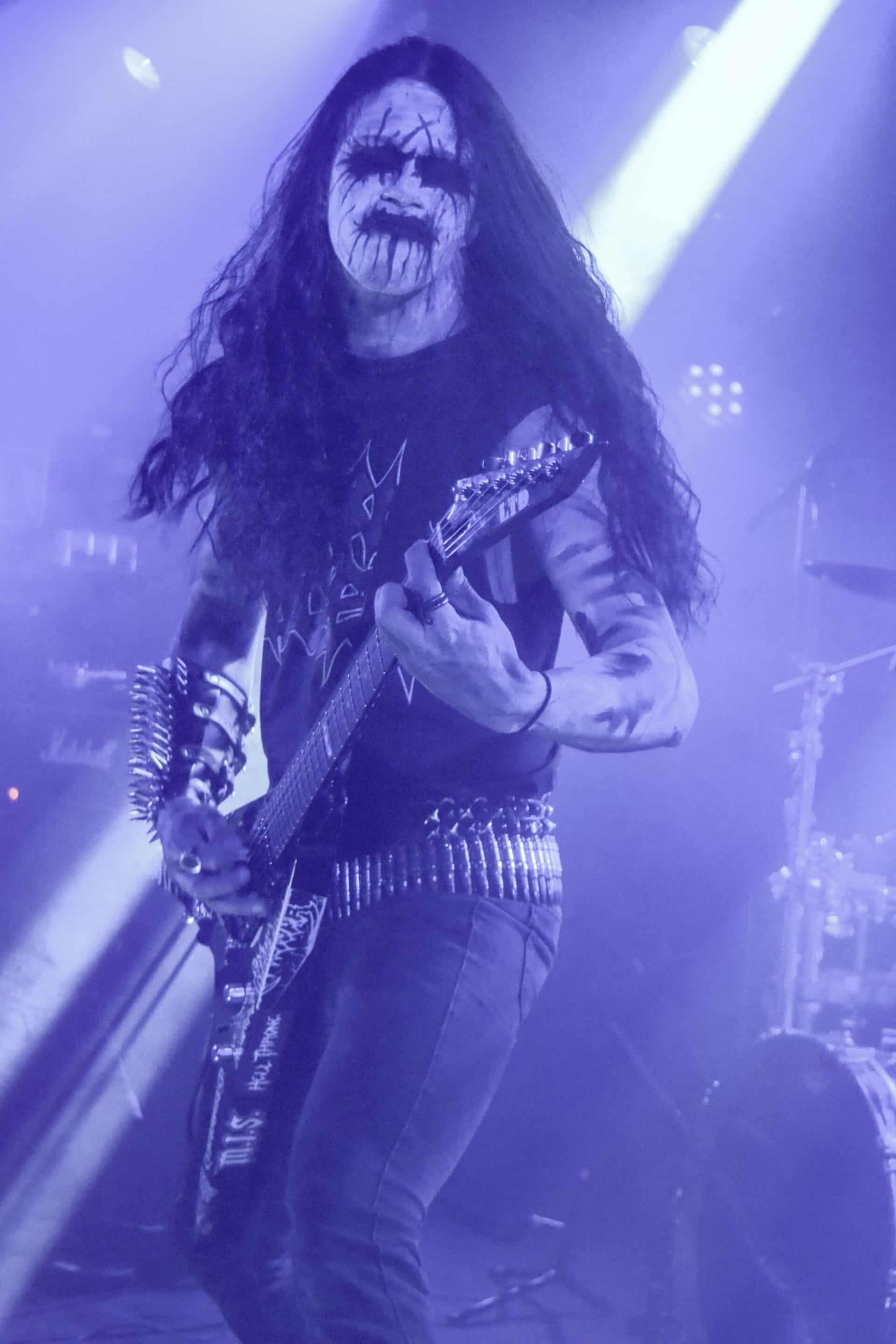
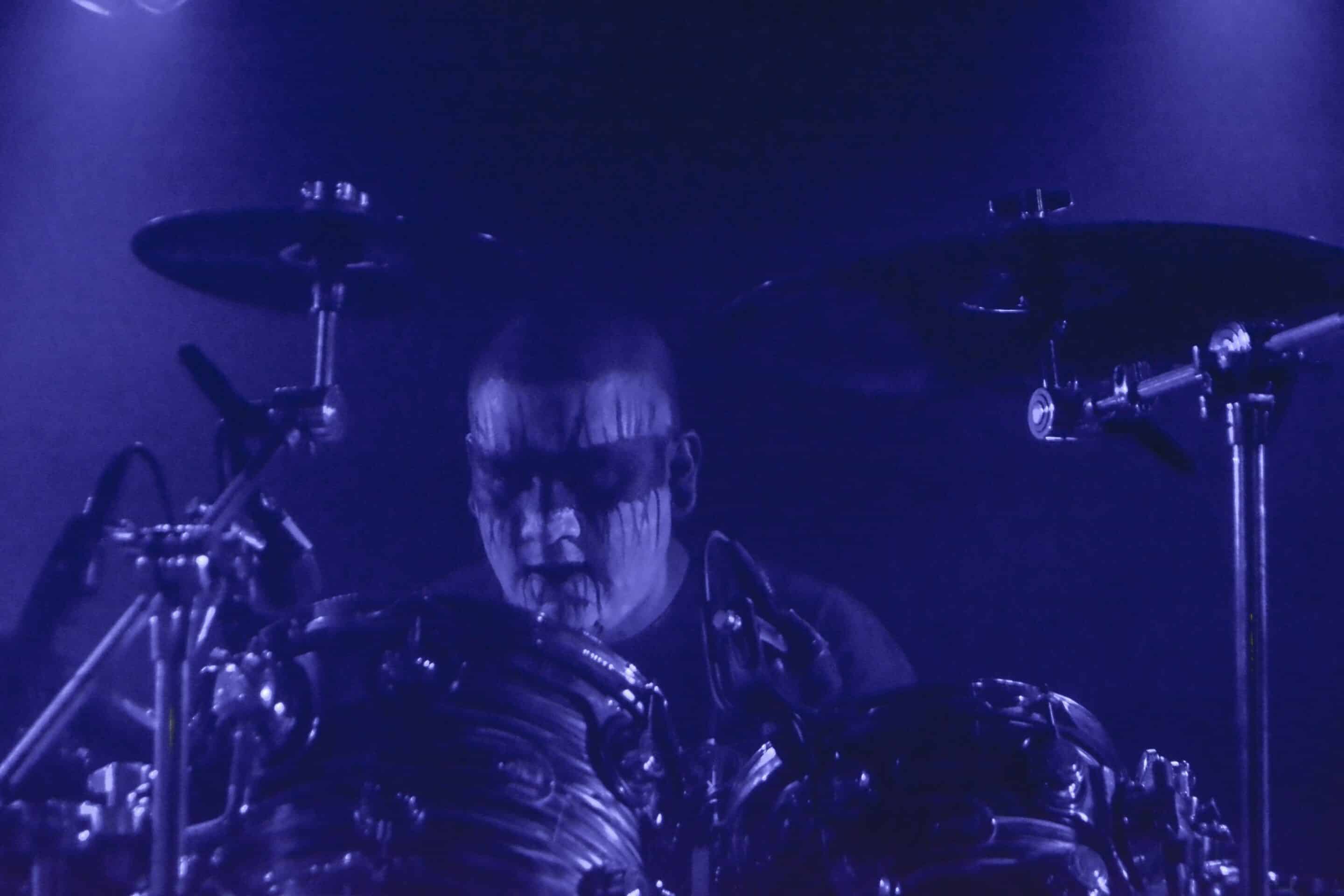
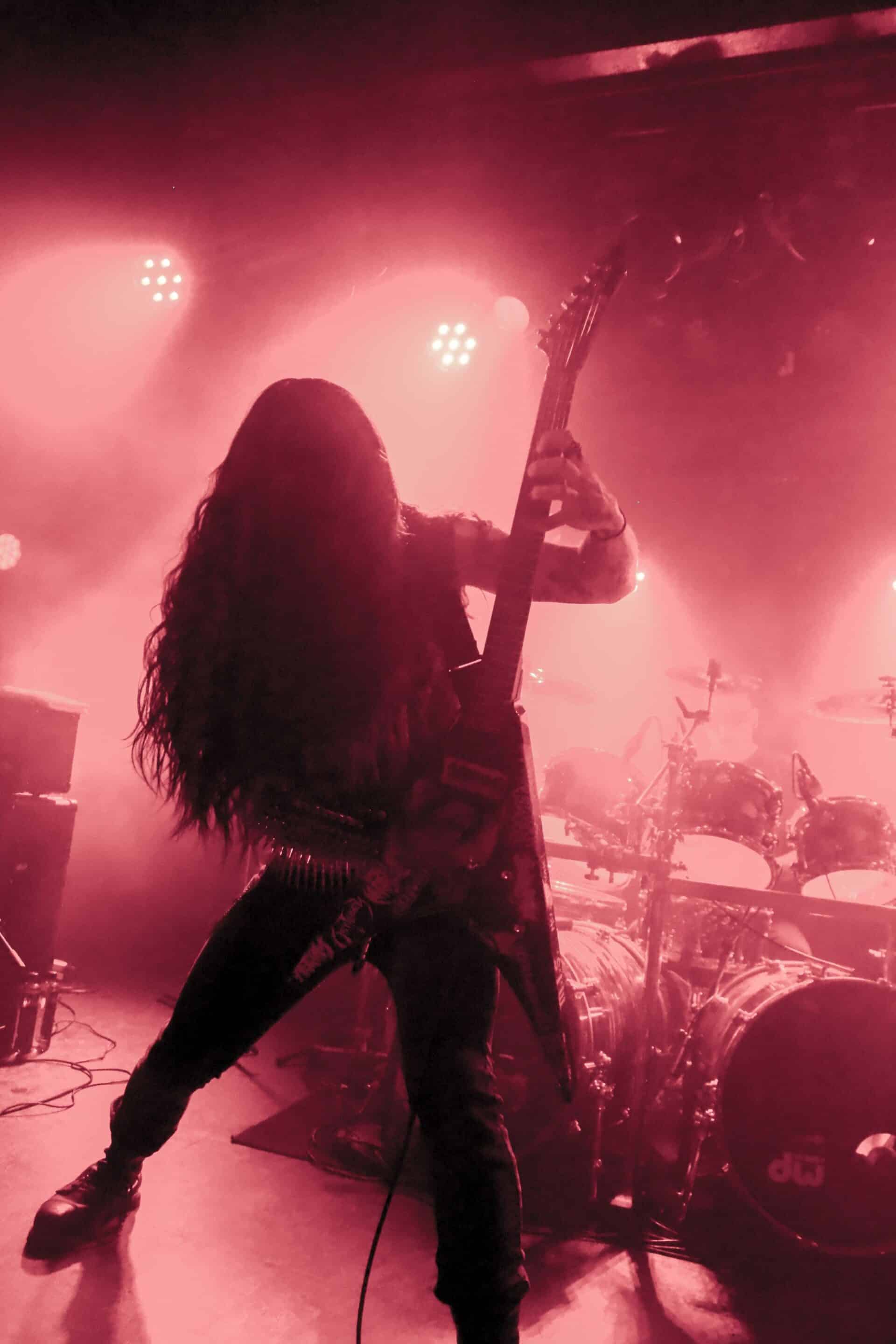
Megkíséreltem a lehetetlent, és a Djevel után lerohantam a John Dee-be a Mutilated Tyrant fellépésére. A terv az volt, hogy belehallgatok és lövök egy párat, utána pedig nyomás vissza a nagyterembe, sorbaállni Dark Funeral-ra. A Mutilated Tyrant igazából nem hagyott mély nyomot bennem: klasszikus, old school-nak induló vagy old school-nak gondolt black metal-t játszottak, amelyik úgy tűnt, hogy külsőségeiben megfelel a műfaj által támasztott követelményeknek, ám a mondanivaló, az energia és a lendület valahogy hiányzott az egész fellépésből – illetve abból a pár számból, amit láttam.
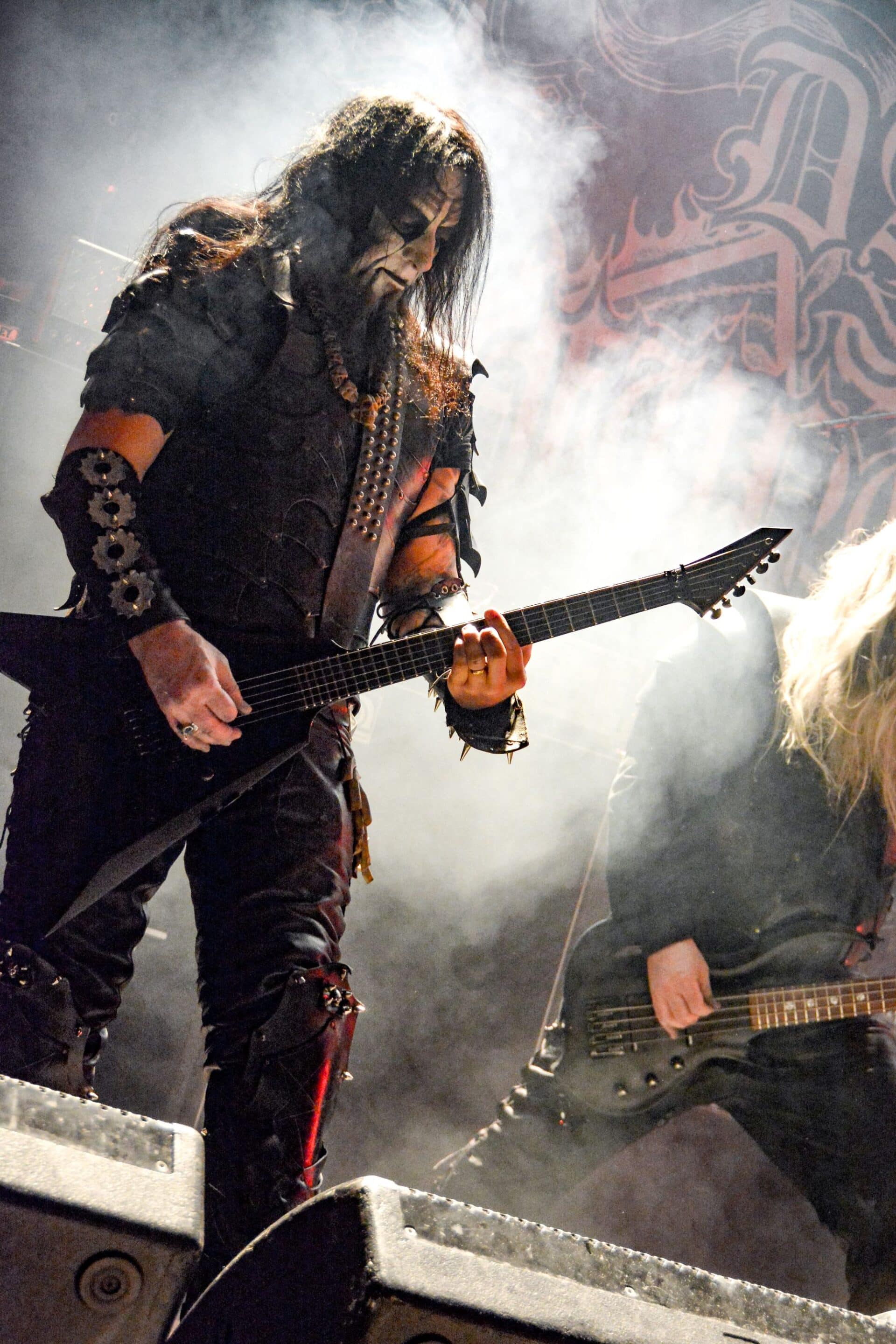
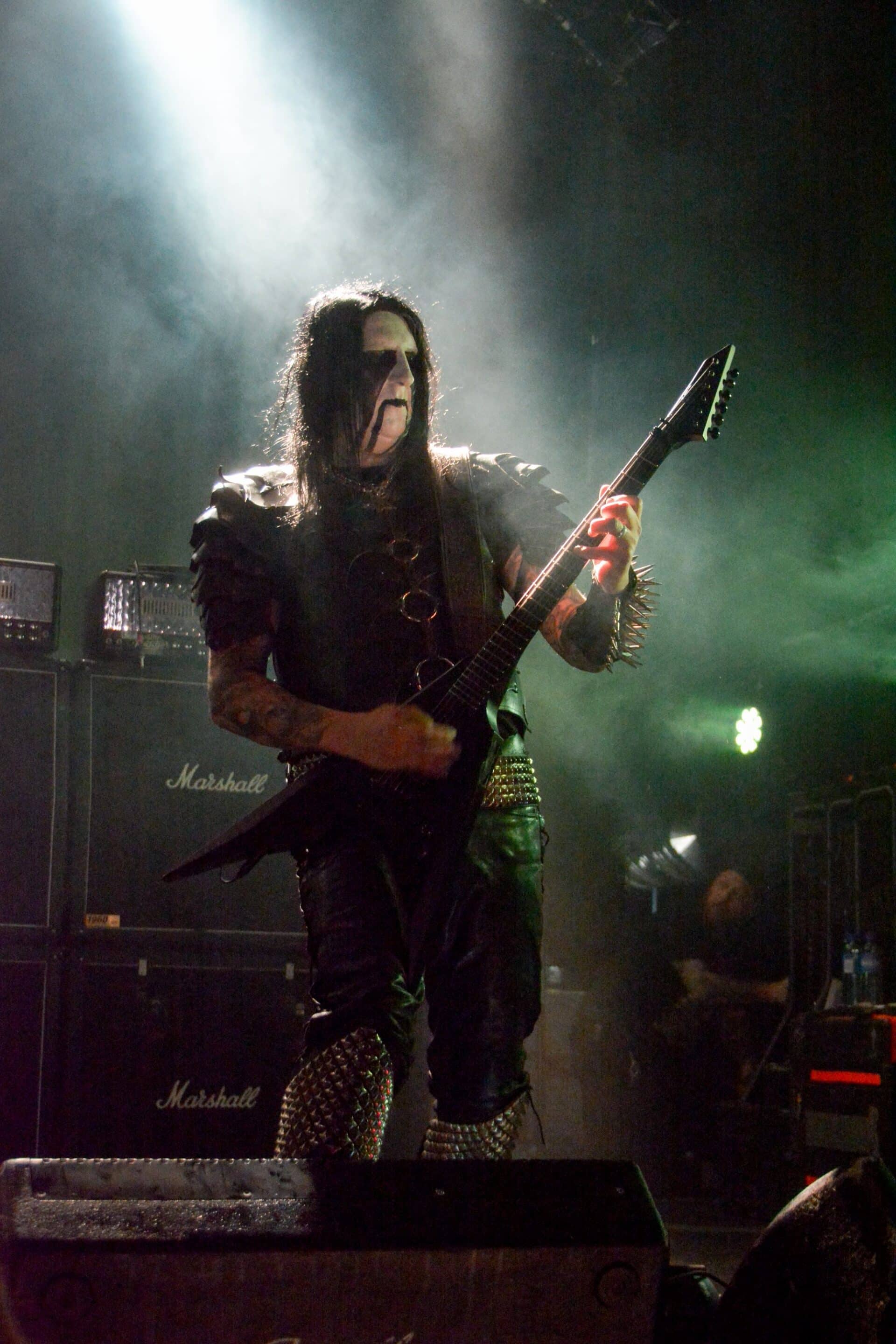
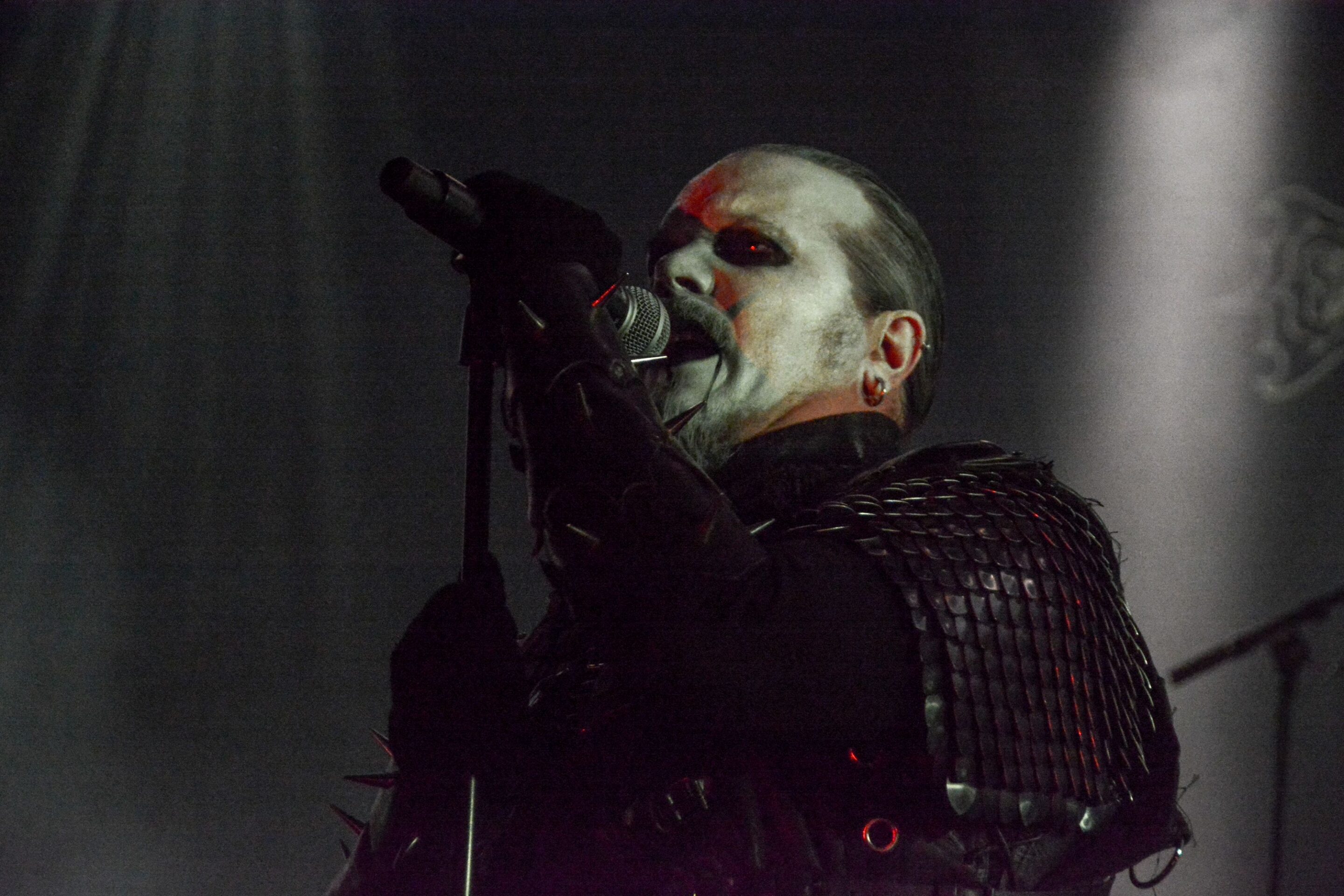
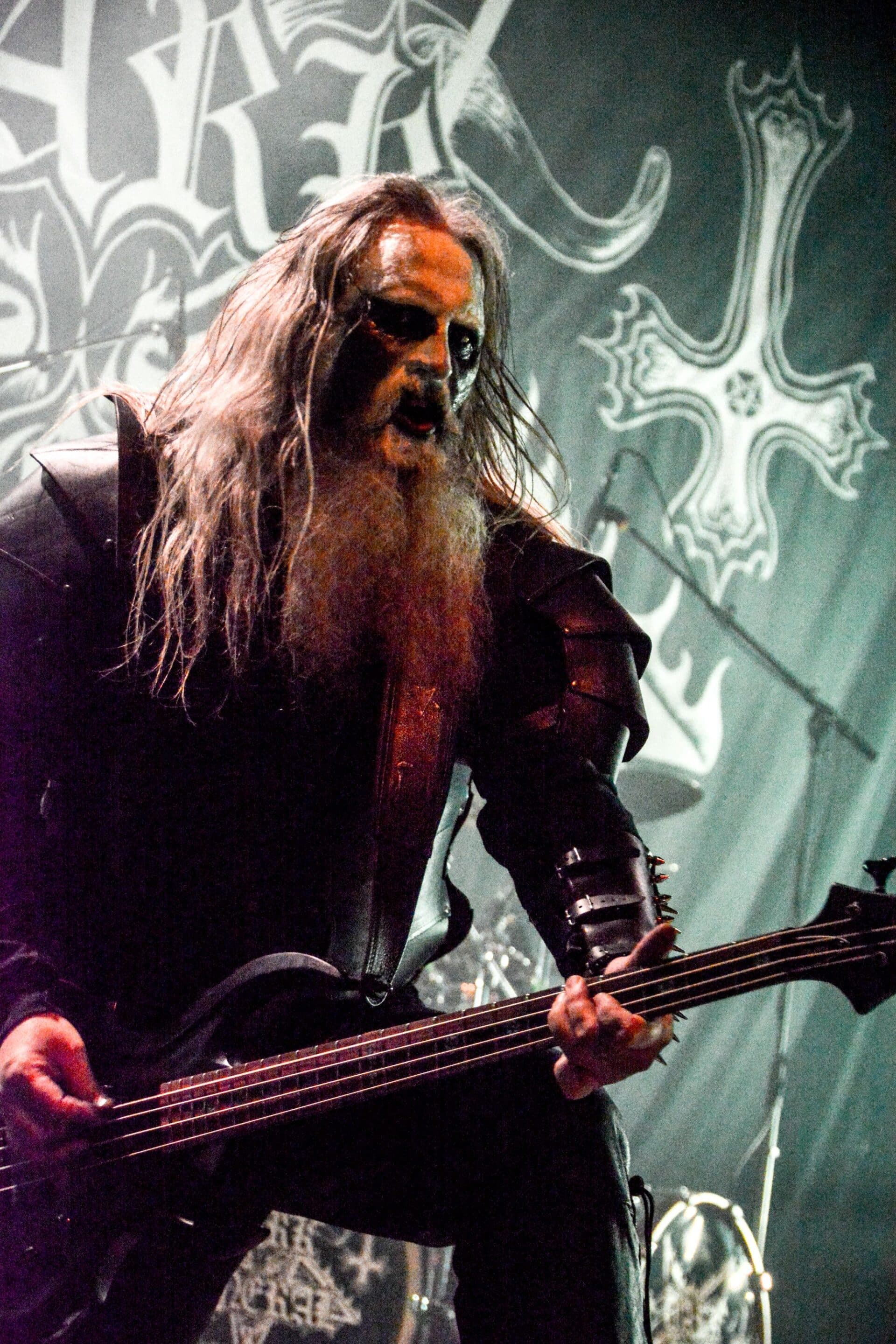
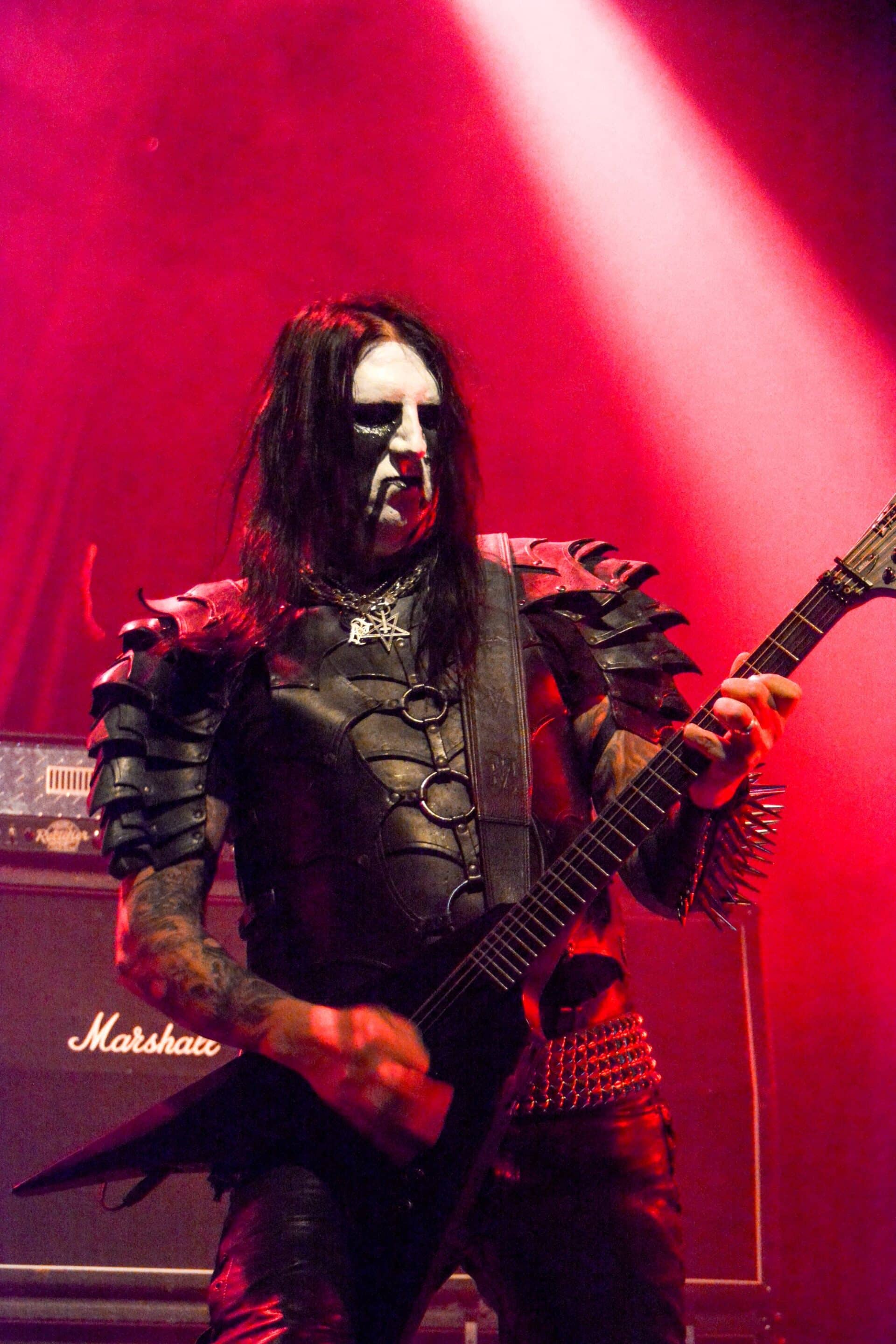
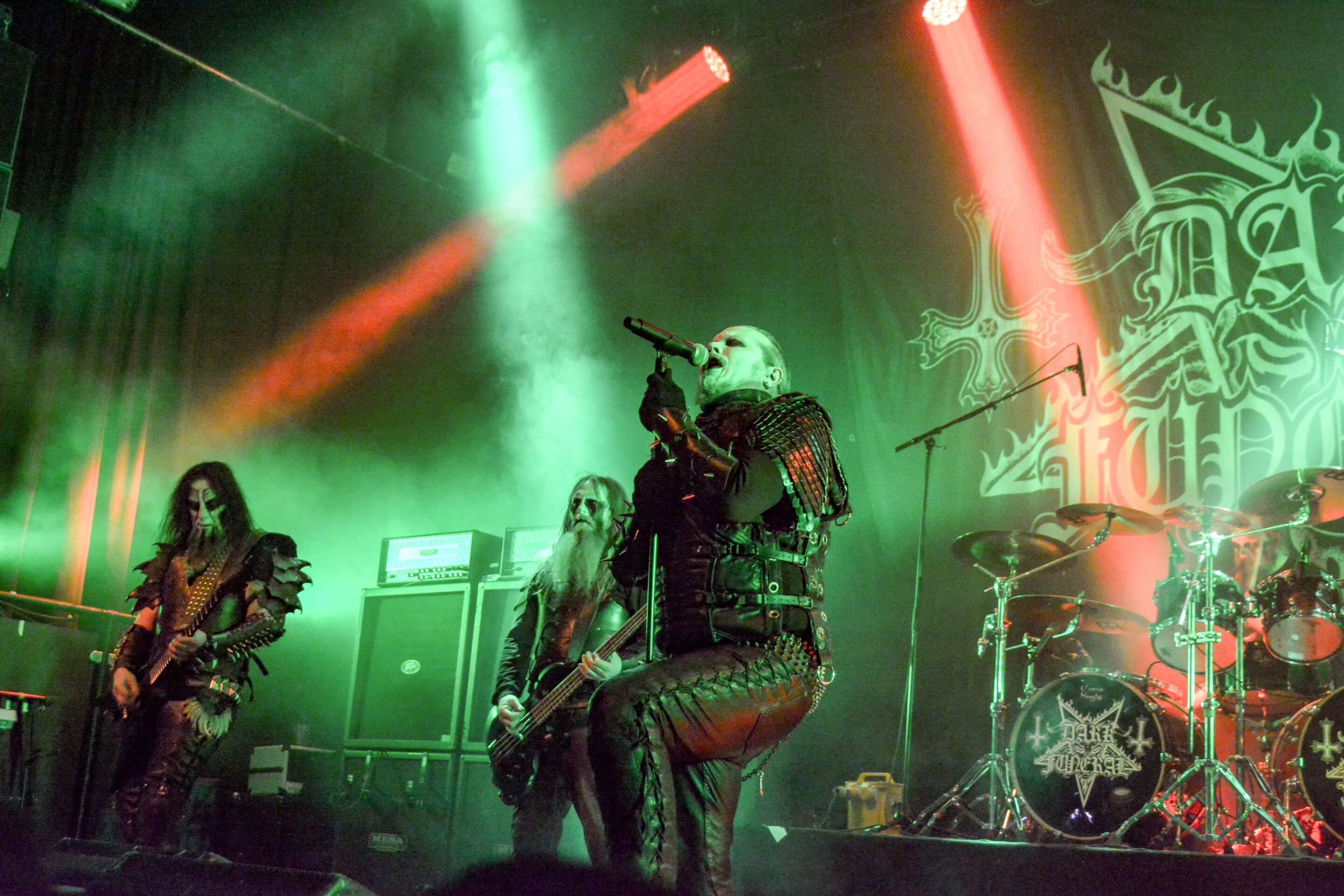
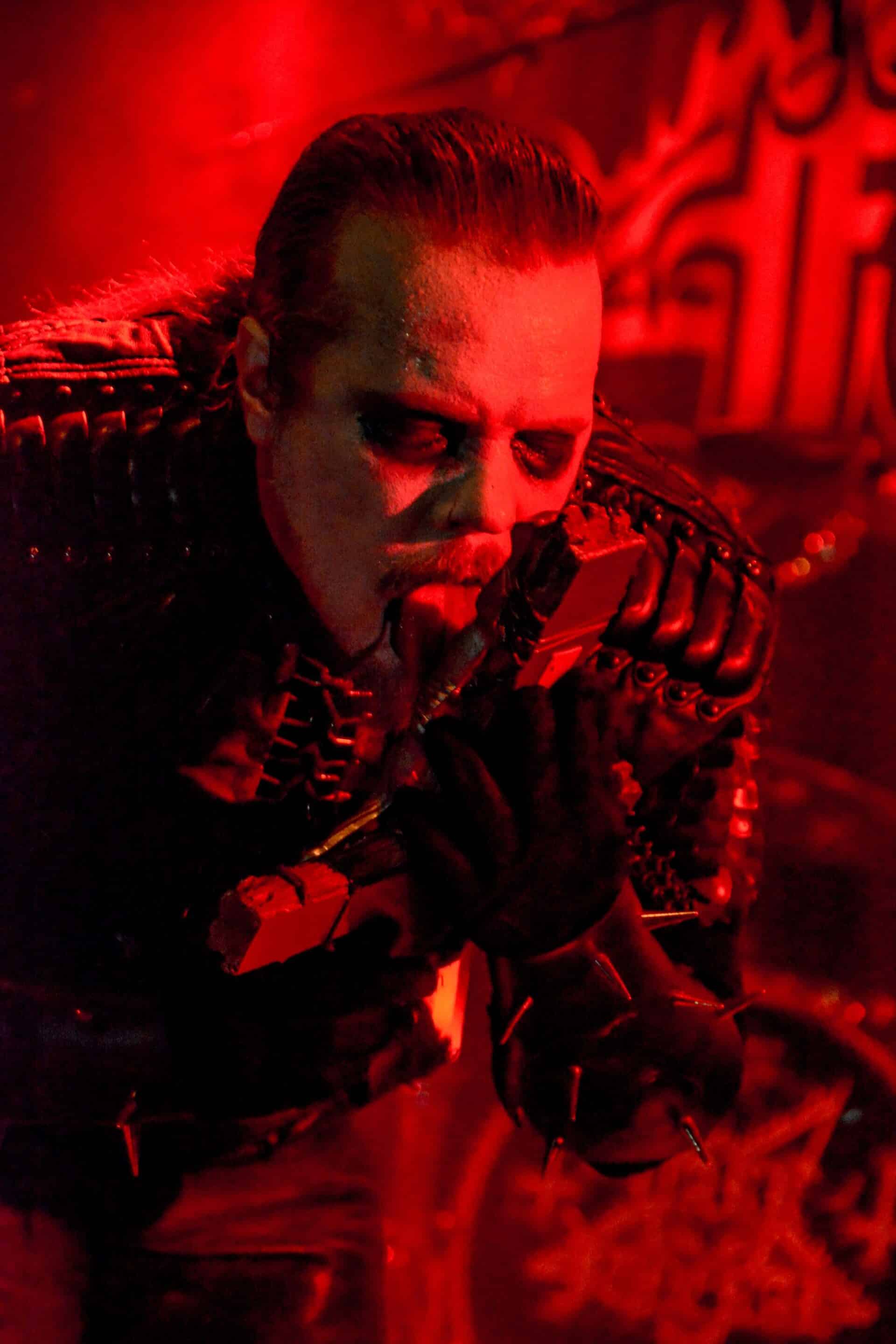
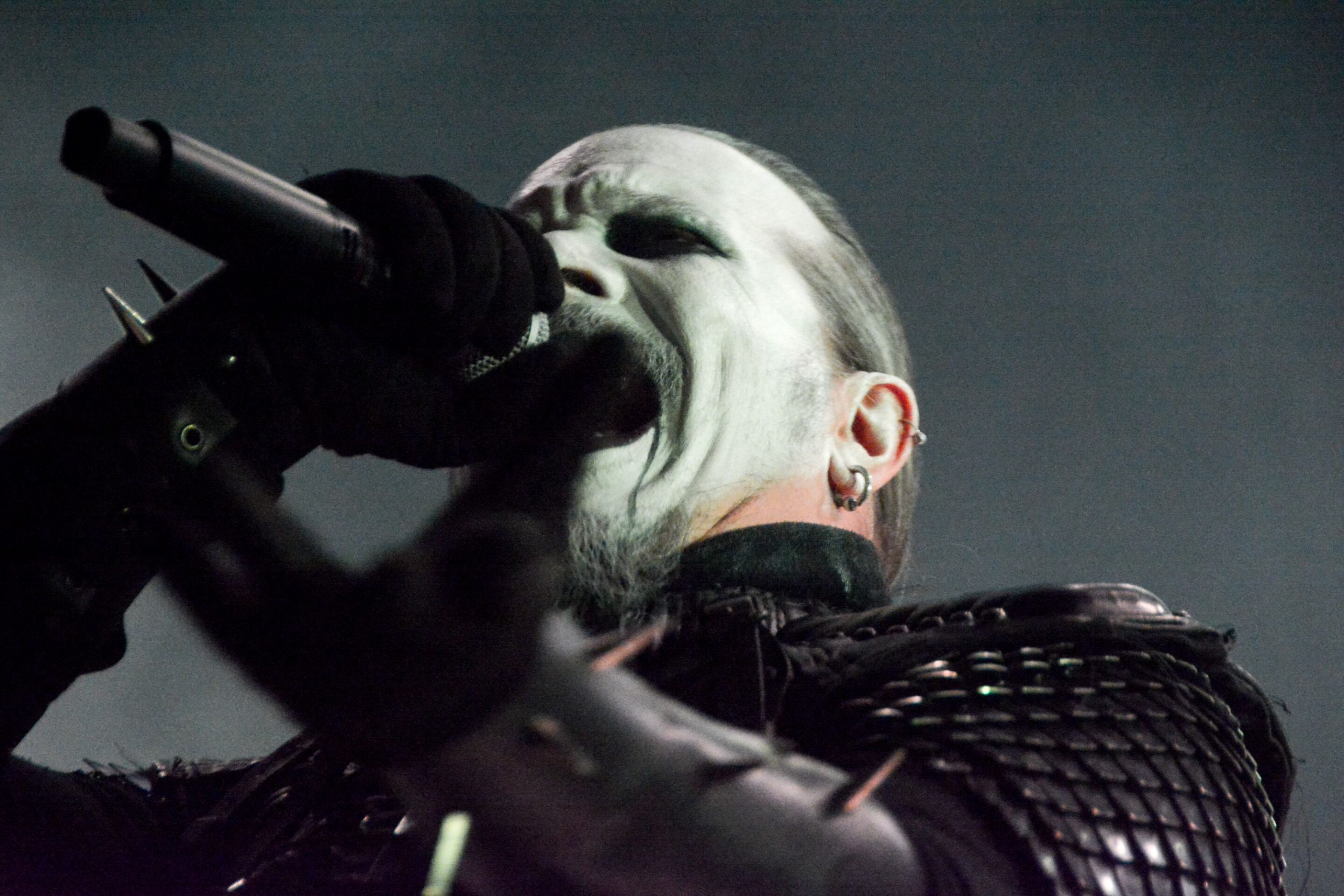
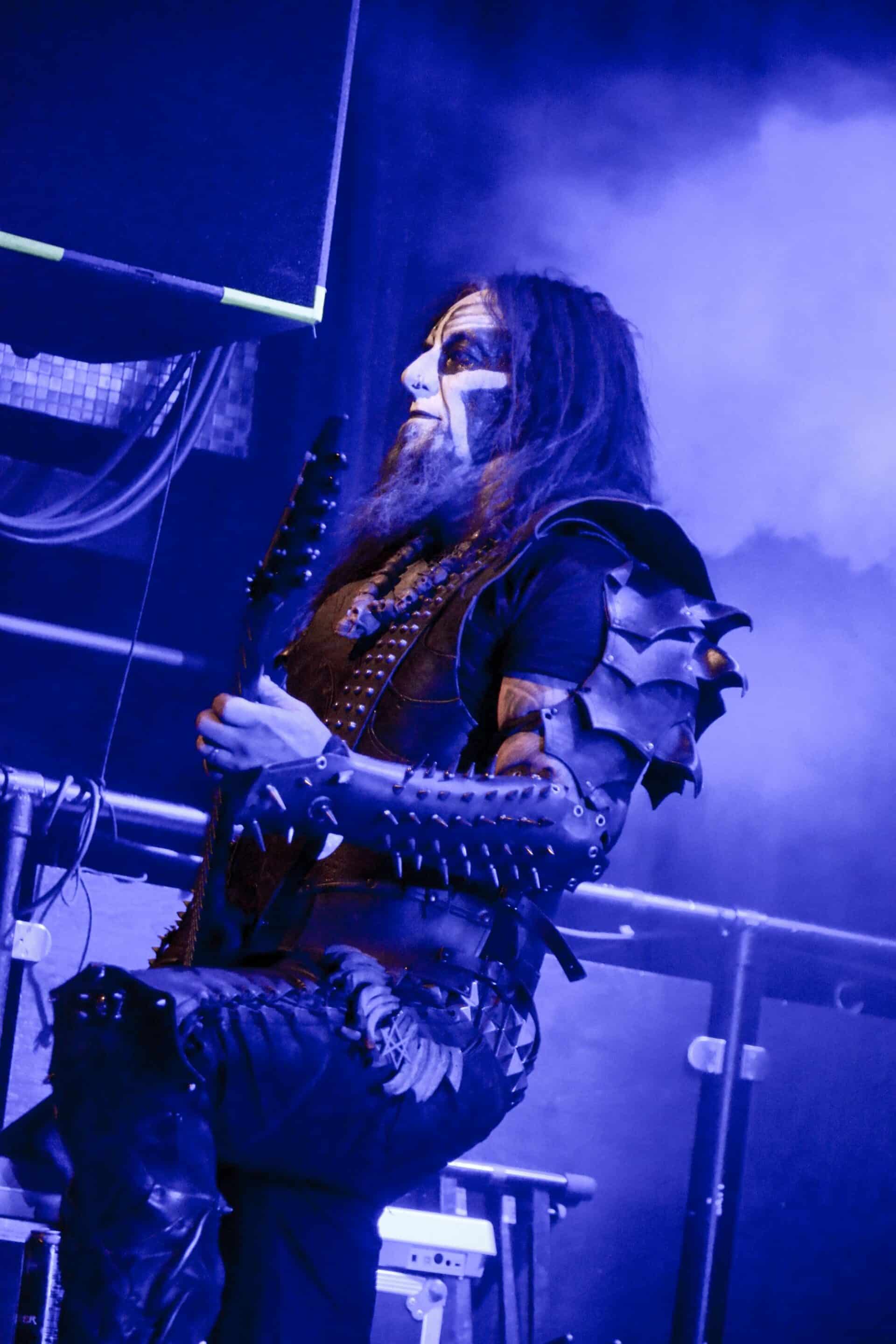
A Dark Funeral sokkal jobban szólt, mint Pesten: Chaq Mol gitárját teljesen tisztán lehetett hallani, ám Mikael mintha fönn sem lett volna a színpadon… és ismételten az volt a fő gond, hogy a harmóniákból alig jött át bármi is. Pontosan ugyanazt a setlist-et nyomták, mint Pesten, nagyjából ugyanazzal a koreográfiával; jól látható volt, hogy azért ez a zenekar egy professzionálisan működő gépezet. Én azt hittem, hogy nem lehet tovább fokozni népsűrűséget, de eszméletlenül sokan voltak, és fotózni már csak teljesen kitekeredve – fejenállva lehetett, de feltétlenül megérte. Ekkor kajaszünet következett: a Nervosa-ra a nem voltam kíváncsi, és úgy voltam vele, hogy addig gyorsan kajálok valamit, aztán megpróbálok a Cannibal Corpse-on előrejutni, hogy legalább lássák valamit a fellépésből.
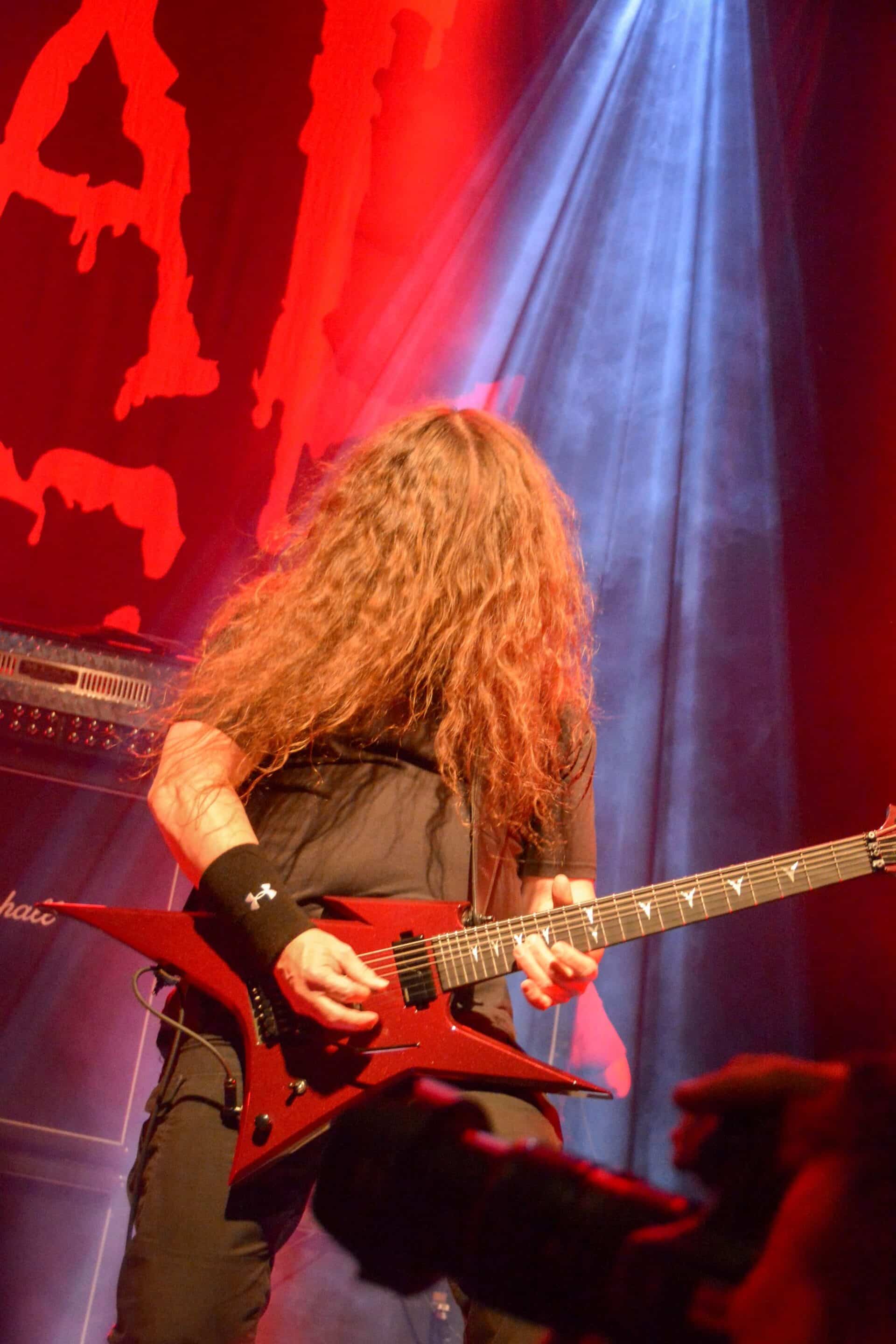
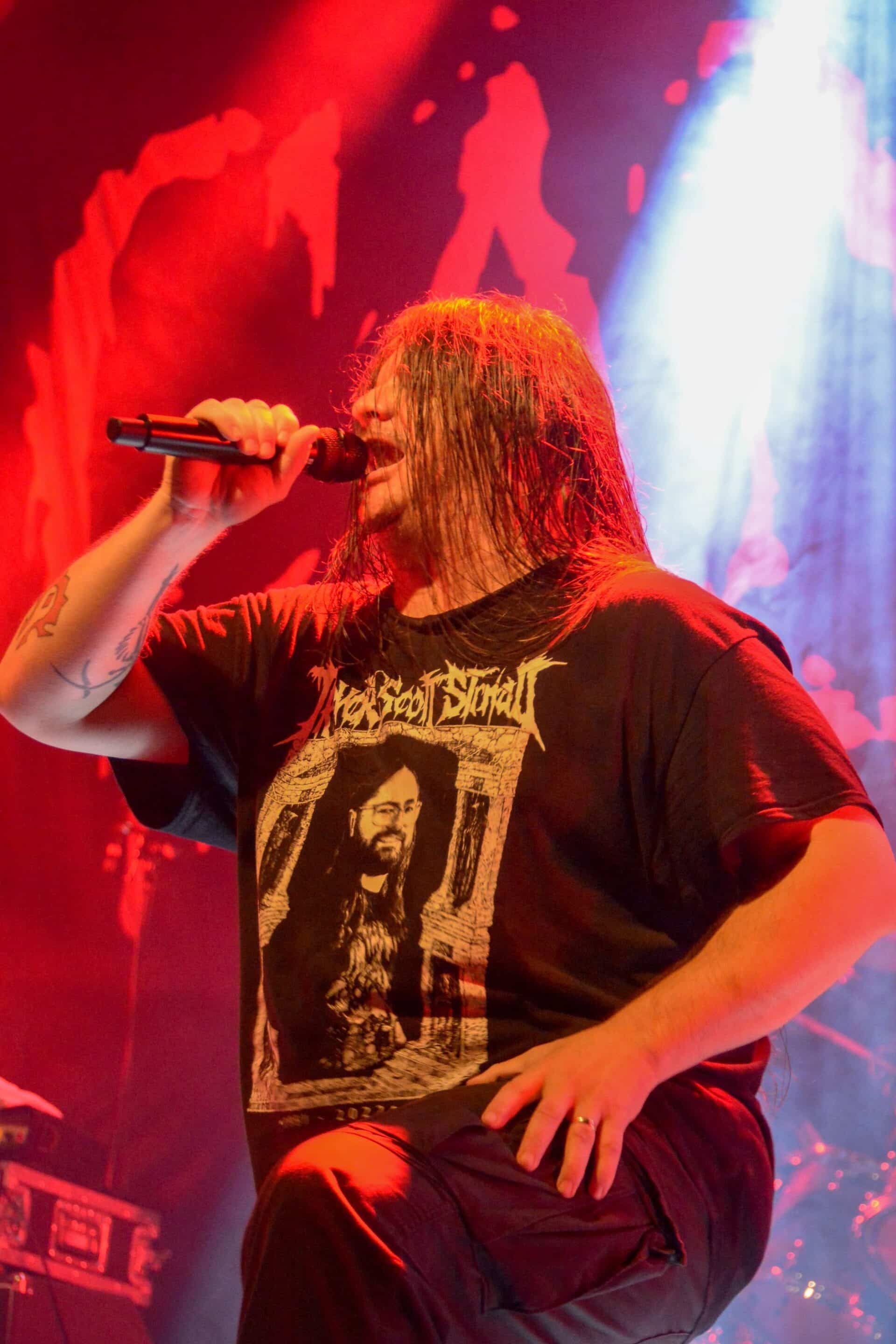
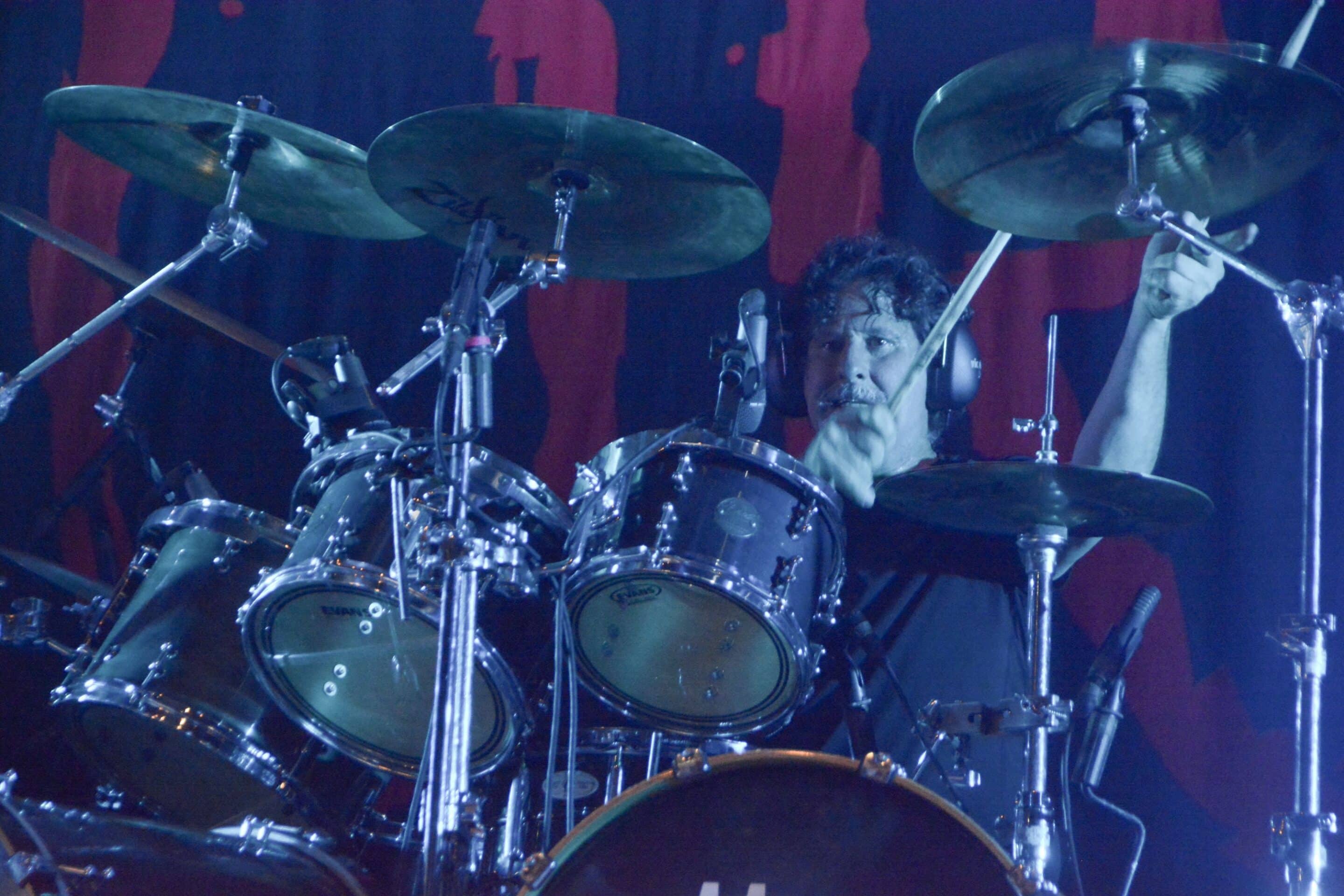
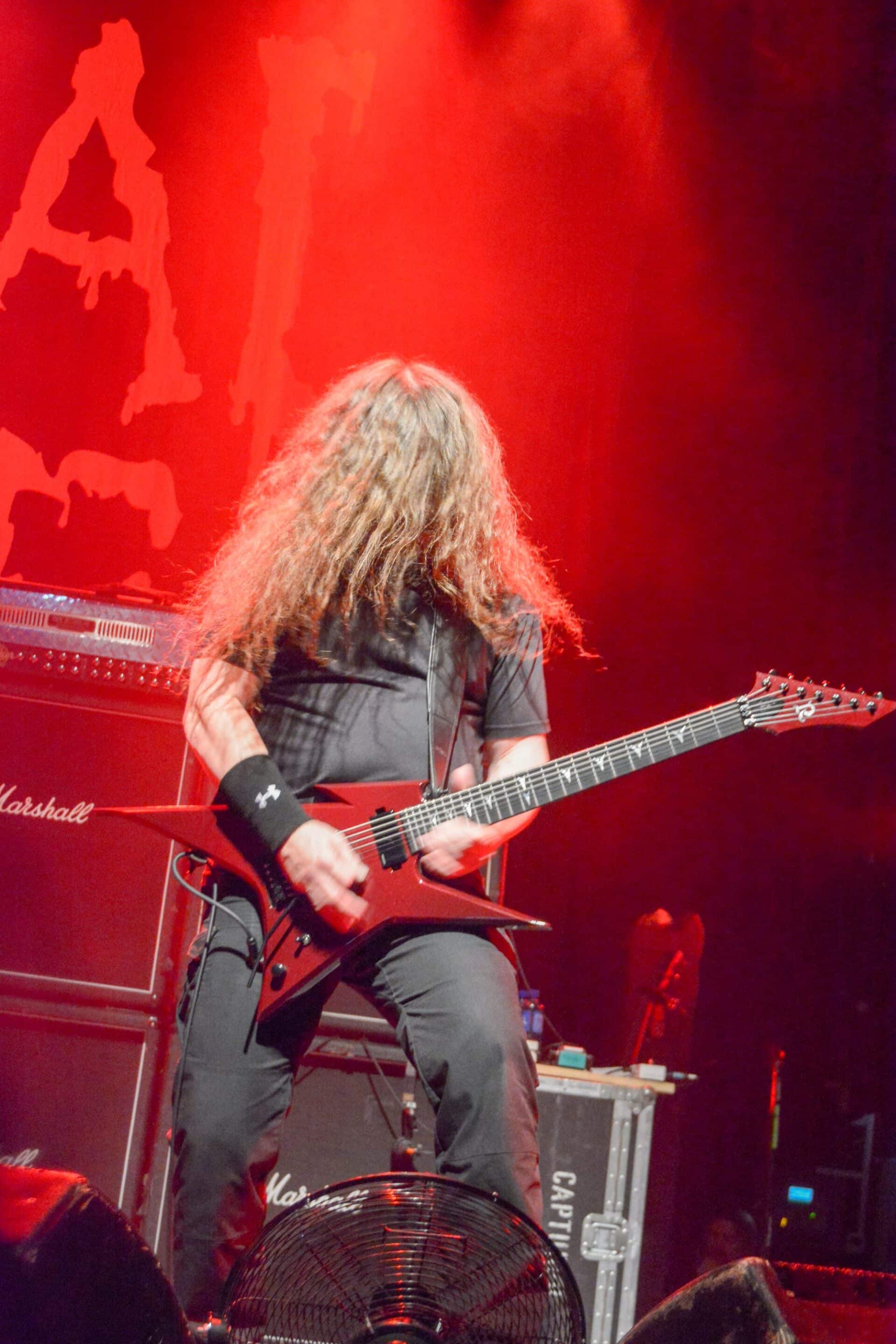

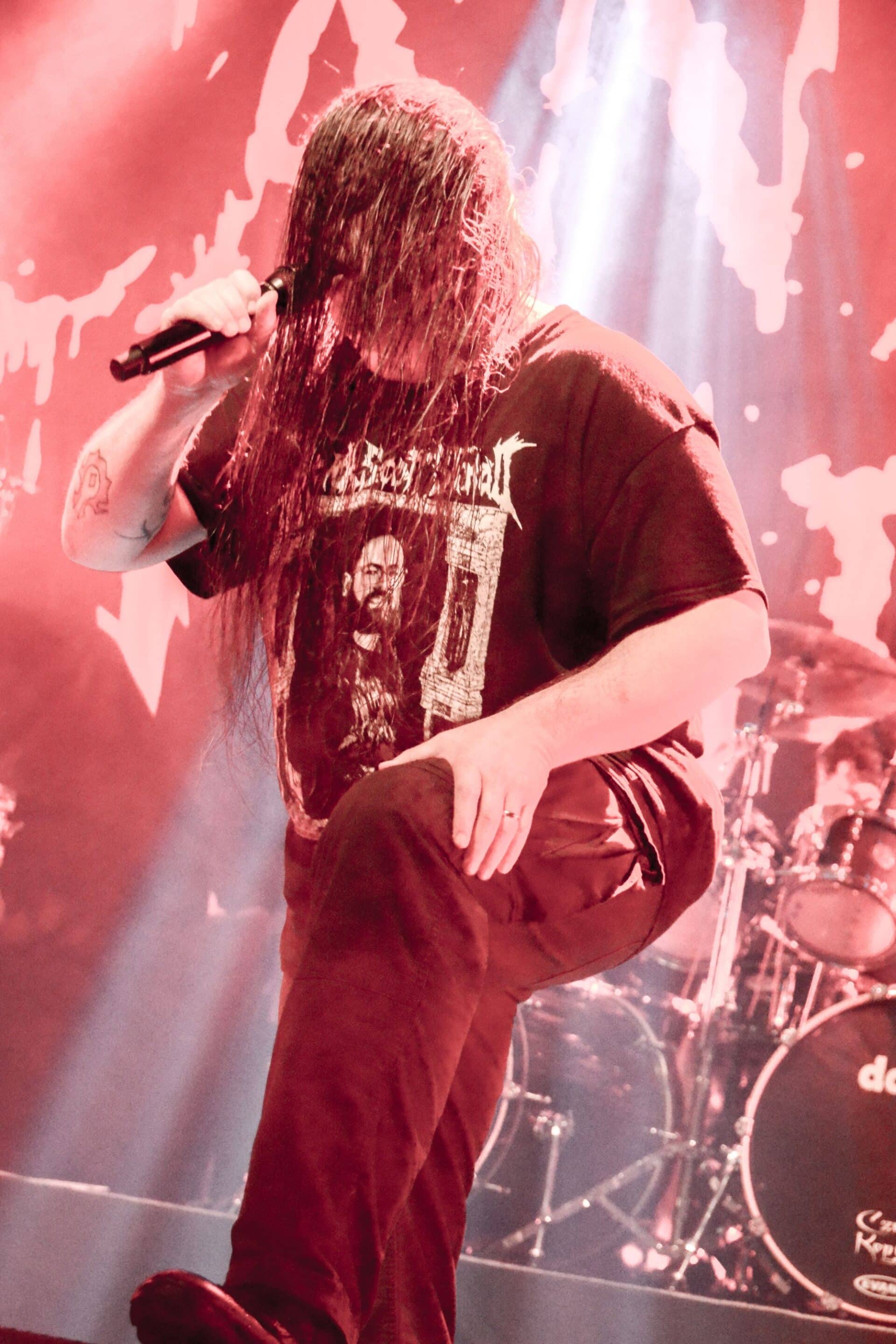
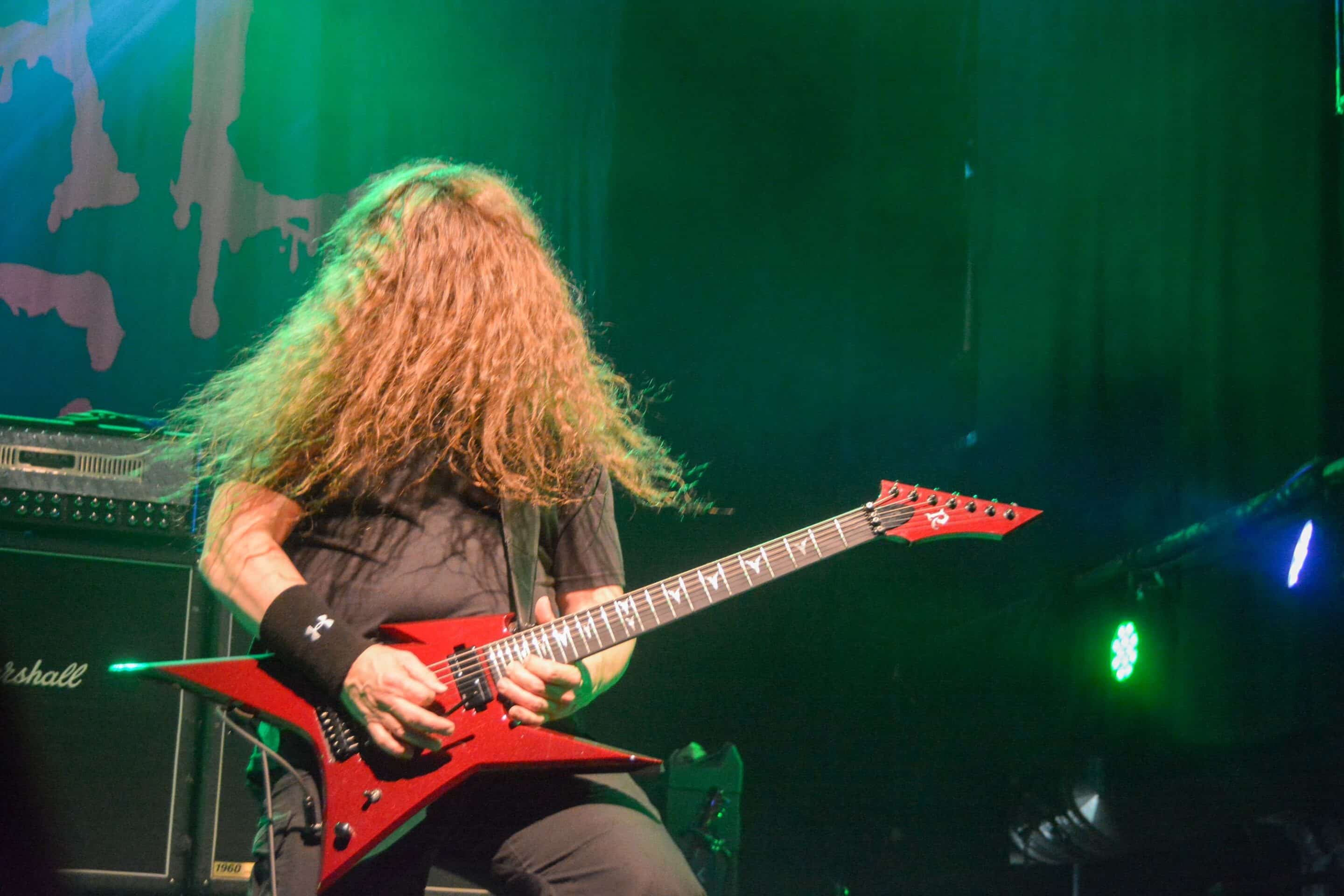
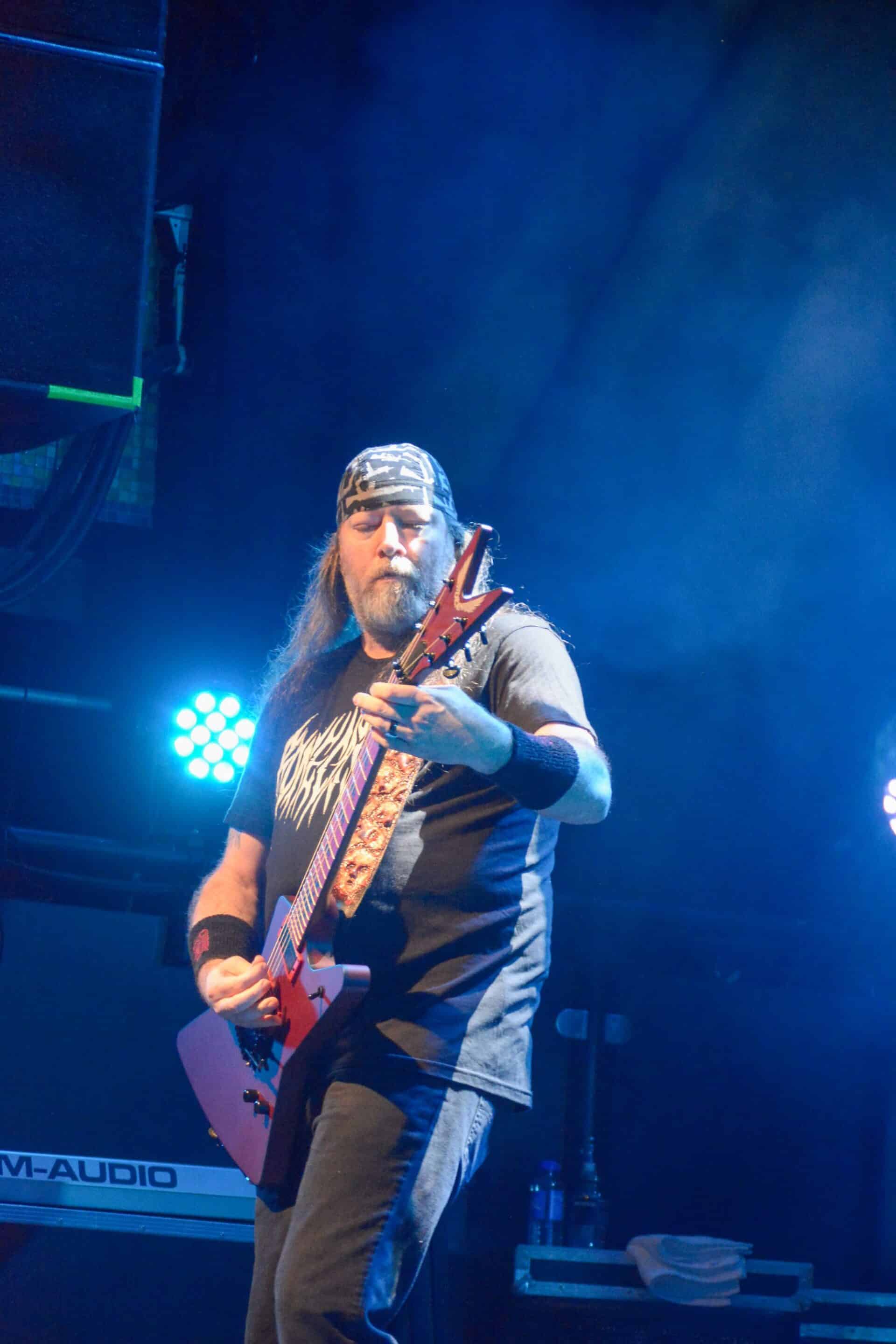
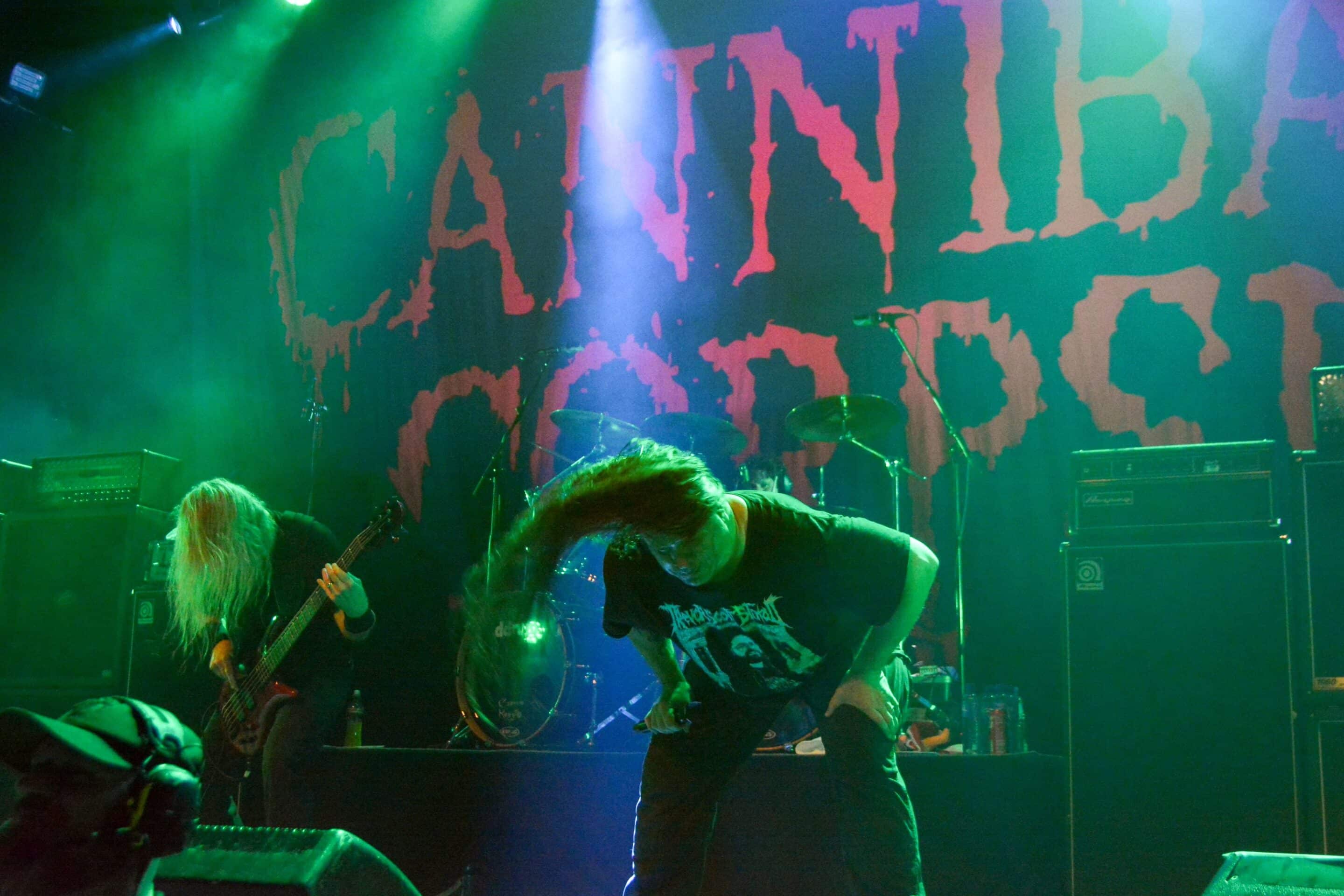
Ez volt az a fellépés egyébként, ahol a legnagyobb volt a népsűrűség: konkrétan az ötödik sornál előbbre már nem tudtam menni; csak amikor némi mozgás támadt, akkor sikerült előbbre vergődnöm egy picit. A koreográfia, a show és a kötelező elemek pontosan ugyanazok voltak mint Pesten. Engem egészen lenyűgözött az, hogy Erik Rutan mit és hogyan játszik: elképesztő, hogy ez a faszi mit csinál, rövid és tömpe ujjaival miket játszik a gitárom. Az unalomnak, a megszokásnak a megfáradásnak a legcsekélyebb nyomát sem láttam rajta, és így 52 évesen is pontosan olyan lelkesen tolta az egész fellépést, mintha élete első koncertjén kellene bizonyítania. Annyi eltérés mindenképpen elmondható a magyarországi fellépésükhöz képest, hogy a norvégok kevésbé voltak aktívak: pogó és circle pit is tulajdonképpen csak mutatóba volt, egészen jelzésszintű beugrálás, és Corpsegrinder is csupán csak két plüssel lett gazdagabb a fellépés végére: ebből az egyiket a mellettem álló olasz kolléga adta, a másikat én. Úgy gondoltam, hogy tizenkilencre lapot húzok és levonulok a pincébe a Mork fellépését megnézni: láttam őket a Dark Easter Metal Meeting-en tavaly, elképesztően jók voltak, de most erre nem volt lehetőségem: amire eljutottam a lejáratig, addigra a John Dee egészen egyszerűen megtelt, nem engedték be senkit, ami egy kicsit idegesítő ilyen jegyárak mellett – úgyhogy a Mork helyett a nagyszínpad függönyét bámulhattam egy órán át, várva az Emperor-t az első sorból.
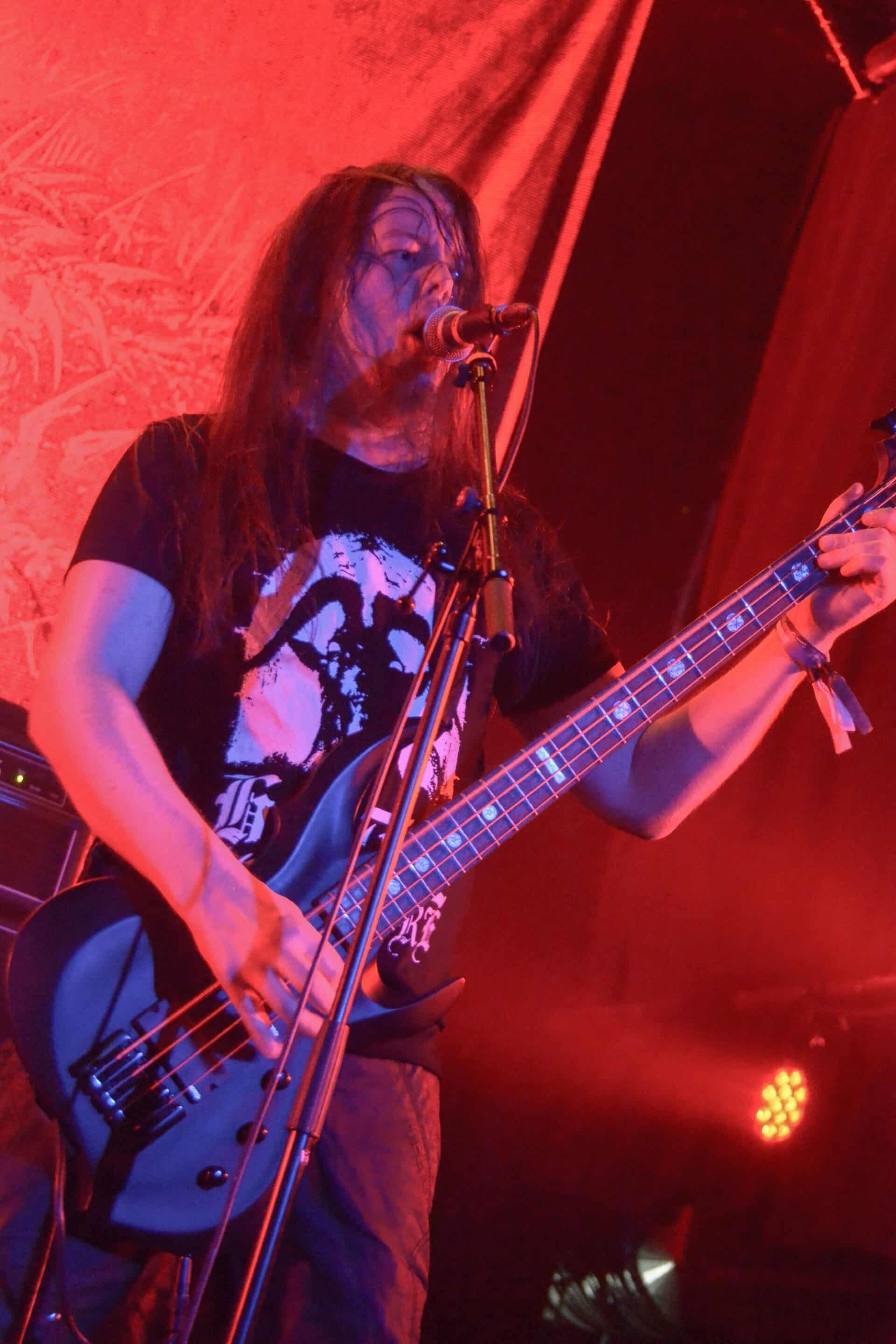
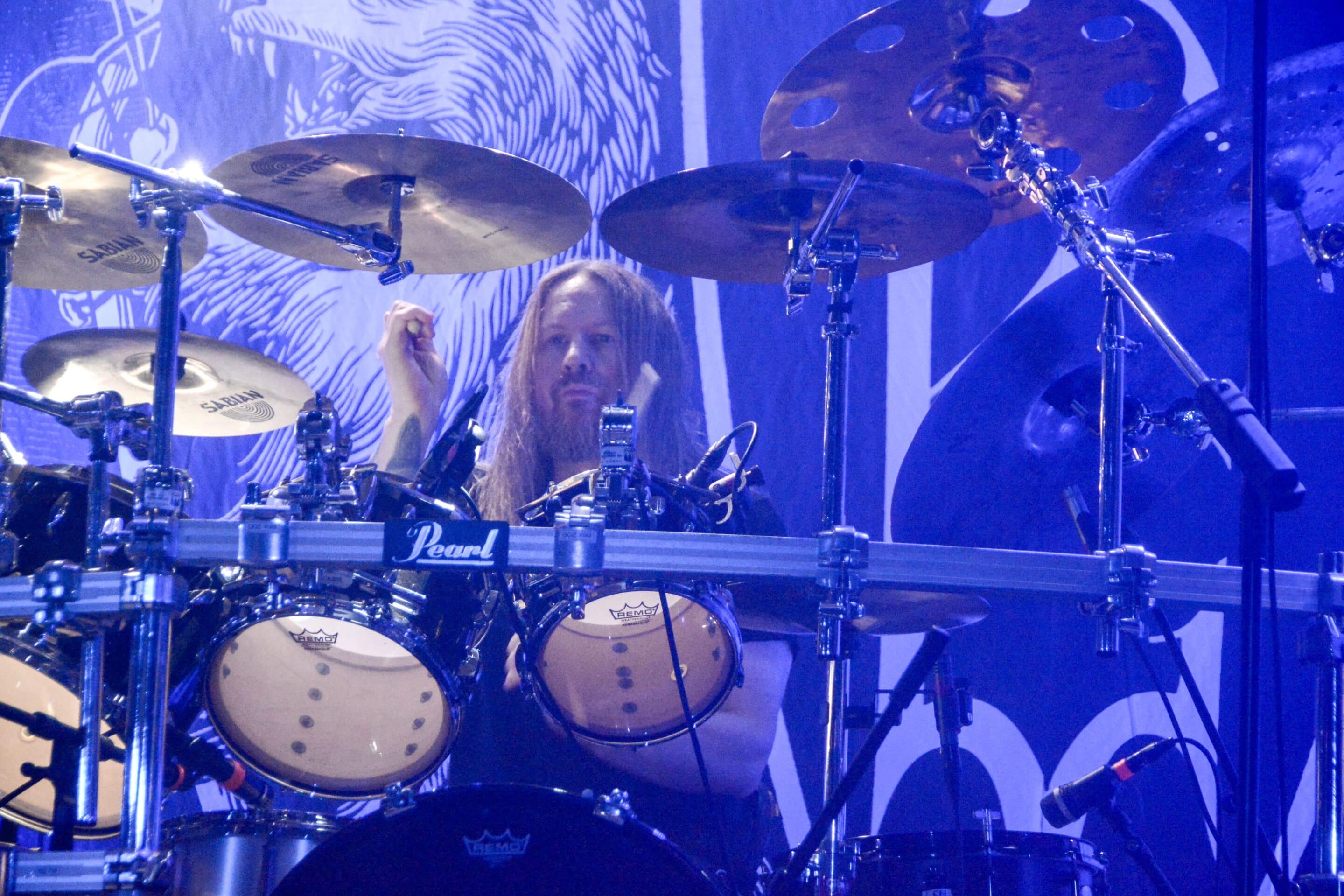
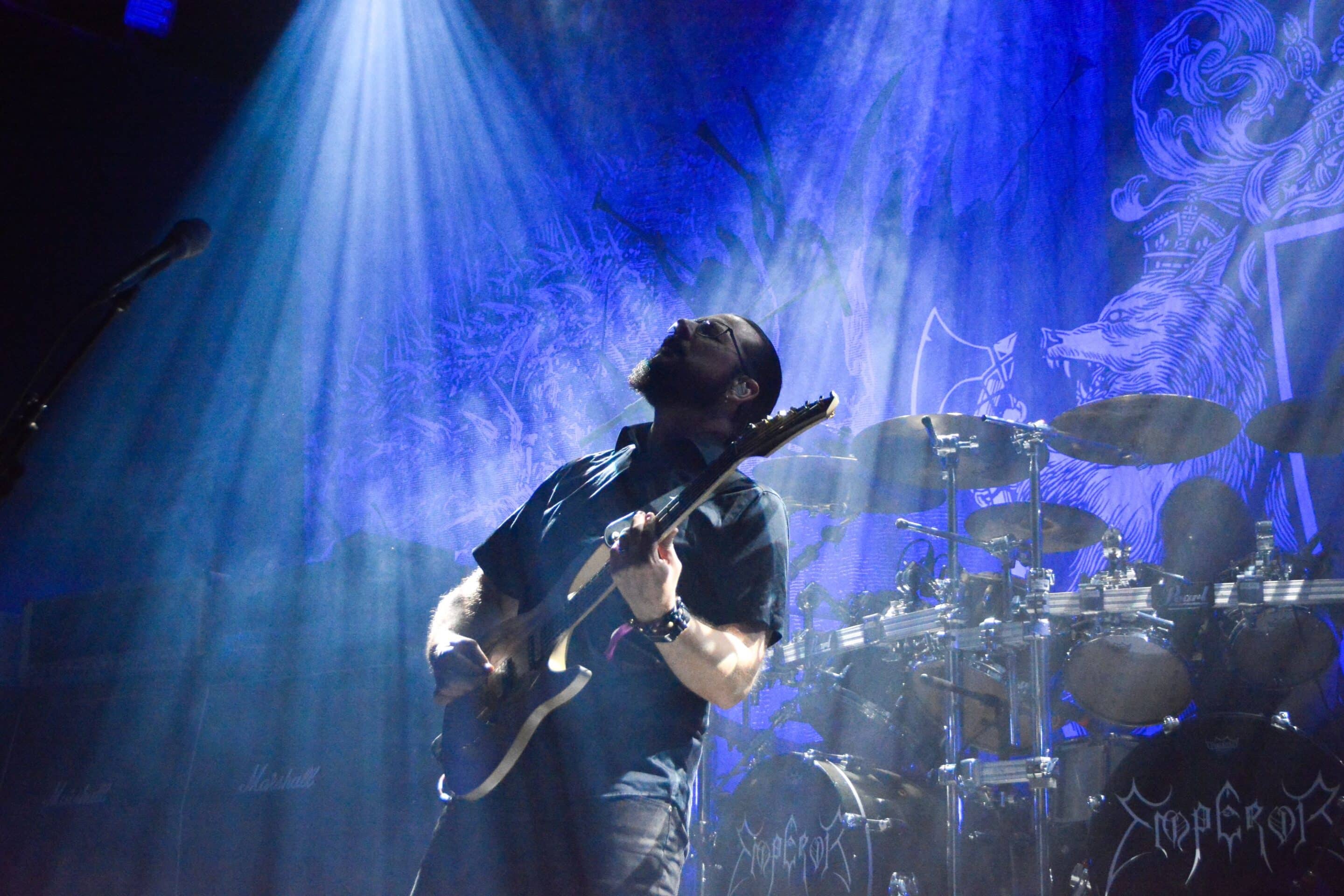
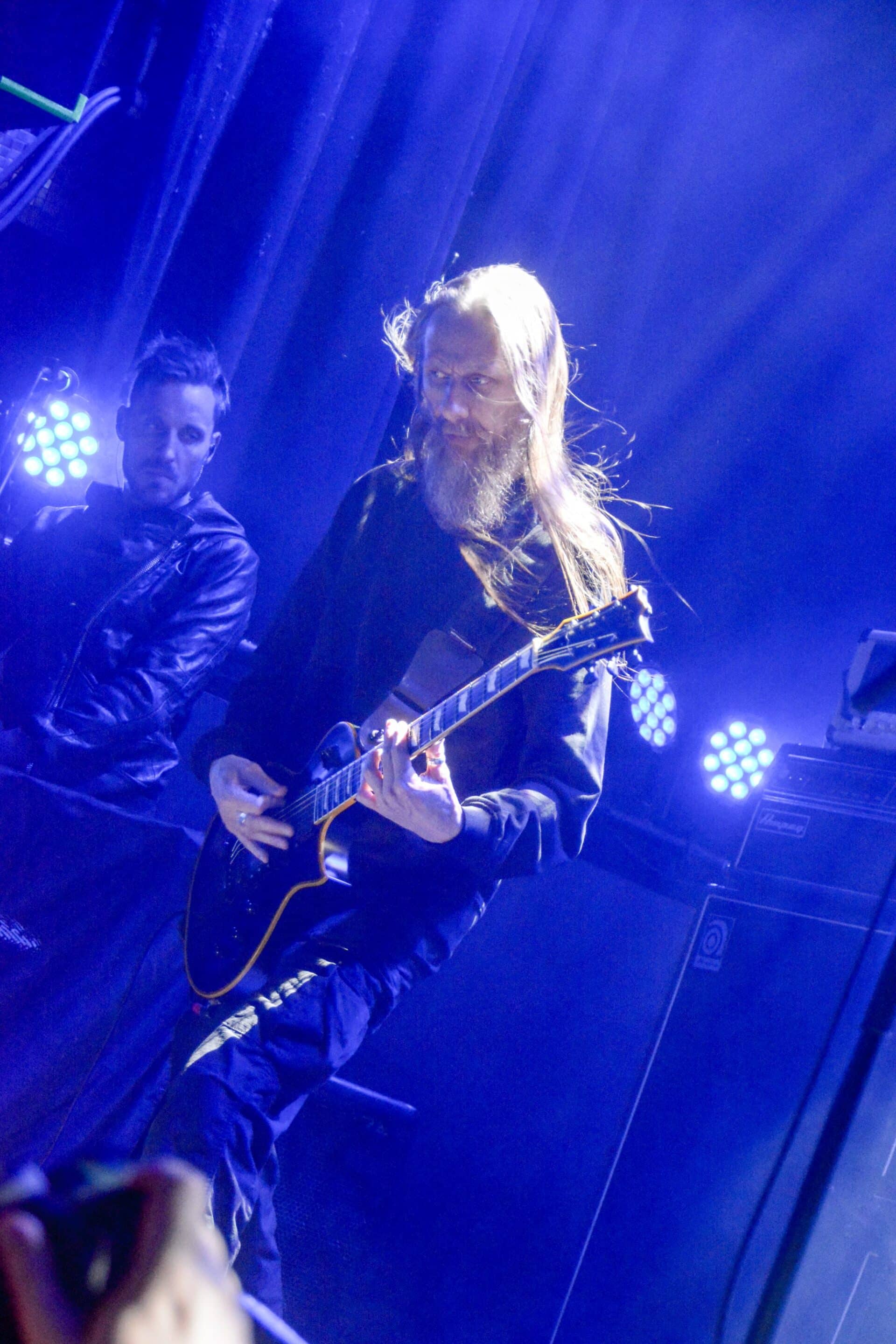
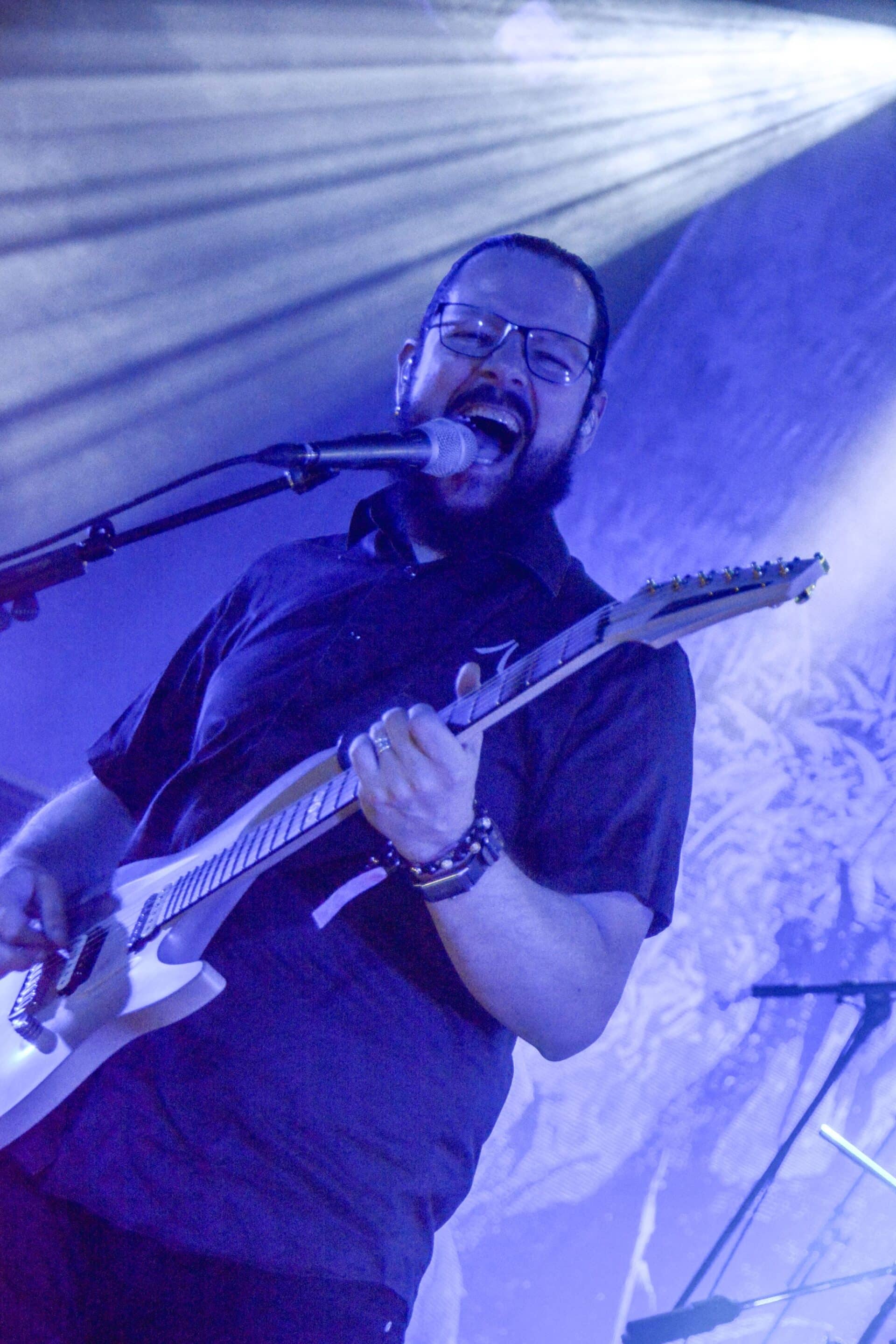
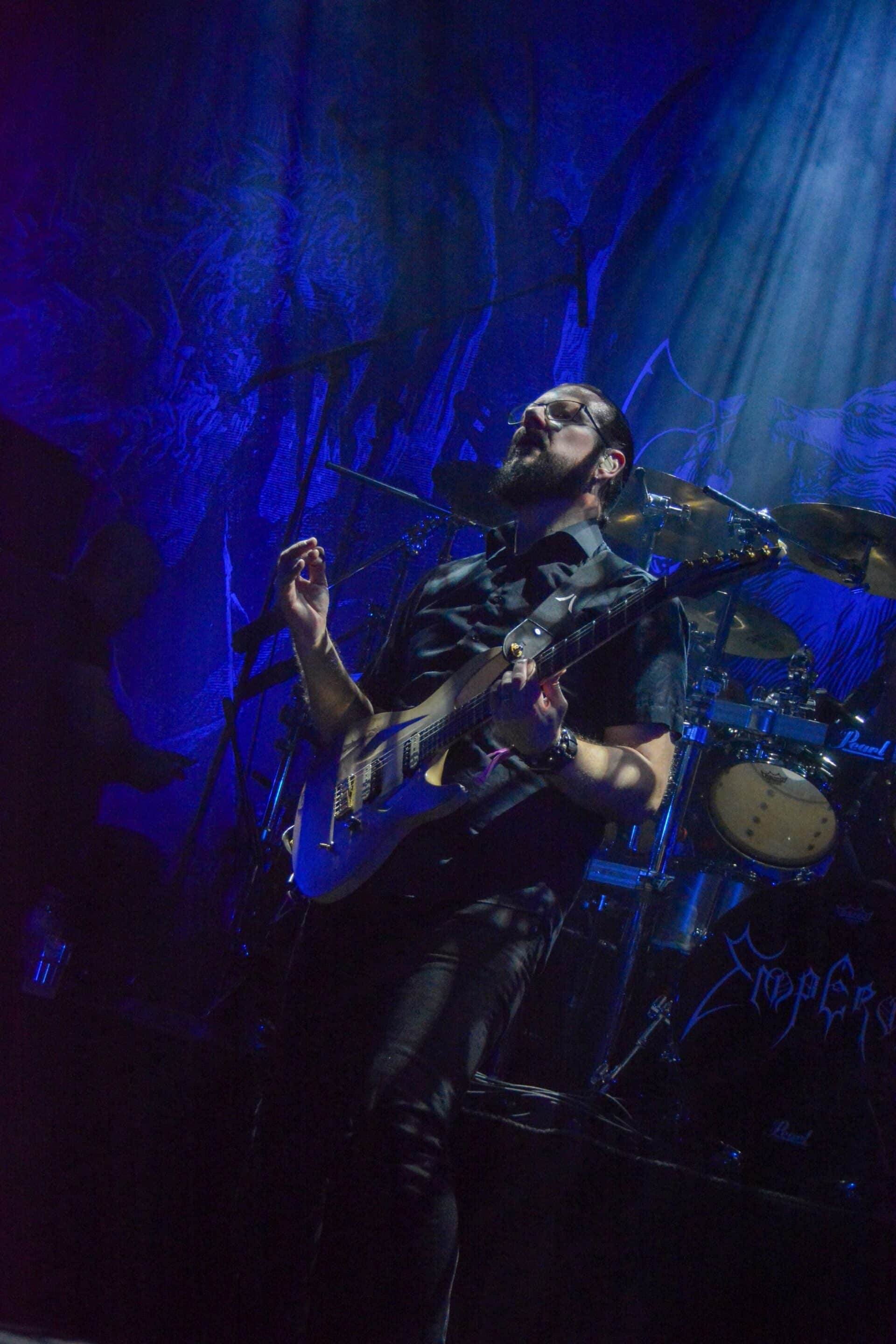
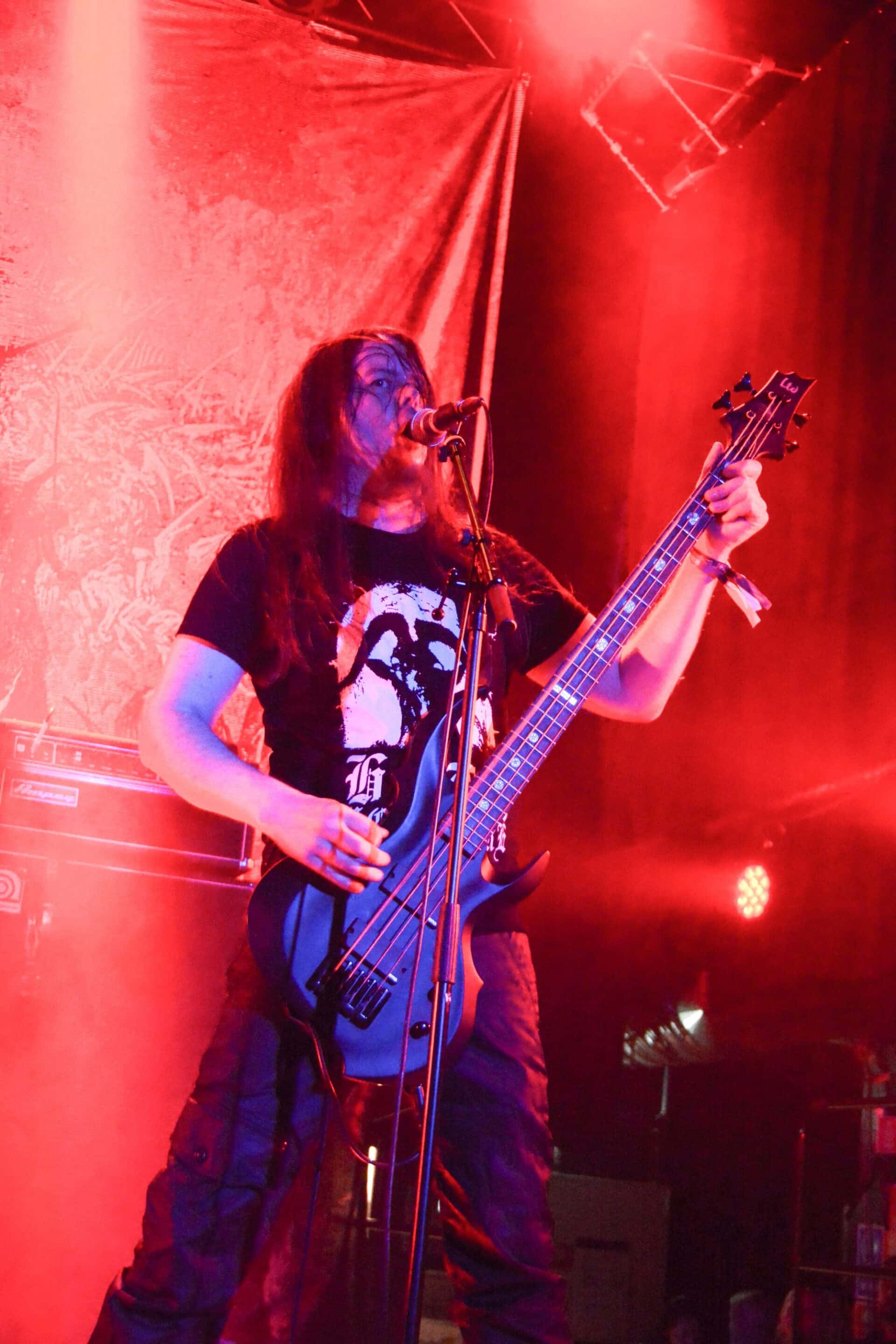
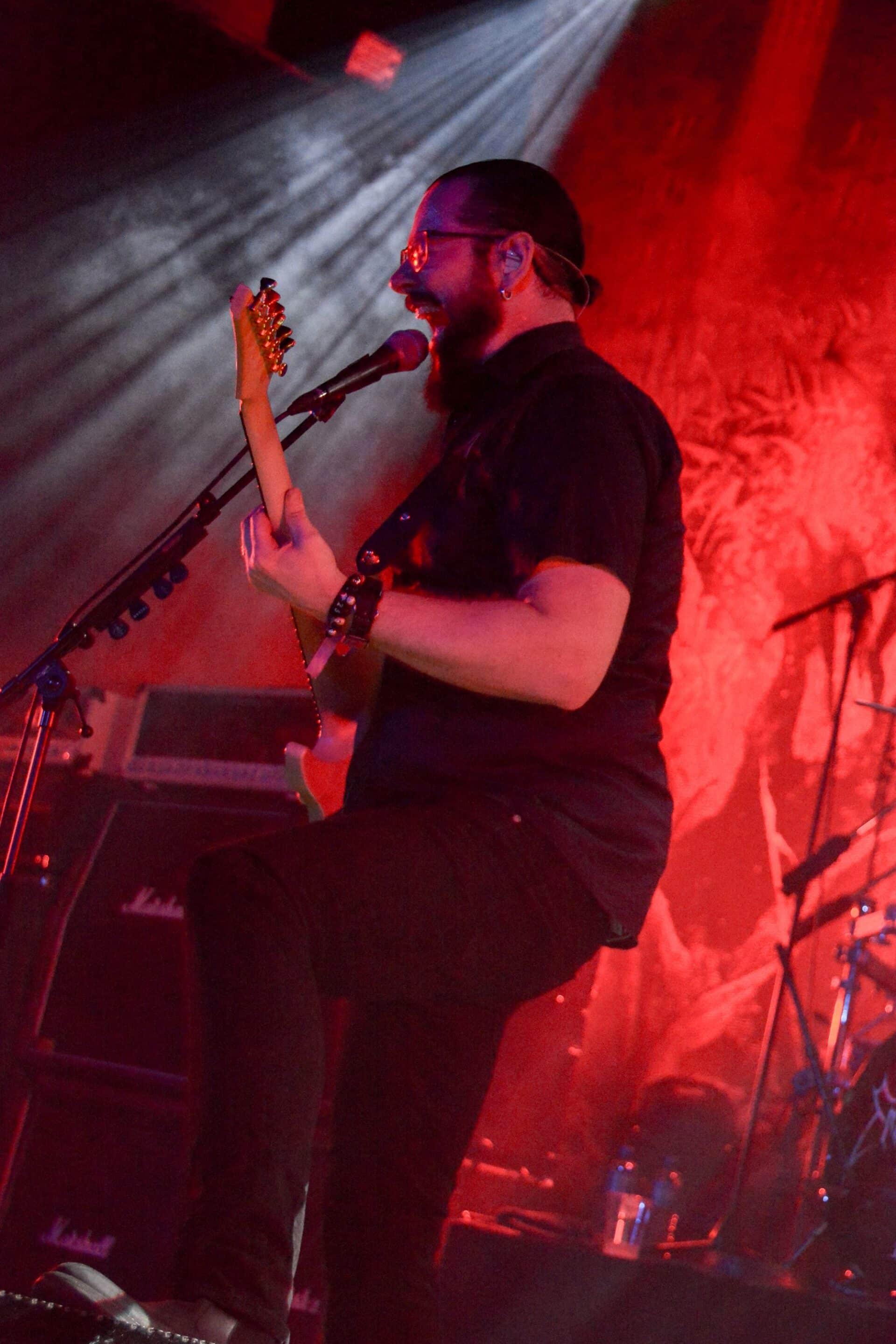
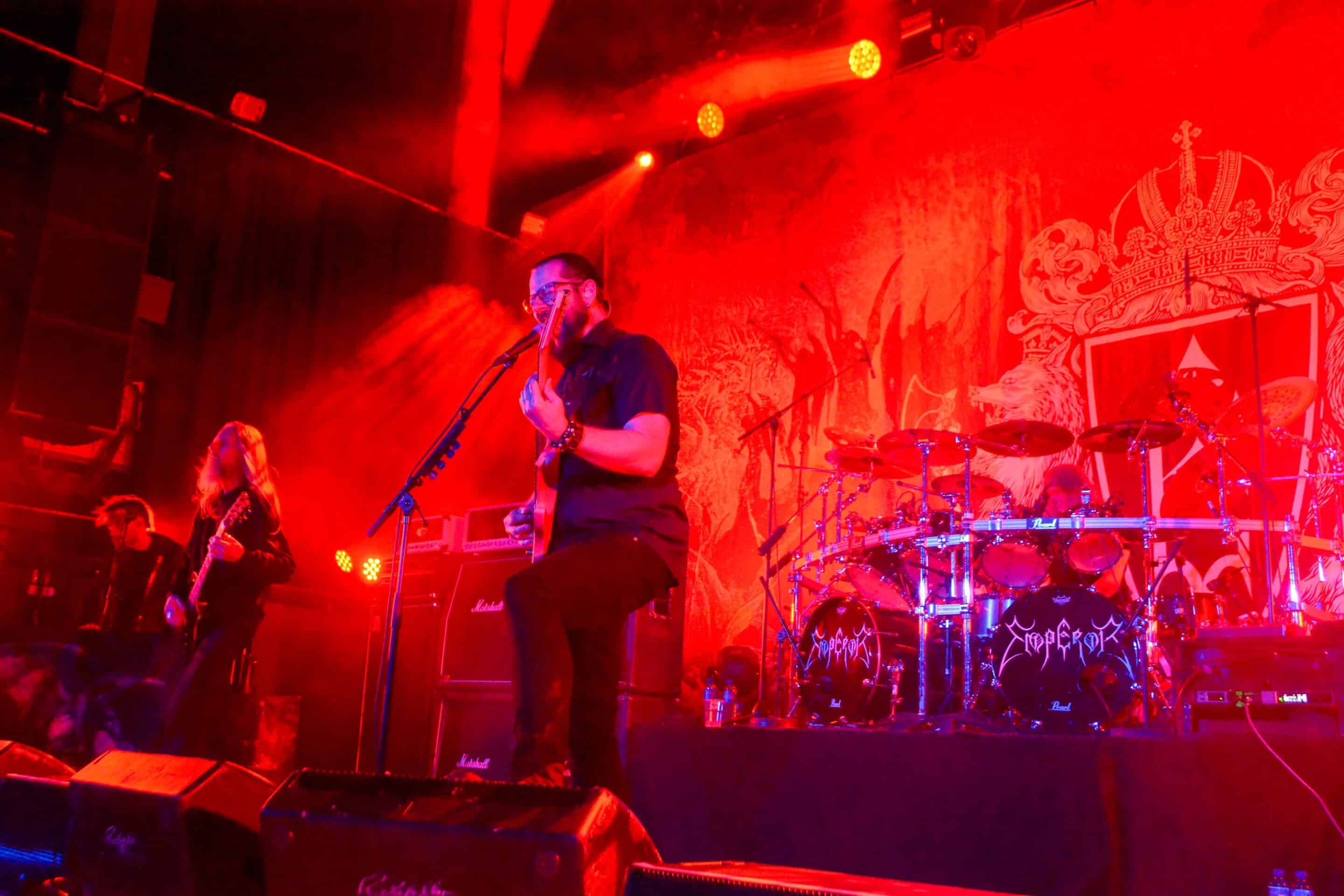
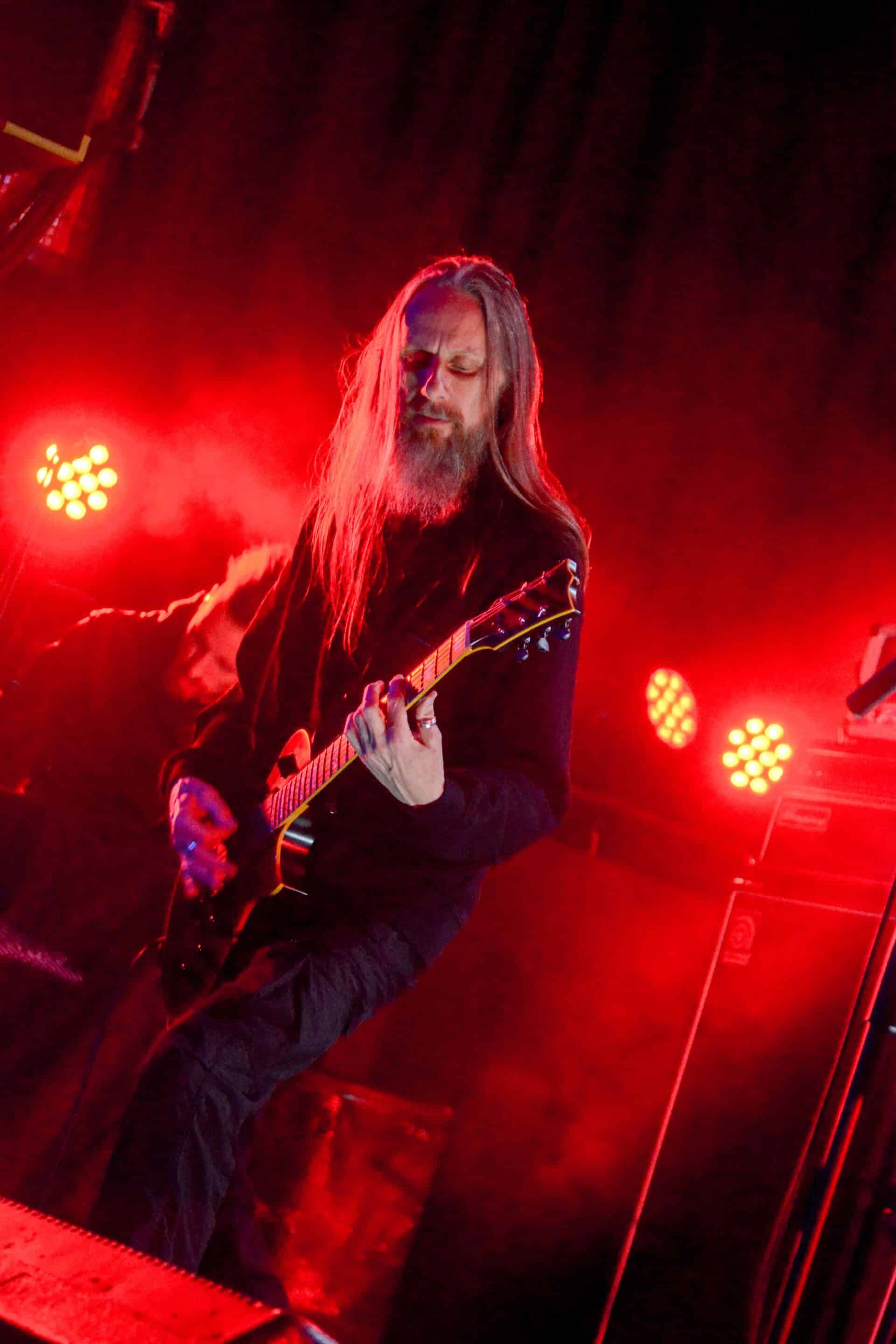
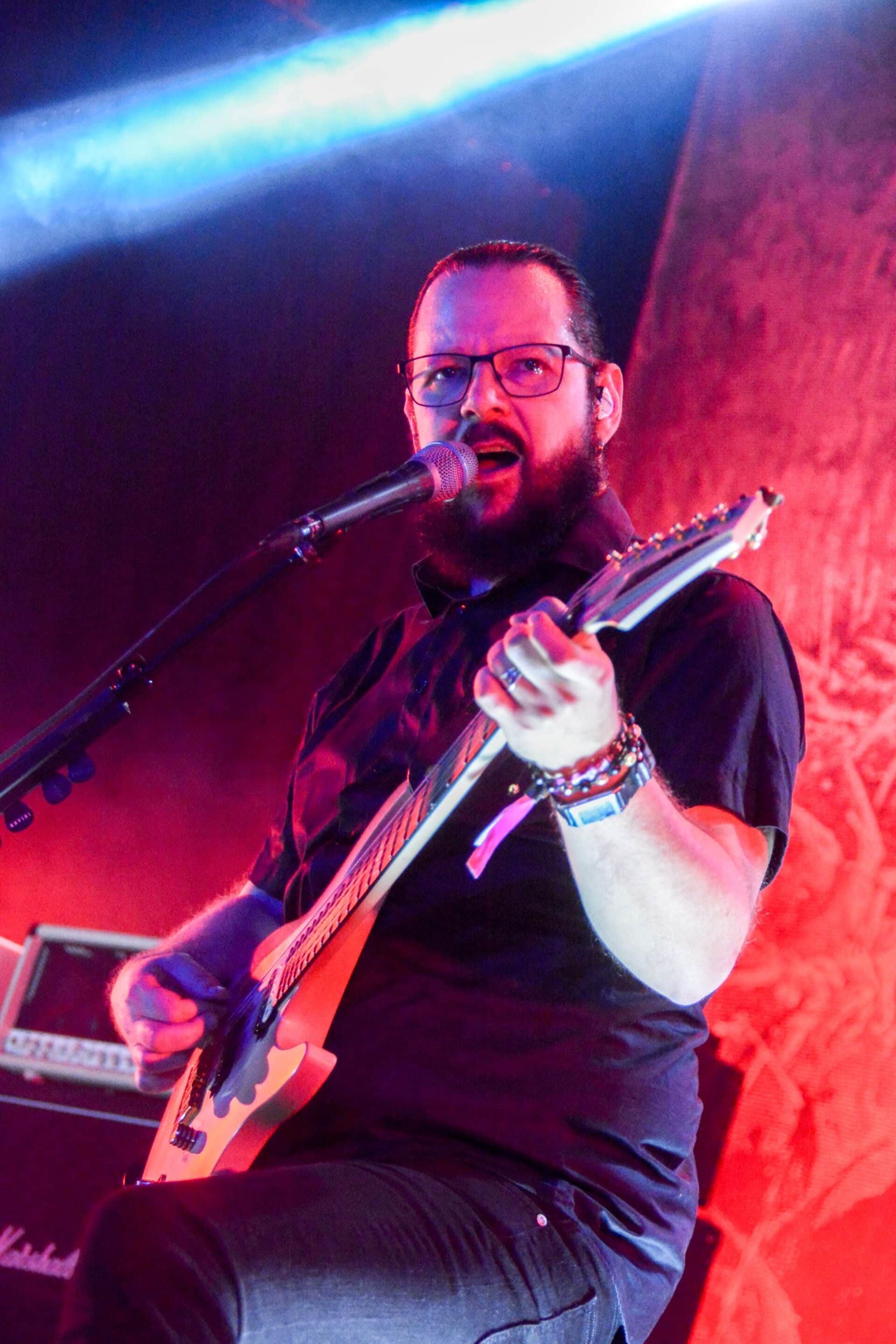
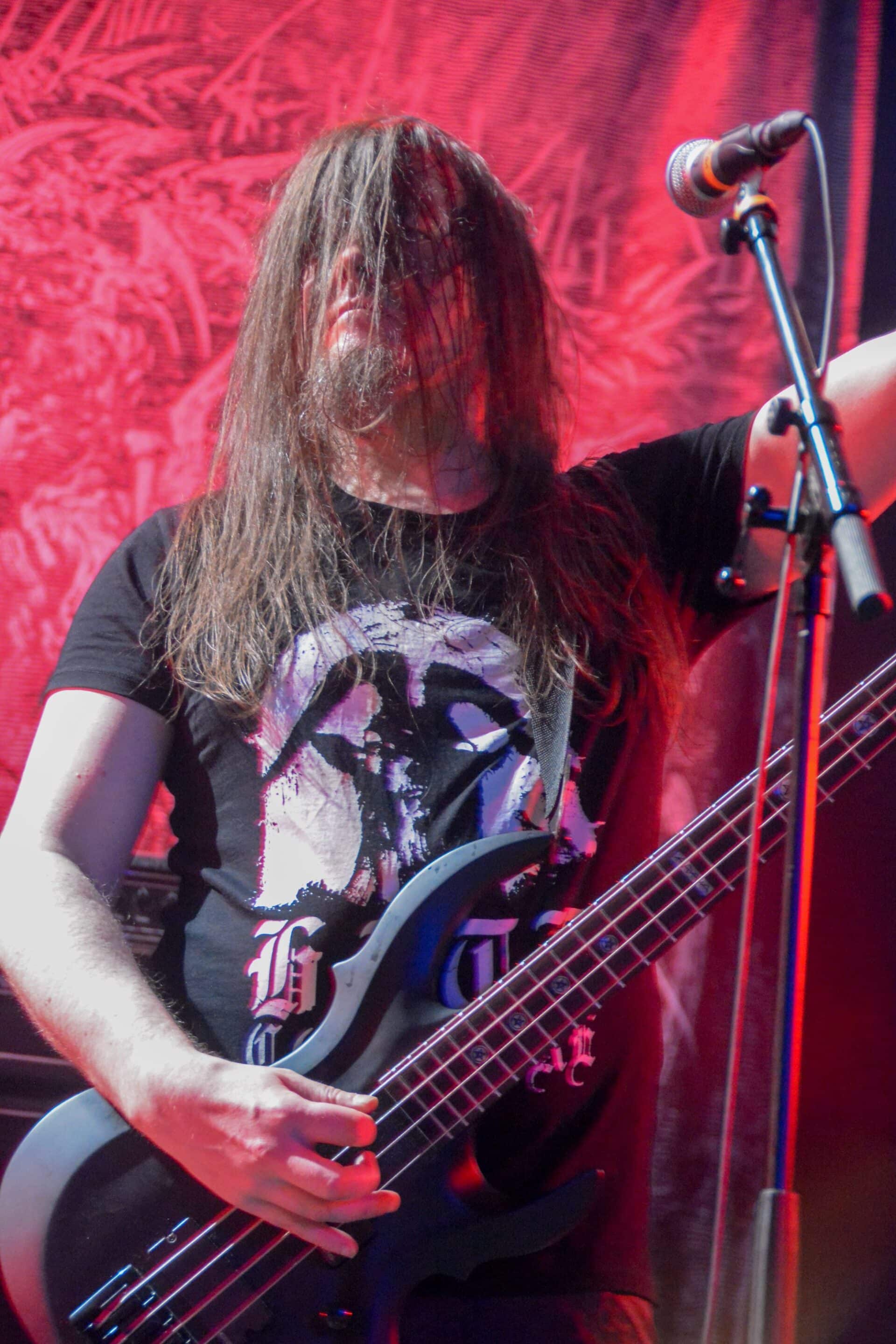
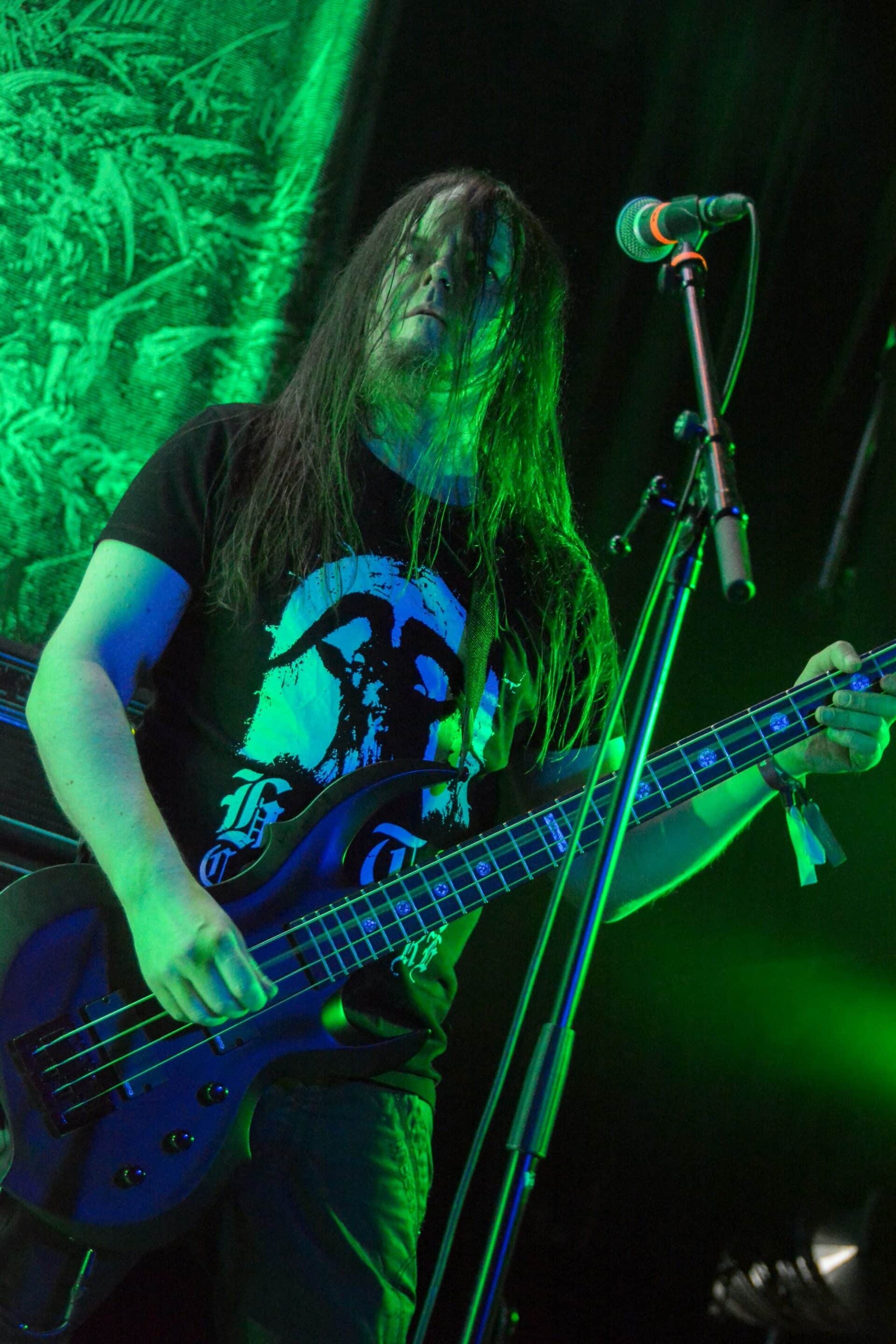
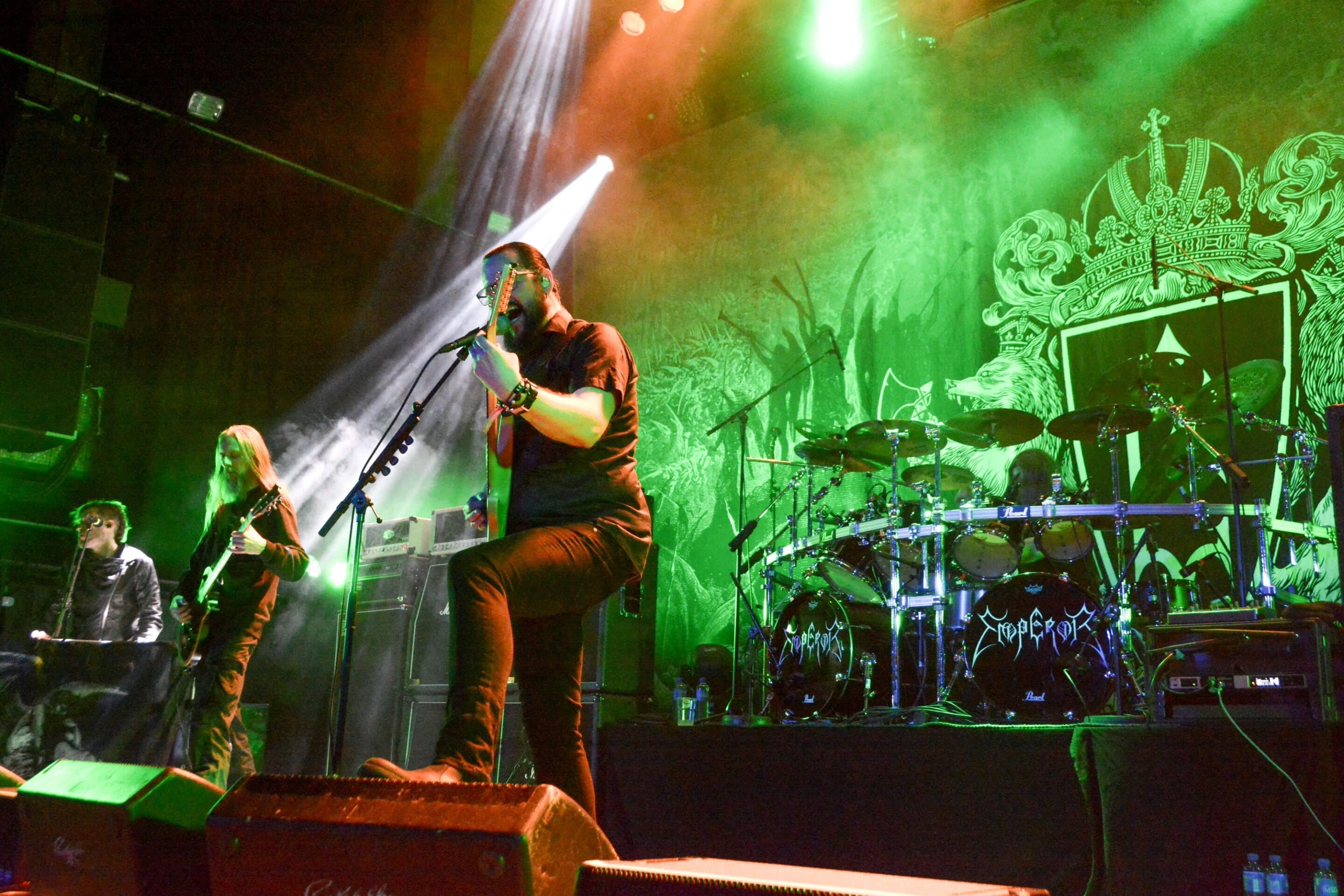
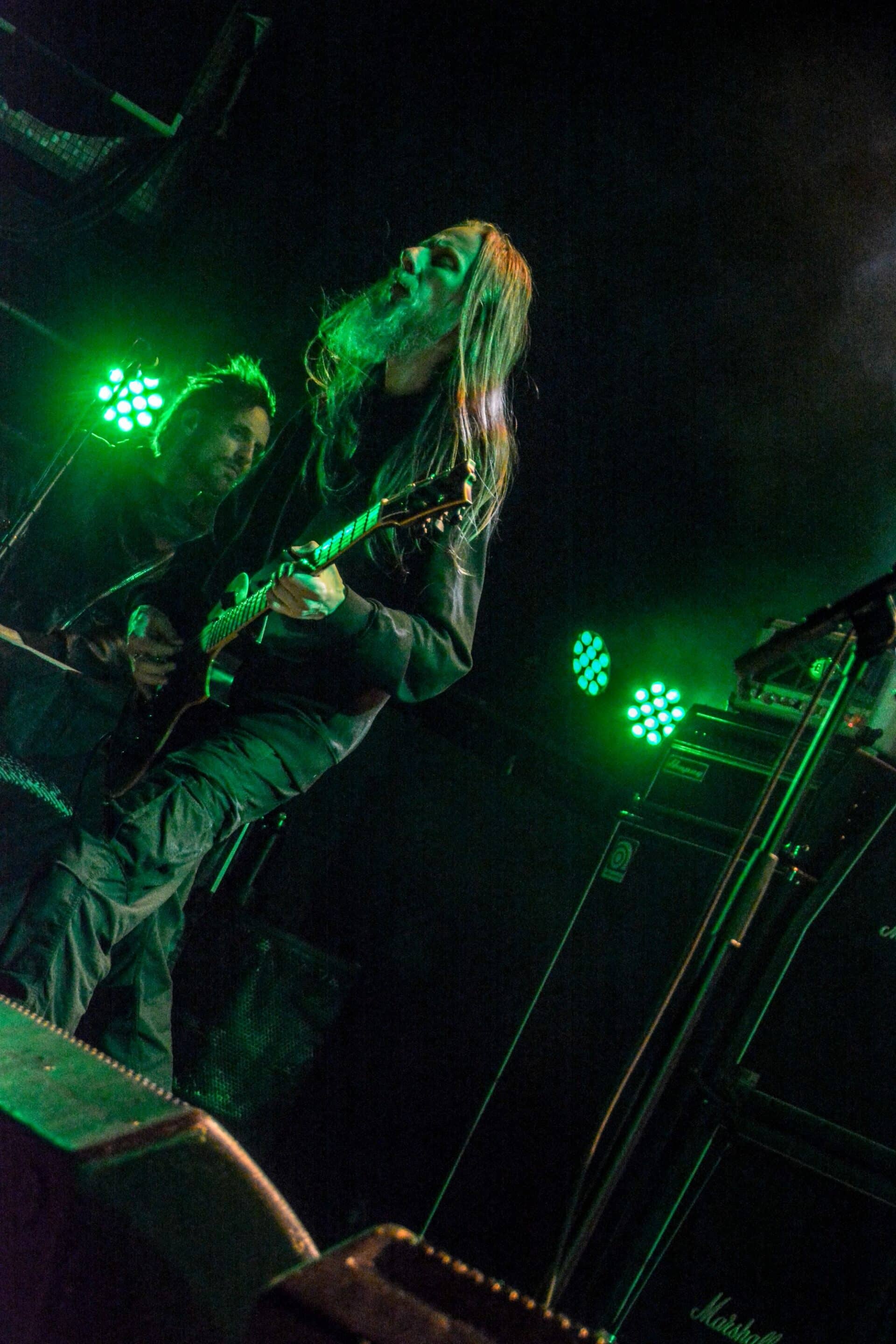
És megkezdődött. Egy pillanatra teljes mértékben elveszettnek éreztem magam: már a harmadik dalnál tartottunk, de még mindig nem sikerült rekonstruálni, hogy pontosan hol is járunk az életműben. Gondolom Ihsahn és baráti köre – új számok híján – az utóbbi húsz évben már halálra unta a régi klasszikusokat, és elkezdték elővenni a kevésbé izgalmas régebbi dalokat. Azért ezzel együtt is fantasztikus volt ez a fellépés: Vegard hangja dinamikusan és erősen szólt, hangszeres képességeivel kapcsolatban kérdésnek továbbra sem lehet helye. Samoth és a bőgős Secthdamon egy nagyjából egy négyzetméteres helyen kábé a színpadhoz ragasztózva állt és pengetett, ahogy a csövön kifért. Pár számmal a koncert befejezés előtt levonultak egy picit pihenni, és ekkor valami egészen elképesztő jelenetet lehetett látni színpad mellett: Secthdamon éppen egy pohár sört kortyolgatva Corpsegrinder-rel beszélgetett a saját fellépése kellős közepén. Ihsahn jobb keze, a zenei hátteret biztosító Samoth eszméletlenül megöregedett. Gondoljunk bele: ezek az emberek valahol az ötvenes években járnak; Secthdamon huszadik éve pontosan ugyanúgy néz ki, Samoth pedig igazából egy megtört öregember benyomását hozta. Persze oka is lehet rá: a második válásán van túl, és az első felesége volt az egyik áldozata a 2021-es kongsbergi mészárlásnak, ezzel együtt kérdés sem merülhet föl a technikai képességeket illetően. A fellépés második fele már egy combos kívánságműsornak is elegendő lett volna, olyan klasszikusokkal, mint a Curse you all men (a cím eredetéről a májsztró mesélt nekünk jó pár éve), vagy az In the wordless chamber. Ez utóbbinál tűnt fel a billentyűs – illetve a billentyű – hiánya: számos esetben, ahol fontos szerepe van, alig hallatszott belőle valami; például az In the wordless chamber-ben is elég jelentős szerep jut rá. Így hát az első nap mérlege egy fantasztikus és kristálytisztán szóló Stormruler, egy nagyon pörgős, nagyon korrekt fellépést adó Blood Red Throne, egy jól szóló, izgalmas Djevel, a pestinél sokkal tisztább hangzás produkáló Dark Funeral, egy hajmeresztően precíz és lendületes Cannibal Corpse, valamint egy száz százalékos teljesítményt nyújtó és kilencvenöt százalékosan szóló Emperor. És mielőtt valaki ebben elégedetlenséget hallana: akadt már olyan hosszabb fesztivál, ahol a teljes esemény mérlege volt ehhez mérhető, és nem egy kis helyen az első nap fellépéseinek összefoglalója. Így ezzel véget ért az Emperor napja, és következett az Amorphis napja.
Második nap: az Amorphis napja
Jómagam nem vagyok egy nagy kedvelője a Harakiri for the Sky-nak; nagyjából a fellépésük felére sikerült beesek, és végre kipróbálhattam a karzat által nyújtott fotózási lehetőségeket.
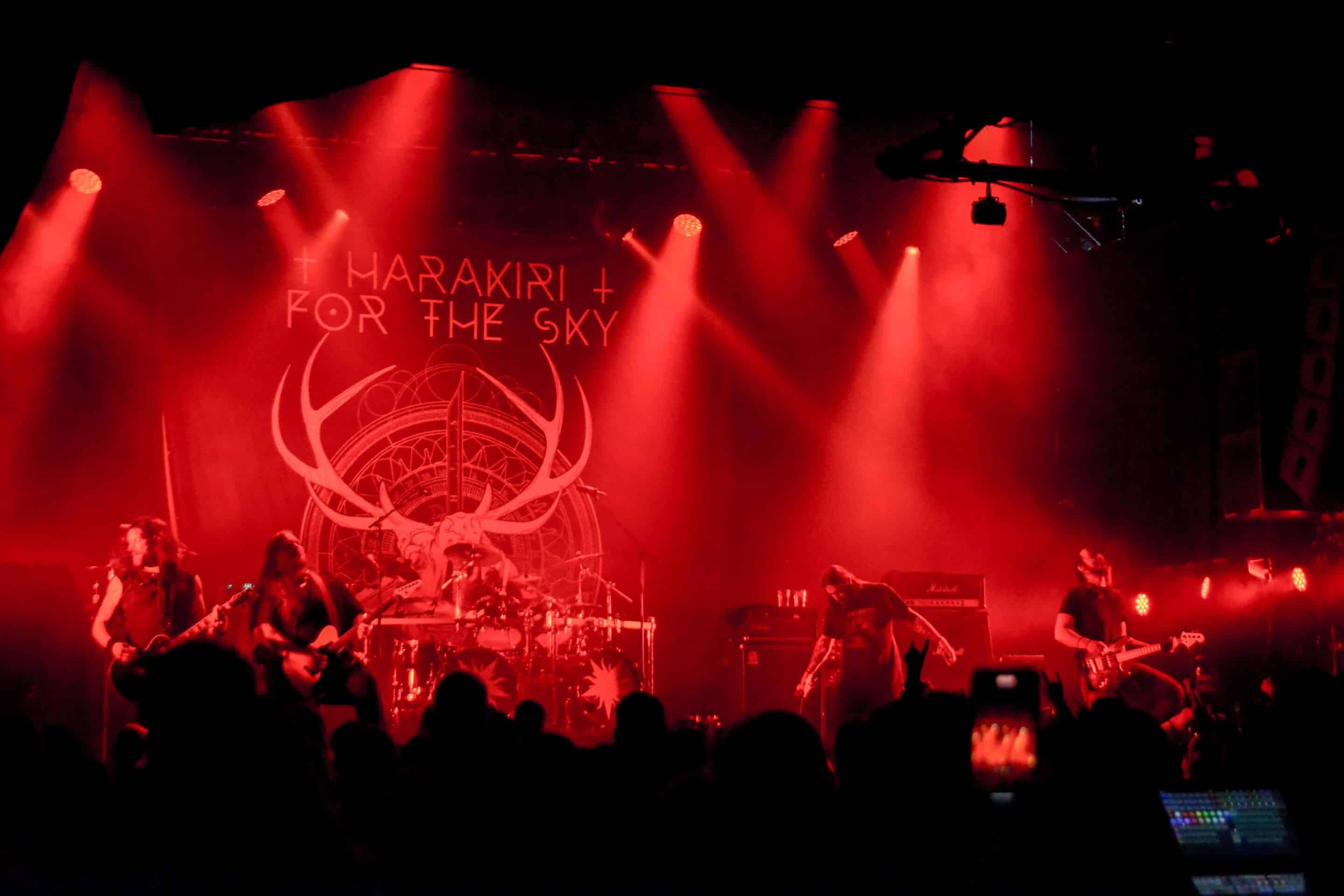
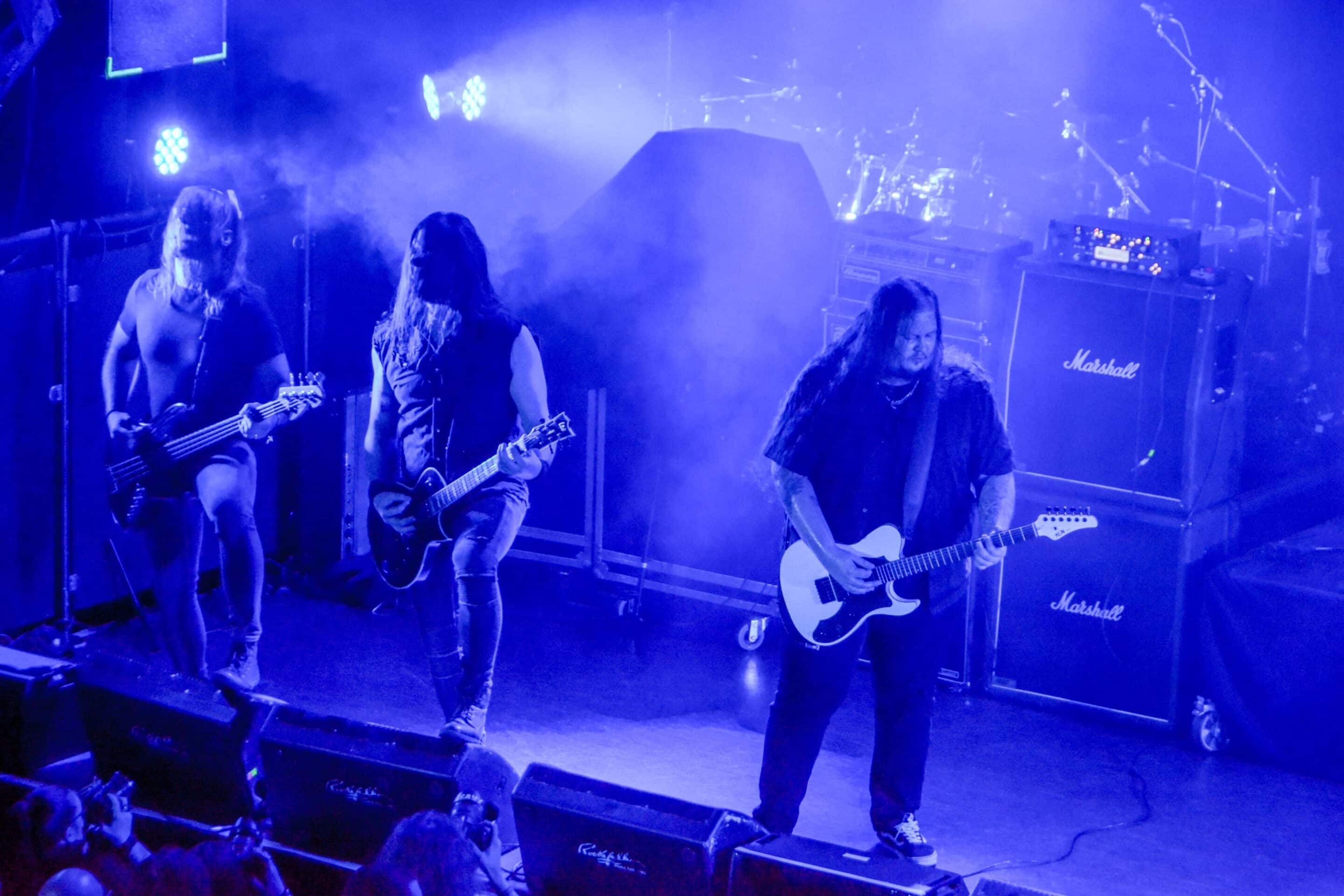
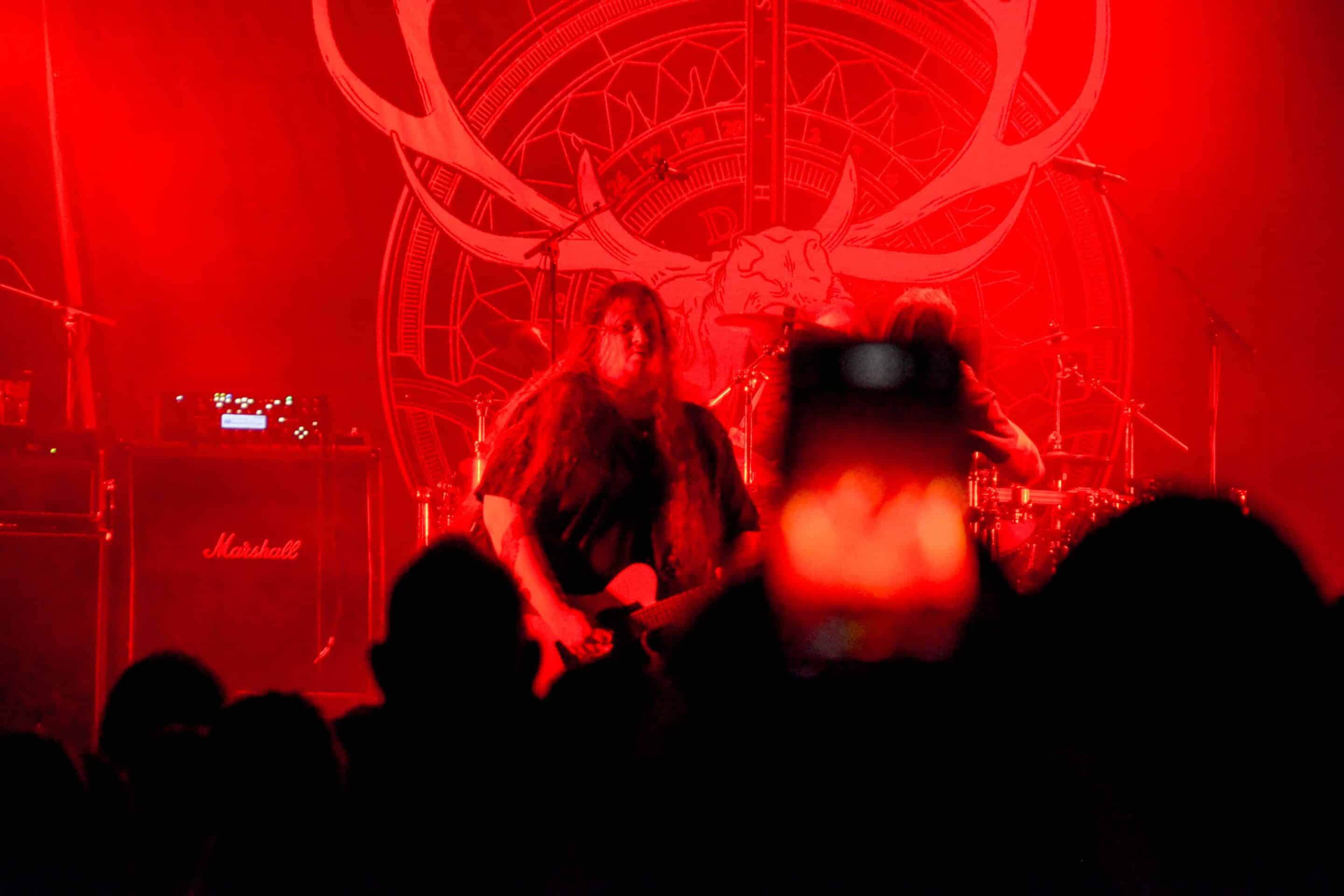
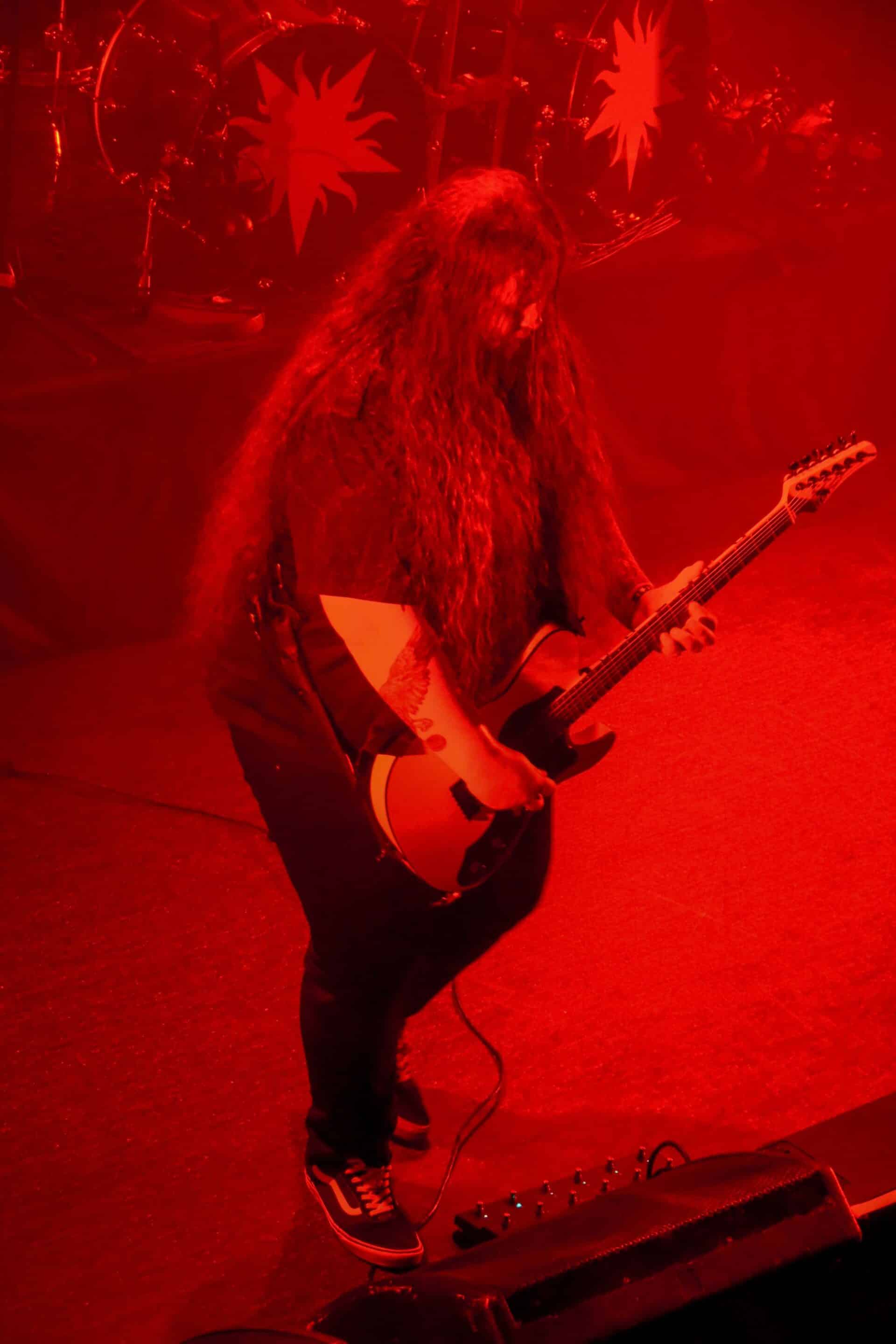
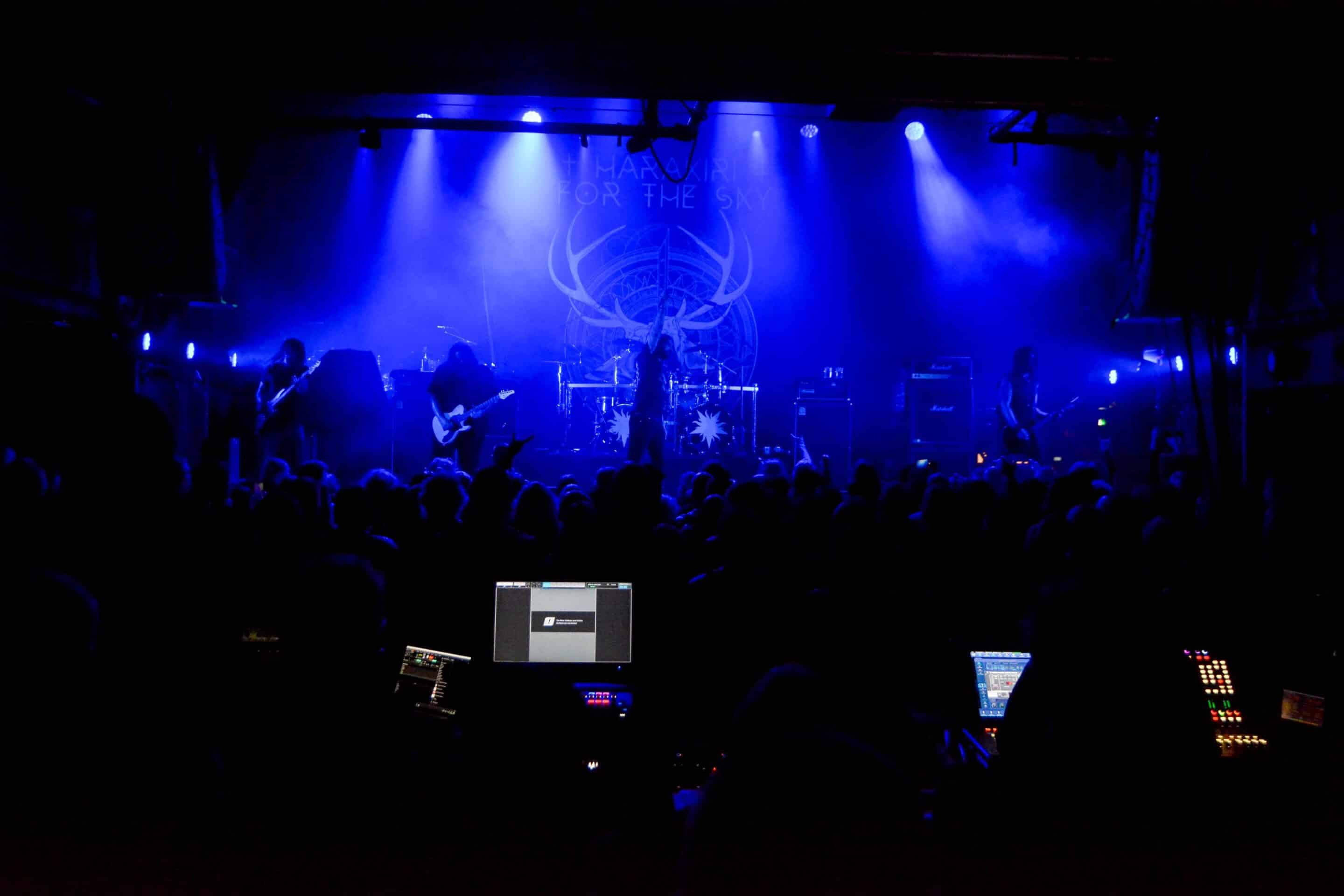
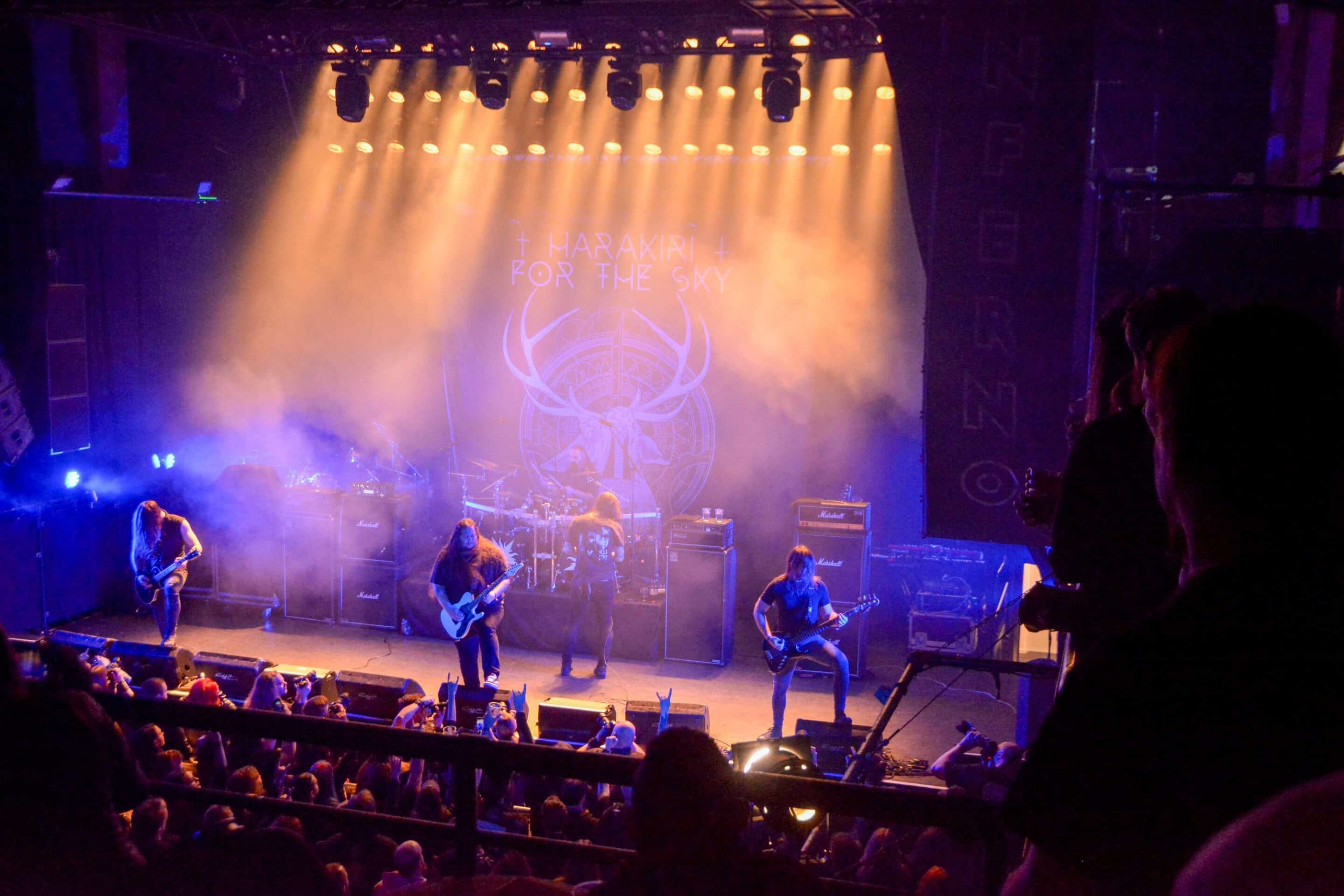
Szokatlan látvány egy zenekar felülről, de igazából ez csak egy látszólagosan jó hely: a keverés messze nem tökéletes, és valahogy felülnézetből nem annyira lehet meggyőző fotókat készíteni a művész urakról. Ami először feltűnt az az, hogy a Harakiri for The Sky-on nagyon kevesen voltak – de nem csak az ő fellépésükön, hanem általában az egész nap során létszám nagyjából harminc százalékkal csökkent az első naphoz képest. A Harakiri for The Sky egy teljesen korrekt műsort adott; a fogadtatás kicsit bágyadt volt, egészen minimális mozgás és biztatás kísérte a fellépést – ez vagy a korai órának tudható be, vagy annak, hogy ezzel a menetrenddel azért eléggé el vannak kapatva a hallgatók.
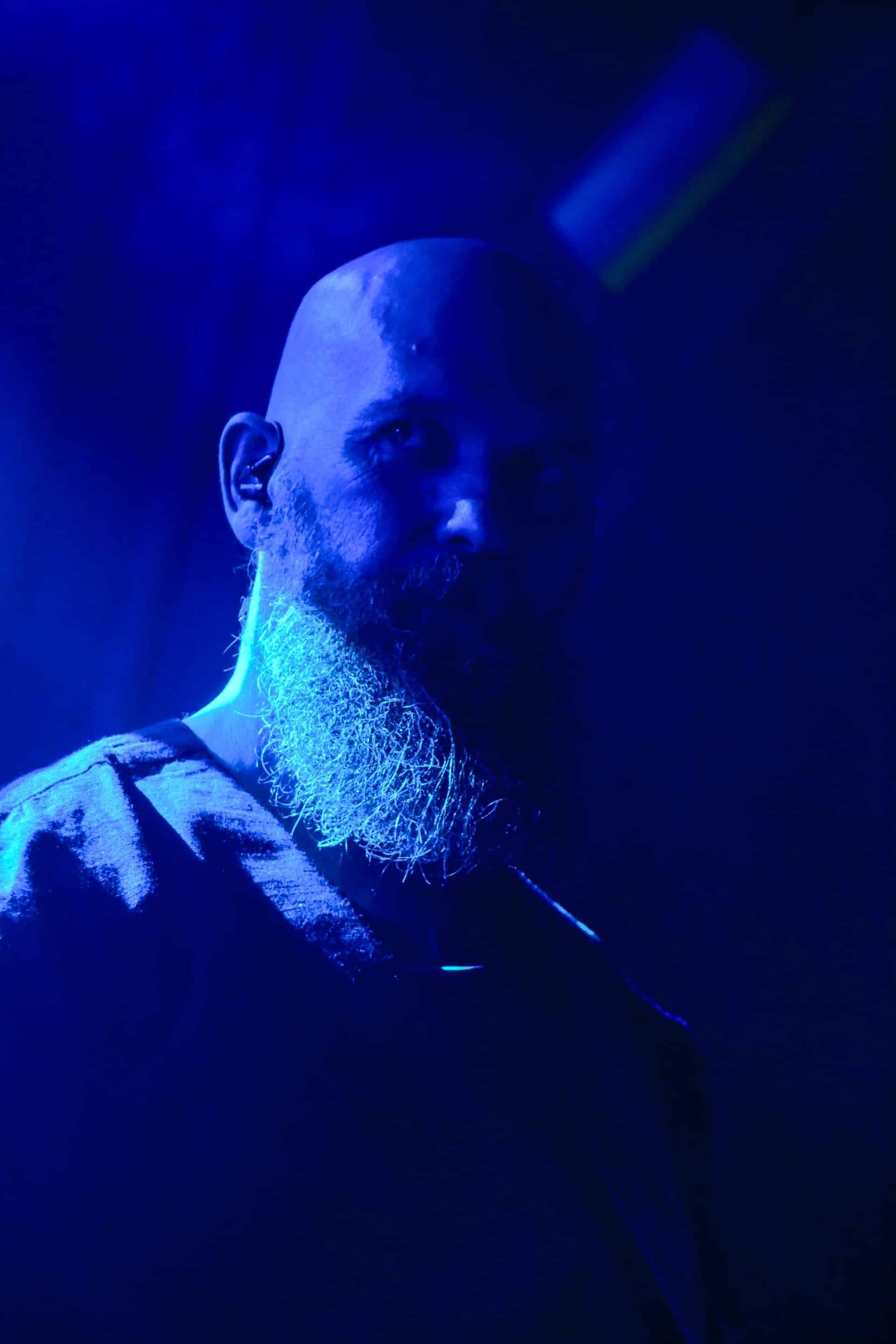
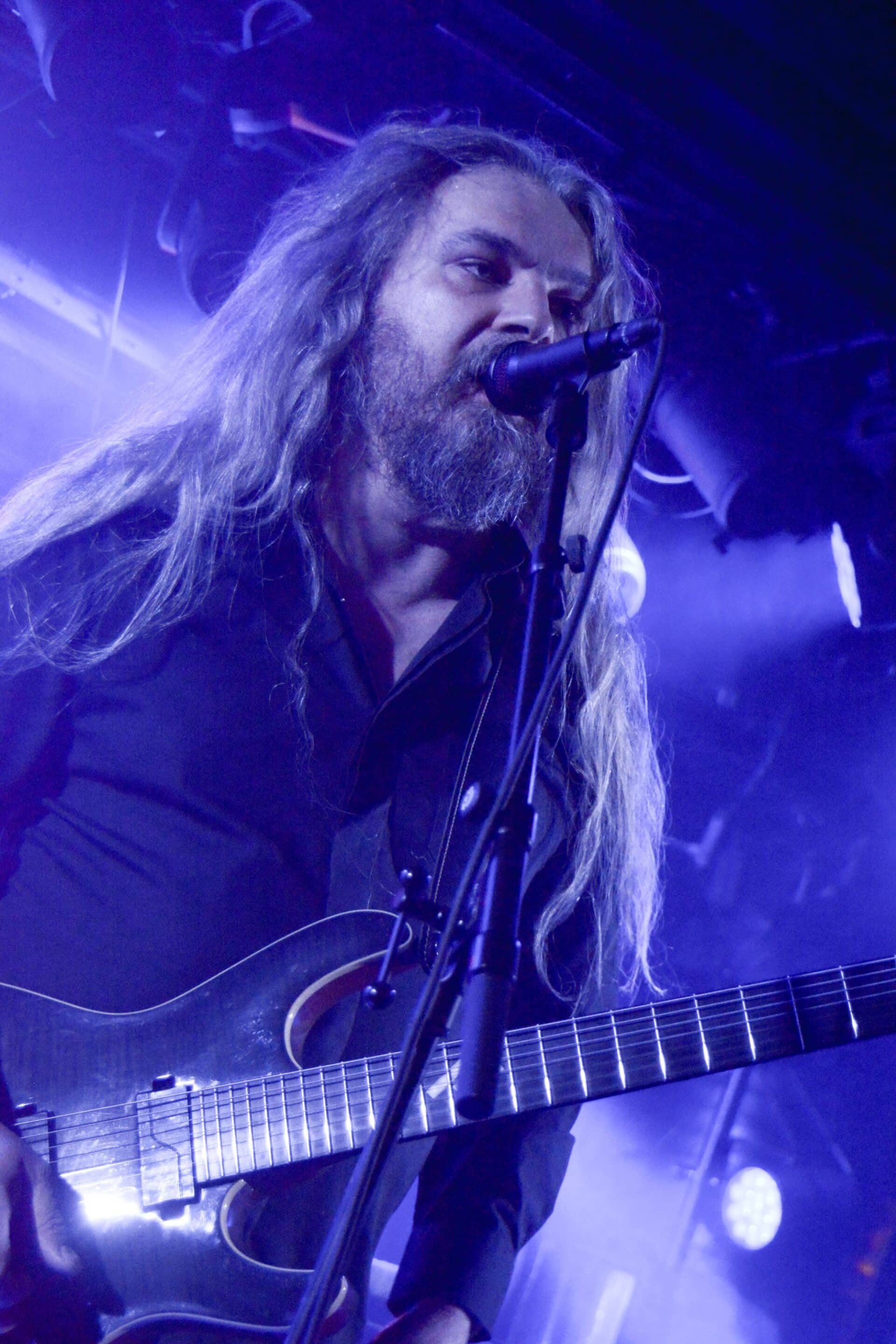
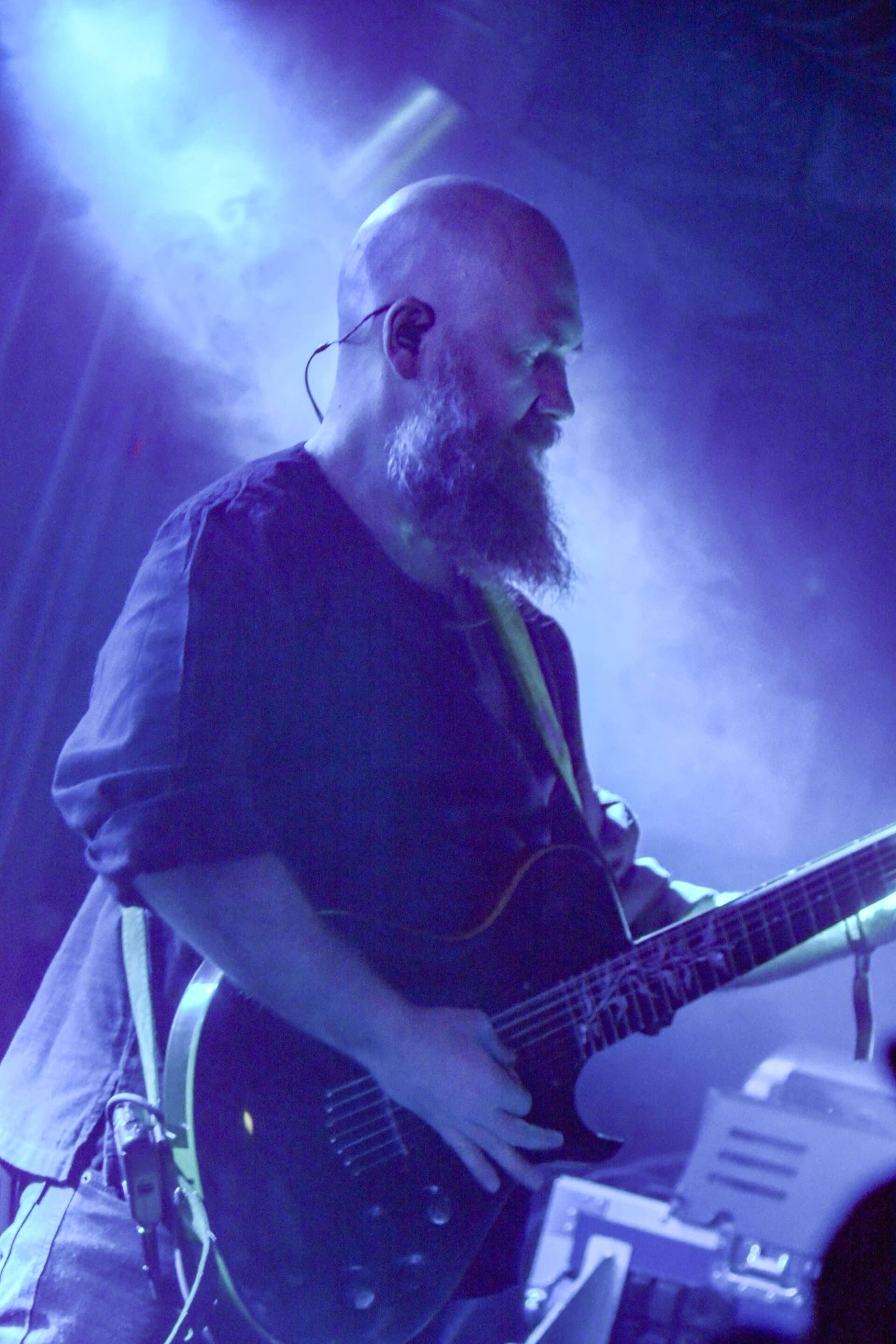
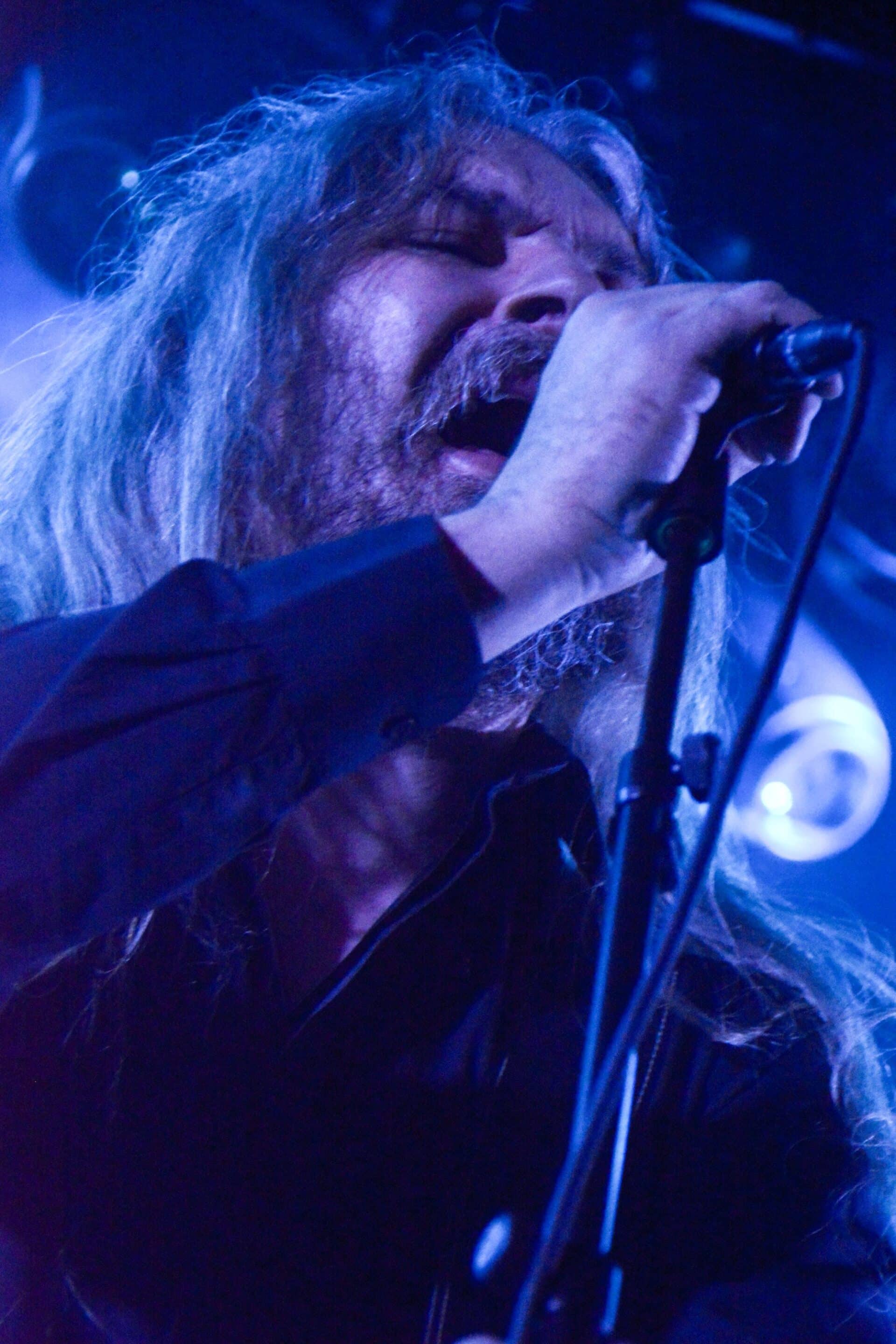
Tűkön ülve vártam, hogy kinyissák a John Dee-t, ugyanis feltétlenül meg szerettem volna hallgatni legalább a Dordeduh fellépésének az elejét. Az előző napon a Mork-ra egész egyszerűen nem lehet lejutni, ami több mint kellemetlen volt; szerencsére a Dordeduh-on ilyen problémám nem volt, és azt kell hogy mondjam, hogy nagyobb lelkesedés láttam a közönségen ezen koncert során, mint a Harakiri alatt. A románok most csak négyen jöttek, és jól láthatóan egy felkészült közönség várta őket: voltak, akik a dalszövegeket ordítottak velük (lehet, hogy egy-két Oslo-ban élő román hallgatóról beszélünk?), és a képet talán árnyalja az is, hogy a mellettem álló amerikai csaj is tökéletesen tisztában volt azzal, hogy itt most mi történik. Eszméletlen fellépést adtak: nagyon szépen és tisztán szóltak, és amit külön szeretek a fellépésükben, az az a hangulat, amit a zenéjükkel teremtenek. A black metal elemek atmoszférikus – és ha nem tévedek, népzenei – részekkel való keverése egy egészen különleges légkört produkál, amit nagy-nagy öröm hallgatni. Sajnos ezt az örömöt egy idő után sietség váltotta fel: következett az Odium fellépése, amit az első sorban szerettem volna végig élvezni.
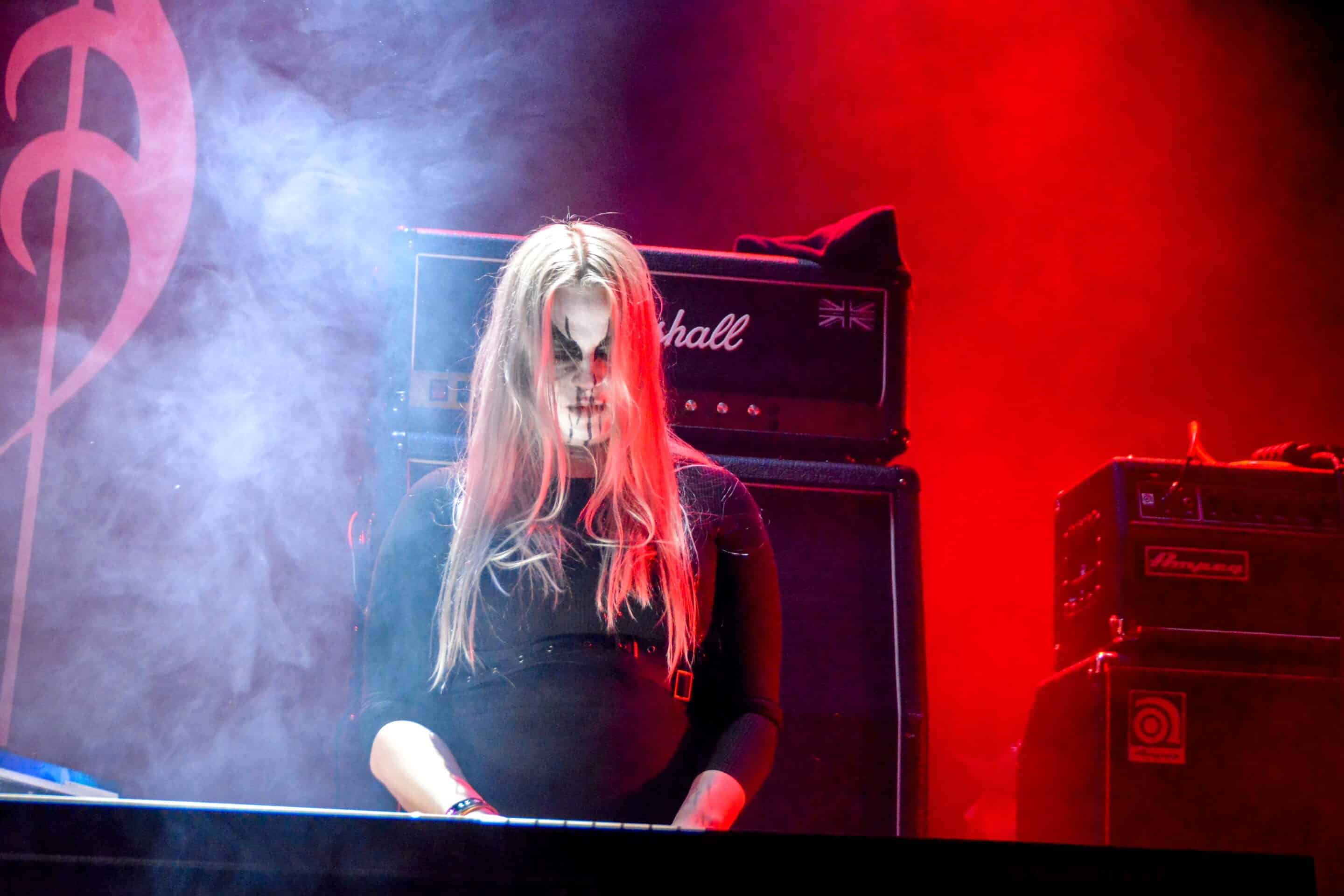
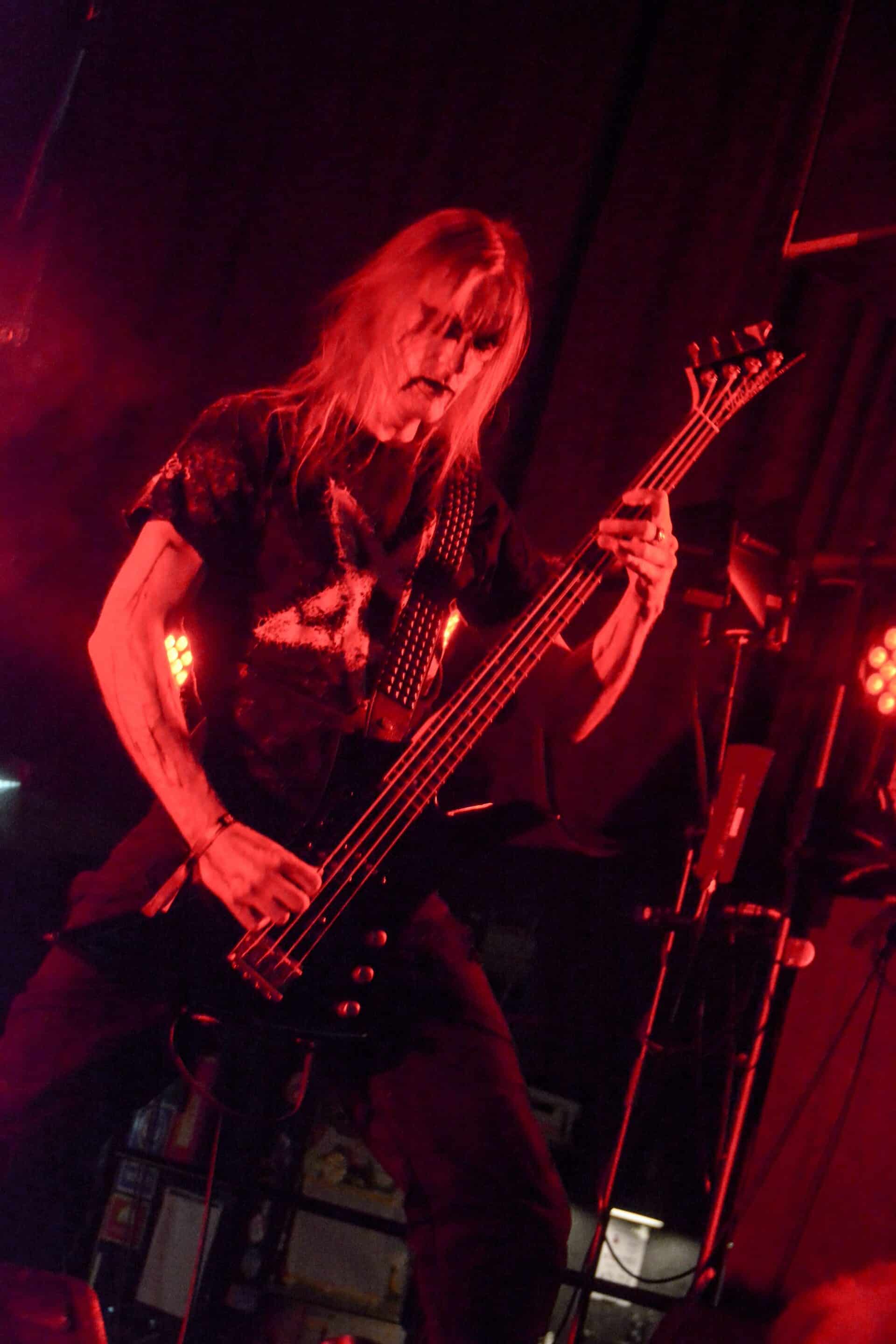
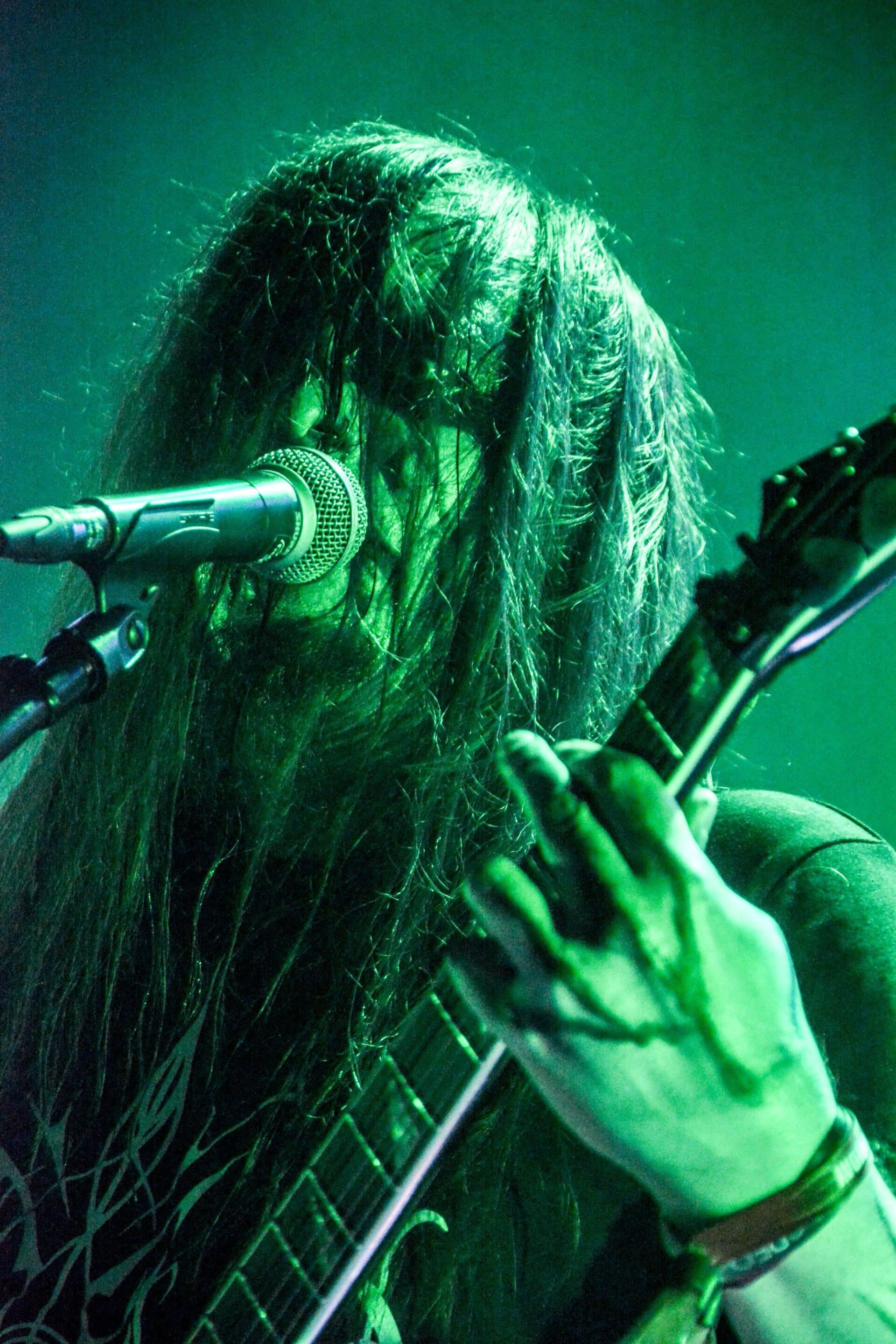
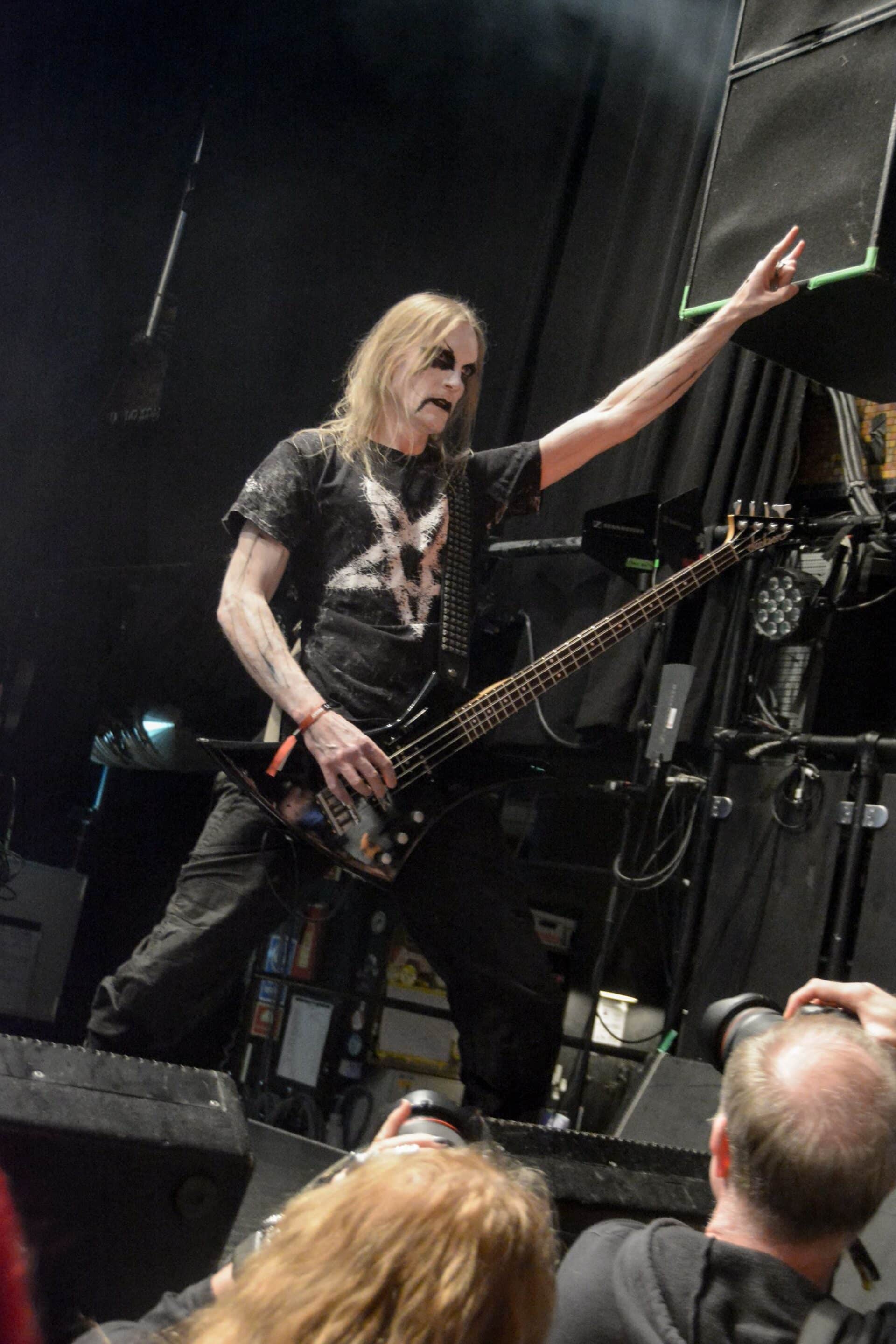
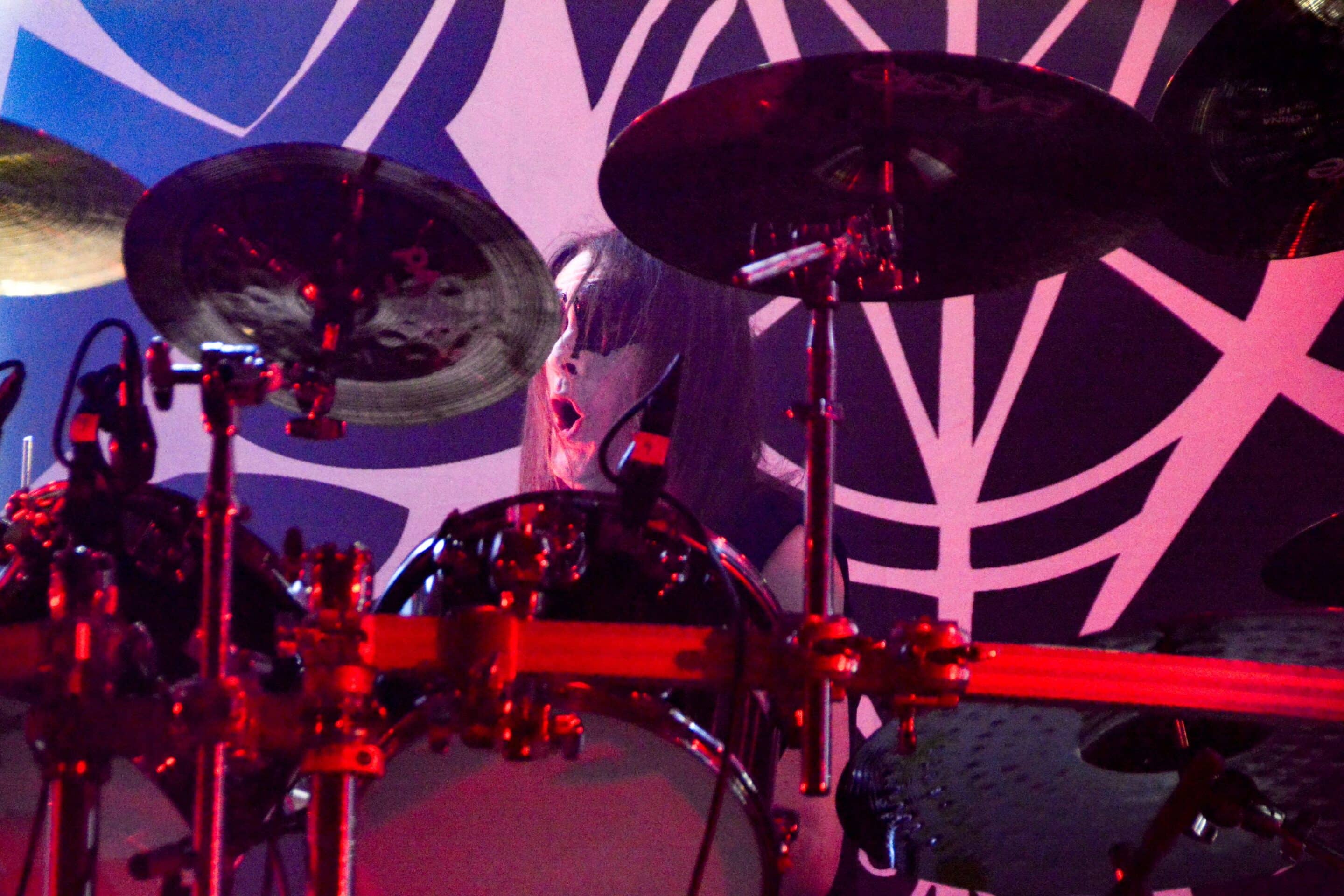
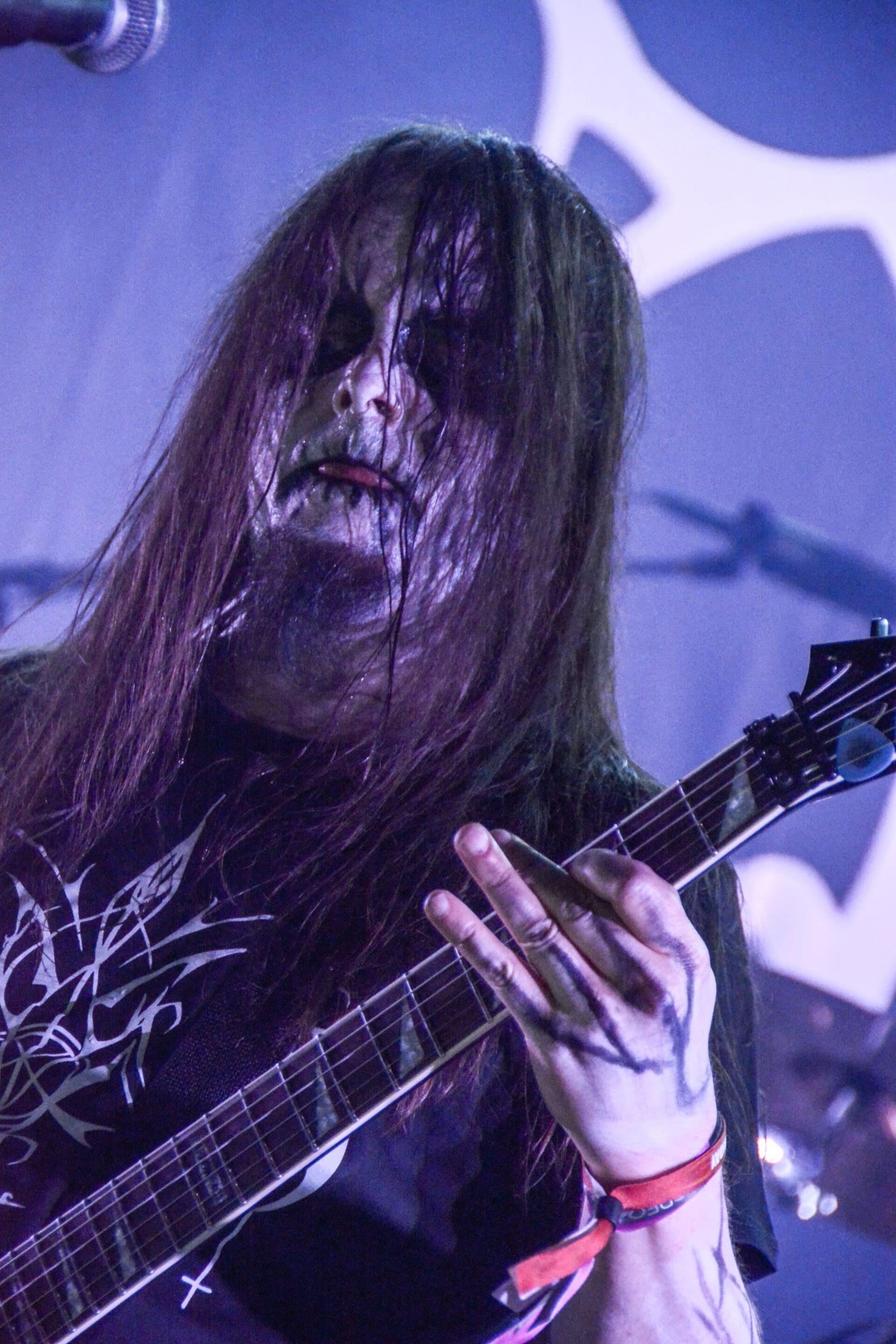
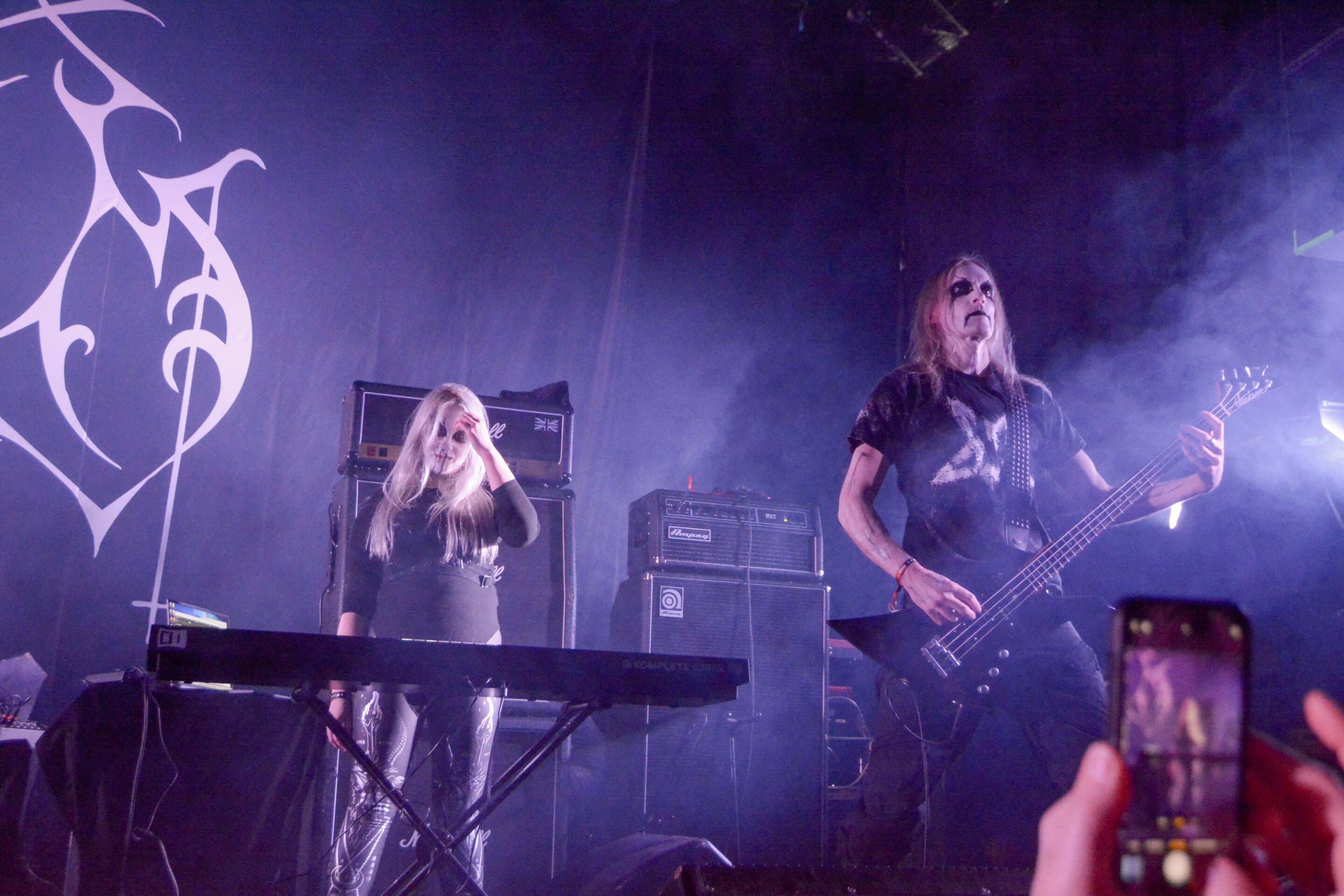
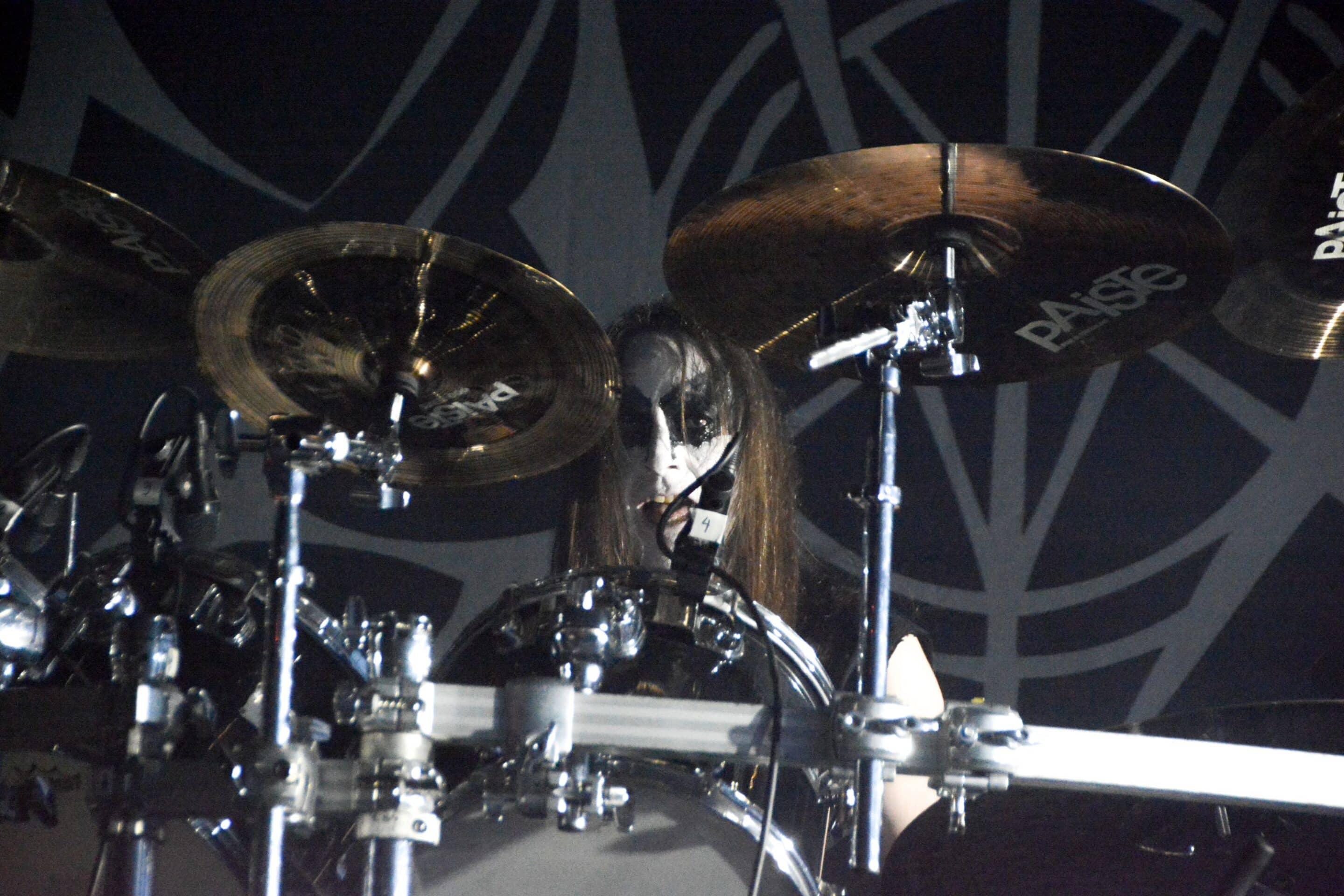
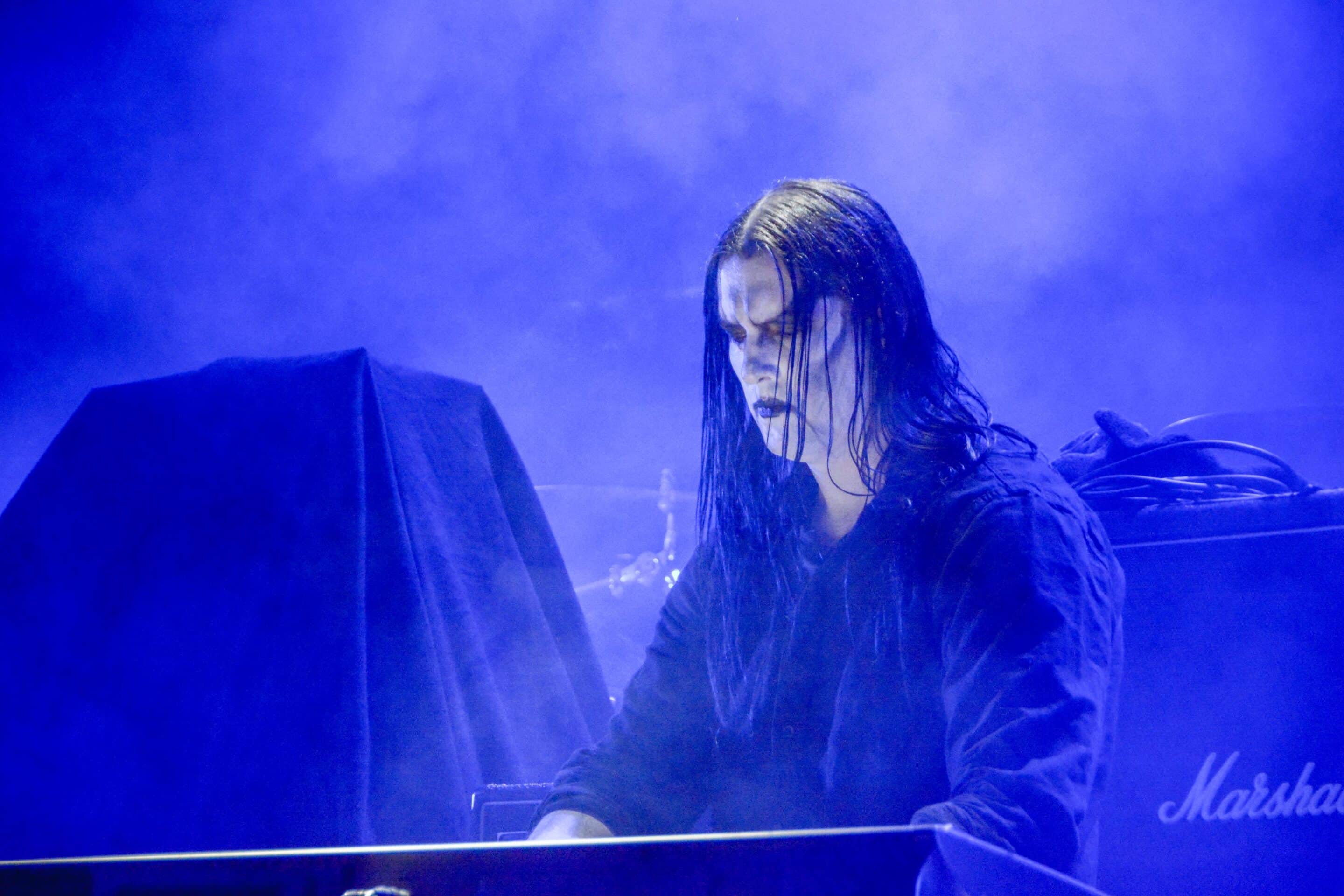
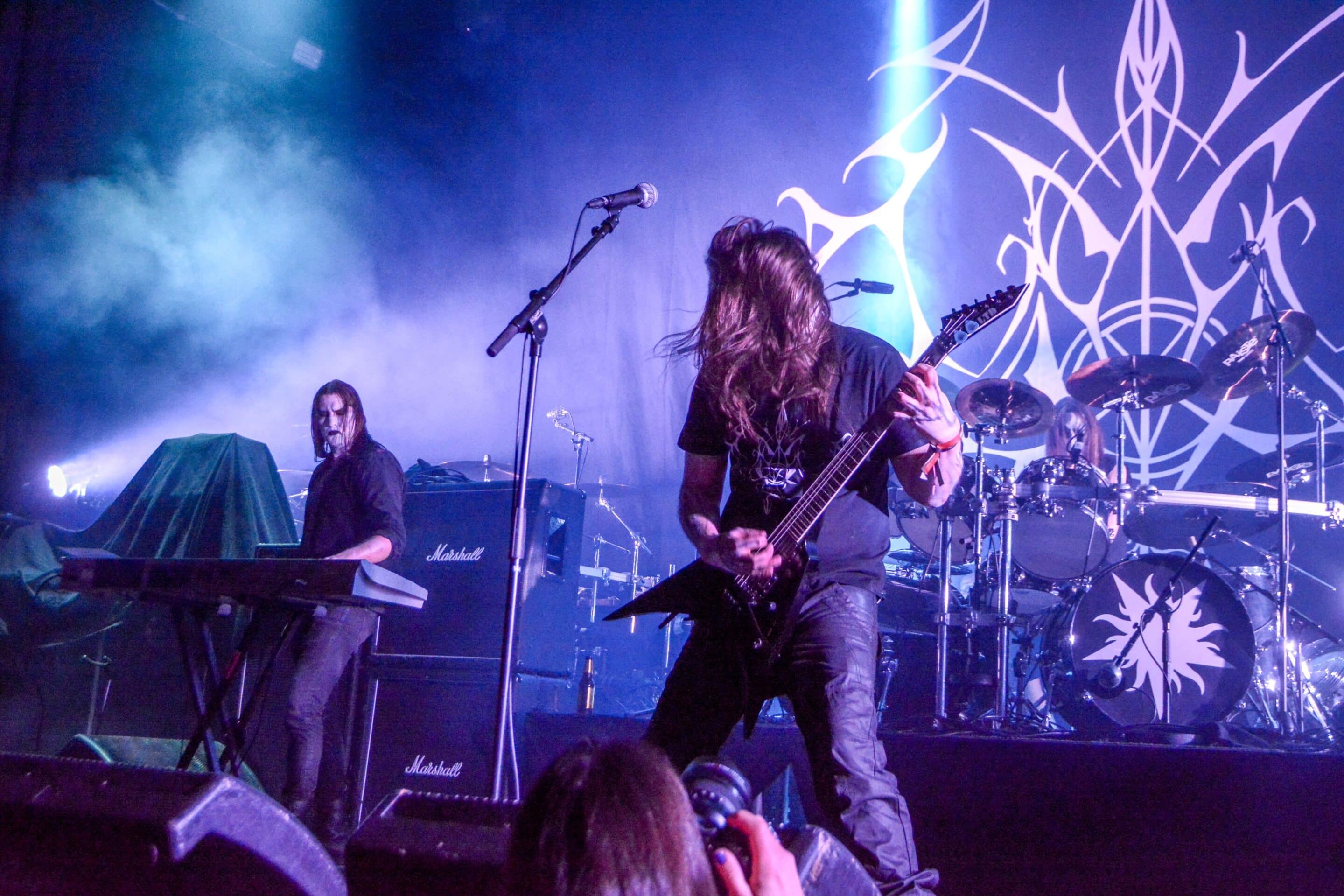
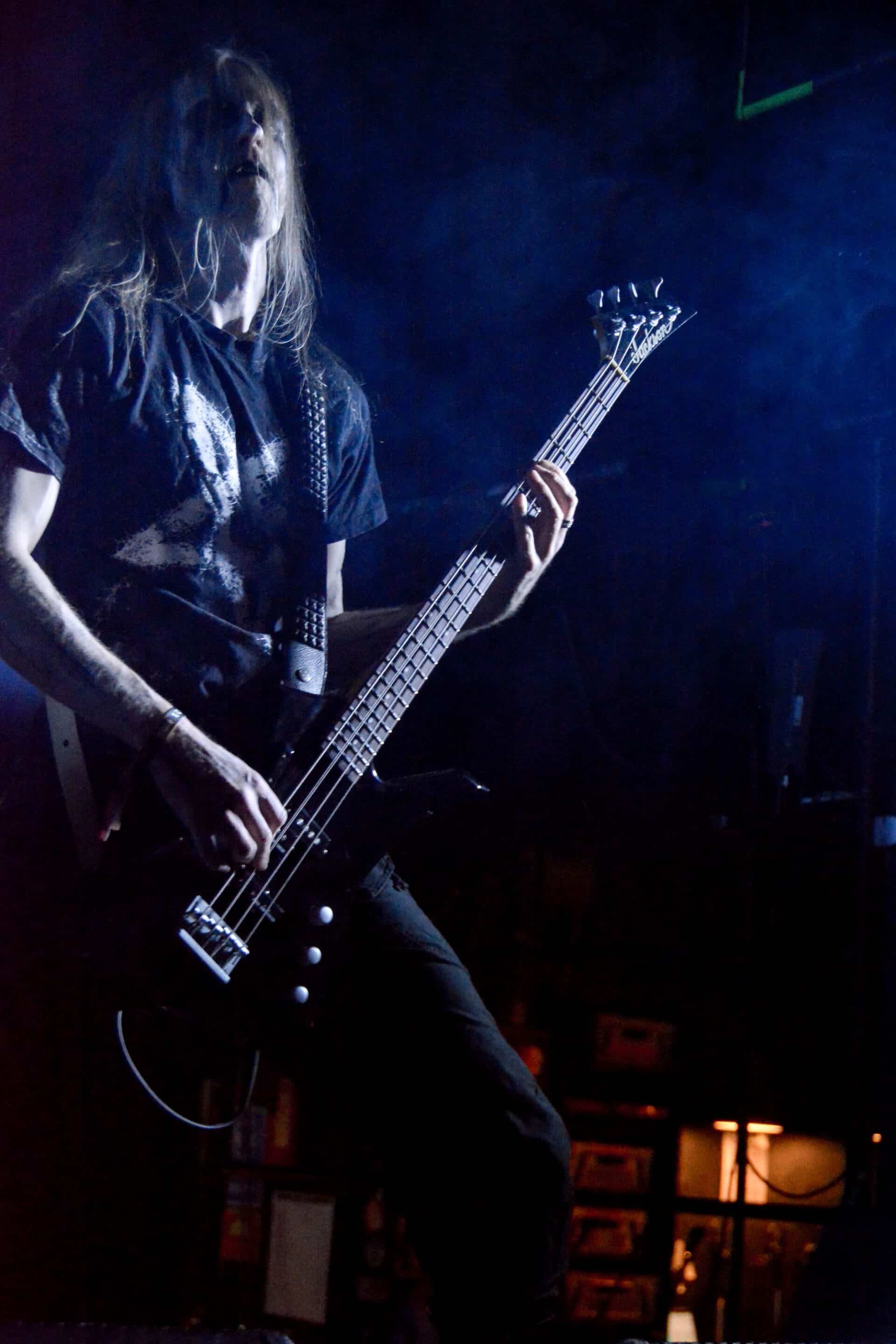
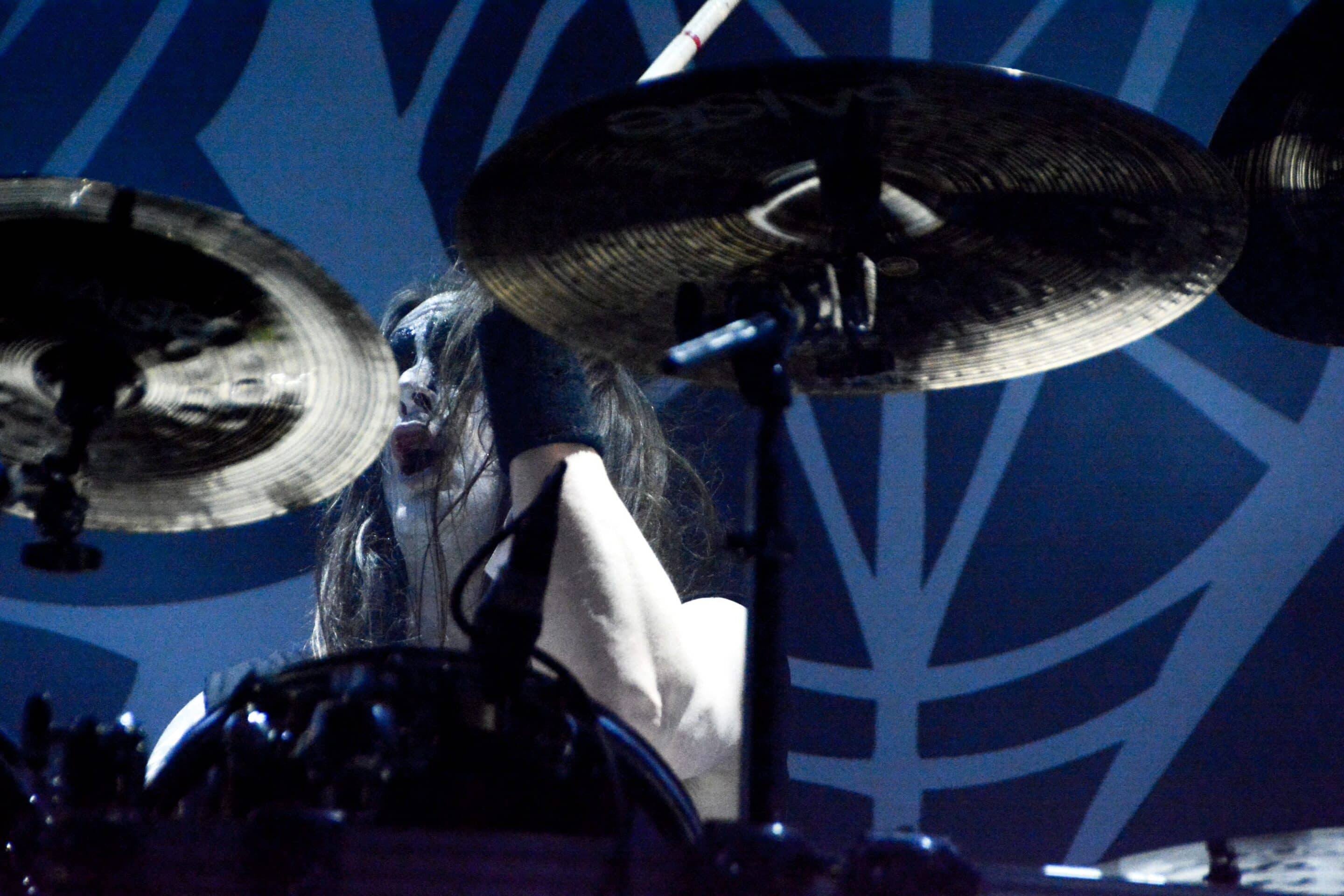
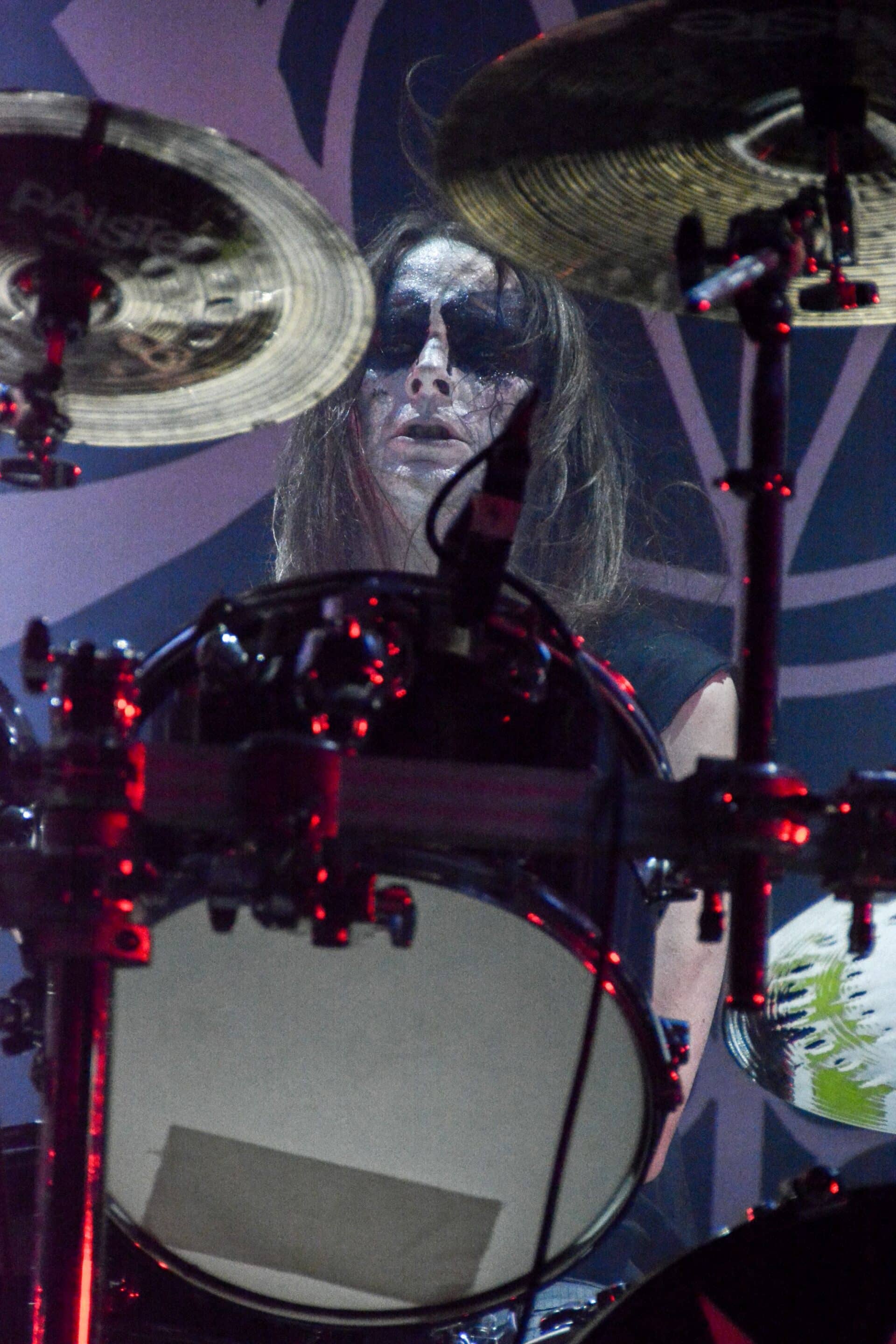
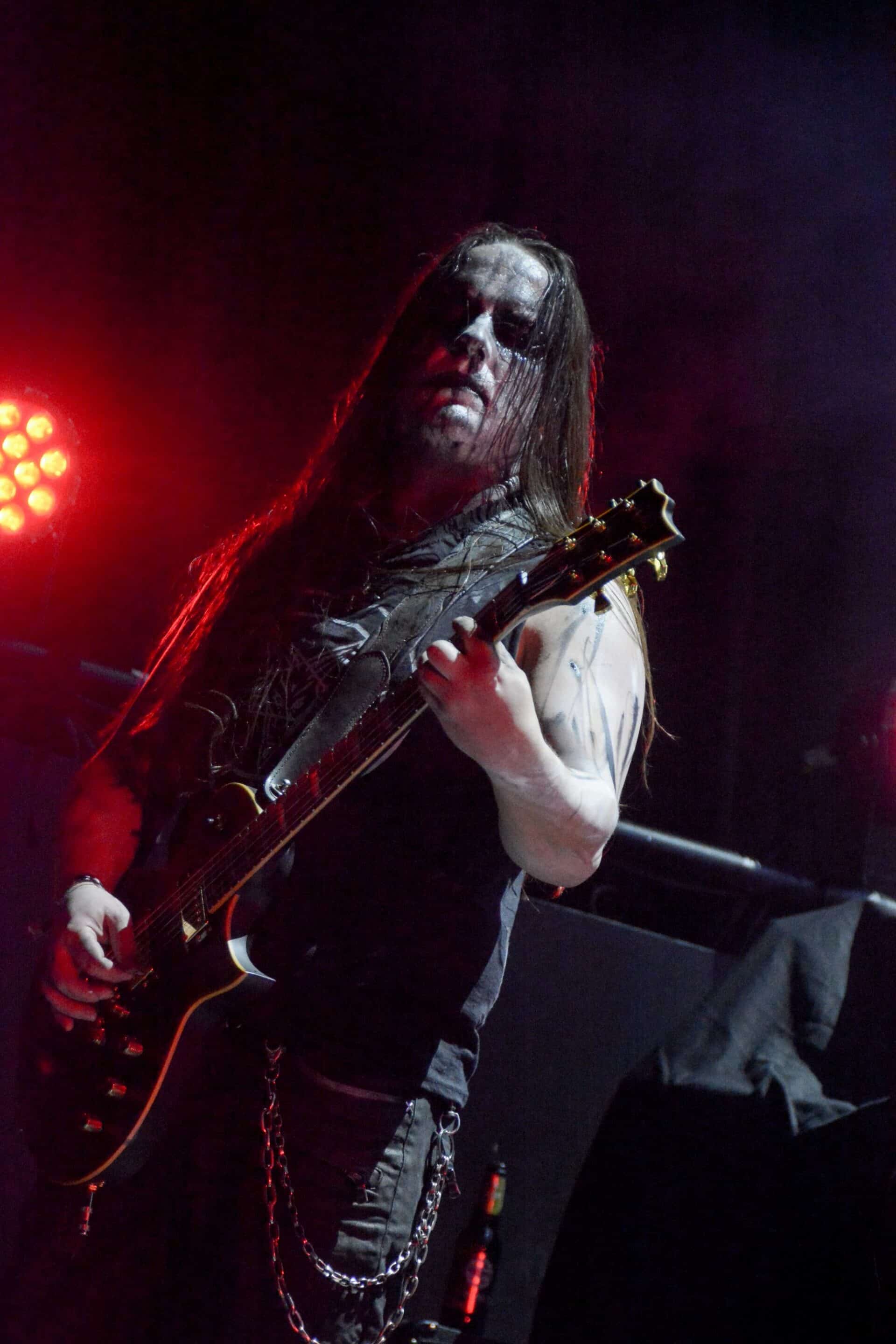
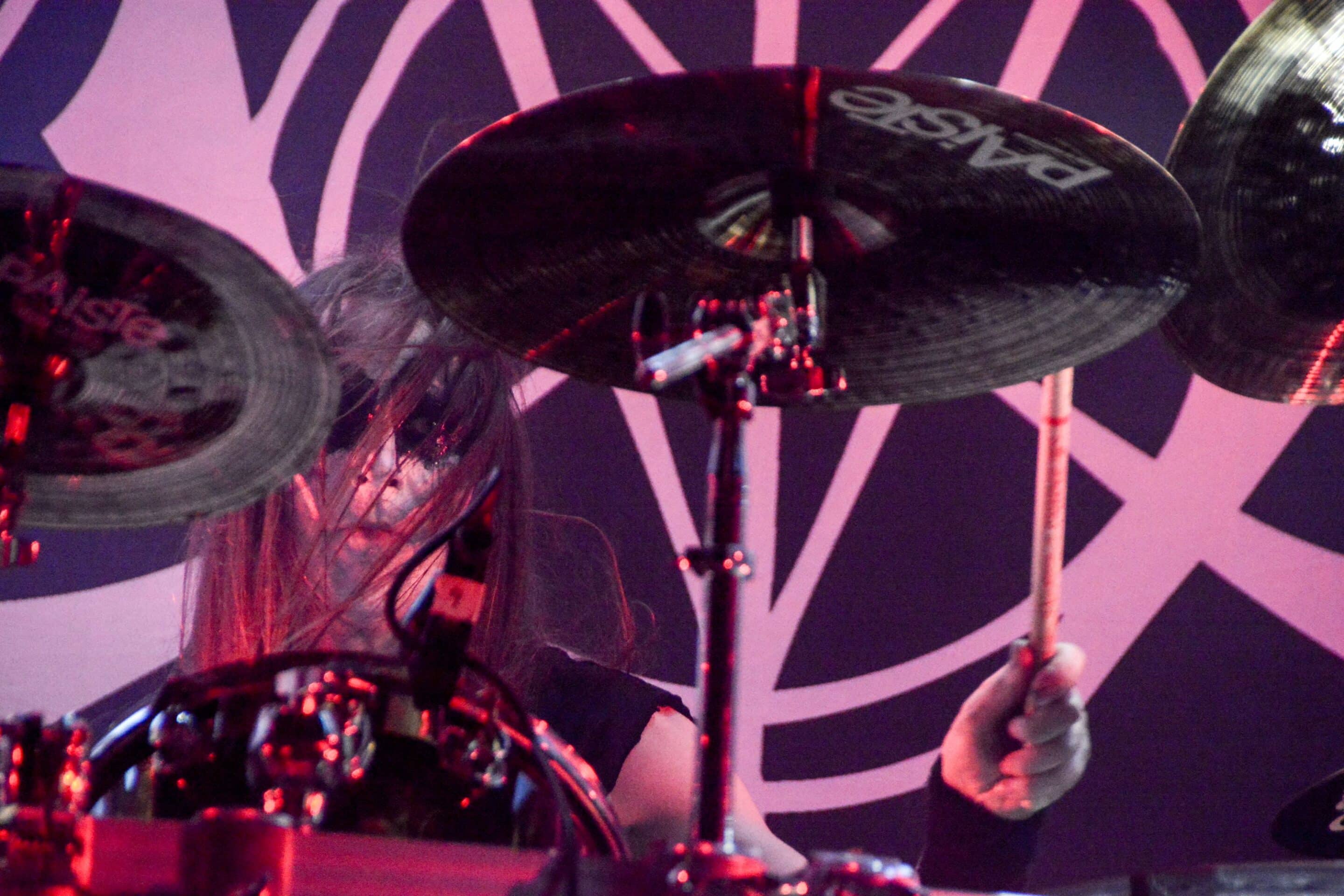
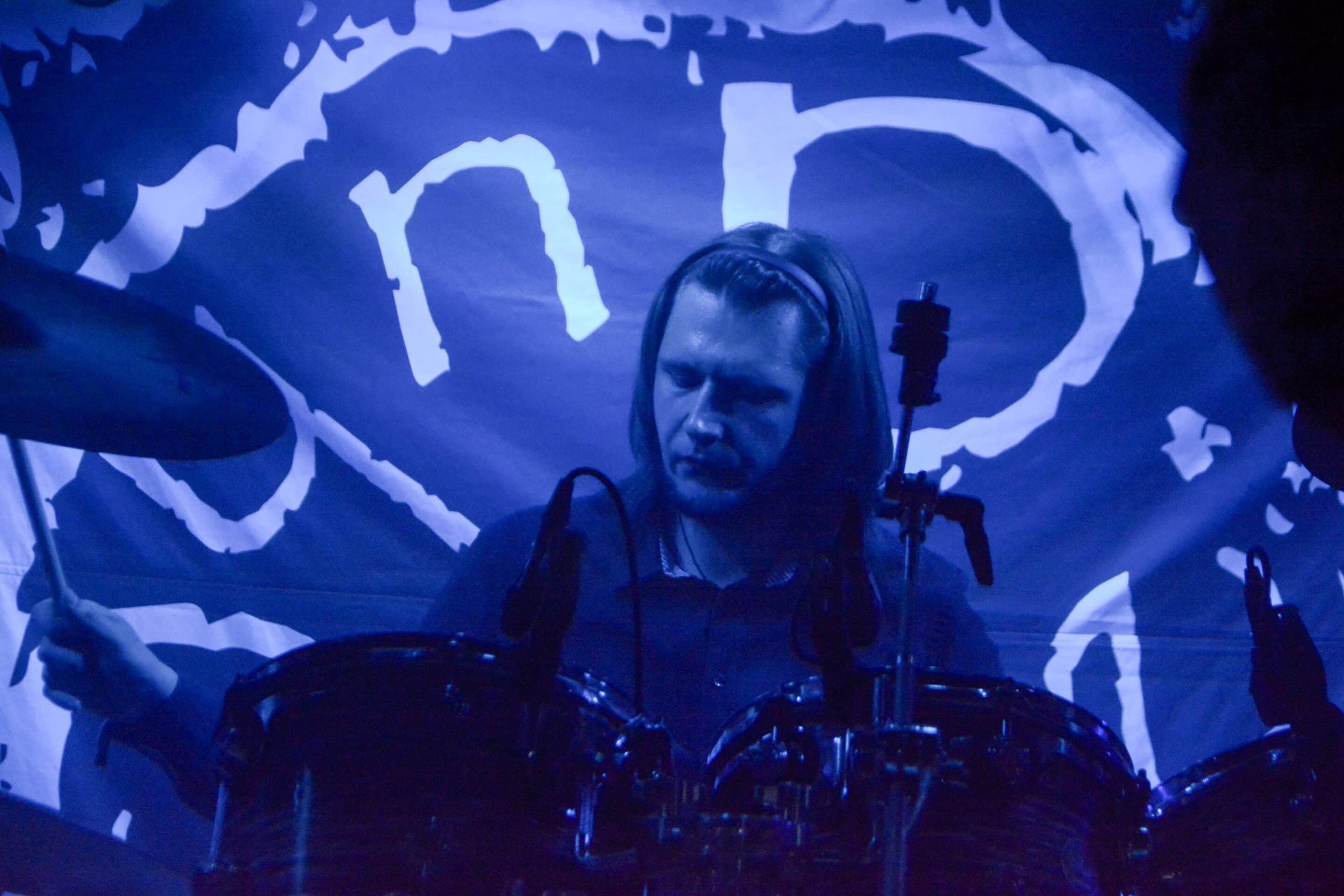
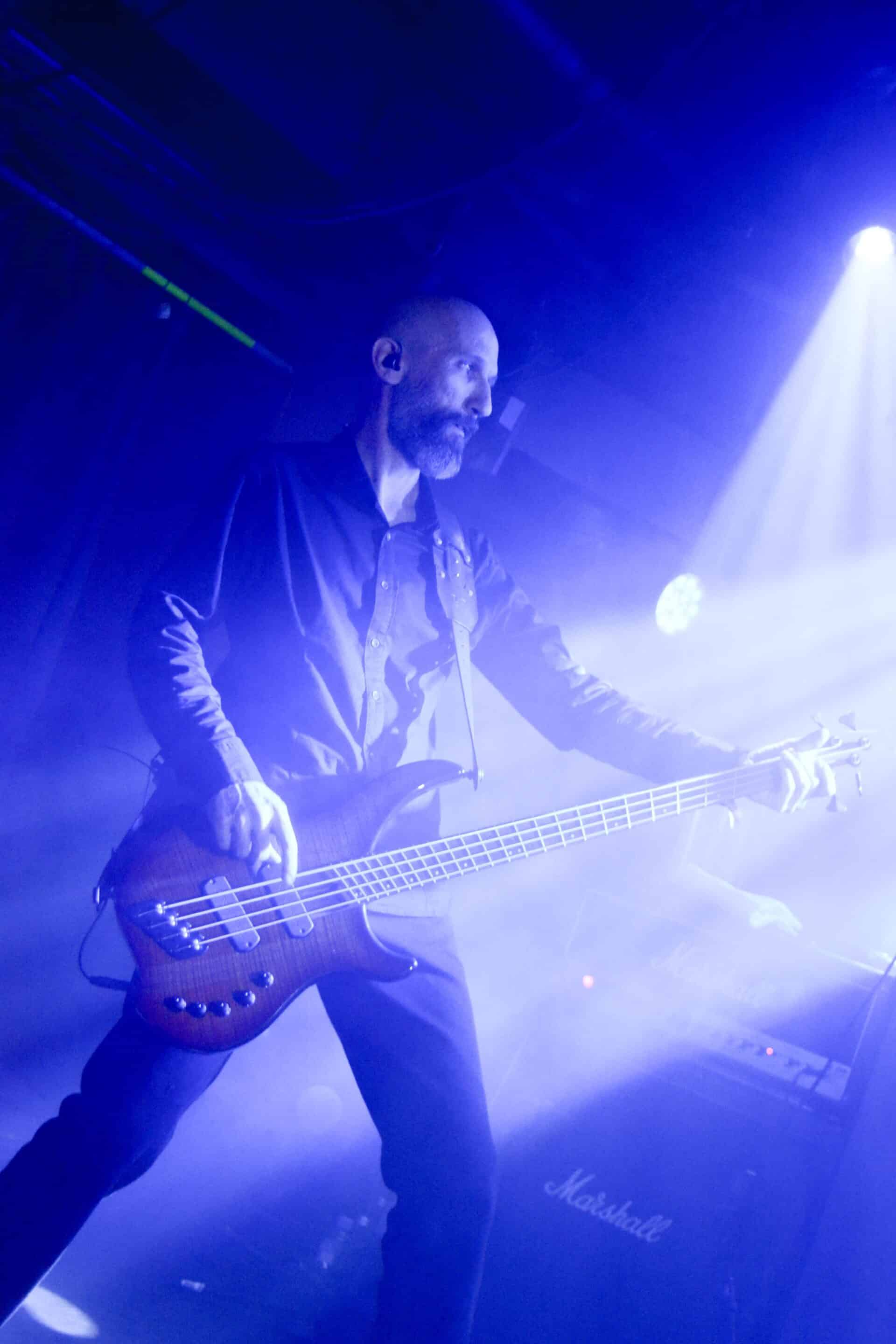
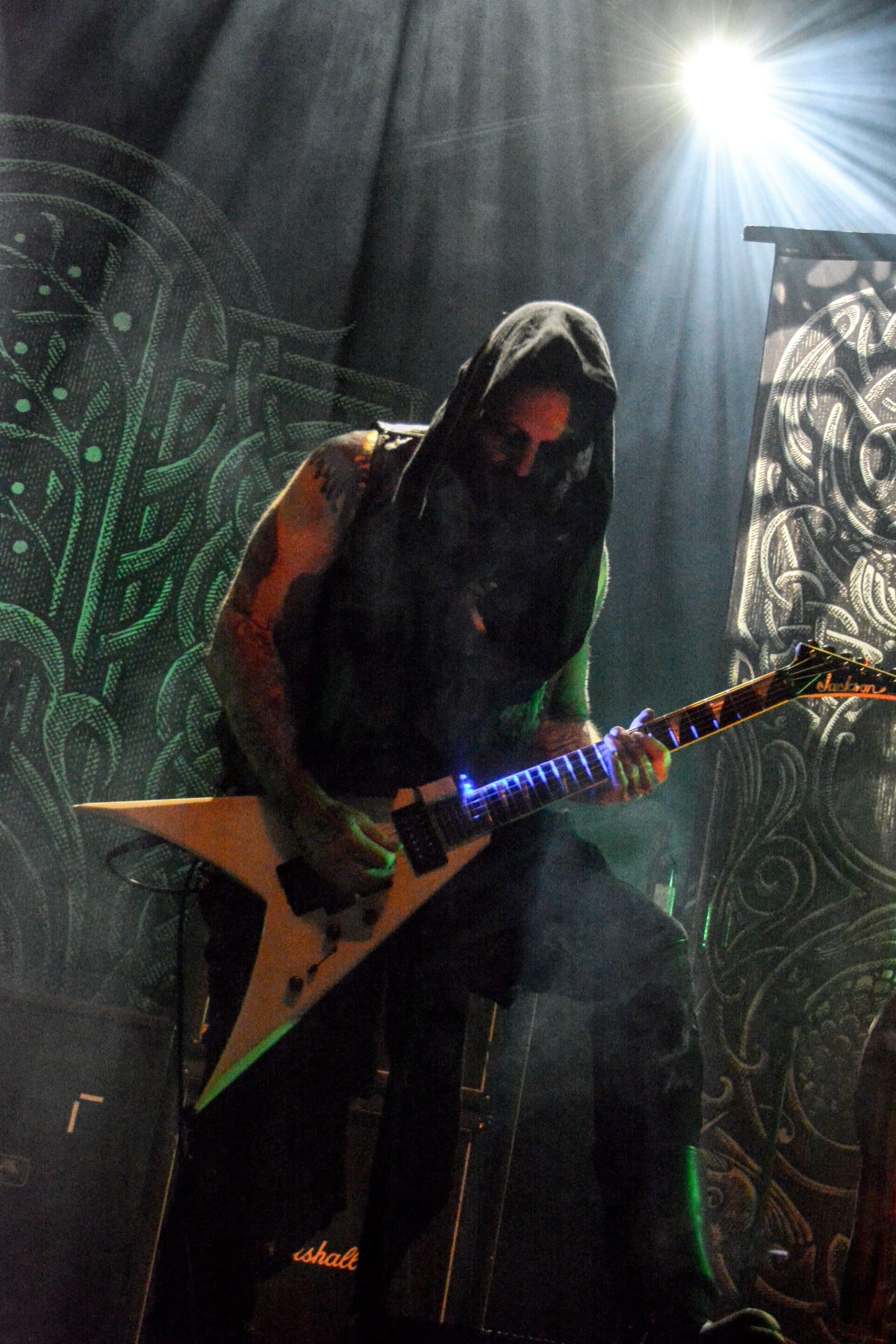
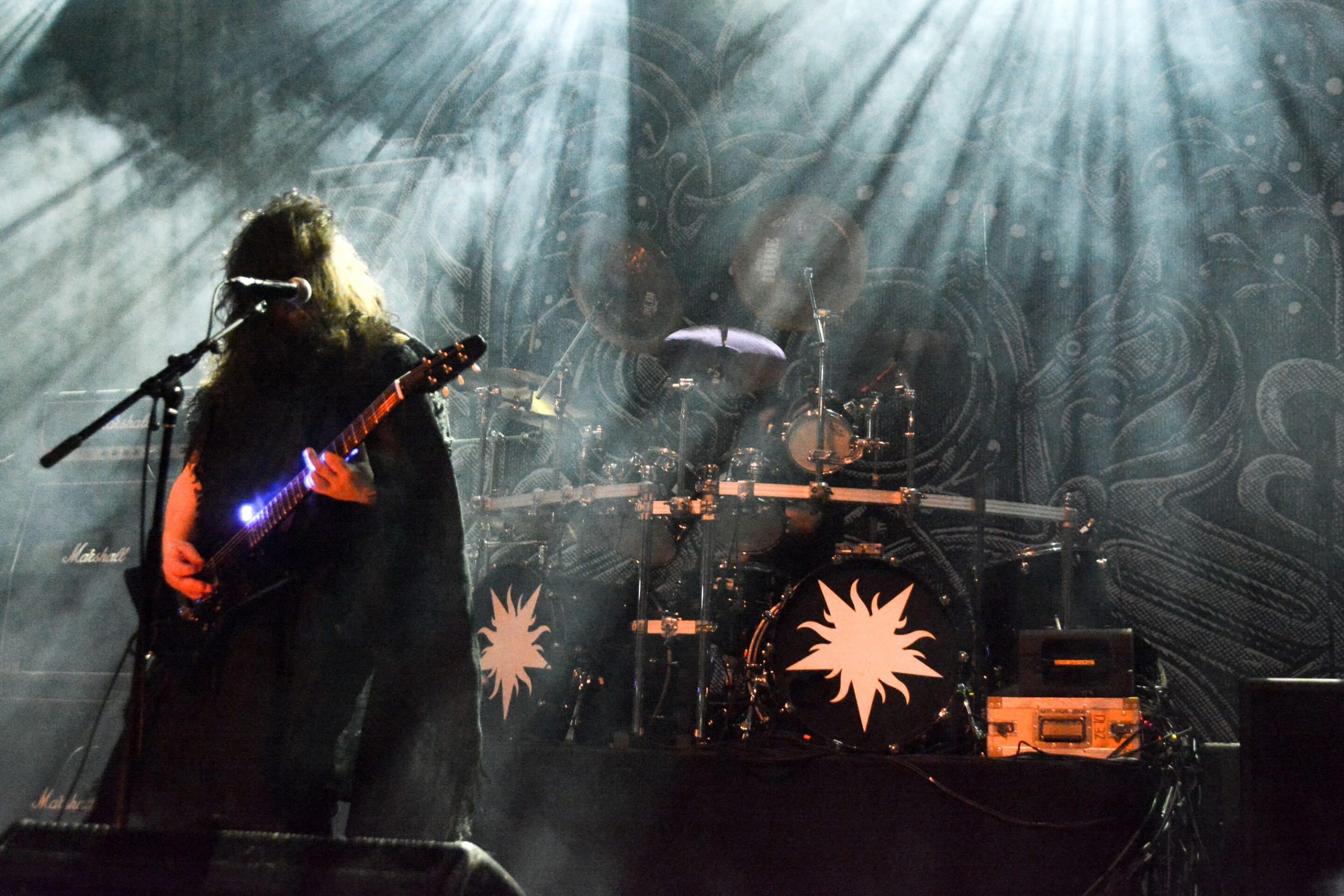
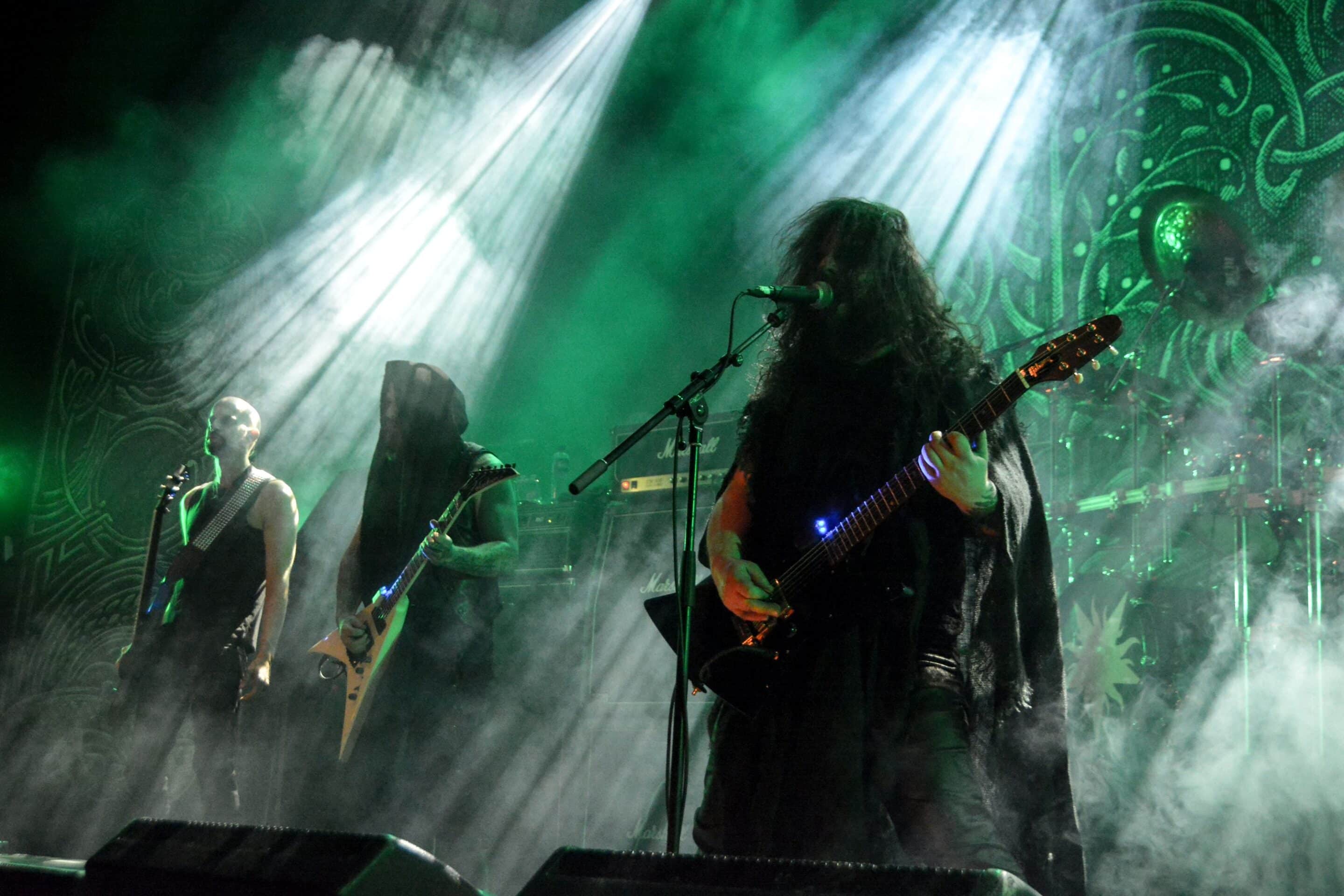
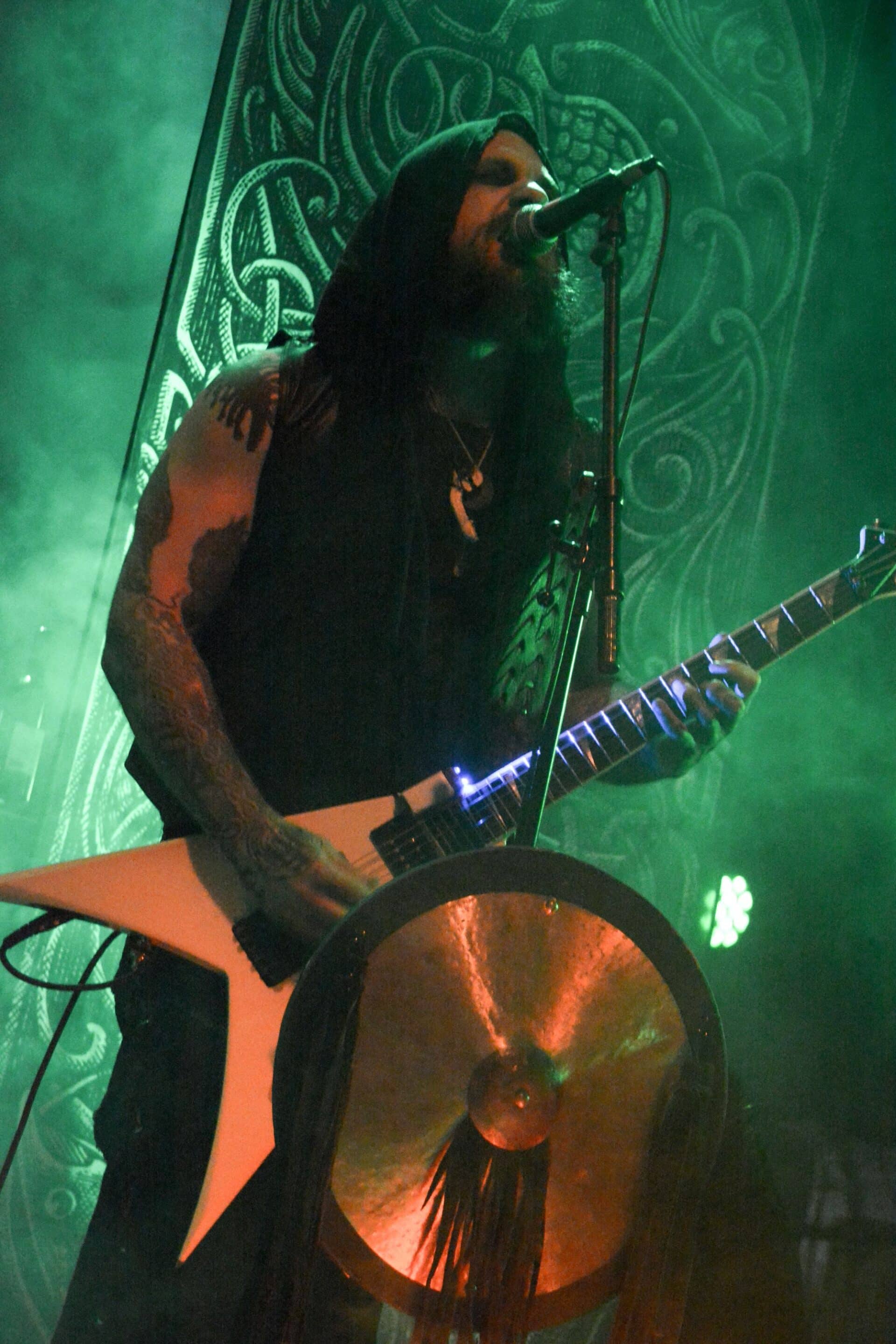
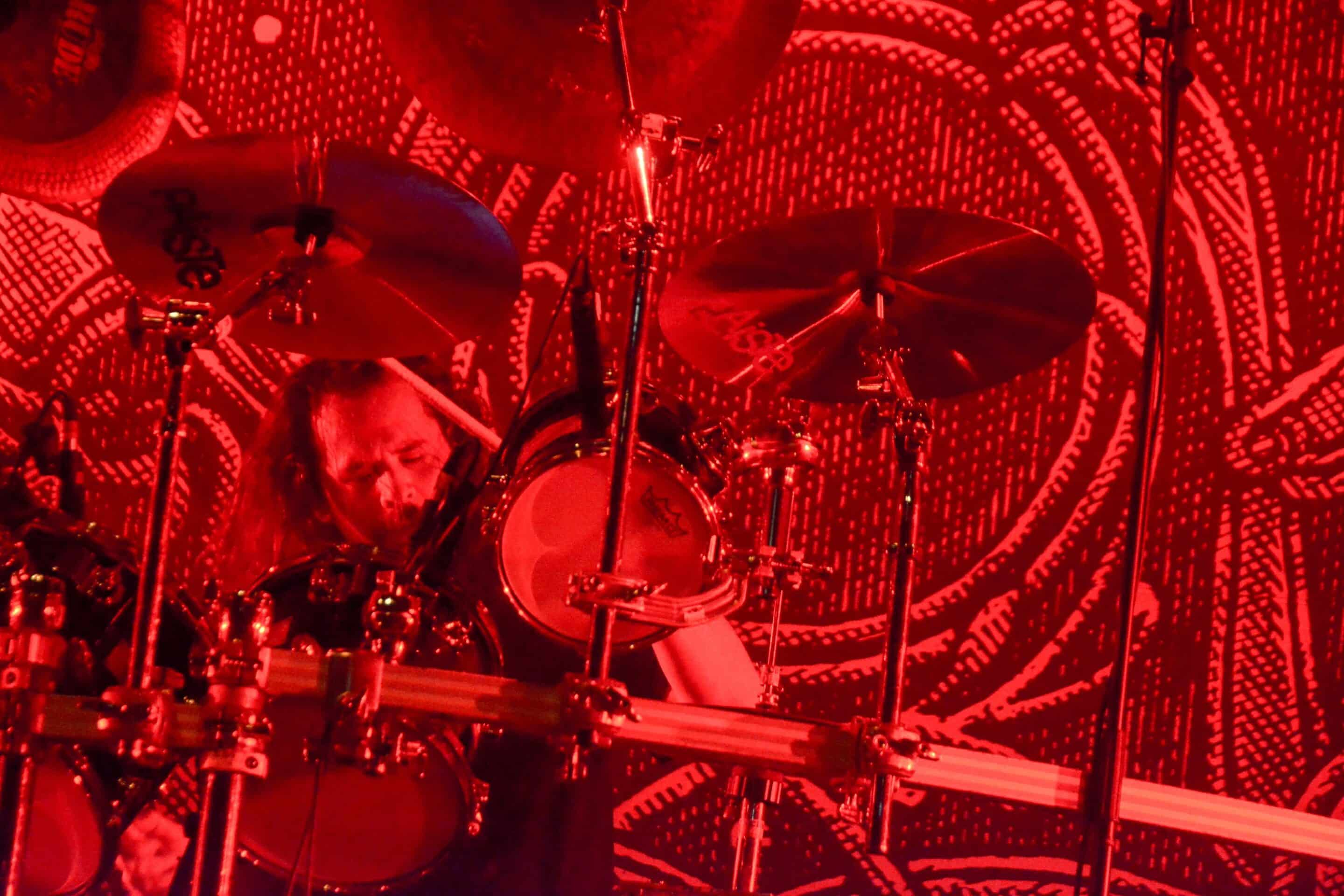
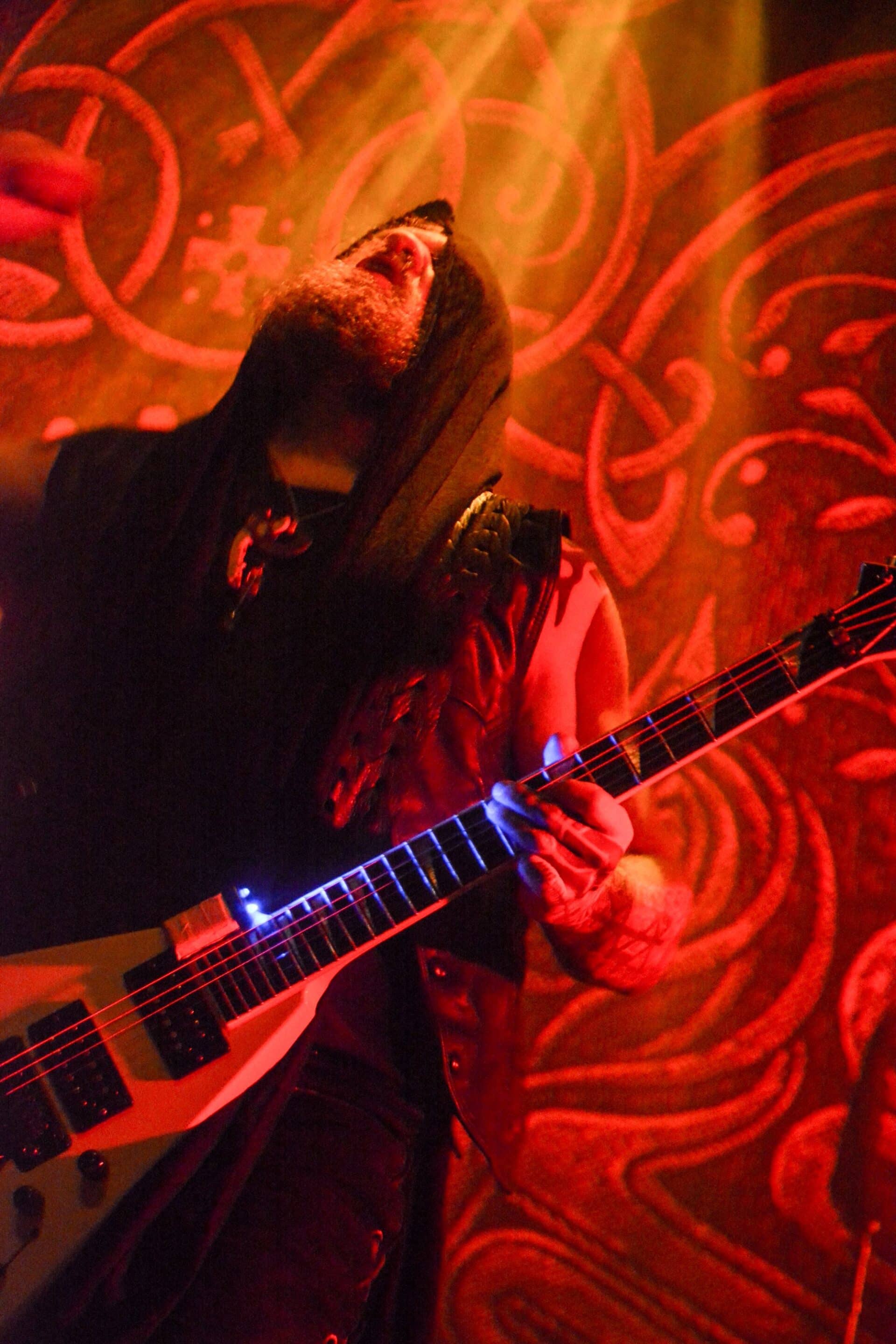
Ez a szimfonikus black metal zenekar a skandináv extrém metal szcéna nehézfiúból áll: gitároknál az Emperor-ban bőgőző, a Myrkskog-ban meg doboló Secthdamon, a másik gitárnál a többek között a Morbid Angel-ből ismert Thor, a doboknál pedig a fantasztikus Nils Fjellström – ez a felállás annyiban változott, hogy most beugró gitáros helyettesítette Thor-t, és az egy darab billentyűs helyett kettő volt, ugyanis Secthdamon felesége, Silke is a színpadon nyomogatta a billentyűket a Dimmu Borgir-ból jól ismert Mustis mellett. Az emberek szó szerint megőrültek attól, amit csináltak: kábé a Cannibal Corpse-on nem volt ekkora mozgás, mint az Odium alatt. A zenekar működésében volt egy másfél évtizedes szünet – lehet, hogy ebből a szempontból volt hiánypótló ez a fellépés –, de olyan pogót nyomták a norvégok, hogy öröm volt nézni. Sikerült a fesztivál harmadik napjára Tony-val interjút leszervezni, ahol egy kicsit körbejárjuk az Odium-mal kapcsolatos tudnivalókat, de azért annyi kiderült már a fellépés során, hogy dolgoznak az új anyagon; ami nagyon érdekelne az az, hogy a régi – és csapnivalóan lekevert – egyetlen lemezüket újra fel szeretnék-e venni? Lehetett pacsizni is a zenekarral nem sokkal a fellépésük után, ahol külön öröm volt, hogy a műfaj egyik egészen fantasztikus dobosával, Nils Fjellström-mel válthattam pár mondatot. Említettem neki, hogy gitározó emberként nem sokat figyelek a dobok mögött ülőkre, de az ő produkciója – akár a Dark Funeral-ban, akár a Nordjevel-ben, akár az Odium-ban – valami egészen egyedi és elképesztő. Ezután amin teljesen meglepődtem: ő jobban zavarban volt, mint én.
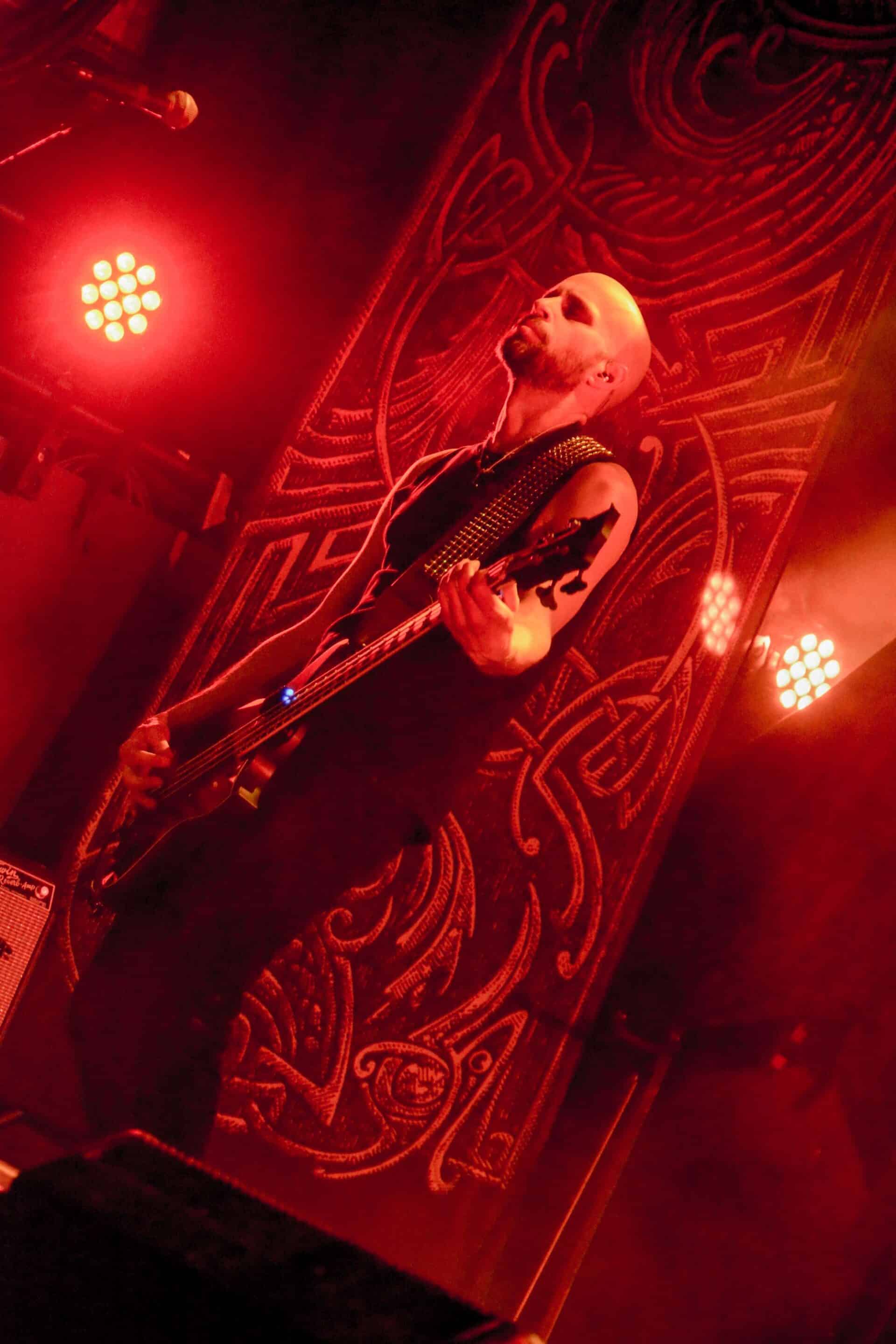
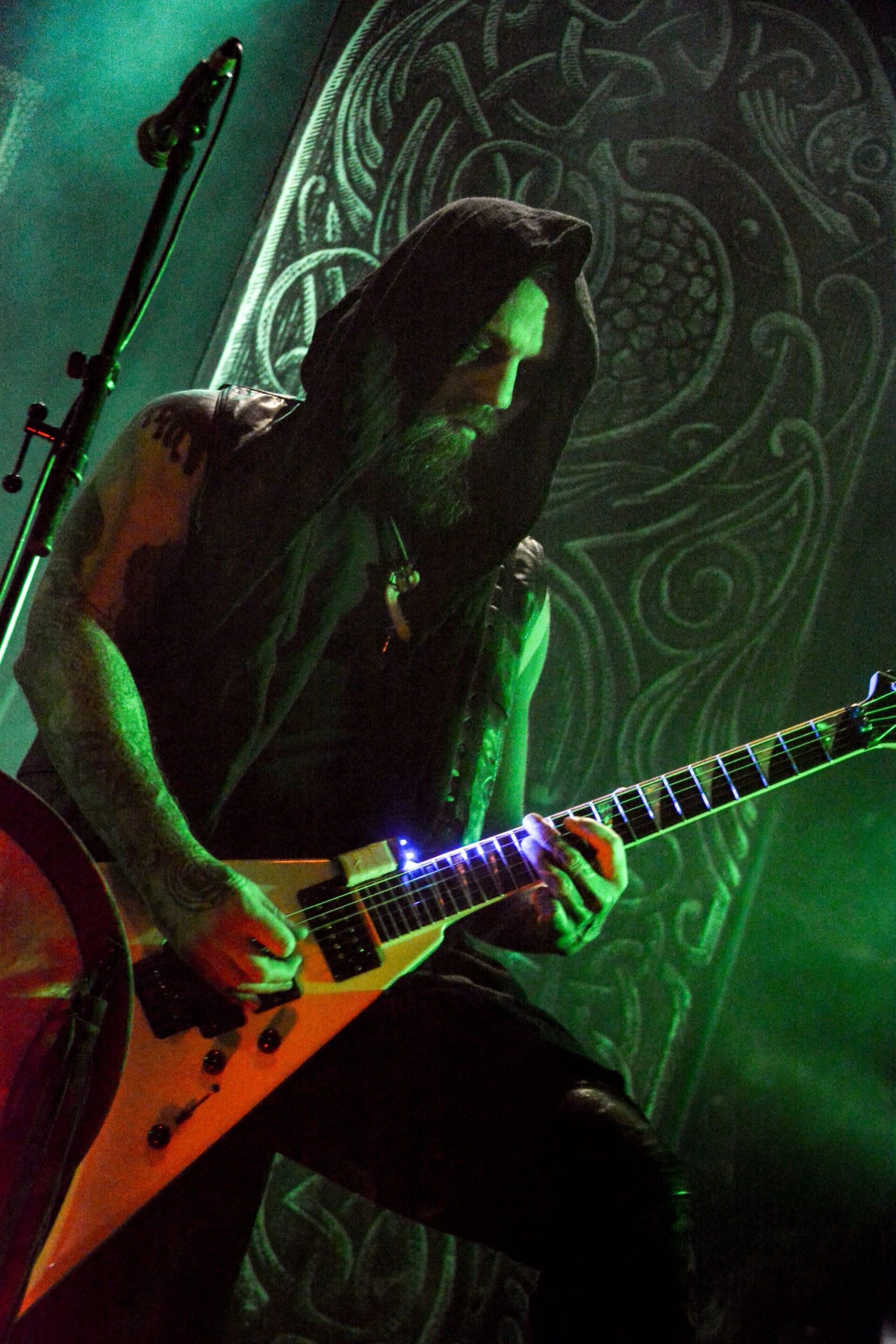
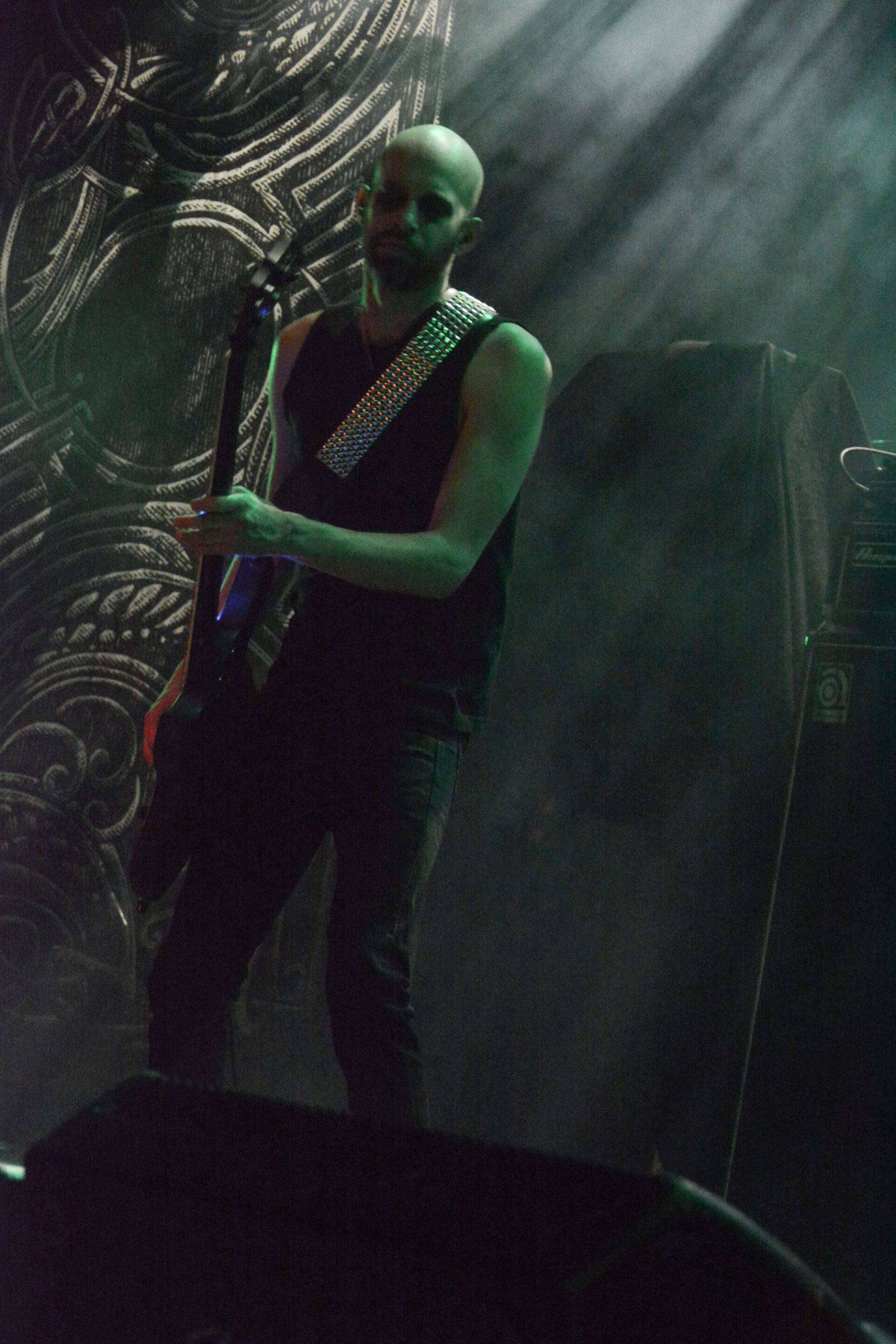
De nem volt túl sok időm az Odium legénységével jópofizni, ugyanis ekkor már bemelegítésre készült a Wolves in the Throne Room. Nekem egy jódarabig ők szürke ló voltak, nem nagyon tudtam mit kezdeni a zenéjükkel, de egyre jobban és jobban megkedveltem őket, és ezen a fellépésen – mivel egészen tisztán szóltak –, fantasztikus produkciót nyújtottak: ez nagyjából egy best of-válogatás volt a klasszikus, Magyarországon is hallott dalokból, és természetesen az új album dalainak jelentős súlyával. Ha szabad esetleg kritikát megfogalmaznom, az nagyjából a következő lenne: a hatvanperces fellépés első tíz perce mindenféle misztikus elemekkel – zúgással, morgással – ment el (nevezzük mindezt intro-nak), majd pedig kétszer is hosszabb közjáték következett (például a közismert jelenet, amikor Kody Keyworth egy nagy része edényben füstölőt hordoz körbe a színpadon). Ez egy másfél órás szettbe belefér, egy 60 percesnél azonban szerintem nagyon sok volt az üresjárat – de ezzel együtt is, ezt a gikszert a tökéletes hangzás pótolta. A nap ezen pontján a biológia – nevezetesen a megéhezés – győzedelmeskedett a metal harcosok felett. Mivel viszonylag nehezen viselem az indusztriált, így bátorkodtam a teljes Godflesh-t cakli-pakli kihagyva elsétálni kajálni, hogy aztán futólépésben menjek vissza az Amorphis fellépésre sorban állni.
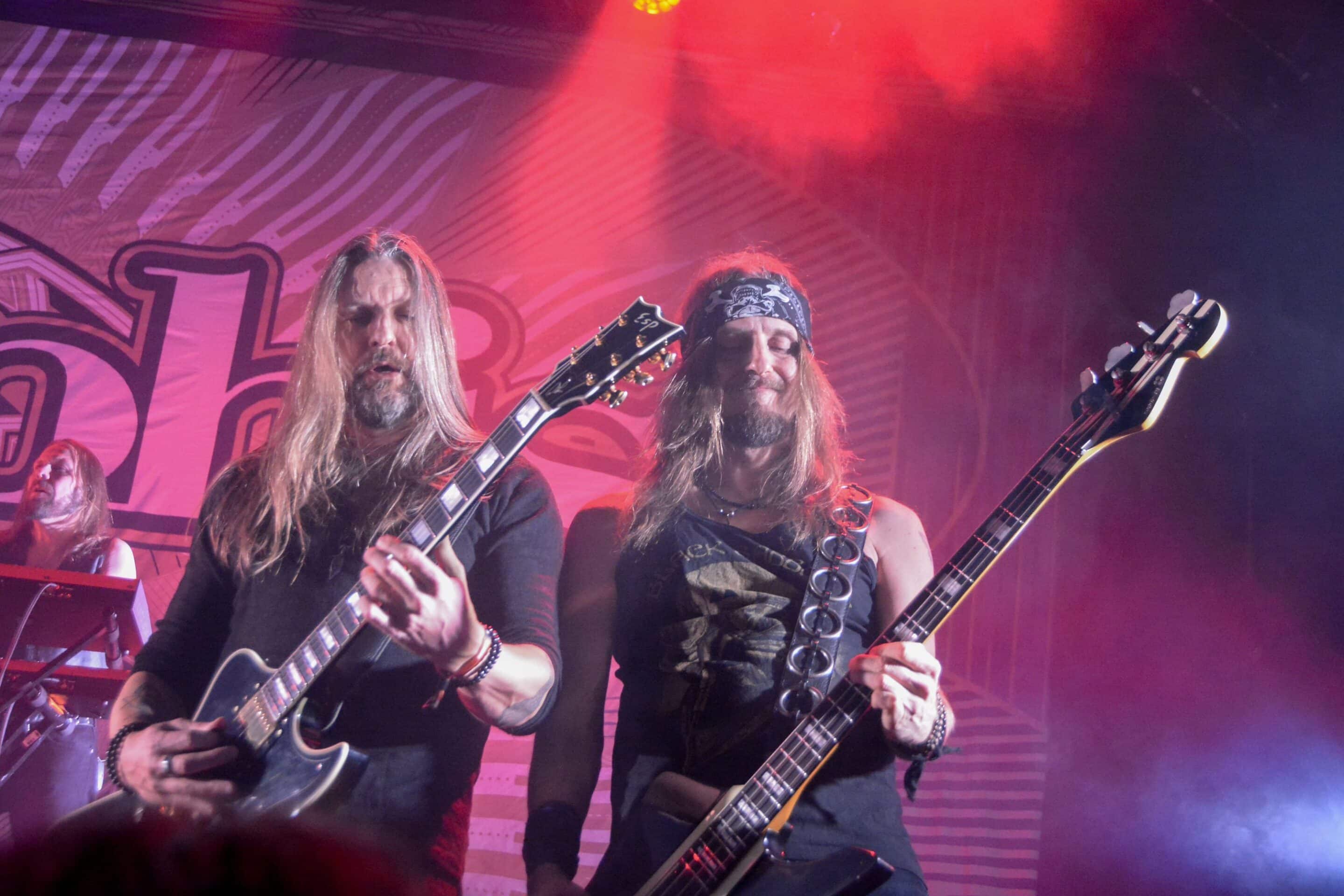
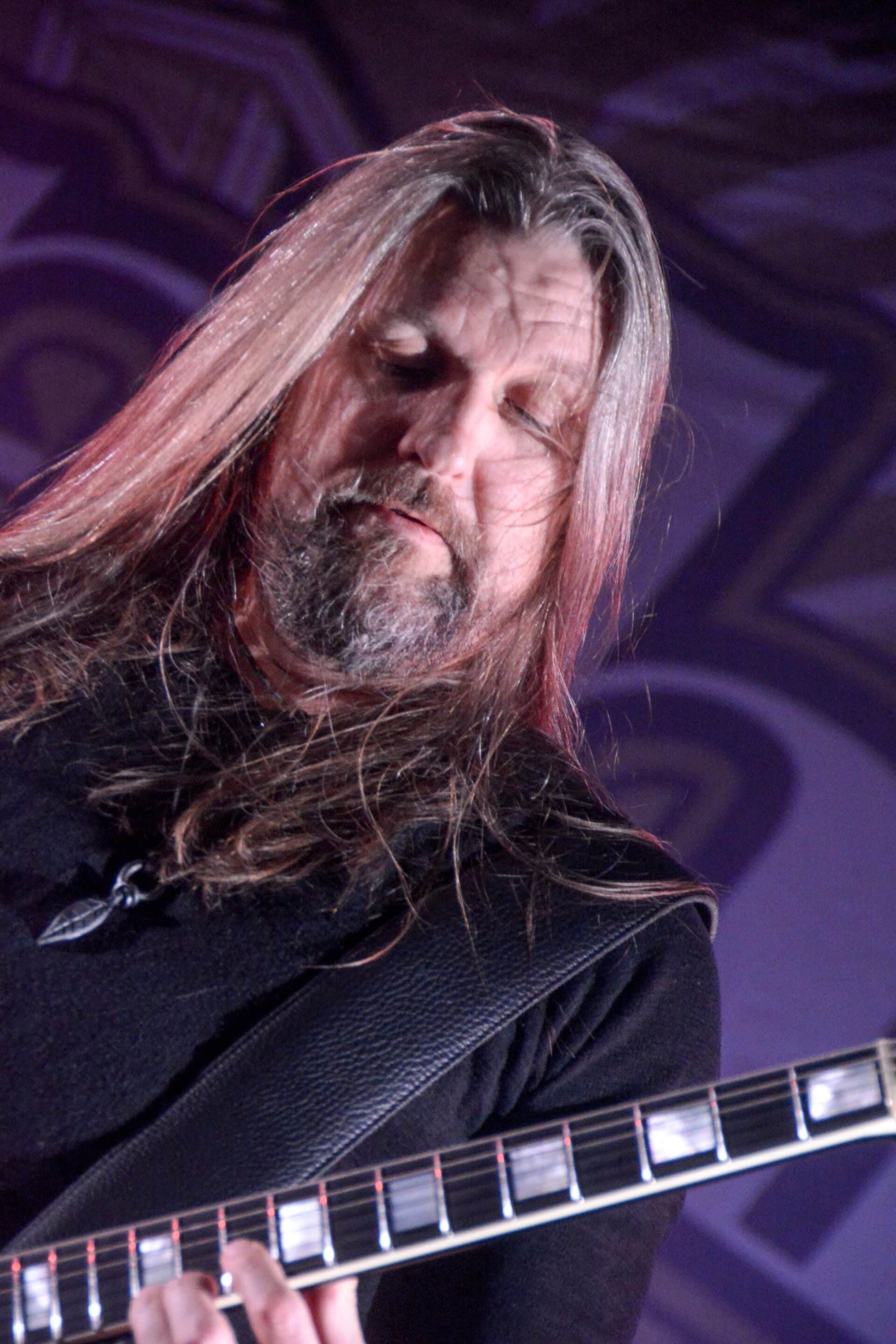
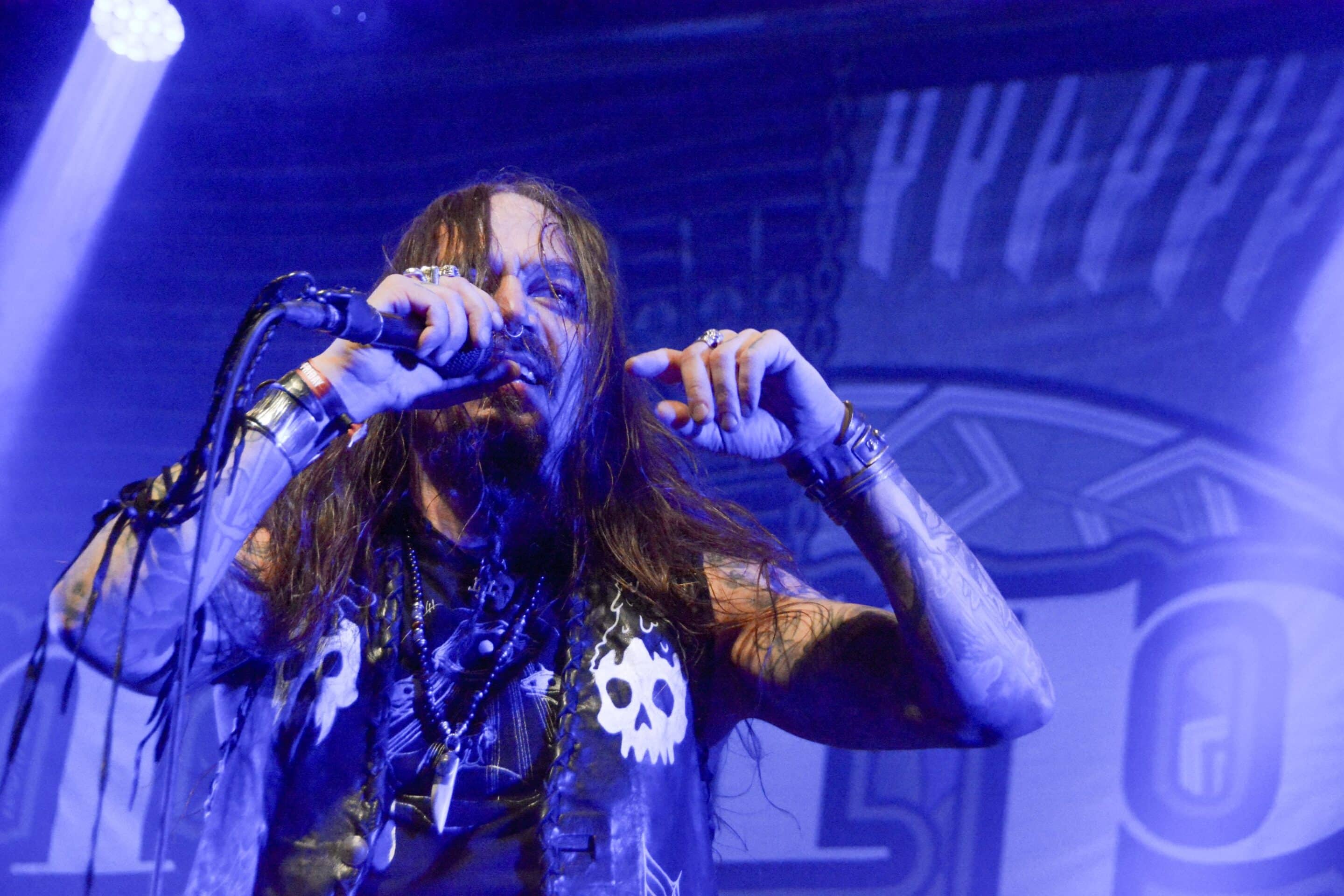
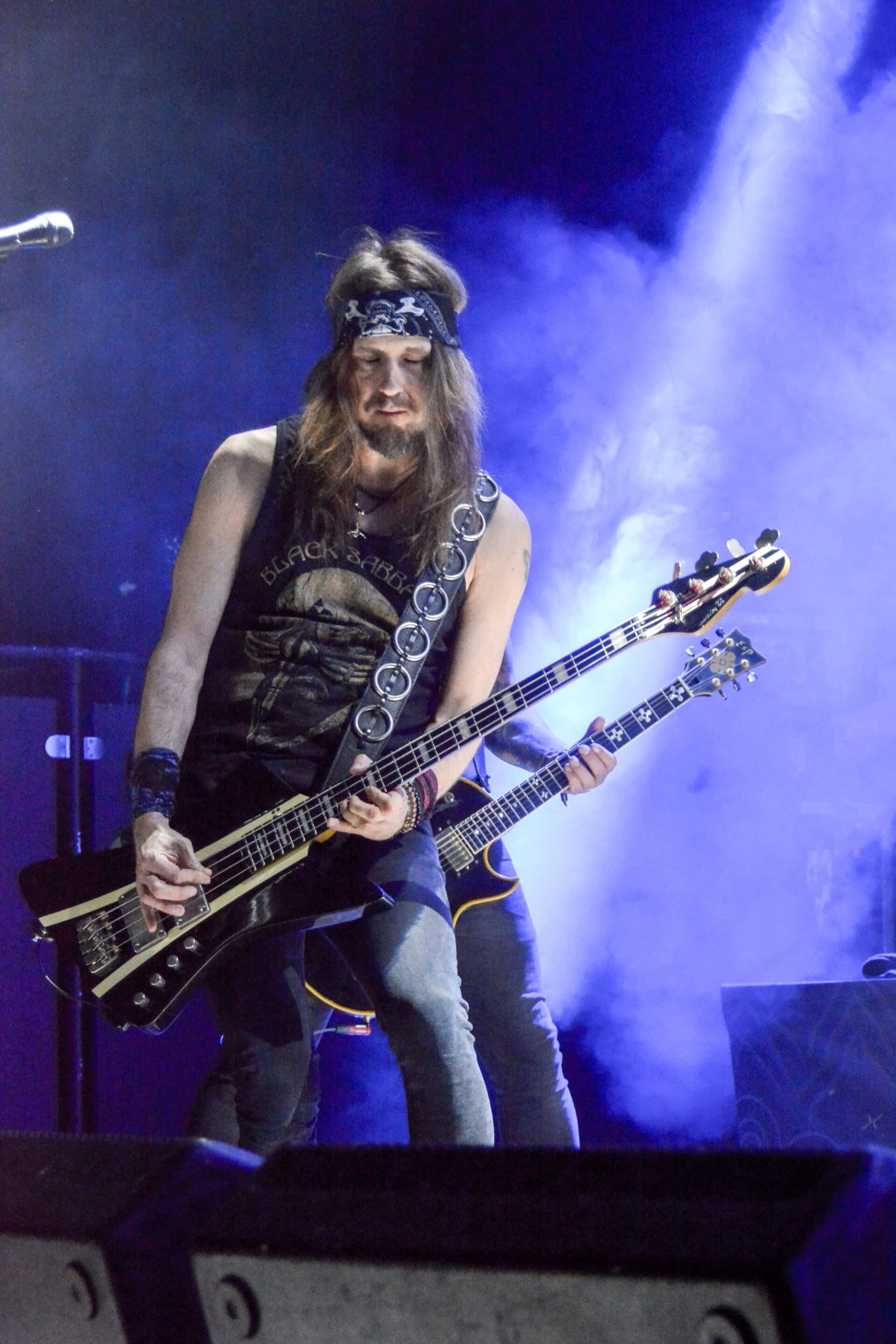
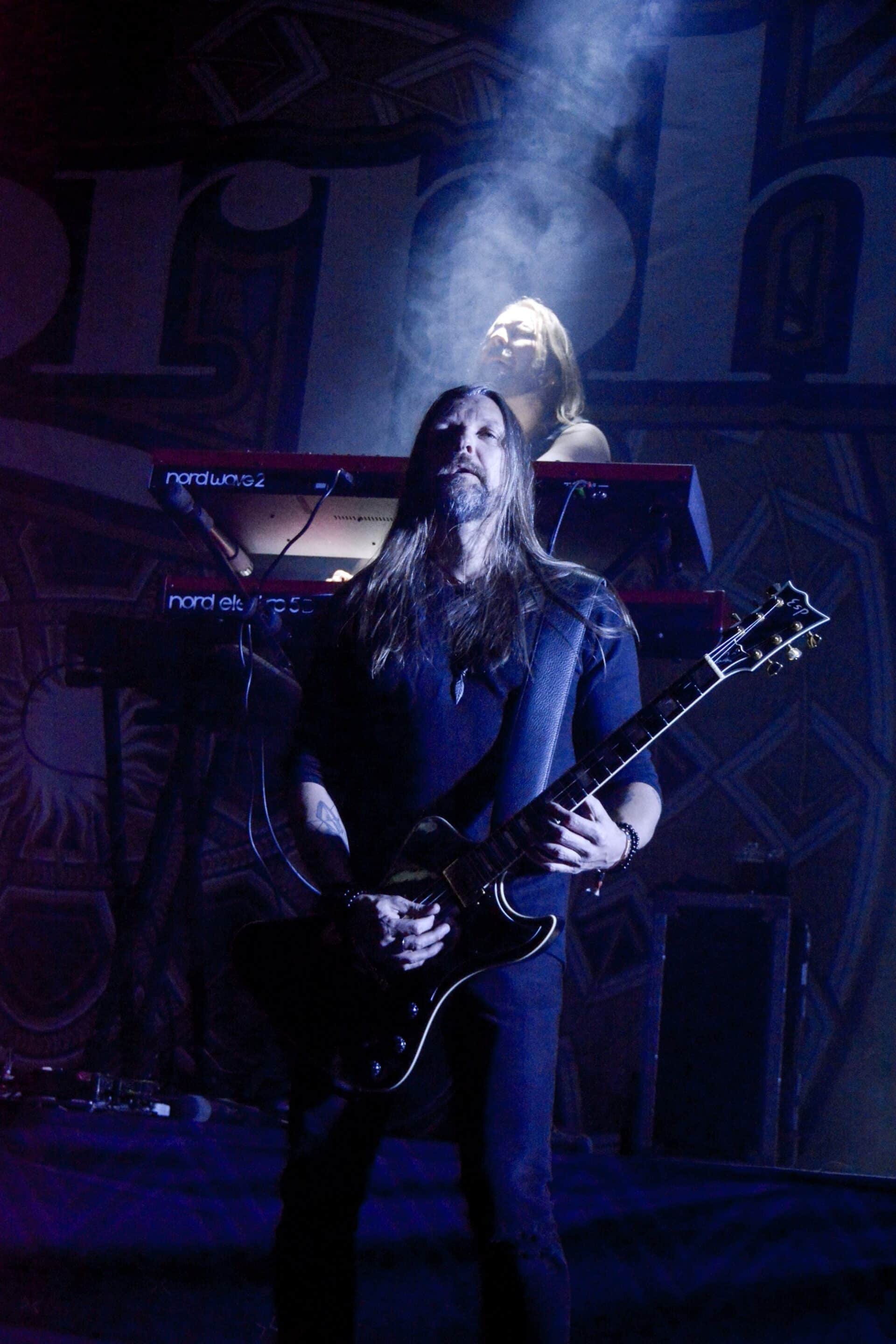
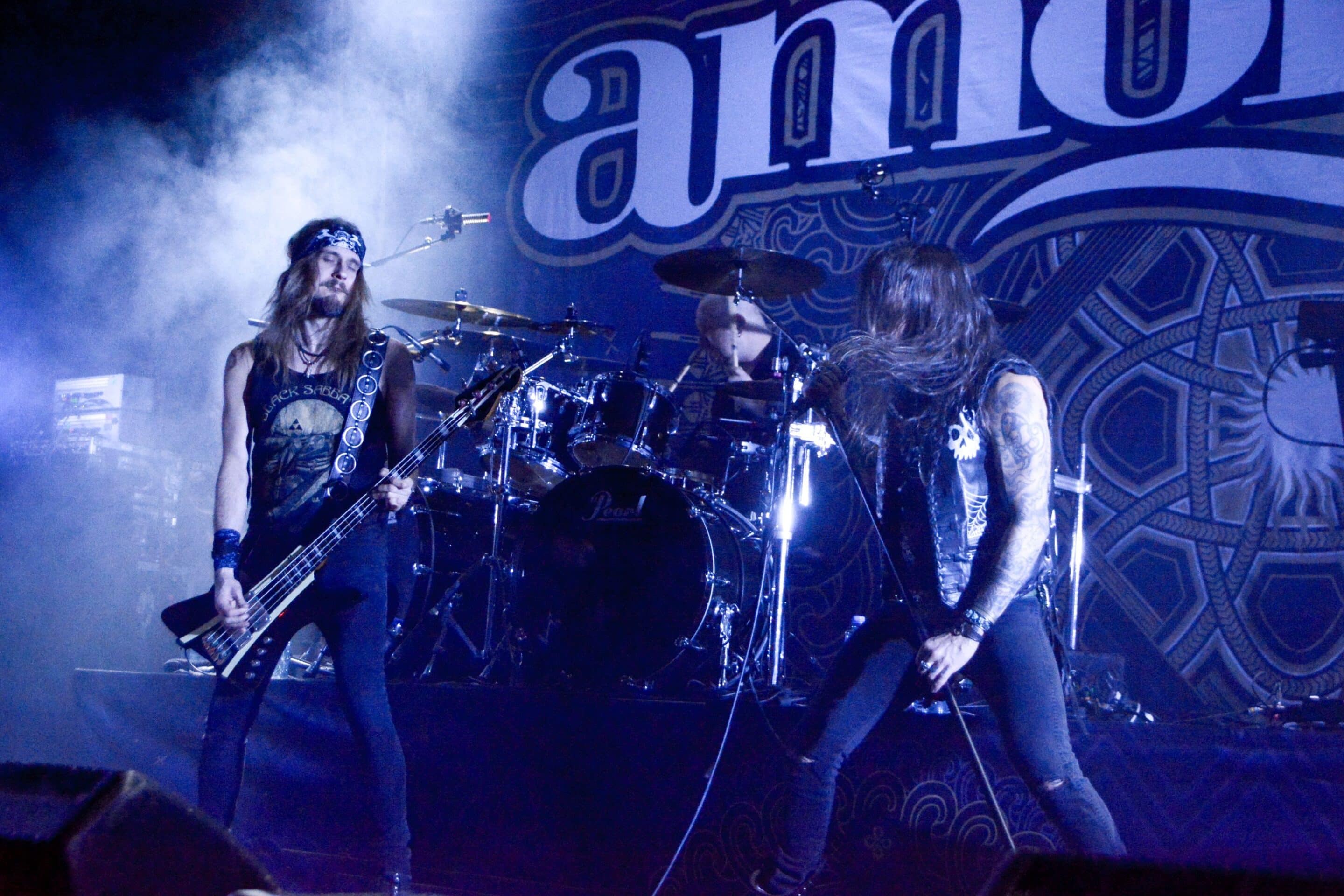
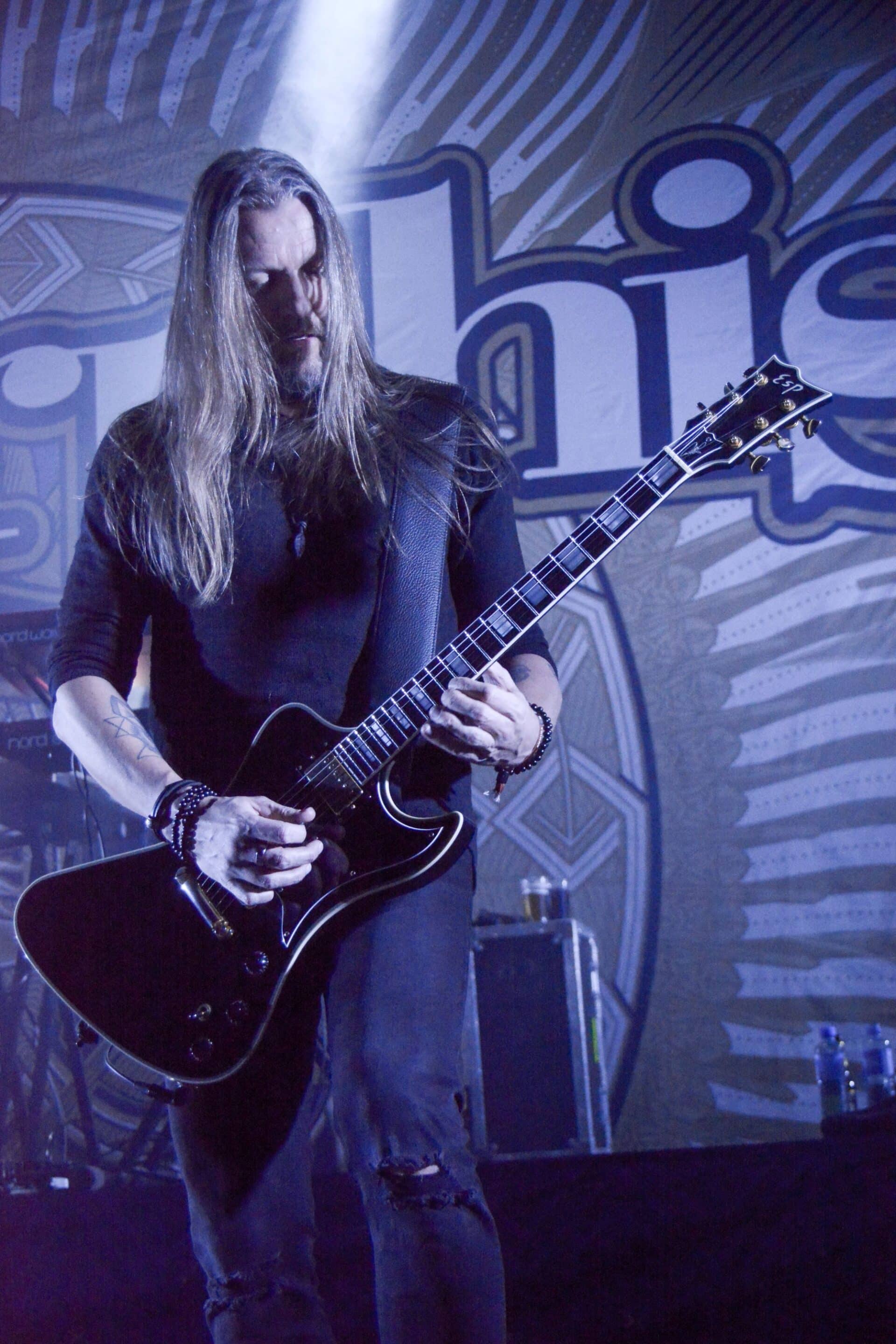
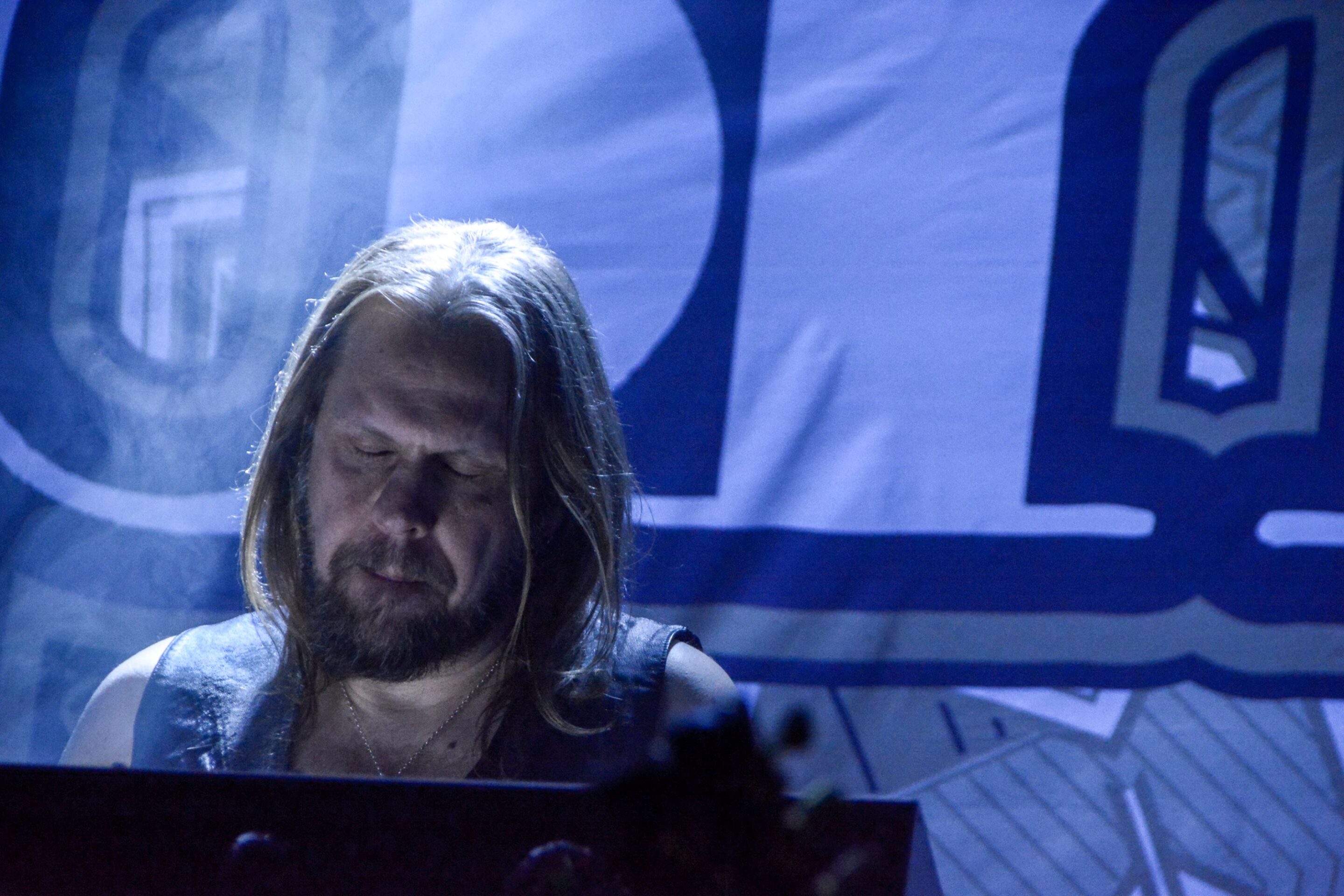
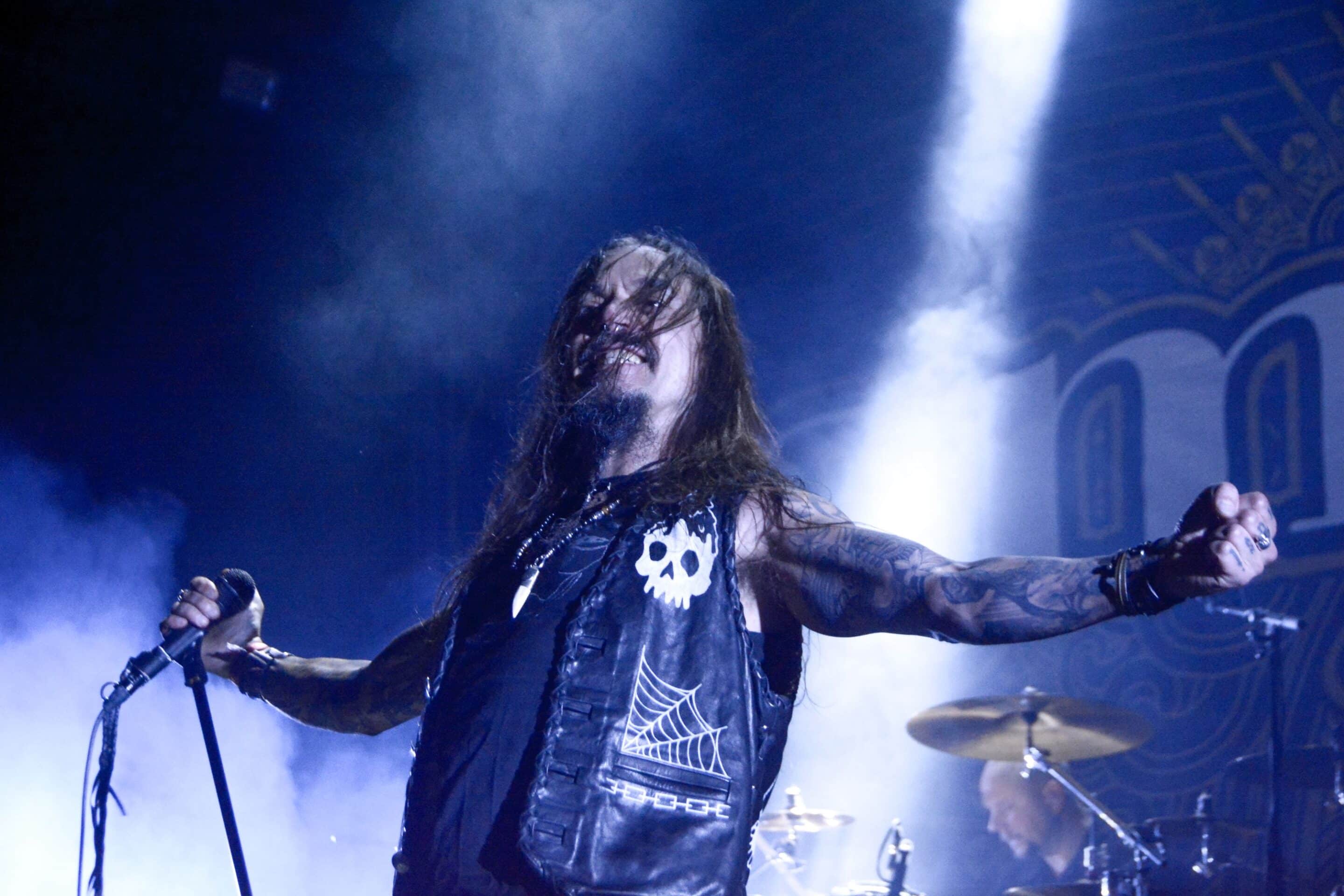
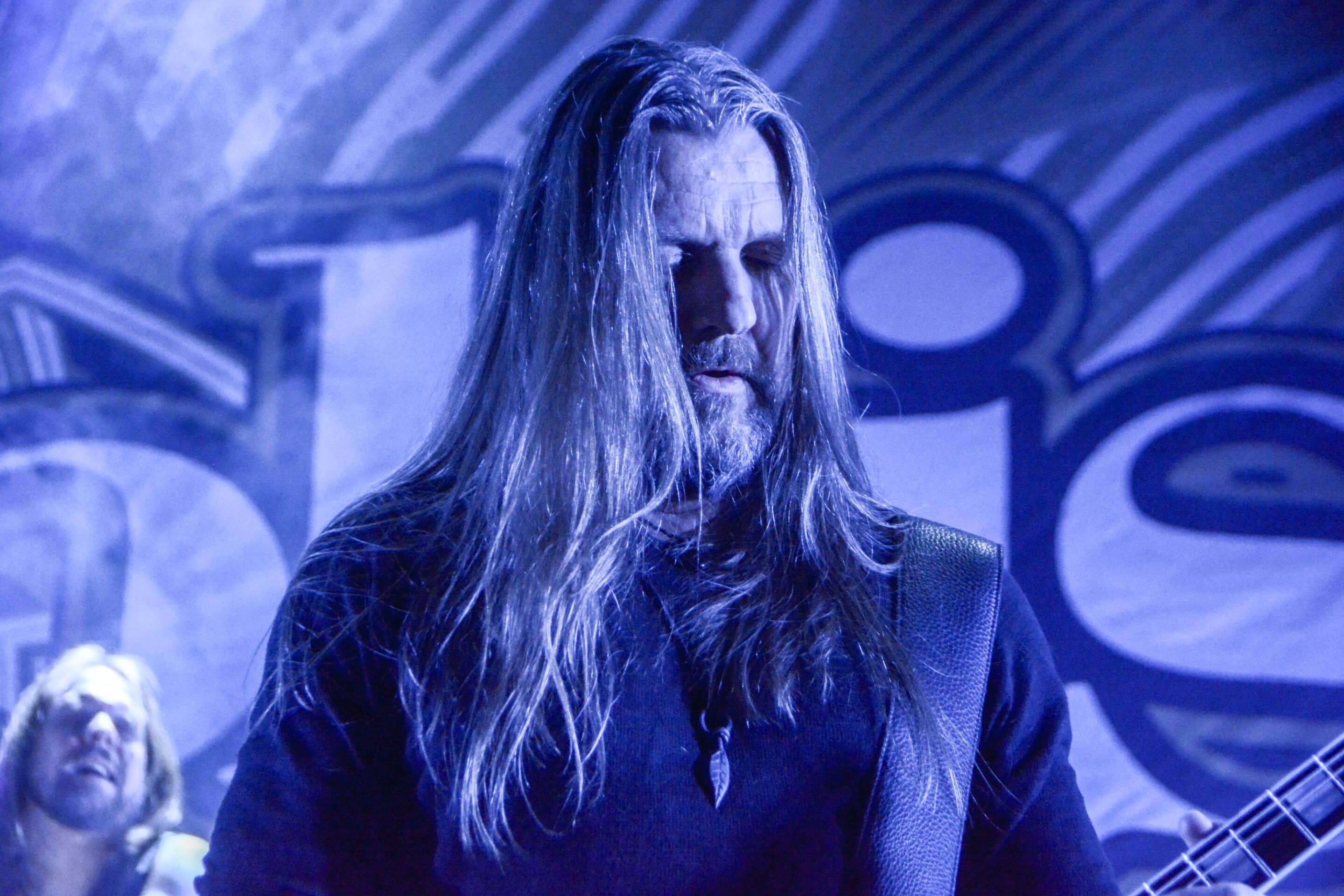
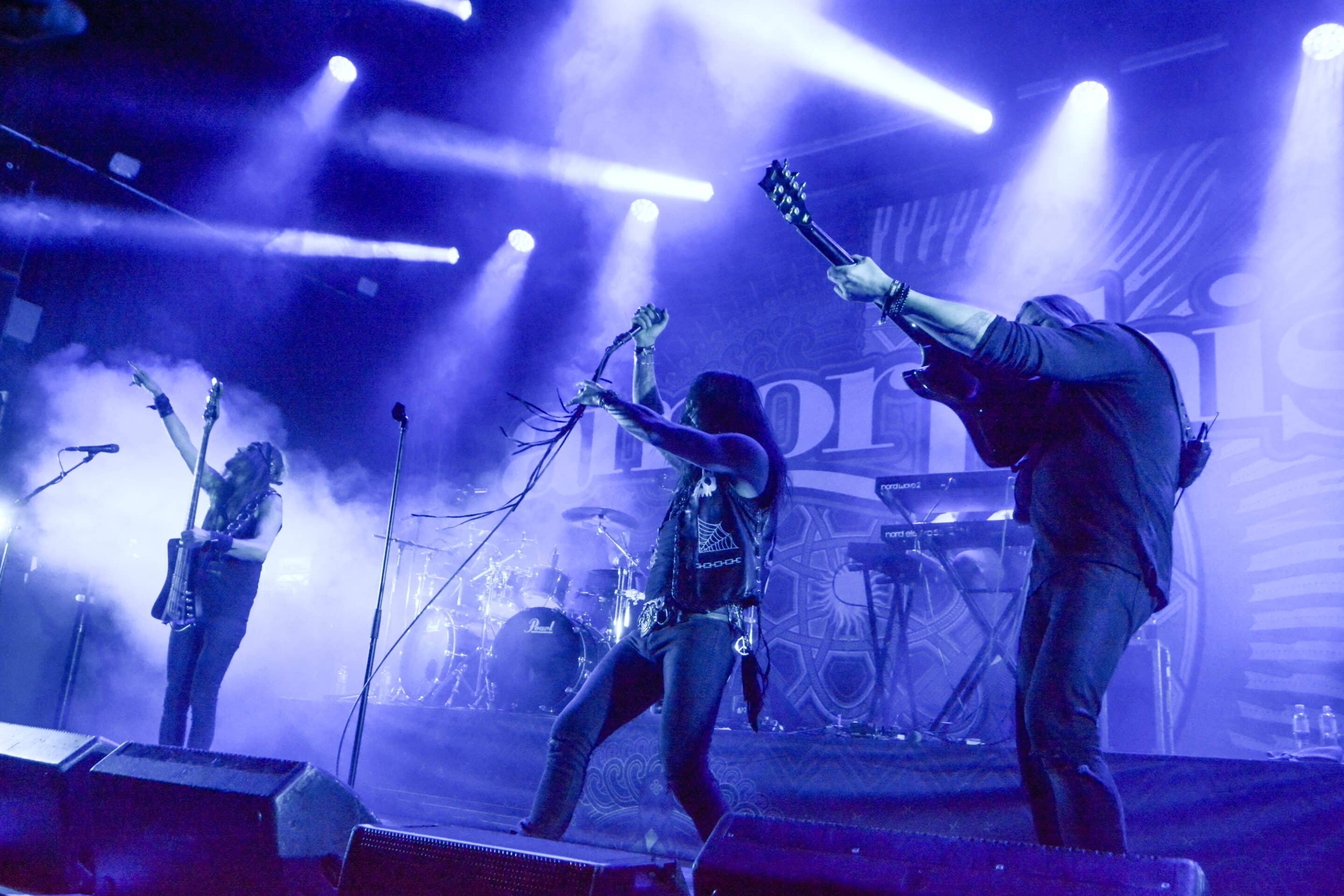
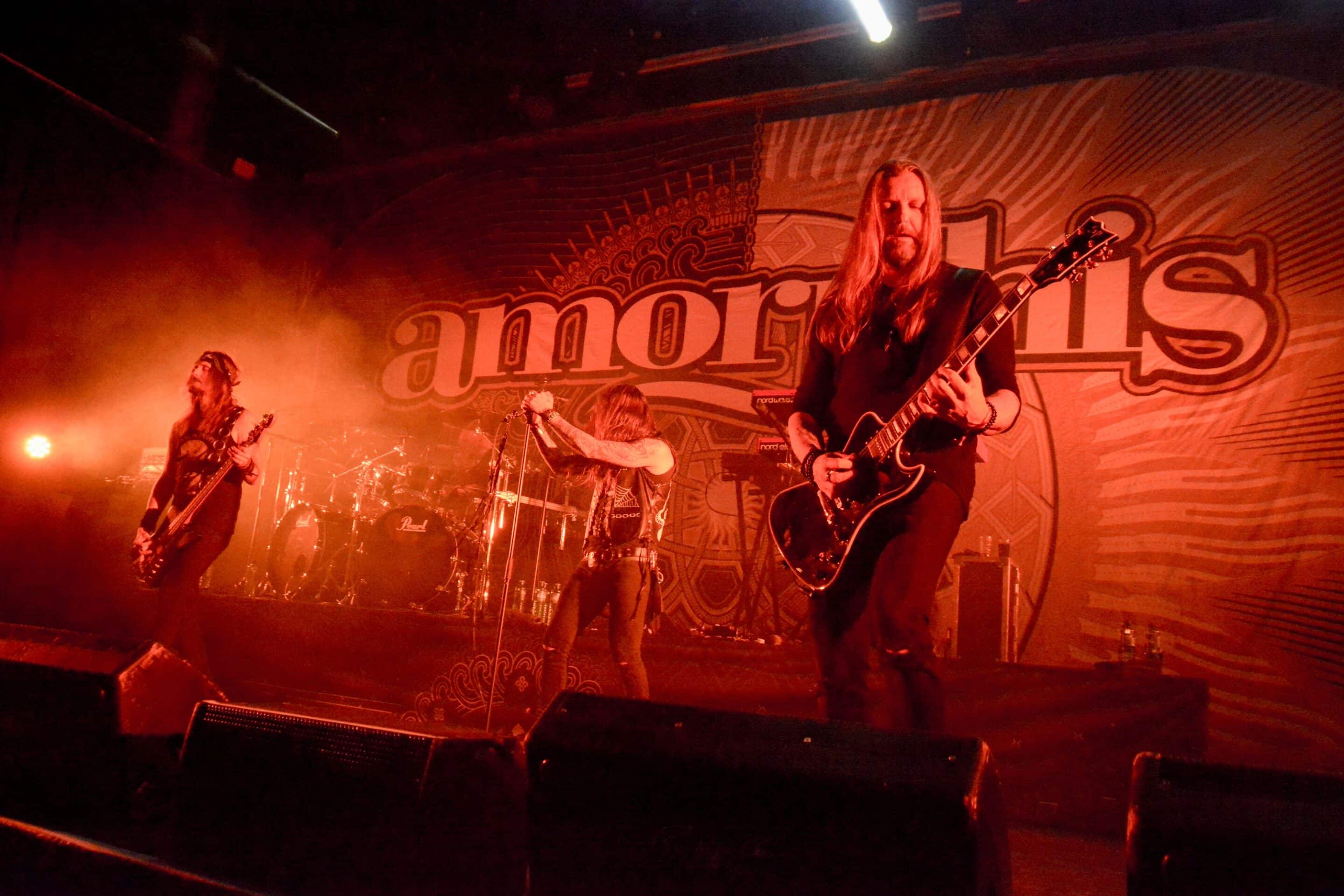
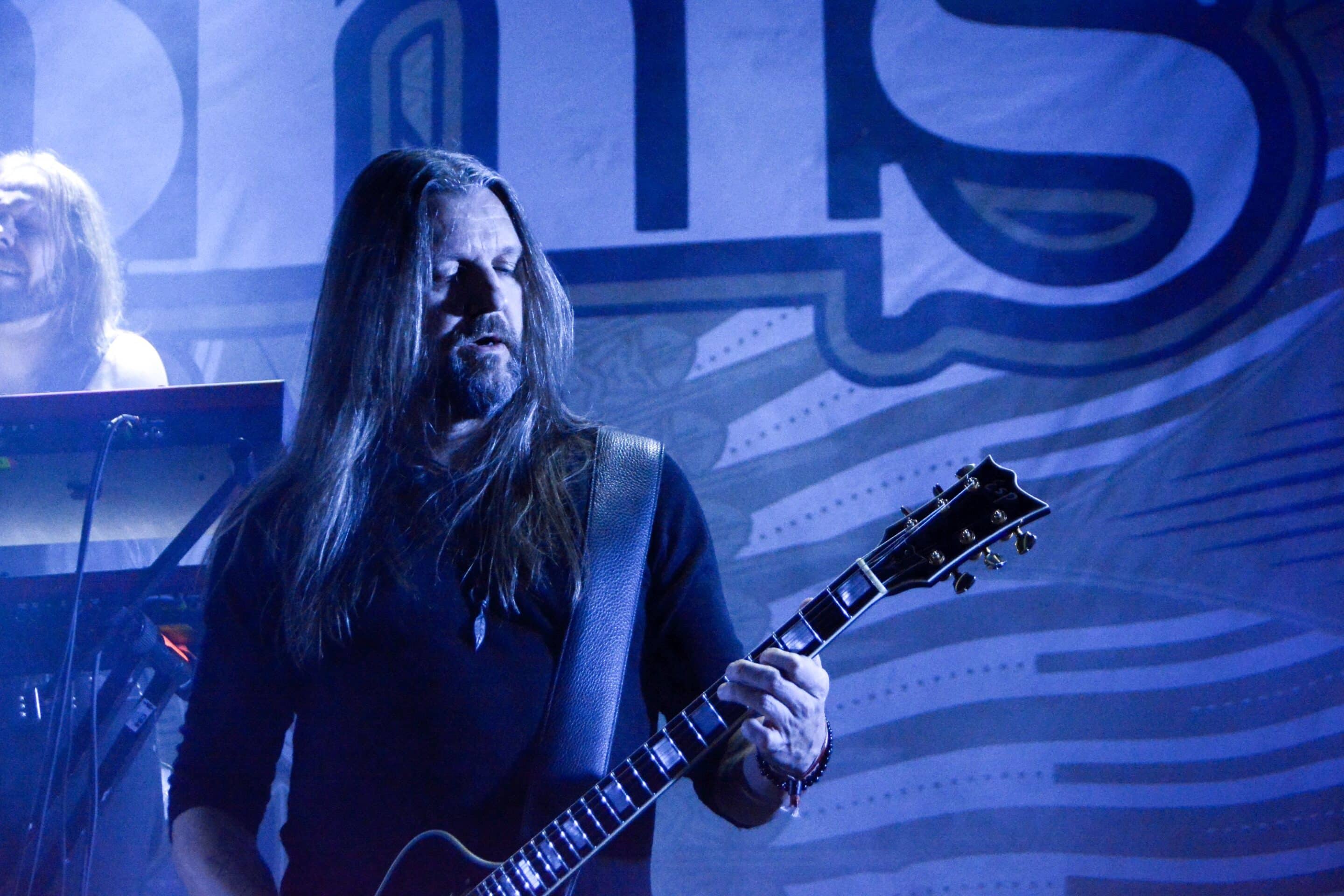
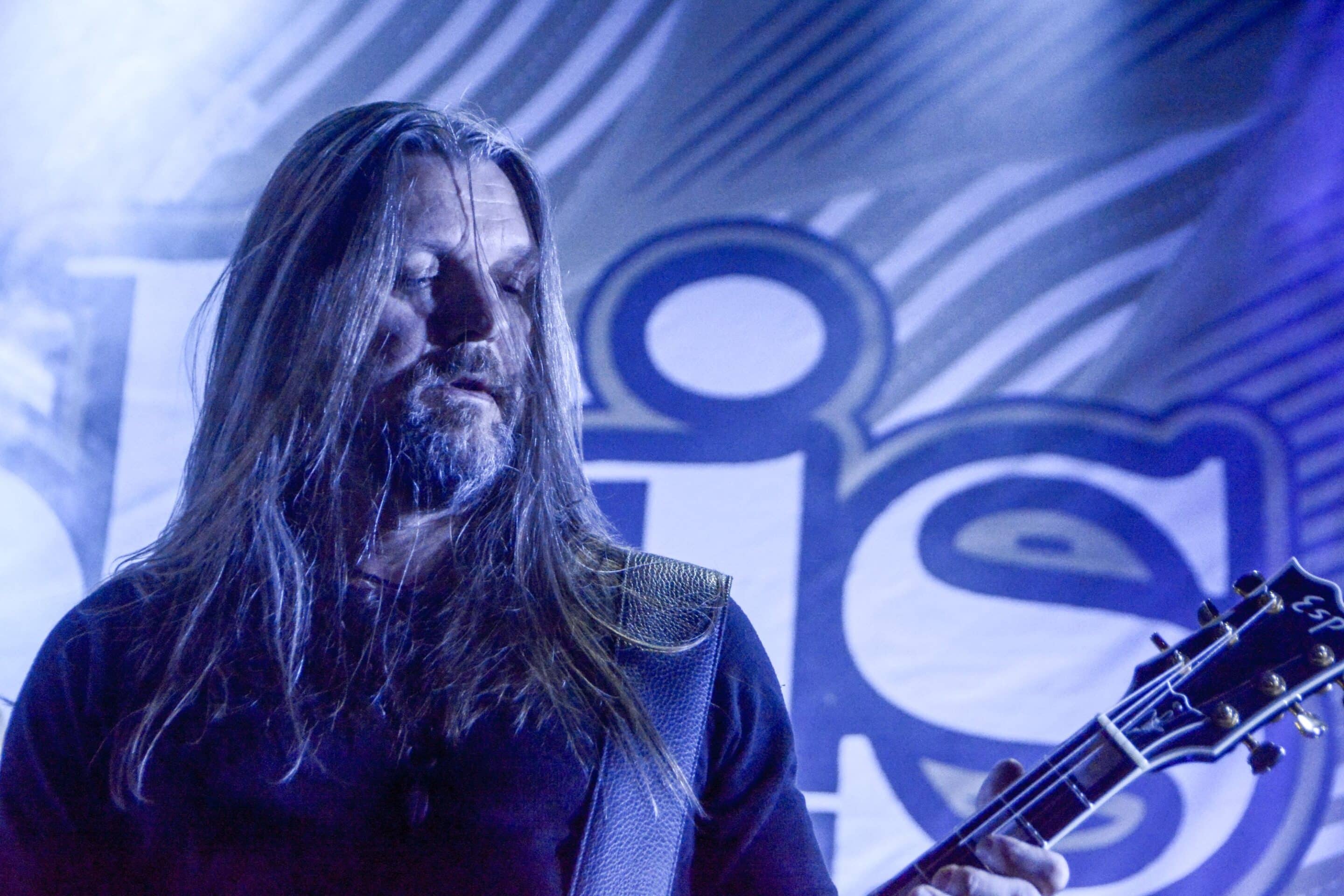
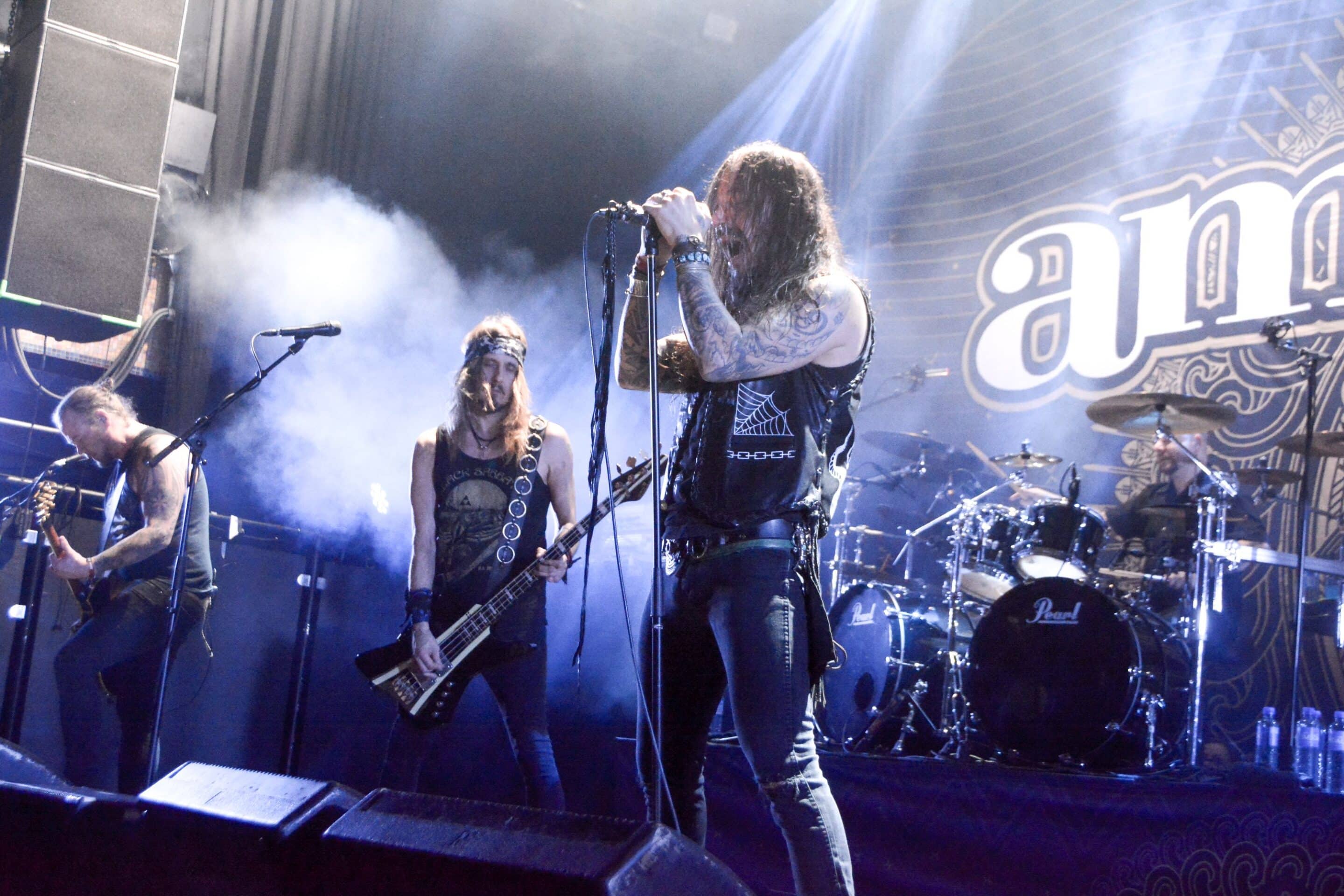
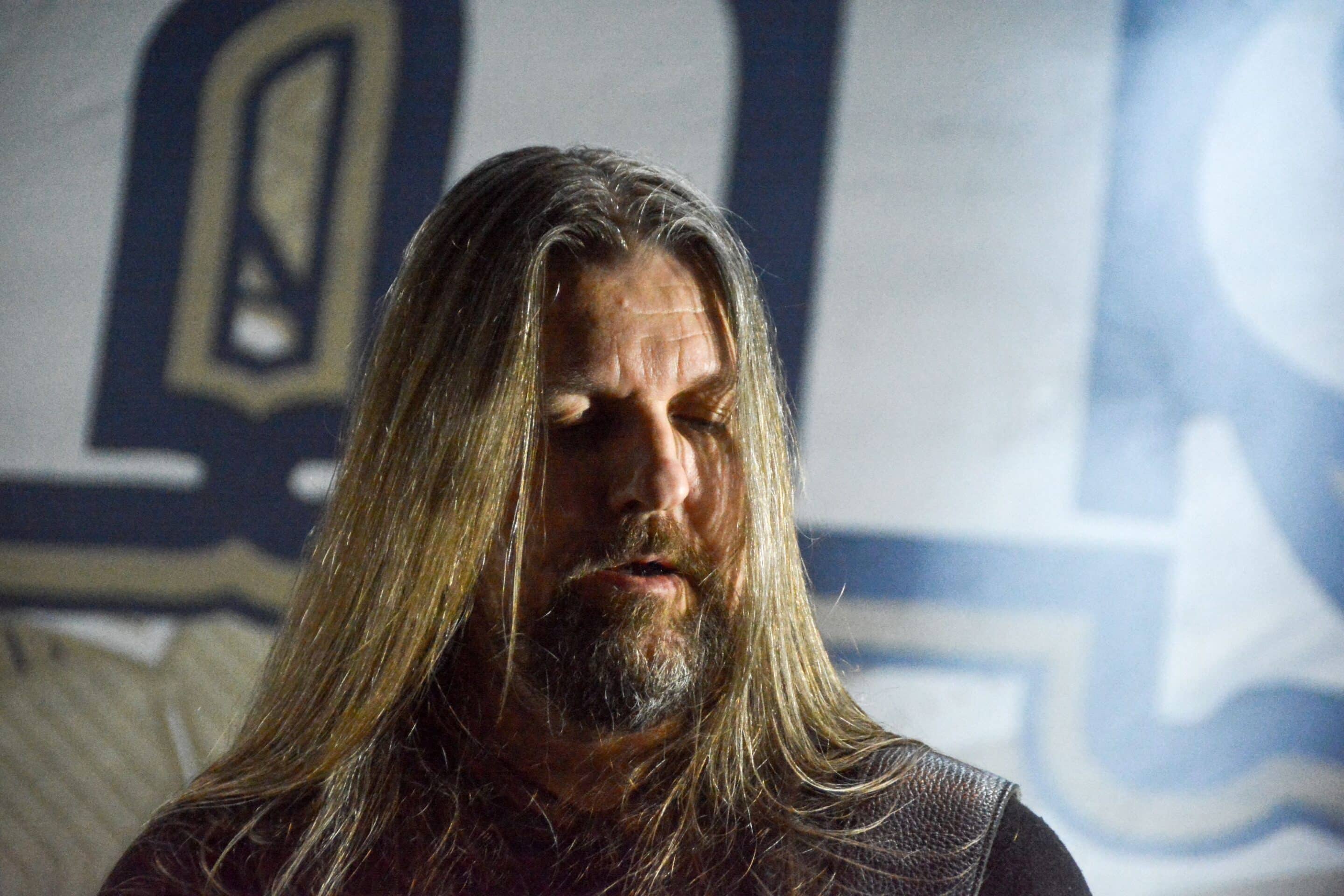
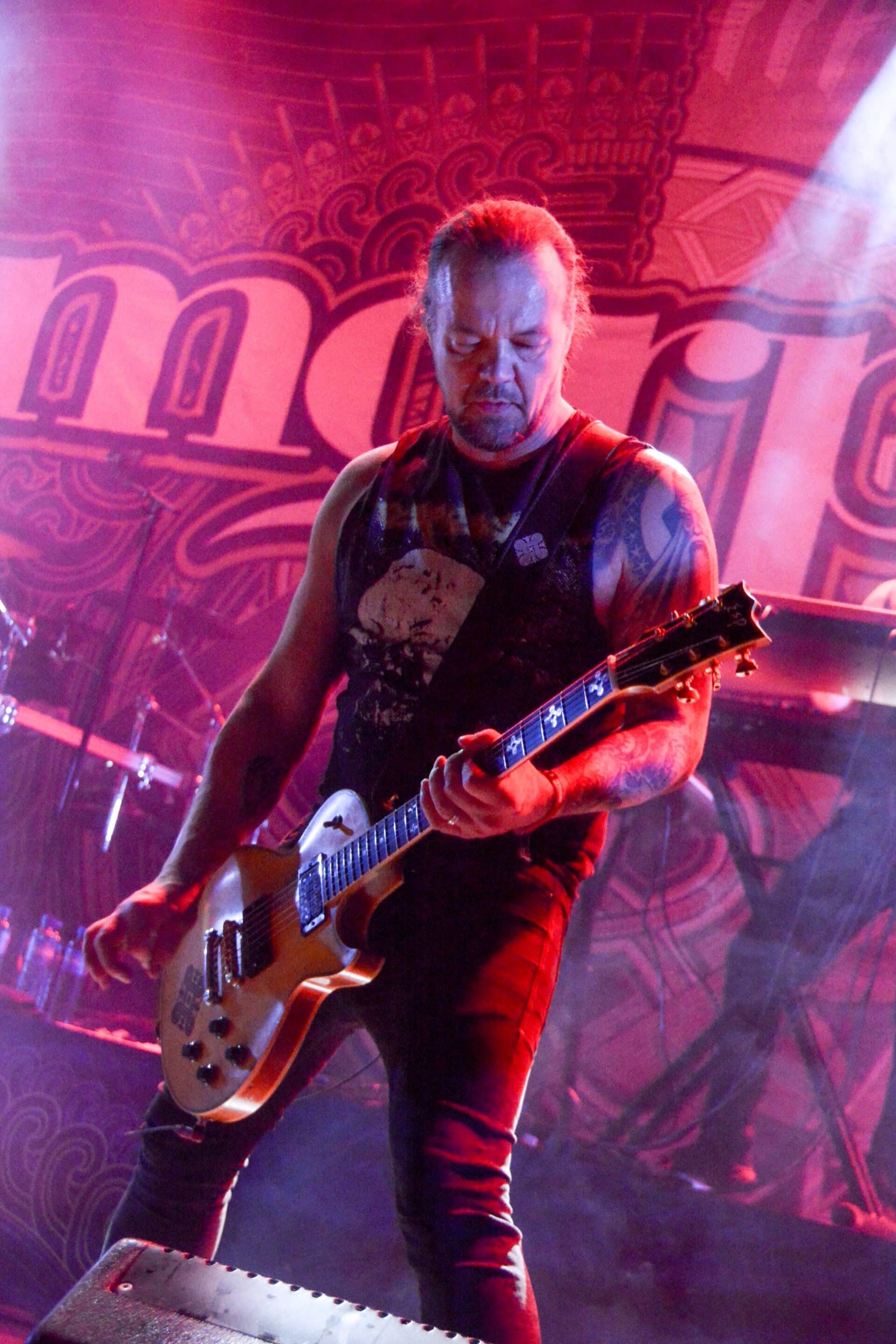
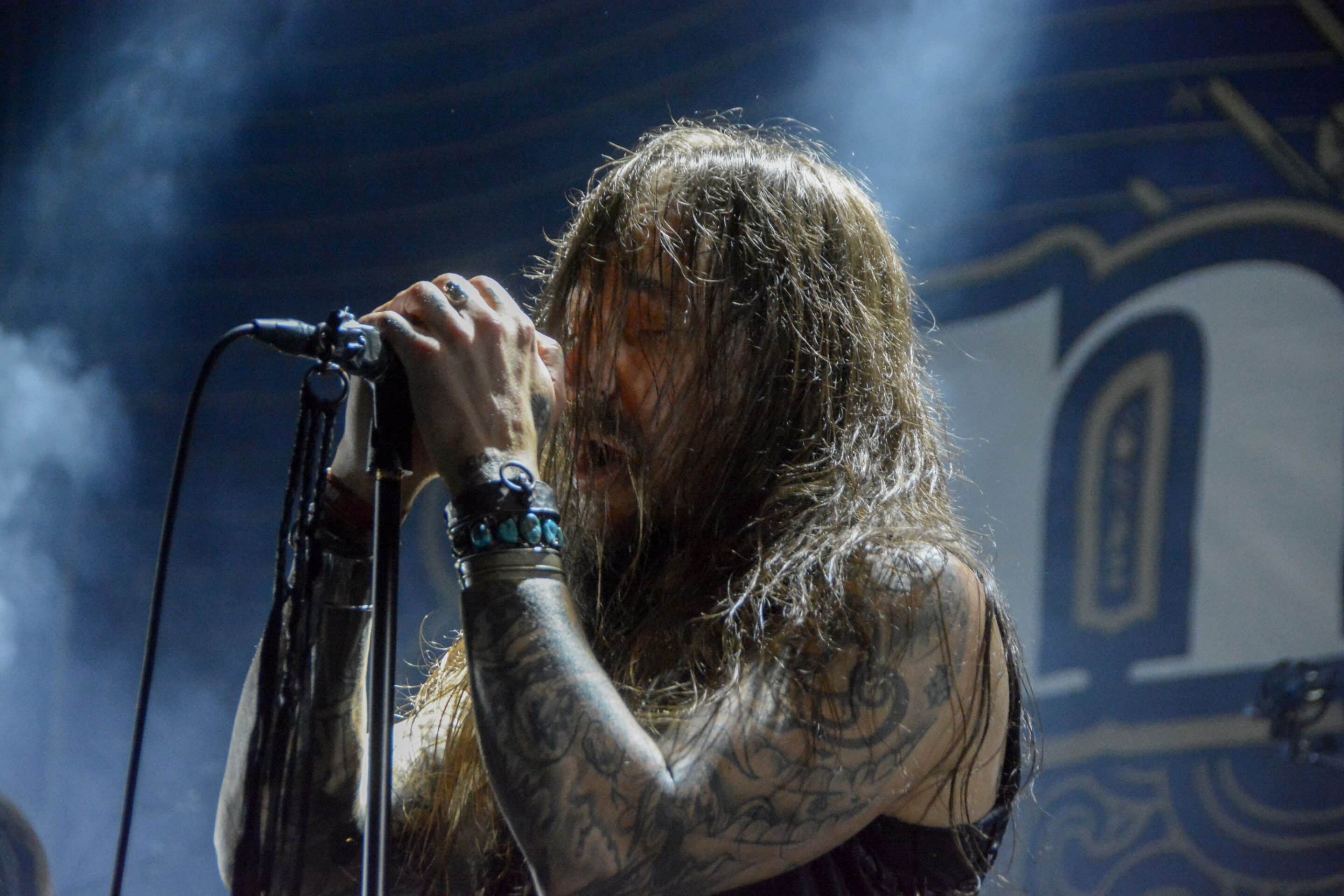
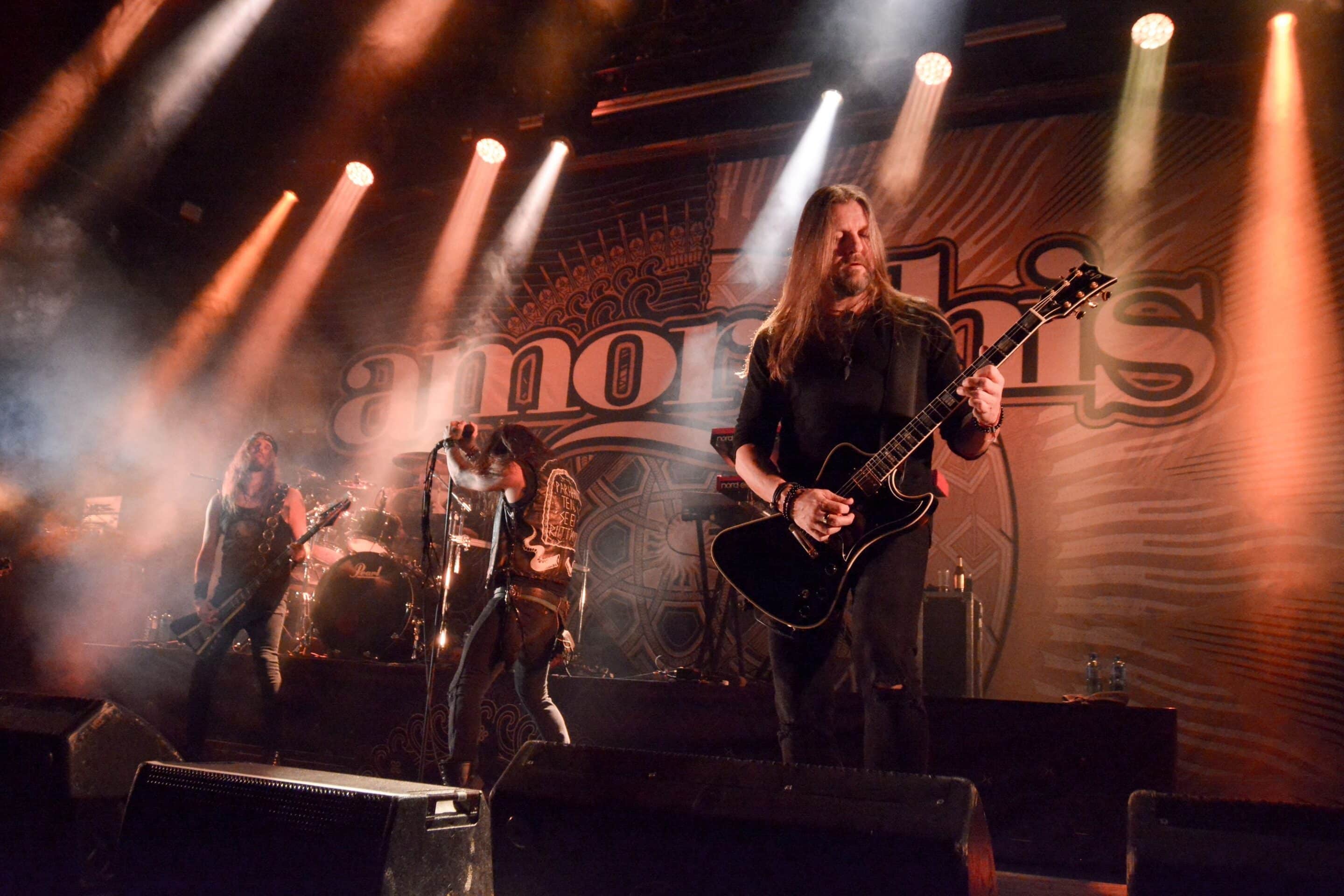
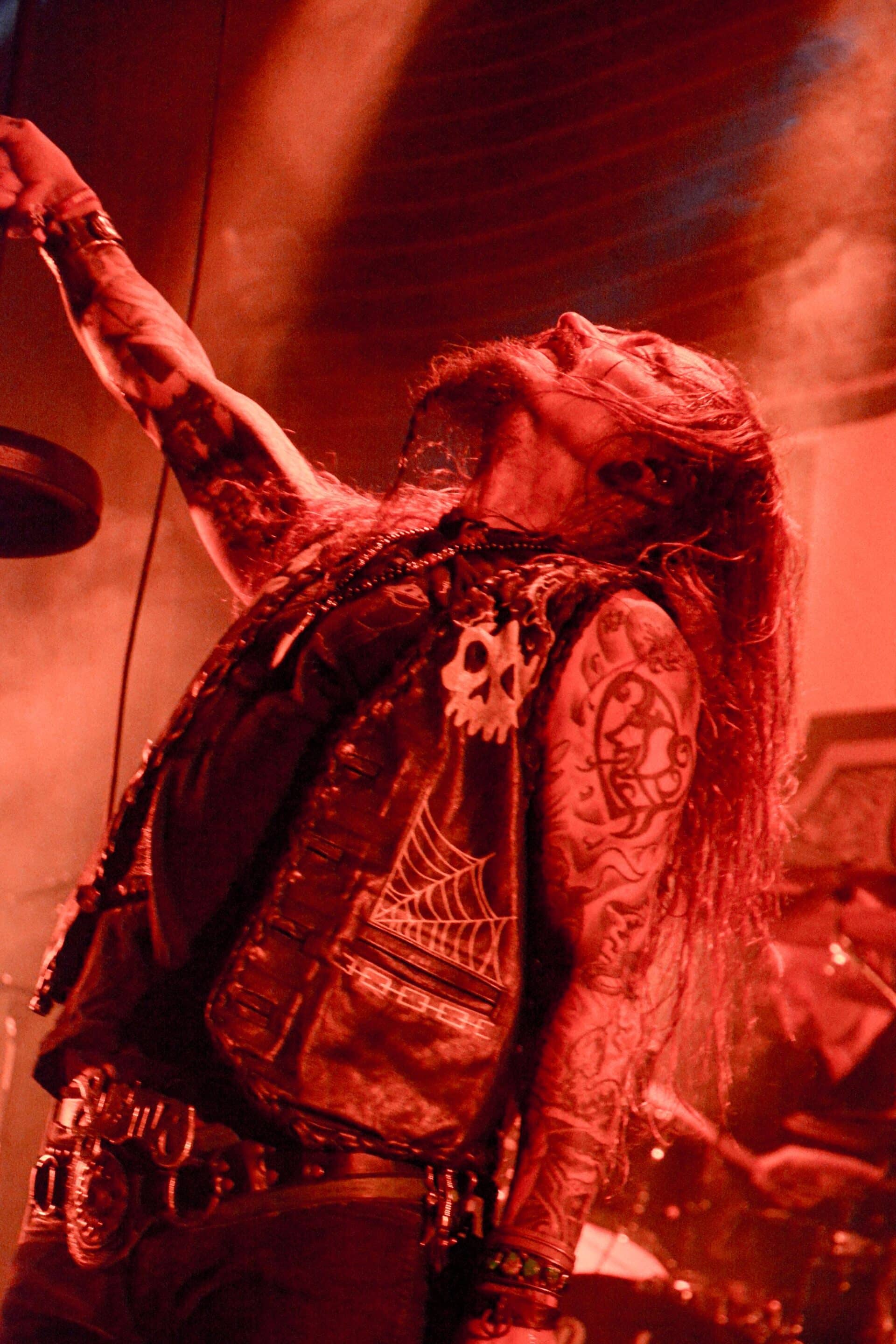
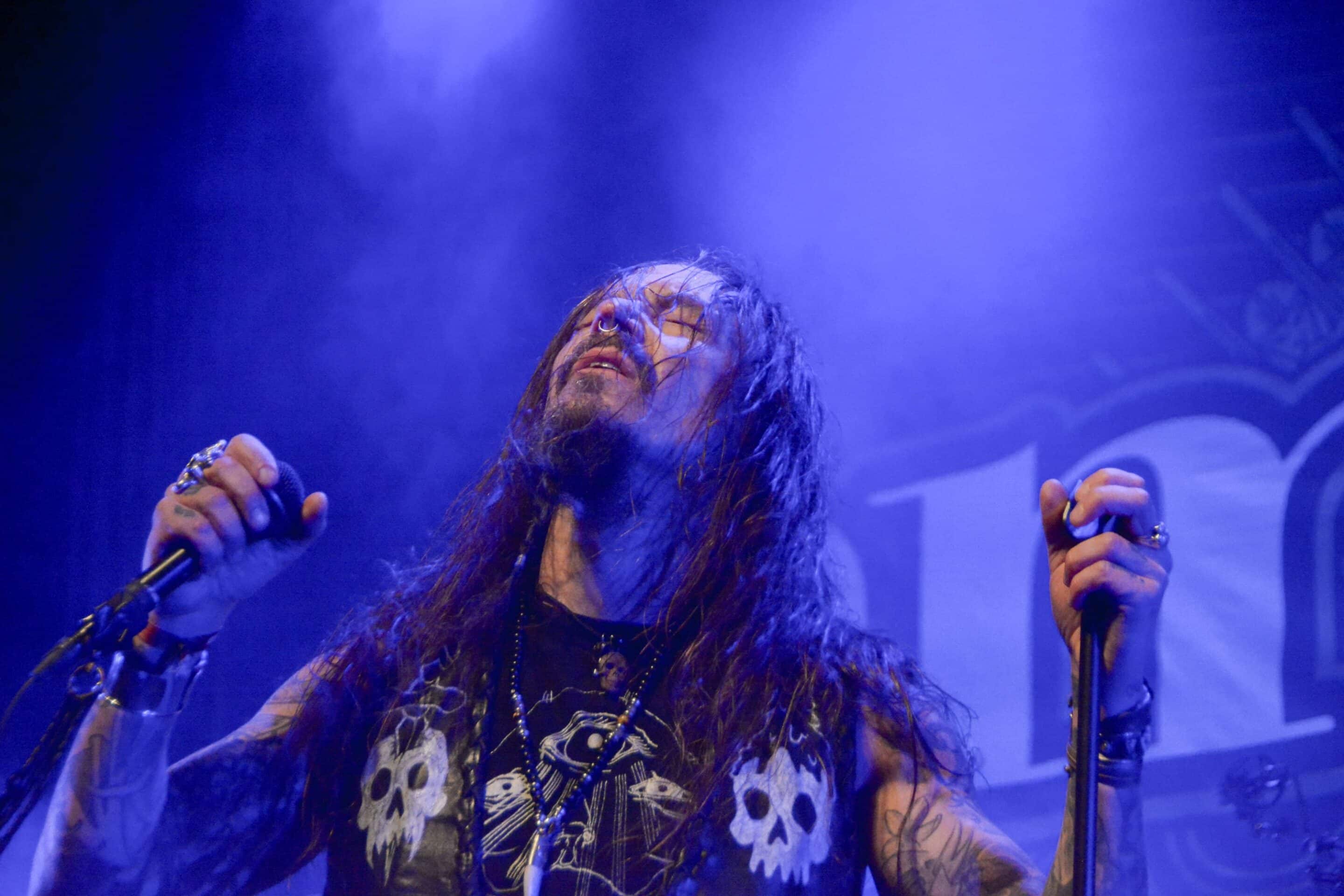
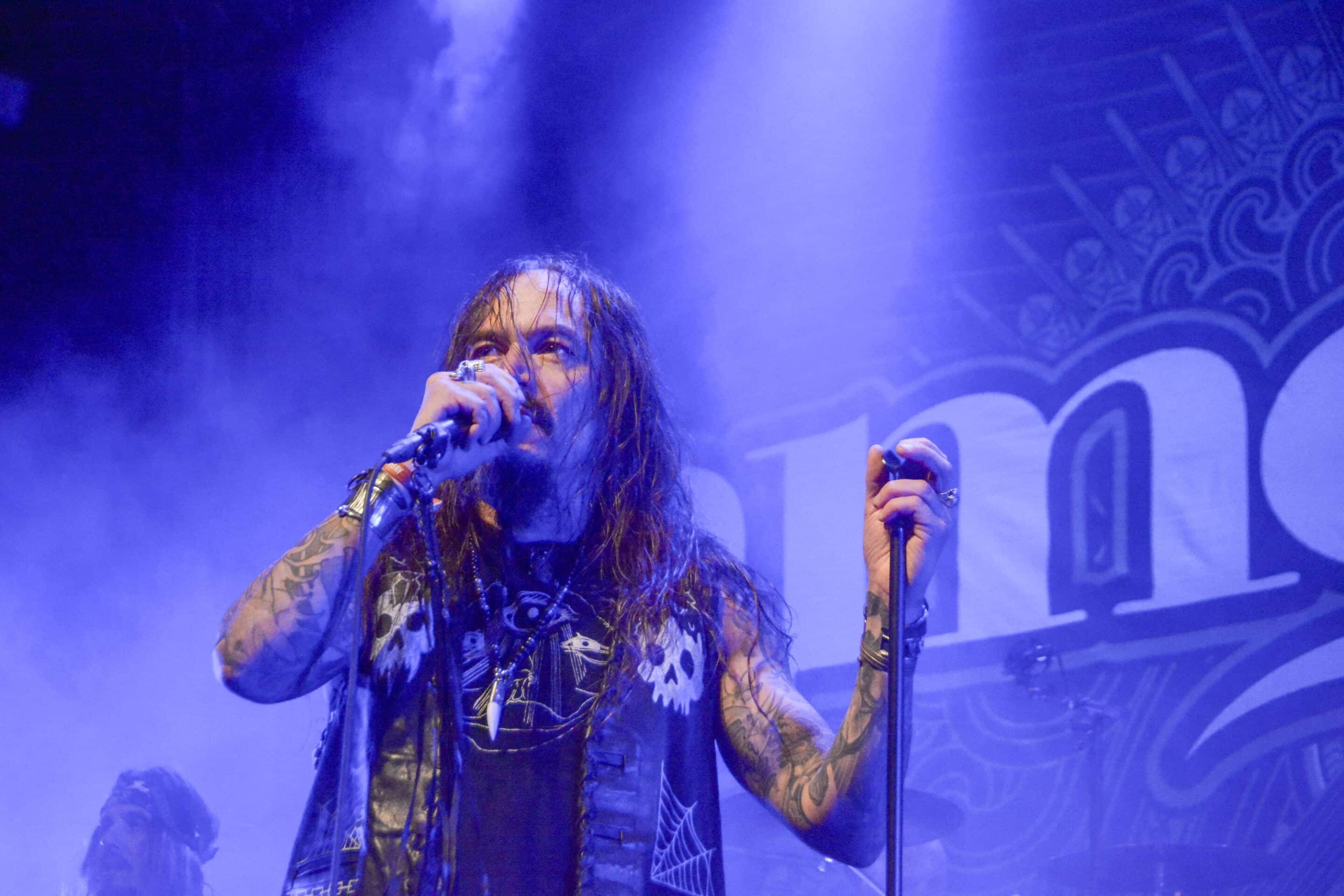
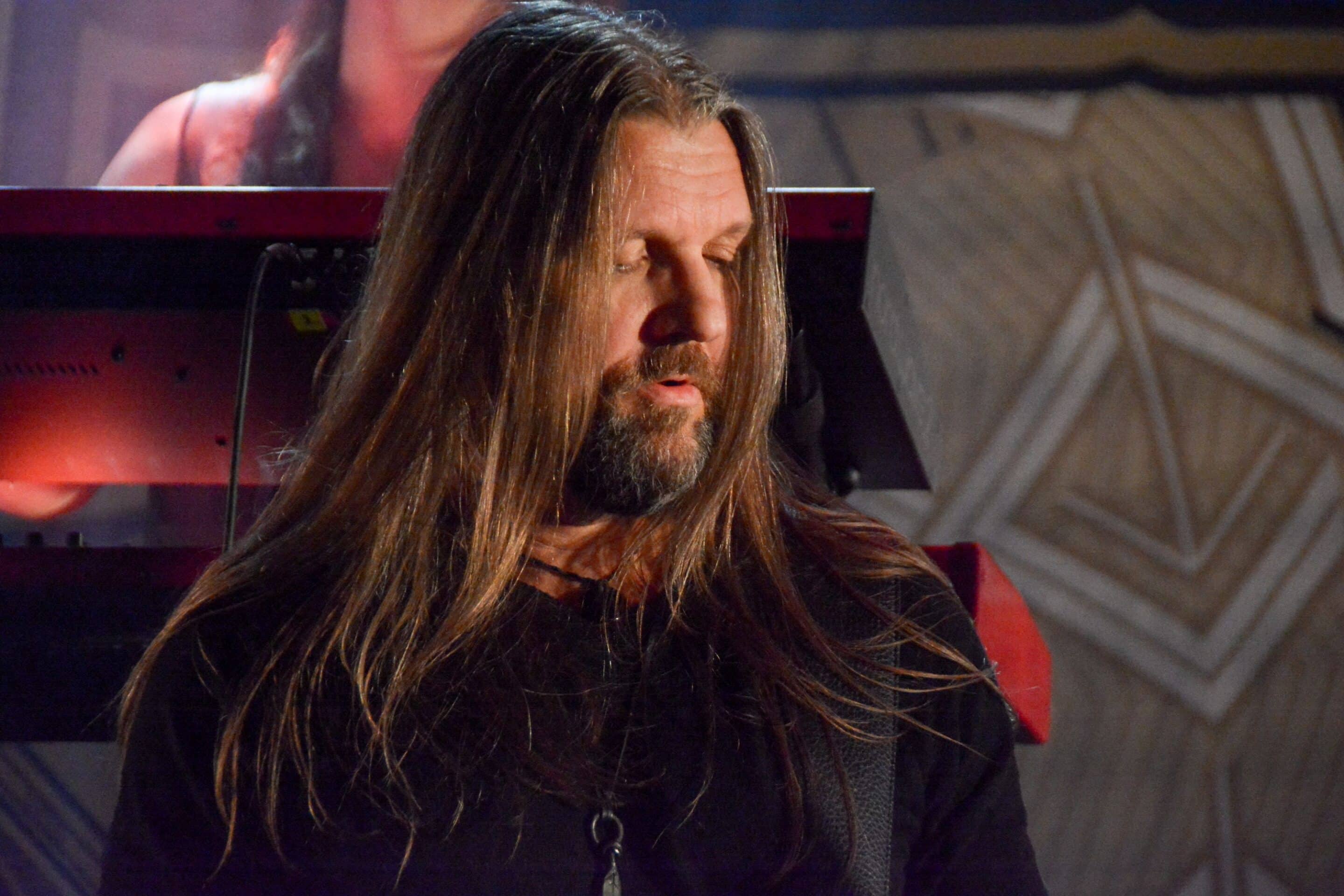
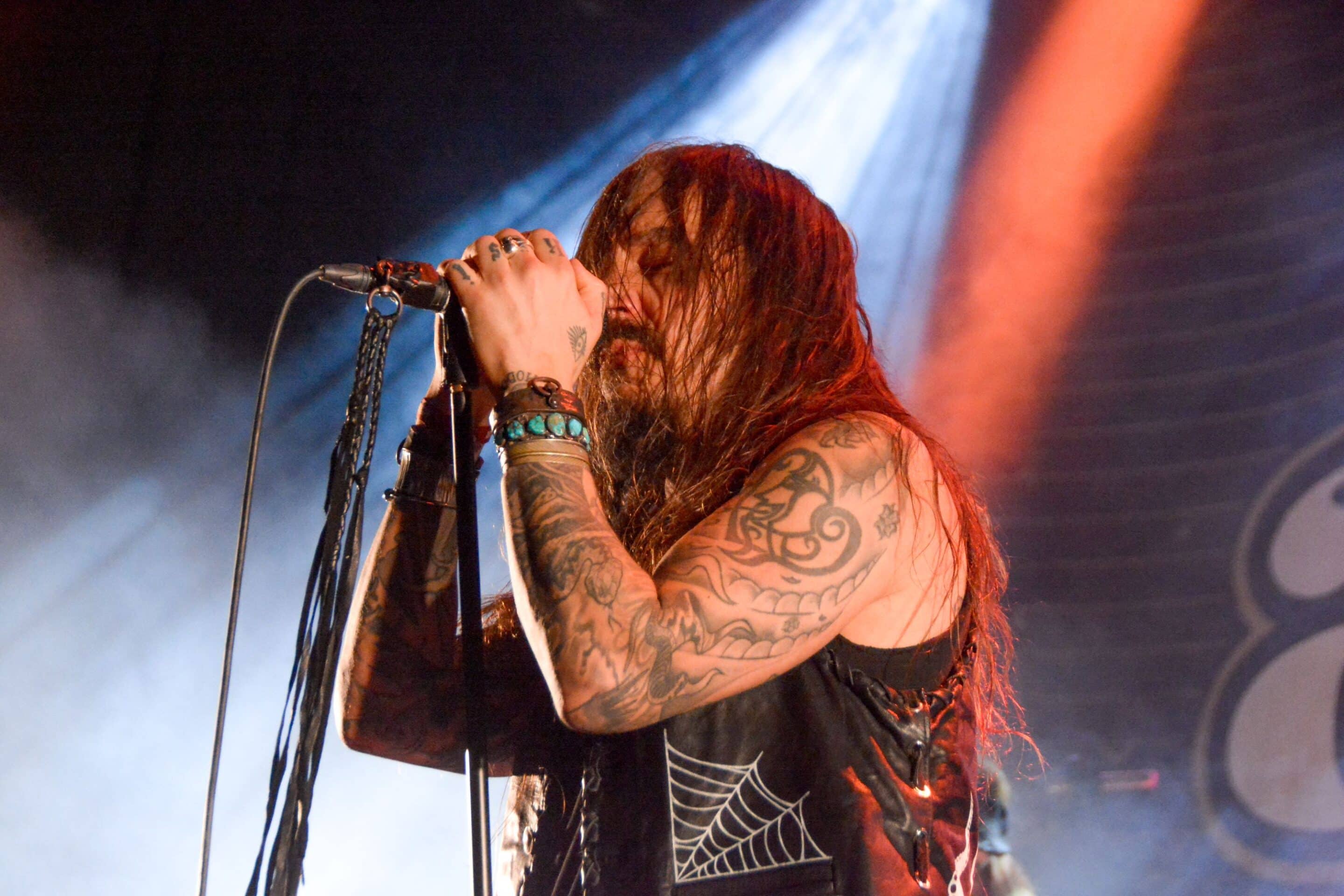
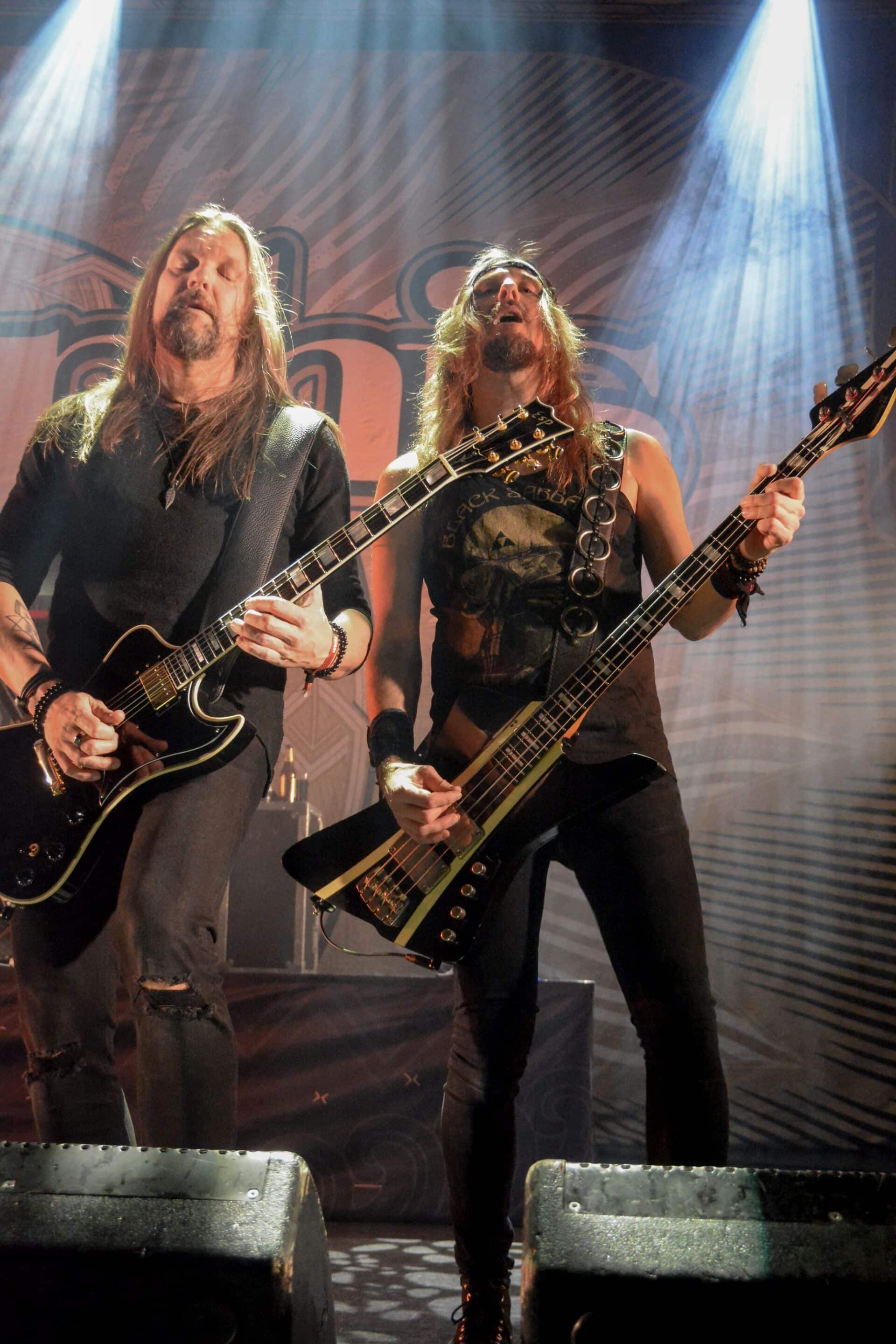
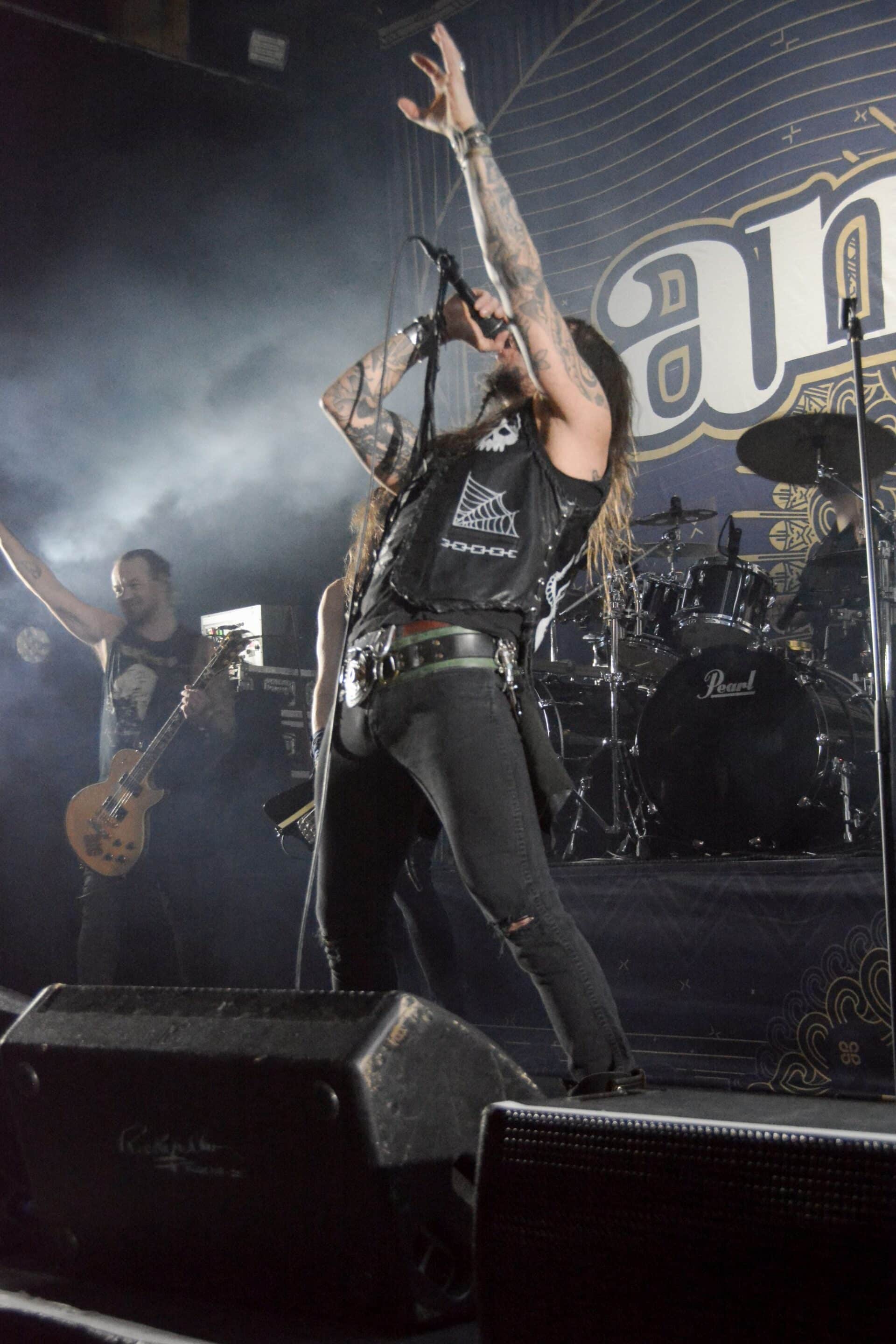
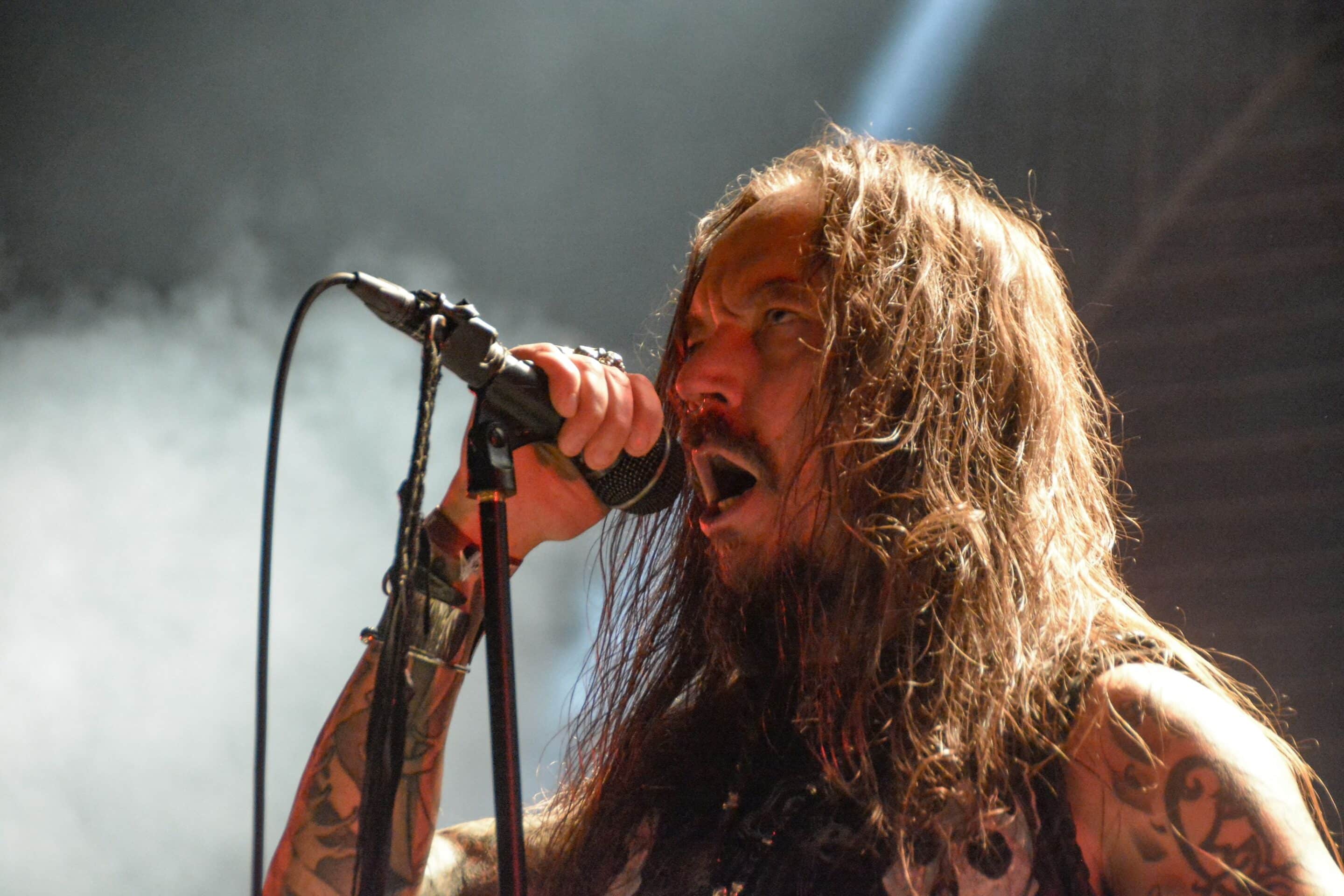
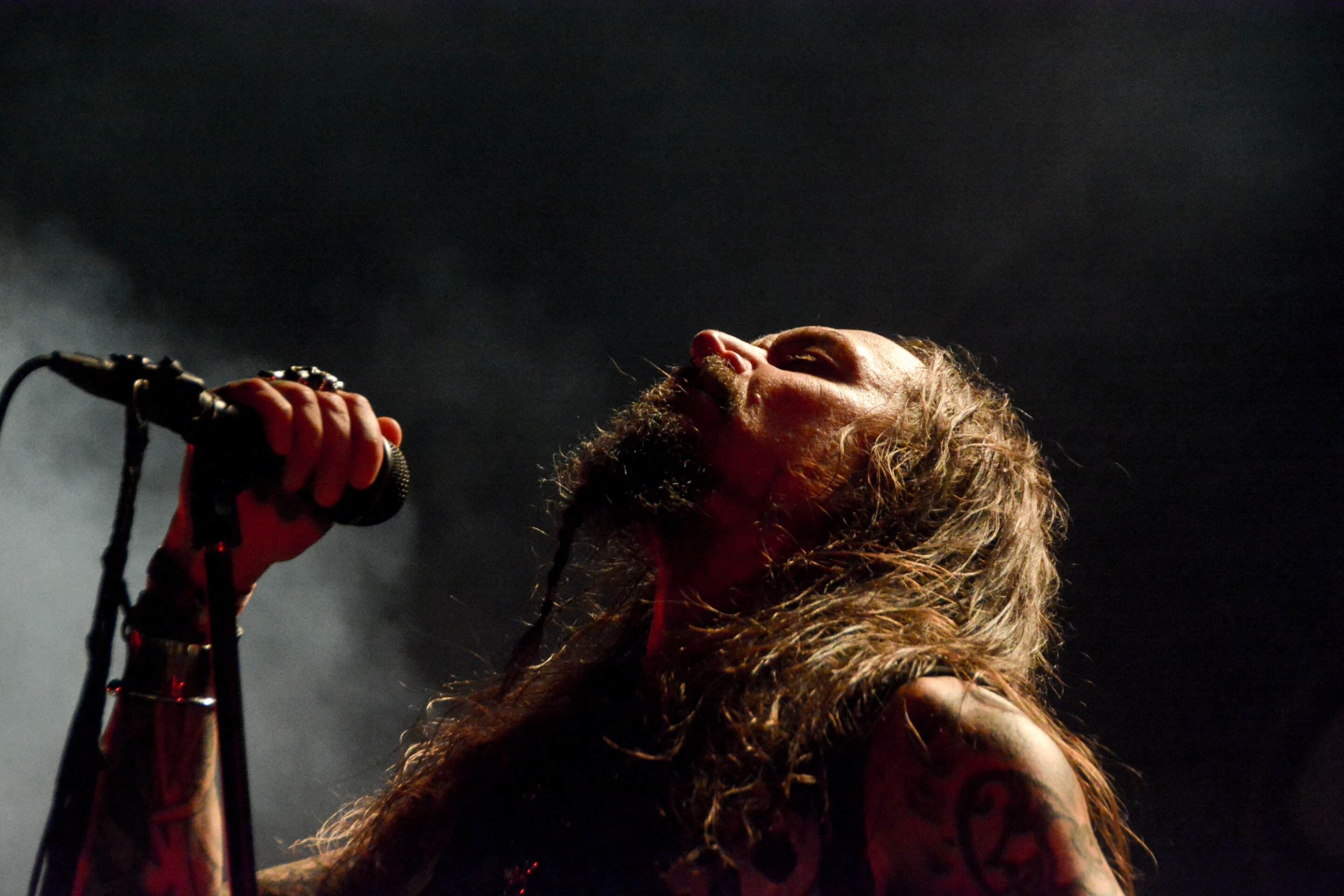
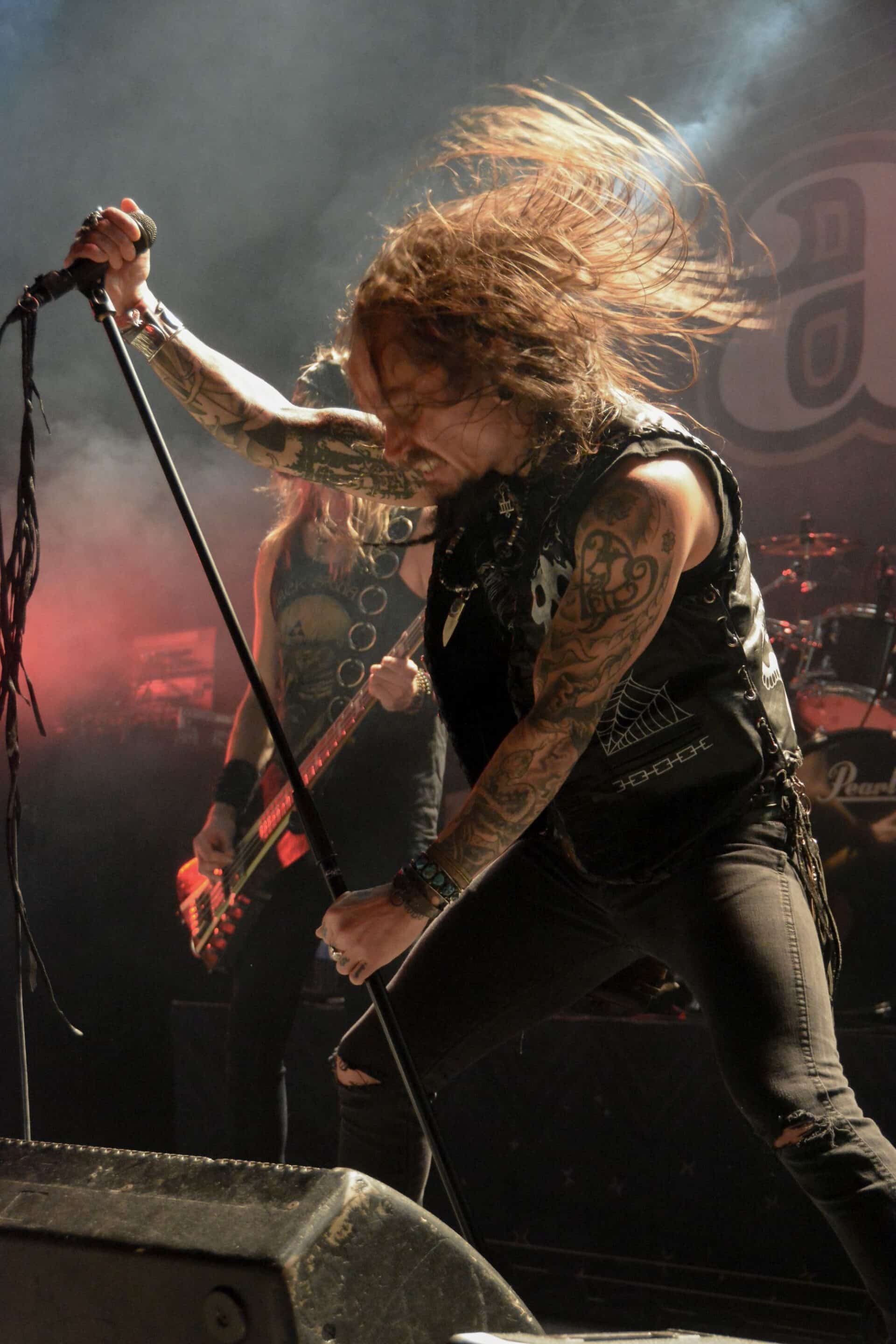
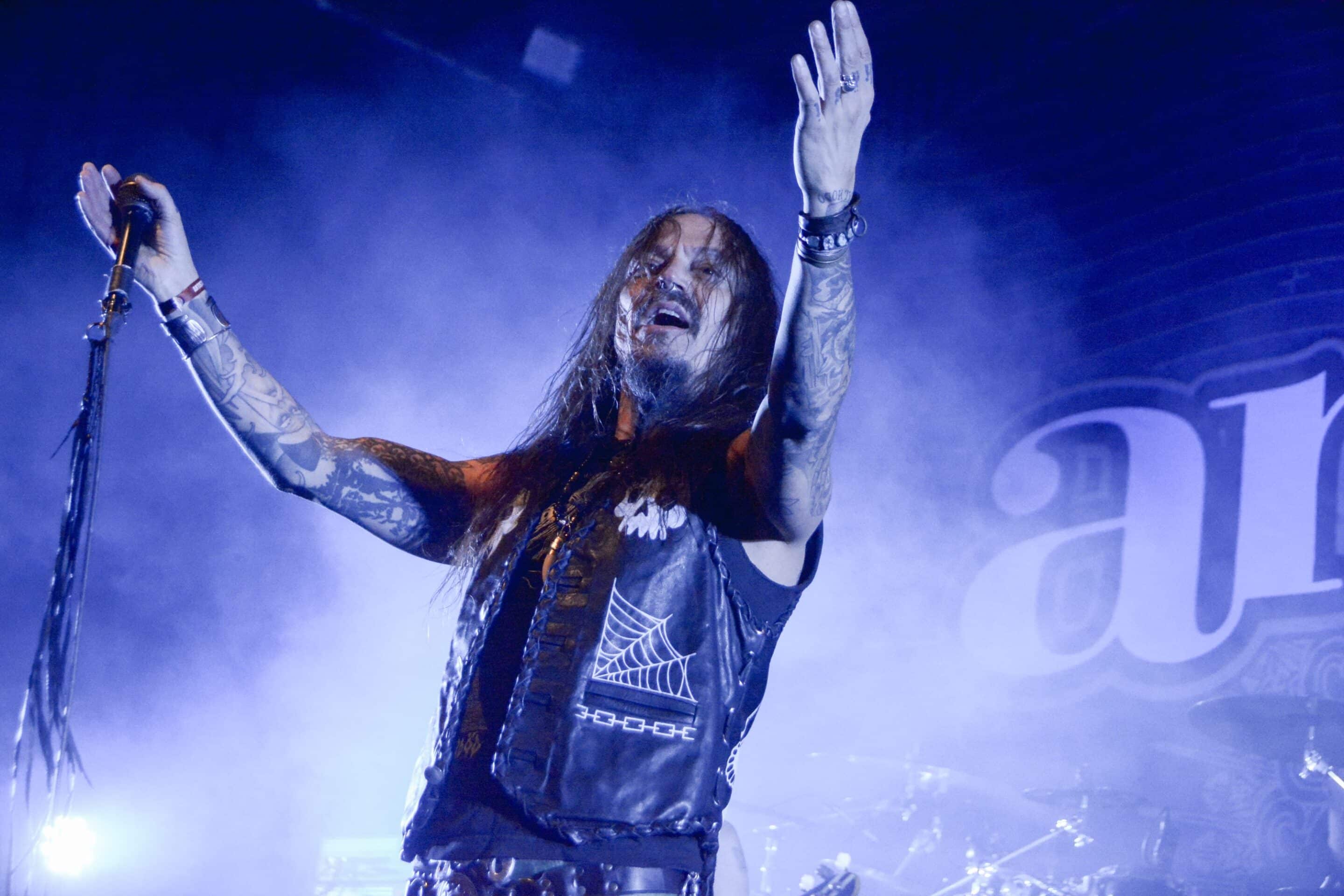
Valószínűleg túlreagáltam a dolgot: meglepően kevesen voltak, tulajdonképpen húsz perccel az esemény előtt is simán volt hely a második sorban. A tömeg meglehetősen lazán állt, amikor megkezdődött a buli. Mint mindig, úgy most is tökéletesen szóltak; talán az egyetlen panasz a billentyű hangjának pici lebegéssel lehet, de igazából a két gitár, a bőgő, a szintik és a dobok tökéletes egységet alkottak. Egy pár régebbi – nem túl sűrűn játszott – dalt is elővették a szokásos nagy klasszikusok mellett; és igazából ez volt a fesztivál egyik olyan fellépése, ahol az alibizés, a rutin és az unalom legcsekélyebb nyomát sem lehetett felfedezni. Itt mindenki padlógázzal, teljes lelkesedéssel, egymásra kacsintva-egymásra vigyorogva, mikrofont rángatva nyomta le ezt a fellépést… jól láthatóan ők is élveztek, és nem csak a gázsiért dolgoztak meg. Nekem alapvetően nem a szívem legcsücskei – természetesen nagyon kedvelem őket –, de a maximális minőségű színpadi produkciójukkal, a kellemes dalaikkal és a folyamatosan tökéletes hangzásukkal egyre följebb verekszik magukat, és szerintem szépen lassan eljutnak a dobogóra (nagyjából a fentebb emlegetett Dark Funeral helyére). Mindig nagy élmény, ha az ember zenészekkel lakik együtt egy hotelben – így például a hajnali háromnegyed háromra időzített tűzriadó során Péter barátomnak volt szerencséje Ihsahn-nal együtt várakozni a liftre, jómagam meg pár órával később a reggelinél Tomi Koivusaari mellett, a fél Dordeduh társaságában kotorásztam a lazacból – ami azért, valljuk be, élményfaktornak sem utolsó. És ezzel megérkeztünk a harmadik naphoz, amelyik a Watain napja.
Harmadik nap: a Watain napja
És eljött a harmadik nap, ahol tulajdonképpen nyolc érdekes koncert következett zsinórban a fesztivál talán legfontosabb eseménye után: ugyanis délután kettőkor a Clarion the Hub hotel kettes számú konferenciatermében Vegard Sverre Teitan, az Emperor gitárosa-énekese tartott egy könnyű másfél órás előadást.
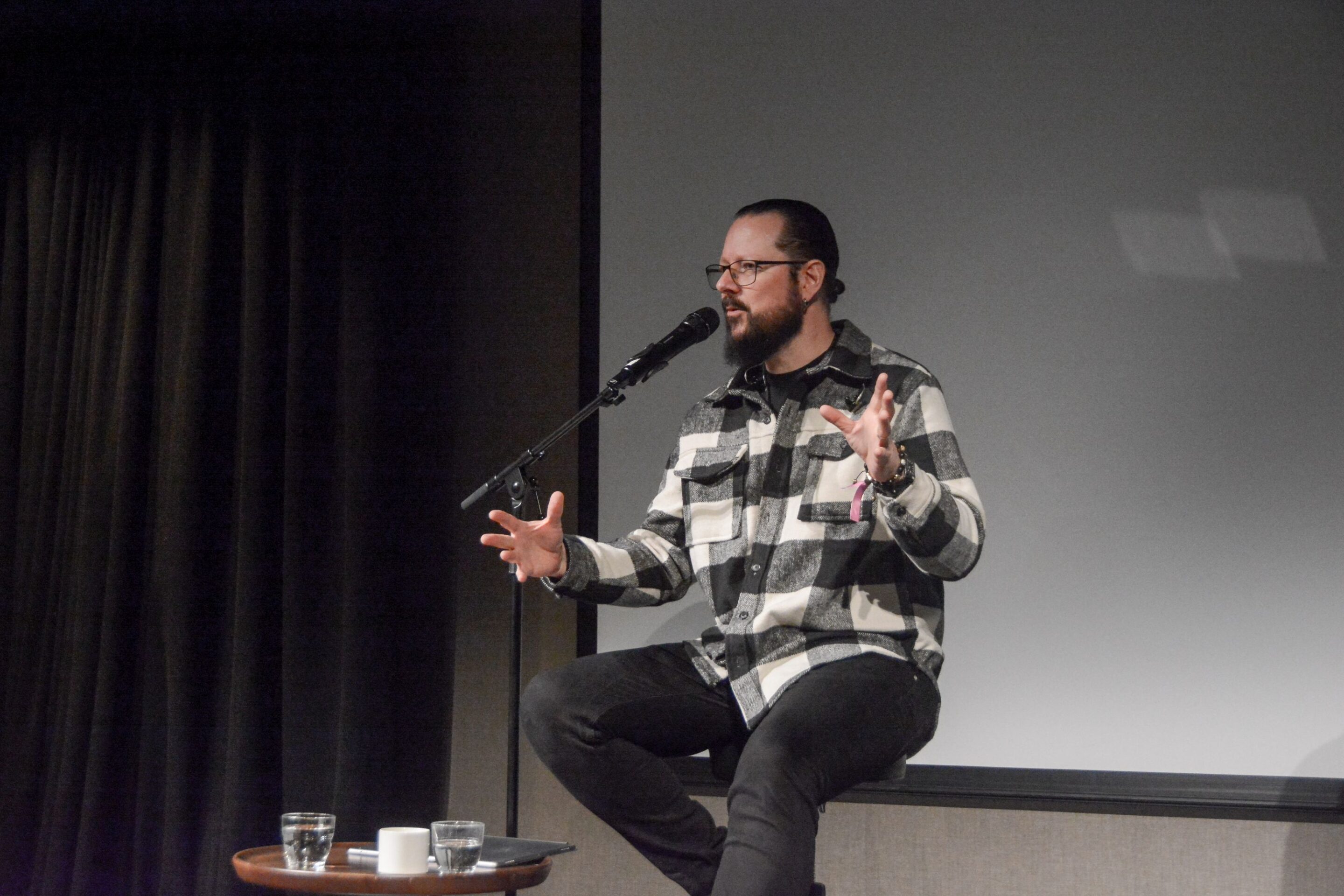
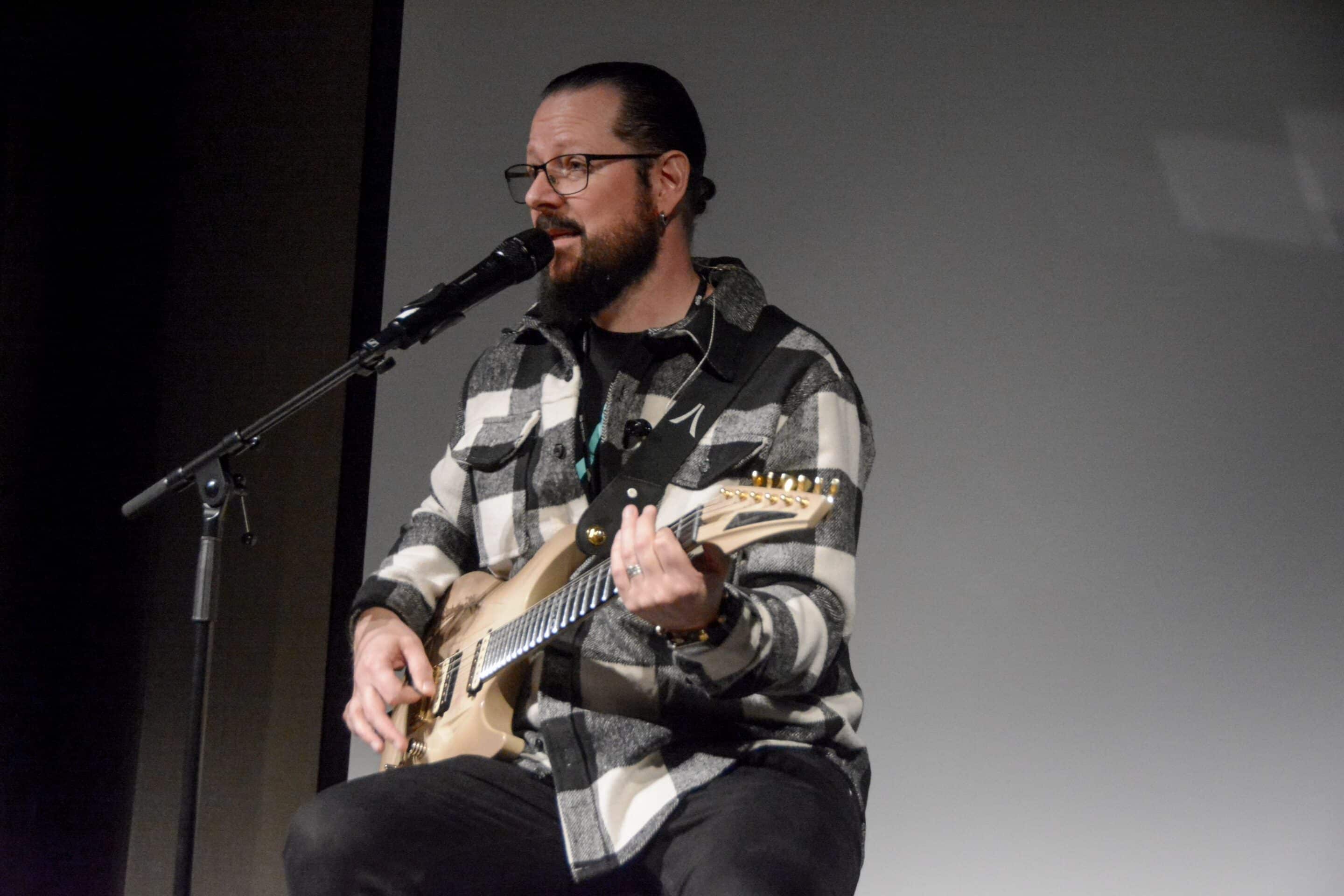
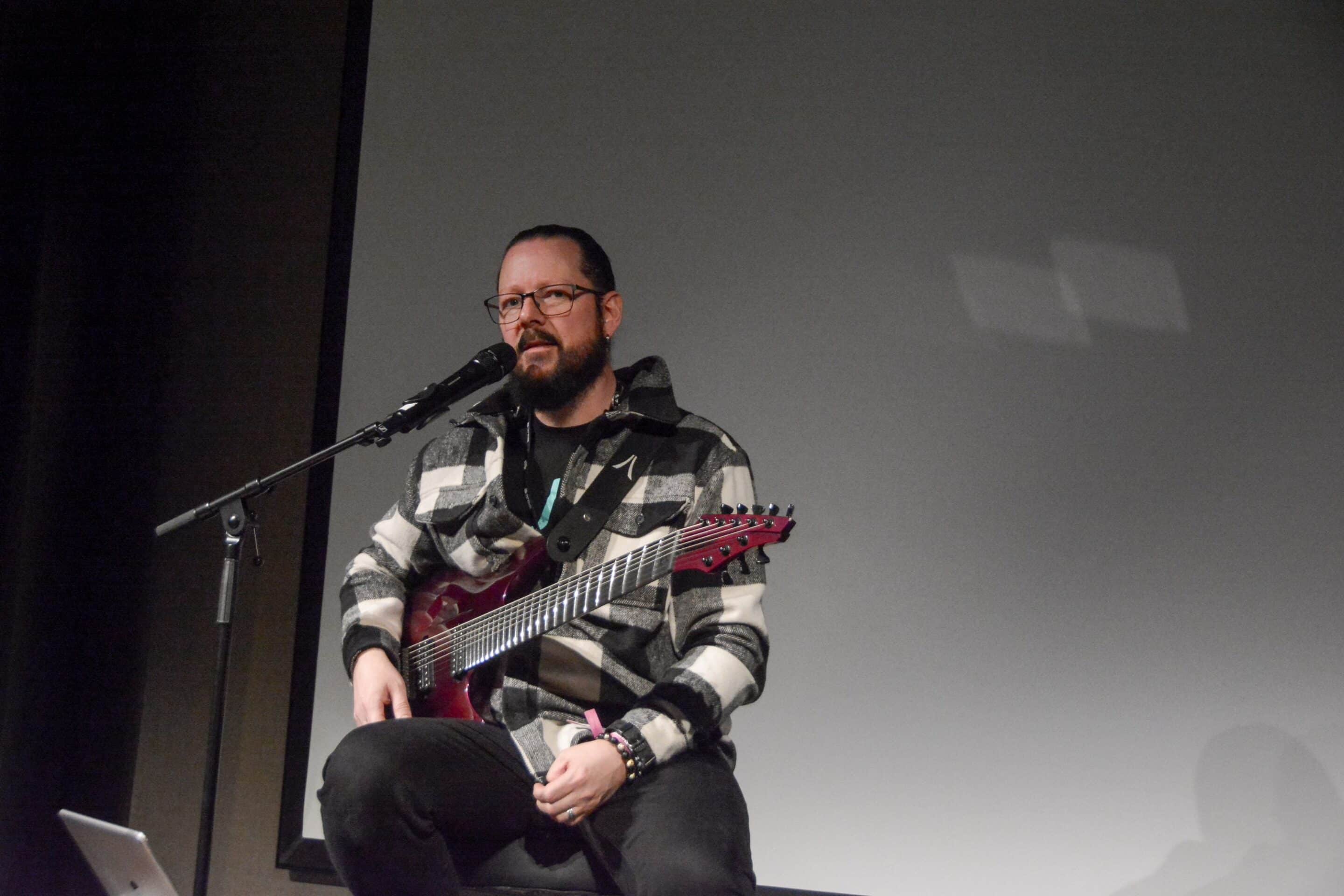
Már a kezdet is egészen elképesztő volt: az ember bemegy egy konferenciahelységbe, leül közvetlenül Ihsahn és a fia mellé, és ebben a kicsit megilletődött légkörben várja az előadás kezdését. Ezt a másfél órát nagyjából arra a témára hegyezte ki a májsztró, hogy a zenei stílusa és zenei kifejezőeszközei hogyan változtak, hogyan fejlődtek az idők során. Elmondása szerint a lényeg mindig az volt, hogy kitolja a határokat, és ezt a folyamatos fejlődésben, folyamatos változásban, az újszerű megoldások, az ellentétek folyamatos keresésében gondolta megtalálni. Zenéről beszélni hangszer nélkül nehéz, így a legfontosabb gondolatokat zenei illusztráció követte, részint az Emperor legfontosabb dalaiból egy-egy pár riff-et kielemezve, hogy mire is kellett figyelni – majd ezek után a saját név alatt futó projektekből szemezgetett a mester. A végén természetesen lehetett kérdezni akár személyesen is, és azért az egészen elképesztő érzés, amikor az ember egyik gyerekkori idolja éppen azt magyarázza nagyon közvetlen stílusban, hogy milyen eltérés van a hathúros és a nyolchúros gitárjának hangszedő között. Ha tulajdonképpen csak ebből állt volna ez a négy nap, valószínűleg már akkor is füligérő szájjal megyek haza, dehát ez csak egy apró szösszenet volt az egész halmazból.
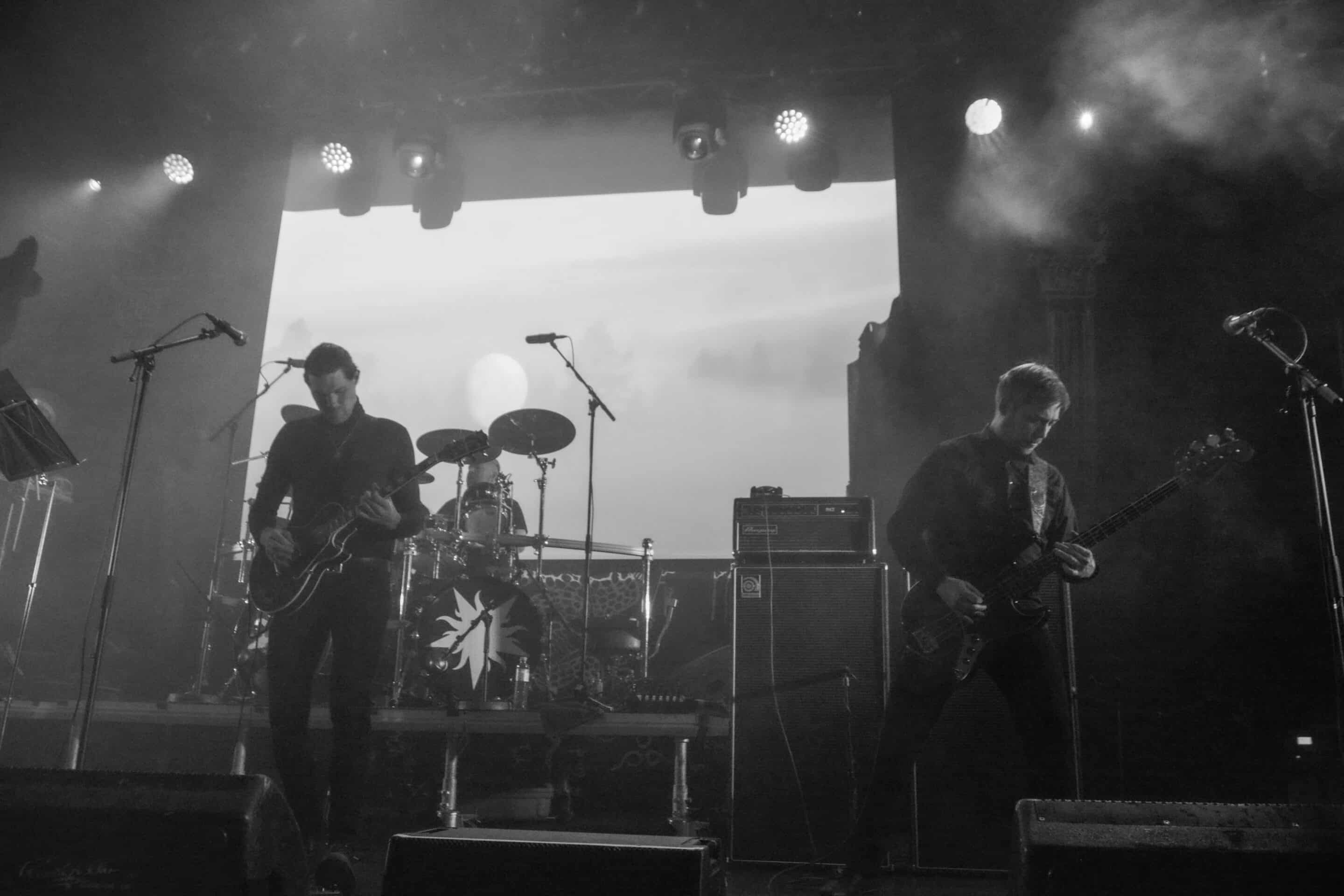
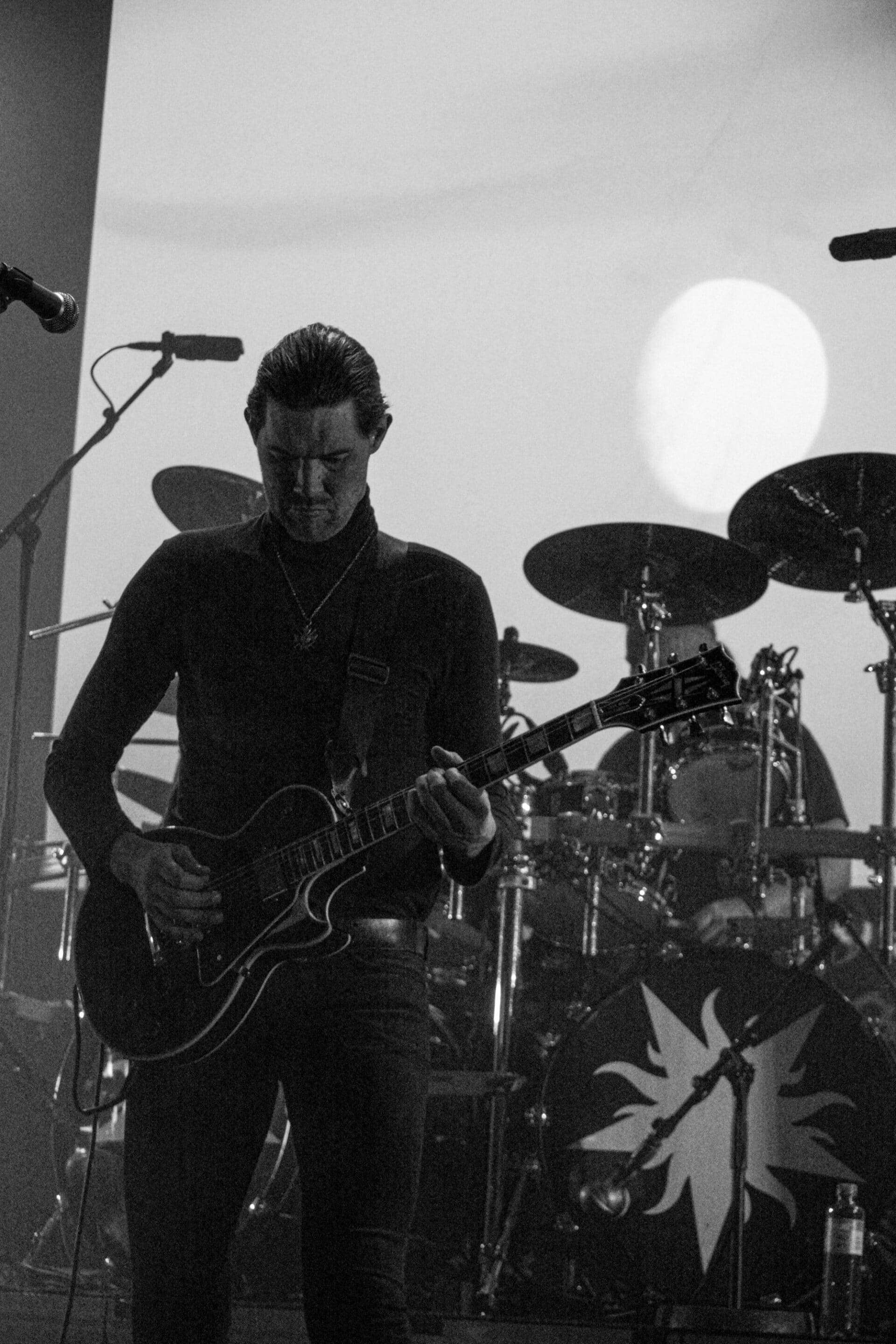
Vegard előadását követően nem maradt túl sok idő, futás a Vemod-ra, akik a nagyszínpadon kezdték az estét. A Vemod nehéz, lassú, melankolikus, súlyos riffekből álló post metal-t játszik; nehéz pontos hasonlóságot mutatni, de talán leginkább a magyar Ygfan zenéjére emlékeztet az, amit csinálnak. A társaság komoly rajongótáborral rendelkezhet, ugyanis délután fél ötkor már egészen nagyszámú hallgatóság gyűlt össze, hogy meghallgassa őket.
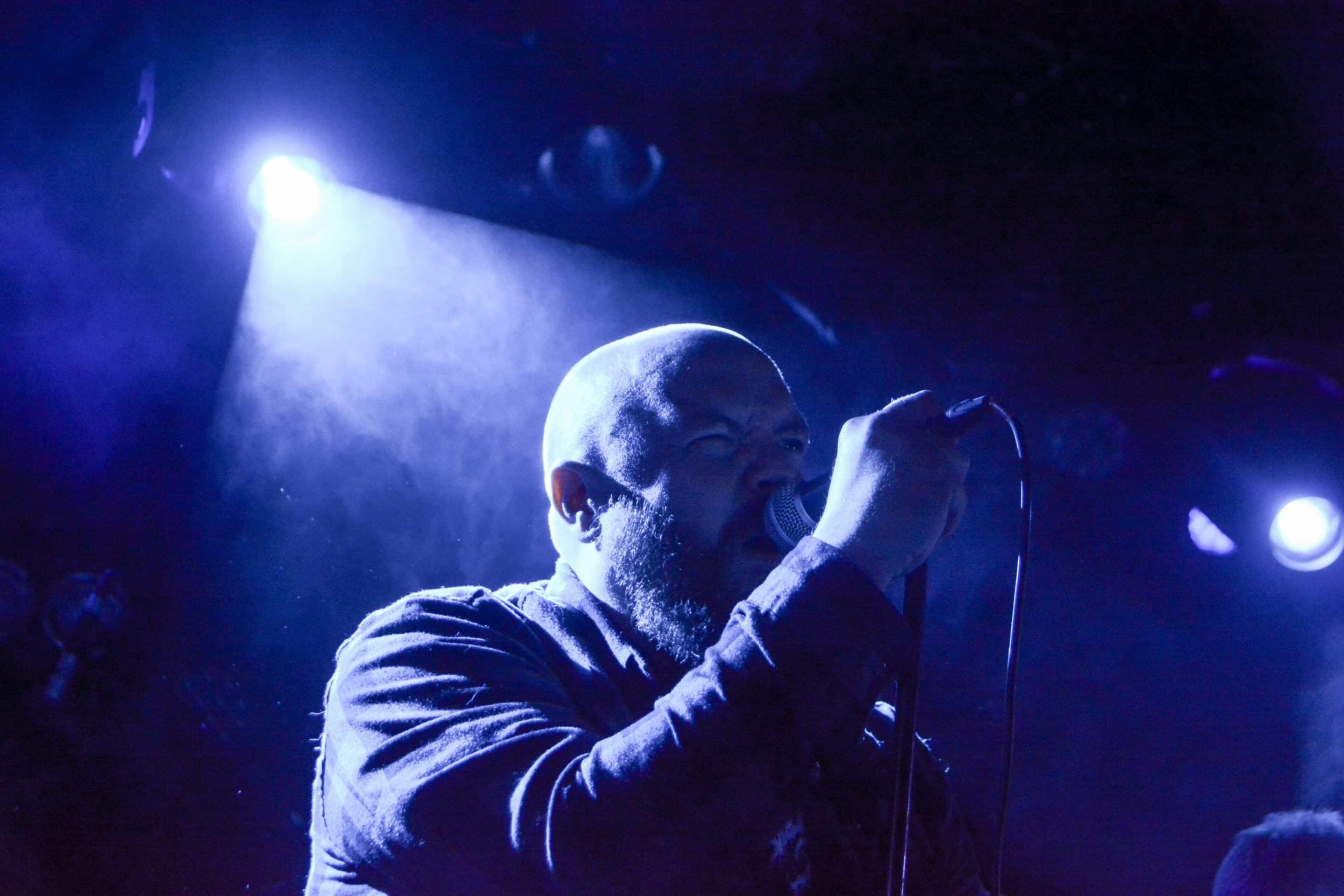
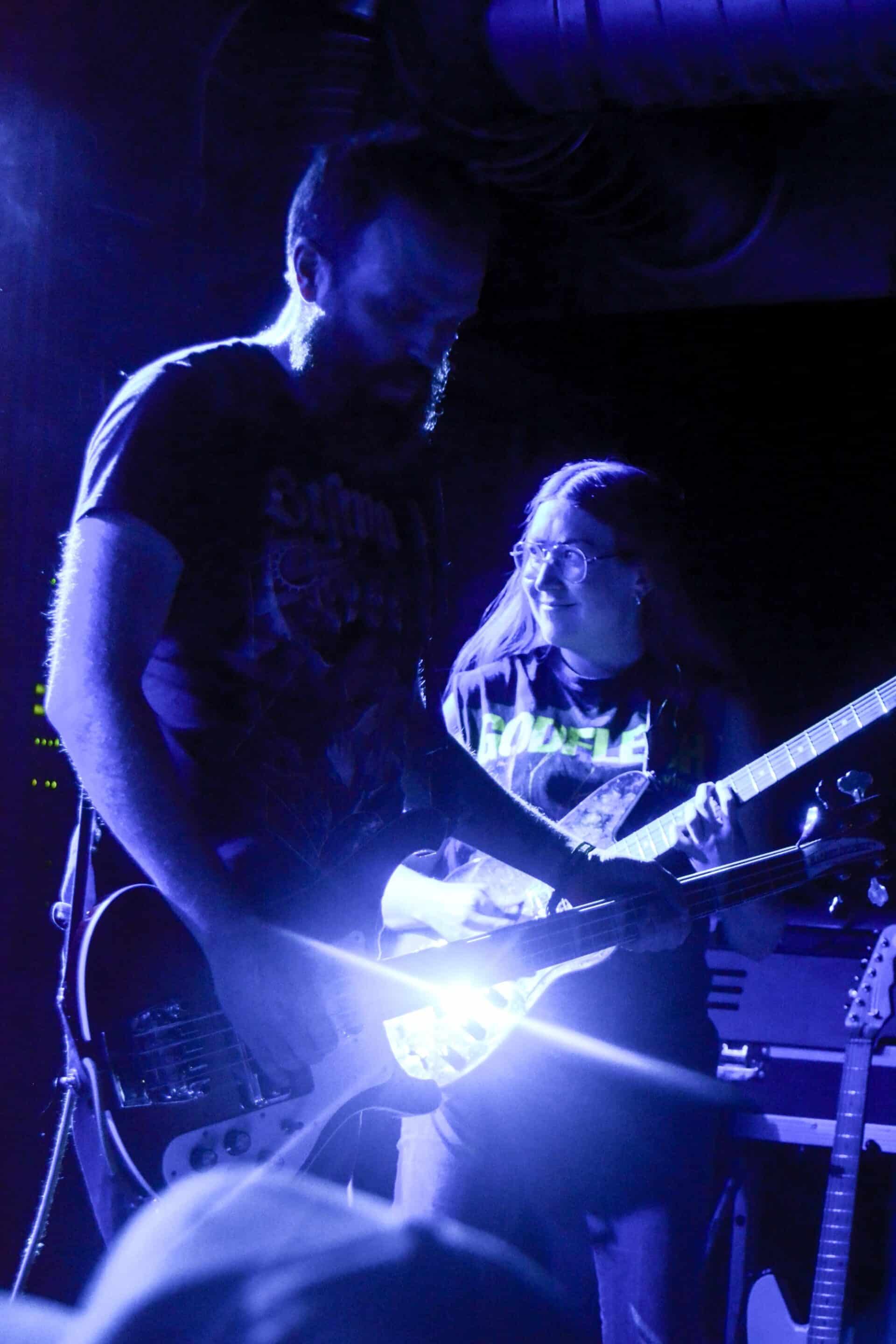
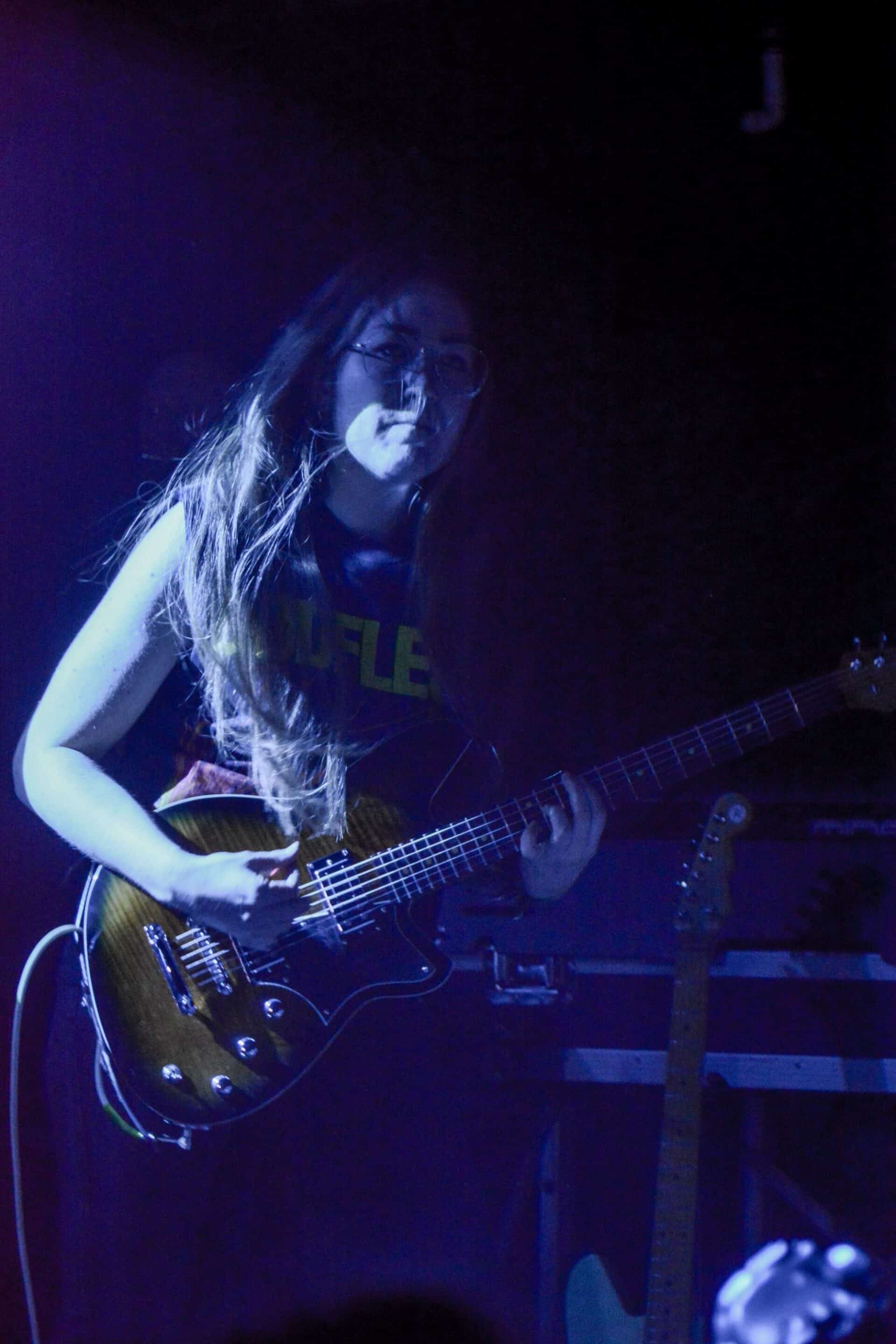
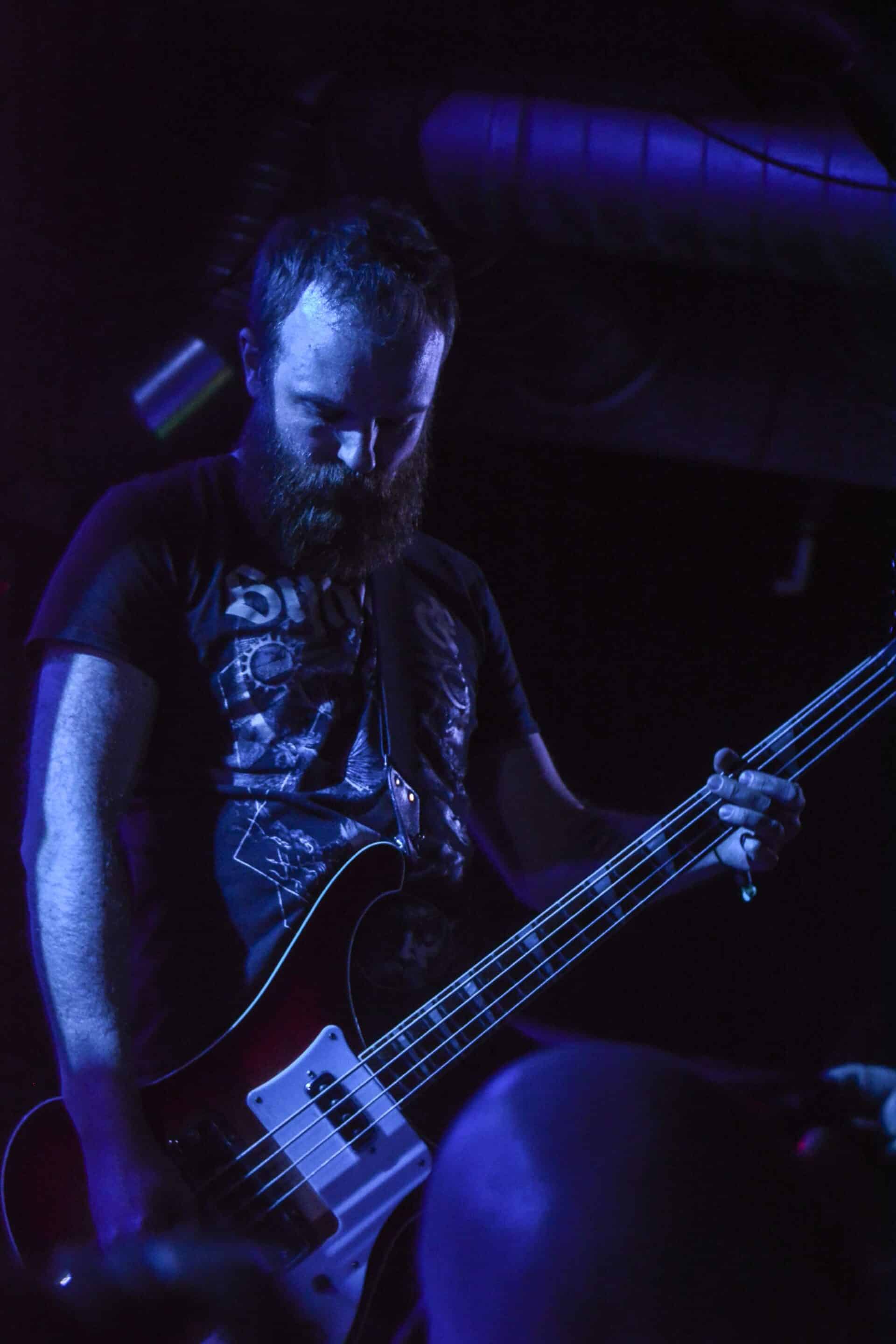
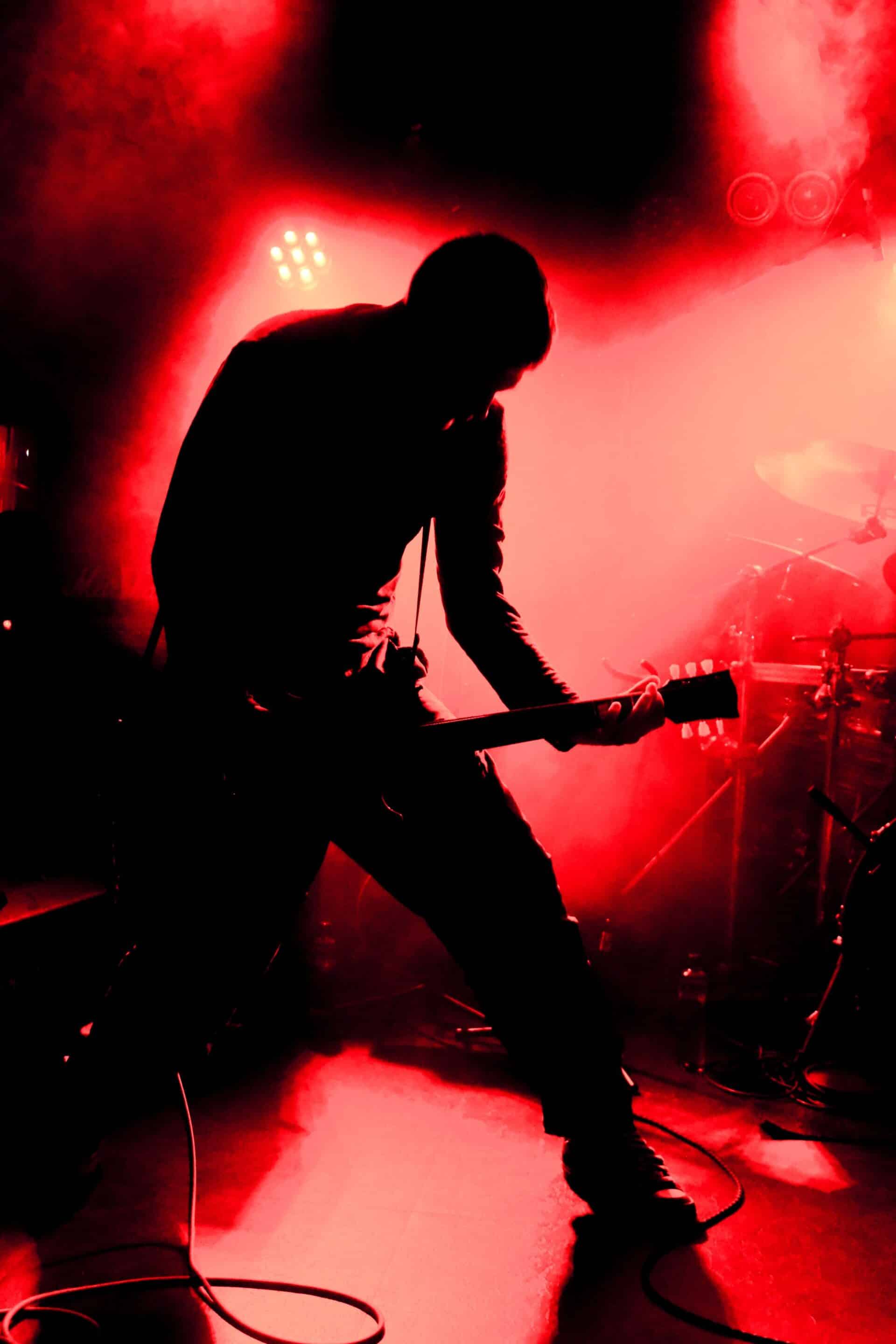
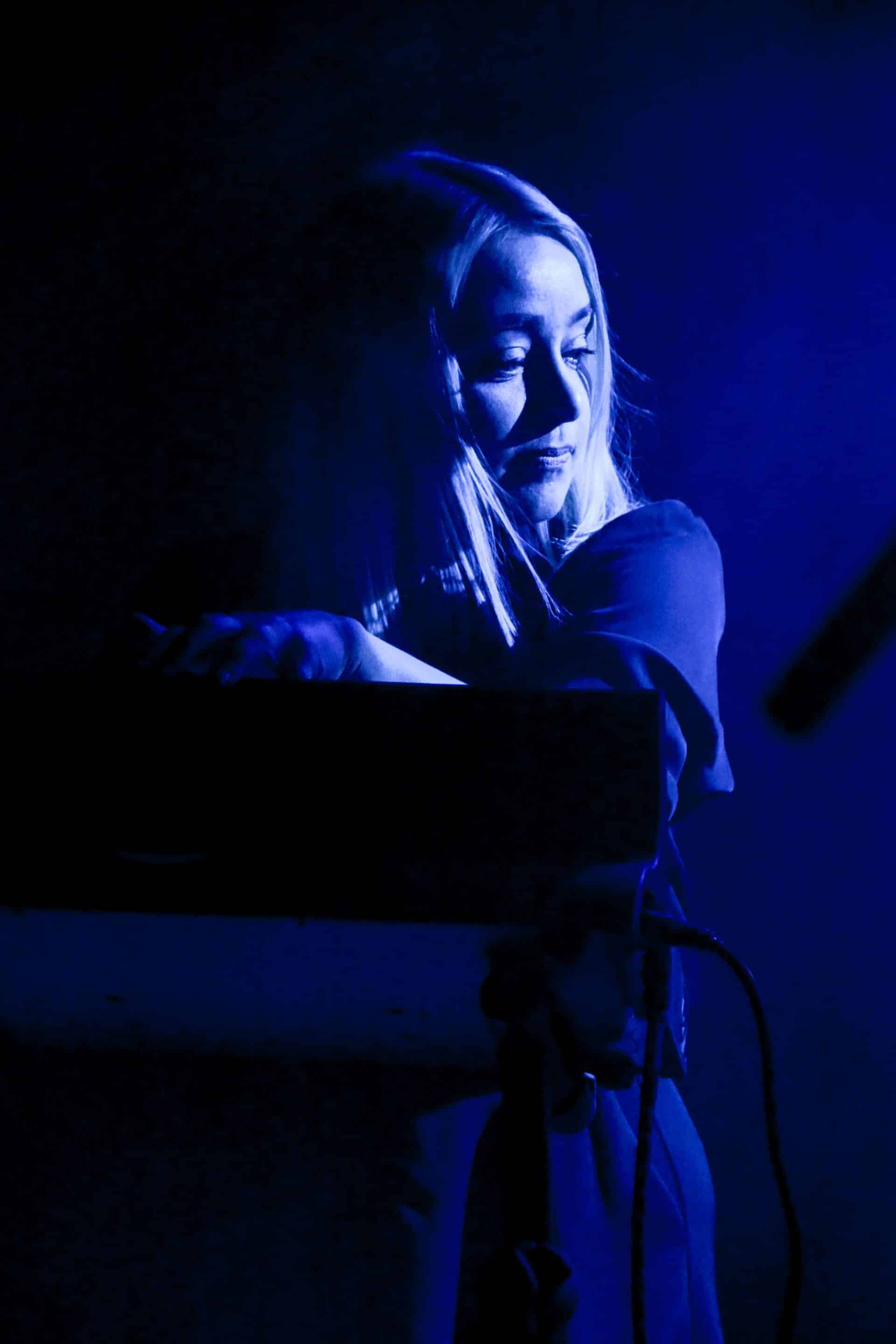
Kíváncsi voltam, hogy mit tud a Dwaal – a fesztiválra való felkészülés során belehallgattam a zenéjükbe; számomra nehezen emészthetőnek tűnt, de nagyon kíváncsi voltam az élő megvalósításra. Az ötfős társaság alapvetően indusztriális metal-t játszik női gitárossal. Maga a műfaj igazából nem áll annyira közel a szívemhez, ám feltétlenül értékelendő, hogy mindent nagyon professzionális szinten valósítottak meg. Azzal együtt, hogy a John Dee egy pici luk, a hangzás tökéletes volt – és mint az első napi Mork-fellépésen, a hely meg is telt. Nem vártam ki a fellépés végét, futottam vissza Rockefeller-be Sakis Tolis koncertjére
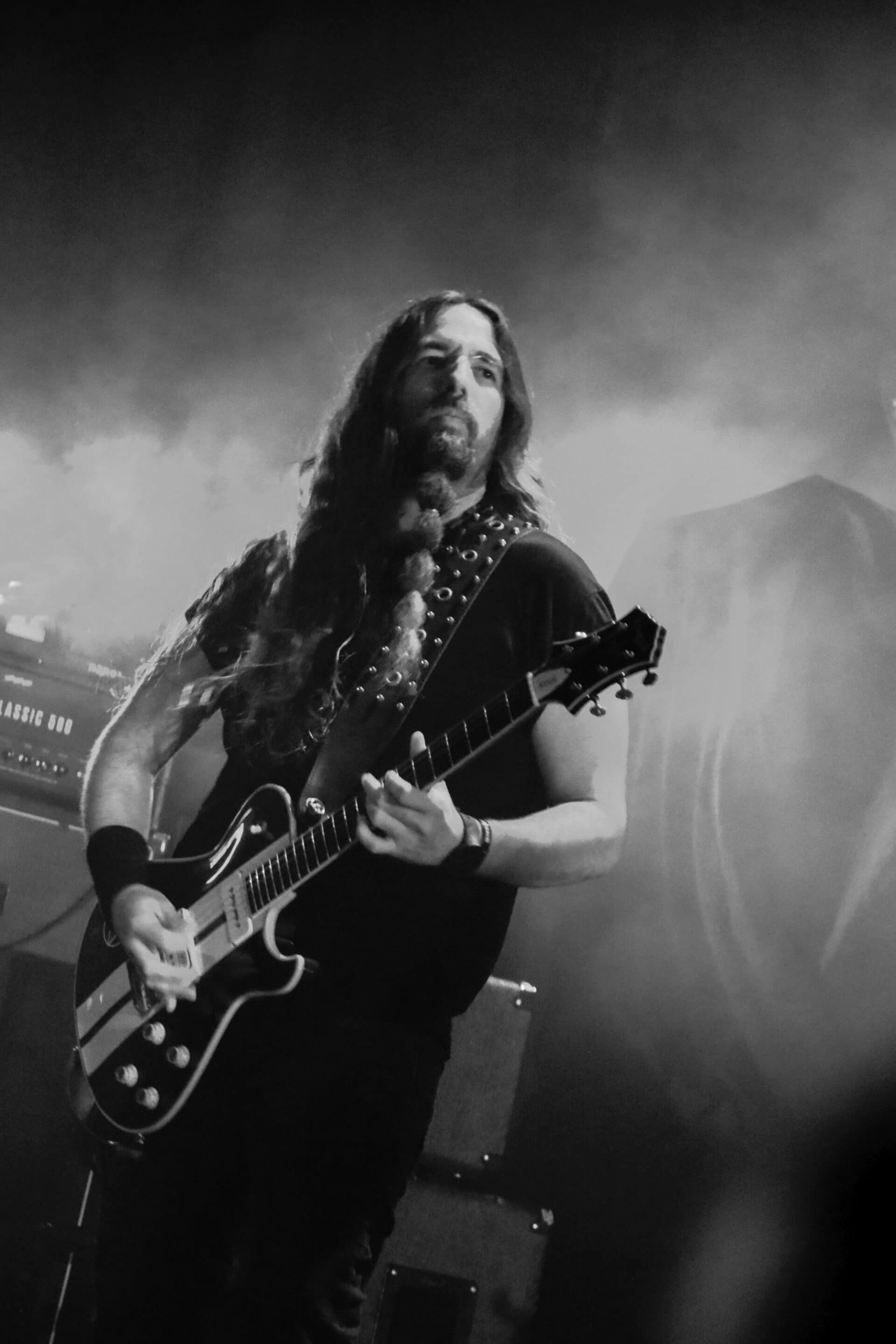
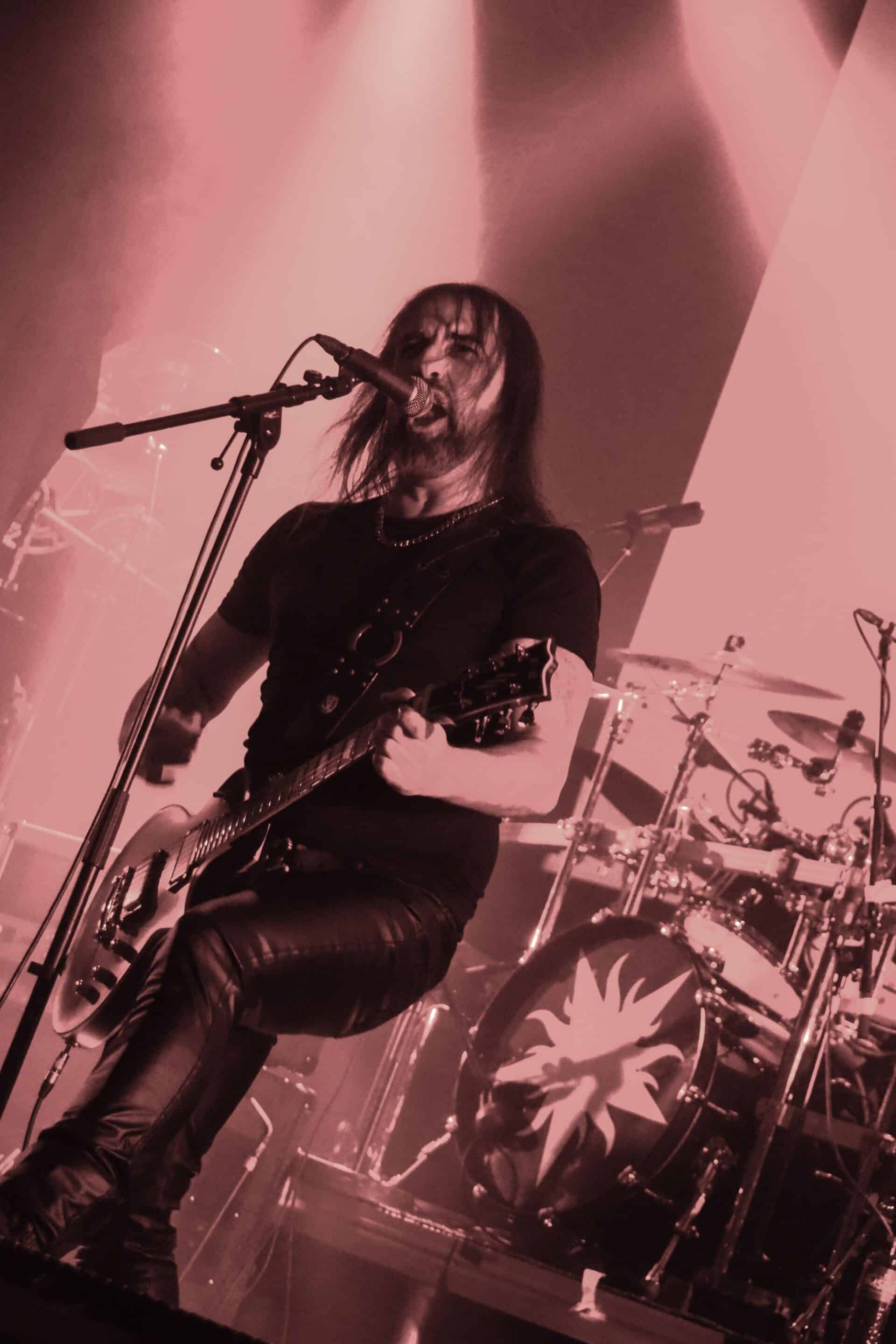
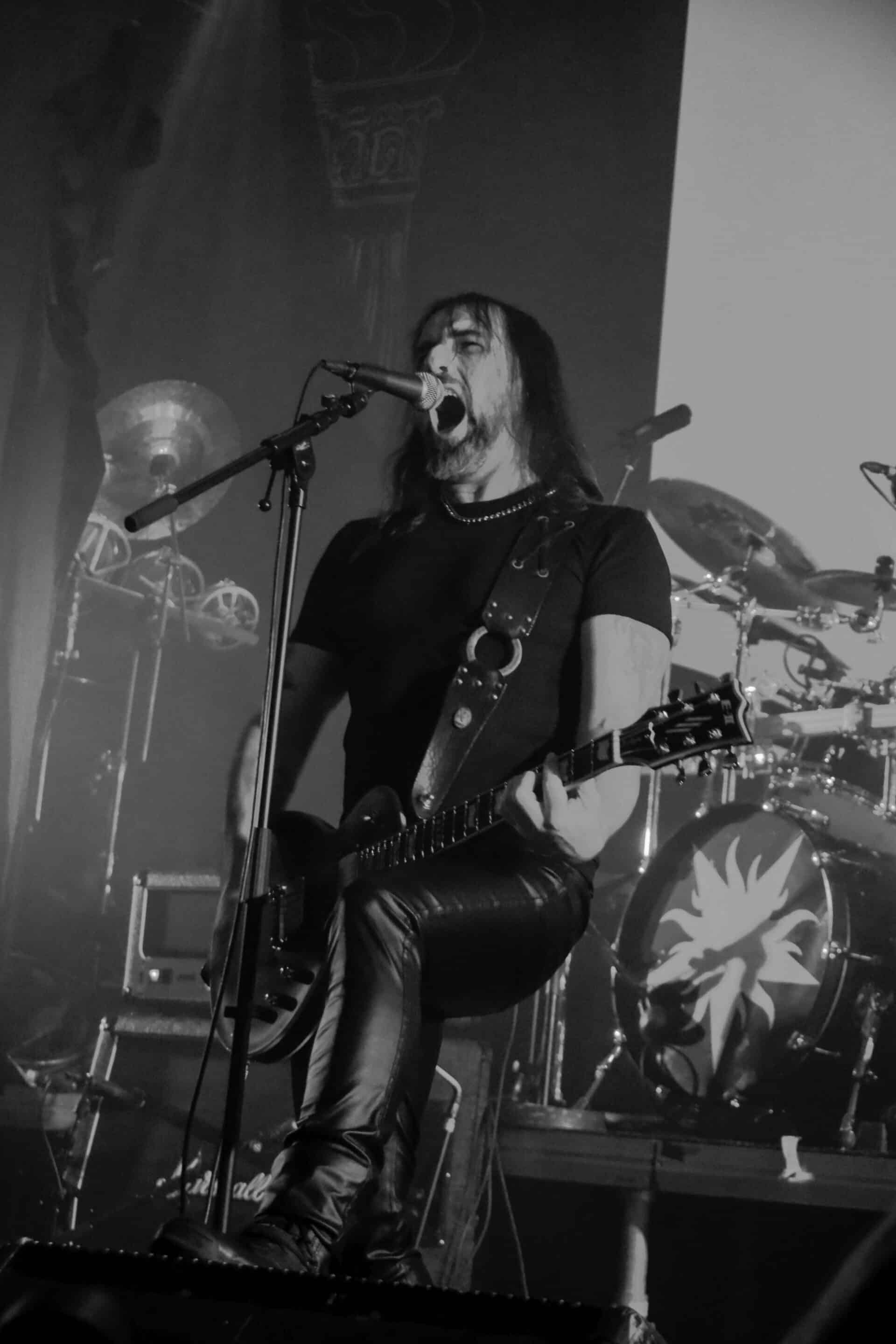
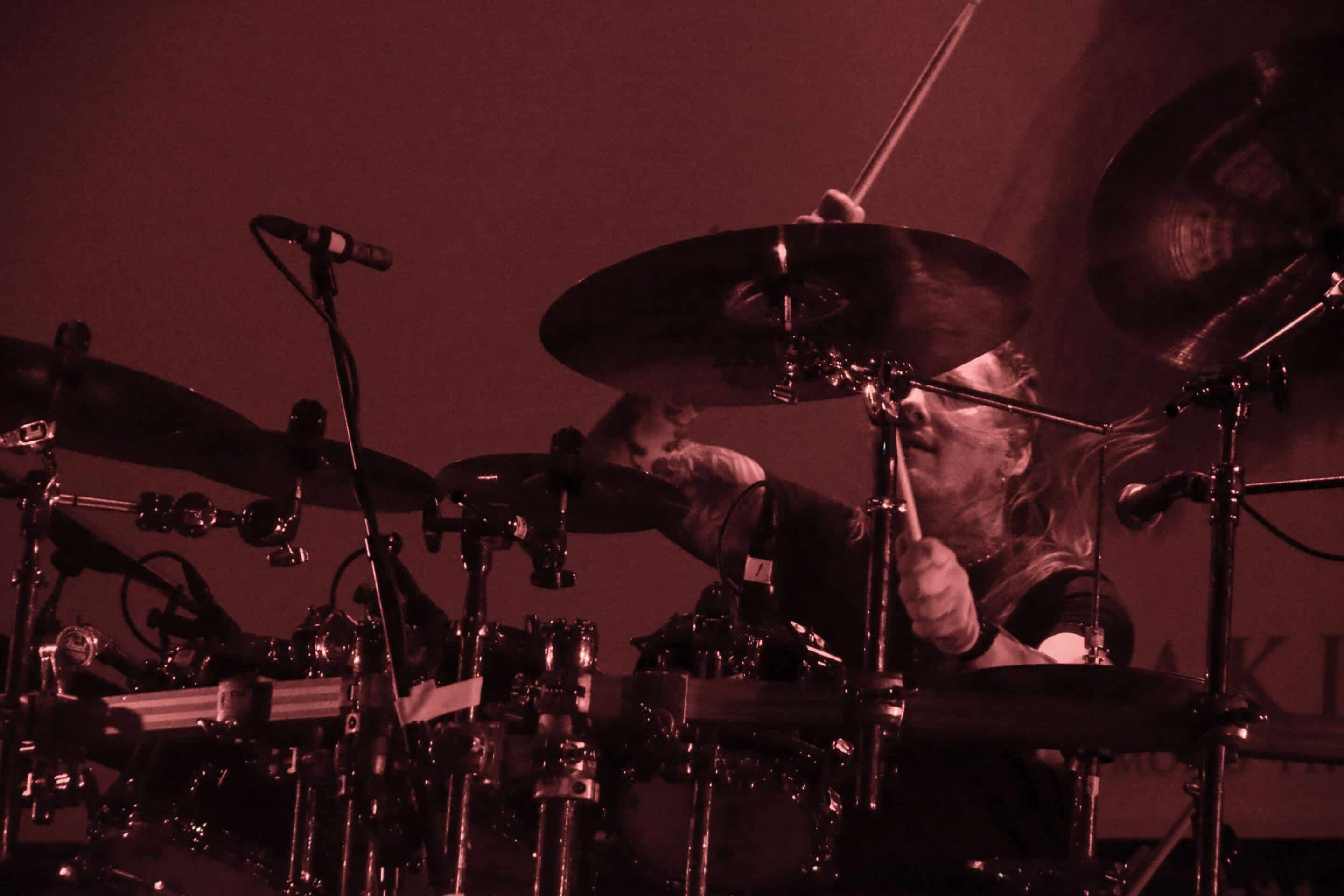
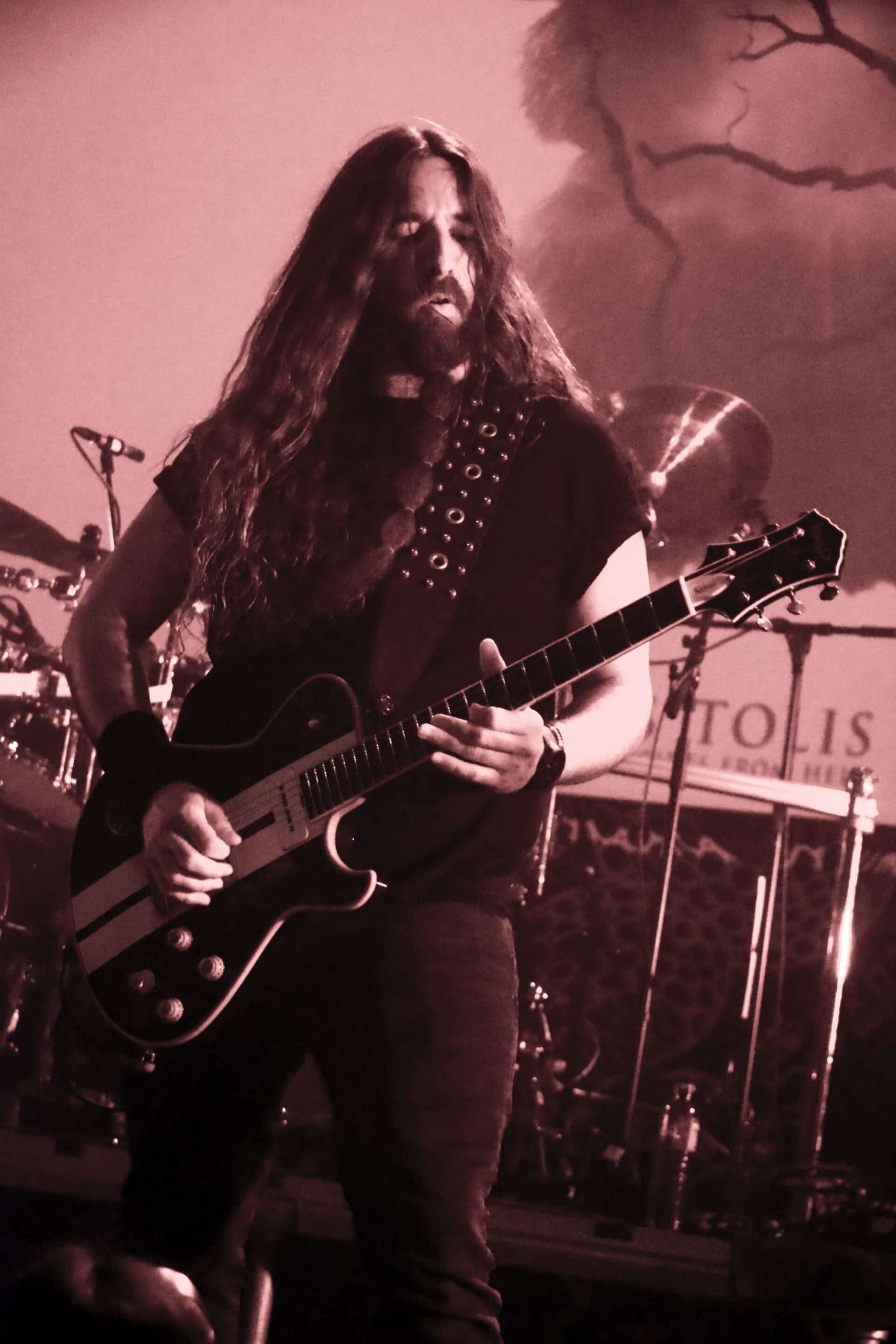
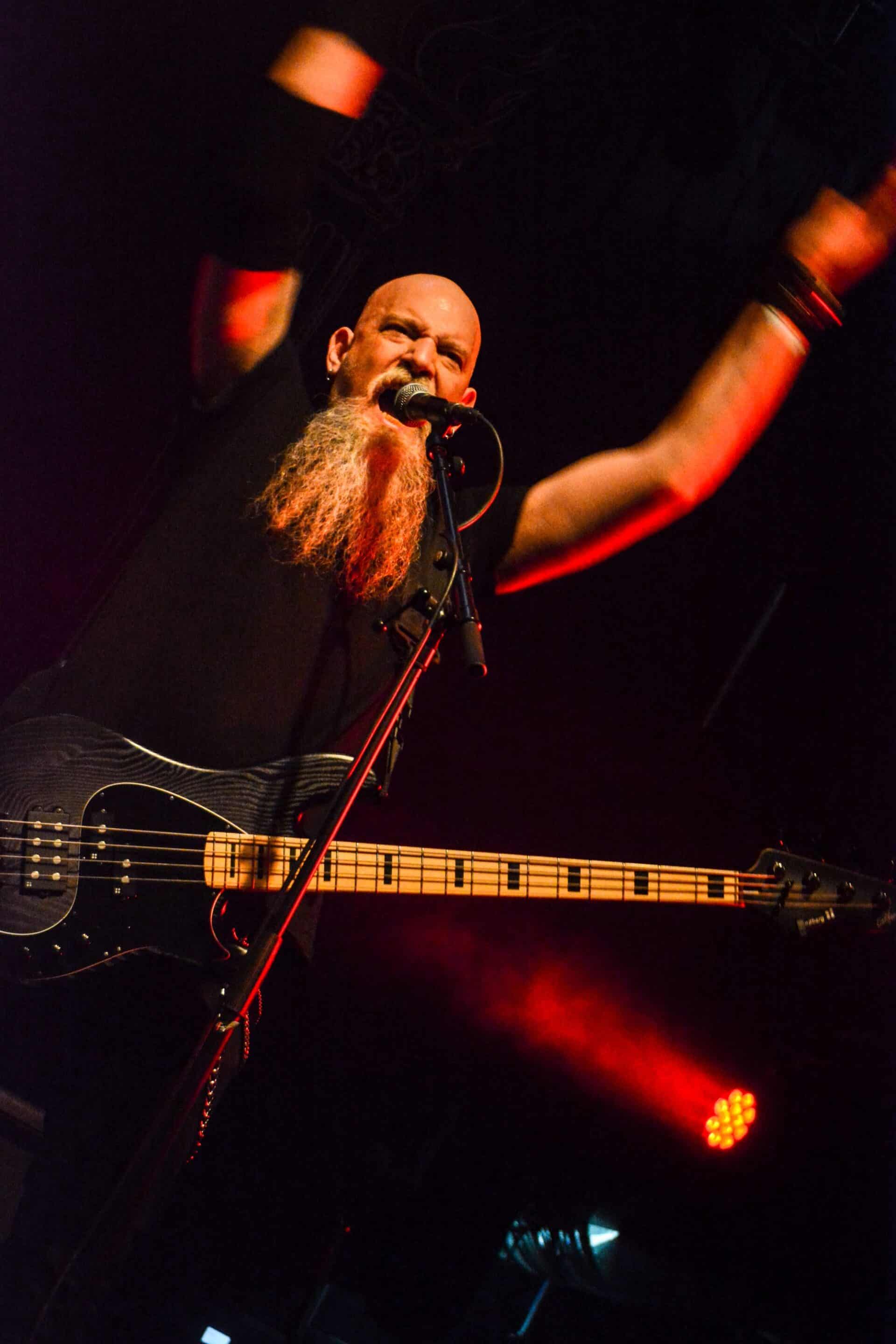
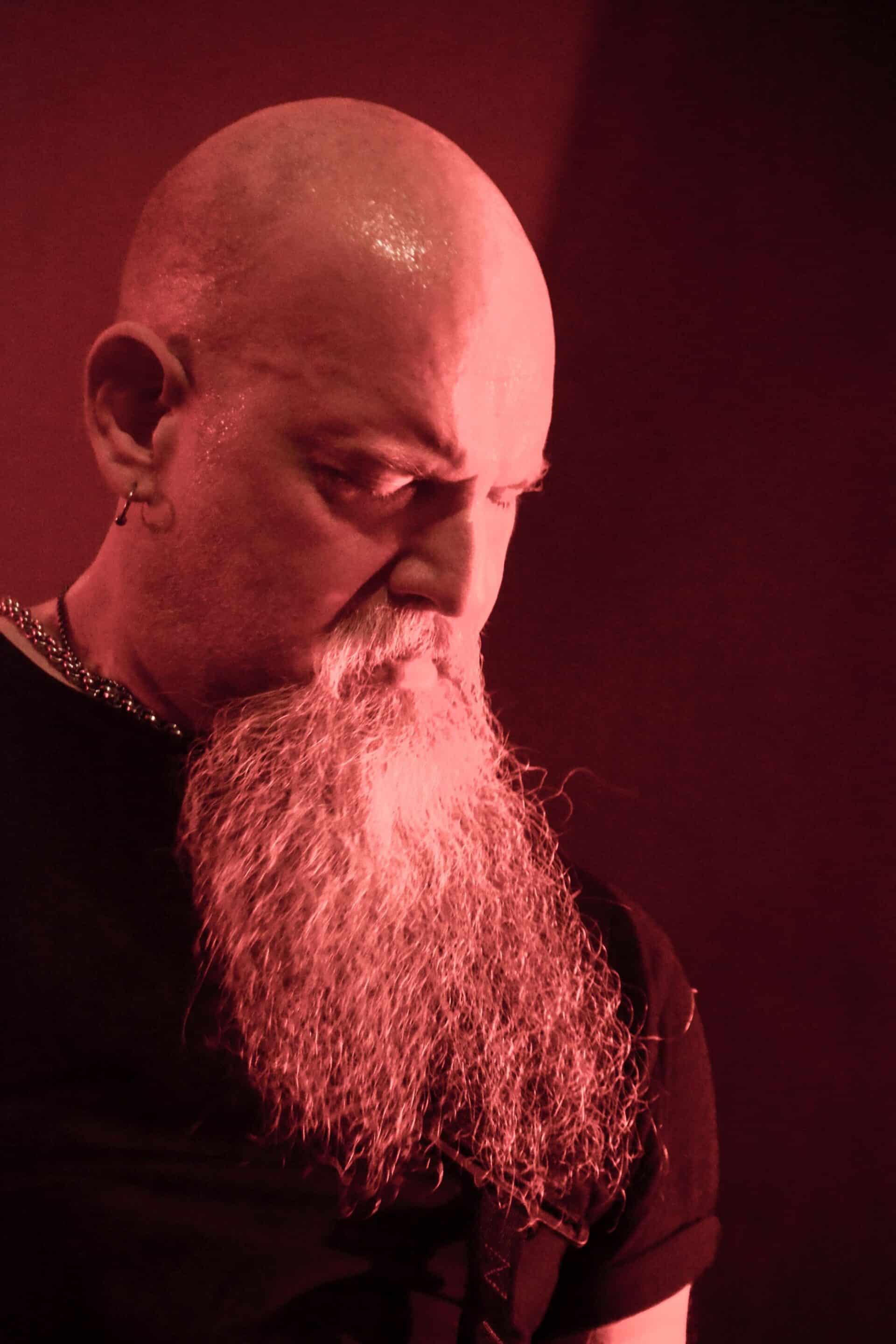
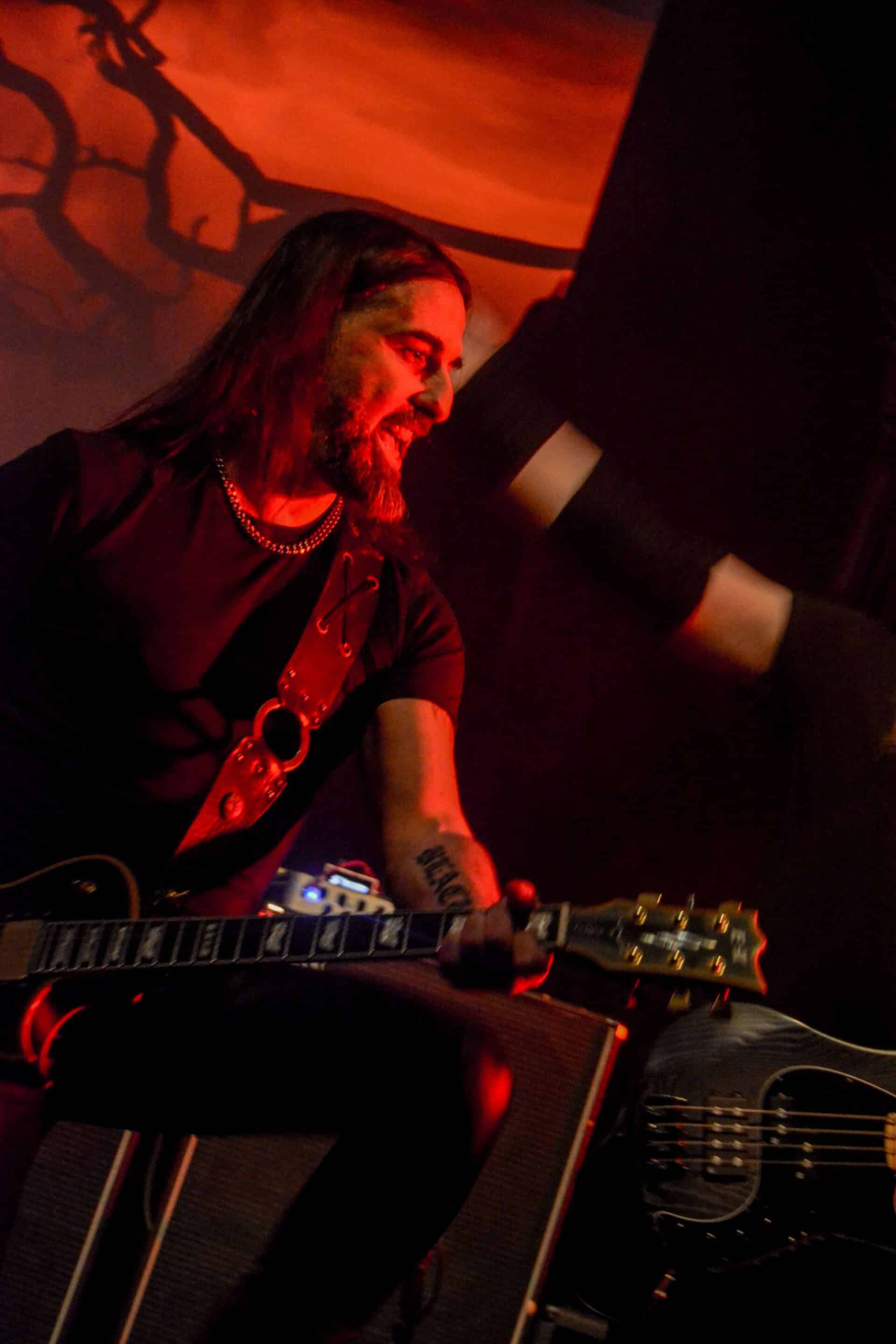
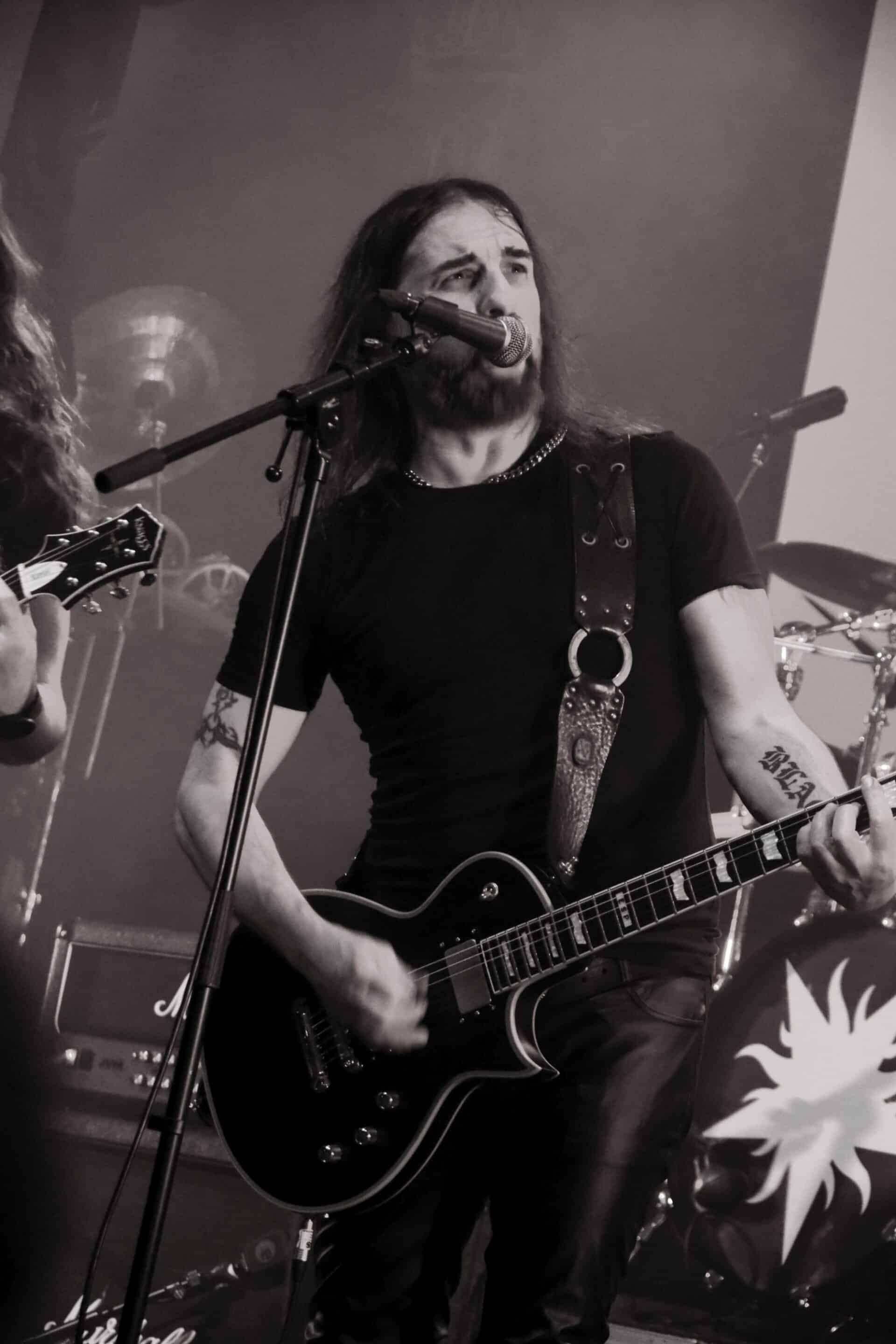
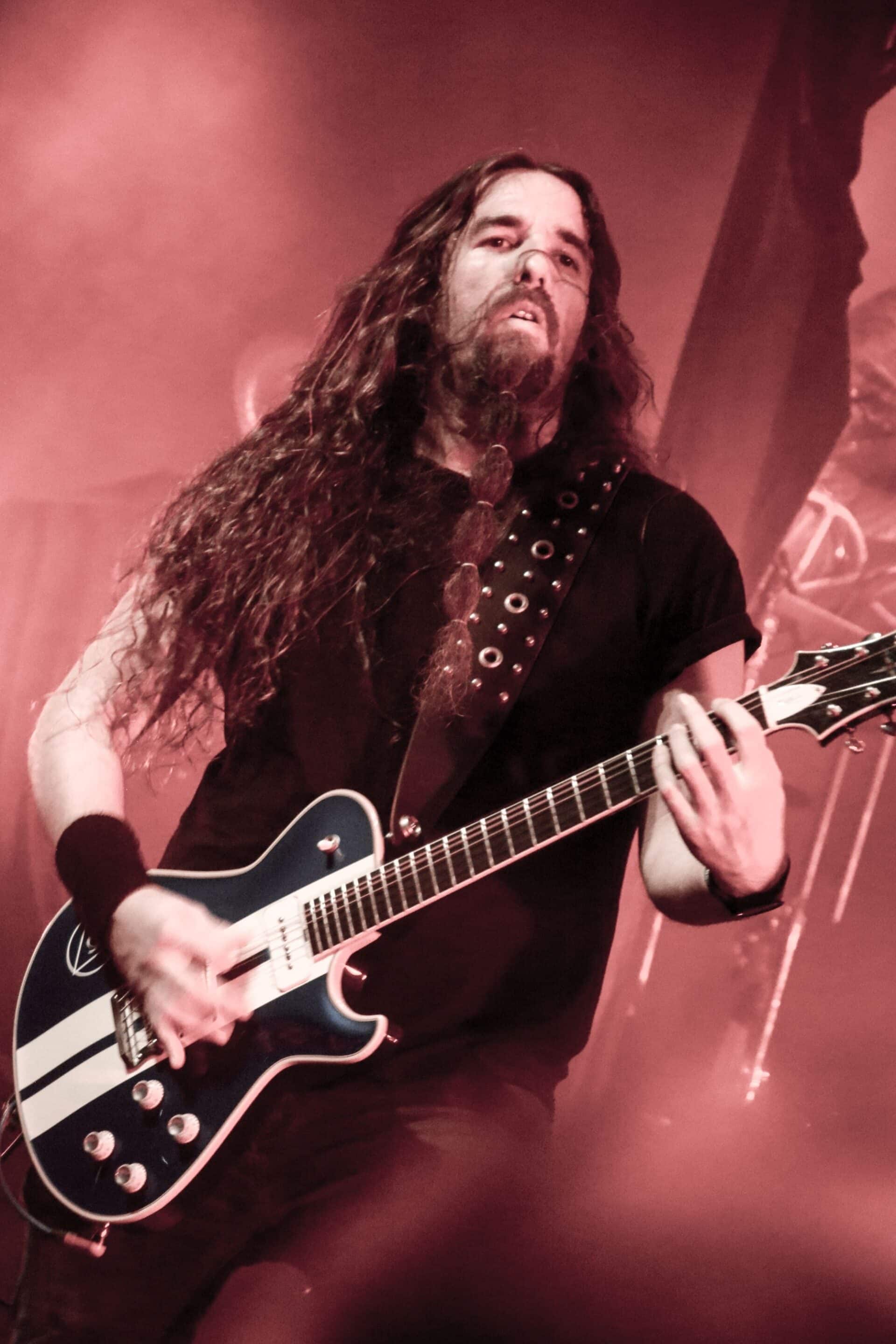
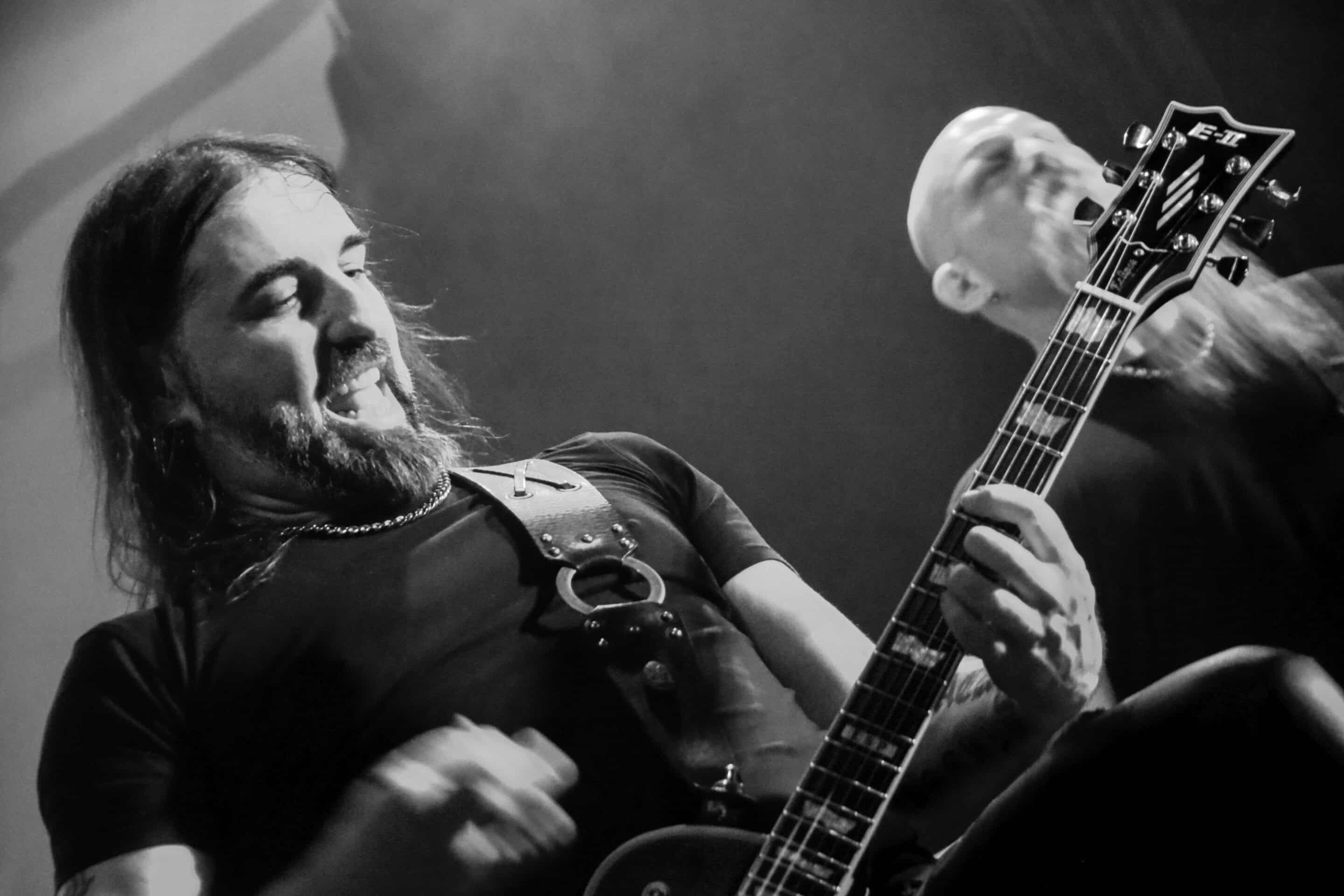
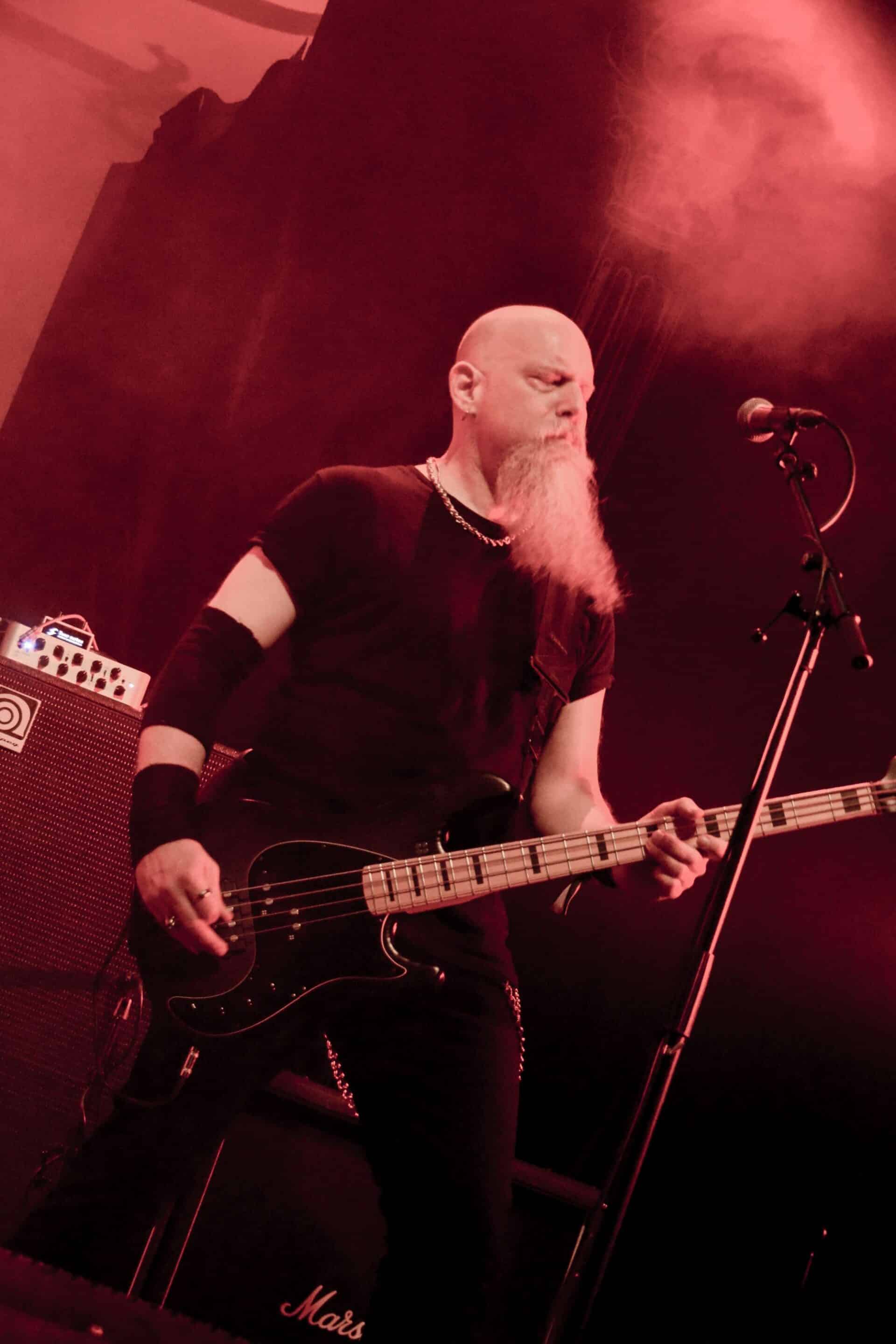
A Rotting Christ agya a saját anyagát turnéztatta meg; a neve alatt megjelent albumot tulajdonképpen egy az egyben nyomták le. Ami mindenképp kiemelendő, hogy a zene nagyon sok jellemzőt megőrzött a Rotting Christ-ból (ugye vannak azért közös pontok), viszont jelentős változások is megfigyelhetők. A monoton, ismétlődő, picit mantrázó jellegű gitár nemhogy rontott volna a zenei élményen, hanem inkább segített az elmélyülést. A könnyedebb dallamok, az ének, és Sakis színpadi produkciója pedig könnyen befogadhatóvá tette a zenéjüket. Nagy éljenzést kaptak, és nagyjából ez volt az a pont, amikor már lépni sem lehetett a nagyszínpad környékén. Maradt a kérdés: mi lesz ebből a Watain fellépésére? Sajnos Sakis fellépésenek a végét nem tudtam megvárni, ugyanis futás vissza a John Dee-be, mert következett a Dold Vorde Ens Navn fellépése.
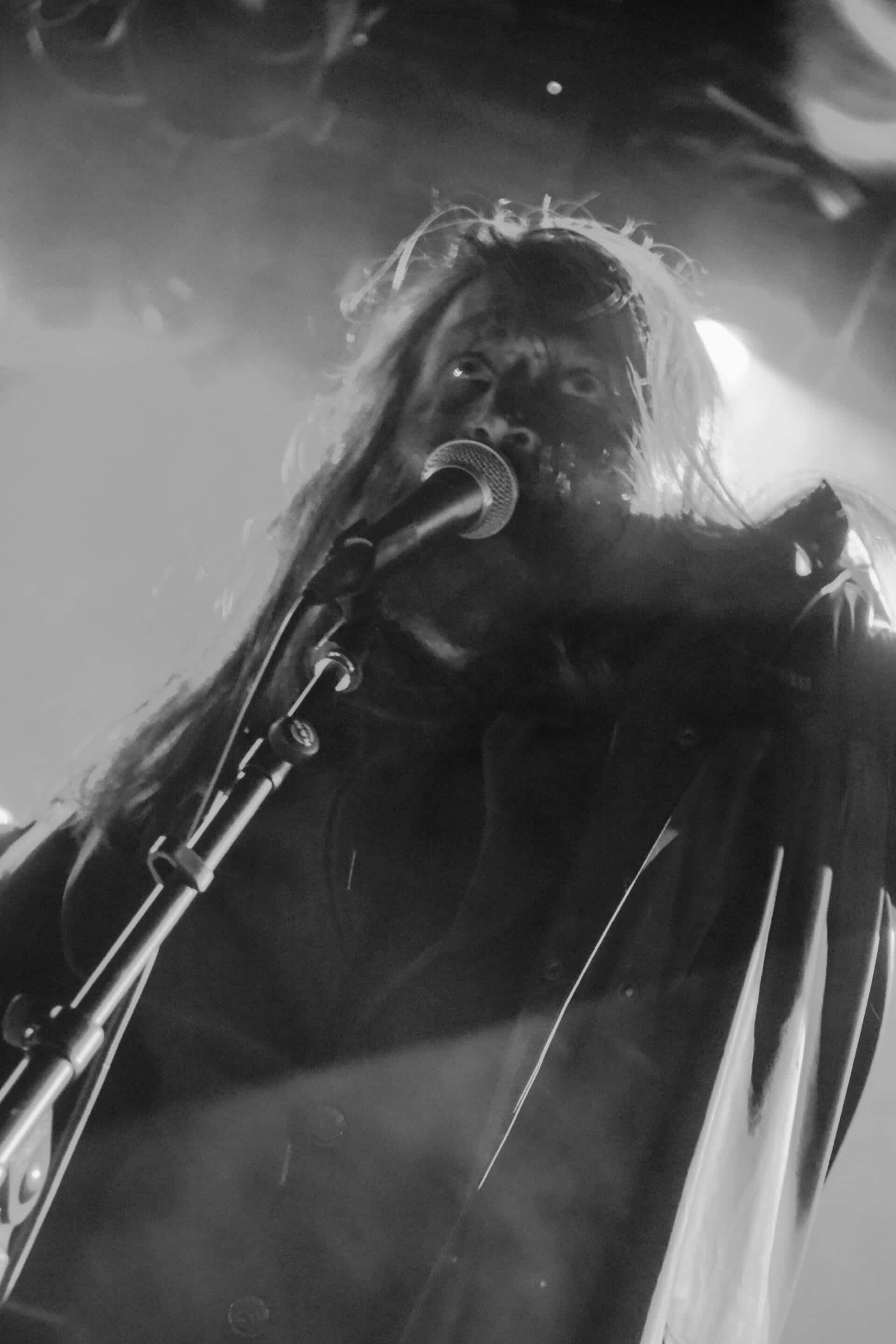
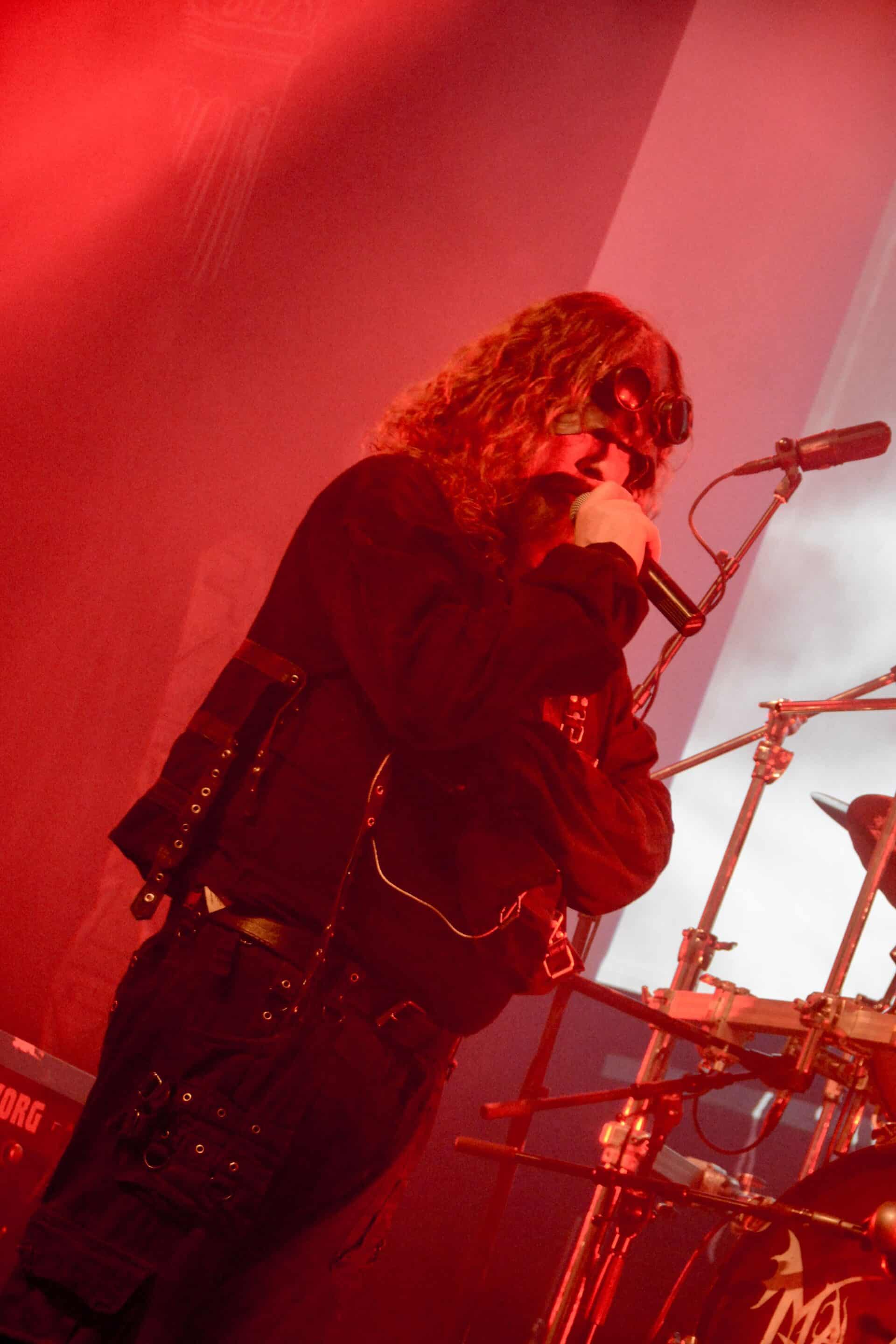
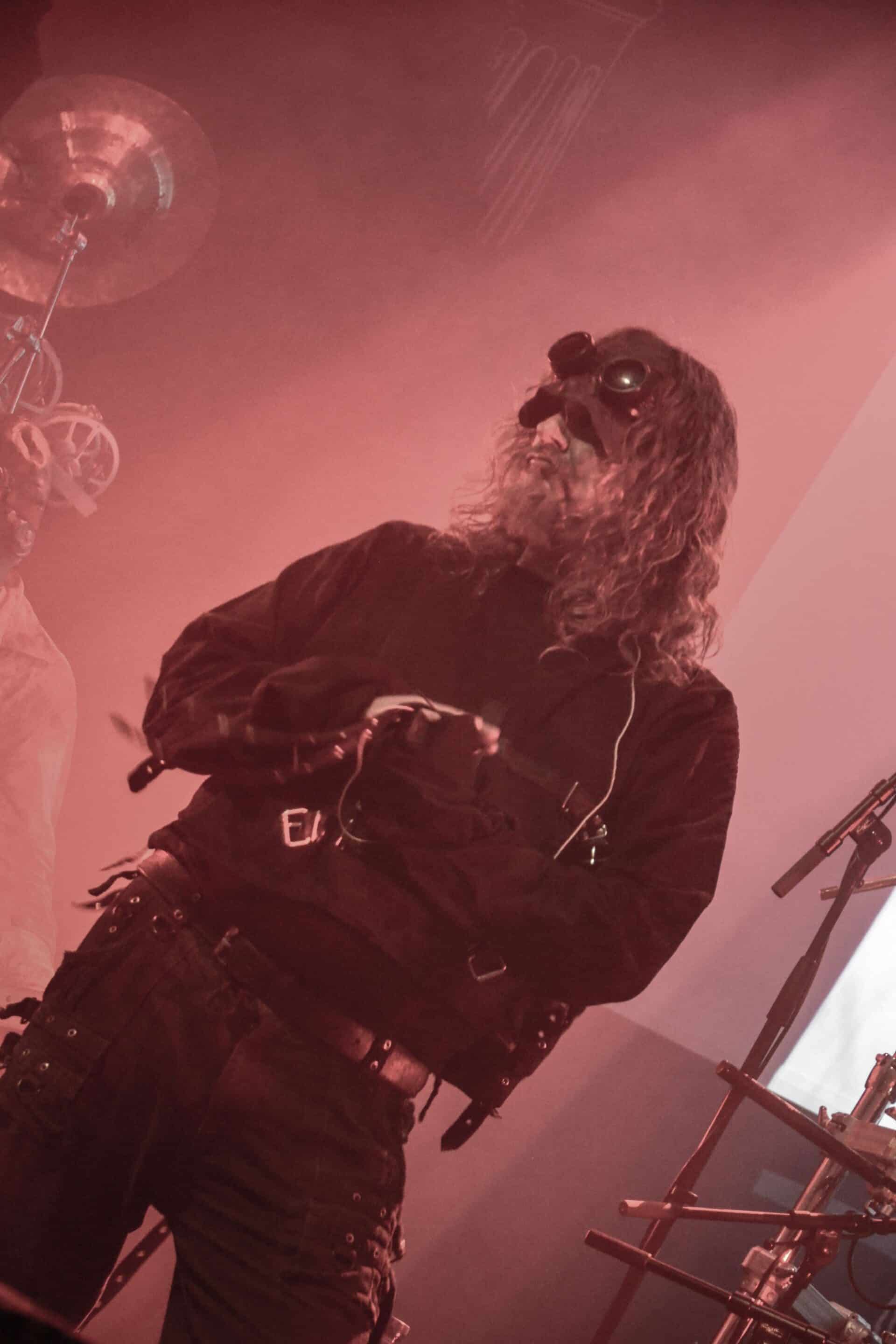
Én személyesen imádom a többek között a Dødheimsgard-ban éneklő Yusaf Parvez a stílusát, a színpadi megnyilvánulásait, a zenéjét – és mivel ebben a zenekarban ő énekel, így kíváncsi voltam, hogy mi is lesz ez a produkció. Mások is így voltak vele, úgyhogy a John Dee-be már megint csak cipőkanállal lehetett beférni, teltház volt lent. Egy mondatban: nekem túl eklektikus, amit csináltak. A zene viszonylag nehezen volt követhető, számomra teljesen szétesett – igazából kísérleti metal-nak nevezhetném, miközben Yusaf feketére festett arcával, nagy dús szakállával, hatalmas orrával mint egy madárijesztő követte a zene ritmusát-dallamát. A hiba minden bizonnyal az én készülékemben volt; nem ismerem annyira a Dold Vorde Ens Navn működését, mint amennyire az elvárható lenne, de a norvégok teljes extázisban voltak és megőrültek ezért a fellépésért. Mint nem utoljára, ennek a bulinak a végét sem tudta megvárni – nyomás fölfelé az Arcturus-ra várakozni.
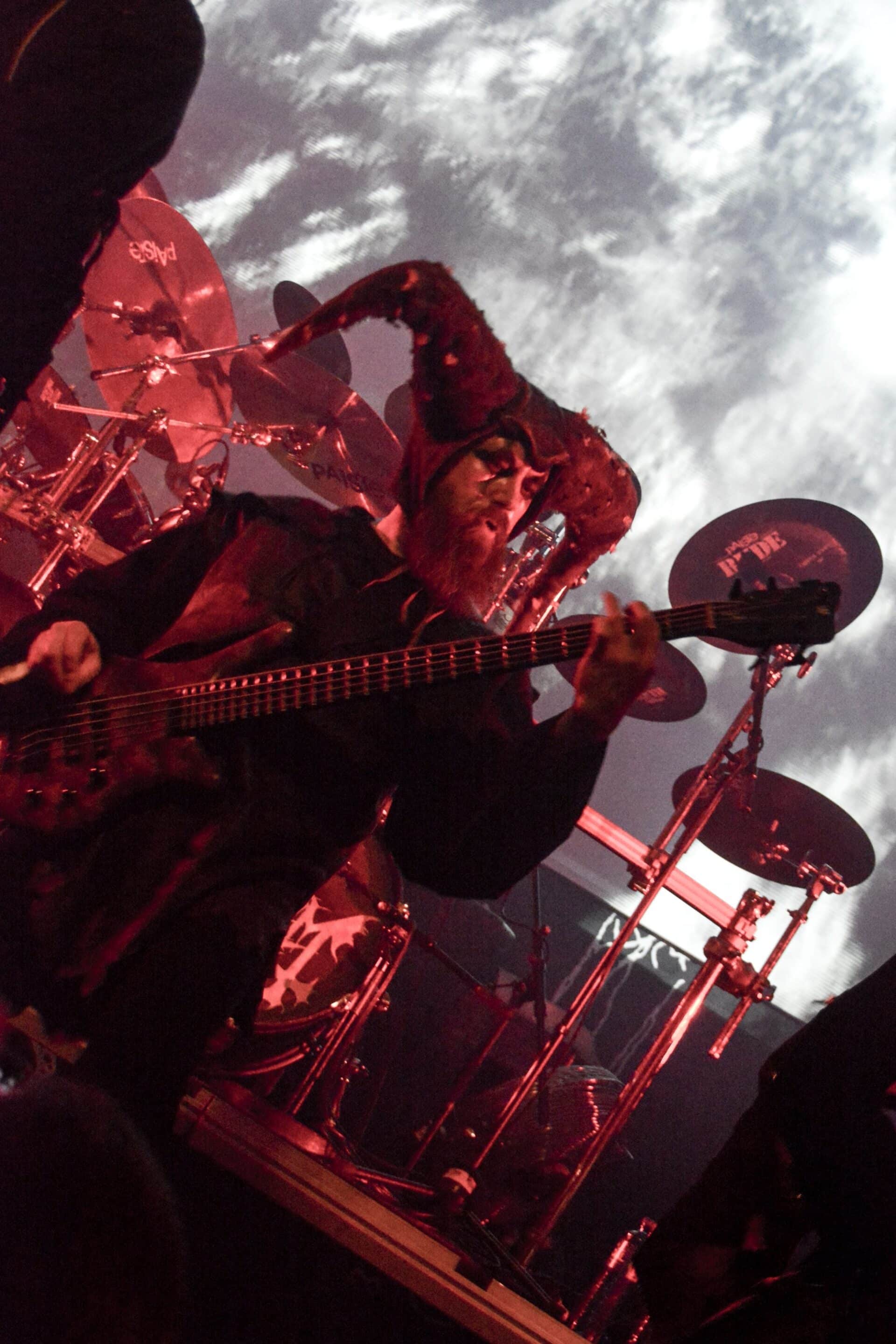
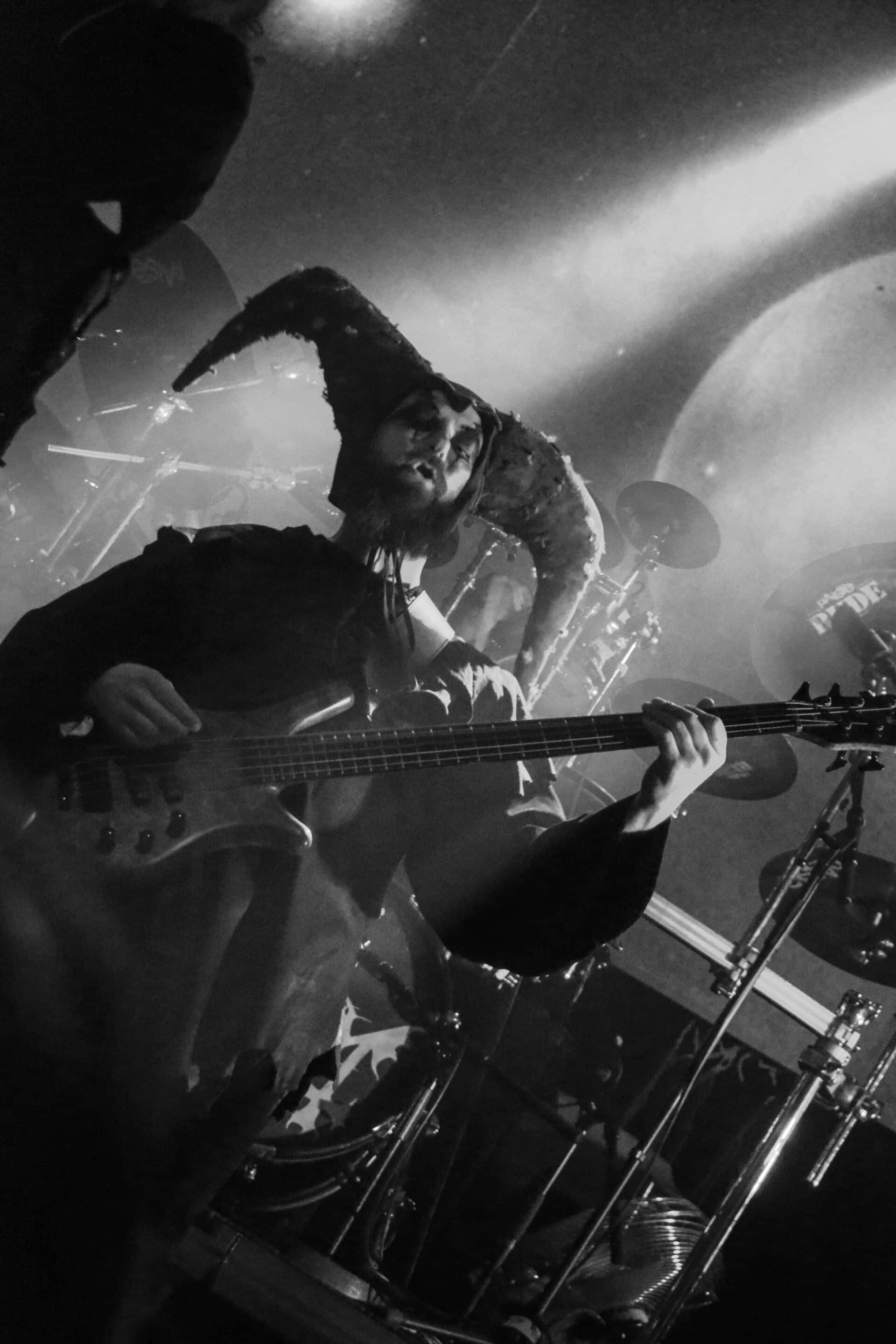
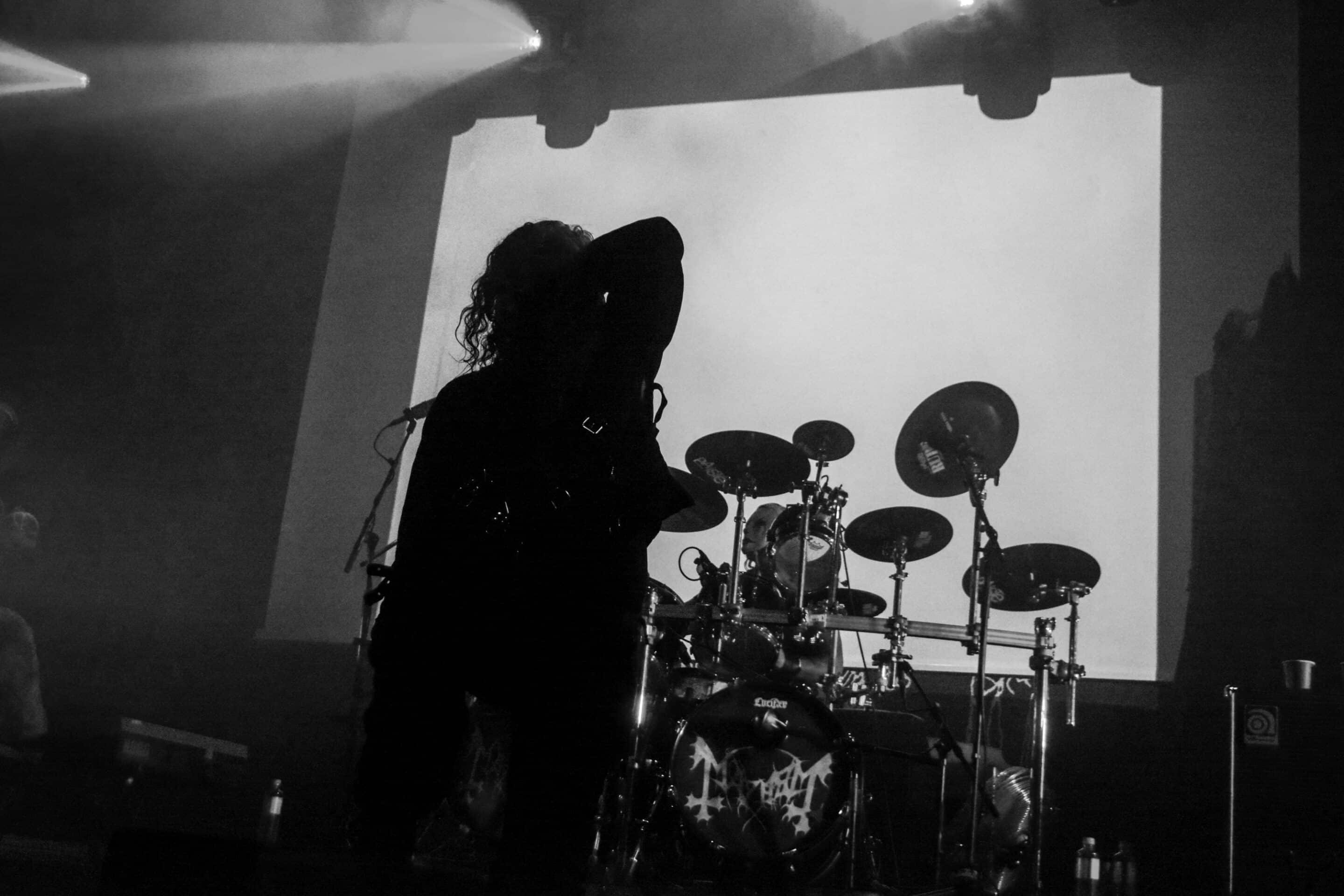
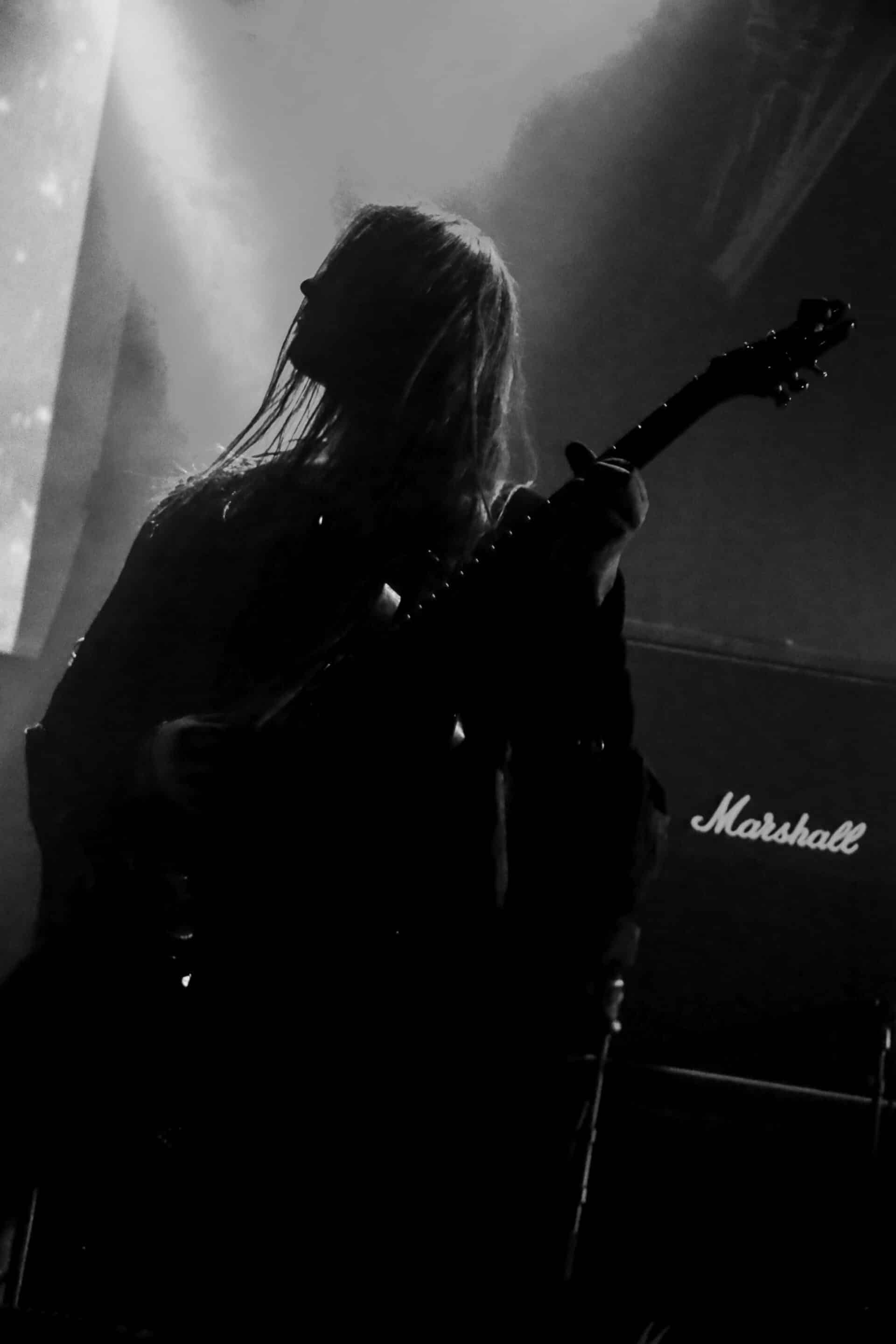
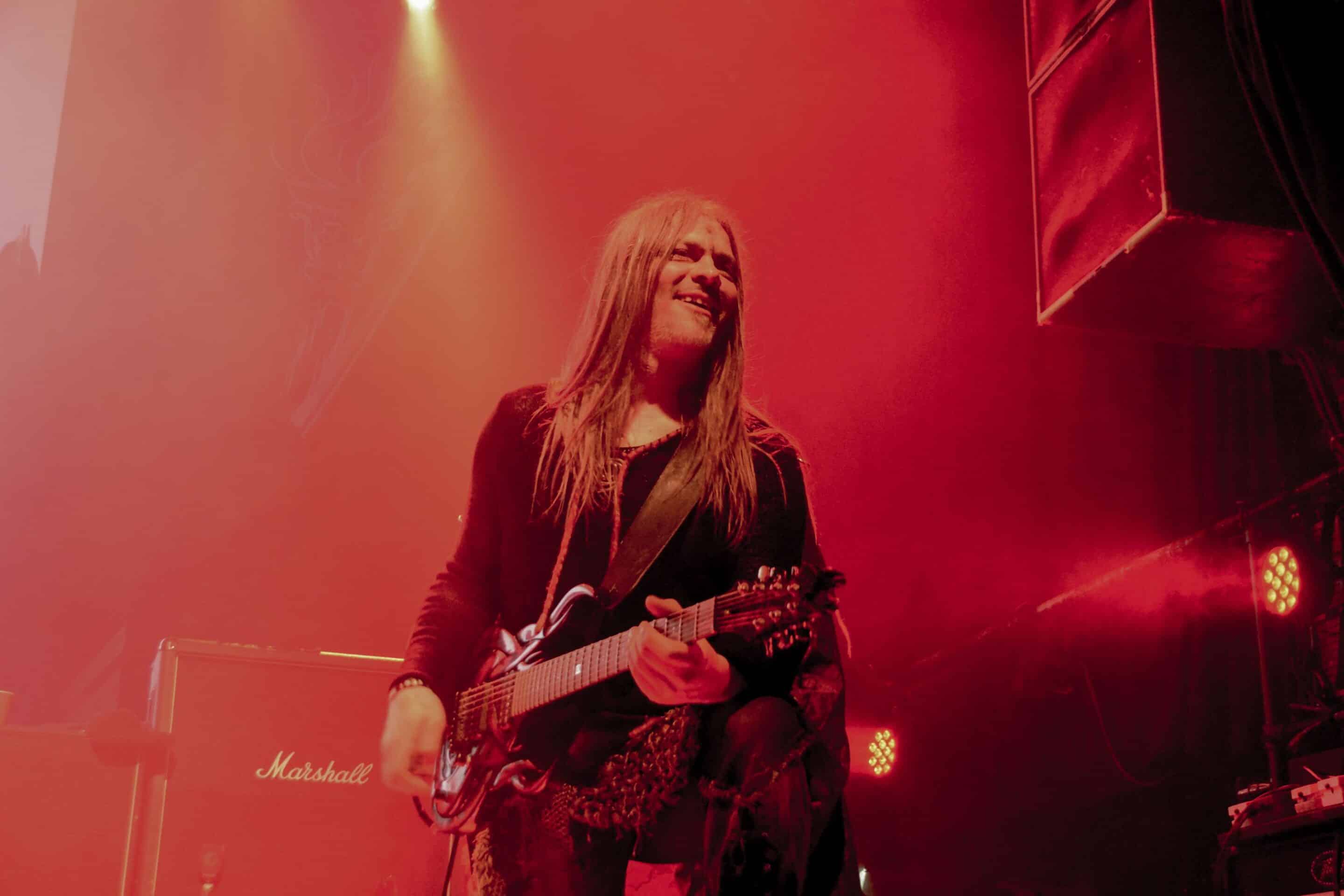
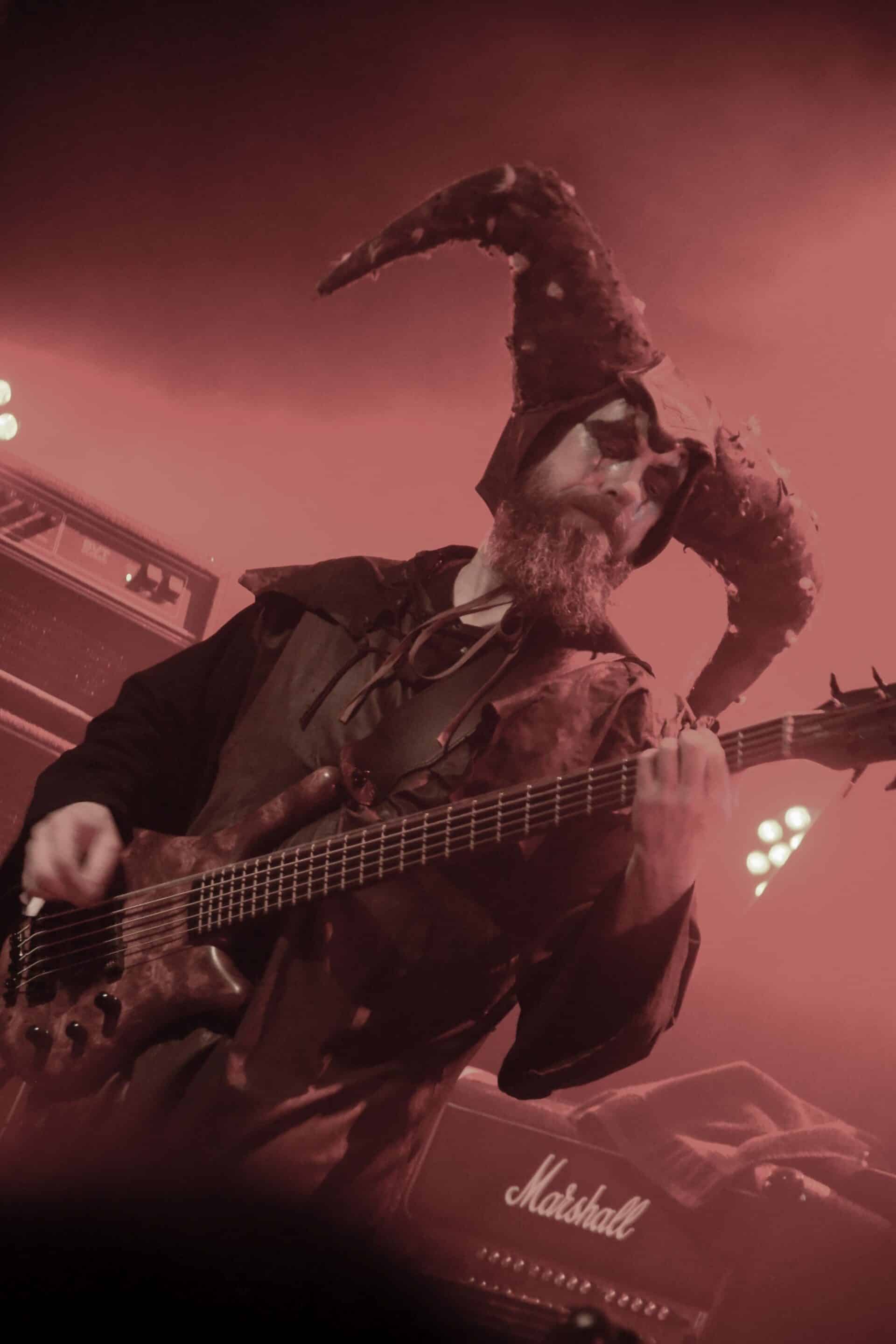
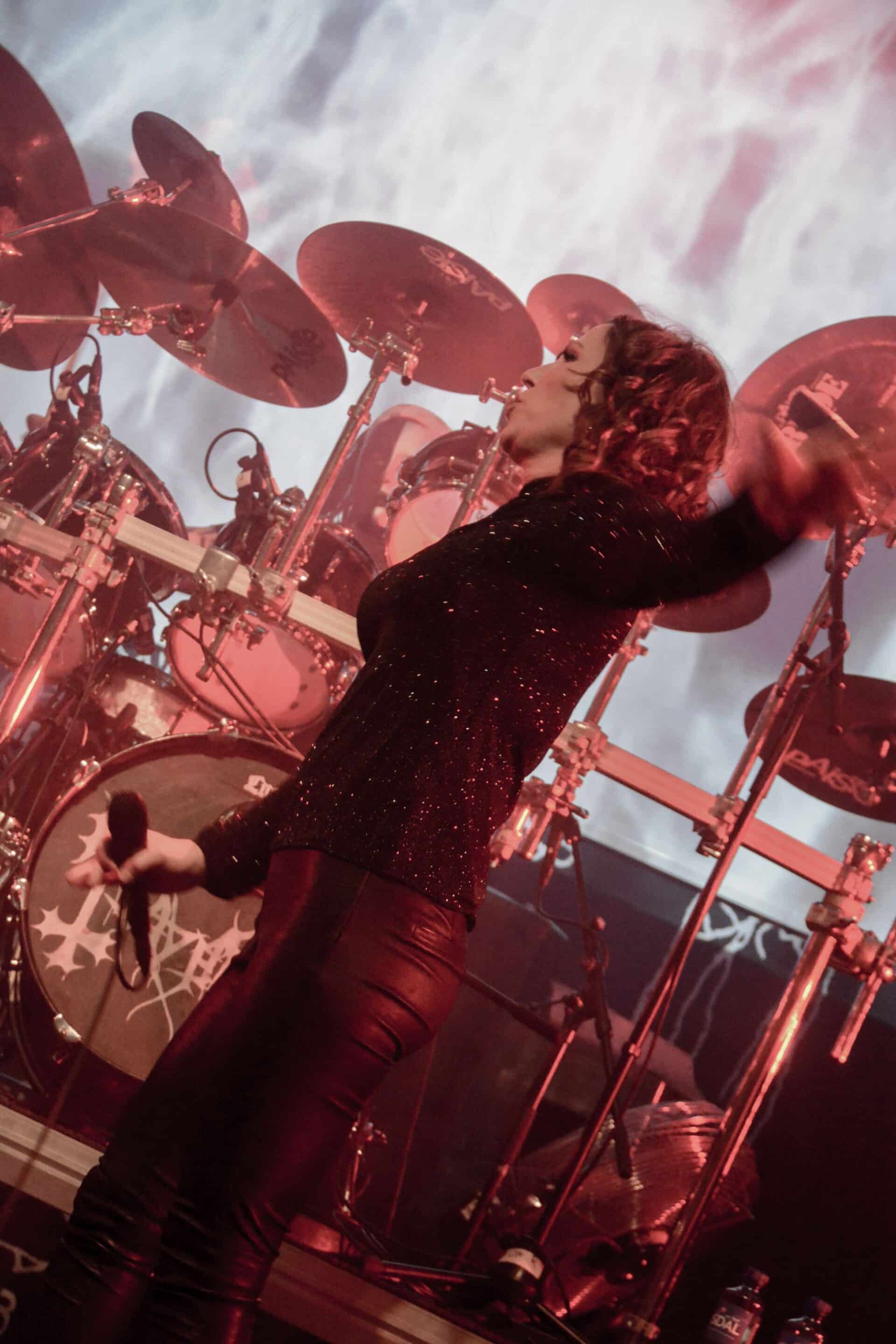
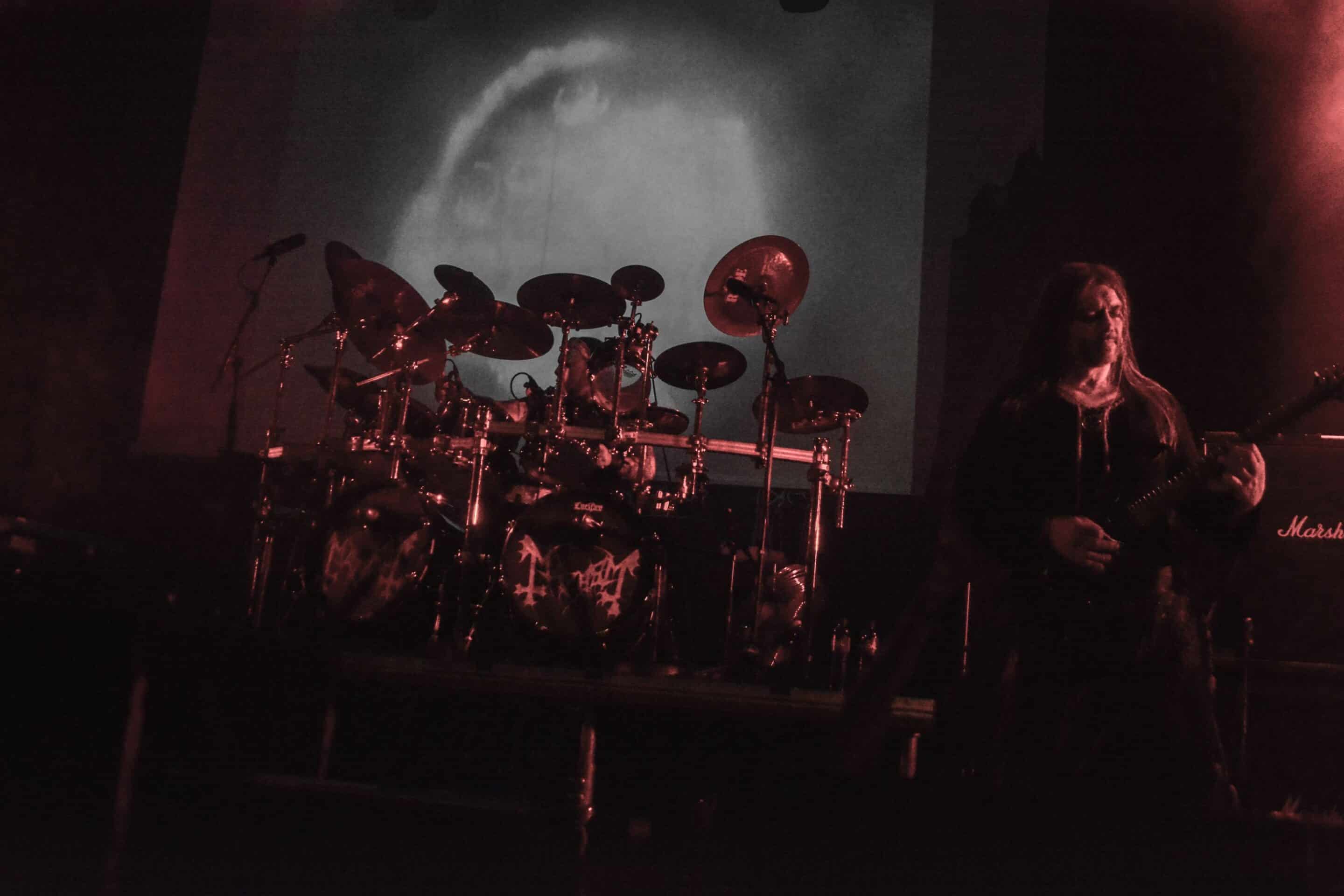
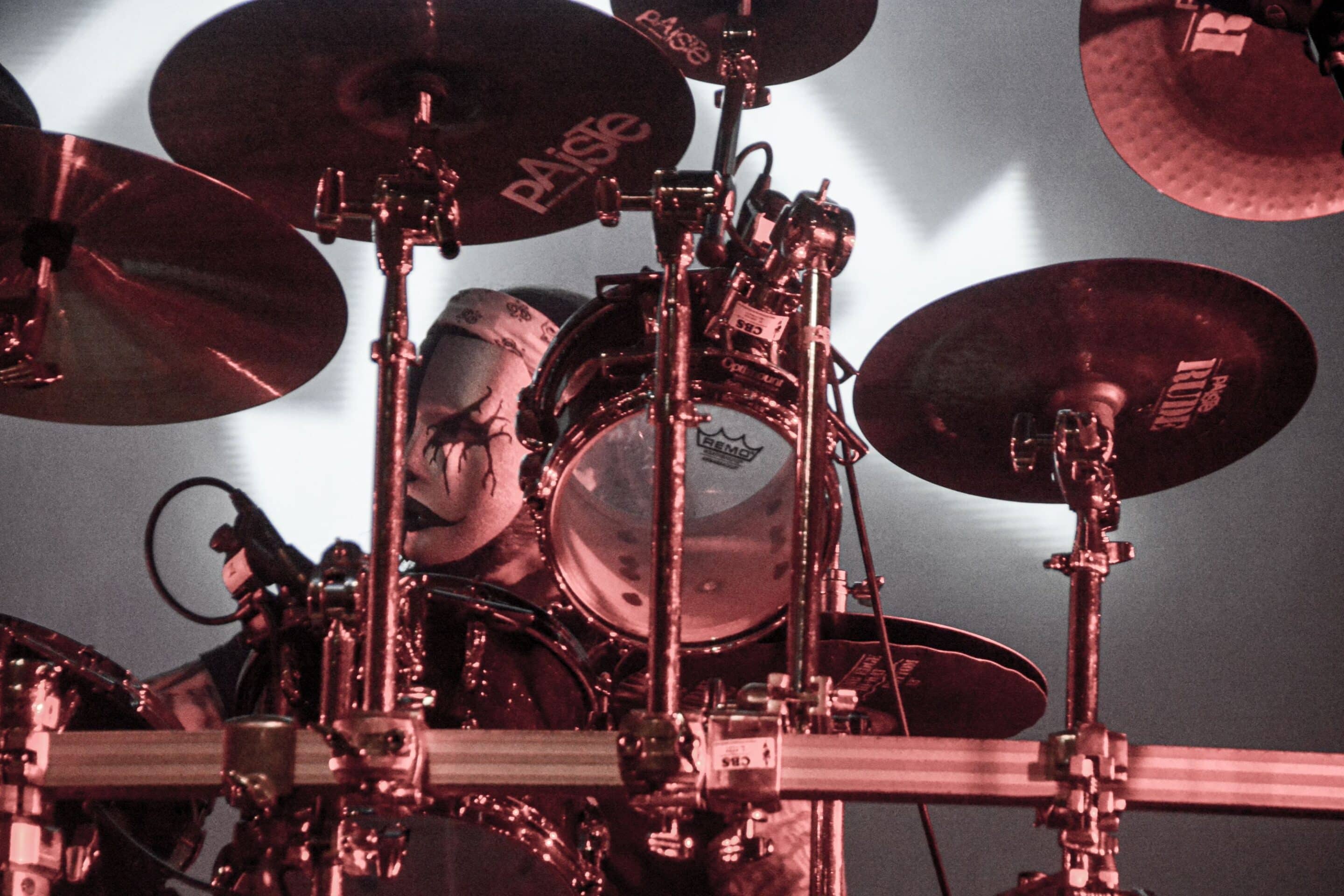
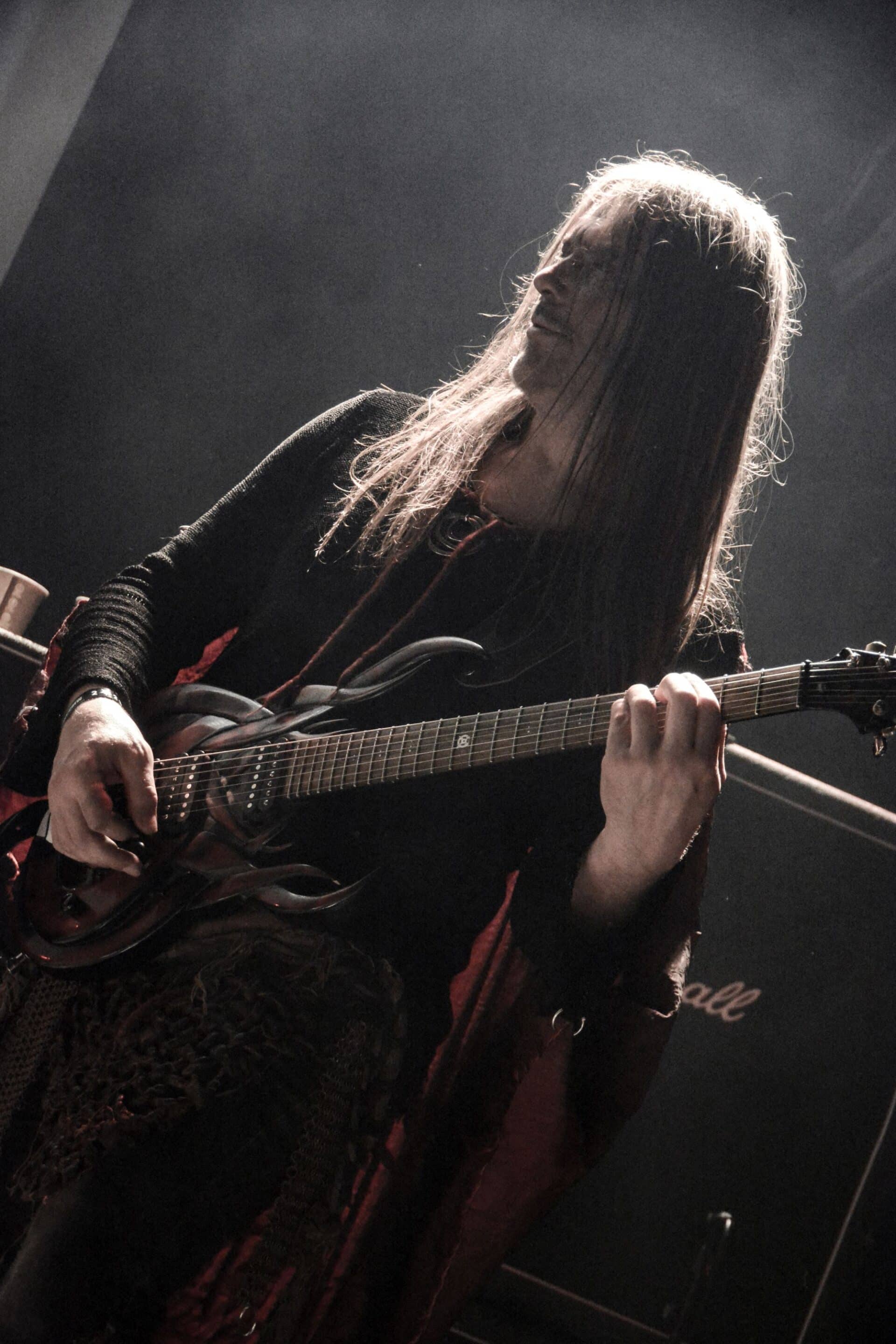
A Dark Funeral mellett az Arcturus a másik, aki az utóbbi időben feketelistás nálam. Imádom a fellépéseiket – különösen Simen hangját –, de a tavalyi Brutal Assault-os botrányos fellépésük után úgy éreztem, hogy bizonyítaniuk kell, és örömmel jelentem, hogy ez gyakorlatilag megtörtént. Hatvan percük volt, ebből helyből tíz percet késtek, a színpadon menet közben még további tíz percet tökölődtek, tehát maradt negyven perc… de amit ebben az időben működtek, az minden kritikán felül áll. Hellhammer dobolását nem fogom bemutatni; a dolognak külön báját adta, hogy a dobokat gyönyörű szép tisztára keverték és jól meg is világítottak a májsztrót, úgyhogy minden apró díszítést, minden izgalmas zenei megoldást tökéletesen lehetett látni-hallani. Knut gitárja majdnem száz százalékosan szólt; igazából a színpadról jövő jel volt túl hangos, mert amint Vortex odaállt a maga 210 centijével és 110 kilójával a dobok elé, annak a hang már nem érte el a hallgatóságot – és akkor kristálytisztán szólt mind Knut, mind Sverd. A billentyűs részek tökéletesen rendben voltak – nagyjából kilencven százalékban lehetett őket hallani –, és ami a legfontosabb, Simen mester hangja… a tavalyi Brutal Assault-on elkönyveltem, hogy a rajongókkal együtt a mester is megöregedett, és már nem képes a magas hangokat úgy kiénekelni, ahogy azt kellene és illene – és vélhetően a nem túl alacsony véralkoholszint sem segítette elő az ottani produkciót. Szerintem Simen most szárazedzésen volt, mindenesetre teljesen összeszedett volt a produkció. Gyönyörű szépen, kristálytisztán énekelt, sőt Péter barátom szerint – aki nálam sokkal profibb az Arcturus énekben – még extra hajlítások, extra díszítések is jártak a fellépéshez. Nem tudták végigjátszani a setlist-et – a fentebb emlegetett időhúzás okán megcsúsztak, majd egyszer csak szó nélkül levonultak, és véget ért az este egyik legjobb koncertje.
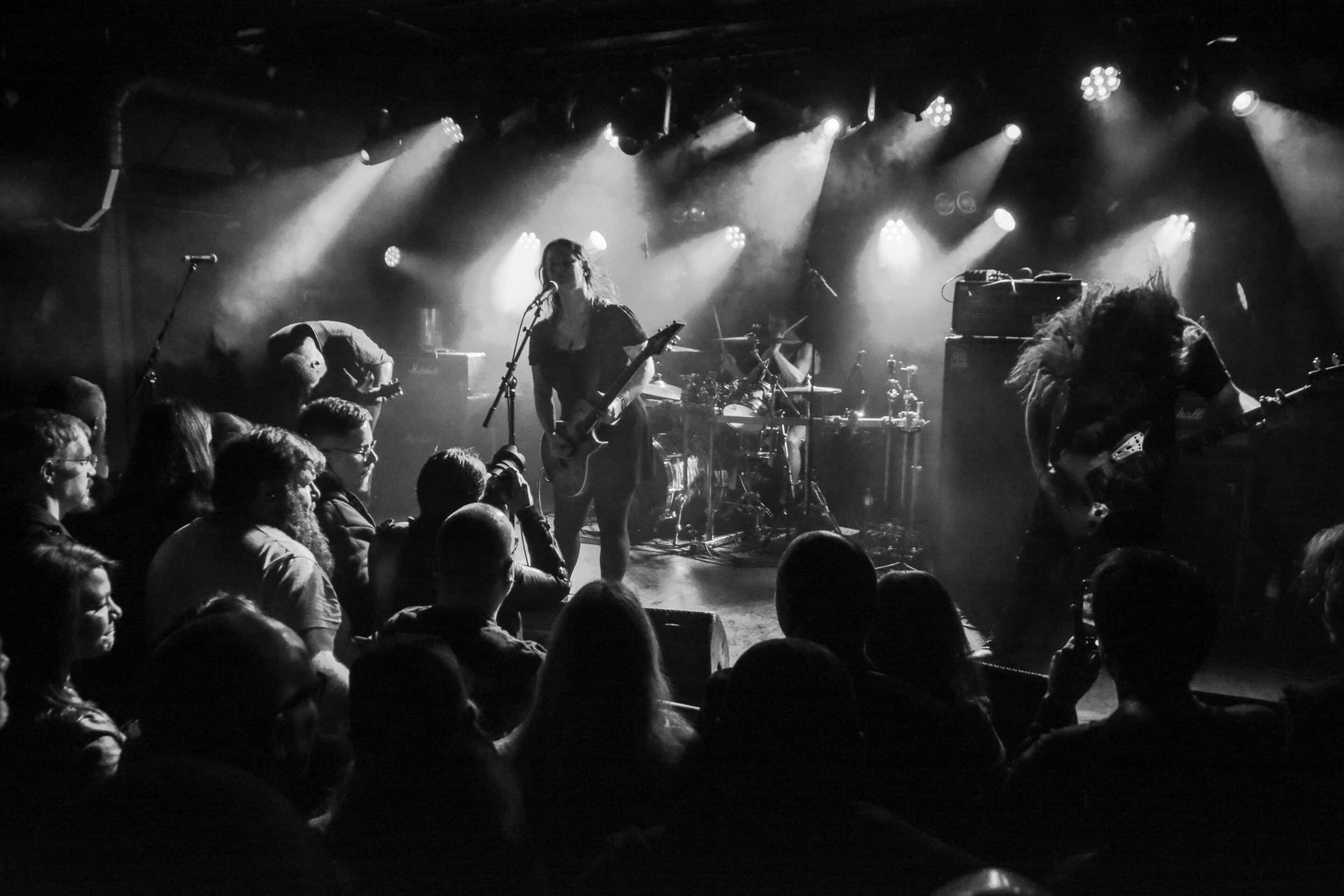
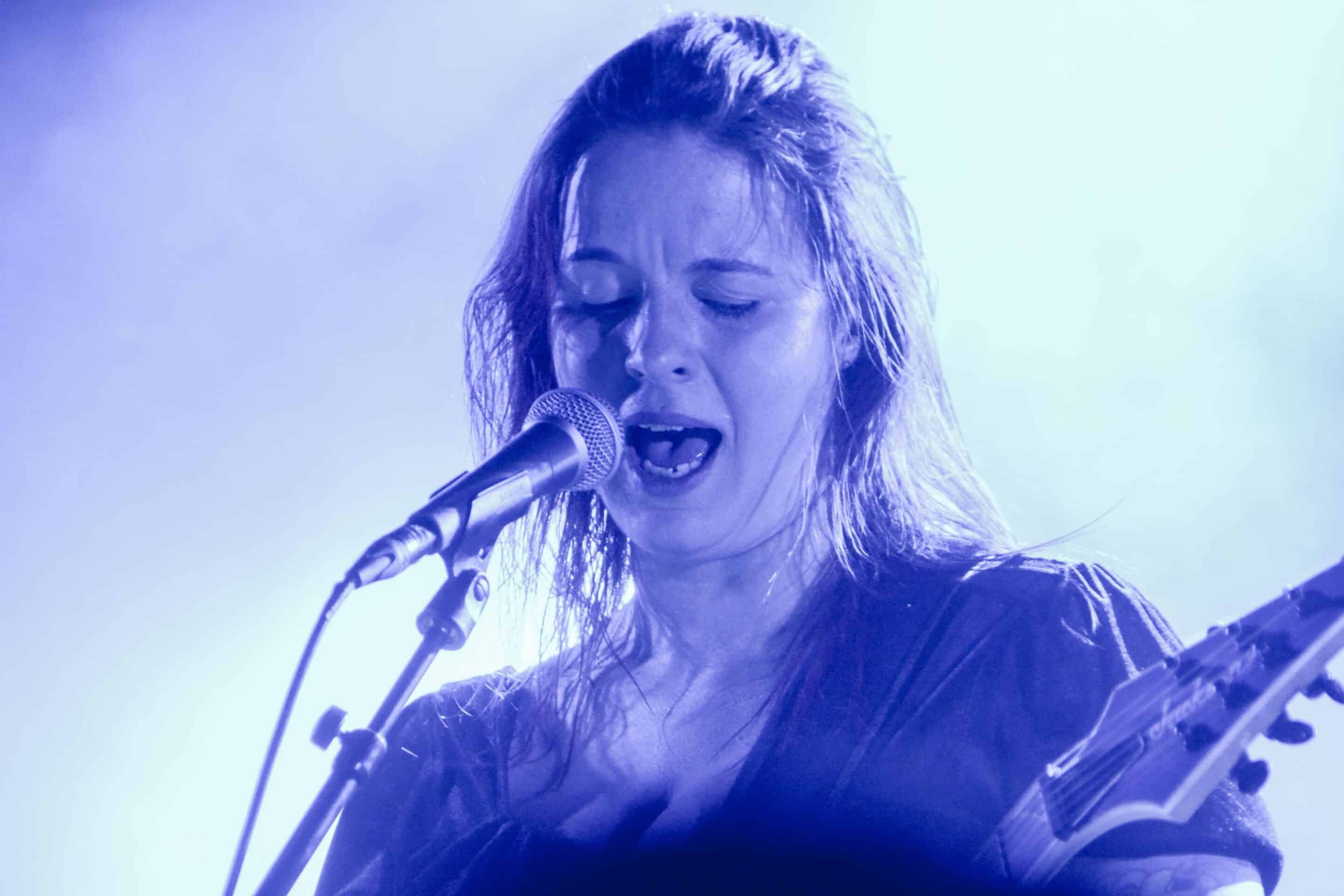
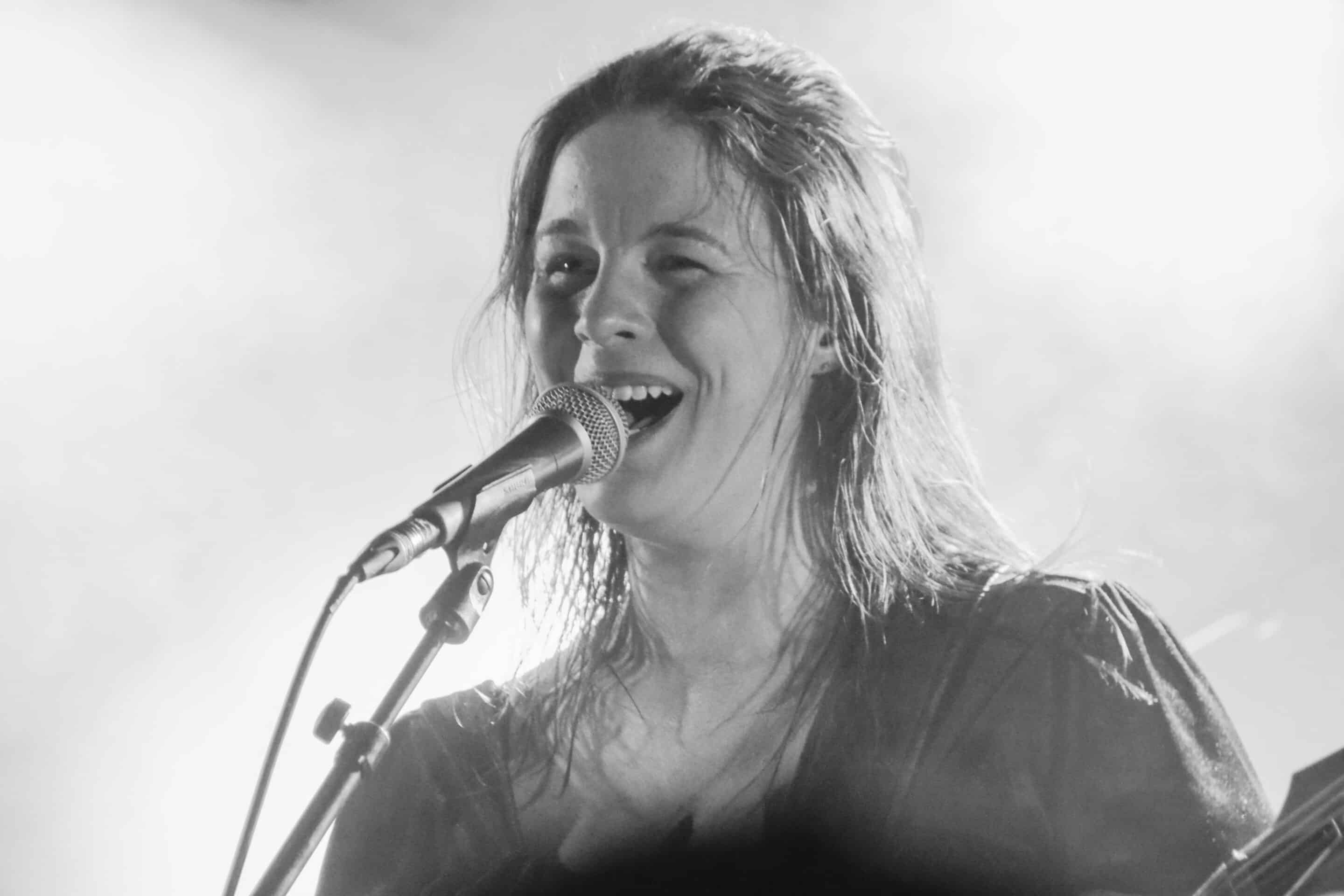
A fellépéstől kicsit kótyagos fejjel indultam vissza a pincébe, kezdődött a brit Svalbard fellépése. Elsőre nagyon ígéretesnek tűntek, de igazából további munkát is érdemelnének részemről. Az Egyesült Királyságból érkező társaság női énekkel-gitárral lépett föl; nem szívesen lennék a csinos brit menyecske házastársa, valószínűleg otthon egy családi üvöltözés során már eleve eldőlt, hogy kinek van igaza. Döbbenetes volt a kontraszt, amit a fellépés során lehetett látni: egy nagyjából 35 éves, aranyos, meghatódott csaj, akinek éppen a gyermekkori álma vált valóra azzal, hogy az Inferno-n játszhat, a dalok közben úgy leüvöltötte a hallgatóság fejét, hogy még a hegyi troll méretű fotós barátunk is vigyázzba állt a színpad mellett. Miután a lélek ennyire jóllakott, ezek után jött a test vágyainak kielégítése (nevezzük vacsorának), és ennek áldozatul esett a Nile. Döntést kellett hozni, hogy mi is legyen, és a megfejtés az volt, hogy a Gaerea-n első sorból szeretnék fotózni, ami egyben azt is jelenti, hogy időben vissza kell érni a Rockefeller-be.
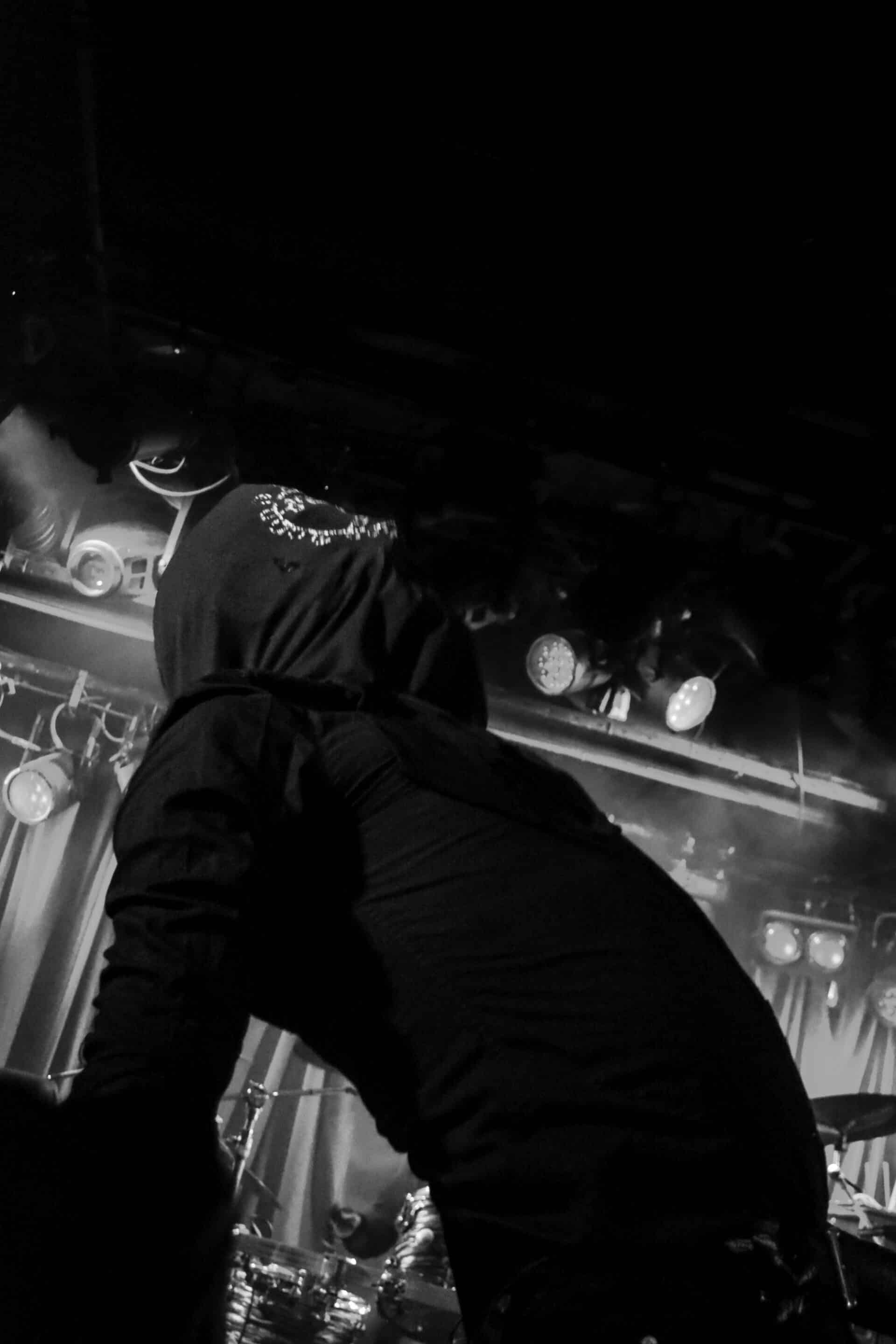
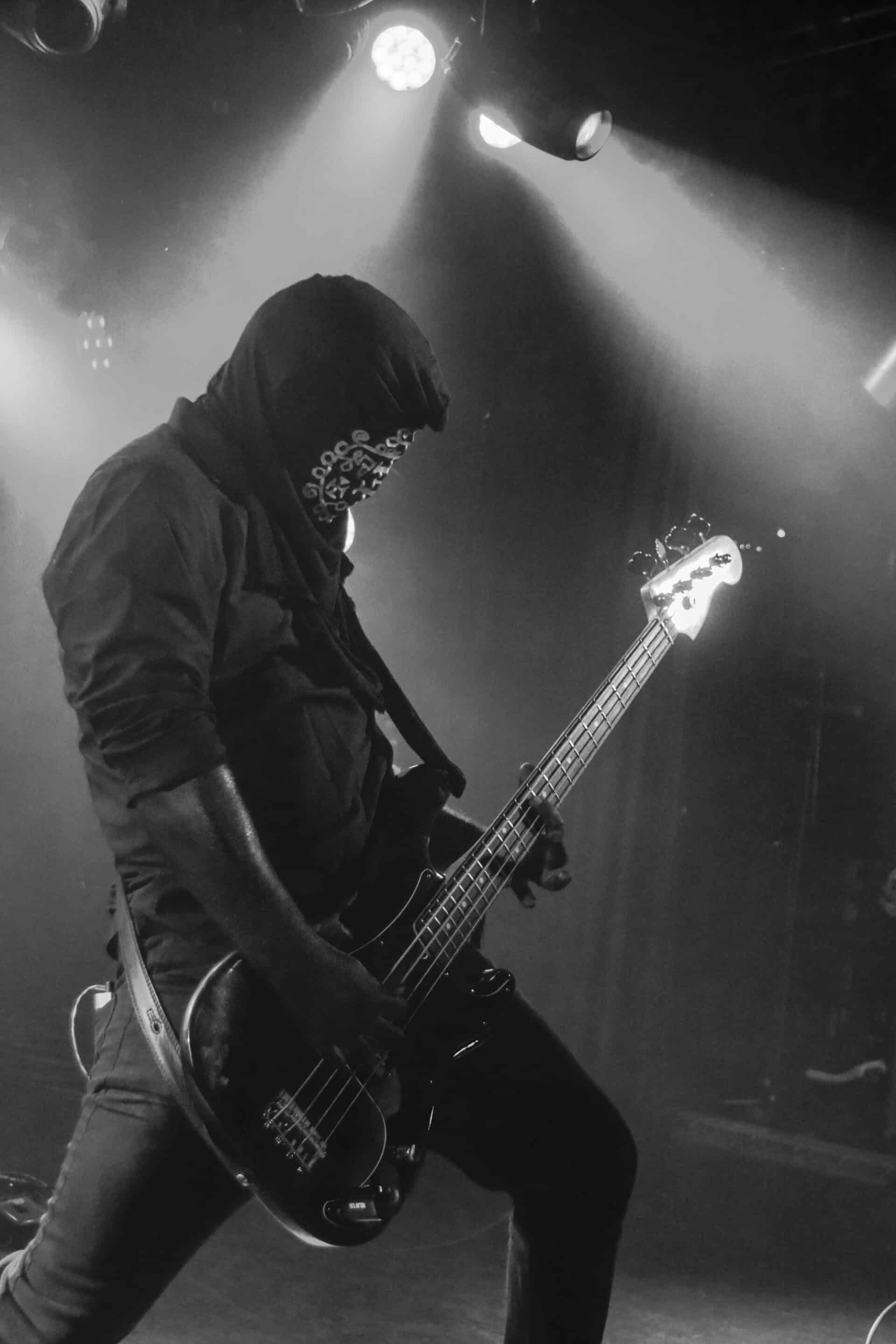
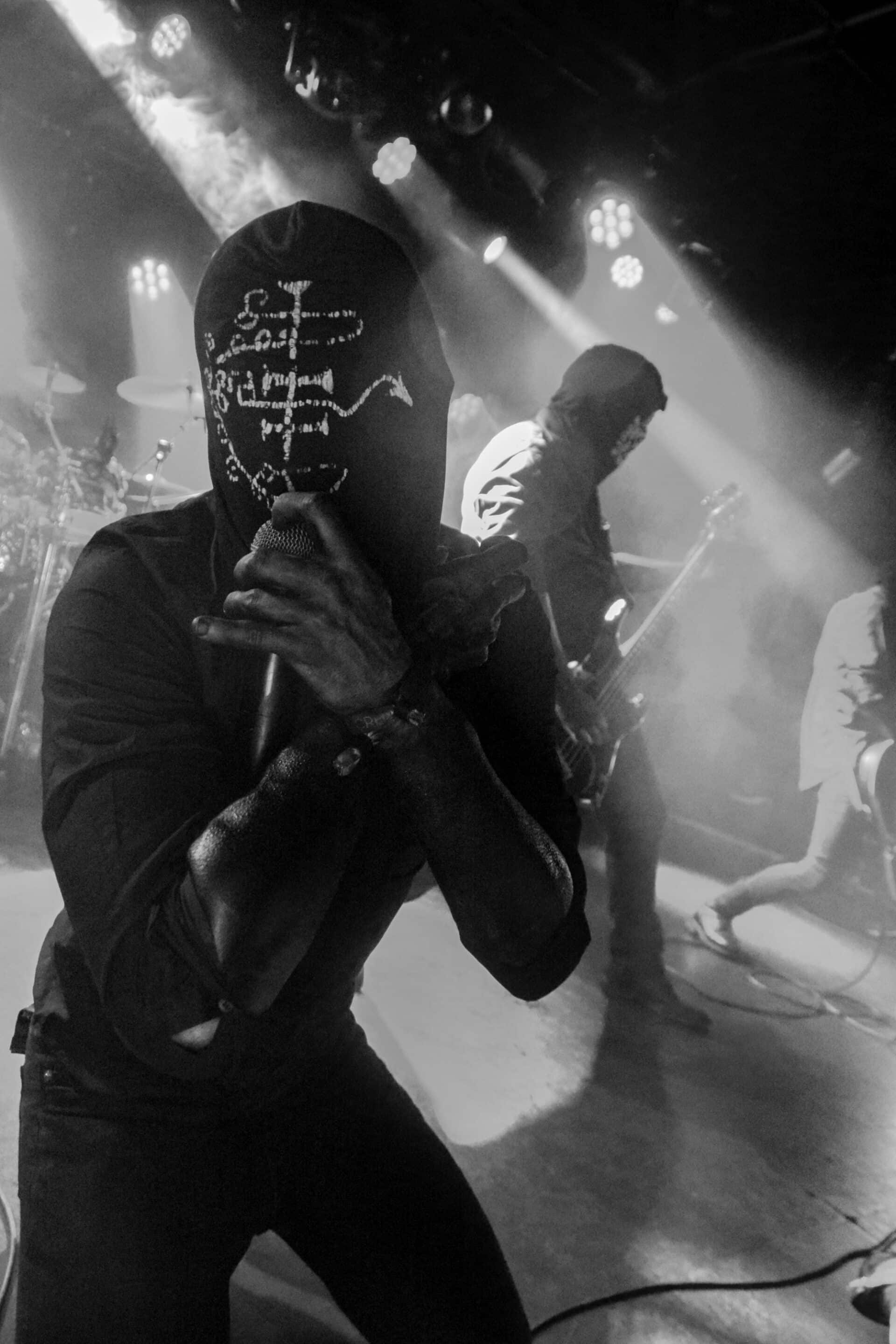
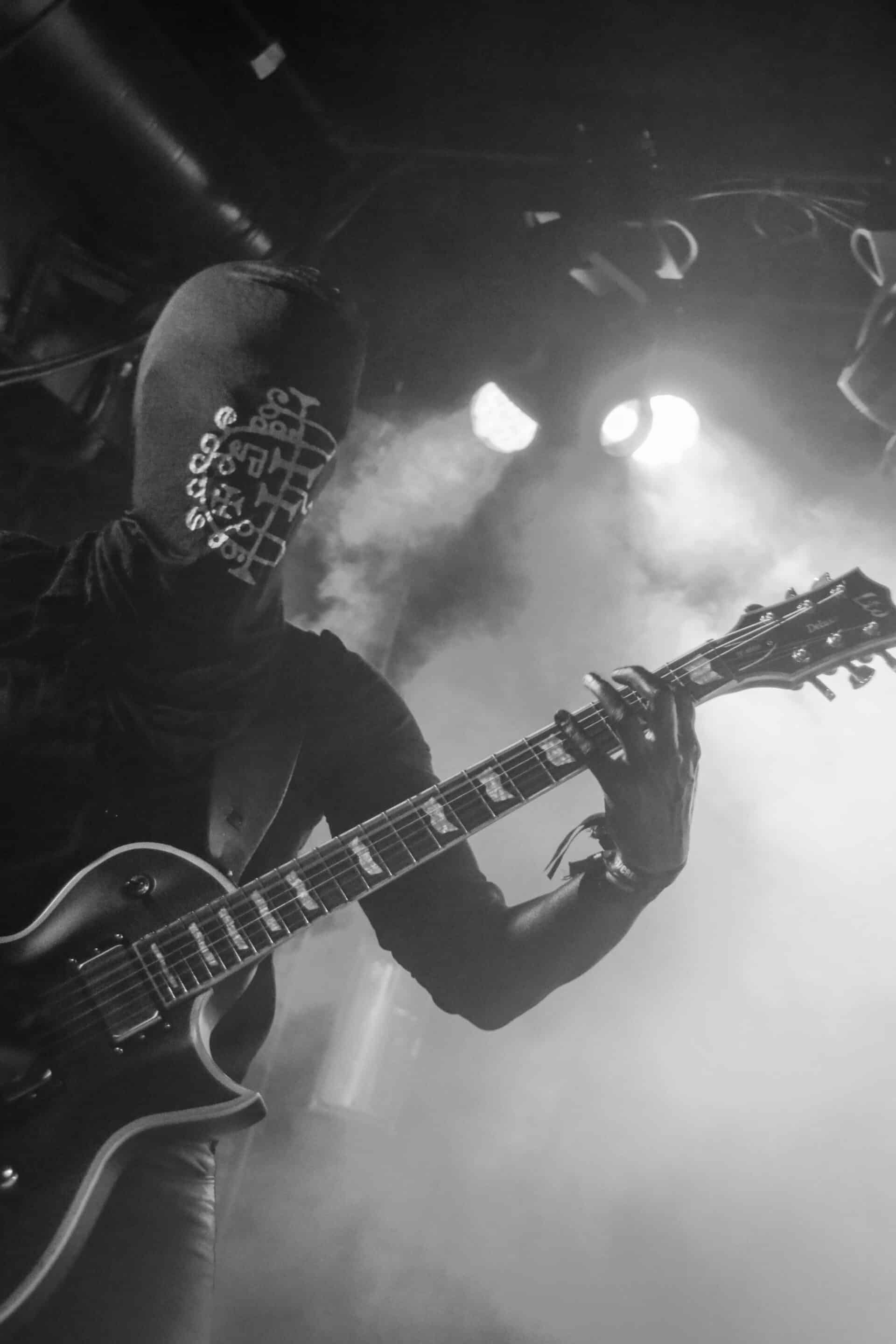
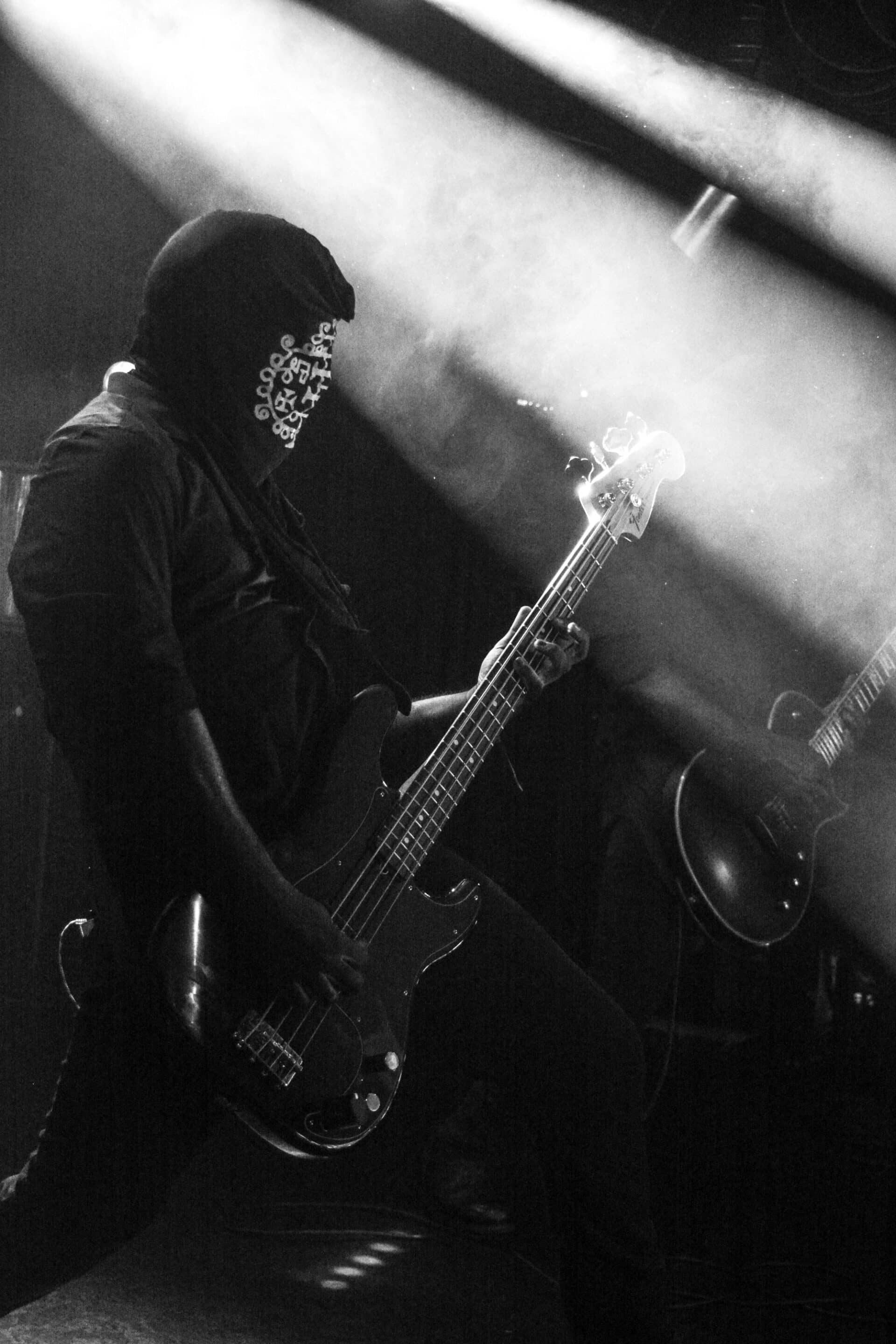
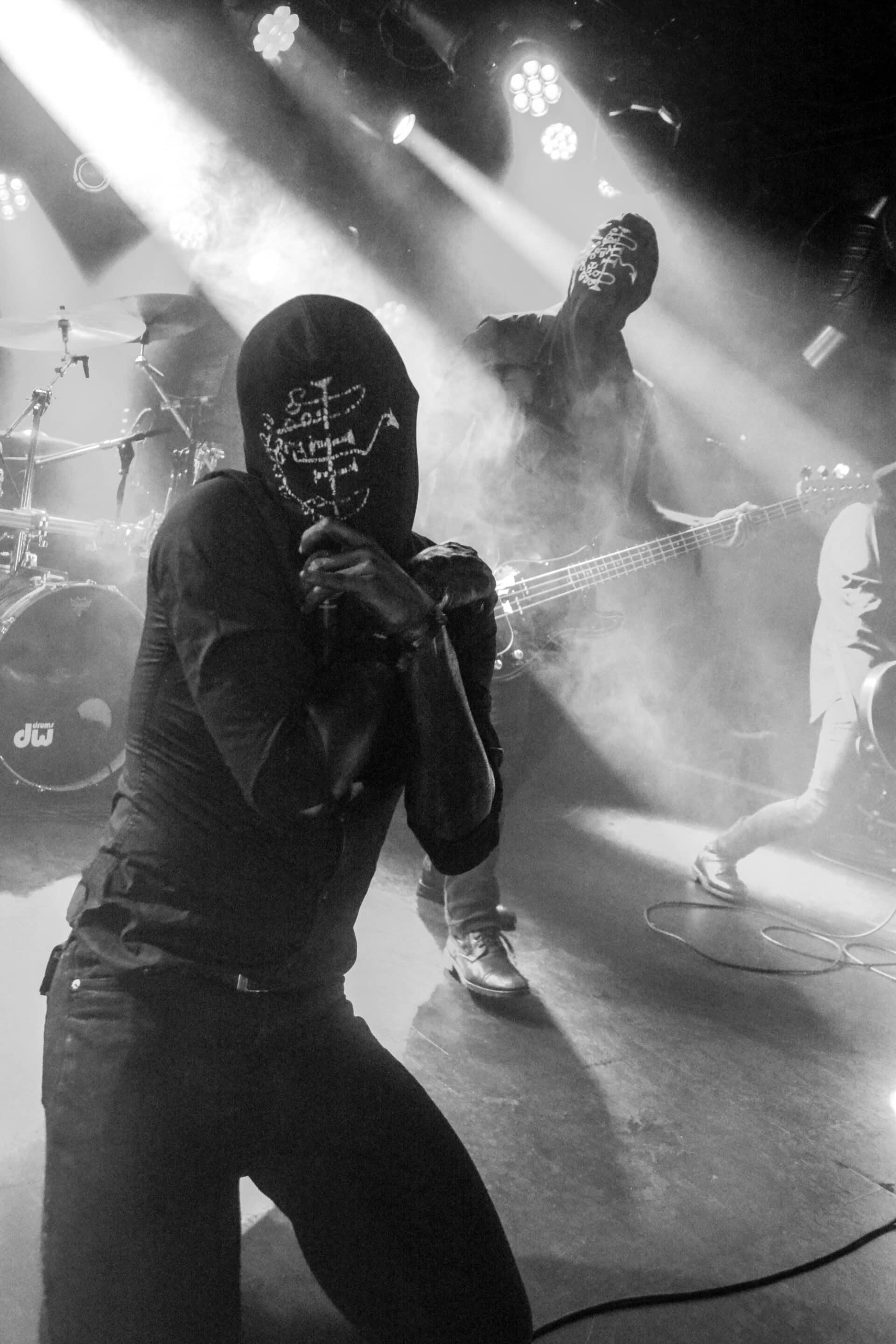
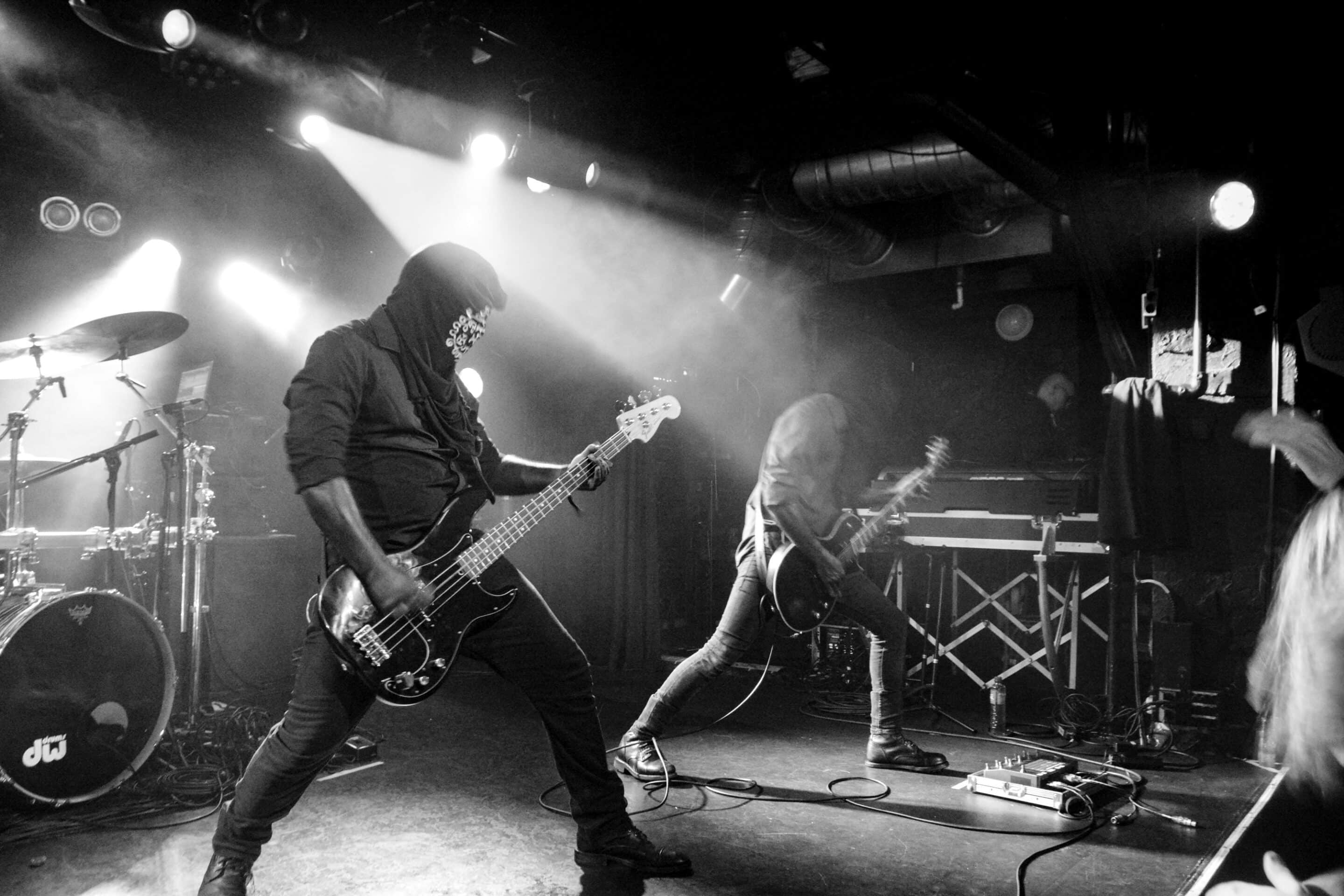
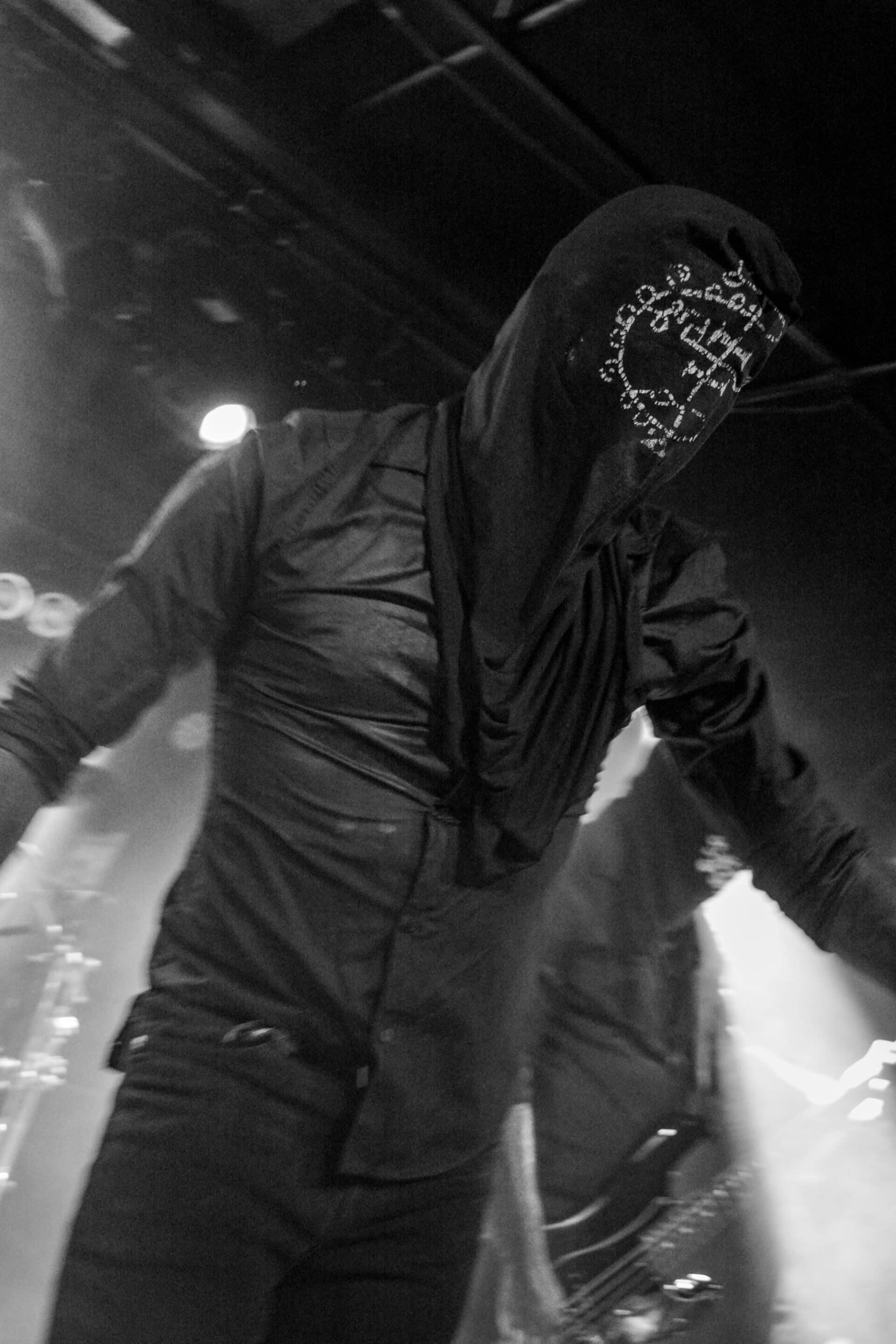
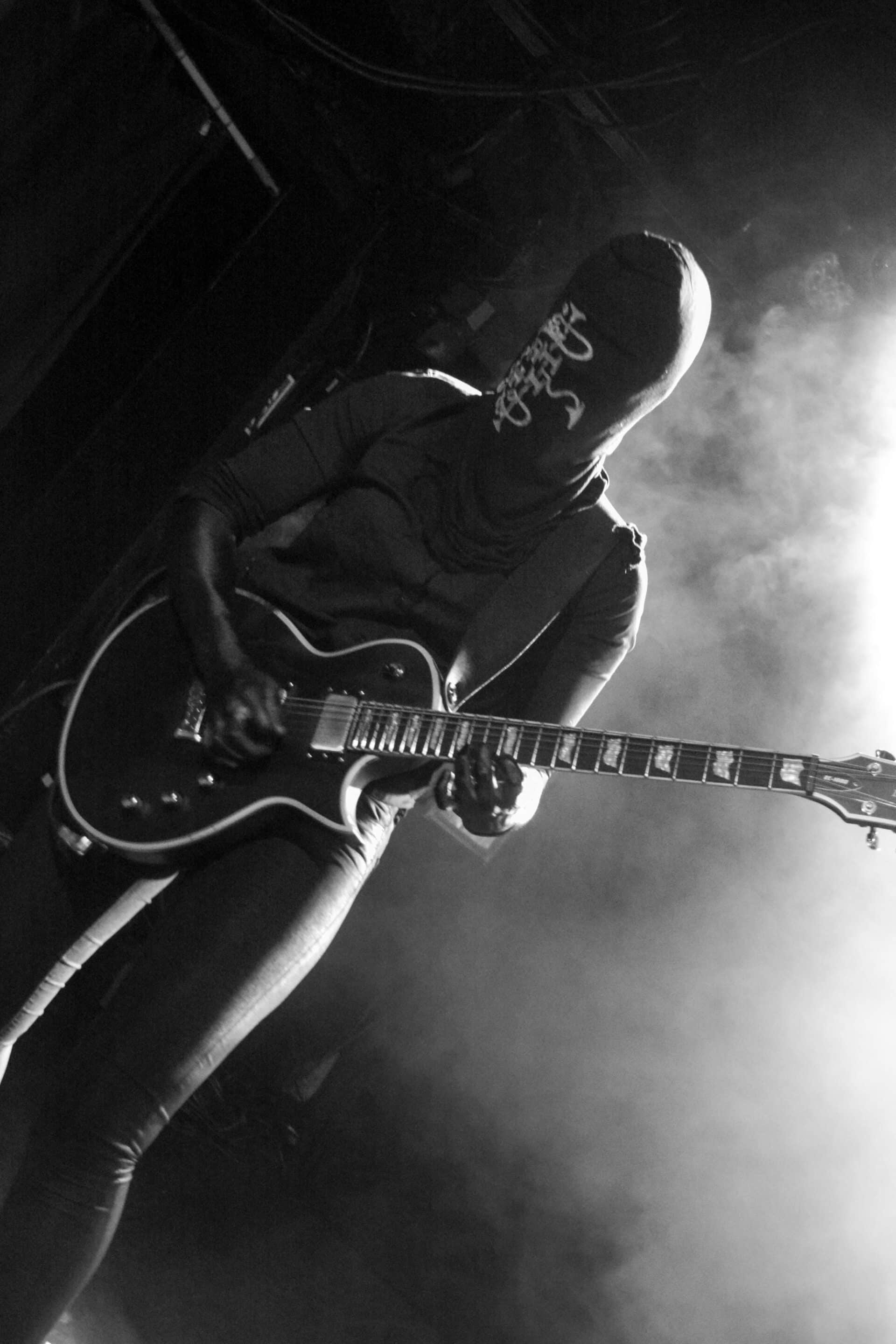
A portugálok a fesztivál egyik legjobb koncertjét nyomták: pici volt a színpad, nem igazán fértek el rajta rendesen, Guilherme pedig alaposan ki is használta a teret, időnként a fotósokat és a hallgatóságot is kupán vágva a vezeték nélküli mikrofonnal. Teljesen elmebeteg és elképesztő volt az a produkció, amit előadták. A kezdetek kezdetén engem nagyon idegesített Guilherme mozgása – sajnos egyre többen adják elő énekesként, hogy a zenével együtt mozognak, lebegnek, gömböt formálnak a levegőből, meg mindenféle egyéb pótcselekvéseket produkálnak – azonban ennek a jóembernek a működése több dolgot is ötvözött. Részint mint karmester dirigálta a fellépőket, részint a verbális kifejezést támogatta, és részint pedig egyfajta táncra emlékeztető mozgás volt amit produkált – úgyhogy revideáltam eddig nézeteimet a Gaerea színpadi mozgásáról. Még egy megjegyzés: változott a felállás, és most a színpadi jobbon Sonja Schuringa gyötörte a húrokat – vélhetően a hölgy a pesti fellépésen is tiszteletét fogja tenni. Gondolom, nem kell említenem, hogy teltház volt, de sajnos meg kellett hoznom azt a szomorú döntést, hogy a Gaerea vége előtt eljőve elkezdjek a Watain-ra sorba állni.
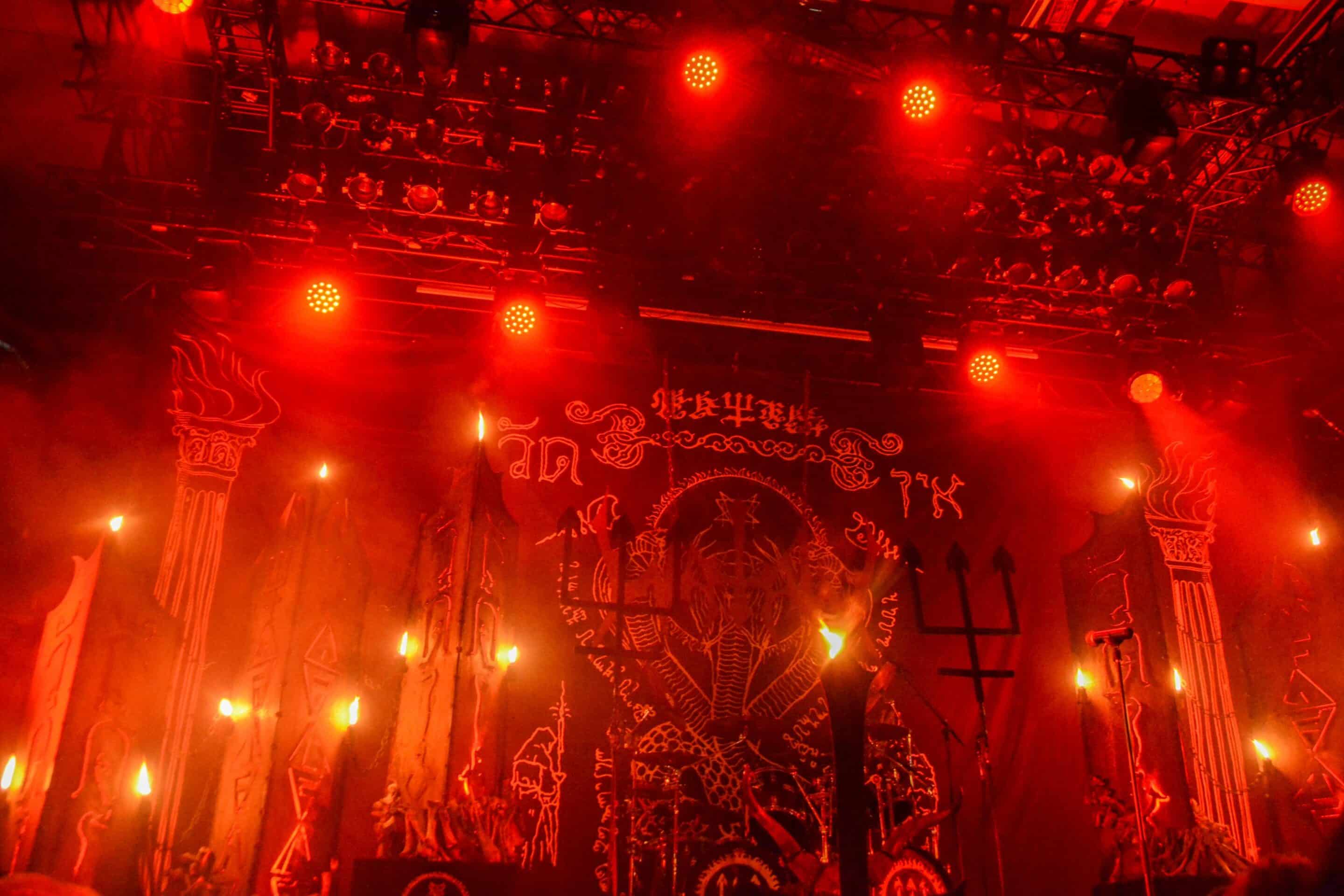
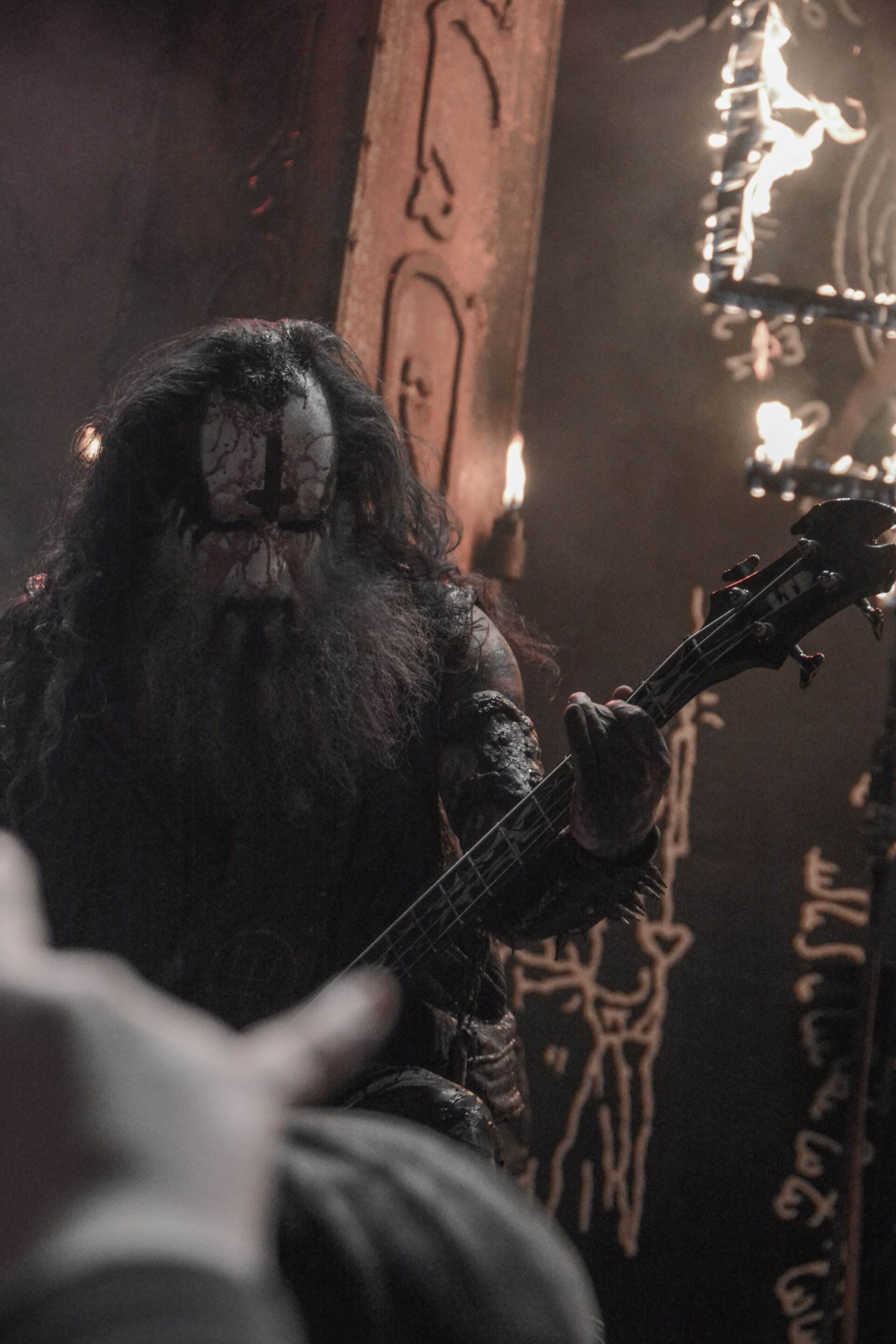
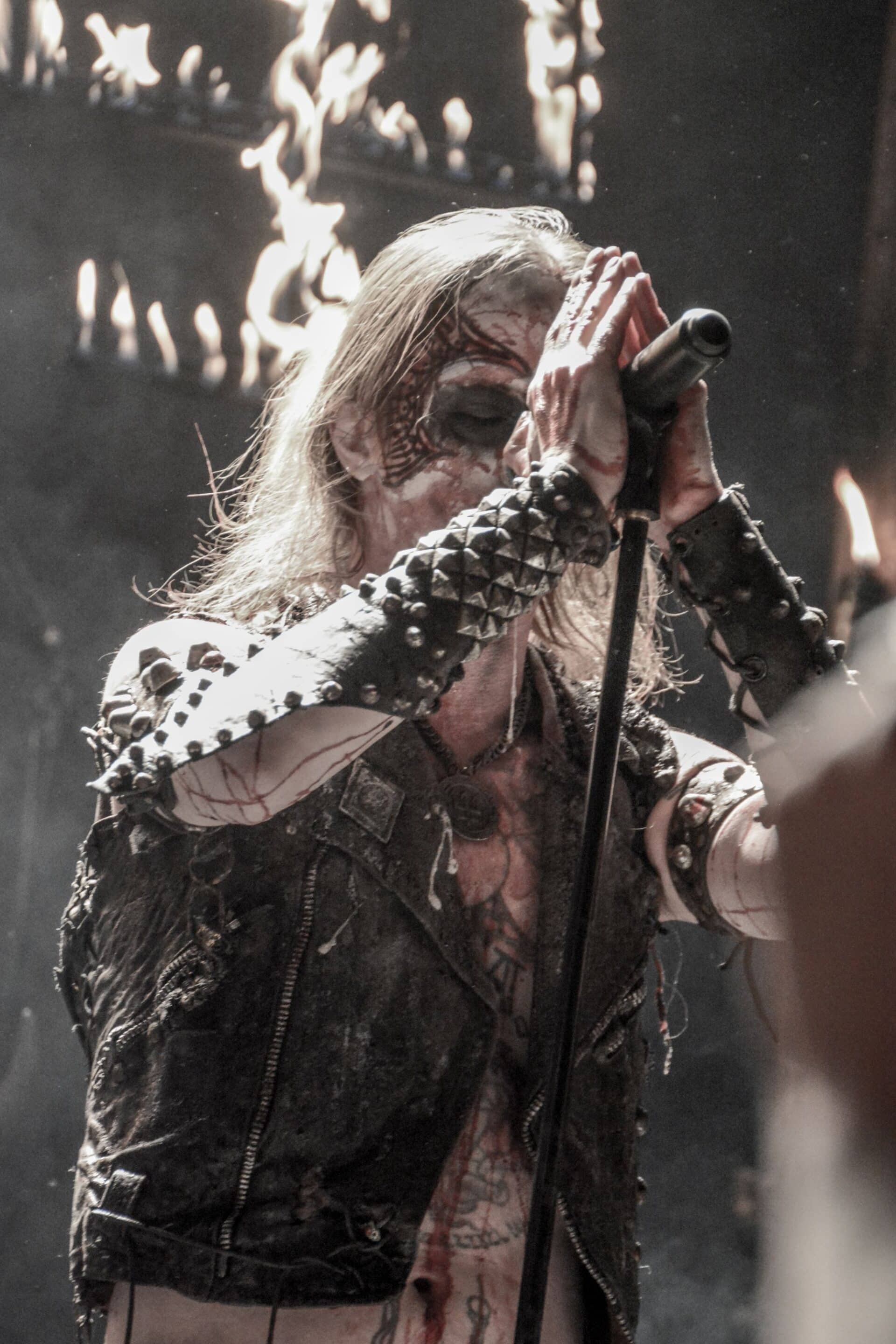
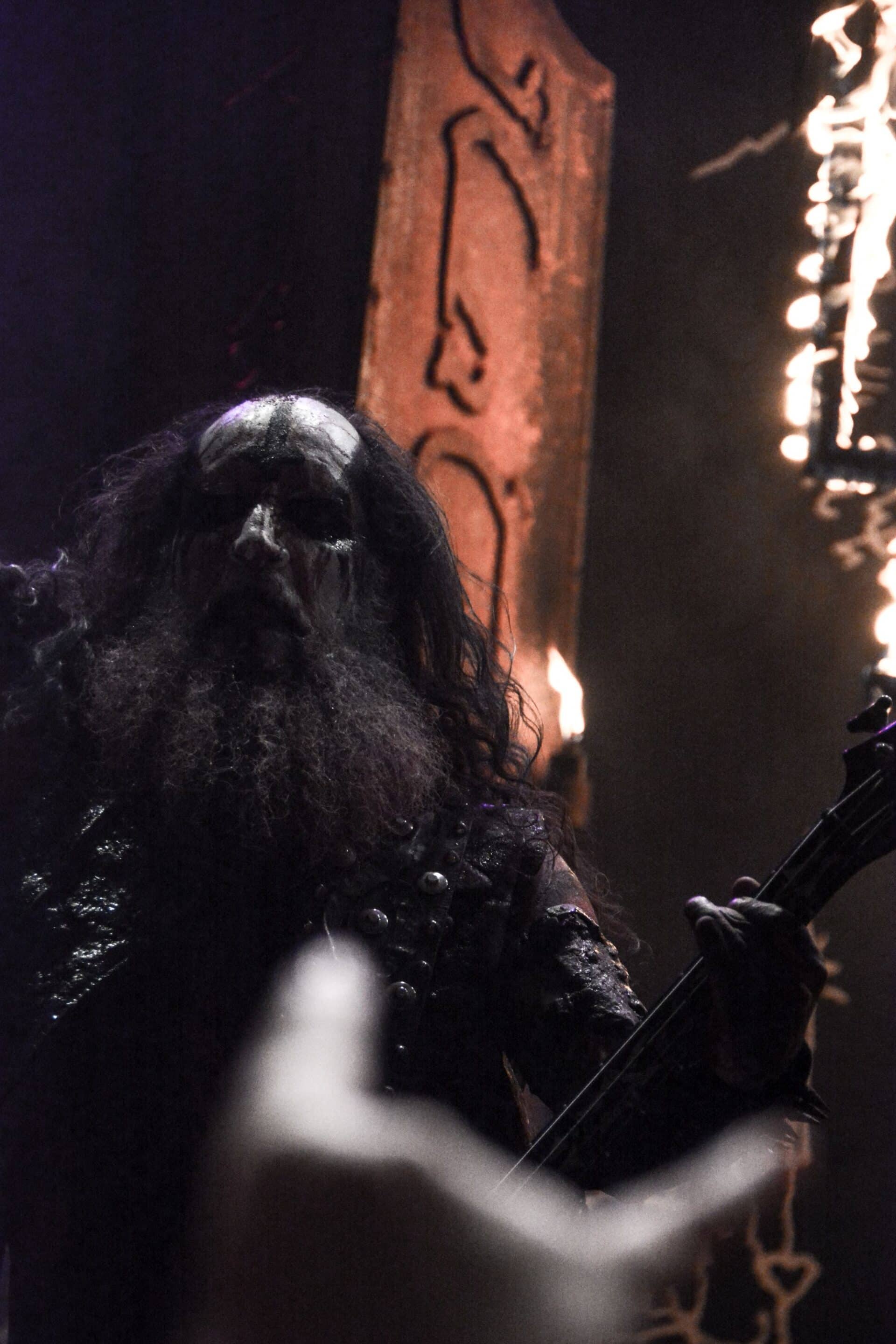
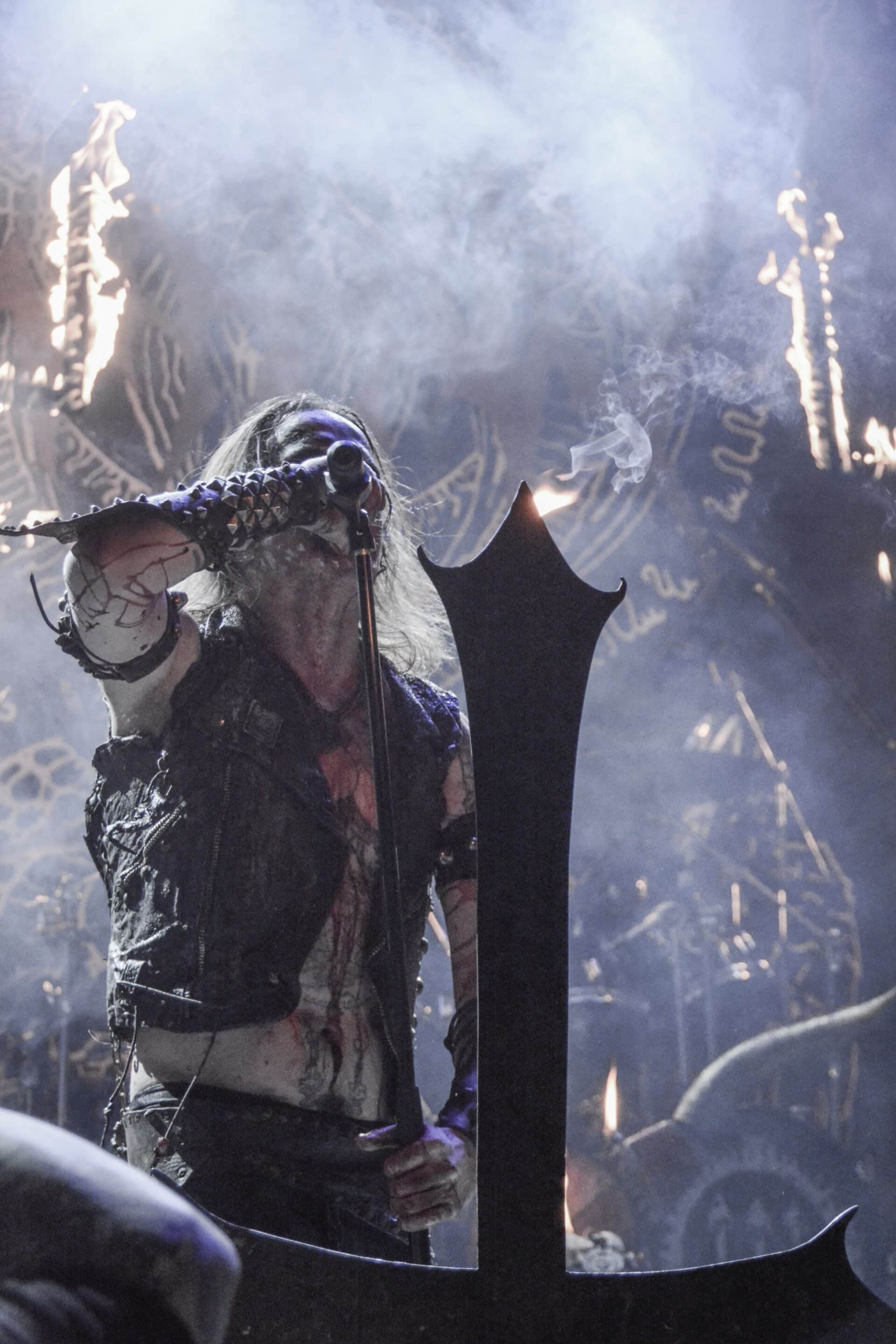
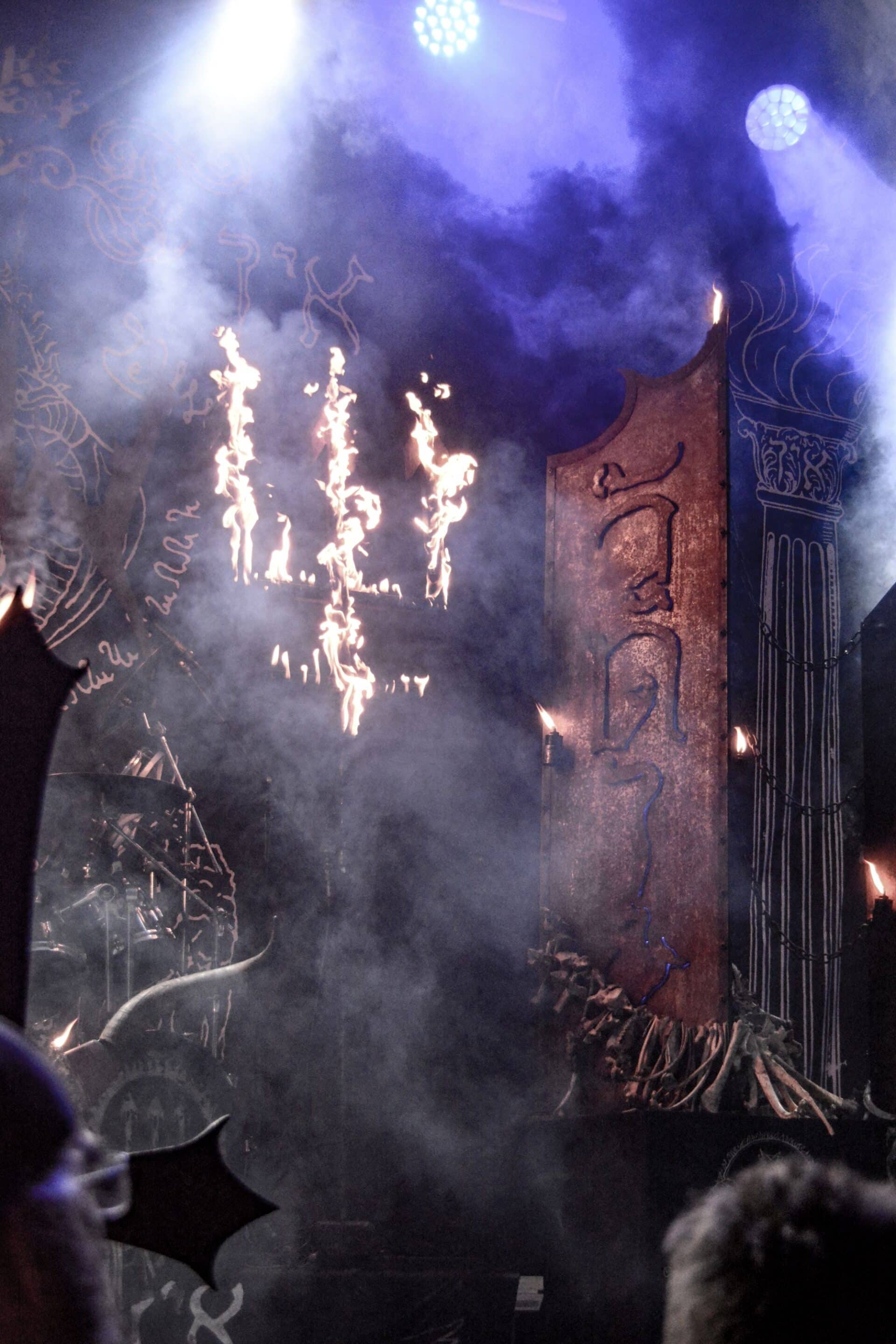
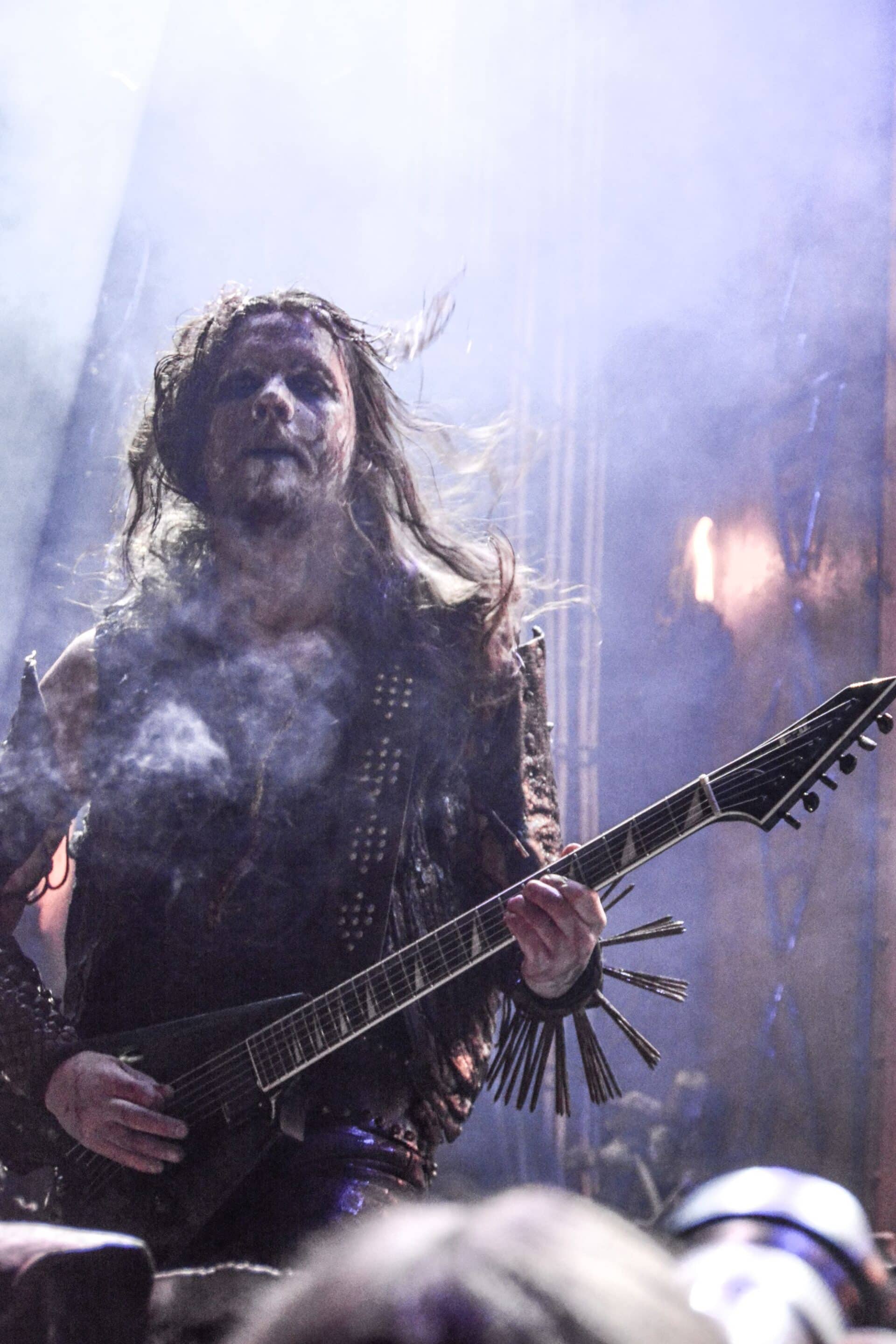
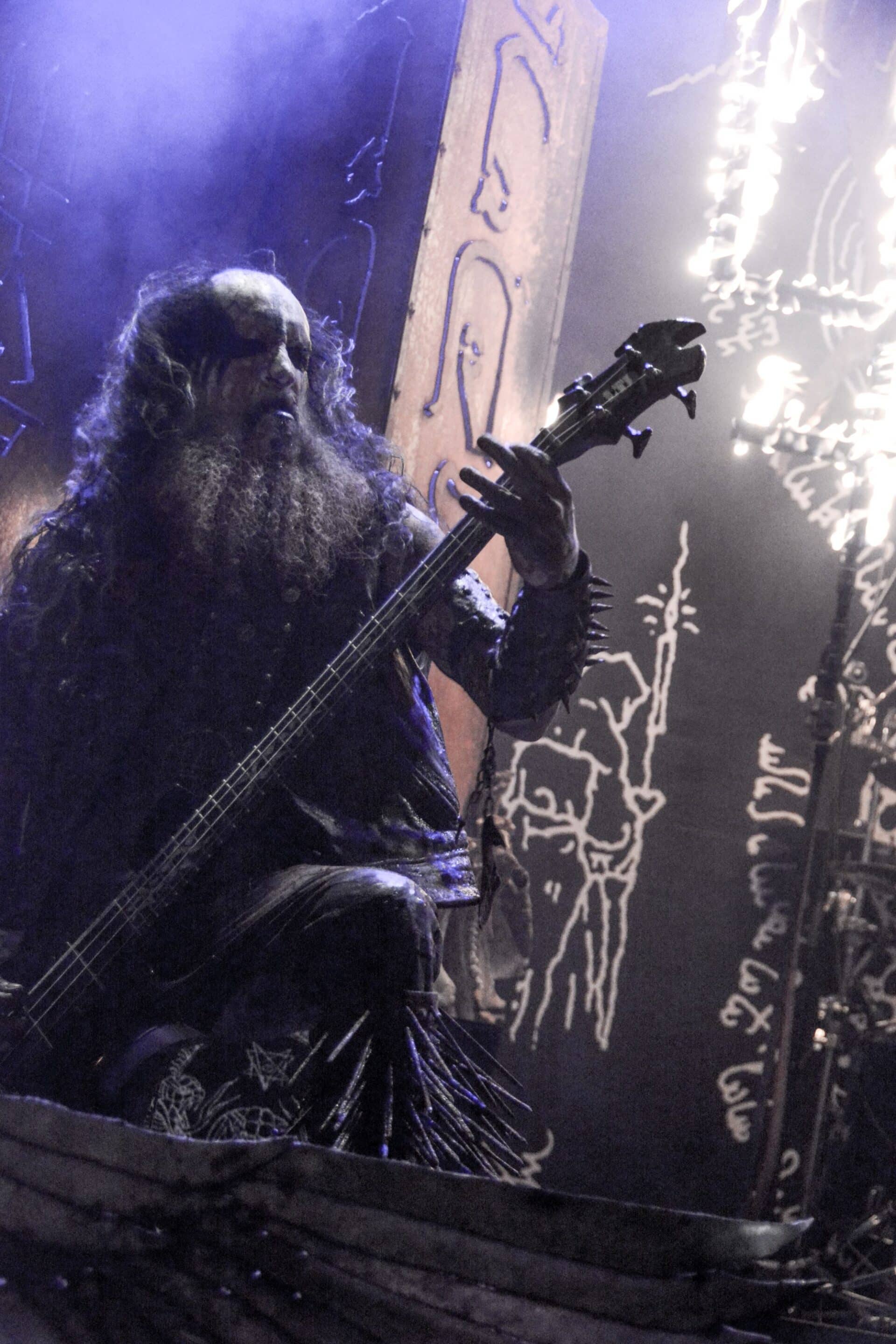
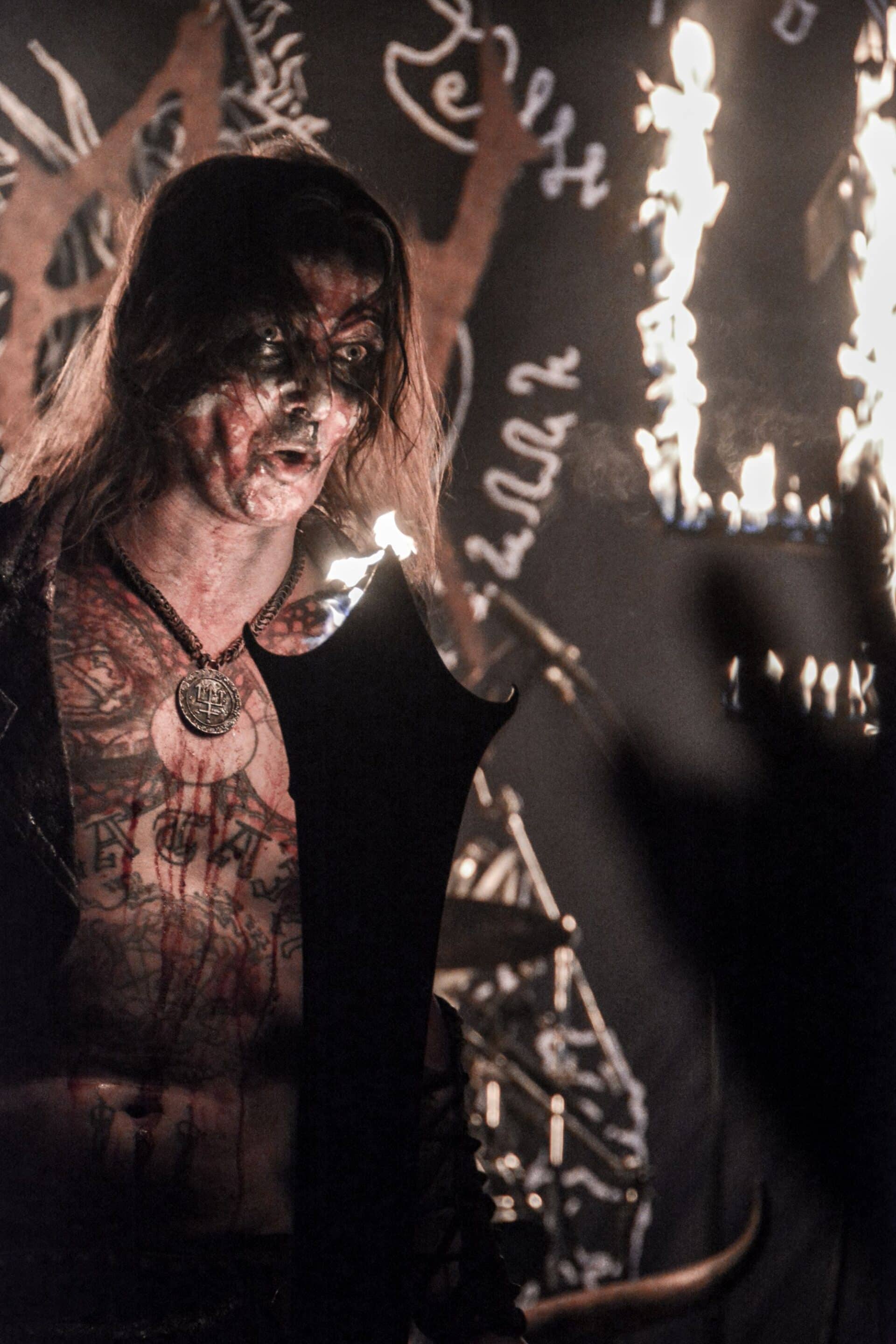
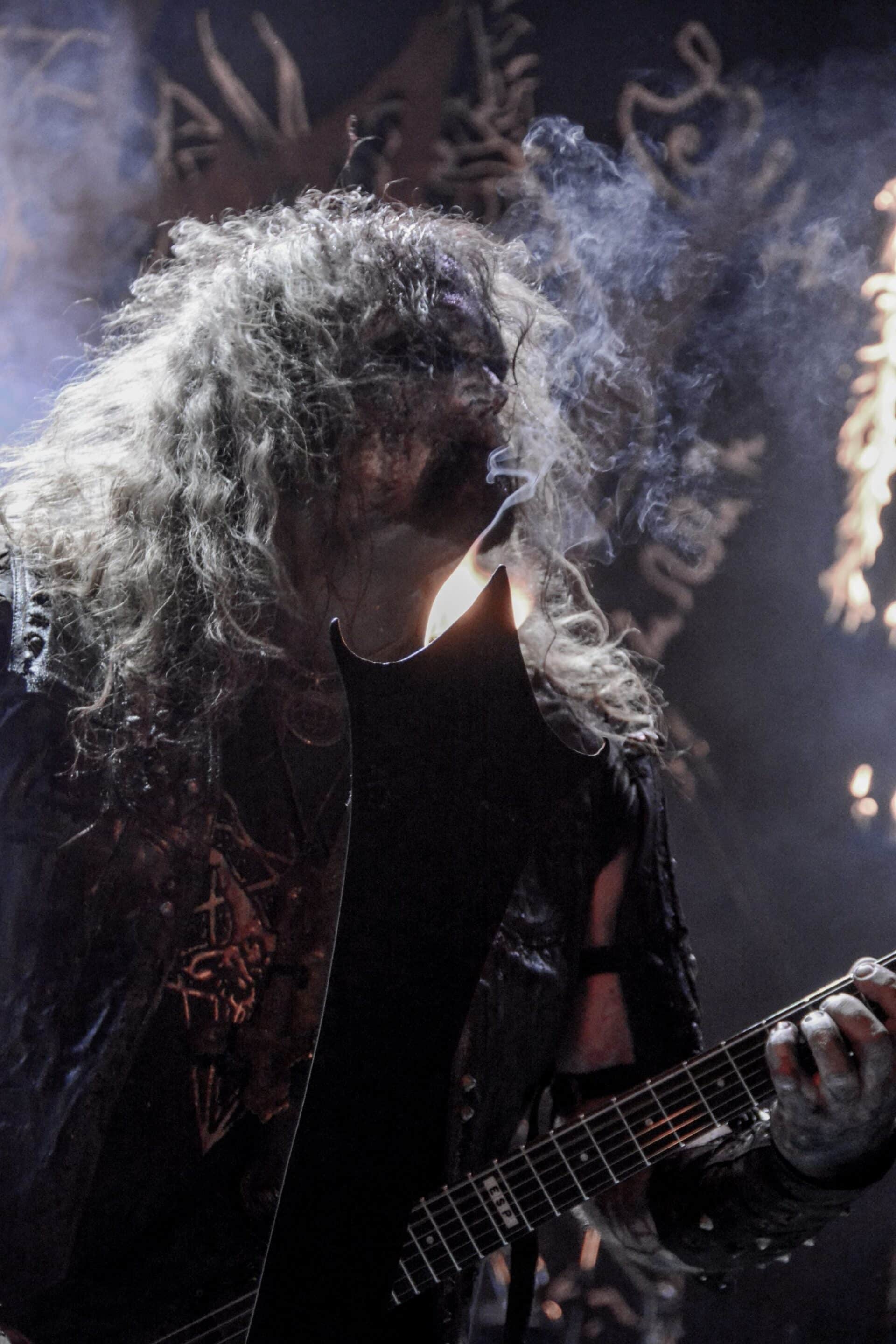
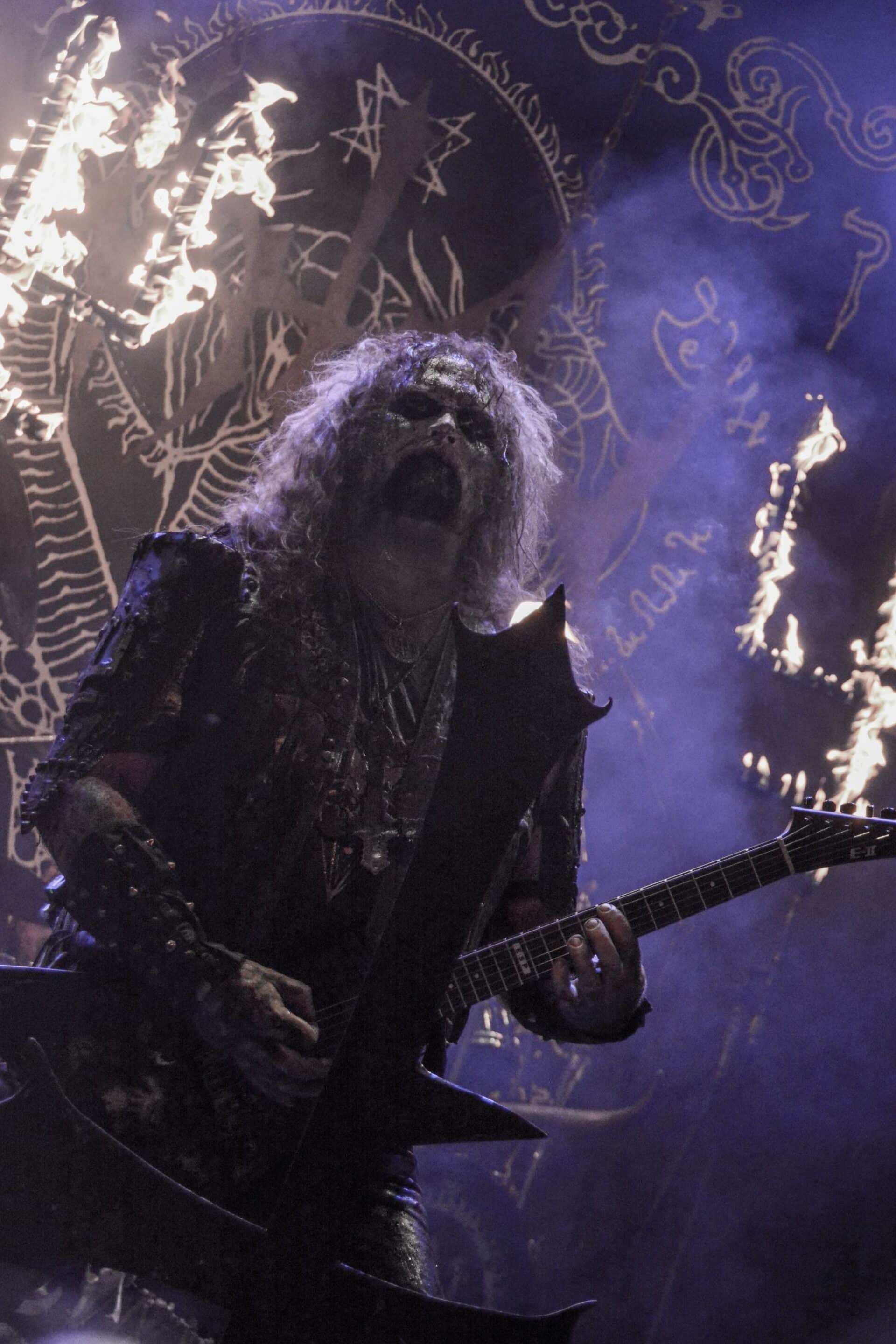
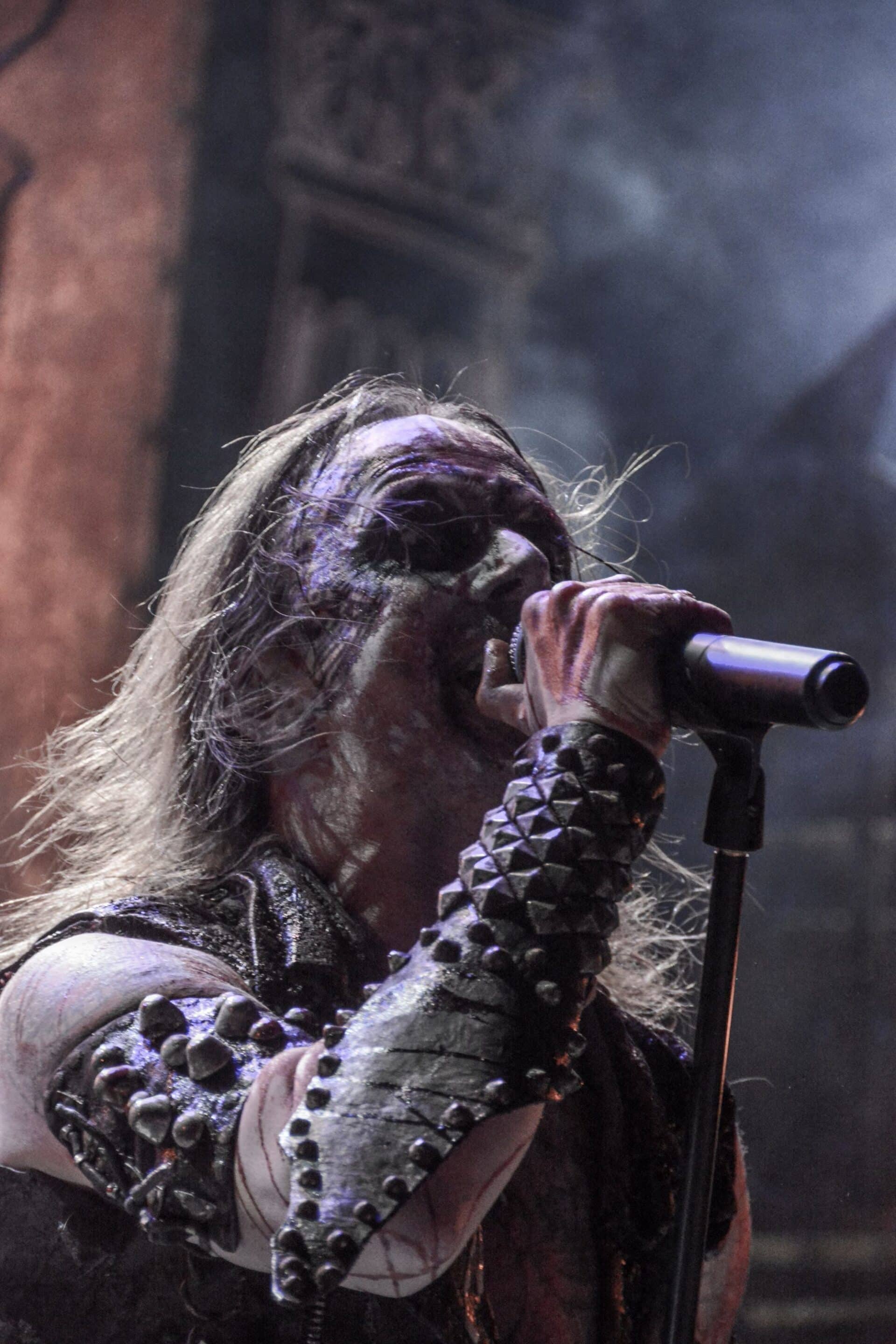
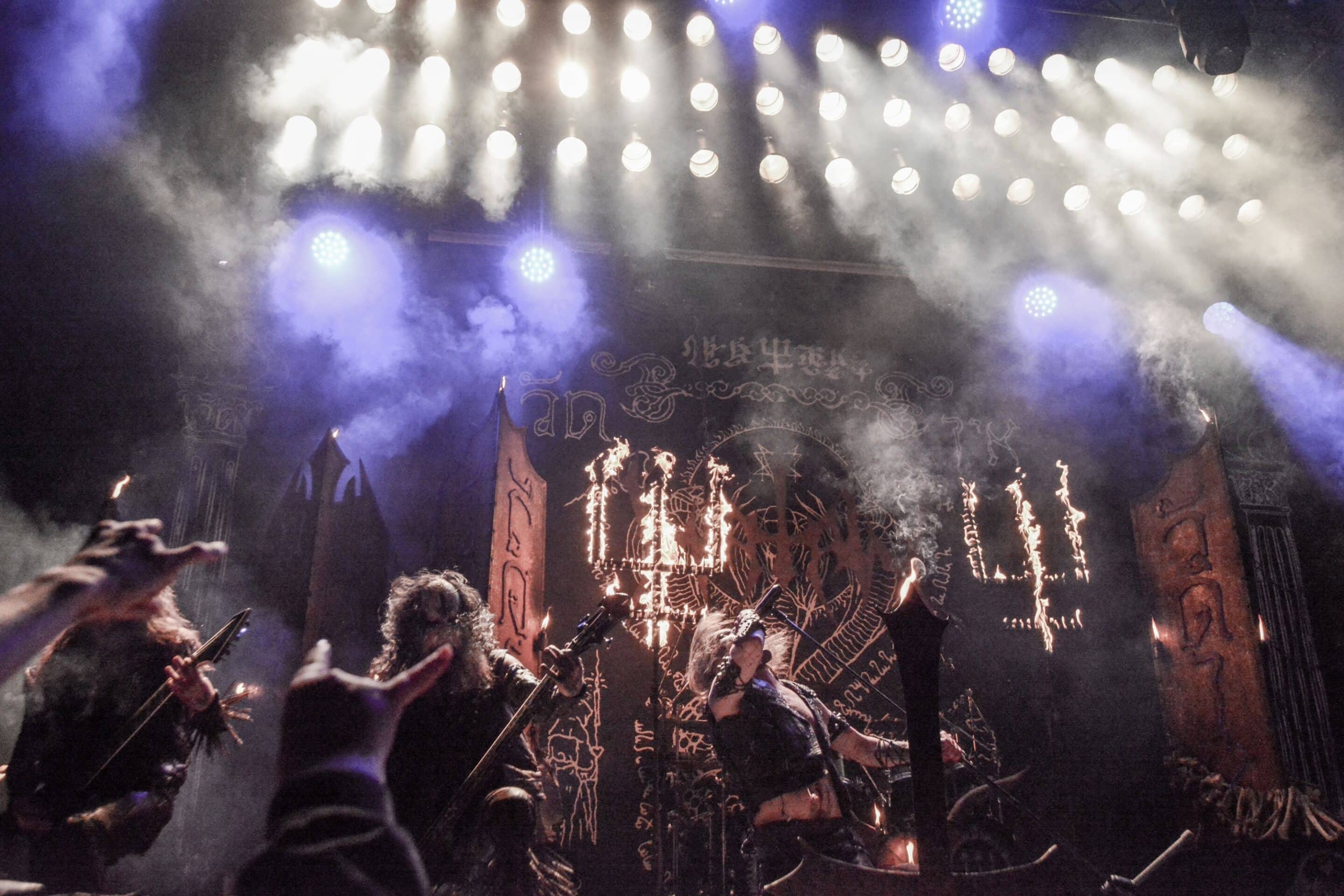
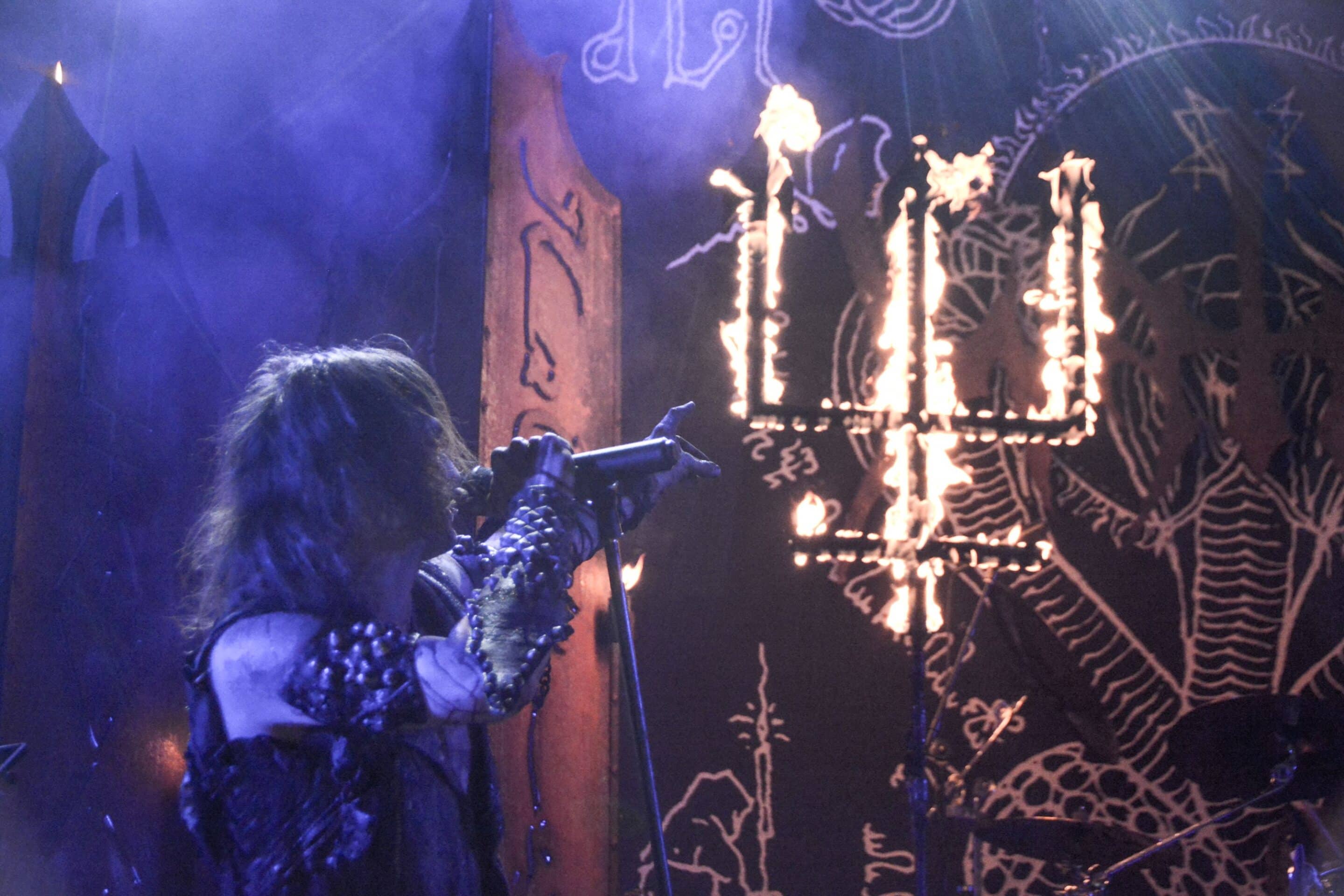
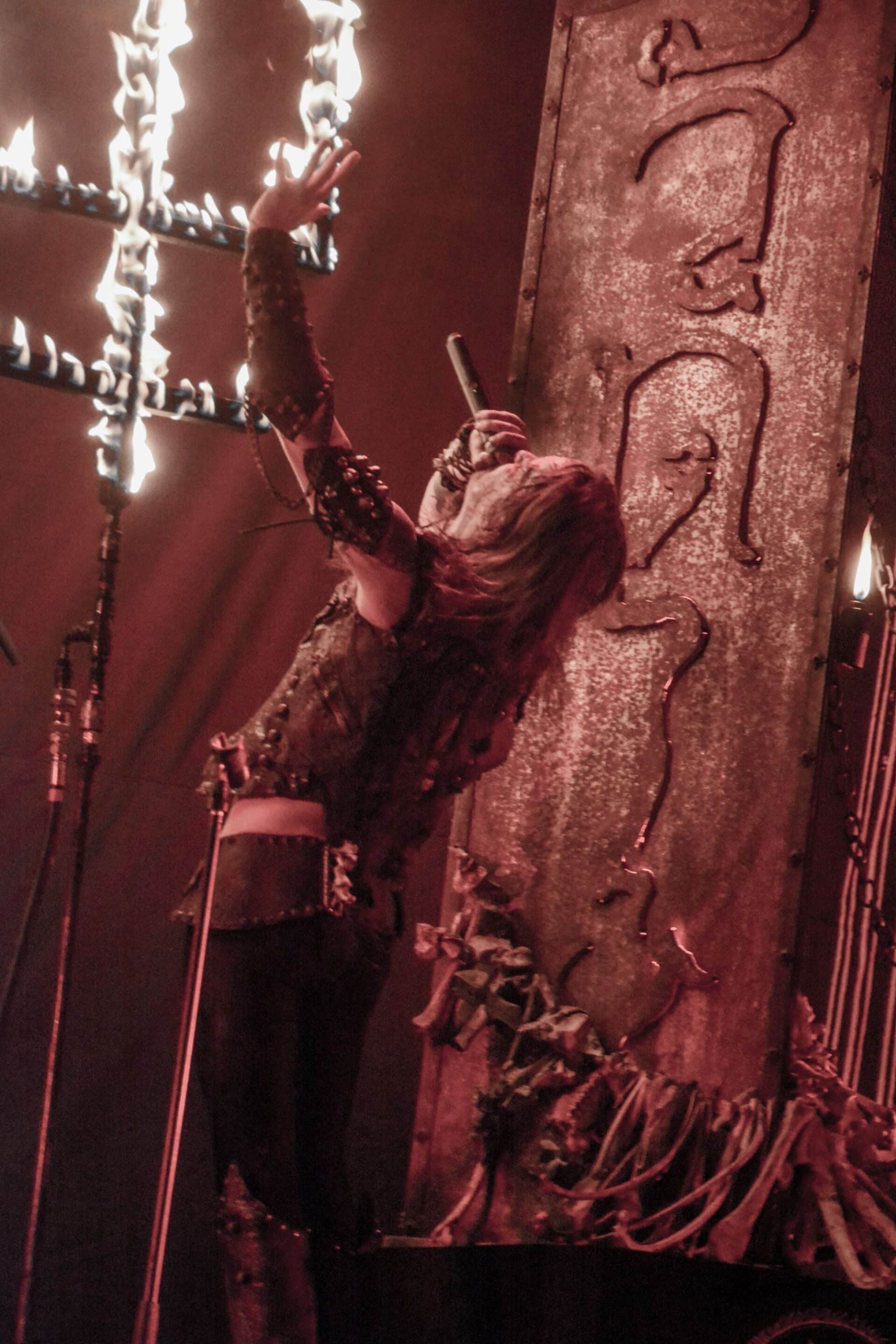
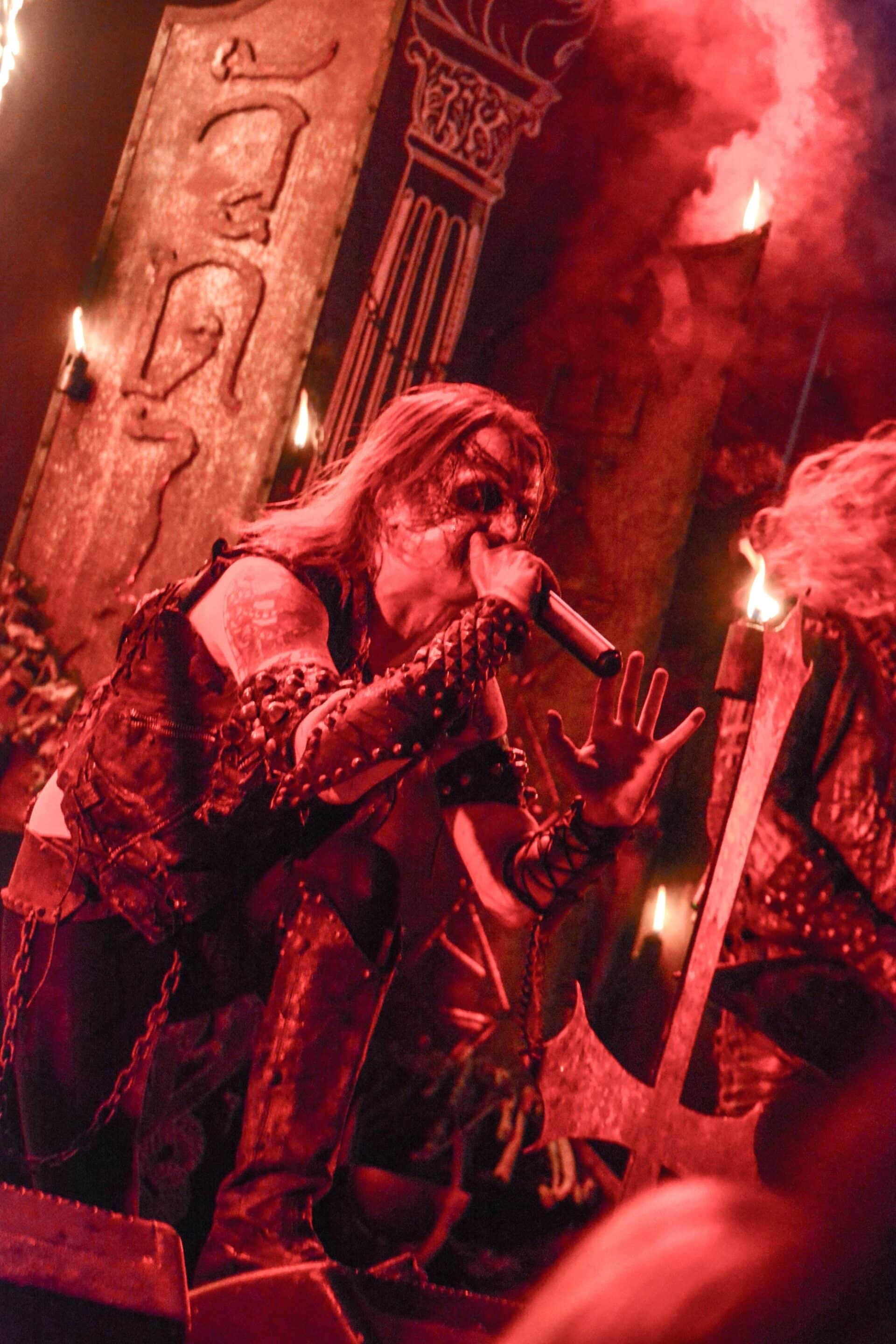
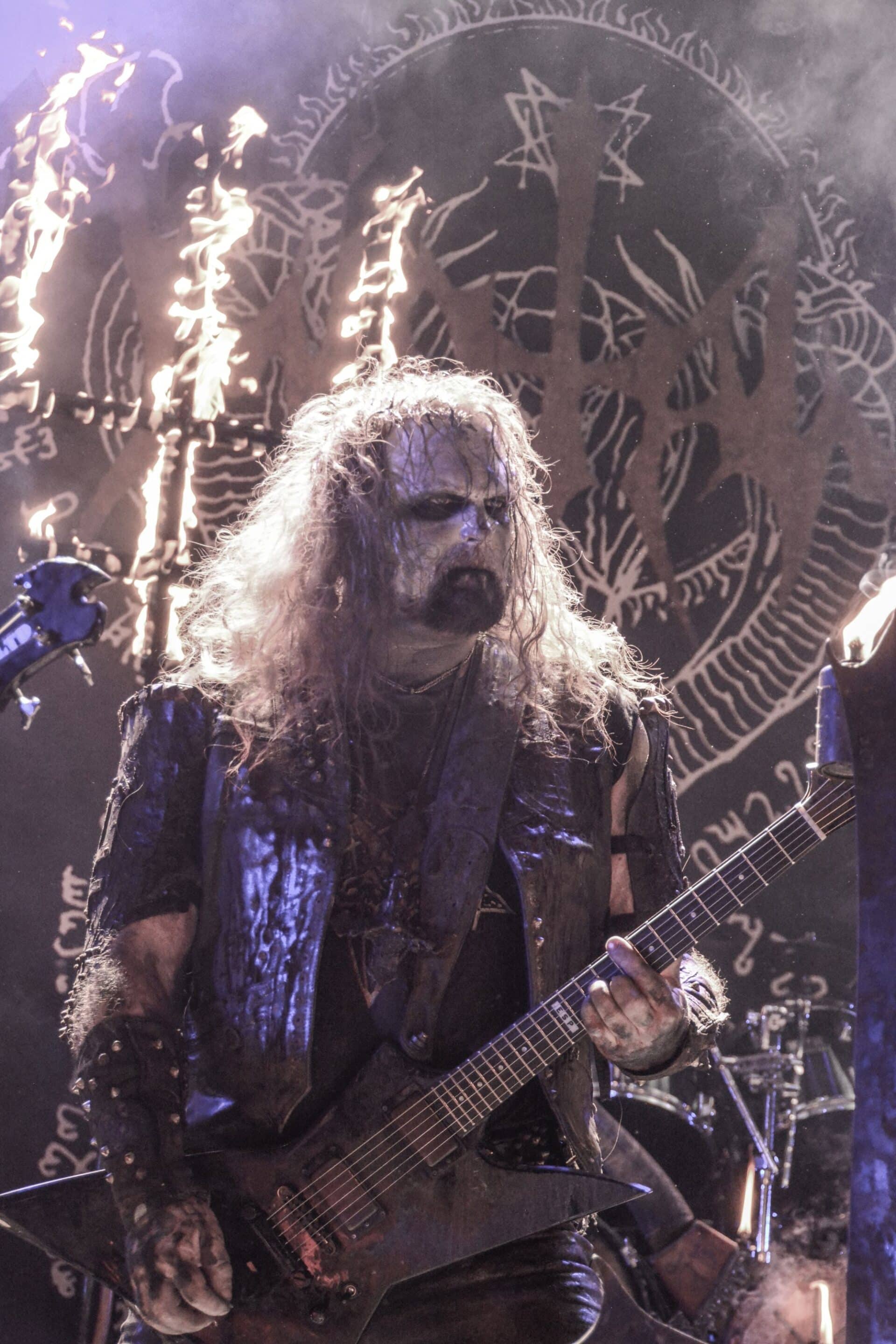
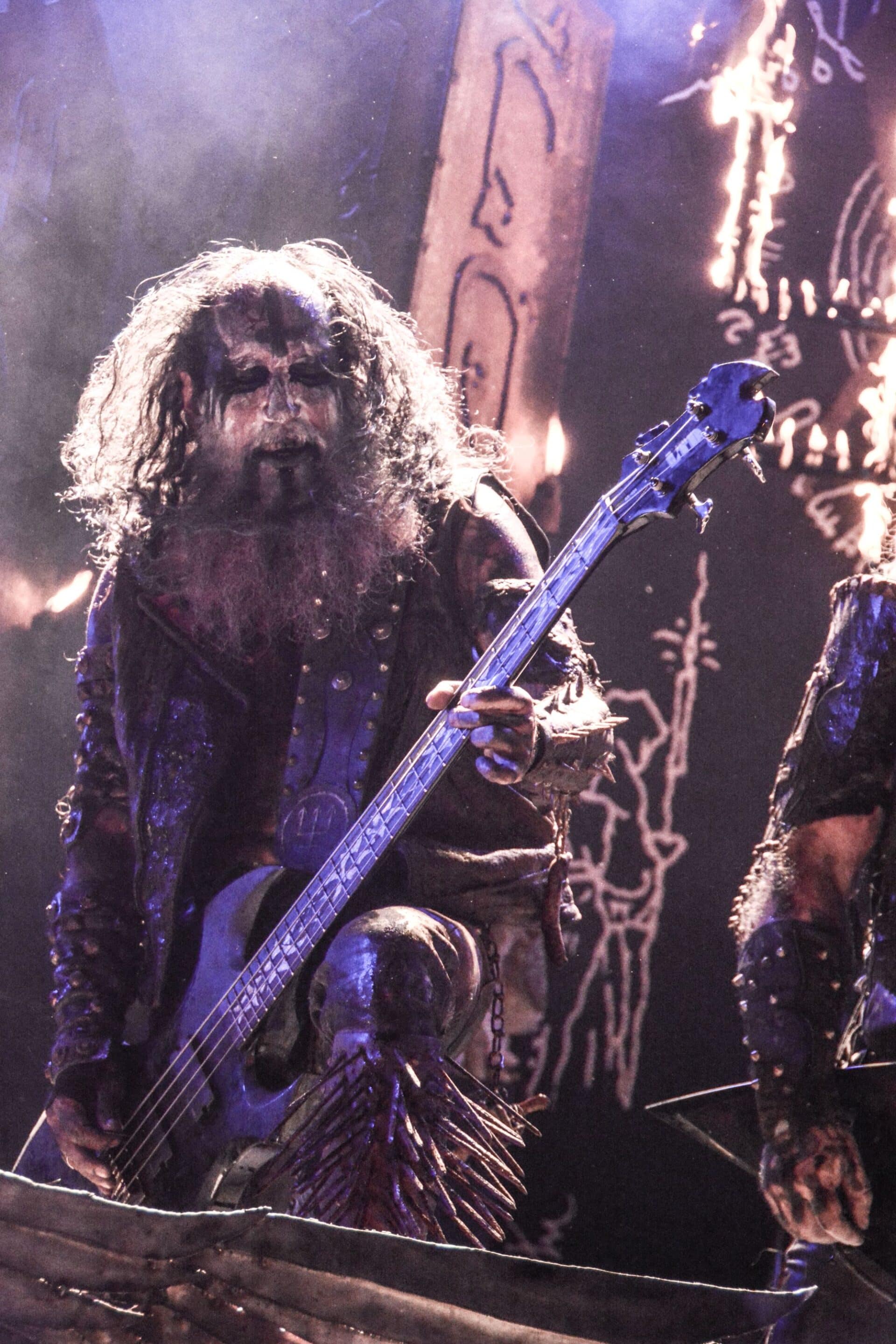
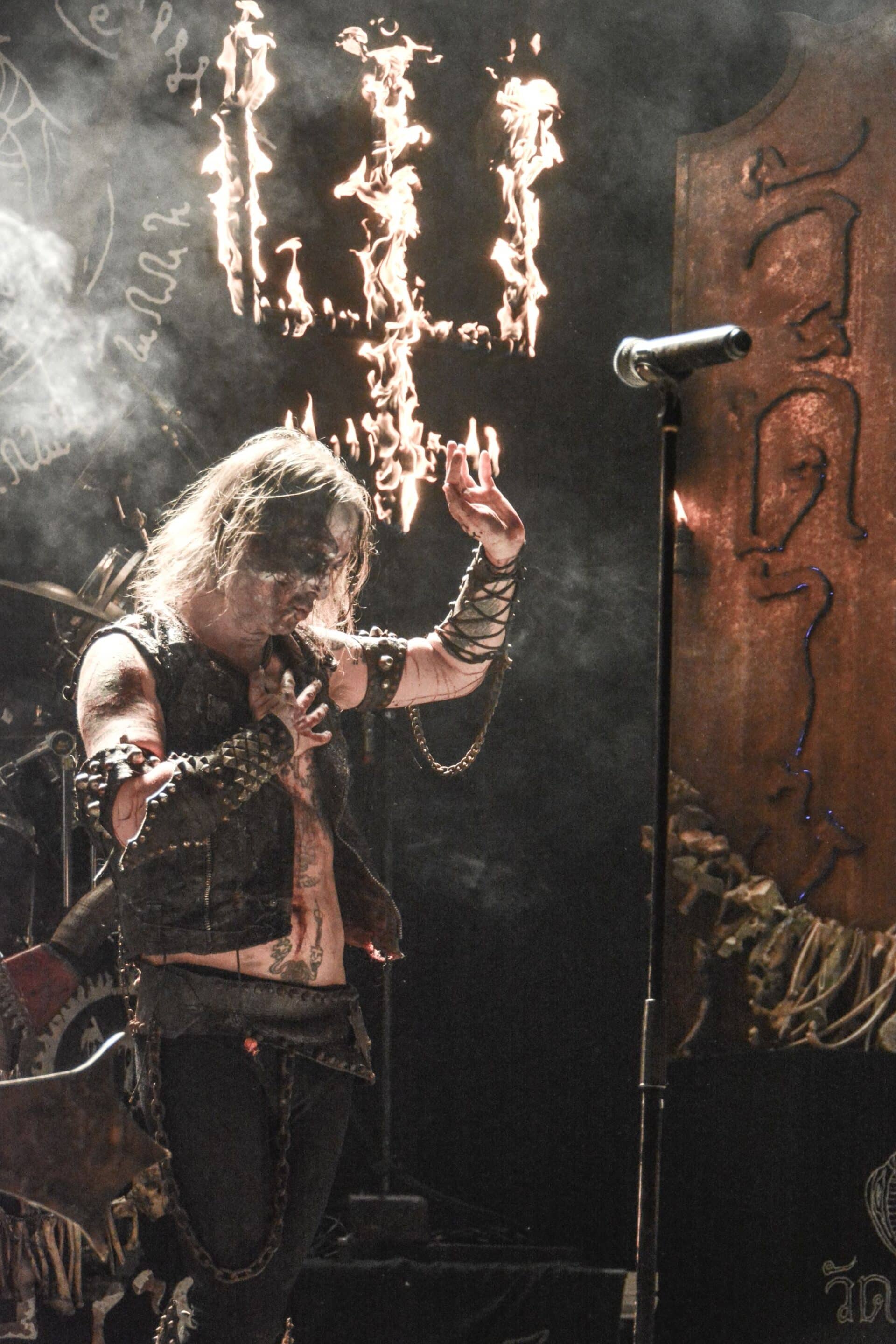
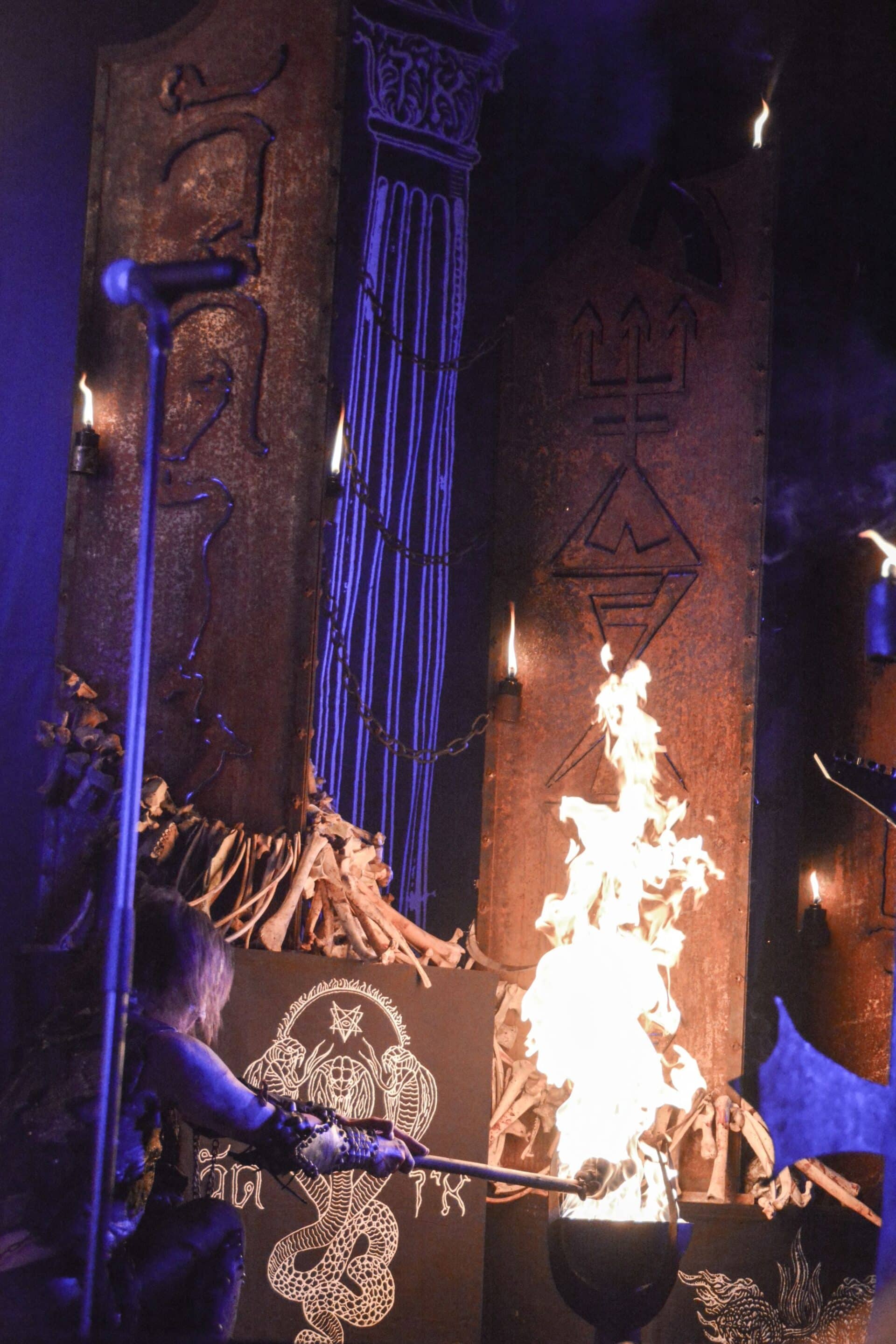
Sikerült is nagyjából a hatodik sorba eljussak – valahonnan hirtelen eszméletlen mennyiségű ember került elő, és megjelentek a két méret húsz centis norvégok, akik praktikusan az első három sorba álltak… úgyhogy ez eddig nem volt egy túl jó kezdés. Hatalmas színpad nagyon látványos színpadképpel – tulajdonképpen egy egyiptomi áldozati teret láthattunk berendezve –, majd beindult a buli. Én alapvetően nagyon ideges vagyok a túlbonyolított színpadképtől – számomra etalon az Immortal Fekete Lyuk-beli fellépése, ahol Abbath-ék pontosan egy darab kétszáz wattos izzó társaságában mutatták be az At the hearth of Winter albumukat –, de amennyiben a színpadkép nem a fellépést és a zenét helyettesíti mint cirkusz, hanem az atmoszférát támogatja mint egy mozi vagy látvány, na, úgy már teljesen oké. Erre két jó példa van szerintem: az egyik a Belphegor, a másik pedig a Watain. A szó legjobb értelmében véve egy színpadi előadást láthattunk: a dalok fele a Lawless Darkness albumról volt, a többi pedig válogatás az életmű legfontosabb elemeiből, mindezt tökéletes hangzással, tökéletes színpadi produkcióval – és az egész társaság egy emberként ordította végig a Watain dalszövegeit. Nehéz volt fokozni az élményt – különösen a Gaerea után –, de ennek az egészen elképesztően magas színvonalú fesztiválnak is az egyik kiemelkedő koncertjét a Watain adta – mindezek tükrében nagyon kíváncsi vagyok a magyarországi fellépésükre. A fesztiválnak nagyon sok előnye van, ezek közül például az egyik, hogy reggeli közben az étteremben kornyadozó Watain legénységének elsőkézből lehetett visszajelzést adni a fellépéssel kapcsolatban, amit a kissé dekoncentrált művész urak meglehetősen rezignáltan fogadtak… és hogy a gyereknap folytatódjon, következik az utolsó nap, az Abbath napja.
A negyedik nap: az Abbath napja
A fesztivál zárónapjának menetrendje is egészen parádésnak ígérkezett. Mivel másnap korán reggel indult a gépem, az már biztos volt, hogy az Abbath fellépésével számomra bezár a bazár: előtte még össze kellett pakolni meg egy csomó mindent elintézni, úgyhogy nagyjából az volt az elképzelés, hogy a napot a John Dee-ban fellépő Afsky-jal nyitom.
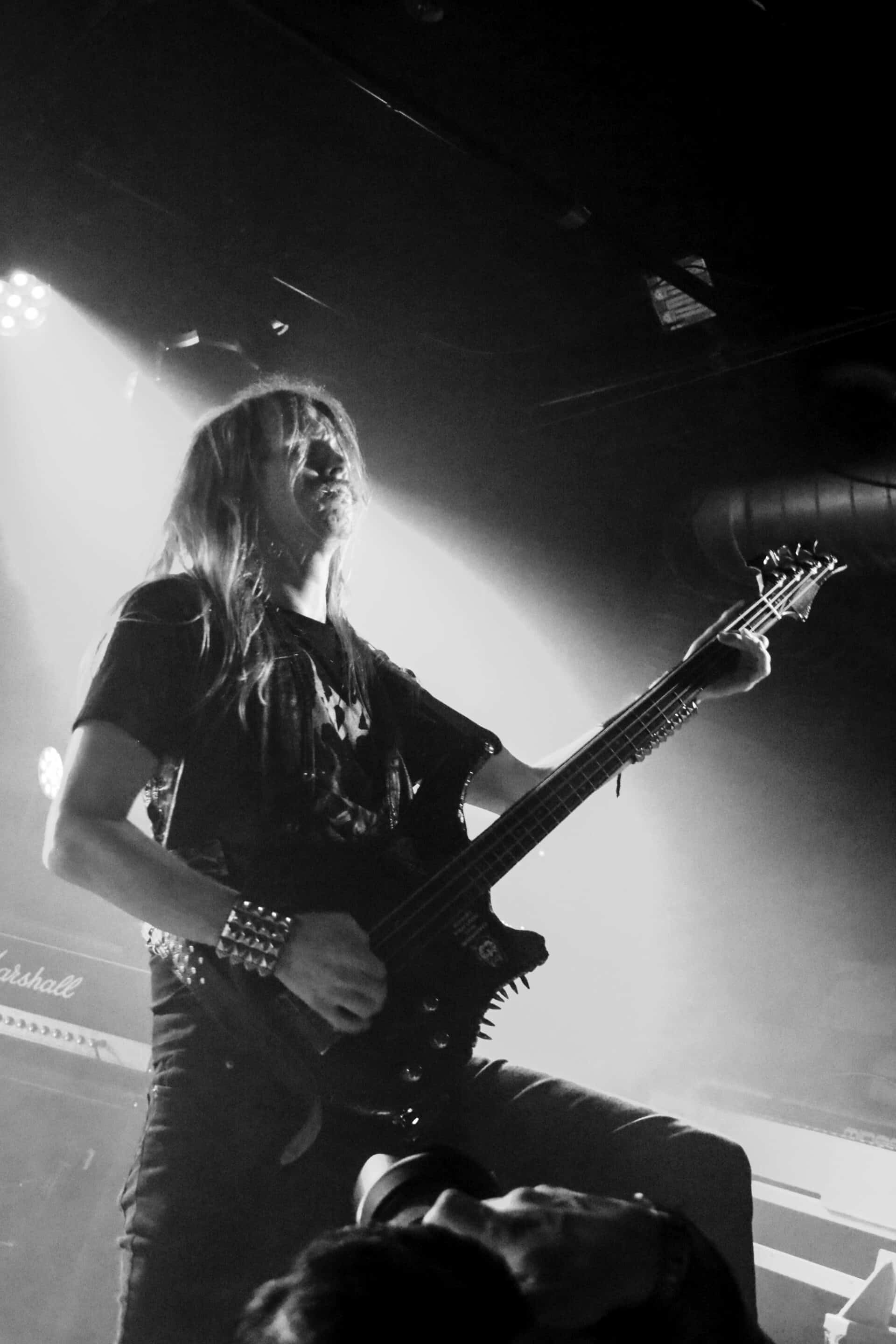
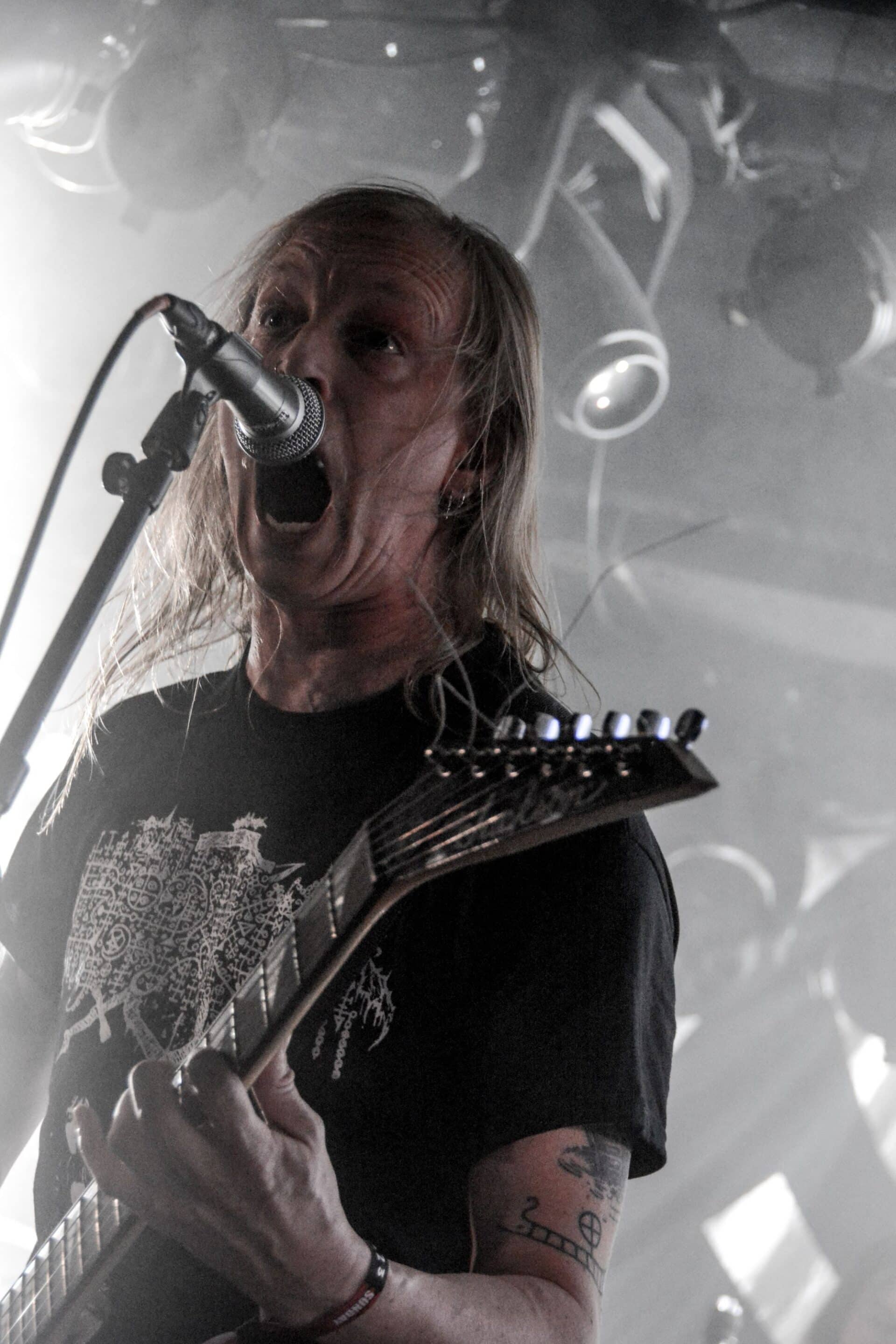
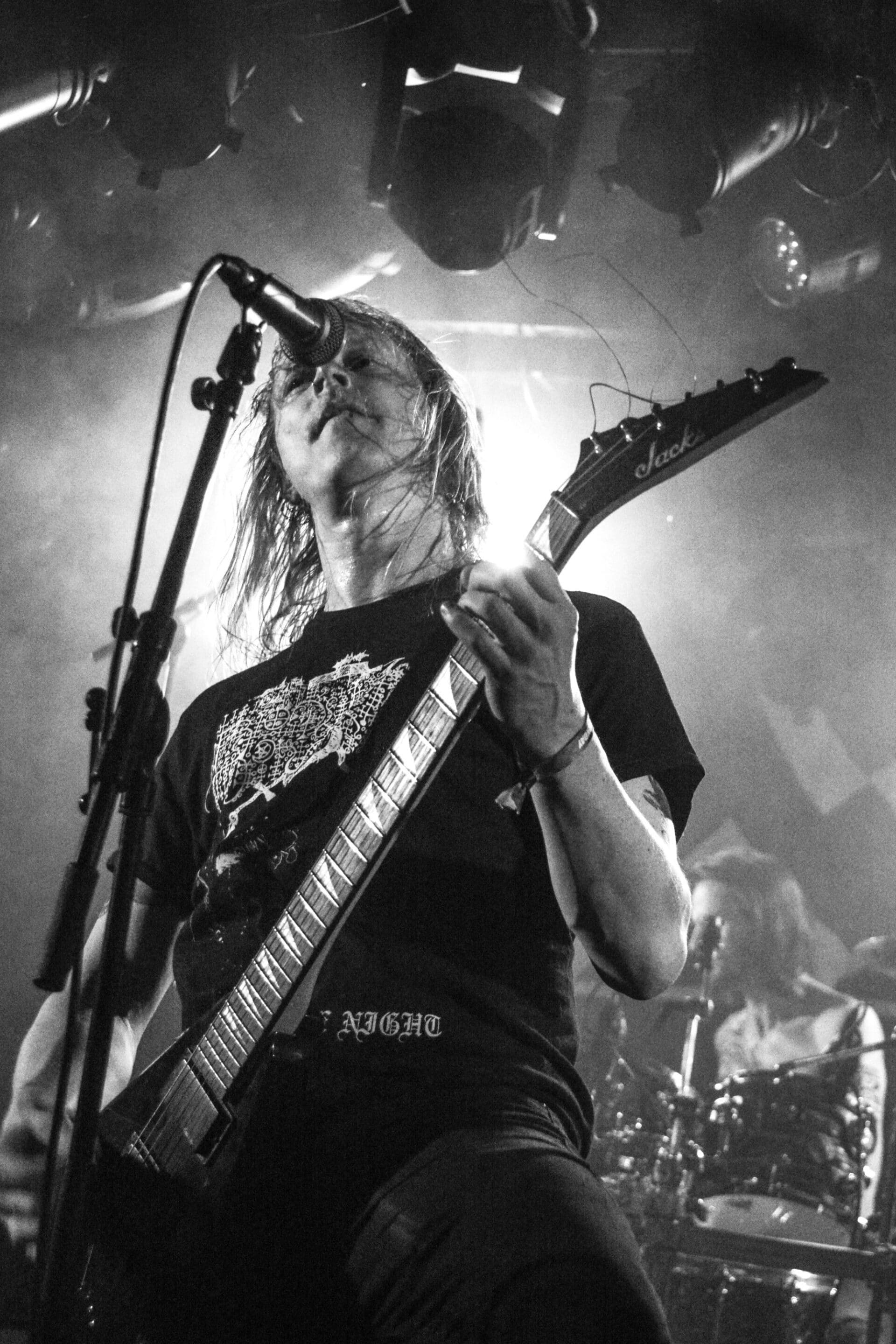
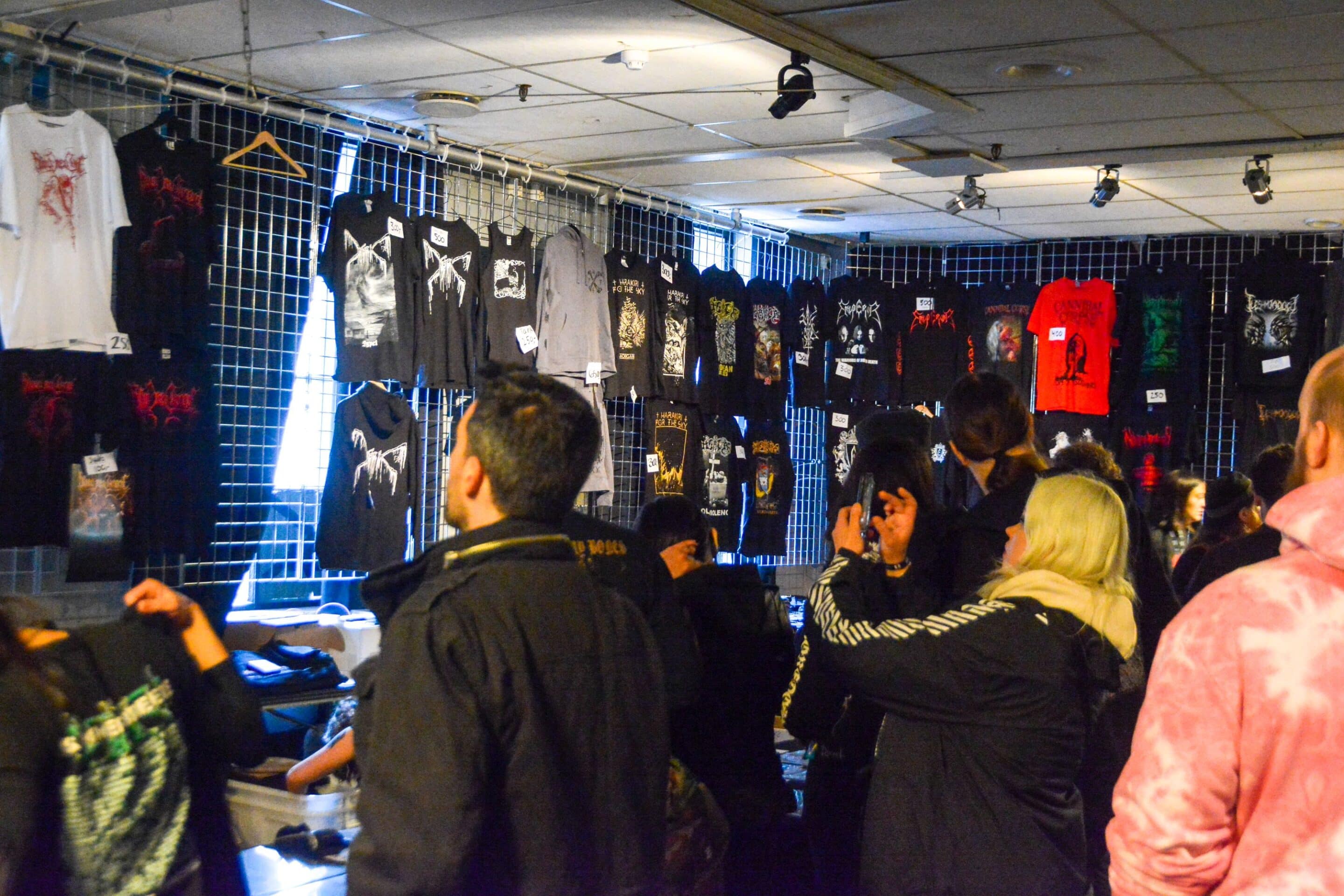
Ole Pedersen Luk egyfős projektje nem ismeretlen a magyar olvasók számára, ám nekem pechem volt és lemaradtam erről a budapesti fellépésről, úgyhogy most volt szerencsém pótolni ezt az adósságomat. Sajnálatos módon a hangzás nem volt túl jó, a dob és a basszusgitár nagyon erősen elnyomta a gitárokat és az éneket, de emlékezetes marad a fellépés lendülete és professzionalizmusa. Nagyon sokan voltunk kíváncsiak erre az eseményre; igaz, hogy nem lett teltházasa a John Dee, de alig lehetett lemenni, amikor az Afsky kezdett. Én úgy voltam vele, hogy az utána következő Crowbar engem egyáltalán nem vonz, így őket kihagyom, és addig legalább körülnézek a merch-ben meg a tetoválóknál, és visszamegyek a John Dee-be a Fleshmeadow fellépésére.
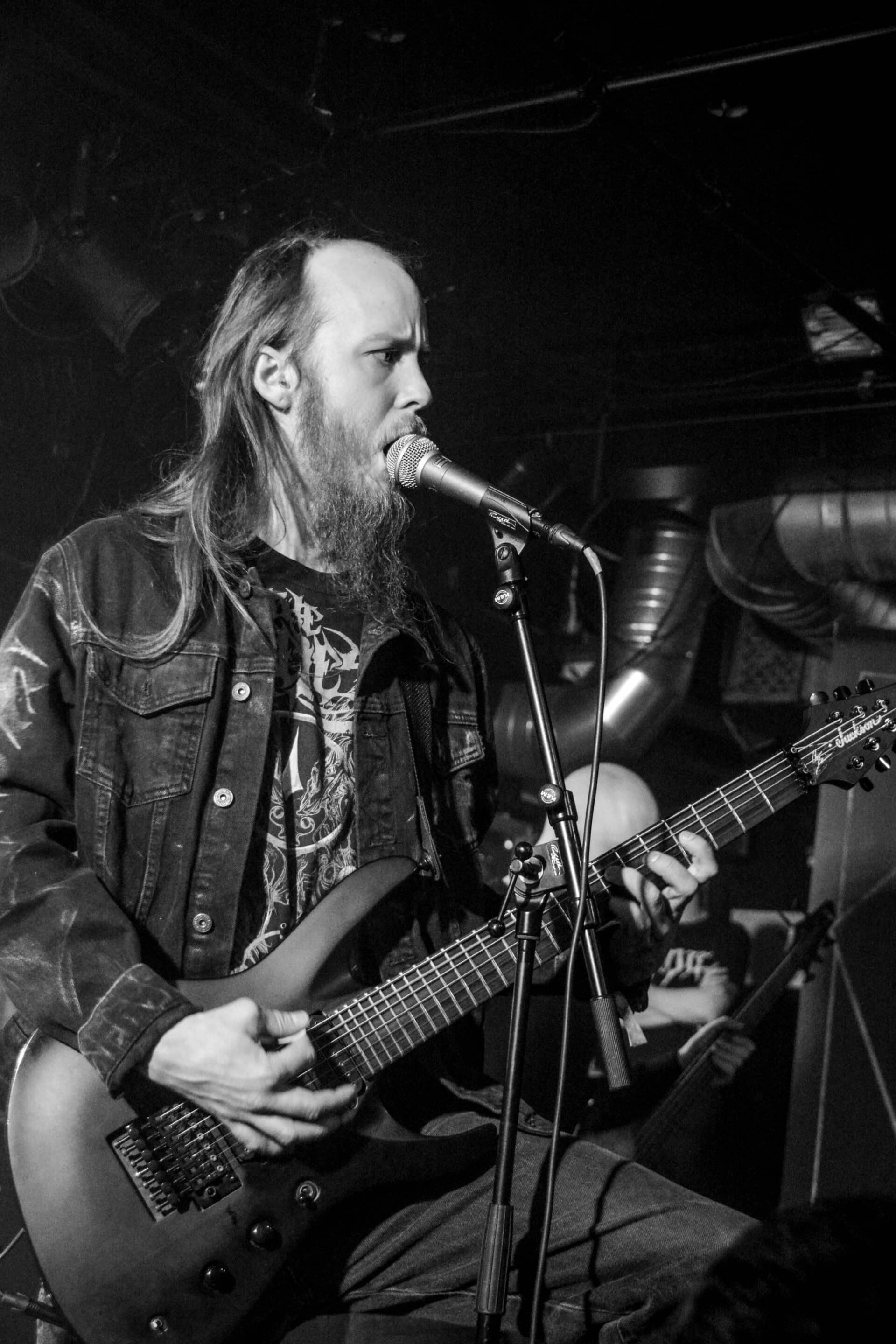
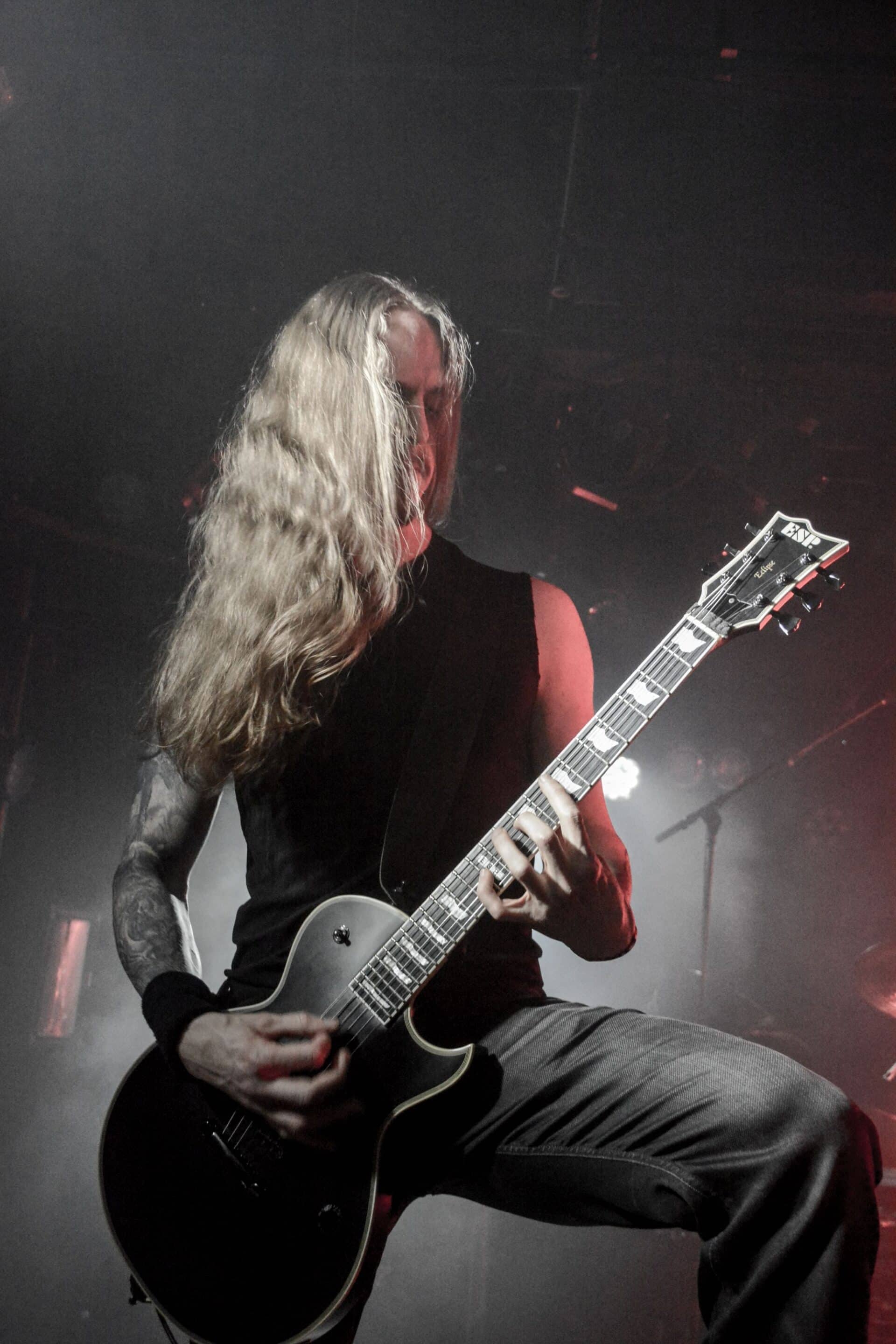
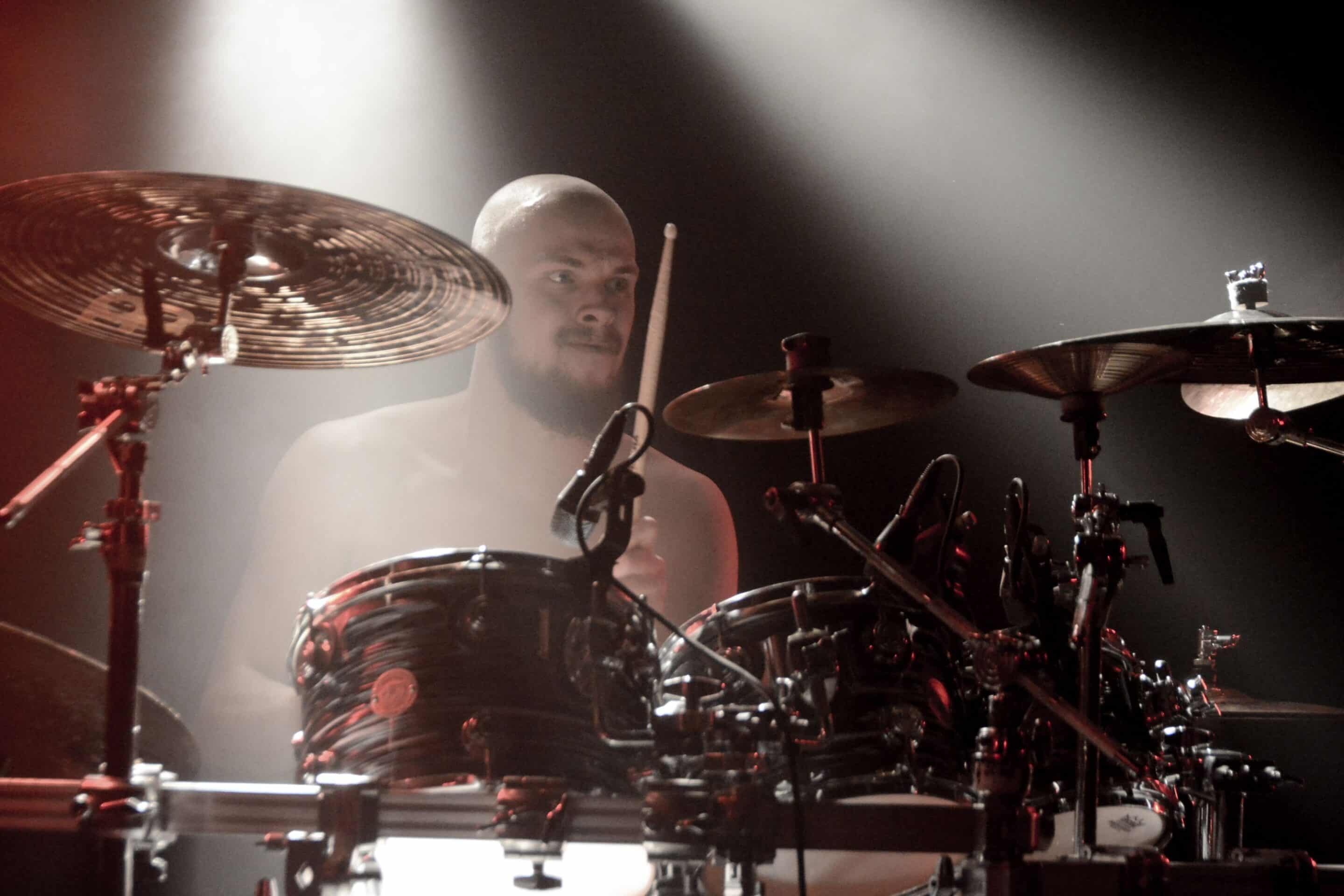
Ez egy helyes elképzelés volt – azért is gondolom, mert rajtam kívül még sok százan tettek így, ami azt jelenti, hogy a Fleshmeadow fellépése előtt már egymás hegyén-hátán álltunk. Az oslói zenekart nem ismertem; ők saját munkásságukat a technikai black metal kategóriába teszik, aminek egy részével teljesen egyet tudok érteni: ez a műfaj valóban black metal volt, azonban a dolog szélsőségesen technikai részeit nem sikerült felfedeznem. Kicsit meglepett, hogy a négy fellépőből az énekes-gitáros Fabian Jiru nagyjából 70-30 százalékban látja el ezeket a posztokat, az az idő hetven százalékában csak énekel, a fennmaradó harminc százalékban meg csak gitározik. Elsőre igazából tizenkettő-egytucat black metal zenekarnak tűntek – ráadásul meglehetősen rossz keveréssel –, de igazából ez csak egy elsődleges ítélet: ahhoz, hogy bármi ennél konkrétabbat lehessen róluk mondani célszerű lenne a munkásságukkal alaposabban megismerkedni.
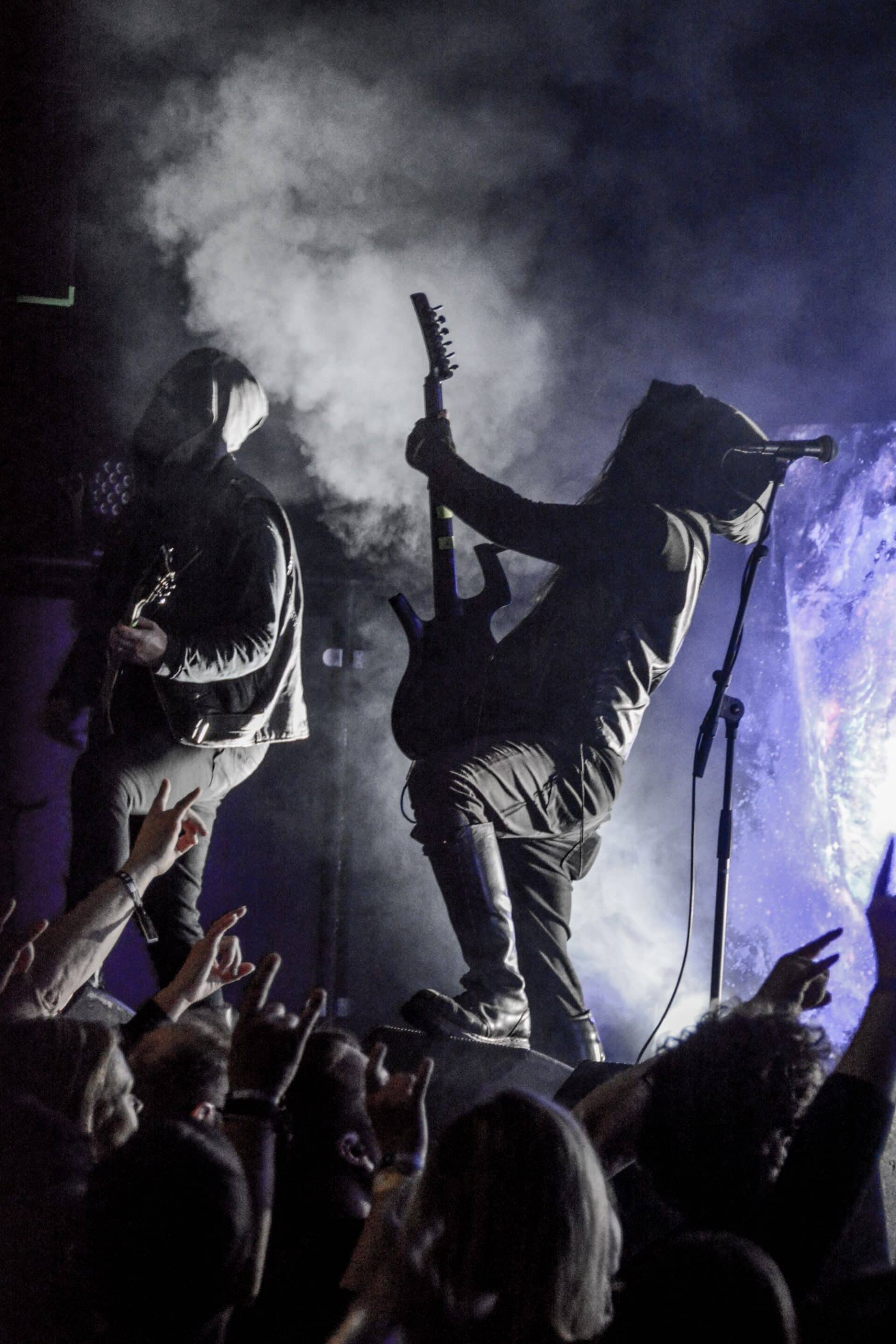
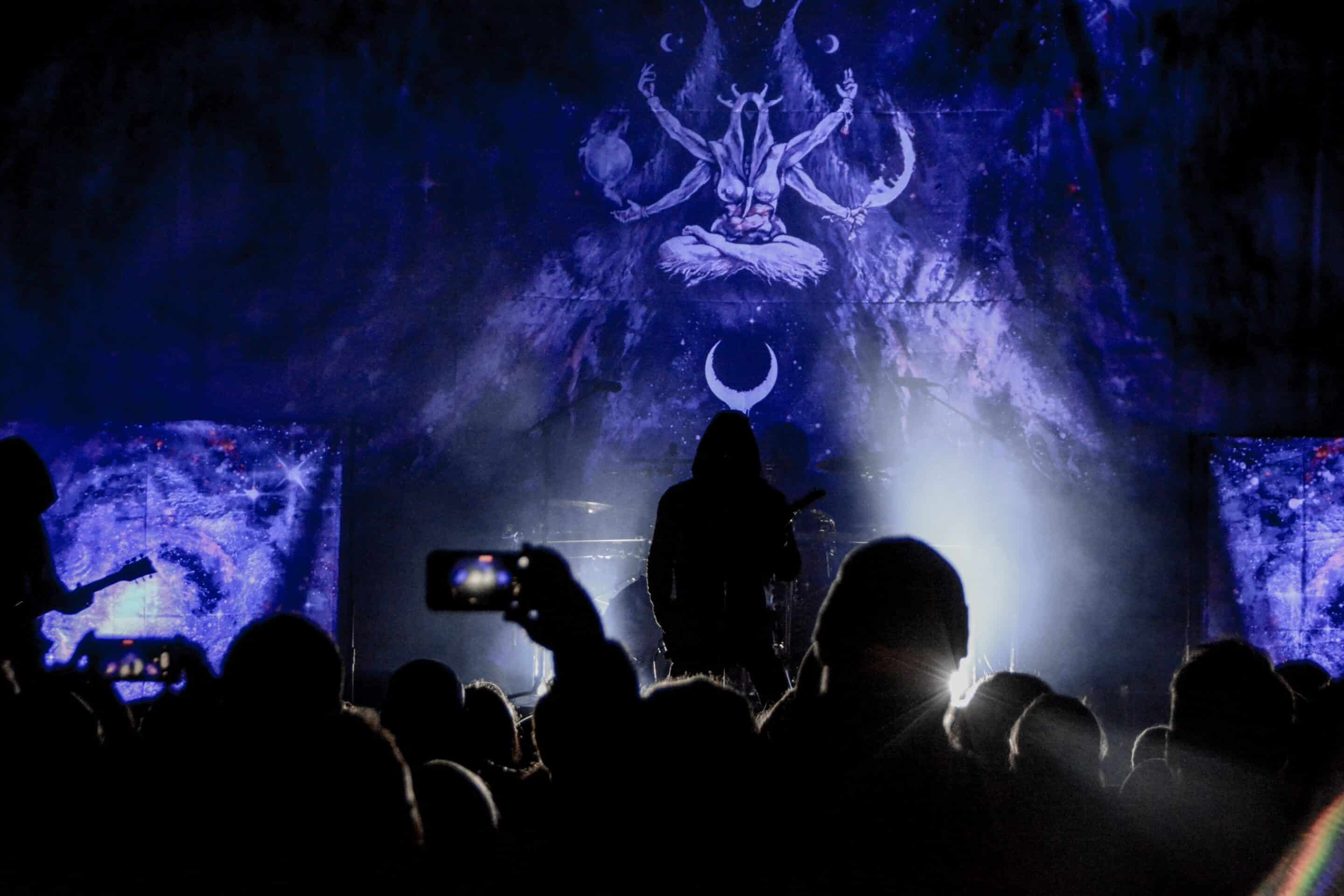
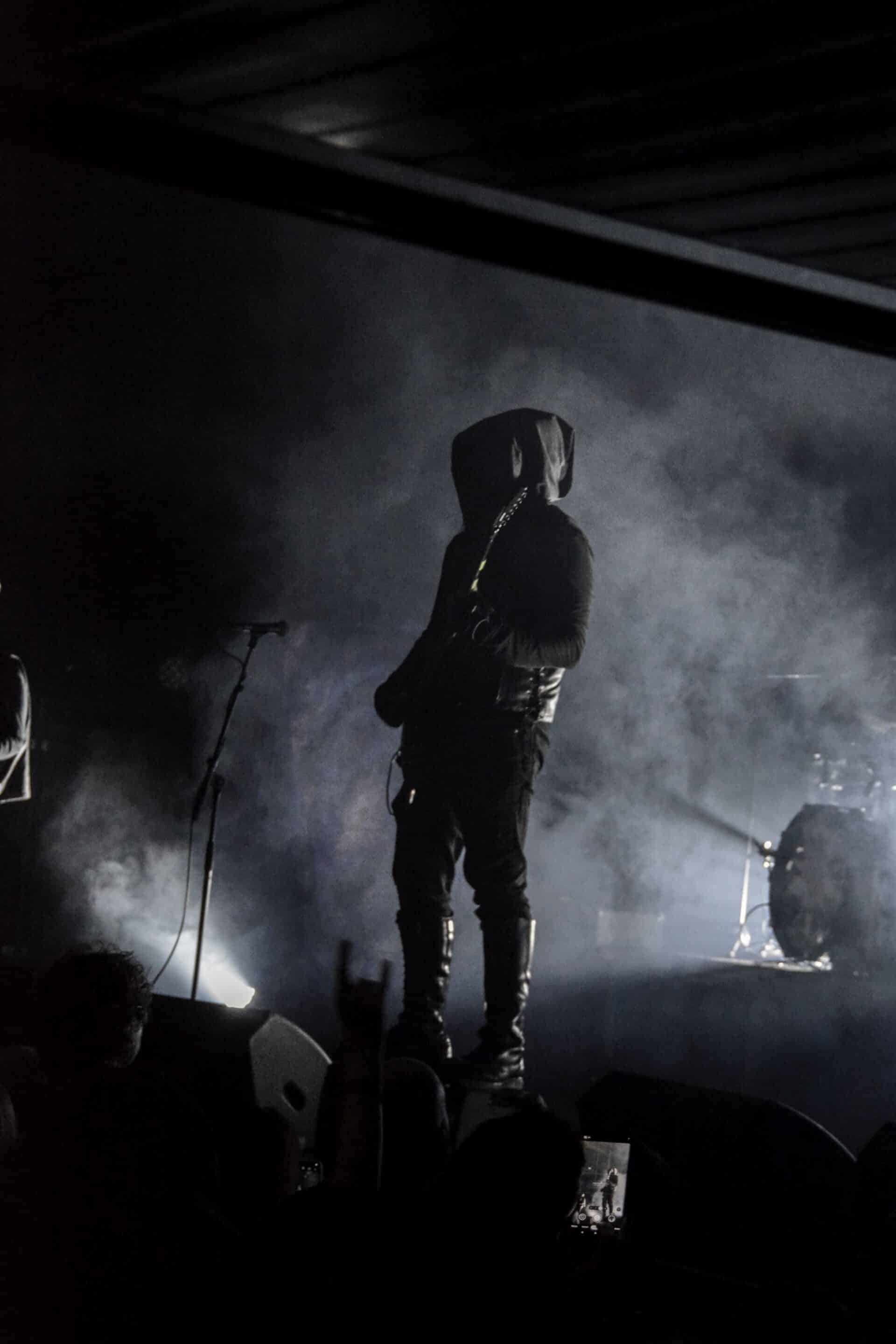
A soron következő Uada fellépésére nem siettem különösebben… nem azért, mintha nem szeretném, amit csinálnak, hanem mert tudtam, hogy fotózni úgysem lehet. Ez volt az a fellépés, ami számomra információt adott a hely akusztikájáról, praktikusan azért, mert a fellépés során az egész Rockefeller-t végigjártam. Az emeletről sajnos eléggé csapnivalóan szóltak – bár ez javult a fellépés során –, és legnagyobb meglepetésre a tömegből elölről volt a legtisztább a hangzás. Nem ez az első eset: az Amorphis-nál is és a Dark Funeral-nál is az derült ki, hogy nem a karzatra, hanem a nézőtérre van optimalizálva hangzás, és legnagyobb meglepetésemre egy csomó esetben a tömegből még jobban is szólt, mint a keverő mellől. Lényeg a lényeg: az amerikaiak felmentek a színpadra és egy szó nélkül kezdetét vette a szokásos show, amelyben a szükségesen túl egy hang vagy egy plusz mozdulat sem volt. Meglehetősen hosszúak a dalaik, és nem meglepő módon a legutóbbi Djinn albumuk képezte a bemutató gerincét. Az én személyes véleményem az, hogy ez az album fényévekre van az előző Cult of a Dying Sun anyagtól, amiről most mérsékelten válogattak – például a szerintem egészen elképesztően fantasztikus Snakes & Vultures például elmaradt.
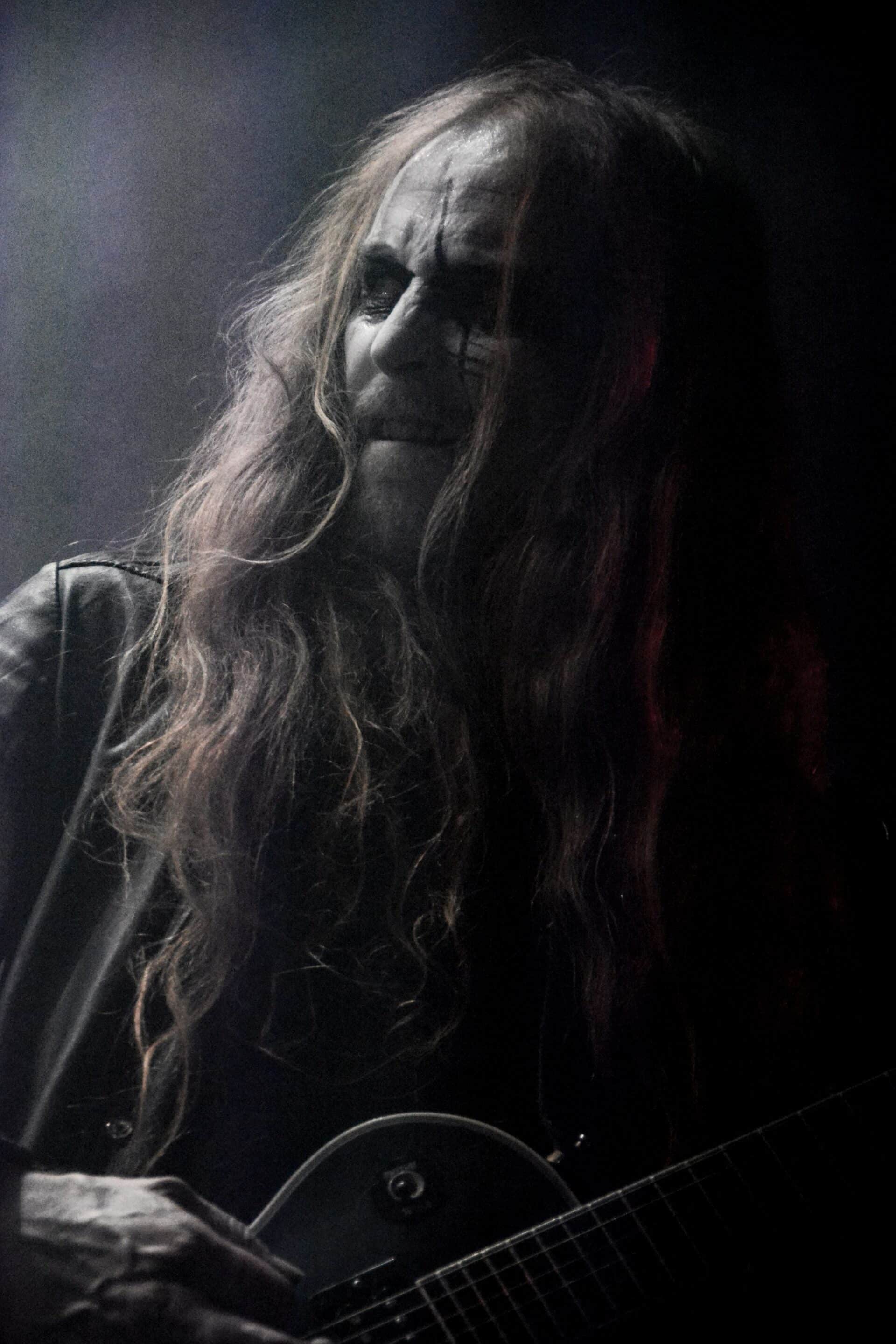
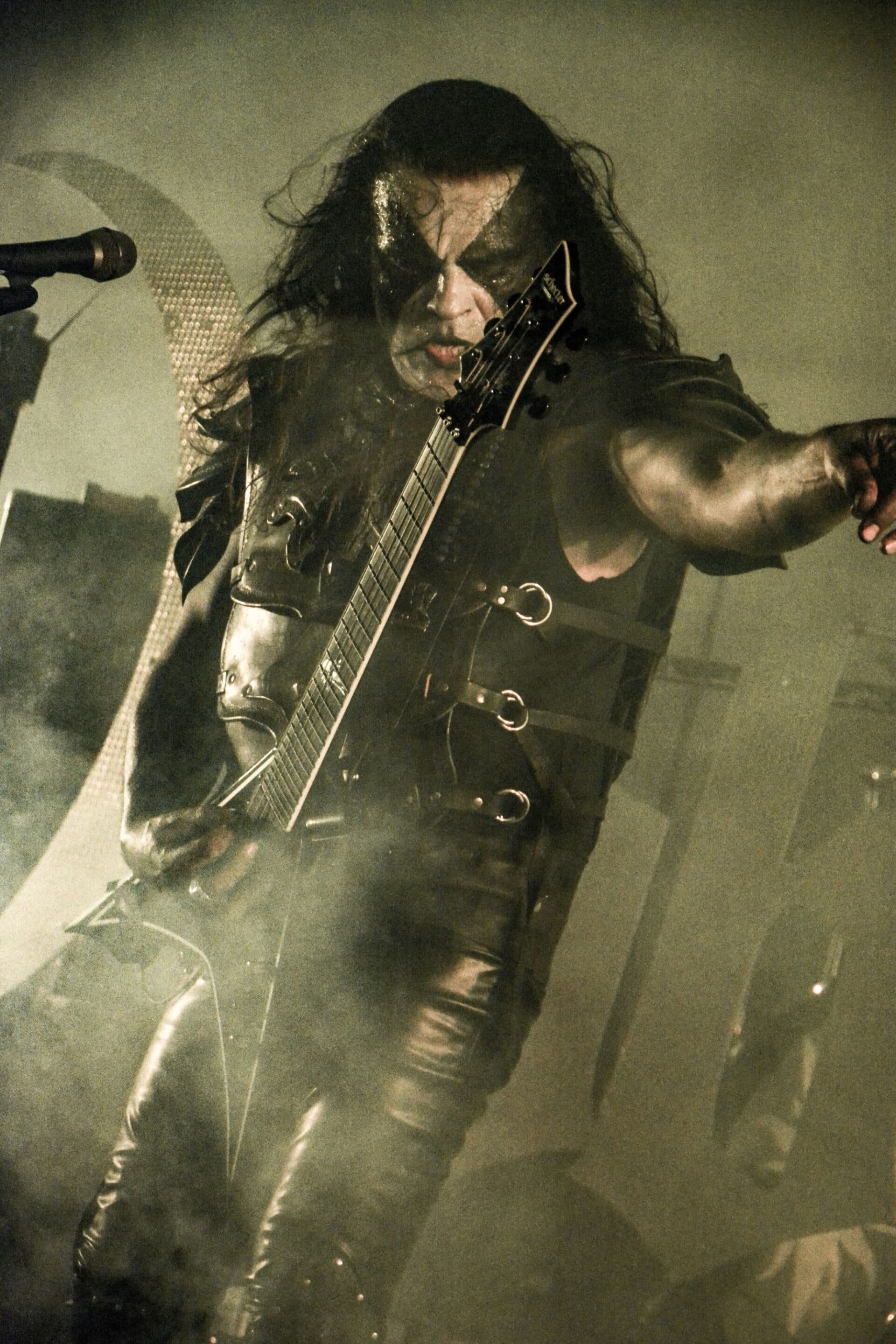
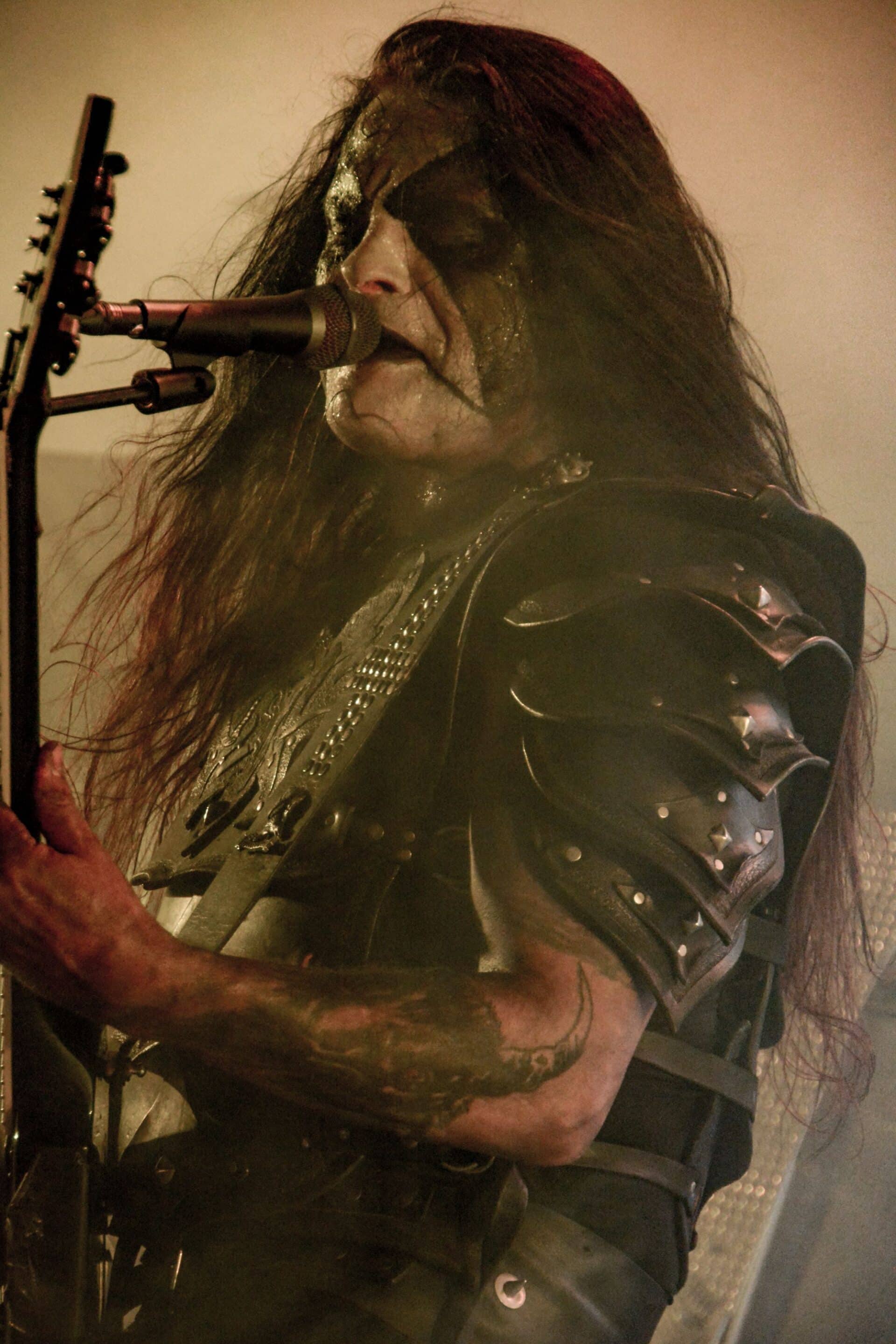
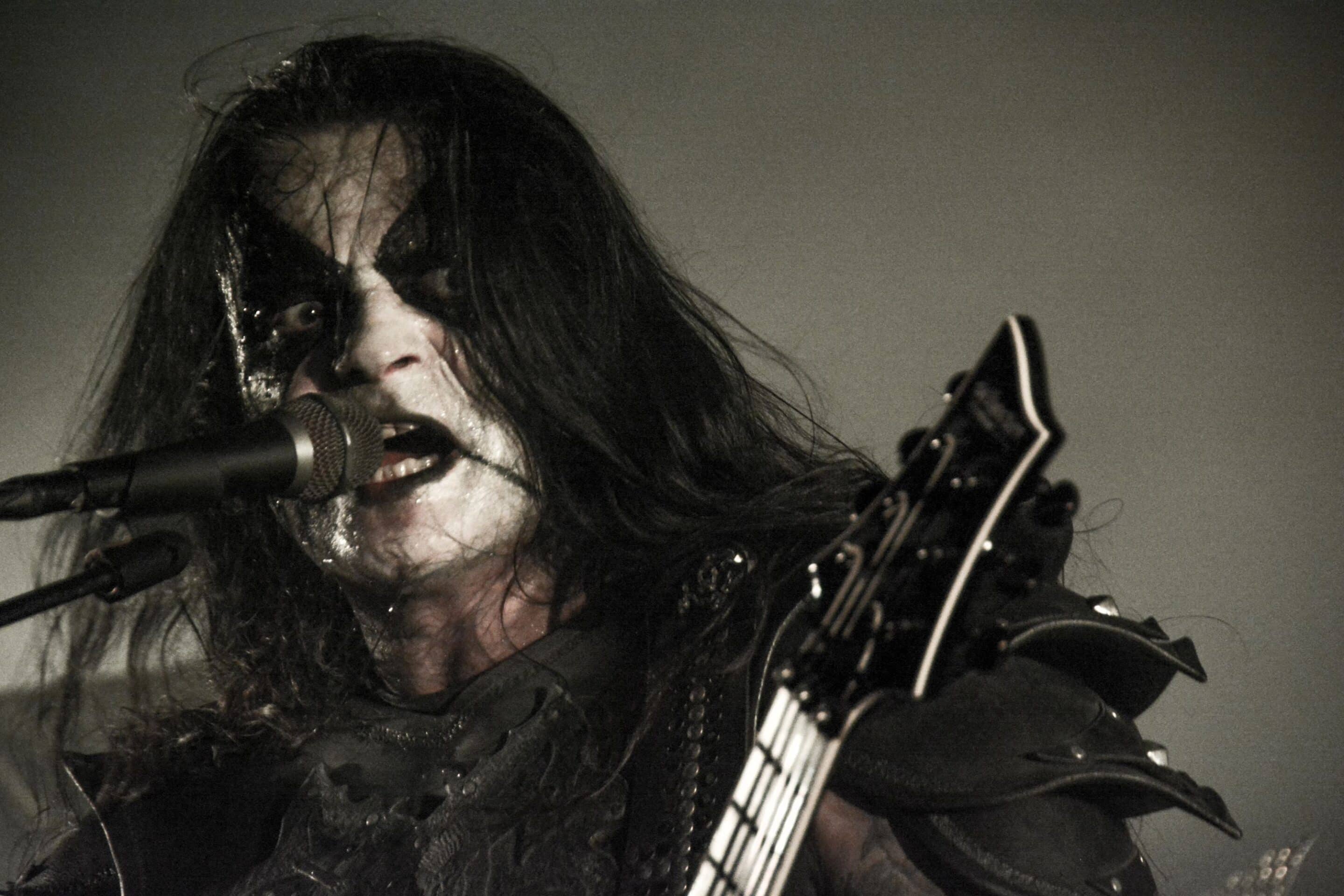
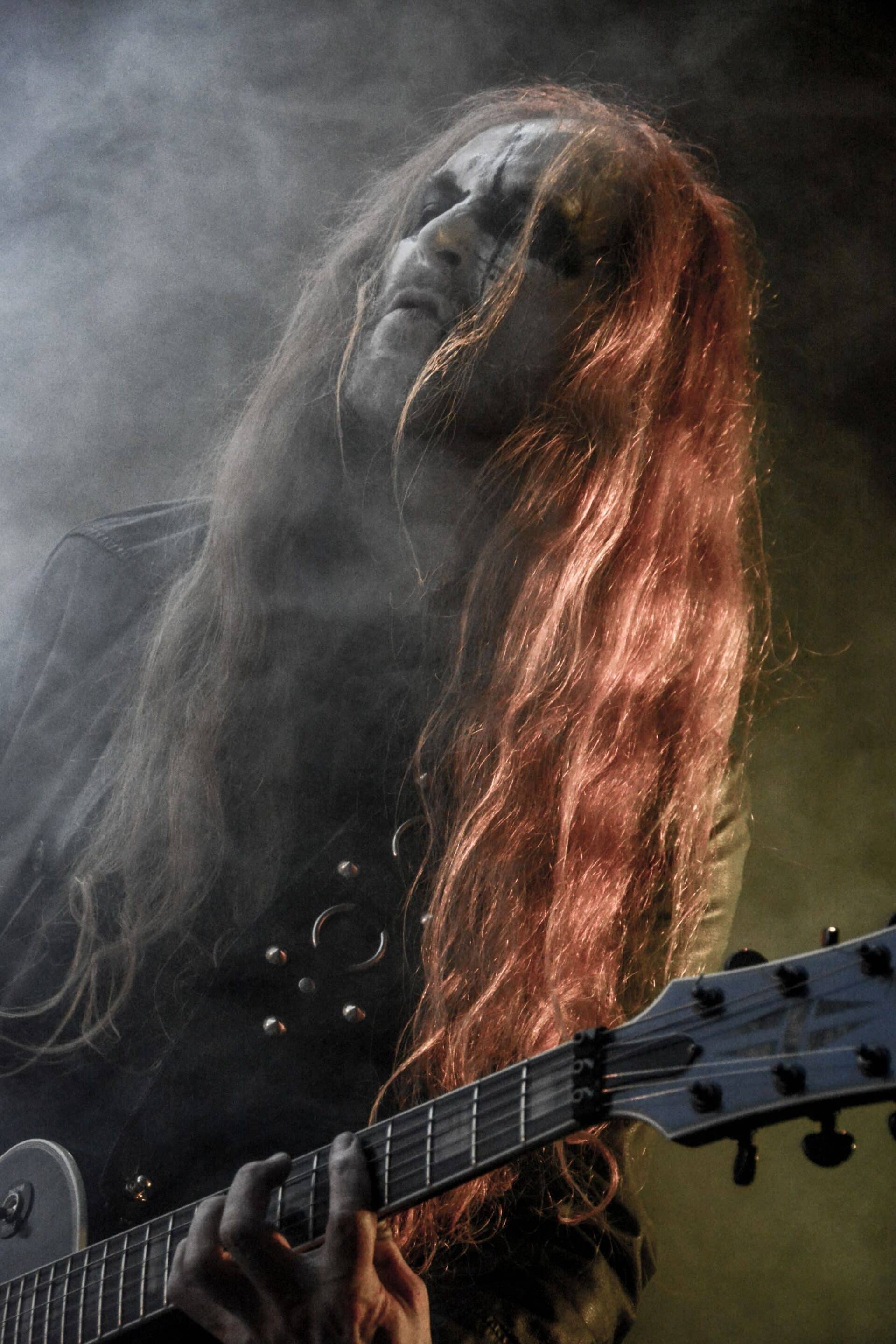
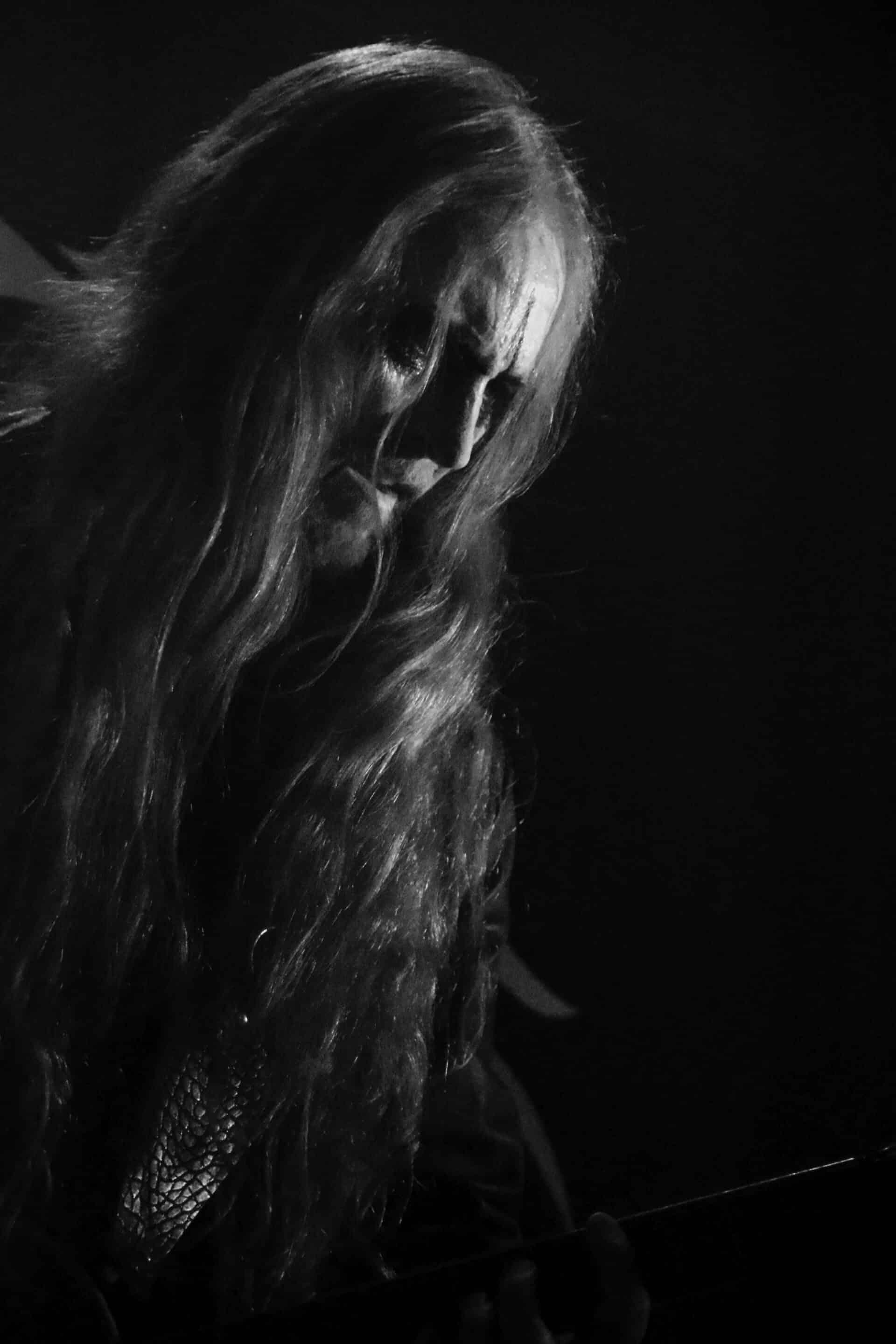
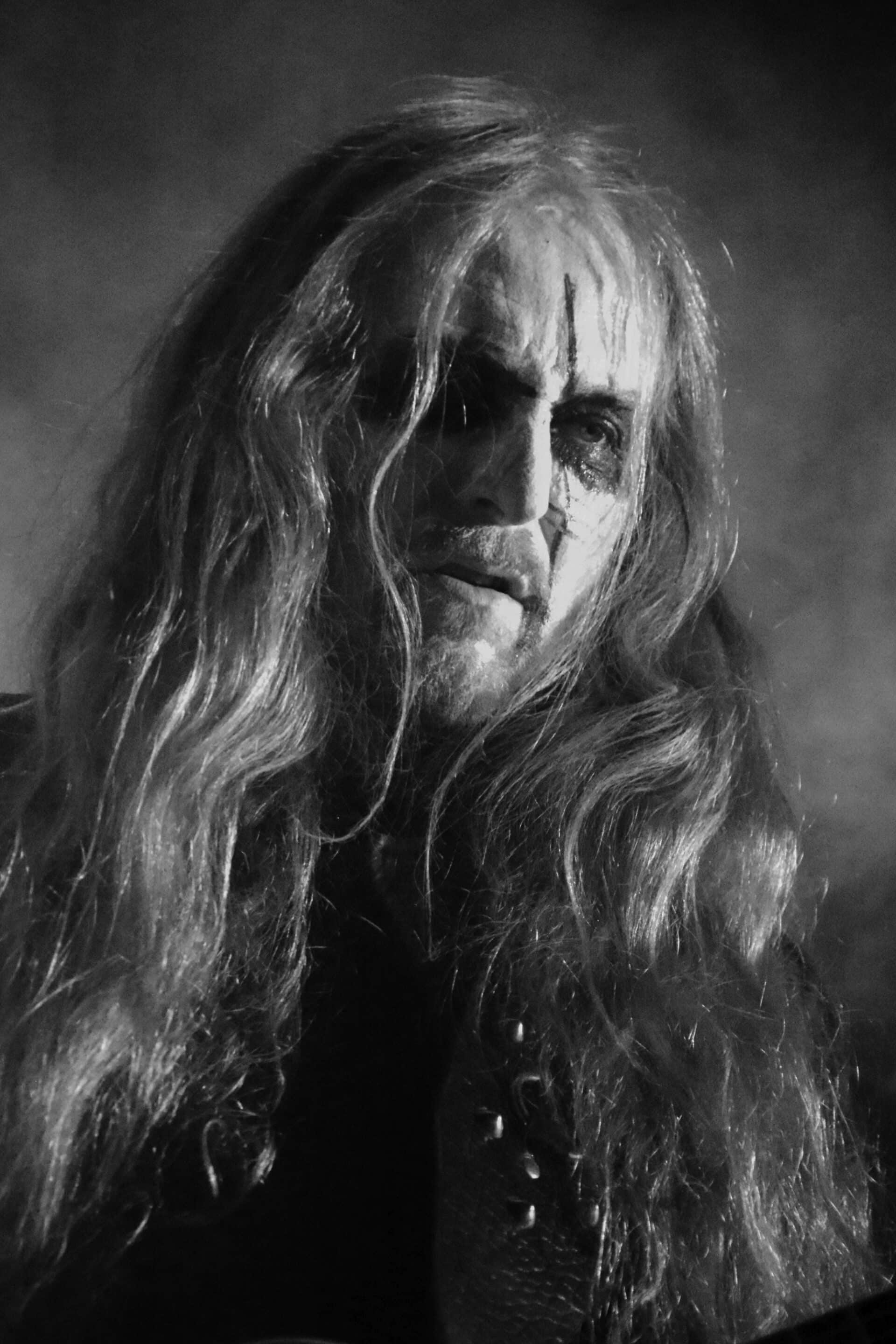
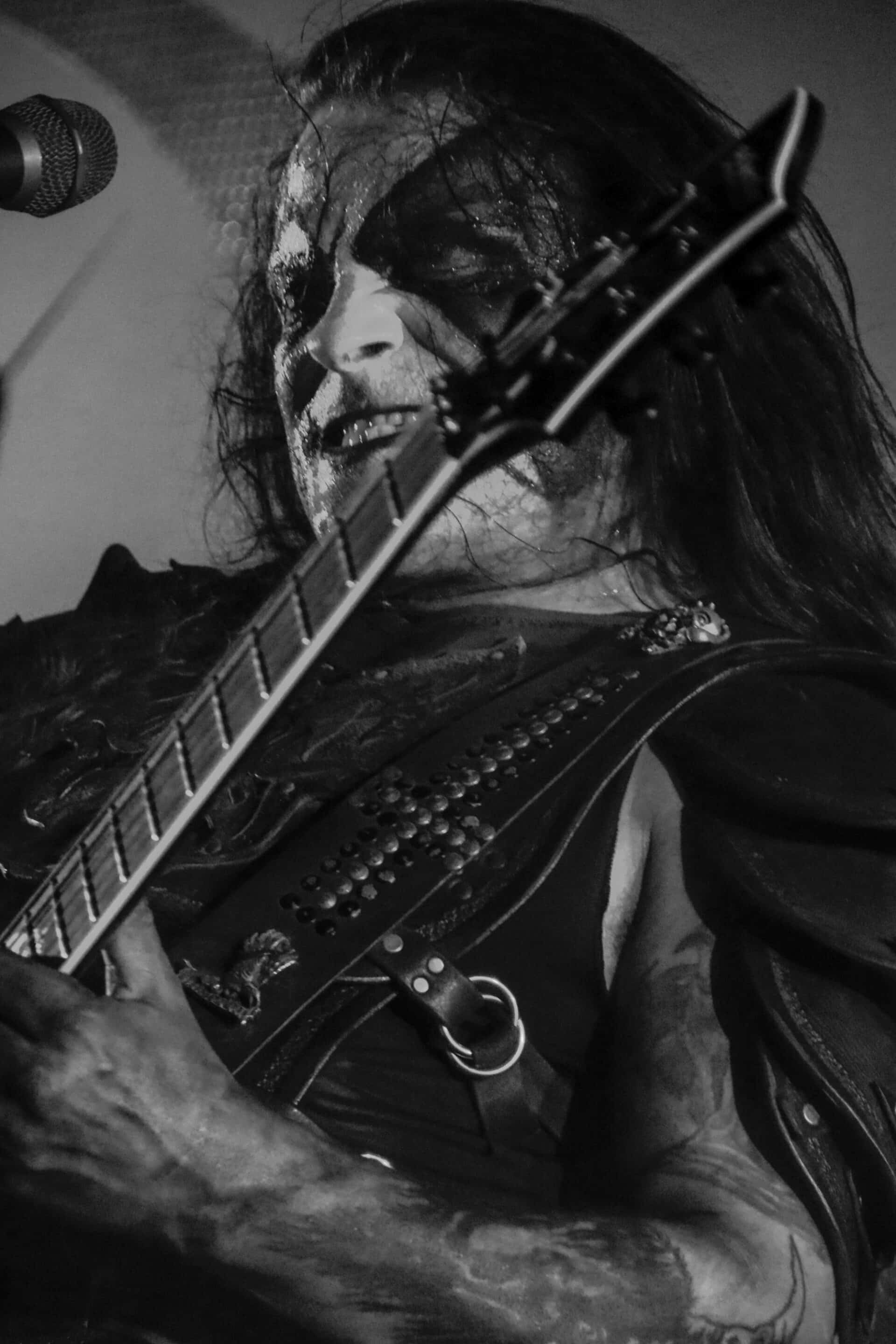
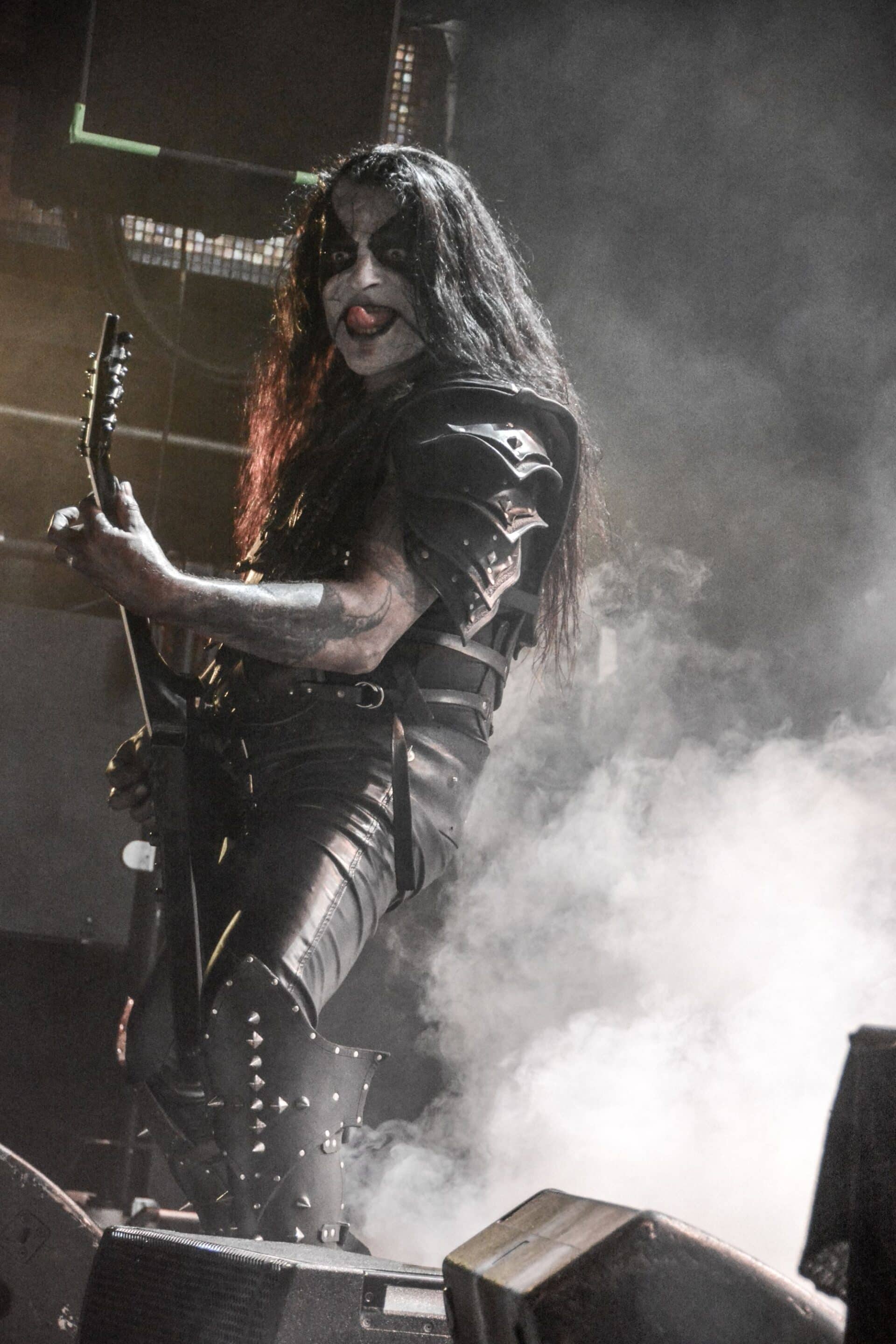
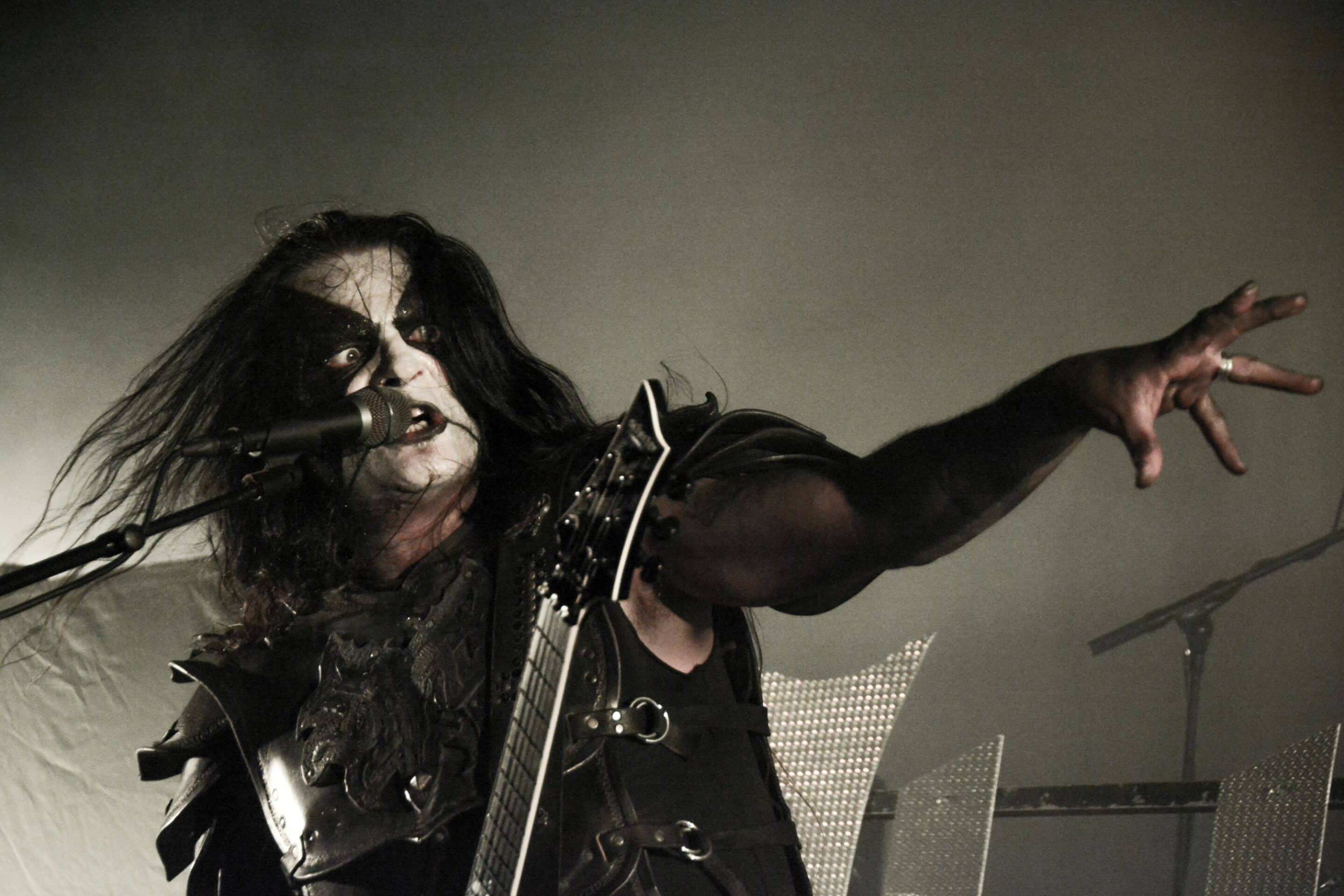
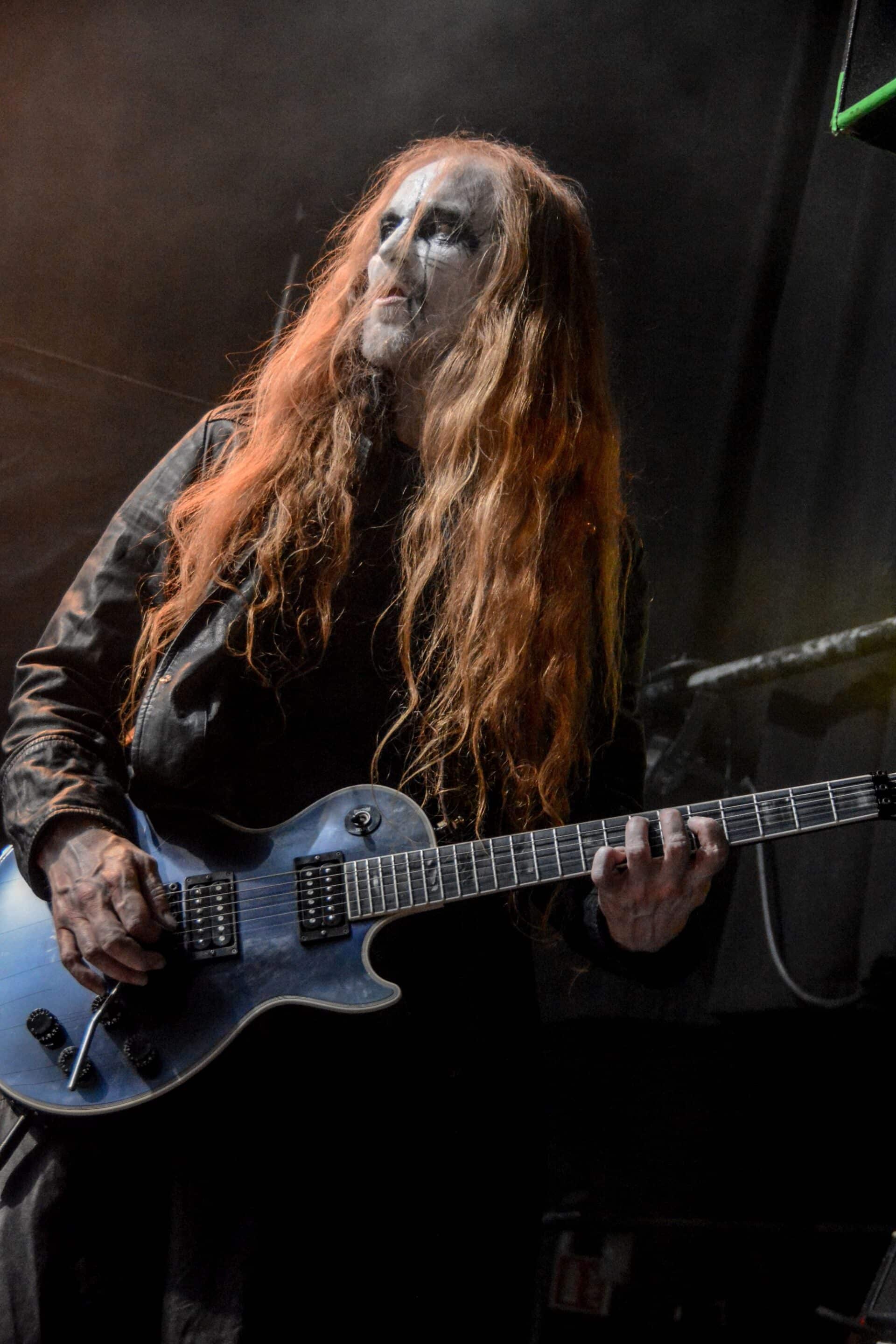
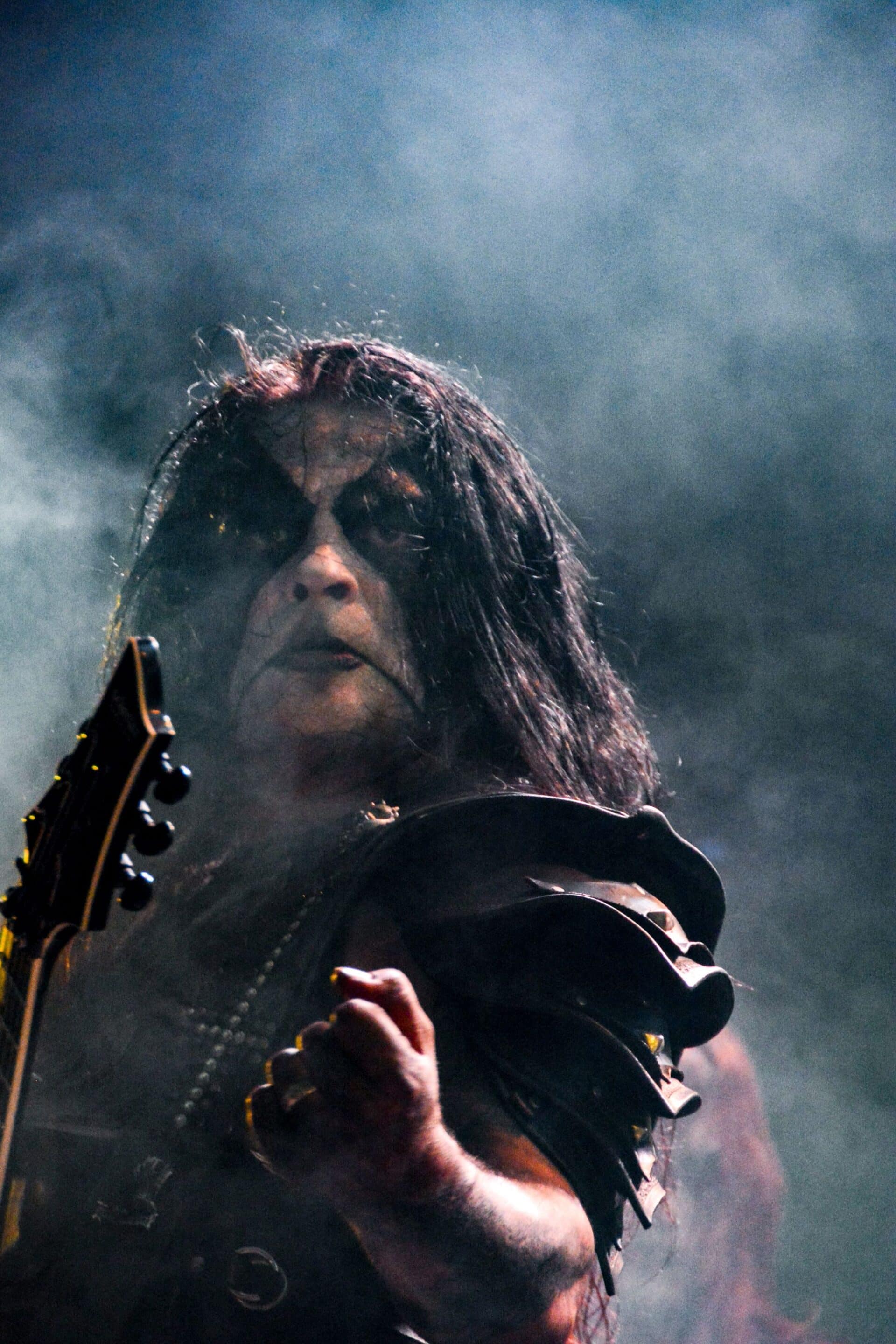
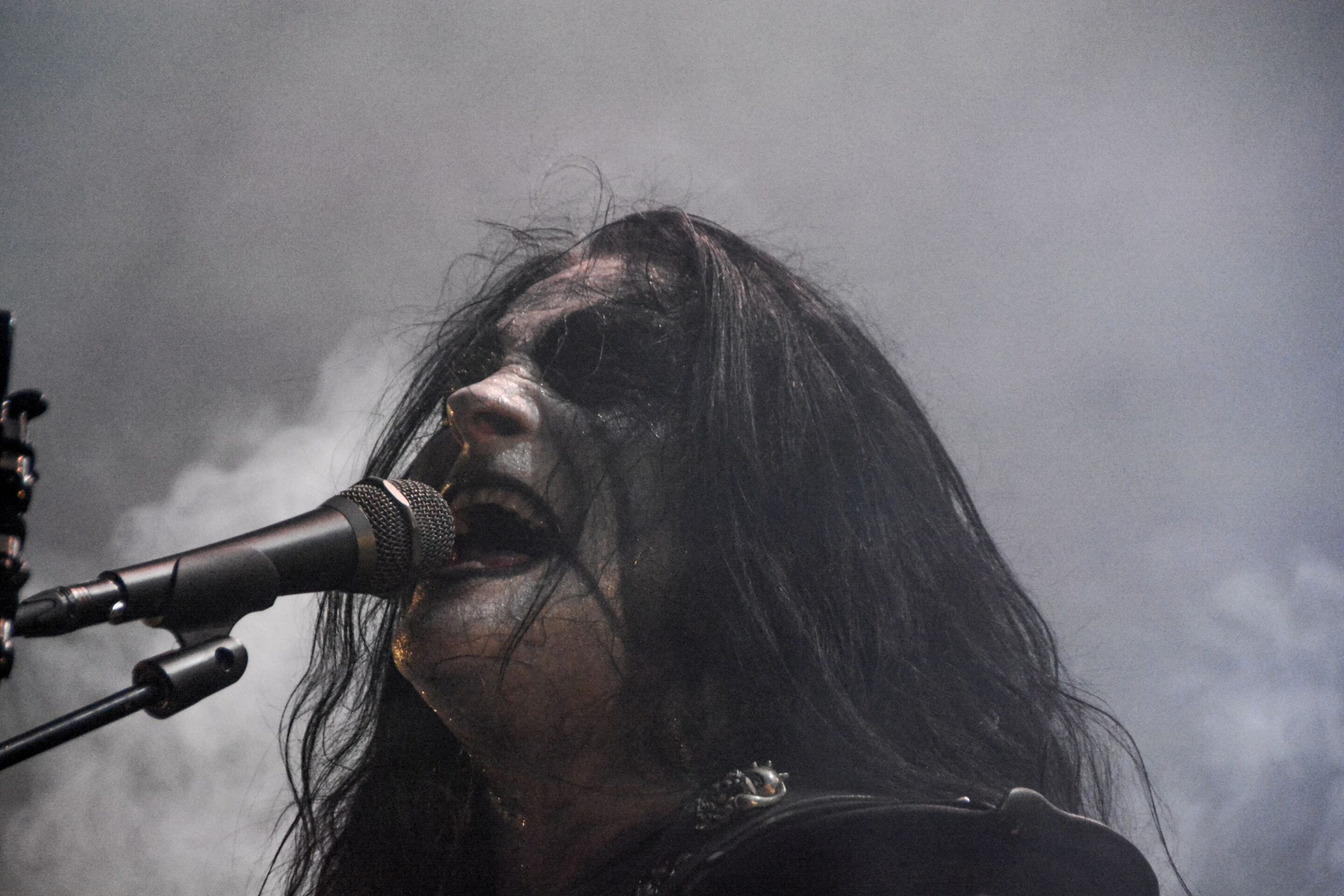
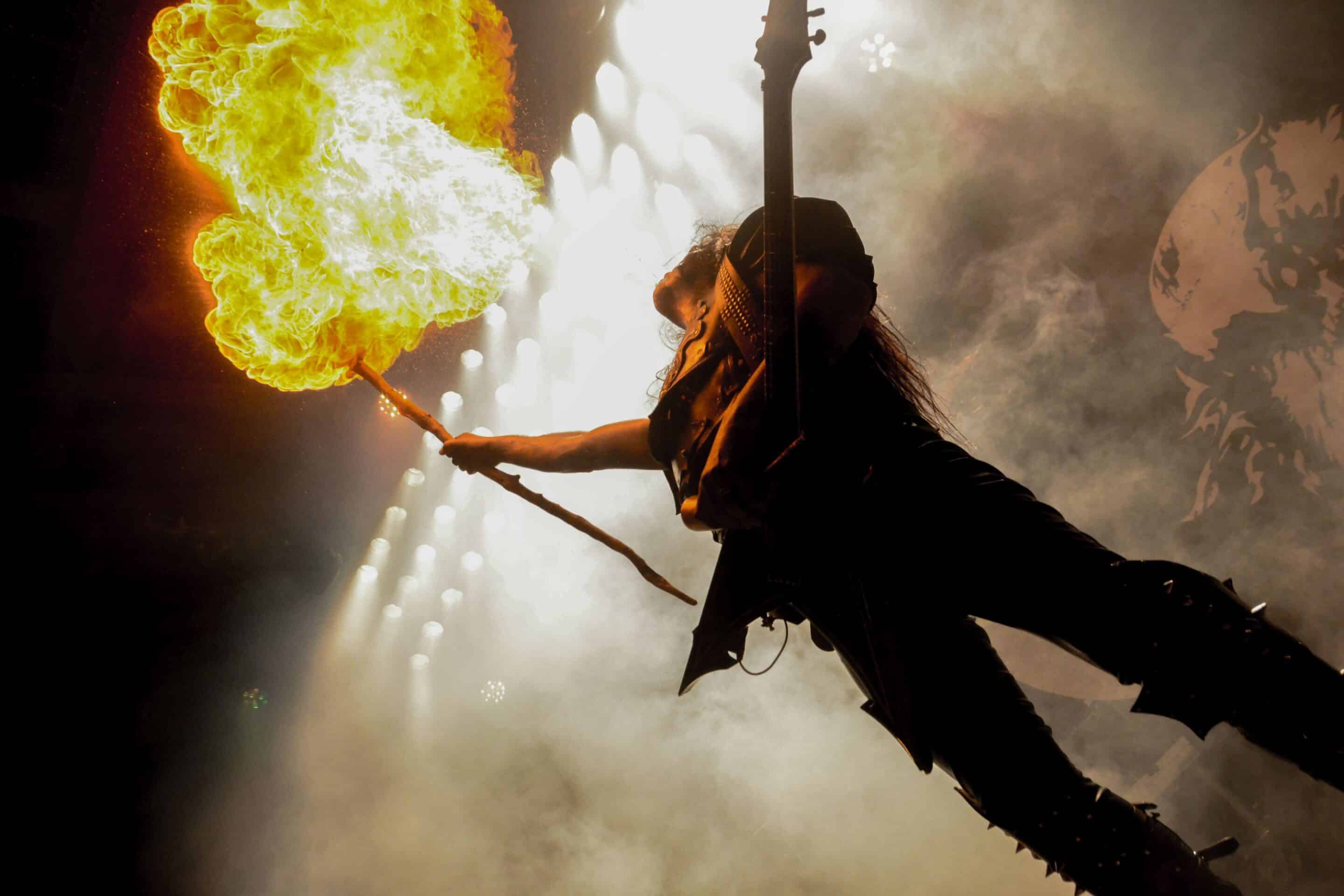
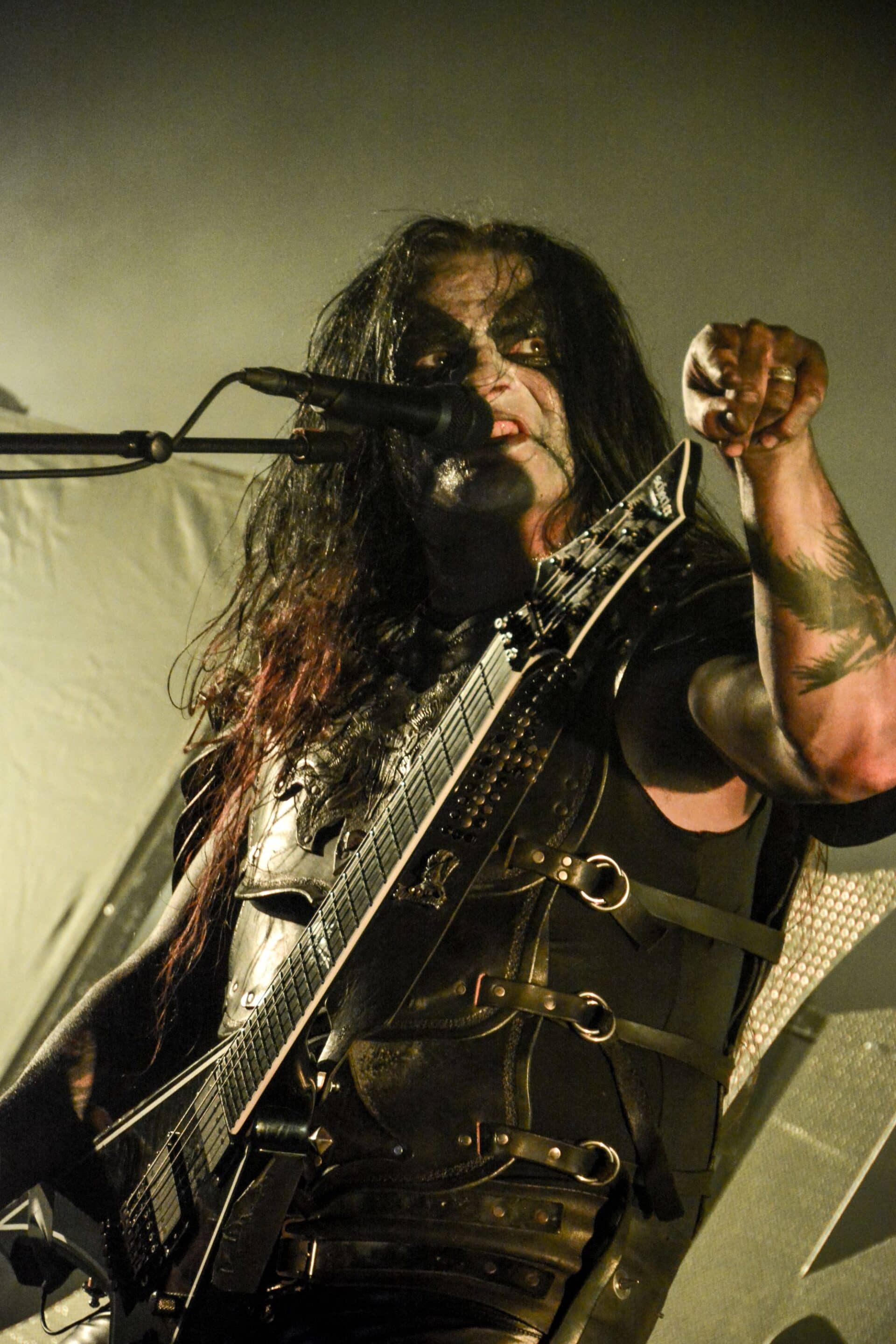
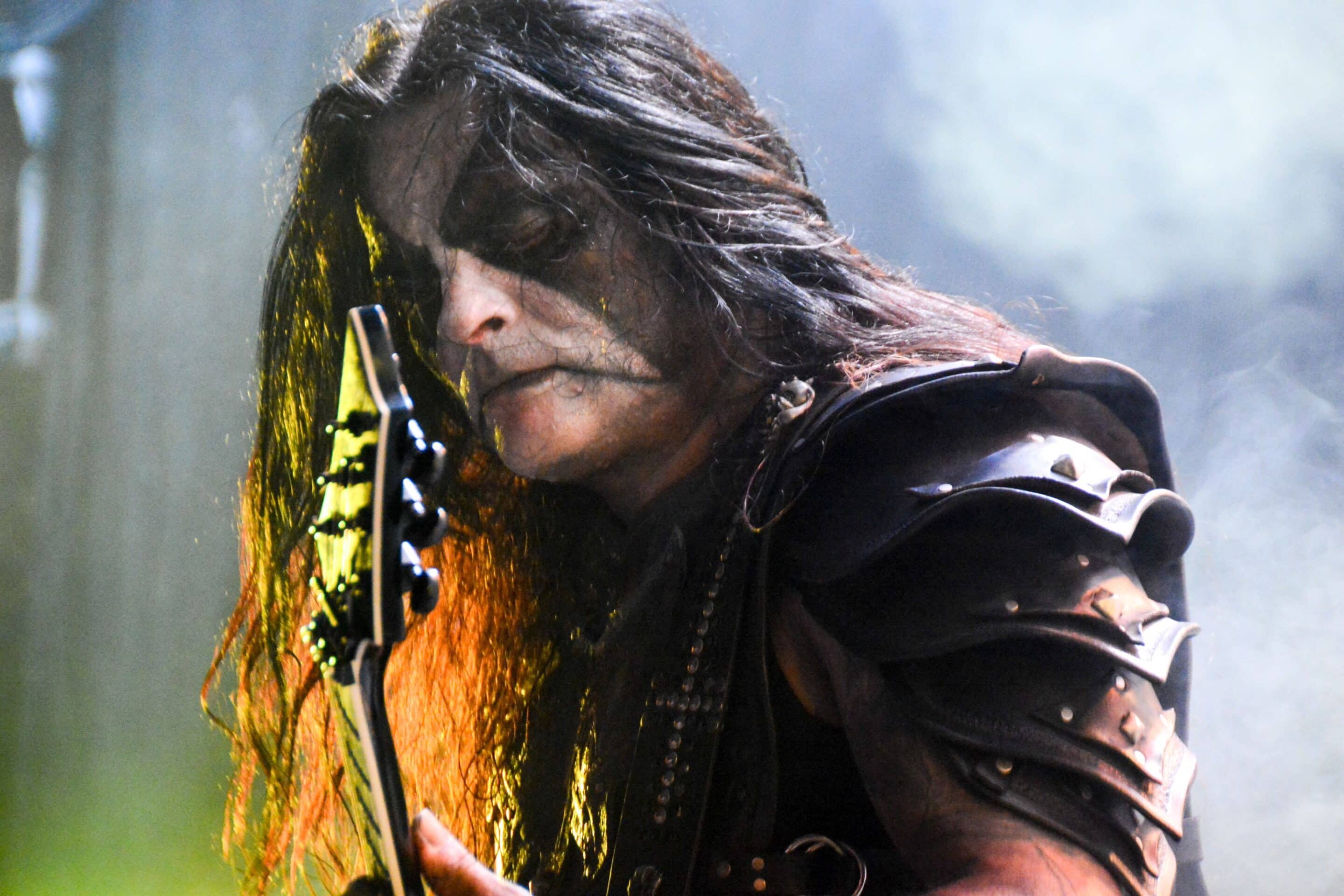
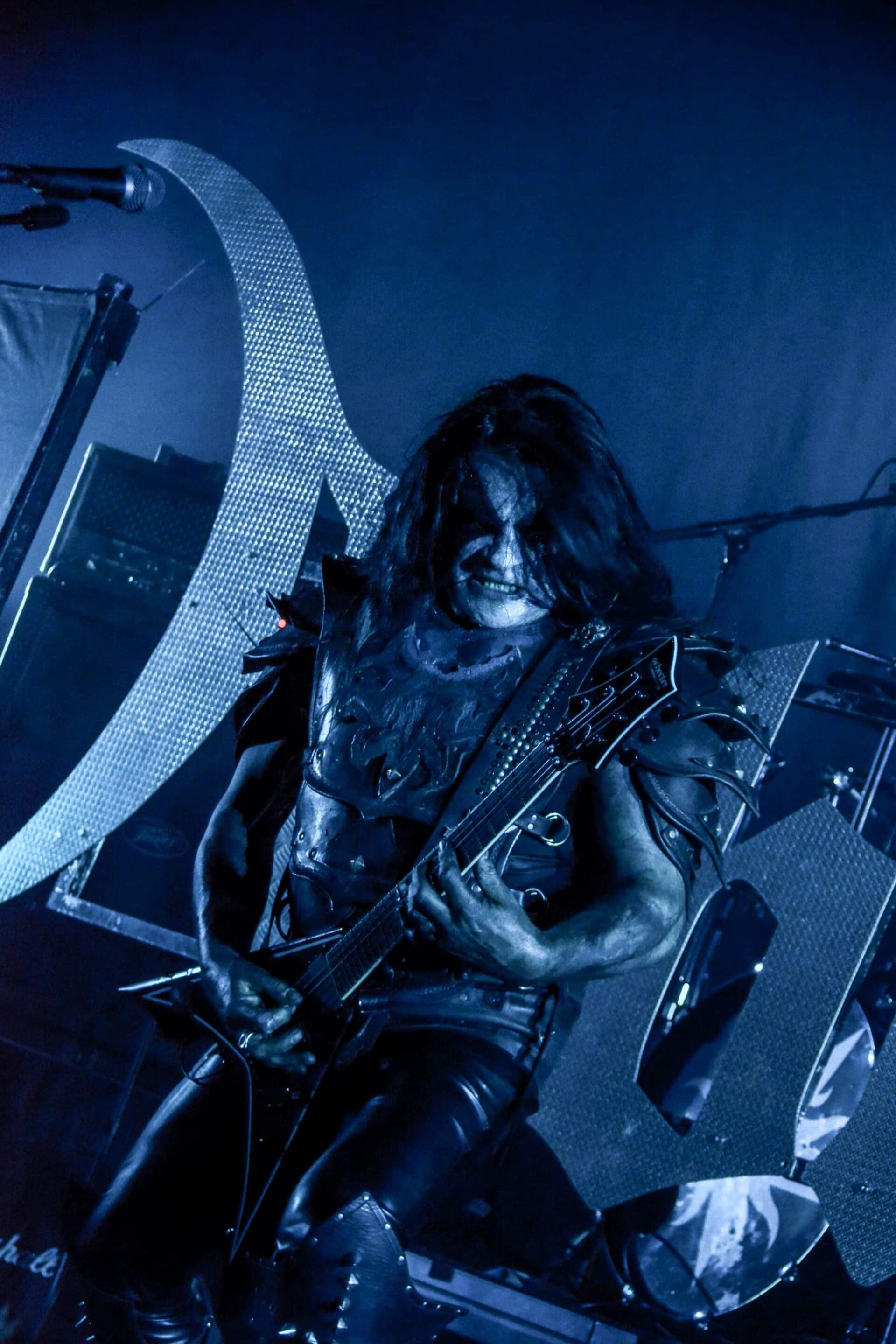
Ekkor a pincében az Slegest lépett föl – úgy voltam vele, hogy őket kétszer már láttam Budapesten, ráadásul annyira nem is izgalmas számomra, amit csinálnak –, úgyhogy hatvan percet el is töltöttem az előttem lévő fekete függöny bámulásával, csakhogy felkészüljek Abbath mester performanszára. A májsztó az utóbbi időben hihetetlenül összeszedett, ennek a fellépésnek a során sem volt egy pillanatnyi üresjárat sem. A szokás ökörködéseit is hanyagolta, cserébe pedig nagyjából kétszáz százalékos hatásfokon pörgött. A koncert kisebb technikai gikszerrel kezdődött: Ole André Farstad gitárja népmesei jelleggel hol szólt, hol nem, de egy röptében elvégzett gitárcsere ezt a problémát is megoldotta. Igazából nincs is Abbath-fellépés kötelező elemek nélkül, így izgatottan vártam, hogy mikor jön a One by one meg az ehhez hasonló Immortal-klasszikusok – de nem jöttek. Most már Olve eljutott odáig, hogy összerakott annyi anyagot, amivel alanyi jogon a saját zenéjét tudja turnéztatni, és nem szorul rá arra, hogy kötelező jelleggel Immortal-dalokat játsszon csak azért, hogy meglegyen a műsoridő. Igaz, Immortal-dallal kezdtünk és volt két I-feldolgozás is, de a fennmaradó 12 tétel a májsztró saját munkássága volt, alapvetően az első albumról. Amikor legutoljára láttam az öregfiút – ez a tavalyi Brutal Assault-on volt –, akkor az új albumról is játszott elég sokat, itt most csak két dal hangzott el erről az anyagról. Szerintem ezek a tételek konzervben nagyon erőtlenül hangzanak, viszont élő fellépésen valami egészen fenomenálisak. A szép hosszú fellépést egy rövid szünet, illetve egy kis pirózás szakította meg, és valami egészen elképesztően pörgős bulival zárták – legalábbis számomra – a 2023-as Inferno-t.
A szálláson beszélgetve tulajdonképpen arra jöttünk rá, hogy vélhetően életünk egyik legolcsóbb fesztiválján voltunk. Igaz, hogy repülőjegyet kellett venni és a norvég árak is azért elég combosak, de hogyha megnézzük, hogy ezért hány fantasztikus, csúcsminőségű, csomó esetben Magyarországon nem látható zenekart kaptunk, akkor szerintem ezt a mérleget nagyjából sok-sok hétnyi egyéb fesztivállal lehetne csak összehozni. Ennek a habzsi-dőzsinek megvan az a roppant kellemetlen mellékhatása, hogy innentől már meglehetősen nehéz lesz ezzel összemérhető felhozatalú eseményt választani. Egy szó mint száz: engem kilóra megvették ezzel a fesztivállal, és még csak fél órája vagyok itthon, de már most is a bergeni Beyond the Gates menetrendjét nézegetem…
Írta: Á
A szerzők és a szerkesztőség köszönetüket fejezik ki az Inferno Metal Festival szervezőinek, elsősorban Runar Pettersen-nek.
******** ENGLISH CONTENT ********
For long decades it has been a dream to participate Inferno in Oslo – Norway bid very deep in my heart by default, so I did not need to be pressed to dream about this festival… and the line-up is more than excellent in most of the cases. Not only because the bands with local roots defining the genre, but also because the names who don’t play actually too much outside of their home country. The pricing is normally above the European average, but after talking to my friend Peter we actually came to the conclusion that this 4-days festival is an extremely high value for money, and flying to Oslo is probably a way better than participating a festival in similar length for third of money with a tenth of the bands in a comparable line-up as here, so we took a deep breath in December, bought the air plane ticket, booked the concert ticket and fixed the accommodation.
The Inferno Metal Festival takes place at around half a dozen venues in Oslo – not all at once, of course. The central unit are the Rockefeller and John Dee venues; it’s actually a block in half a mile distance from the central station, and the main gigs are played back-to-back at these two venues. There are then the early afternoon shows at other venues, also the day zero performers out on the beach at a different spot, a conference in the hotel… everything what you want. You can’t really cut the ticket price, but it’s still possible to reduce travel cost if you buy your tickets in a good advance. There are several strategies for accommodation, and we stayed at the official festival hotel (Clariton the Hub), which is exactly in a two corners distance from Rockefeller and in a few hundreds of yards from the train station. According to their website, it’s a four-star, very smart, very nice hotel with four star prices, but as being the official sponsor of the festival, their rates are basically symbolic for the duration of the event. It had a contrast to see nice and peaceful local families with small children and suspicious-looking guys in leather trousers in band T-shirts together, snacking peacefully in the pleasant April snowfall at a huge breakfast buffet in this fantastic hotel. And it’s also not an everyday experience to see the reception staff dressed in Inferno moniker T-shirts taking care of the guests’ business with the softly humming sounds of Morbid Angel in the background. As there are all sorts of size and weight limits on the plane, the best is to bring light but windproof hiking gear; you might even need gloves for those distances if you’re unlucky.
The prices, especially the alcohol prices, are way above the European average; my friend Peter and I had a long discussion about what strategy to follow in terms of drinking, and then we realized we shouldn’t have a lot of chance to party because with such a fantastic line-up there is basically no time for standby, and god forbid, you should miss a night out. I have no tangible information about the beer prices at the festival: they weren’t posted, and I didn’t buy any. To have some beers, perhaps the most sensible approach is to look around in the duty-free section of Oslo airport. Prices are quite OK there as six small cans of beer for can cost of 5 euros, but it’s still a lot easier than hunting for beer in Oslo afterwards. Please note: the amount of duty free goods you can bring in is displayed at customs, so please pay particular attention about that. Apart from the prices, there is also something to be considered, namely the food. You can eat in the hotel (I think it’s too much even for the local citizens), you can find a fast-food nearby or you can browse for groceries. Everything closes down at Easter, there are two major grocery stores (Rema 1000) and many small ones (Joker) open during this period in the whole city. During this time, it’s not too easy to get beer or wine either: if you try to get it at the wrong time, either the liquor store (Vinmonopolet) is closed, or the right shelf or fridge in the grocery has been locked, leaving the hotel bar with its ten-euro beer.
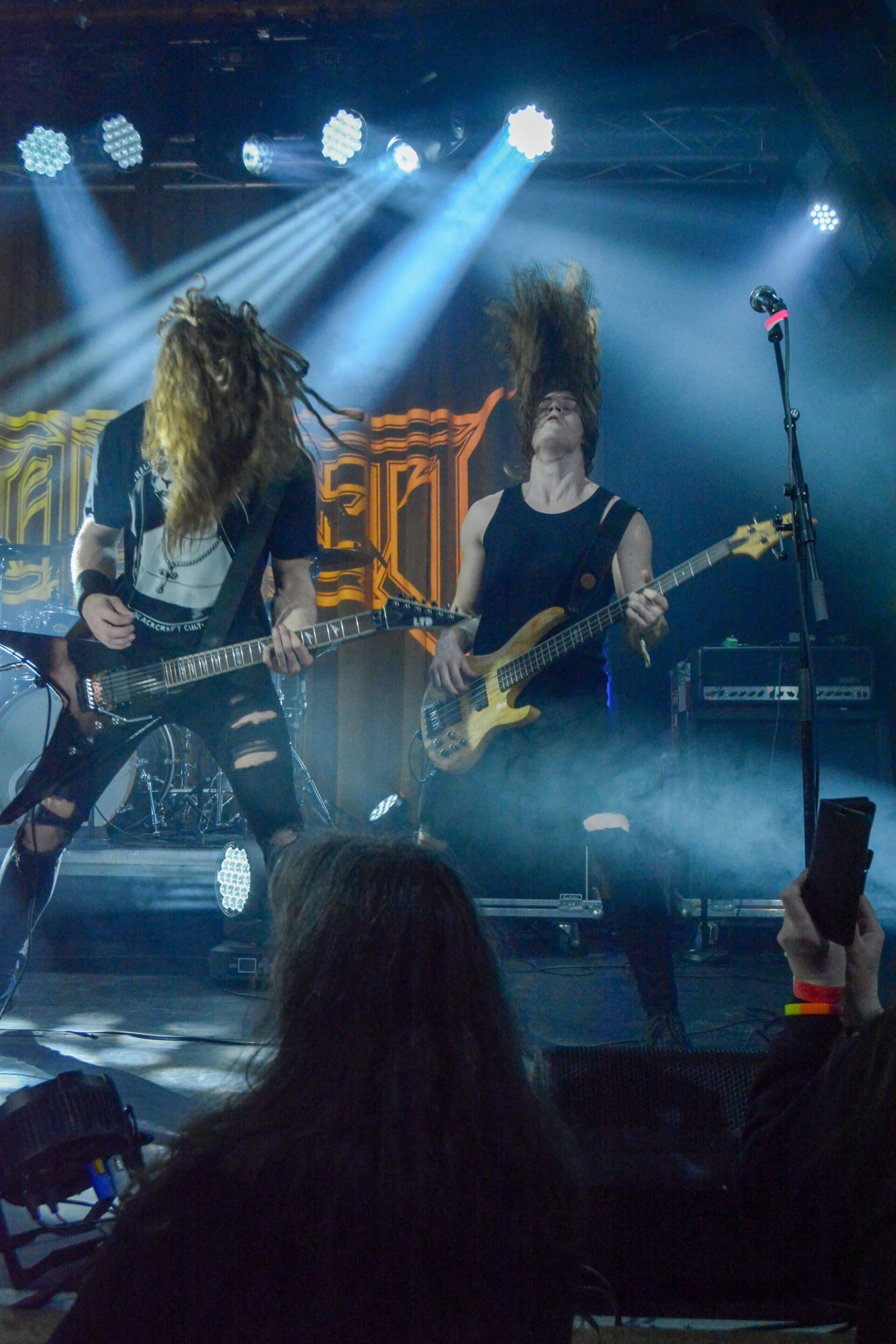
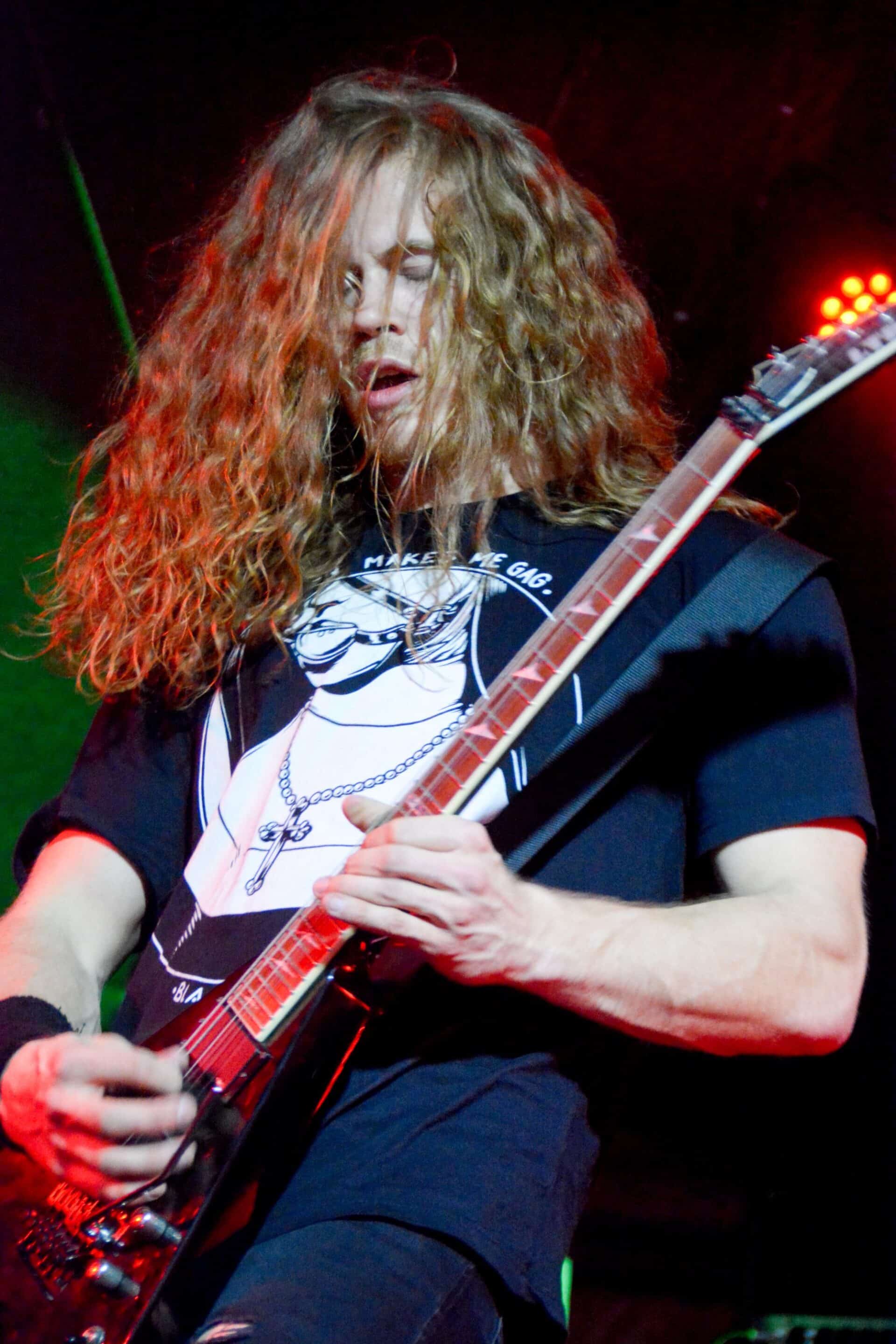
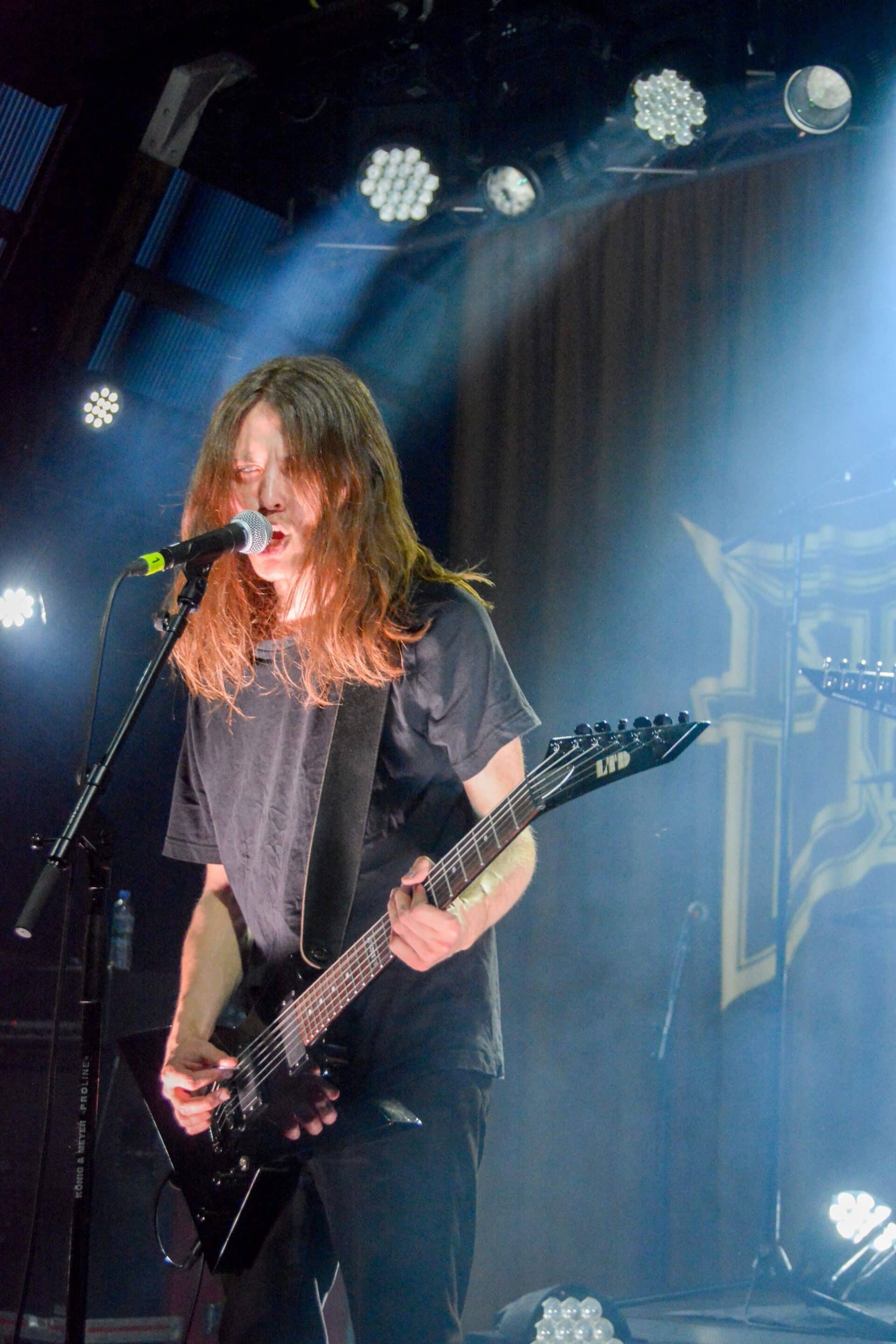
We had two options for day zero: either we could walk to Igorrr, Amenra and Der Weg einer Freiheit, or we listen to Inferno’s day zero acts, and we decided on the latter and went to a place called Salt near the harbour. A tiny venue, waist-high stage, surprisingly good mixing, and the first performance of the night, Eradicated, sounded clear. A young band, formed two years ago, have one single and one EP to their name, but they were certainly very enthusiastic about their music, which could be best categorised as trash metal. They had a good familiarity as there was quite a good two-way communication between the band and audience.
They changed quickly and then came the second band of that night, namely Vorbid. The Salt is a party complex with several smaller venues opened out of a larger space, and it was on one of its stages where Vorbid was heating up. Their music can’t be easily categorised, difficult to be boxed; it could perhaps be best described as thrash metal, but it’s much more complex and a way more progressive than an average music fan in this genre thinks. They played complex songs, sometimes with a jazz overtone, which was definitely appreciated by the small but active audience present.
Day 1: the day of Emperor
And the first day of the festival has been arrived. The line-up is something quite amazing, the list of performers is perhaps best described as a parade. For example, the main bands (in a reverse order) are Emperor, Cannibal Corpse and Dark Funeral, which is a finger licking selection, I mean not licking only my own ones, but also the big toe of the troll sized neighbour in the next room to mine. The bands in the miraculous roaster of this day include Blood Red Throne, Mork, and to start things off strong, Stormruler and Ingested, who I had the chance to listen to in Budapest few weeks back in time, will warm up the crowd on the first floor of a small pub in a two corner distance from the hotel.
We had the pleasure of watch out Stormruler in Budapest a couple of weeks ago, opening for Cannibal Corpse and Dark Funeral, and warming up this venue with Ingested. They play melodic black metal, not without death elements and solos. At Inferno, they did not play in the Rockefeller John Dee complex, but it happened in the upstairs concert hall of the Vaterland pub. They sounded very clean, gave a very nice half an hour party, it was a real pleasure to listen to this band again, and apparently that’s not only my opinion. During the gig, Vaterland was full, and the rest of the audience could only listen to the performance from the stairs.
The list of potential ‘side projects’ included an interview with Dark Funeral guitarist Chaq Mol. As in many cases, this was a last minute arrangement; I was sitting and waiting for the tour manager lady’s call when the mobile rang and I did drop away everything immediately because the maestro had a quarter an hour for the interview (many thanks, Marita!). Then, as usually, this quarter an hour turned into almost an hour of joking around, only to get finished shortly after the start of Necromantheon… and that was the moment I neither had my photo pass nor wristband fixed. I understand it’s not the first time this event to be organised, but everything went so smoothly that it should be taught. For example, based on my experience at other festivals, I was worried in advance about how long could it take to get the documents I need to get in, but the longest phase of this whole procedure was to get my ID out of my wallet… and the first Inferno of my life had officially begun.
Everything worked fine when queueing at the entrance of Rockefeller: there was a half an hour queue there, and unsurprisingly, even the smallest bags of the guest were checked very thoroughly, but then I finally managed to get into the sanctuary. The Rockefeller’s concert hall has roughly the same size as Analog Music Hall has in Budapest (maybe double the size if you count all the other rooms), with a balcony and a second-floor terrace on one side, where even during the Necromantheon gig, there was an incredible crowd. The fact that Rockefeller has a balcony, can significantly improve the gig experience, so if you arrive on time you can literally watch the actual band sitting here while having a pint. Because the interview I was late and I actually managed to get in for the last track of Necromantheon. They were basically playing heavy metal rooted, upbeat music, but I didn’t have the opportunity to get immersed in their performance.
After Necromantheon’s performance I headed to John Dee in the basement (actually downstairs), where Blood Red Throne just started. The concept is that John Dee can hold roughly one third of the Rockefeller’s audience therefore only a persistent and motivated music fan, who can make it from the main stage to the John Dee entrance in a few minutes, will have an opportunity to listen to the action downstairs. Once the number of audience allowed has been reached the limit in the basement, no one has been allowed in, regardless of they bought tickets for this event. Blood Red Throne put on a very raucous performance, presumably not totally independent of the content of a large plastic jug that guitarist Ivan Gujić diligently scavenged. It was initially attended by our friend, and later it was passed around in the audience rows, but clearly, it wasn’t the only thing needed to create such a good atmosphere. In fact, as a plus relative to the CD records, they put on a fantastic and lively performance throughout the evening. By the end of the show, the band’s crew was getting very worn out. By the time I had got up from John Dee, Djevel were about halfway through their setlist.
Few hours left until the main performers… but Rockefeller was already so crowded that no one could actually approach the main stage, and it was impossible to take photos in front of it. Djevel played a very classic atmospheric black metal with all the accessories you would expect. Perhaps it is a good indicator of the significance of the Norwegian scene that this band, which we haven’t really heard about too much in Hungary, played to a full house.
I tried the impossible, and after Djevel, I ran down to the basement to see Mutilated Tyrant. The concept was to listen to the first songs and shoot a few shoots, and then head back to the main room to queue for Dark Funeral. I haven’t really had time to dive too deep into Mutilated Tyrant music: they played classic black metal on an old school way meeting the genre’s requirements, but the message, energy and power did not entirely came through basically because the few songs I saw.
Dark Funeral sounded a lot better than in Budapest: Chaq Mol’s guitar was perfectly clear, but Mikael basically seemed to be absent from the stage… and again, the main problem was that the harmonies, making the back bone of their music, were barely audible. They played exactly the same setlist as in Hungary, with pretty much the same choreography; and it was obvious that this band is a professionally working engine. I didn’t think it would be possible to increase the crowd density any further as we were insanely crowded, and I was only able to take pictures basically standing on my tiptoe, but it was definitely worth of it. Then came the food break: as I was not extremely curious about Nervosa, I just went out to grab a quick bite and then I tried to get as close to the stage of Cannibal Corpse as possible so I could enjoy the performance and action.
This was the most crowded gig of the whole festival I guess and by the way, I couldn’t get any closer to the stage than the fifth row; only during circle pits had I some little chance to get a bit further. The choreography, the show and the elements were exactly the same as in Budapest. I was quite impressed by what Erik Rutan was playing and how he did it: I was totally amazed what this guy was doing, playing guitar with his short and chubby fingers. I didn’t see any shows of boredom, of lost motivation, of fatigue, and even at 52, he pushed the whole gig with exactly the same enthusiasm as if he was doing the very first concert of his life. The only difference to their Hungarian performance was that the crowd here were less active: pogo and circle pit happened occasionally, with only a few crowd surfers, and Corpsegrinder only had two more plush toys at the end of his performance: one was given by the Italian colleague next to me, and the other came from me. I thought I’d go down to the basement to see Mork: I saw them at the Dark Easter Metal Meeting in Munich last year and they were amazing, but I didn’t get the chance to do that this time: by the time I got to the door, John Dee was full, no one was allowed in, which is a bit annoying. So instead of Mork, I got to admire the curtains of the main stage for an hour, waiting for Emperor from the front row.
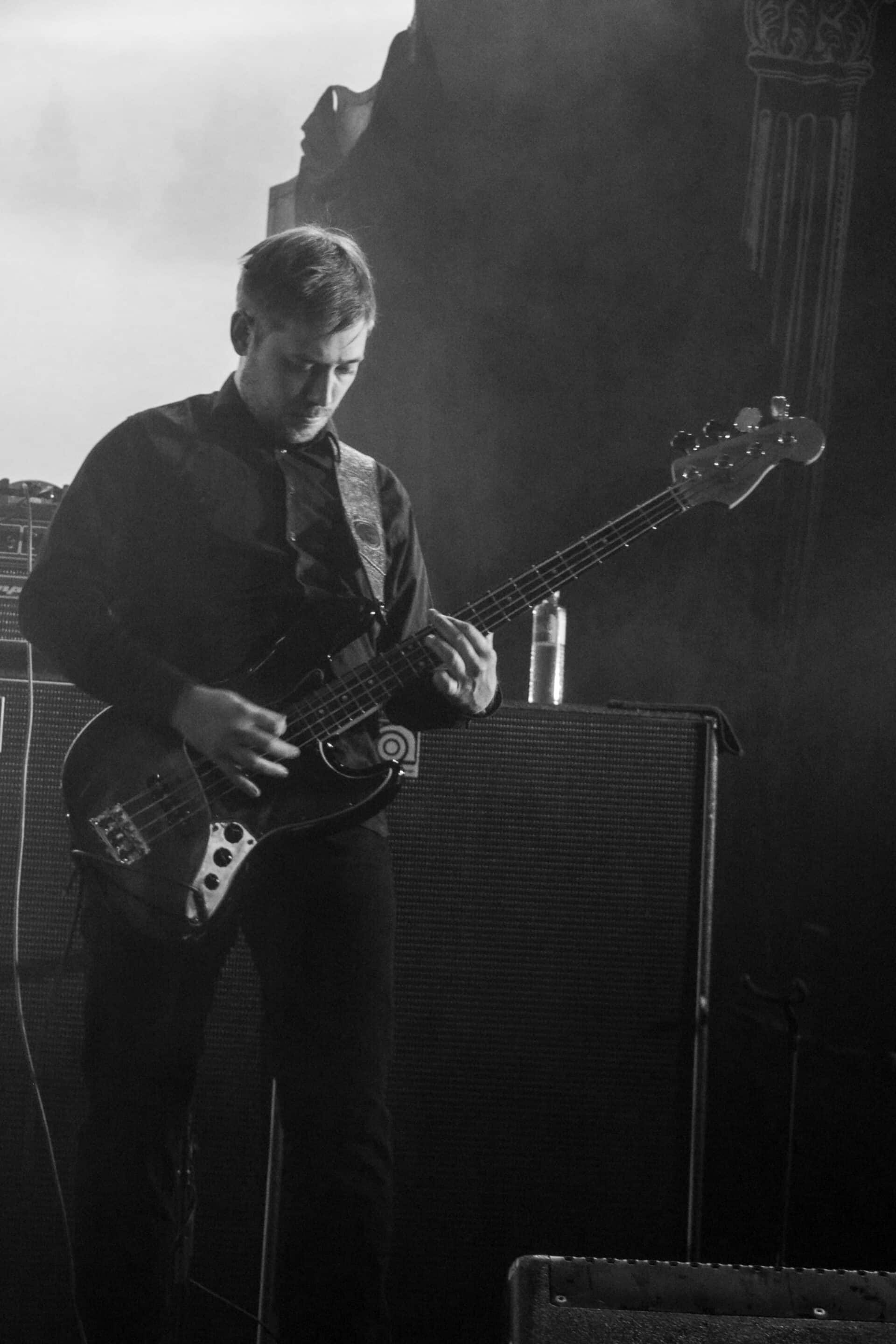
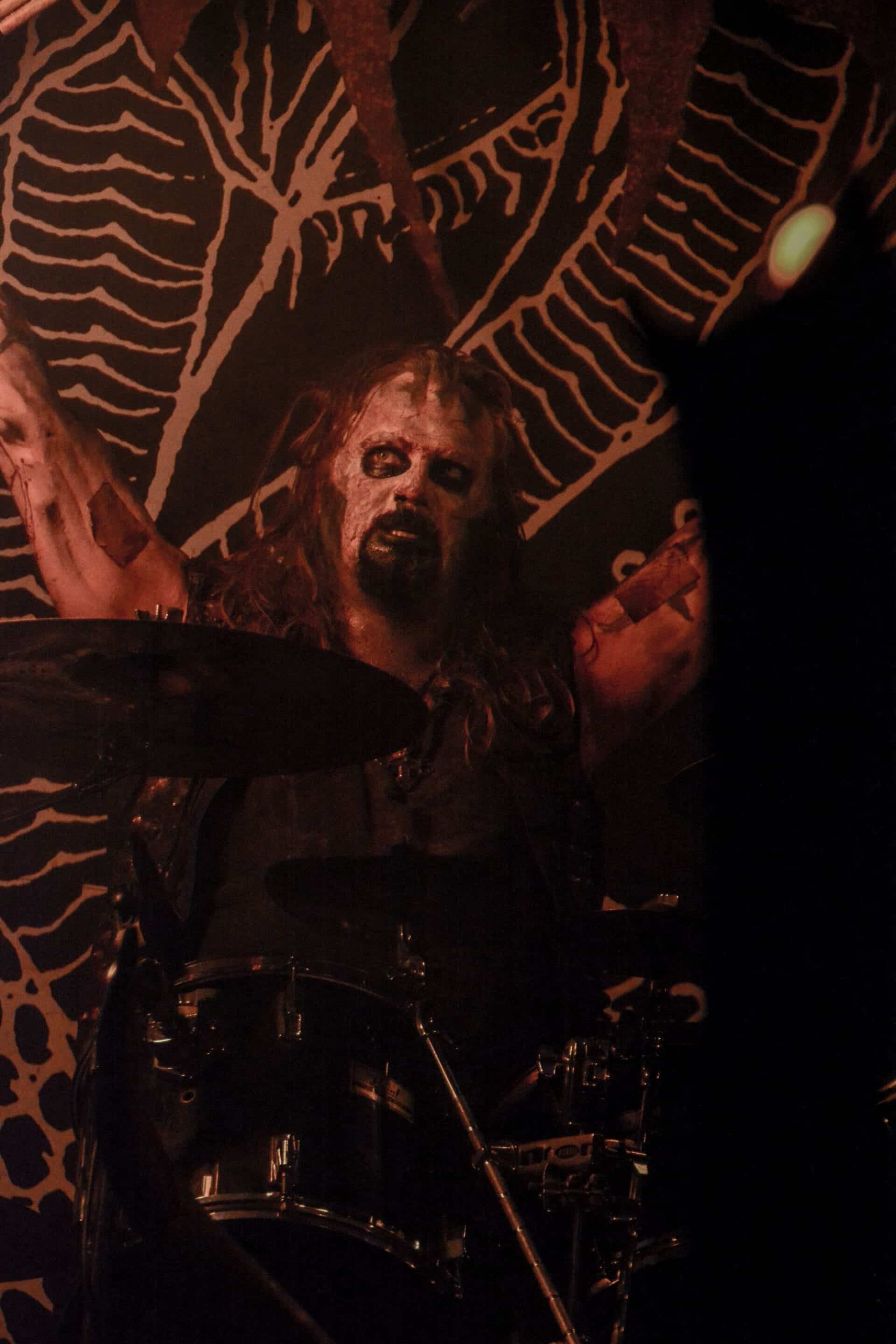
And it has finally begun. For a moment, I felt completely lost: we were at the third song, I still hadn’t managed to reconstruct where exactly we are in the entire oeuvre. I suppose Ihsahn and the guys had grown tired of the old classics over the last twenty years because the lack of new songs, and they started to pick up the less popular older tracks. Even so, this was a fantastic performance: Vegard’s voice was dynamic and strong, and there is still no question about his instrumental skills. Samoth and the bassist Secthdamon stood glued to the stage in a space of about a square meter, picking like demos from hell. A few songs before the show was over, they went down for a rest, and then one could see something quite amazing: Tony was having a beer with Corpsegrinder in the middle of his own gig. Ihsahn’s right-hand man, Samoth, who was providing the background music, had aged since I saw him on stage. These people on stage are somewhere in their fifties and as Secthdamon looks exactly the same as twenty years ago, Samoth actually gave the impression of a more senior musician. Of course, there are extremely sad reasons behind: he went through his second divorce, and he tragically lost his first ex-wife as one of the victims of the Kongsberg massacre in 2021, but still, there is no question about his technical skills, ability and enthusiasm.. The second half of the performance would have been enough for a wish-list show, with classics like Curse you all men (the origin of the title was explained to us by the maestro a few years ago) and In the wordless chamber. Occasional absence of a keyboard was noticeable on the latter: in some cases, where it has an important role, the keyboard was not perfectly audible; for example, it has a fairly prominent role in the In the wordless chamber but occasionally, it was just hidden. So, the balance of the first day was a fantastic and crystal clear Stormruler, a very upbeat and very fair Blood Red Throne, a well-sounding and exciting Djevel, a much cleaner sounding Dark Funeral, a hair-raisingly precise and dynamic Cannibal Corpse, and a hundred percent performance of Emperor. And before anyone hears out any dissatisfaction with that: there have been way longer festivals where the sum of a whole event cannot be measured against the summary of the first day’s performances. So that was the end of Emperor’s day, and now Amorphis’ day to come.
Day 2: the day of Amorphis
I’m not a big fan of Harakiri for the Sky myself; I managed to get in about halfway through their performance and finally got to try out the photo opportunities the arena offers.
It’s an unusual view to see a band from above, but really, it’s just seemingly a good spot: the mix there is far from perfect, and somehow from above, one can’t get convincing photos of the artists. What struck me first was how sparsely Harakiri for The Sky attended was. It’s not because their performance, but for the whole day in general, with a drop of about thirty percent compared to the first day. Harakiri for The Sky put a perfectly fair show on – the reception was a little soft, with very minimal movement and cheering either due to the early hour, or due to the fact that this schedule has the listeners pretty much caught up.
I was on pins and needles waiting for the John Dee to open, as I really wanted to listen to at least the first few tracks of Dordeduh’s set. The previous day, Mork was simply impossible to get down to; fortunately, I had no such problem at Dordeduh, and I must say that I saw more enthusiasm from the audience during this show than during Harakiri for the Sky. There were only four musicians this time, and they were clearly greeted by a prepared audience: there were people shouting the lyrics at them (could we be talking about a few Romanian fans living in Oslo?). They were a good number of other people who were apparently familiar with the band and their melodies like an American girl next to me who was perfectly aware of what was going on. They gave an amazing performance: sounded very nice and clear, and what I particularly like about their performance is the atmosphere they create with the music. The mixing of black metal elements with atmospheric, and if I’m not mistaken, folk music parts, produces a very special atmosphere that is always a great pleasure to listen to. Unfortunately, a hurry changed this pleasure as it was the turn of Odium, which I wanted to enjoy in the front row.
This symphonic black metal band is basically a ‘dream team’ of the Scandinavian extreme metal scene: Secthdamon, who plays bass in Emperor and does drums in Myrkskog, was on guitars, Thor, known from Morbid Angel and other band, does the second guitar, and the fantastic Nils Fjellström on drums. As far as I understood this line-up has changed, a substitute guitarist has been replacing Thor, and we had two keyboards instead of one, as Secthdamon’s wife Silke was also on stage to help out Mustis, better known from Dimmu Borgir. People were literally going crazy with what they were doing: there was about as much movement of crowd at Cannibal Corpse as there was during Odium. The band had been on hiatus for a decade and a half, maybe this gig filled a gap in that respect, but the audience went so crazy it was a joy to watch. We managed to arrange an interview with Tony on the third day of the festival, where we got to know a bit about Odium, but during the gig I figured out they are working on a new material. What I was also interested in whether they would like to re-record their old and only album what I personally would really appreciate. It was also possible to have a handshake with the band shortly after their performance, and it was a particular pleasure of mine to have a few words with one of the genre’s quite fantastic drummers, Nils Fjellström. I mentioned to him that as a guitar man, I don’t pay too much attention to the people behind the drums, but his drum playing, whether in Dark Funeral, Nordjevel or Odium, is something what I found quite unique and amazing. After that, I was completely surprised that he was more embarrassed than me.
I didn’t have much time to have fun with the Odium crew, because Wolves in the Throne Room were already warming up. They were neither fish nor fowl for me for a long time, I didn’t really know what to make of their music, but later on I started to like them more and more, and at this gig, because they sound was quite clear, they gave a fantastic performance. It was pretty much a ‘best of’ selection of classic songs that I had heard in Hungary, and of course with a heavy emphasis on songs taken from the new album Primordial Arcana. If I may formulate something like a criticism, it would be like this: the first ten minutes of this sixty-minutes performance went by with all sorts of mystical elements like humming, growling (as an intro), followed by two longer interludes (such as the well-known scene where Kody Keyworth carries incense around the stage in a large metal pot). This could fit into a one and a half hour set as it did very well in Budapest, but I thought it was a little bit too much for a sixty minutes one. But even so, the most important was the perfect sound. At this point in the day, the biology, namely the starving, won out over the metal warriors. Industrial metal is not really my style, so I walked away to eat skipping the whole Godflesh as is, and then headed back to the Amorphis gig to find my place in the first row.
I probably had an over reaction: there were surprisingly very little number of people, in fact there was still some place in the second row twenty minutes before the event. The crowd was fairly relaxed when the party started. As always, Amorphis sounded perfect; the only complaint might be perhaps the tiny wobble in the keyboard sound, but actually the two guitars, bass, synths and drums made a perfectly sounding unit. They also played a couple of older songs, not too often in the roaster, alongside the usual great classics; and in fact this was one of those performances of the festival where neither the smallest trace of any kind of alibi, nor routine or boredom could have been detected. Everyone here was floored, full of enthusiasm, winking at each other, grinning at each other, waving a microphone… they were clearly enjoying themselves and not just ticking out the show. They’re not my top favourite band, of course I like them a lot, but with their top quality stage production, pleasant songs and consistently perfect sound, they’re pushing themselves higher and higher and I think they’ll make it to the podium. It’s always a great experience staying in a hotel with musicians. For example, during the fire alarm at a quarter to three in the morning, my friend Peter had the pleasure of waiting for the lift with Ihsahn, and in the morning, I had the pleasure of excavating the salmon with Tomi Koivusaari and half of Dordeduh at breakfast a few hours later, which, let’s admit it, is not the least of the experience. And that brings us to day three, which is the day of Watain.
Day 3: the day of Watain
And then came the third day, with eight interesting concerts in a row after perhaps the most important event of the festival: at 2pm, in conference room number two of the Clarion the Hub hotel, Vegard Sverre Teitan, guitarist-singer of Emperor, gave a one and a half hour workshop.
The start of the whole thing was quite amazing: you walk into a conference room, sit down right next to Ihsahn and his son, and wait for the lecturer to start in this slightly awed atmosphere. This hour and a half was largely devoted to the topic of how his musical style and ways of musical expression have changed and evolved over the time. He said that the point was always to push the boundaries further and further, and he thought he found this in a constant evolution, in a constant change, in a continuous search for new solutions to express contrasts. It’s hard to talk about music without having an instrument handy, so the most important ideas were demonstrated by using musical illustrations, partly analyzing a few riffs from Emperor’s most important songs to see what to listen for, and then the master demonstrated a few projects under his own name. At the end, of course, it was possible to ask questions in person, and it’s an amazing feeling when one of your childhood idols explains in a very direct way the differences between the pickups of his six-string and eight-string guitars. If that had been the only thing that had happened over the four days, I would probably have gone home with my mouth hanging open, but that was just one small part of the whole package.
After Vegard’s performance, there wasn’t much time left, I was in a hurry to catch at least the last songs of Vemod, who started the evening on the main stage. Vemod play heavy, slow, melancholic post metal with heavy riffs; it’s hard to point out exact similarities, but what they do reminds me most of the music of Hungarian band Ygfan perhaps. The band definitely has a serious fan base, as a large audience had already gathered to listen to them at 4:30 in the afternoon.
I was curious to see Dwaal on stage. I had listened to their music in preparation for the festival; it sounded me not so easy to digest, but I was very curious to see their live performance. The five people band basically plays industrial metal with a female guitarist. The genre itself isn’t really close to my heart, but it is definitely appreciated that they have achieved this on a very professional level. Despite the fact that John Dee is a tiny place, the sound was perfect, and like the first day during the Mork gig, the place was basically packed. Not waiting for the gig to end, I ran back to Rockefeller for Sakis Tolis’ gig.
The main engine behind Rotting Christ toured with Among the Fires of Hell; the album released under his name was played in full. What should be pointed out is that the music retains a lot of the characteristics of Rotting Christ (obviously there are common points), but also the existence of significant differences has been noticed. The monotonous, repetitive, often slightly mantra-like guitar helped to dive deep into the musical experience, and on the top of that, the lighter melodies, the vocals, and Sakis’ stage production made their music easy to take in. They got a big cheer, and it was about the point where one couldn’t even make a single step around the main stage which raised the question: what will happen here during the performance of Watain? Unfortunately, I had no chance to wait for the end of their performance as I was heading back to the John Dee to listen to Dold Vorde Ens Navn’s set.
Personally, I love the style of Yusaf Parvez, his stage performance and also his music. Being the singer of Dødheimsgard among other bands, I was curious to see what this production would be like. So were others, therefore John Dee was totally packed downstairs. In a sentence, what they did was nice but probably a little bit too eclectic for me. The music was often difficult to follow, and I would call it probably experimental metal as Yusaf with his black-painted face and big thick beard followed the rhythm and melody of the music, moving like a scarecrow. The fault must have been on my side; I’m not as familiar with the oeuvre of Dold Vorde Ens Navn as I should be, but the audience were in full ecstasy and went crazy during this performance. As not for the last time, I did not wait for the end of the gig as I headed upstairs to wait for Arcturus.
Apart from Dark Funeral, Arcturus is another band who I adore but I was not fully satisfied with the last performance. I love their gig and I’m a huge fan especially of Simen’s voice, but after their show at Brutal Assault in the Czech Republic, I felt the need for a full force performance, and I’m happy to report that they practically did it. They had sixty minutes for the gig, started with a ten minutes of delay, so they have left fifty minutes altogether… but what they did in that time is beyond my past imagination. I won’t go into Hellhammer’s drumming; as an extra charm, the drums being mixed beautifully clean and well lit the maestro, so that every little embellishment, every exciting musical solution could be seen and heard perfectly. Knut’s guitar sounded almost 100 percent; in fact, the original (unprocessed) sound of the drums was a little bit too loud, and as soon as Vortex stood in front of the drums with his 210 cm, the drum sound no longer reached the audience, and then both Knut and Sverd sounded crystal clear. The keyboard parts were perfectly fine, about ninety five percent of them could be heard, and most importantly, the voice of master Simen. At last year’s Brutal Assault I had assumed that the voice of the master had changed and singing the high notes and complex melodies makes extra difficulties for him, but not on the day of this gig. Tonight Simen was totally organized, gave a 150% performance, and the whole production was totally together. He sang beautifully, crystal clear, and according to my friend Peter, who is much more deep into Arcturus singing, there were even extra inflections, intonations and extra embellishments to the performance. They couldn’t play through the setlist as they run out of time due to the aforementioned delay, so they just walked away ending one of the best gigs of the night.
I headed back to the basement with a bit of a headache from the gig, where the British band Svalbard was starting. At first they looked very promising, but they actually deserved more work on my part. The UK outfit were a female vocal-guitar act; I would not have liked to be the spouse of the pretty British lady, in case of a family conflict at home it had already decided who was right. It was a shocking contrast to see during the performance: a cute lady of about 35, whose the childhood dream of playing Inferno had just come true, screamed her head off during the songs, so much that even a mountain troll-sized fan stood at attention next to the stage. With the soul got satisfied came the satisfaction of the body (that was the dinner), and unfortunately Nile fell victim to that. My decision was to take pics from the front row during Gaerea, which also meant getting back to the Rockefeller in time.
The Portuguese band played one of the best gigs of the festival: the stage was small, they didn’t really fit, and Guilherme made good use of the space, sometimes almost touching the photographers and the audience with the cordless mic. The performance was absolutely insane and amazing. At the beginning I was very annoyed by Guilherme’s movements: unfortunately more and more singers are pretending to move with the music, floating, forming balls out of the air and all sorts of other substitute acts but his performance combined several things. Partly he was conducting his performers, he was also supporting his own verbal expression, and he was producing a kind of dance-like movement, so all in all, I’ve revised my views on Gaerea’s stage movement so far. One other note: there has been a line-up change, and now Sonja Schuringa is strumming the strings on stage right, and presumably she will also be playing at the Budapest show. I suppose I don’t need to mention that it was a full house, but unfortunately I had to make the sad decision to start queuing for Watain before the end of Gaerea.
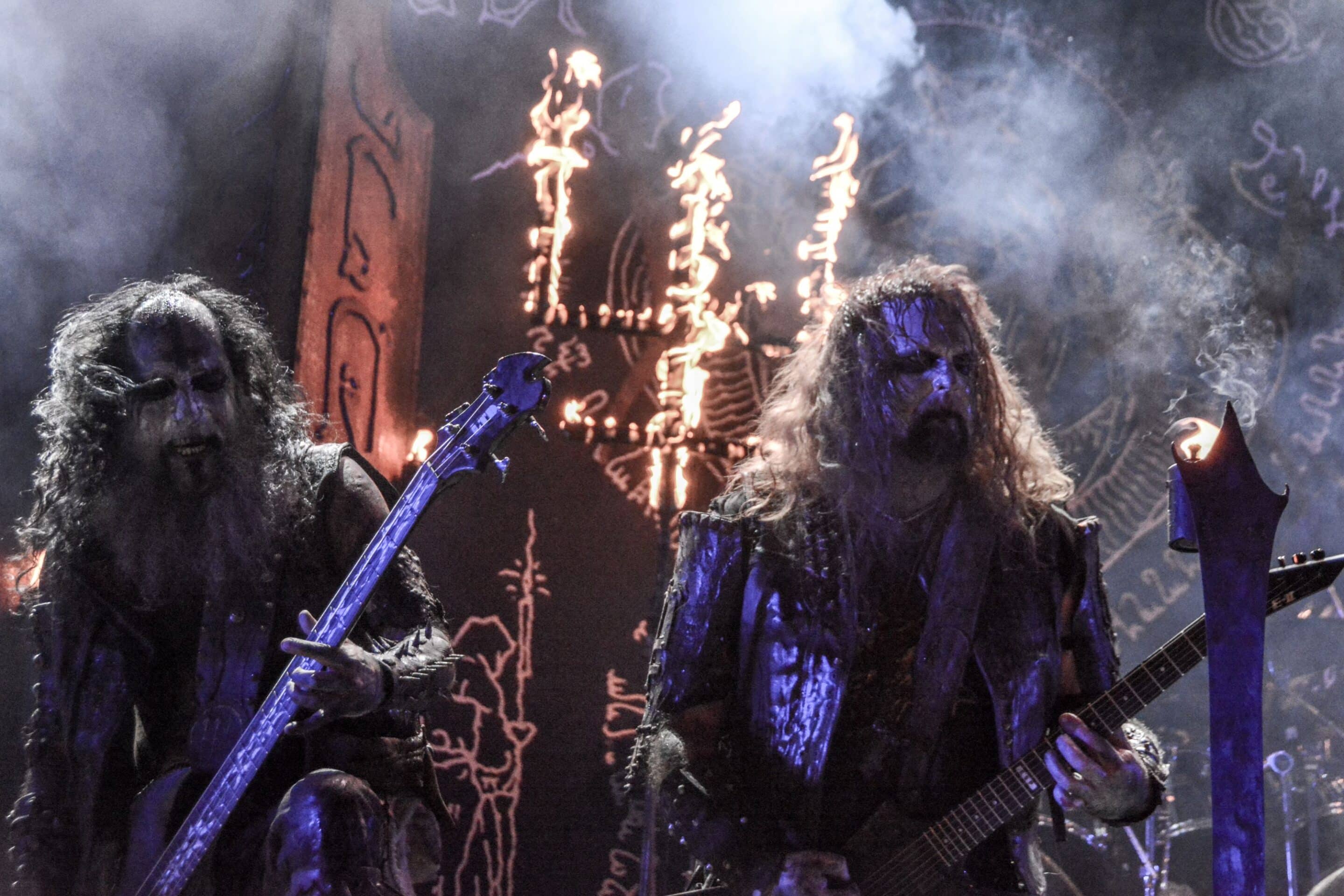
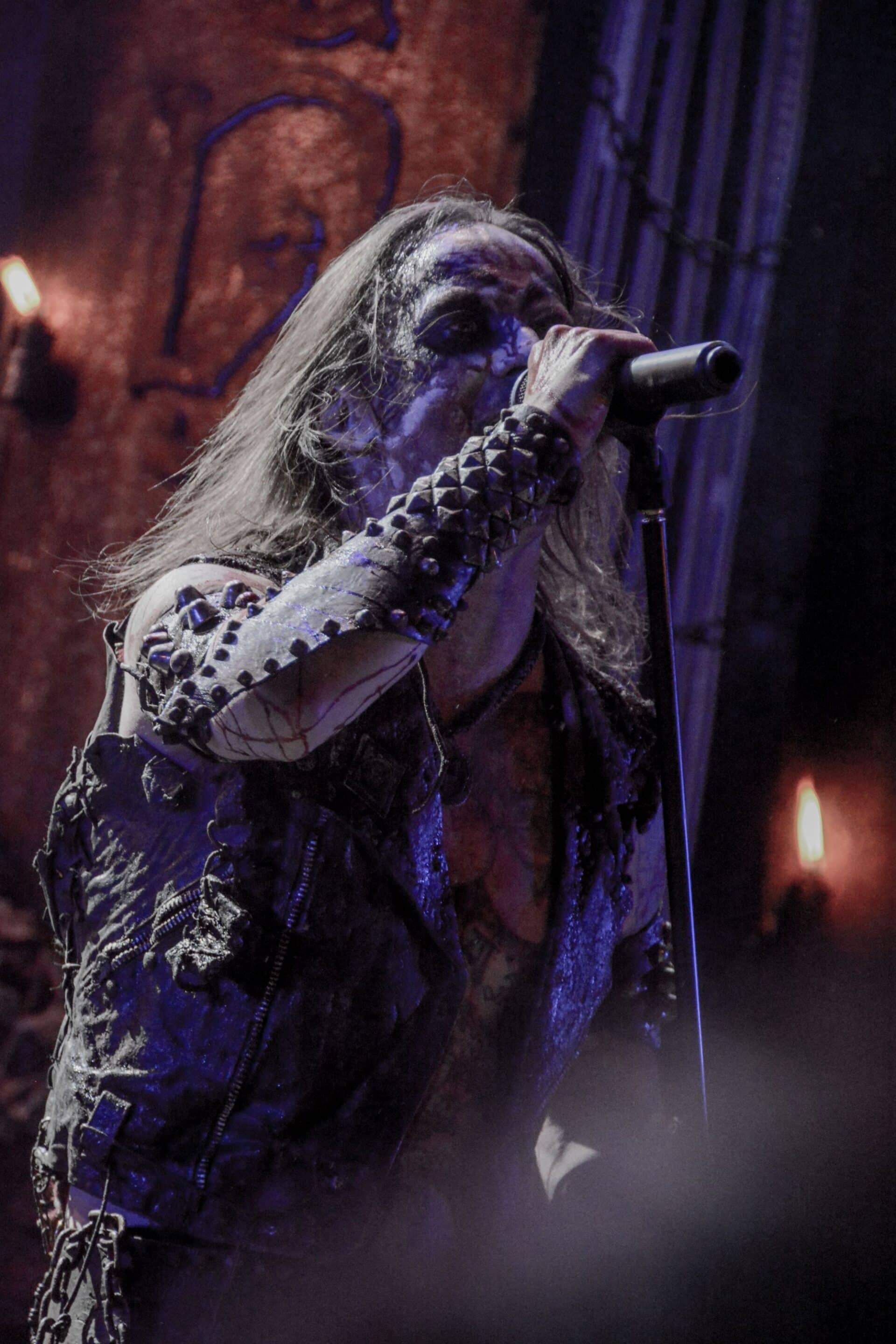
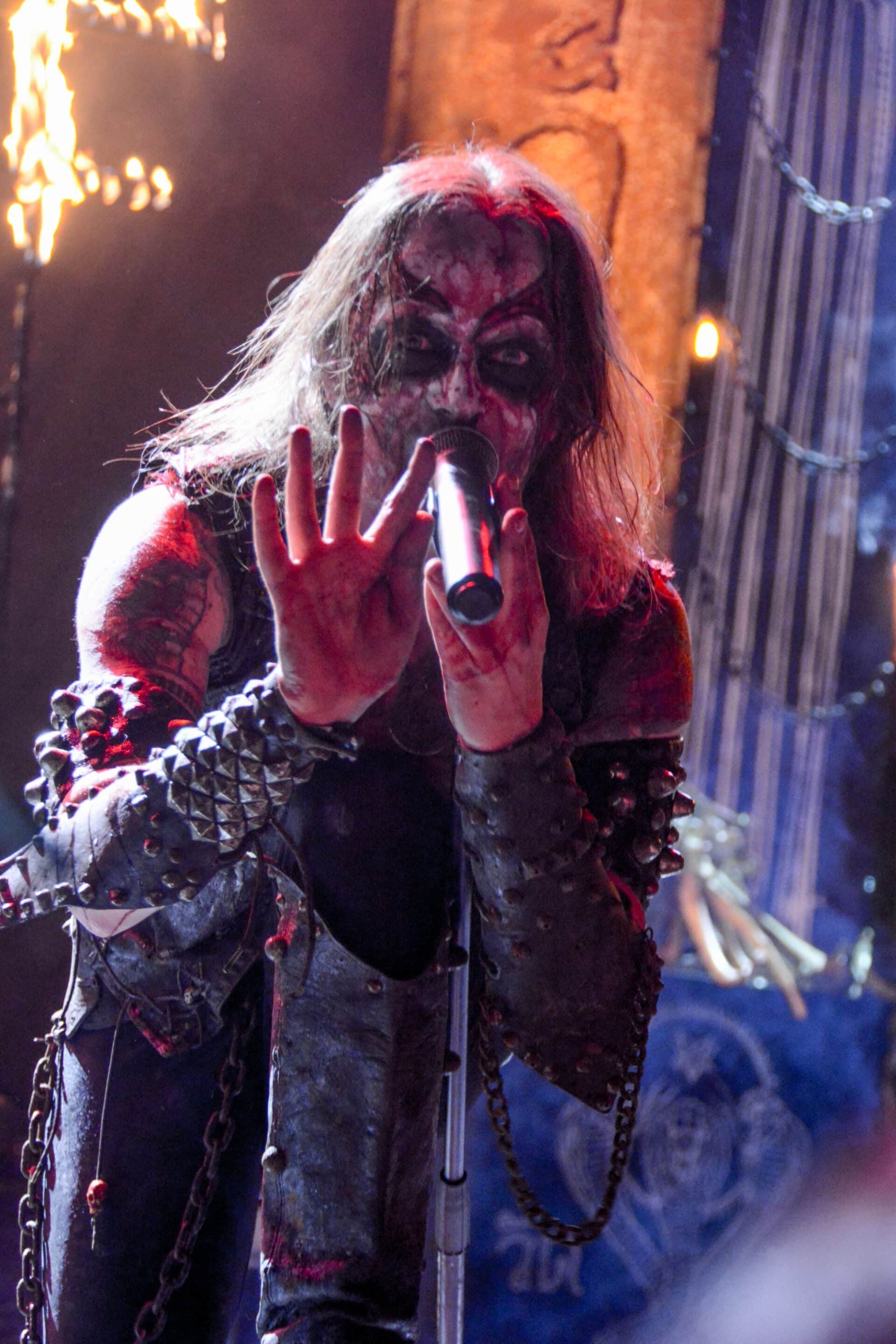
I did manage to get to about the sixth row, and noticed that suddenly an insane amount of people came out of nowhere, and now a number of seven feet tall guys appeared in audition, who were practically standing in the first three rows… so it wasn’t an ideal start so far. A huge stage with a very spectacular decoration set, in fact we were treated to an Egyptian sacrificial square set up, and then the party started. I feel often irritation looking at an over-complicated stage design as for me, the Immortal’s Black Hole show (a famous and cultic but unfortunately past venue in Budapest), where Immortal presented their album At the Hearth of Winter illuminated by one single two hundred watts of bulb, is a benchmark, but as long as the stage design doesn’t replace the performance and makes the music a circus, but it supports the atmosphere like a cinema or a spectacle, then it’s totally fine. I think there are two good examples of this: one is Belphegor and the other one is Watain. It was a stage performance in the best sense of the word: half the songs were from the Lawless Darkness album, the rest were selections from the most important elements of the oeuvre, all with perfect sound, perfect stage production, and the whole audition was screaming lyrics of Watain as one. It was difficult to enhance the experience, especially after Gaerea, but Watain gave one of the standout concerts of this quite stunningly high quality festival, and in light of this, I’m very much looking forward to their performance in Hungary. This festival has a lot of advantages, one of them was that I was able to give a first-hand feedback on the performance to the Watain crew during breakfast, which was received by the extremely tired and therefore slightly deconcentrated musicians. And here comes the continuation of the children’s day, which is the day of Abbath.
Day 4: The day of Abbath
The schedule for the final day of the festival was also looking quite spectacular. As I had an early flight next morning, it had a foregone conclusion that Abbath would close the festival for me: I had a lot of packing and things to be fixed before, so the idea was to open the day with Afsky at the John Dee.
Ole Pedersen Luk’s one-man project is not unknown to Hungarian readers, but I was unlucky enough to miss their Budapest performance, so now I had the chance to make up for it. Unfortunately, the sound was not as good as it should be, the drums and bass guitar overpowered the guitars, and the vocals were stronger than expected, but the energy and professionalism of the performance will remain memorable. There were a lot of people who were keen to see this event; it didn’t sell out John Dee, but one could hardly go down when Afsky started. I was like, Crowbar afterwards doesn’t appeal to me too much, so I did skip them and instead of that I had a quick look around the merch and tattoo shops, and get back to the John Dee for Fleshmeadow’s show.
It was the right idea I think because there were hundreds of other people doing the same, which means that before Fleshmeadow, the whole place got completely packed. I was not familiar with the oeuvre of this Oslo based band; they put their own music in the category of technical black metal, some of which I can totally agree with: the genre was indeed black metal, but I failed to explore the extreme technical side of it. At the first glance, they sound like a promising black metal band with a mix close to an ideal, but this is only a preliminary judgement: to say anything more specific about them, it would be useful to get to know their work better.
I didn’t rush to the next Uada performance… not because I didn’t like pretty much what they were doing, but I knew I couldn’t take proper photos anyway. This was the gig that gave me information about the acoustics of the place because I walked all over the Rockefeller during the performance. Unfortunately, the sound from upstairs was not ideal, although it definitely improved during the gig, and to my surprise, the sound from the front of the crowd was the clearest. It’s not the first time: both Amorphis and Dark Funeral turned out to be optimized for the audience rather than the stands, and to my surprise, in a lot of cases the sound was even better from the crowd than from the mixer. Bottom line: the Americans went to the stage and without a single word, the show has began without an extra movement beyond what was necessary. Their songs are quite long and, unsurprisingly, their latest album Djinn formed the backbone of the show. My personal opinion is that this album can’t really reach the previous Cult of a Dying Sun material, which is now moderately selected, but in live, these songs were like a charm, however, still in my opinion, the quite amazingly fantastic Snakes & Vultures has been omitted.
Then Slegest came on in the basement. I already had the chance to see them twice in Budapest, so I decided to have a first row position during Abbath therefore I spent sixty minutes staring at the black curtain in front of me, just to prepare myself for master Abbath’s performance. The maestro has been incredibly focused lately, and there wasn’t even a single moment of idle time during this performance. He also neglected his usual buggle arounds, and in return, he was spinning at roughly two hundred percent efficiency. The concert started with a minor technical glitch: guitar of Ole André Farstad was not playing only occasionally, but a guitar swap solved that problem too. In fact, there is no performance of Abbath without obligatory elements, so I was anxiously waiting for the One by One and similar Immortal classics – but they never came. Now Olve has gotten to the point where he has put together material enough to tour his own music as a matter of course, and doesn’t need to play Immortal songs just to fill the time slot. True, we started with an Immortal song and there were two songs of I, but the remaining 12 items were the own tracks of the maestro, taken basically from the first album. The last time I saw him at last year’s Brutal Assault, he played quite a lot from the new album, and in a contrast, here we only had two songs from that material. I think the strength of these songs doesn’t really come through in a CD format, but they are something quite phenomenal live. The long show was interrupted by a short break and a little firework as in the good old times, and they finished Inferno 2023 with a really amazing party, at least for me.
Chatting in our hotel room, we actually realized that we participated probably the highest quality festival in our lives. True, we had to buy a plane ticket and the prices in Norway are above the European average, but when one looks at how many fantastic, top quality bands we got for that, many of which you can’t see in Hungary, I think you could compare that to weeks and weeks of other festivals. The only unpleasant side effect of this is that it will be quite difficult to choose any comparable event from now on. In one word: this festival bought me off, and I’ve only been home for half an hour, but I’m already looking at the schedule for Beyond the Gates in Bergen…
Written by Á
The authors and the editors would like to thank the organizers of the Inferno Metal Festival, especially Runar Pettersen.