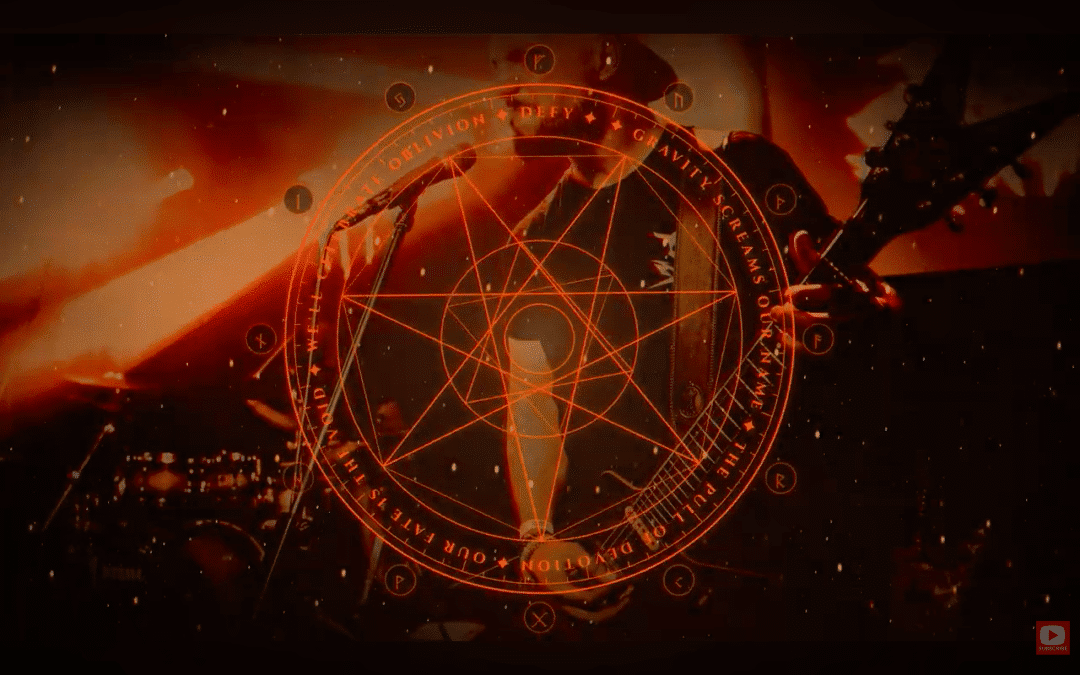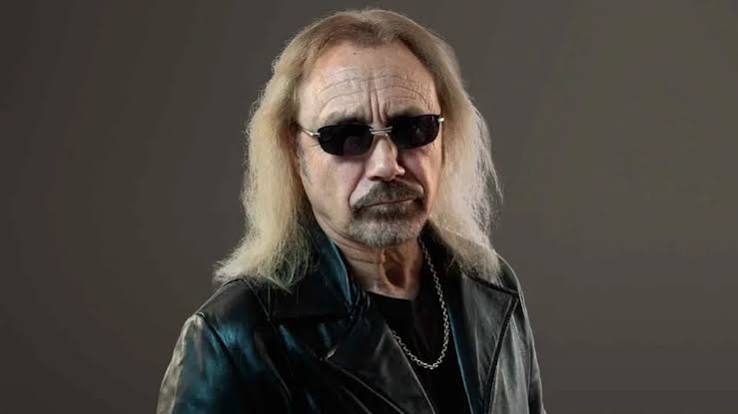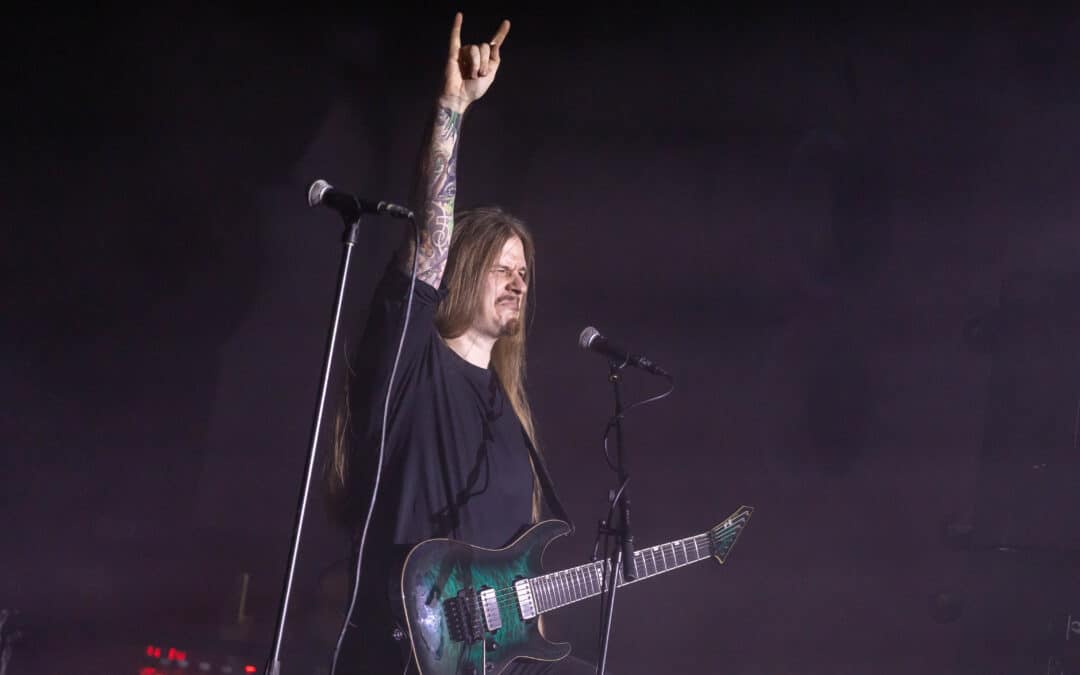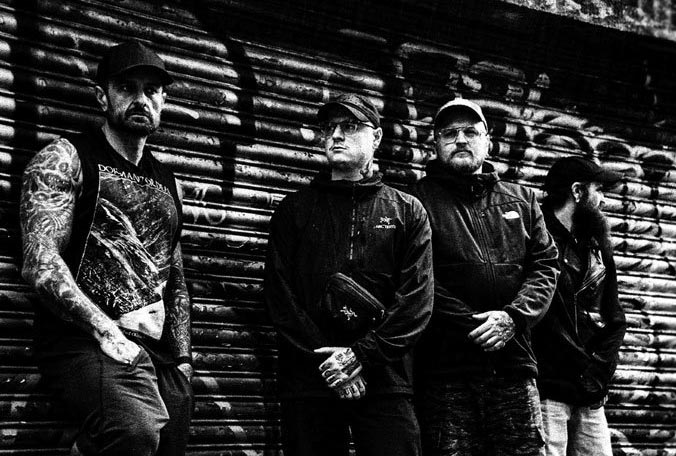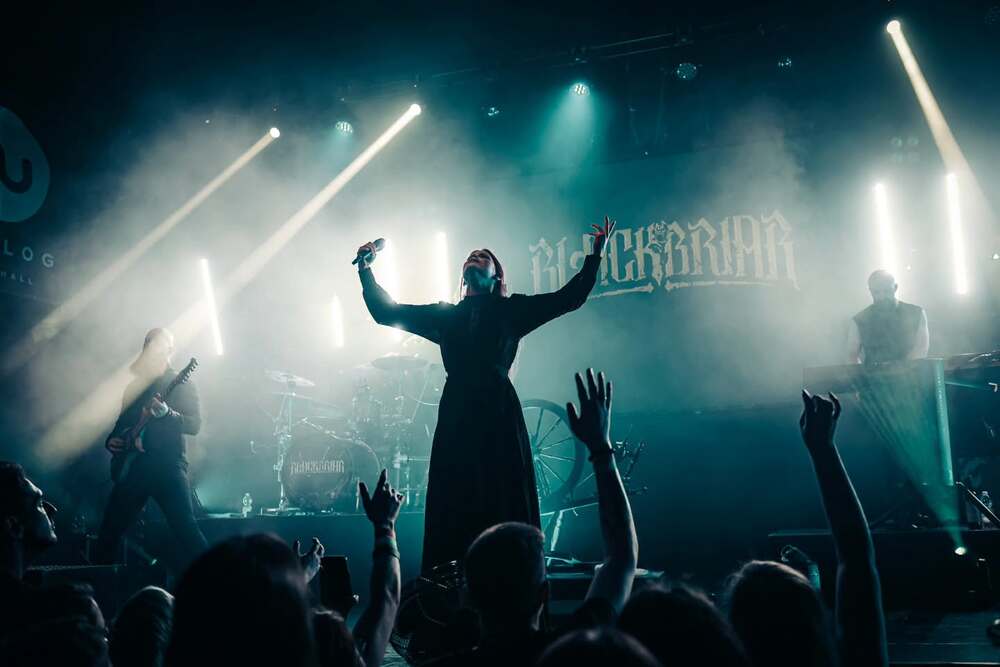
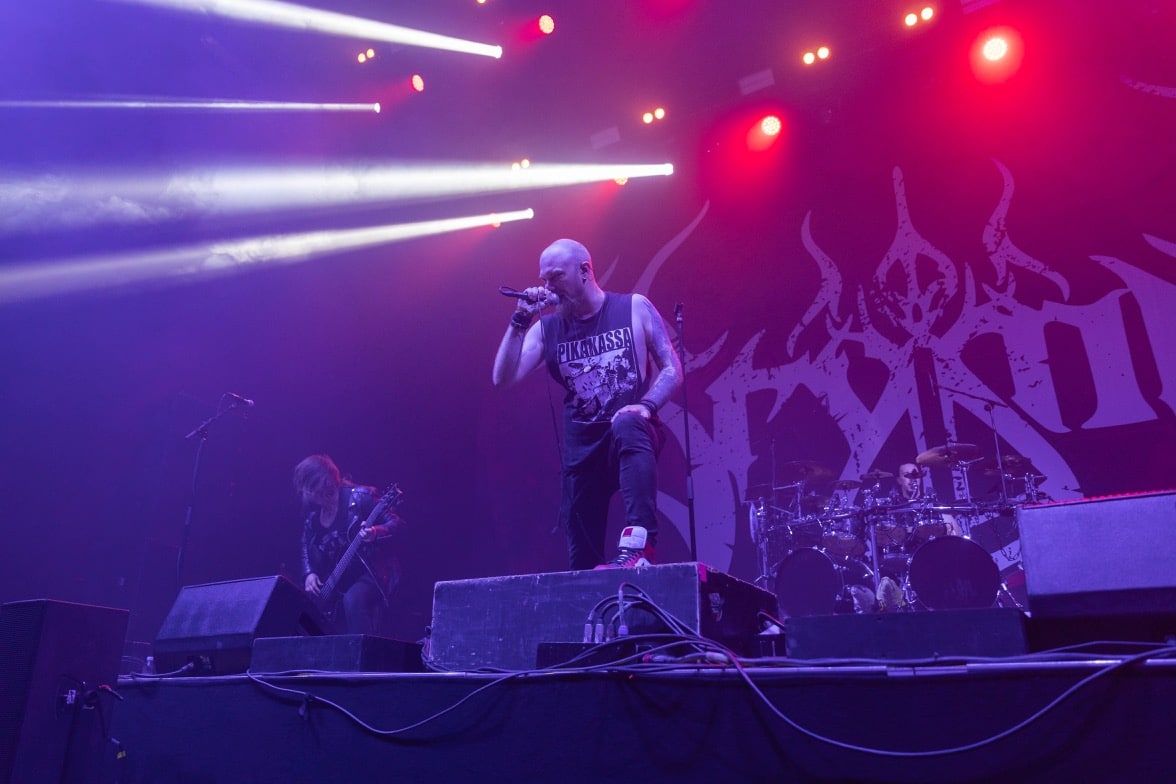
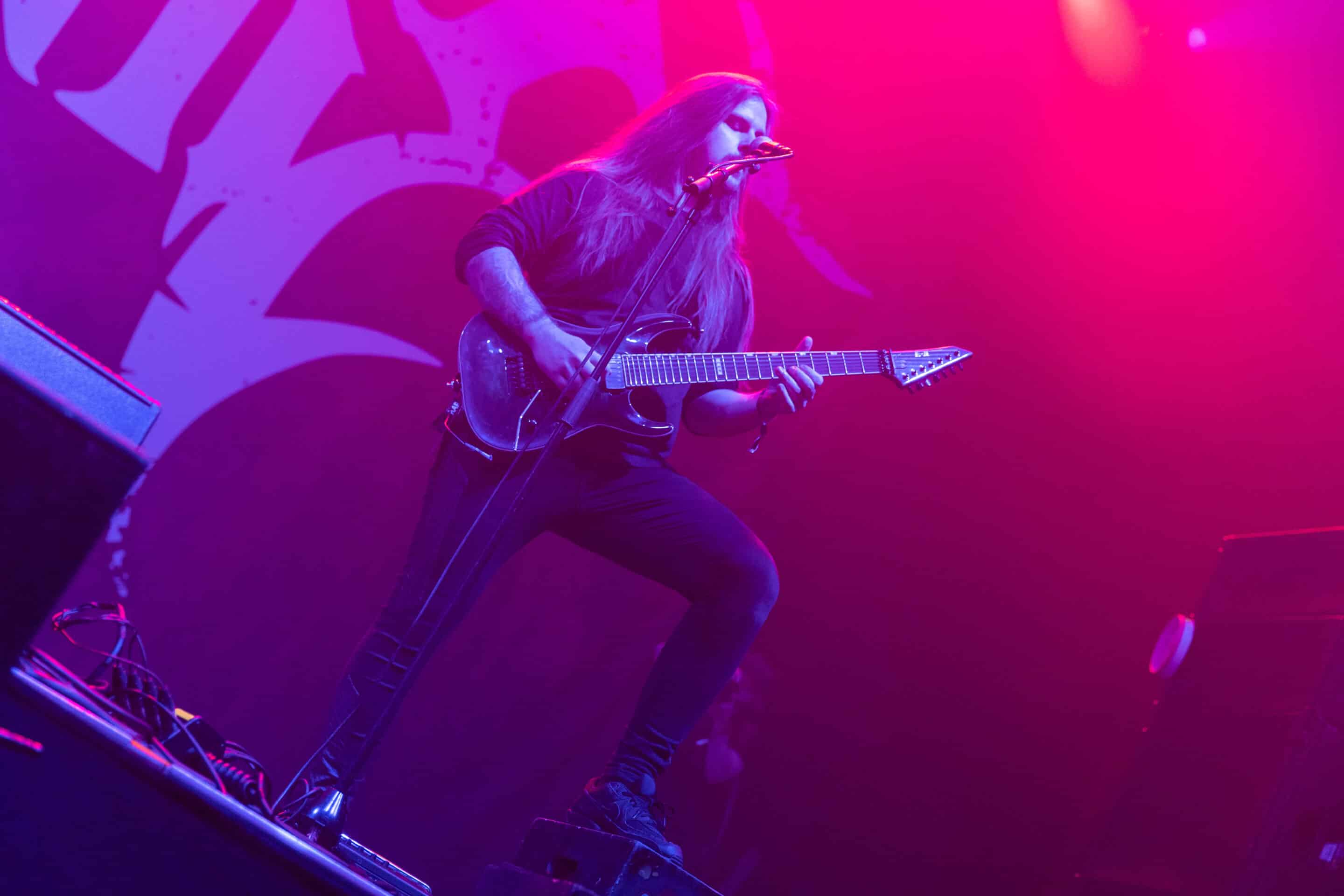
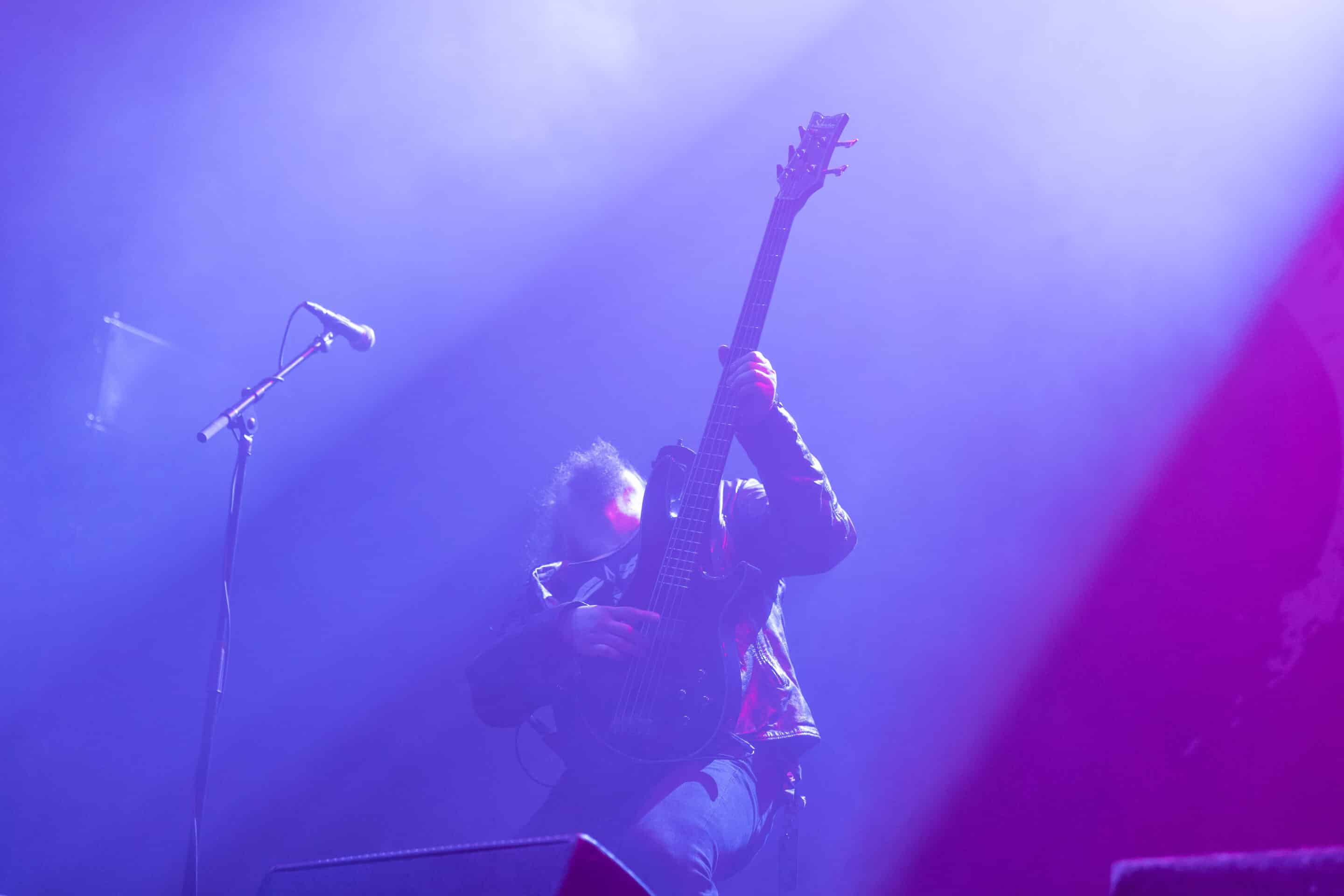
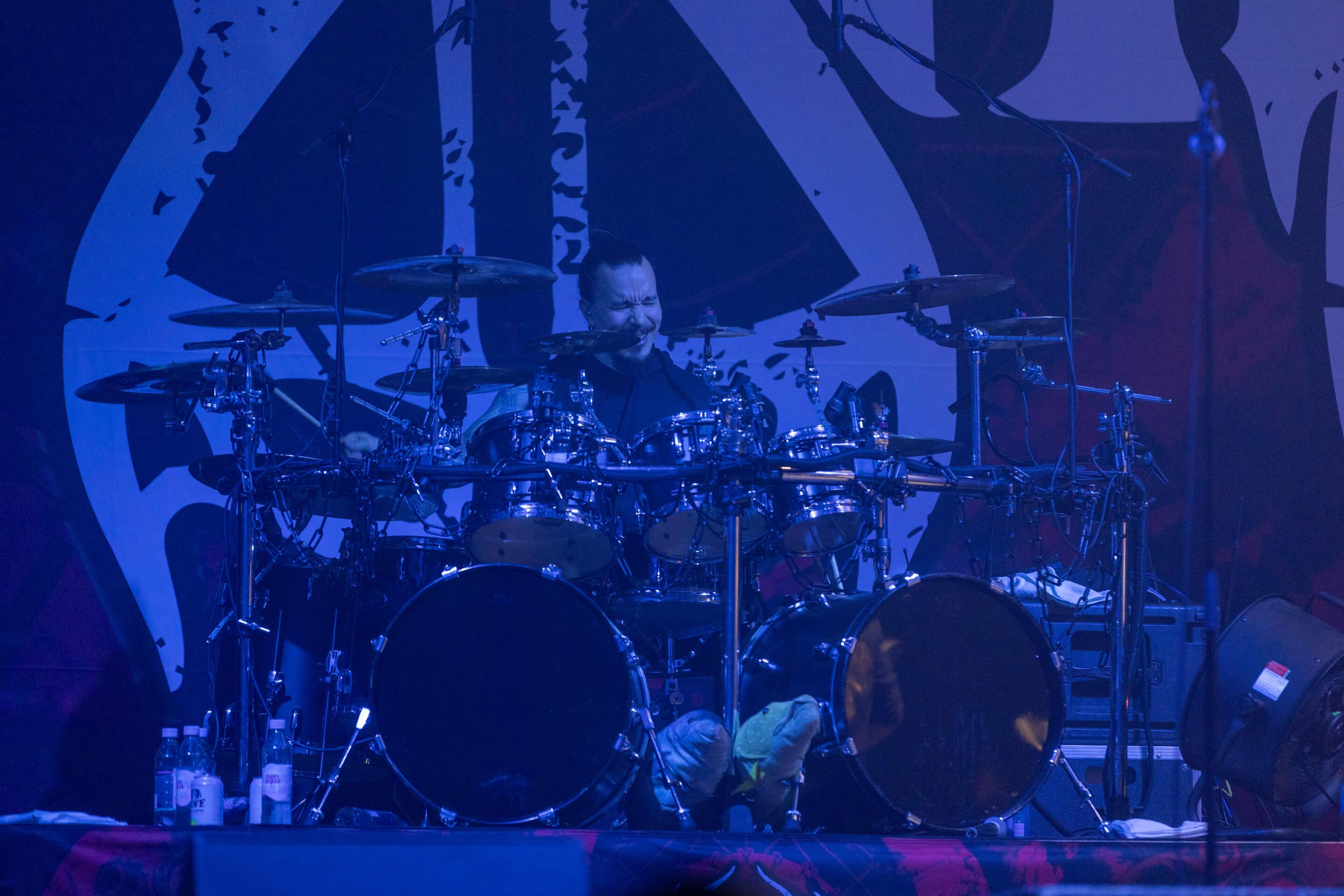
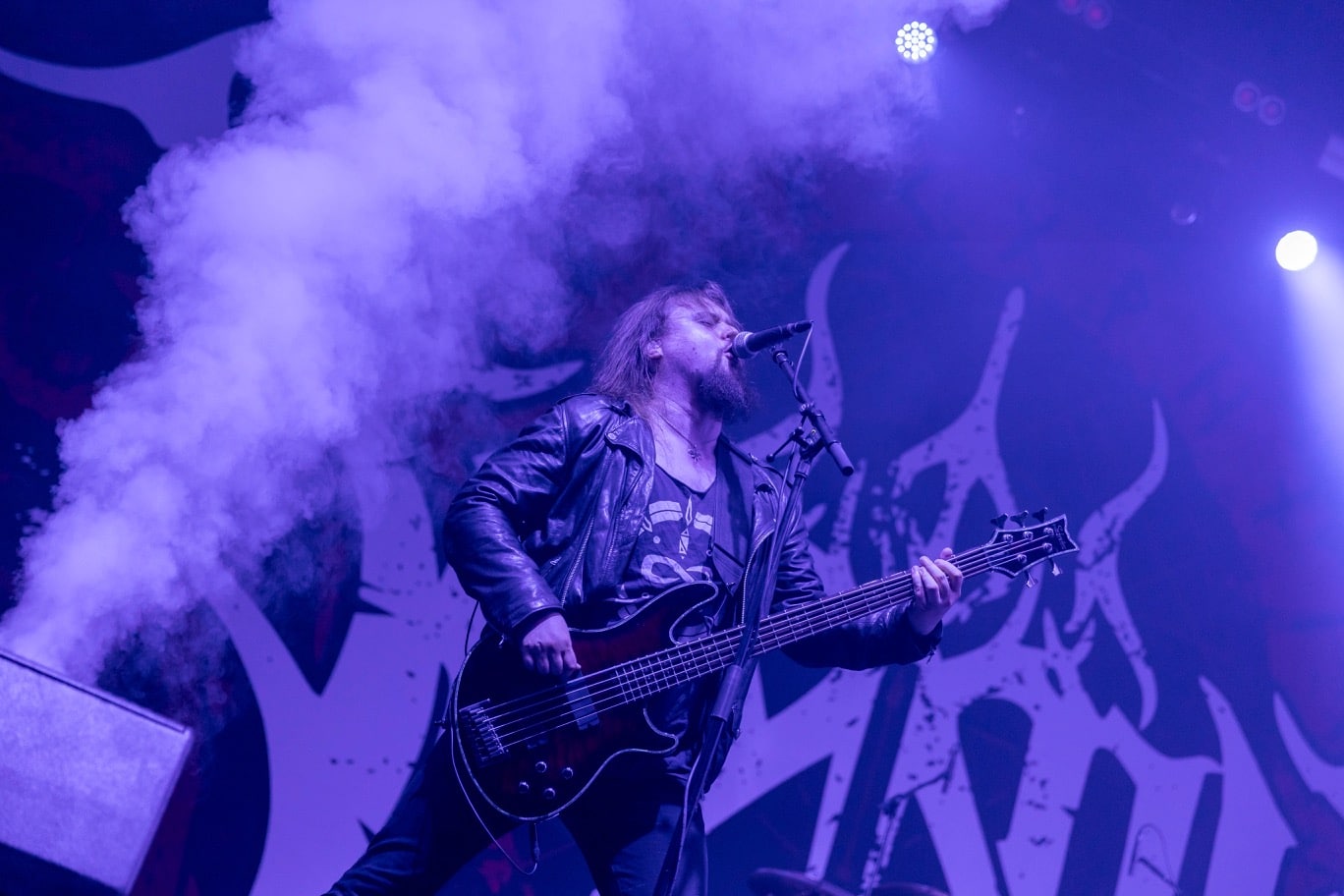
A Hellsinki Metal Festival pénteki napján volt lehetőségem a finn Brymir zenekar 2 tagjával is interjúzni. Viktor „Storm” Gullichsen (ének) és Jarkko Niemi (basszusgitár) rendkívül barátságosan fogadta a kérésemet, így egy remek hangulatú beszélgetés kerekedett ki. A csapat idén lesz 20 éves, így bőven volt mit megosztaniuk. A beszélgetés során leginkább az október 2.-án megjelenő új albumról és a július elején megjelent címadó számról beszélgettünk. Valamint a végén szóba került néhány érdekesség is.
////////////////////////////////// SCROLL DOWN FOR THE ENGLISH VERSION ////////////////////////////////
Szeretnélek titeket az új albumról és az új számról kérdezni, amely éppen most jelent meg. A What We Leave Behind személyes és filmszerű. Mi volt az oka, és mi állt amögött, hogy a What We Leave Behind lett a címadó szám és az album címe?
Viktor Gullichsen: Ez volt az egyik első dal, amit megírtunk. Vagyis én kezdtem el írni, és már akkor tudtam a címét. Éppen egy szakításon mentem keresztül, és azért csináltam, mert úgy éreztem, hogy most azonnal, teljes erőből meg kell írnom ezt a zenét. Teljes erőbedobással. Zuhanyzás nélkül, tudod. Aztán nekiláttam. Szakítottam, új helyre költöztem, ilyesmik. Majd egy évvel később elkezdtem írni egy dalt arról, hogy mindent magad mögött hagysz, és mindent feláldozol azért, hogy az álmaid felé indulj. De amikor odaérsz, rájössz, hogy valójában a legfontosabb dolgot kellett hátrahagynod. Olyan vagy, mint egy üzemanyag nélküli űrhajó. Nem tudsz visszamenni, és ott ragadsz. Írtam erről egy dalt, aztán végül beteljesítettem a saját jóslatomat. Hiszen én kezdtem el ezt az egészet. Először a megbánásról és mindenféle ilyesmiről írtam, arról, hogy mi történhet, a legrosszabb esetről. És tényleg megtörtént a legrosszabb. Úgyhogy aztán „sírtam”, és visszamentem meghunyászkodva.
Jarkko Niemi: A művészet nem az életet utánozza. Néha az élet utánozza a művészetet.
Tehát mindannyian egyetértettetek ezzel a témával és ezzel a címmel?
Jarkko: Igen. Ha az egész albumot megpróbálnánk egyetlen gondolatba sűríteni, akkor van benne egyfajta elmélkedés és megbánás azzal kapcsolatban, hogy mit csinálunk, milyen dolgokat éltünk át, és mi van mögöttünk. Ezek az introspektív témák végig jelen vannak az albumon.
Viktor: Igen. Ez valami olyasmi, ami az utóbbi években történt a zenekarunkkal, mivel idén nyáron leszünk 20 évesek. Már régóta csináljuk ezt, tudod, és közben tudat alatt megtanultunk ezt-azt önmagunkról. Így a témák a végére természetes módon összeállni látszottak. Ugyanez igaz arra is, ahogyan a dalok végül illeszkednek egymáshoz. Még ha nem is az volt a célod, hogy koncepcióalbumot készíts, a What We Leave Behind mégis rengeteg réteget kapott. Újabb és újabb rétegek kerültek rá, amelyek egyszerűen értelmet nyertek. Így áll össze az egész történet, amit el akarunk mondani.
Volt tehát valamilyen koncepció mögötte, vagy csak elkezdtetek dalokat írni, és valahogy magától állt össze?
Viktor: Igen, egyszerűen csak elkezdtünk dalokat írni, és minden összeállt, mint egy tökéletes kirakós.
Jarkko: Valahogy mindig így van az albumainkkal. Megírjuk a dalokat külön-külön, aztán amikor elkezdjük egymás után rendezni őket, és megpróbáljuk megtalálni az album jó ívét, hirtelen észrevesszük, hogy szinte önálló történet rajzolódik ki: innen indul, ide megy, aztán tovább, majd végül itt ér véget. A legújabb album pedig határozottan, azt hiszem, az összes történet közül, amelyet albumként megírtunk, a lehető legalacsonyabb hangon ér véget.
Viktor: Igen. Az utolsó dal annyira sötét.
Jarkko: Kivéve persze az elkészített bónusz dalt. Az olyan, mint egy mentolos frissítő a végén. Mintha azt mondaná: „Jó, próbáljunk meg nem teljesen borúlátók és reményvesztettek lenni.” „Itt van valami, itt van valami szórakoztató a végére.”
Viktor: Igen. Az utolsó dal szövege arról szól, hogy bemész az óceánba, és soha nem látod, hová vezet. Aztán jön ez: jó, dobjunk oda valami csontot, tudod. Nem minden olyan rossz. És ez valójában jól is illik ahhoz, hogy bemész az óceánba. Aztán: ”How much is the fish?”
Lesz valamilyen újítás az új albumon, vagy zeneileg nagyjából ugyanolyan lesz, mint az előzőek?
Viktor: Elkezdünk többet kísérletezni a tiszta szintetizátor hangzások használatával, hogy az egész inkább science fictionös, valamiféle modern dolog legyen. Emellett azzal is kísérletezünk, hogy elhagyjuk a szintetizátorokat és a hangszereléseket, és több tiszta metalrész legyen benne, csupán gitárokkal, dobokkal és énekkel. Így az egész spektrum jelen van. Több a szélsőség. Egyszerre feszegetjük a határokat, miközben tudjuk, hol vannak azok. És nem mindig megyünk el egészen a határig, mert általában csak teljes erőből csináljuk.
Ha meg kellene mutatnotok a zenéteket valakinek, aki még soha nem hallgatta a Brymirt, melyik dalt mutatnátok meg neki?
Jarkko: Személy szerint azt gondolom, hogy a legújabb kislemez, a What We Leave Behind címadó dala valószínűleg a legjobb dal, amit eddig írtunk. Dalnak önmagában is talán ez a legjobb. Holisztikusan nézve, az elejétől a végéig, a dalszerzést, az elemeket és azt, ahogyan hangzik, minden szempontból. Az albumról az én személyes kedvencem egy kicsit más, de ha valaki azt kérdezné: „Melyik az az egy dal, amit meg kell hallgatni?”, akkor ezt mondanám.
Viktor: Igen, szerintem nagyon szépen megmutatja a hangzásunk minden oldalát.
Jarkko: Van benne gyengédség, gyorsaság, gitáros játék, gitáros „firkálás”, és minden elem megtalálható benne, ráadásul nagyon jó egyensúlyban. Szerintem ez a legjobb, amit eddig csináltunk. Az új albumról személy szerint a Buried Legion a kedvencem. De annak másfajta esztétikája van, és játékosként, illetve olyasvalakiként, aki húsz éve csinálja ezt, számomra izgalmasabb új horizontokat kipróbálni. Azt hiszem azonban, hogy a What We Leave Behind egyetlen dalba sűríti a teljes Brymir-élményt.
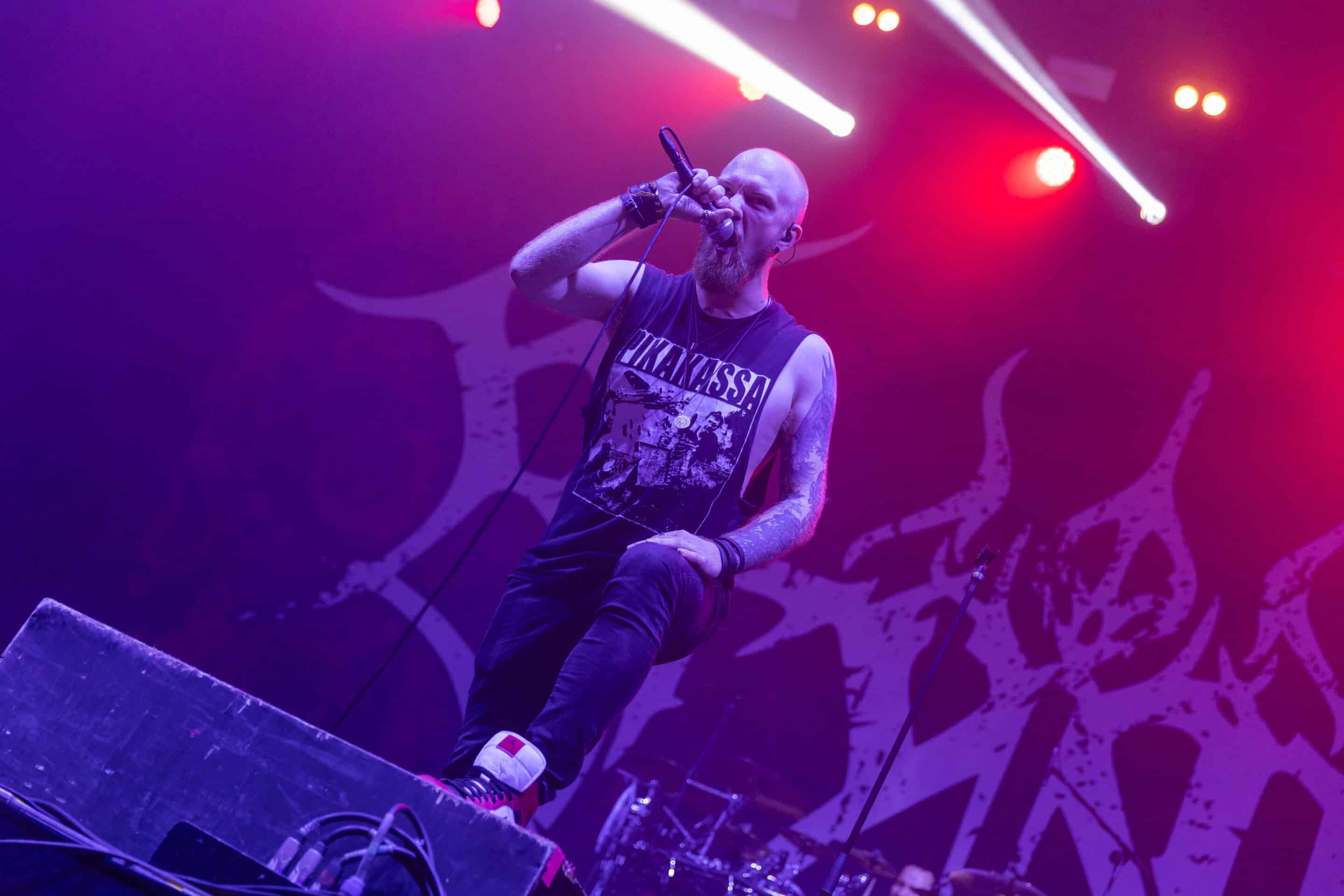
Ha nem zenészként, hanem magánemberként kellene válaszolnotok arra, hogy mit hagyunk magunk mögött, mi lenne a válaszotok? Mit hagyunk magunk mögött az életben, a világban?
Viktor: Nos, jelenleg ez az egész mesterséges intelligencia dolog nagyon veszélyes. Szerintem fajként és civilizációként fejjel előre rohanunk valami nagyon új és teljesen ismeretlen dologba. És nem tudjuk, hogy fenntartható-e. Minden erőforrásunkat olyan infrastruktúra létrehozására fordítjuk, amely néhány év múlva talán már semmire sem lesz használható. Szóval tényleg gondolkodjunk el azon, mit csinálunk most. Mert lehet, hogy egy nagyon csúnya rendetlenséget hagyunk magunk mögött.
Jarkko: De persze az alapvető emberi állapot az, hogy amit magunk mögött hagyunk, az egy újabb rendetlenség, amit a jövő generációinak kell majd eltakarítaniuk. Még ha szeretnénk is, például az album témáin keresztül, arra ösztönözni az embereket, hogy elgondolkodóbbak legyenek a dolgokon, mi, emberek alapvetően hibásak vagyunk. Újra és újra ugyanazokat a leckéket tanuljuk meg, miközben a fontos tanulságokat nem sajátítjuk el. Így aztán csak egy újabb generáció és egy újabb adag hiba marad, amelyeket később ki kell javítani. De szerintem az, amit magunk mögött hagyunk, egyszerűen az emberi lét folyamata.
Viktor: Ennek ugyanakkor lehet pozitív értelme is. Mit szeretnék magam mögött hagyni, tudod? Milyen képet szeretnék hagyni magamról, mit szeretnék hátrahagyni a gyermekeimnek és a világnak, hogyan hagyom itt a nyomomat?
Jarkko: Van ebben egyfajta radikális szabadság: választhatod azt, amit tenni szeretnél, és akkor erkölcsös ember vagy, ha megpróbálsz jót tenni. Csak azt remélhetjük, hogy igyekszünk olyan jók lenni, amennyire csak tudunk.
Egy kicsit elrugaszkodva az albumtól: 2022-ben már jártatok Magyarországon. Van valamilyen erős emléketek vagy étel, ami eszetekbe jut Magyarországról?
Jarkko: Jó volt. Elmentünk ott egy fürdőházba, Magyarországon.
Viktor: Igen, elmentünk egy gyógyfürdőbe. Nagyon jó volt. Az egyik jó emlékem egy turnéval kapcsolatos dolog, vagyis nem technikai, inkább a helyszínhez kötődő emlék. A helyszínen volt egy nő, aki a backstage-eket kezelte. Tapasztalatból már tudta, hogy novemberben, amikor a zenekarok turnéznak, általában terjed valamilyen influenza. Ezért minden backstageben volt egy hatalmas csomag aloe verás papírzsebkendő. Nagyon jólesett ezt látni, mert mindenki beteg volt. Nagyon lenyűgözött, hogy volt ott papírzsebkendő. De igen, a gyógyfürdők tényleg nagyszerűek voltak.
Jarkko: És nagyszerű koncert volt Magyarországon játszani.
Viktor: Igen, nagyon jó volt. Tényleg szeretnék visszamenni.
A következő szemeszterem Tampere városában töltöm, ezért nagyon szeretnék hallani mindenféle finn ételről és finn szóról. Megkérdezhetem, mi a kedvenc finn ételetek és finn szavatok?
Viktor: A kedvenc finn ételem valószínűleg egyszerűen az újburgonya. Amikor még nagyon kicsi, nyár elején. Imádom. Nem tudok betelni vele. Soha nem eszem belőle eleget. Emellett, a származásom miatt, svéd anyanyelvű finn vagyok, nyár végén, ősz elején van a rák, a folyami rák szezonja. Imádom a folyami rákot. A kedvenc finn szavam pedig… nem is tudom. Van egy. Nem tudom, szeretem-e vagy utálom, de ez a „lämpimämpi”. Azt jelenti, hogy „melegebb”. Ez kedves.
Jarkko: Nos, egyet kell értenem a frissen szedett újburgonyával, de természetesen egy megfelelően fűszerezett, friss hal, például süllő vagy valami hasonló, is nagyszerű. Olyan, amit ott fogsz ki, magad horgásztad, vagy ilyesmi. Az maga a mennyország, és akkor jöhet mellé az újburgonya. A hal ebből a szempontból a kedvenc fehérjeforrásom. Egészséges zsírok és mindenféle más is van benne. Jó makrotápanyag-összetétele van.
Viktor: Igen, rengeteg halas poén és halakról szóló dal van a számainkban és úgy általában, de valójában tényleg szeretjük a halat, enni is. Én horgászni is szeretek. Ezért könnyű választás volt a Scooter – How Much Is the Fish című dalának feldolgozását elkészíteni. Teljesen természetes volt.
Jarkko: Kedvenc finn szó. Ezen még soha nem gondolkodtam igazán. A klasszikus finn káromkodást, a „perkele”-t választanám. Van benne erő. Ott vannak a kemény k-k, a kemény r-ek és minden más. Ráadásul egy nagyon ősi jelentésréteget hordoz, az etimológiája pedig a kereszténység és minden hasonló dolog előtti időkre nyúlik vissza. Semmi köze a kereszténységhez. Ebben az értelemben nagyon-nagyon-nagyon finn.
Nagyon szépen köszönöm, hogy időt szántatok rám. Már várjuk az albumot. Köszönöm az interjút!
Viktor: Nagyon köszönjük mi is.
Jarkko: Köszönjük. Én is. Már alig várom, hogy megmutathassuk.
A legújabb videoklip pedig most jelent meg, méghozzá a Tempestbound című dalra, az október 2.-án megjelenő What We Leave Behind című új nagylemezről!
Nagyon szépen köszönjük a lehetőséget, mind a zenekarnak, mind pedig a Ginger Vine Managementnek!
Írta: Csukás Nóri
/////////////////////////////// READ THE ENGLISH VERSION BELOW //////////////////////////////////
I would like to ask you a few questions about the new album and the new single, which has just come out. What We Leave Behind is personal and cinematic, and what was the fact and what was the thought behind the fact that What We Leave Behind is the single and the title of the album?
Viktor: It was one of the first songs that we wrote. Or I started writing it, and I just knew the title. I was going through a break-up process and I was doing it because I felt that I just need to do this music now. Full power. No shower, you know. And then I started doing it. I broke up, I moved to a new place and stuff. And then, you know, a year later, I started writing a song about leaving everything behind, sacrificing everything to go towards what you know, dreams of yours. But then when you arrive there, you realize that the most important thing you have to actually left behind. But then you’re like a spaceship out of fuel. And you can’t go back, and you’re stuck. And I wrote a song about this, and then I ended up fulfilling my own prophecy. Because I started it. And I wrote first about the regret and blah, blah, blah, like what could happen, worst case. And it actually happened, the worst case. So then I was like “crying” and I go back with my tail between my legs.
Jarkko: Art doesn’t imitate life. Sometimes life imitates art.
So you all agreed with this theme and with this title?
Jarkko: Yeah. There’s the whole album, if you could sort of try to distill it into this one idea, there is this sort of reflective, regret of what kind of stuff we’re doing, what kind of stuff we’ve been living, and what’s behind us. And what’s like this sort of introspective themes throughout the album.
Viktor: Yeah. It’s something that’s happened with our band in recent years because we’re turning 20 years this summer. And we’ve been doing it for a long time, you know, and we learned something about ourselves, like subconsciously. So like, themes just seem to naturally come together at the end. And also, like the songs, how they fit together at the end. Even if you don’t, kind of, it’s not your idea to make a concept album or something but this, What We Leave Behind, it has so many layers. Additional new layers just make sense. And the whole story we want to say.
Was there a concept behind this, or you just started writing songs and somehow it came together?
Viktor: Yeah, we just started writing songs, and everything just came together, like a perfect puzzle.
Jarkko: It’s somehow always with our albums, it’s always seems like there’s like, we write the songs as individuals, and then when we start, like, putting them one after the other and we like, try to find a good flow to the album, and then we suddenly notice that, okay, here’s like, almost a story in itself, that goes like from here to here to here to here. And then it ends here. And then the latest album, definitely, I think of all those stories that we’ve written as albums it sort of ends at the lowest note that you can.
Viktor: Yeah. The last song It’s, like, so dark.
Jarkko: Except of course the bonus track there that we’ve done. It’s sort of like a mint refresher at the end. It’s like „Okay, try not to be all doom and gloom.” „Here’s something, here’s something fun at the end.”
Viktor: Yeah. The last song’s lyrics is like, you know, walking into the ocean and never see where it goes. And then it’s like, okay, just throw a bone, you know. Like everything is not so bad. And it also actually fits with walking into the ocean. Then how much is the fish?
Will there be any new innovation on the new album, or it’s kind of the same musically as the previous ones?
Viktor: We started experimenting more with using, like, pure synthesizer sounds more, to make it more like science fiction, kind of modern thing, and also experimenting with dropping off the synthesizers and the orchestrations, having more, like, pure metal part. With just guitars and drums and vocals. So there’s the whole spectrum. There’s like more of the extremes. Like just pushing the limit at the same time, like knowing where the limit is. And not always going exactly where the limit is, because usually we just go full power.
If you show your music to someone who never listened to Brymir’s music, which song would you like to show them?
Jarkko: Well, personally, I think the latest single, the What We Live Behind title track, is probably the best, like, as a song, is the best song that we’ve written so far. It’s like, like, as holistic as you could say from beginning to end and as the songwriting and what the elements and how it sounds. My personal favorite from the album is a bit different, but that’s if anyone would be like, „What, what’s the one song to listen?” I think it would be that one.
Viktor: Yeah, I think it shows all the sides of our sound really nicely.
Jarkko: There’s tenderness, there’s speed, there’s guitar with guitar doodling and all the elements are there, and in a very good balance. Like the best I think we’ve done so far. There personally was, like my personal favorite from the upcoming album is the song Buried Legion. But then that’s a different sort of aesthetic and it’s more exciting for me as a player and who’s been doing this stuff. Like, we’ve been doing this for 20 years now, so it’s sort of more exciting to try out the new horizons. But I think What We Leave Behind sort of distills it. Distills the whole Brymir experience into one thing
If you should answer what we leave behind, not as a musician, but as a person, what would your answer be? Like, what we leave behind in life, in the world.
Viktor: Well, right now this AI thing is really dangerous. I think as a species, as a civilization, we’re diving head first into something very new and very unknown. And we don’t know if it’s sustainable. We’re committing all our resources to making infrastructure, which might not be of any use in a couple of years. So that’s like, you know, really, like, think about what we’re doing right now. Because we might leave behind a really bad mess.
Jarkko: But of course, the basic human condition is that what we leave behind is, like, another mess for the future generations to fix. Even though we would want to, like for instance, with the themes of this album, try to poke people into being more reflective of things, but we as people are flawed fundamentally, and we’re gonna be learning the same lessons and not learning the important lessons over and over again. So it’s just another generation and another set of mistakes that have to be fixed afterwards. But I think it’s like the, what we leave behind is just the process of being human.
Viktor: And it can also have a positive feel to it. What do I want to leave behind, you know? What kind of picture of myself, what I want to leave behind for my children, for the world, how do I leave my mark here?
Jarkko: There is sort of this radical freedom there that you can, you can choose to do what you want, and then that, you’re a moral person if you try your best to do good. And that’s all we can hope to do is try to be as good as we can be.
You already visited Hungary in 2022. Do you have any strong memories or food in your mind from Hungary?
Jarkko: It was good, we went to a bath house there in Hungary.
Viktor: Yeah, we went to the spa. It was super good. And one of the good memories, this tour technical kind of thing, or like, not technical, there was, at the, at the venue there was, some woman, like, she was managing the backstages. And she knew already from experience that when it’s November and bands are touring there usually there’s a flu going around. So every backstage had a huge package of this aloe vera napkins. And it was so nice to get this, because everybody was sick. I was really impressed by this, that there were napkins. But yeah, the spas were really great.
Jarkko: And it was a great show playing in Hungary.
Viktor: Yeah, so nice. I really wanna go back.
I moved to Tampere yesterday for my next semester so I’m eager to hear about every Finnish food and Finnish word. So I would like to ask about your favorite Finnish food and favorite Finnish word.
Viktor: Favorite Finnish food, it’s like, probably just the new potatoes. When they’re really small, the beginning of summer. I just love it. I can’t get enough. I never eat enough. And then, also my heritage, I’m a Swedish-speaking Finn. So in the late summer, early fall, there’s this crab, crayfish. I love crayfish. And Finnish word, I don’t know. I have one. I don’t know if I love it or I hate it, but it’s “lämpimämpi”. It means warmer. It’s nice.
Jarkko: Well I have to agree with the sort of freshly caught potatoes, but then of course you have properly seasoned fresh fish, like pike perch or something like that. That you get from there if you fished it yourself or something like that. Then that’s like heaven, and then you have the new potatoes with it. I think fish is my favorite protein in that sense. And it’s healthy fats and everything like that. There’s good macros there.
Viktor: Yeah, we have a lot of fish humor in our songs and stuff and songs about fish, but we actually love fish, to eat it. And I love fishing also. So it was an easy choice to make the cover of Scooter – How much is the fish. It’s so natural.
Jarkko: Favorite Finnish word. I’ve never, like, really thought about that. I’d have to go with a classic, a Finnish swear word, the “perkele”. Because there’s strength there. There’s the hard K’s and hard R’s and everything. And it connotes something that they’re, the, sort of the etymology of it is very ancient and, like, predates Christianity and everything like that. It has nothing to do with that. So in that sense, it’s very, very, very Finnish.
Thank you so much for your time. Can’t wait for the album. I’m really excited to hear it.
Viktor: Thank you so much.
Jarkko: Thank you. Me too. I’m excited to show it.
A fresh video for the song Tempestbound just came out already from the new album What We Leave Behind set to release on the 2nd of October!
A huge thanks to the band for accepting our interview request and many thanks to Ginger Vine Management for the help!
Written by Nóri Csukás