******** FOR ENGLISH CONTENT PLEASE SCROLL DOWN ********
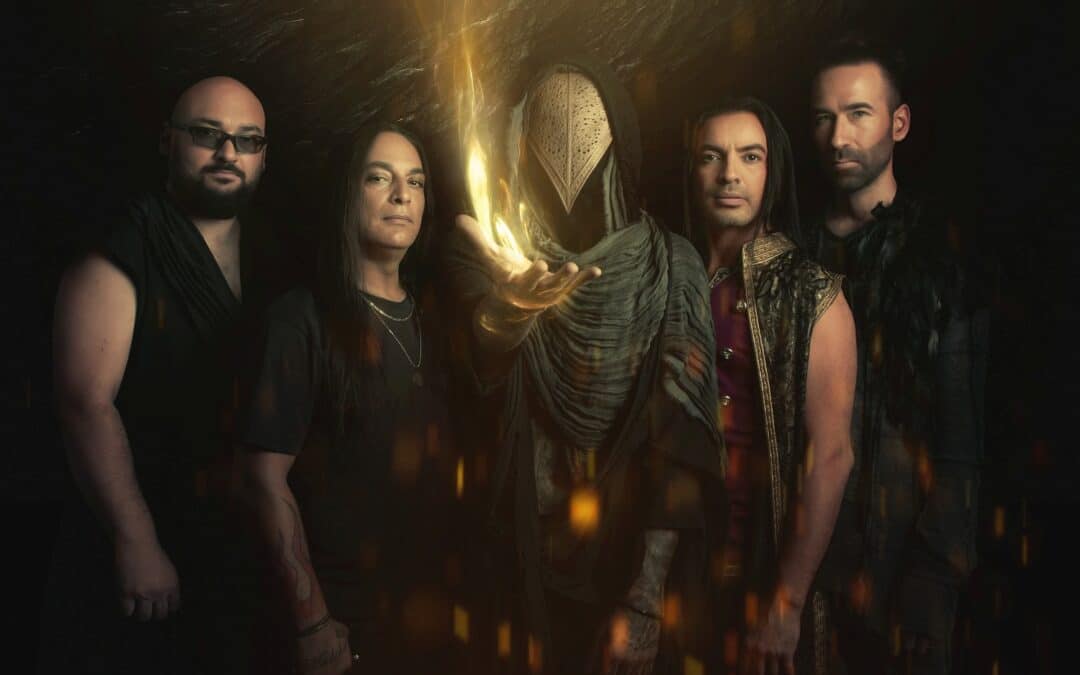
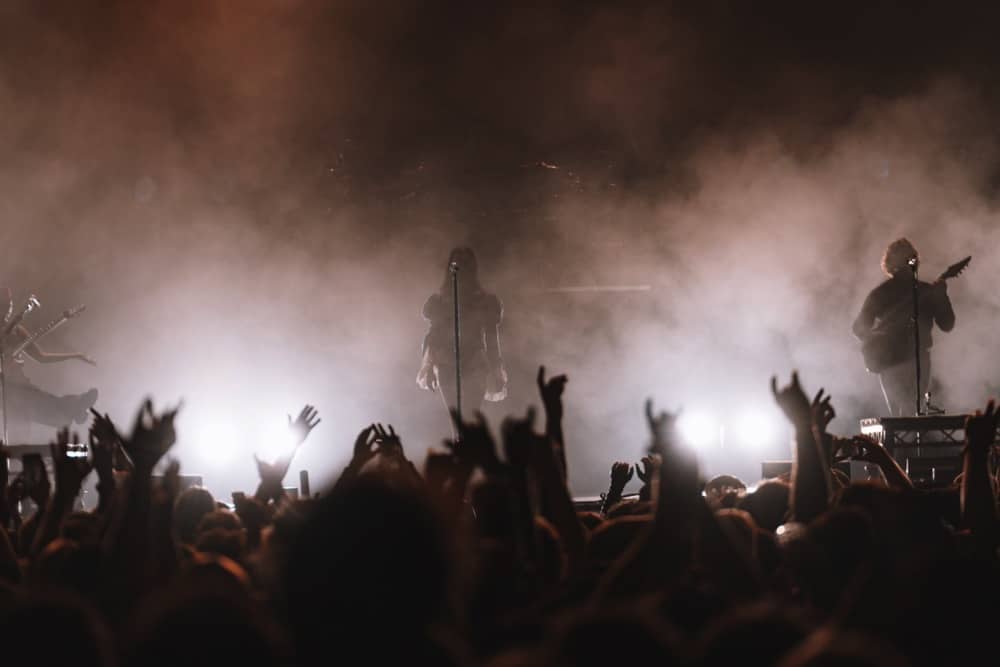
Már önmagában annak a megjegyzése, hogy a két iker közül ki Max és ki Gleb, meglehetős nehézség elé állított, de ezzel azért idővel meg lehetett küzdeni. Az angolul feltett kérdésekre oroszul válaszoltak a fiúk, amit aztán az egyik, mörch-ben tevékenykedő srác fordított angolra – ennek okán az elején kicsit akadozott a beszélgetés, de nemsokára mindenki megszokta ezt a kommunikációs módszert, feloldották a gátlások, és egy kellemes sörözés, majd dumálgatás lett az interjúból…
Idén áprilisban és májusban egy 30 állomásos turnén vesztek részt, és ezen a turnén ez a budapesti a Grima negyedik fellépése. Mennyire vagytok fáradtak most, és mennyire fogtok kifáradni a végére?
Nos, a turné kezdete mindig egy kicsit akadozik, és egyben meg is határozza, hogy az első hét hogyan fog alakulni. Ez mindig a legnehezebb időszak – egyáltalán nem könnyű, mert ekkor próbáljuk meg kitalálni, hogyan tehetnénk kényelmesebbé a dolgokat magunk számára úgy, hogy a koncertek is gördülékenyebben menjenek.
Oké, de mennyire fárasztó már egy egész hónapig minden este két fellépést lenyomni!
Valójában két koncertet adni egyszerre sokkal könnyebb, mint az összes maradék dolog, amit turné közben meg kell csinálni. Ez a legkönnyebb része…
A Nightside a Grima hatodik albuma, amely idén februárban jelent meg. Mennyire vagytok elégedettek a visszajelzésekkel?
Nagyszerű visszajelzéseket kaptunk a közönségtől, és szerencsénkre a média is nagy figyelmet szentelt nekünk, sok jó visszajelzést kaptunk a hallgatóktól, és sok interjút is adtunk… nagy figyelem irányult a Grimára. Általában nagyon kedvező kritikákat kaptunk.
Most jön a valószínűleg legkevésbé fair kérdés: dolgoztok jelenleg valamilyen új anyagon?
Még nem volt időnk új dalokat felvenni, mivel most fejeztük be a Nightside-ot, de általában minden turné után sok új ötlettel térünk haza. Idén számos fesztivál is vár ránk, valamint egy nagy oroszországi turné is, és talán utána fogunk tudni nekiállni.
Rendkívül aktívak vagytok: hat albumot adtatok ki a Grima-val, ott van az Ultar, és még a Second to Sun-ban is benne vagytok. Honnan jön ez az energia, ez a kreativitás?
Mindhárom zenekar különböző, és mindegyikben más szerepet töltünk be. Az Ultar-ban az öt ember együtt írja a zenét, azonosak a felelősségek. A Second to Sun Vladimir meg Lehtinen zenekara, ő írja az összes zenét, mi pedig gyakorlatilag megvalósítjuk az ő akaratát. A Grima pedig a mi projektünk [Gleb és Max Sysoev – a szerk.], így az egyes zenekarokban elég különbözőek a feladataink. A sokszínűség segít fenntartani az érdeklődést és a figyelmet, és további fejlődésre is motivál – például Morbius a Second to Sun-ban basszusgitározik, viszont más zenekarokban nem. A Grima köti le a legtöbb időnket, és ez a legnehezebb feladat, hiszen a dalírás felelőssége a mi vállainkon nyugszik. Emellett úgy gondolom, hogy az Ultar alapvetően a legkönnyebb eset, mert a dalírás súlya öt ember között oszlik meg, mivel mindenki valamilyen mértékben hozzájárul a zenéhez.
Amikor a gitárokat vagy a basszust írjátok, halljátok a dobokat is közben?
Amikor zenét írunk, akkor azt hangrögzítő segítségével tesszük, és kvázi szólamonként írjuk a zenét. Sok évvel ezelőtt jelentek meg azok a szoftverek, amelyekkel elektronikus hangszerekként tudunk dolgozni. A dalok demo verziójában a gitárokkal együtt azonnal megírjuk a dobokat is, így halljuk, hogy merre kellene a dalnak fejlődnie, és ugyanez vonatkozik a basszusgitárra és a billentyűs hangszerekre is. Minden Grima-dalnak megvan a maga nyers demo felvétele, ebből alakul ki később a végleges dal.
Van lehetőségetek együtt jam-melni, vagy alapvetően demókat küldözgettek egymásnak? Mi a preferált módszer?
Mindent ötletet felveszünk, amikor hazaértünk. Ez igazából nem jammelés… inkább egy terv, egy ötlet kidolgozása, amihez idő kell. Általában a legtöbb dalunk egy-egy közös ötlet megvalósítása. A demókat többnyire otthon készítjük, külön-külön, majd közösen dolgozzuk őket össze.
Hogyan döntitek el, melyik riff vagy melyik zenei ötlet kerül a Grima vagy az Ultar dalaiba?
Vannak pillanatok, amikor tényleg elgondolkodunk azon, hogy egy adott riff hova kerüljön, de általában ez egy természetes folyamat, magától, szervesen történik.
Hogyan írjátok a dalokat? Egy menetben készülnek el, vagy többször visszatértek és csiszolgatjátok ugyanazt a dolgot?
Általában a dal egésze egy menetben készül el, de mindig próbálkozunk különböző hangszerelésekkel.
Max, te gitározol, amellett basszusgitáron és billentyűn is játszol. Gleb, te is gitározol, basszusgitáron és billentyűs hangszereken játszol, valamint dobot programozol. Hogyan lesz valakiből multi-instrumentalista?
Nem nevezném magam multi-instrumentalistának, mert csak az énekhez és a basszusgitárhoz konyítok. Nem tudok billentyűn játszani, viszont leprogramozni le tudom, és ugyanez vonatkozik a dobra is. A demók során én programozom őket, utána pedig Vlad dolgozik ezzel a stúdióban – de nem tudok ezen a hangszeren játszani.
Van bármilyen zenei képzettségetek? Tanultatok például gitározni, vagy „szimplán” csak tehetségesek vagytok?
Nem, nincs semmilyen érdemi zenei képzésünk. Gyerekkorunkban volt egy tanárunk, aki megtanított minket gitáron játszani. Nagyon hamar elkezdtünk elektromos gitáron zenélni tanulni – az volt a célunk, hogy metalt játszhassunk. Ez a tanárunk egy igazi neoklasszikus heavy metal gitáros volt, és szerintem ő adta nekünk a legtöbb tudást arról, hogy hogyan kell olyan metalzenét írni, ami a hangok darabszámától és a torzítástól függetlenül is zene maradt. Elég korán kezdtünk zenélni és fiatalon már megalakítottuk az első bandánkat, de akkoriban sok mindent magunknak kellett kitalálnunk. Később, amikor megjelent a YouTube Oroszországban, és lett rendes internetünk is, sokkal több információhoz jutottunk. Megnéztünk más zenekarokat, és amikor különböző külföldi zenekarok jöttek hozzánk Krasnodarba, elmentünk a koncertjeikre, és ha lehetőségünk volt ott lenni a beállás alatt, akkor azt végig is néztük, hogy tapasztalatot szerezzünk.
Mi az oka annak, hogy a dalcímeitek angolok, a dalszövegeitek pedig oroszul vannak?
Oroszországban a metalzene hallgatói, azaz a közönségünk, sokkal kisebb közösség, mint Európában, és figyelünk a hazai rajongóinkra. Nem mellesleg, a művészi kontextusban is jól mutat, továbbá a szöveget így megértik, és nem látnak semmi problémát abban, hogy a dalok címei angolul vannak. Oroszországban vannak olyan esetek is, amikor tehetséges zenészek nem tudták népszerűsíteni munkájukat az orosz közönség körében, és valamilyen trükkhöz folyamodtak, mondjuk kijött a zene a Bandcamp-en, és az országot mondjuk Svájcra változtatták, bár tudjuk, hogy a zene szerzője például Jekatyerinburgban él. Nekünk teljesen oké ez így, hogy a dalaink címei angolul vannak, a szövegek meg oroszul. Jól néz ki, jól hangzik, és a CD hátulján is jól mutat.
A black metal általában a vallás és az egyház elleni küzdelemként definiálható. Mi a szerepe a vallásnak és az egyháznak a ti esetetekben?
A mitológiánk, a hagyományaink minden esetben ellentmondanak a keresztény világnak – a mienk egy képzeletbeli univerzum, amelyben a kereszt nem létezik. A természet az ember ellen van, az ember és a természet pedig más istenek ellen vannak, csak Grima hatalmas. Nincs emberarcú isten. Szóval igen, természeténél fogva ez bizonyos értelemben vallásellenes.
Egyre több és több zenekar van jelen a black metal színterén, sok a koncert, egyre magasabb az árak itt Európában, és szerintem mindez Oroszországra is igaz. Hogyan lehet túlélni ezt a versenyt?
Nekünk nehéz Európában turnézni, és nem csak gazdasági okokból. De megcsináljuk. Számunkra ez másodlagos. Vannak turnéink, folyamatosan, és azzal együtt is, hogy nem értjük az országok gazdaságát, megpróbáljuk kitalálni, hogyan lőjük be az árakat úgy, hogy jusson pénz egy jobb szállodára vagy akár egy jobb hangszerre is. Szóval igen, ez kihívás, ami kutatást igényel, de megvalósítható.
Hogyan hatott a Covid a zenekarra? Akkortájt itt Európában jelentősen csökkent a koncertek száma, és szerintem ez valószínűleg Oroszországra is igaz.
Kevesebb koncert volt Európában. Nekünk sem voltak koncertjeink, de a legérdekesebb az, hogy a Covid alatt jelentősen nőtt az online eladások száma. Mivel nagy hangsúlyt fektettünk a Bandcamp-ra, sok időnk maradt a dizájn kidolgozására. Később, nagyjából egy évvel a járvány után, úgy döntöttünk, hogy a Grima-ból élő zenekart csinálunk. A Grima akkoriban még nem igazán volt koncertzenekar, inkább stúdióprojektként működött. A Covid idején már volt néhány turnénk, köztük egy a Second To Sun-nal, amennyire emlékszem. Ez volt az az időszak, amikor a zenekar inkább az online jelenlétre koncentrált, így egyre több volt az eladás, és egyre több lett a Bandcamp-előfizető. Tehát lényegében a Covid végére nyilvánvalóvá vált, hogy a zenekarnak élőben kellene működnie, mert már annyi figyelmet vonzott. Mostanság több koncert van Oroszországban, mint korábban. De ez – nyilvánvaló okokból – főleg az orosz zenekarokra vonatkozik. Mindez azért is van, mert az emberek valahogy elkezdtek kiéhezni a fellépésekre, így most több hallgató és több fellépés van, mint valaha is volt. A Covid egyfelől sok zenekar feloszlásához vezetett, de ugyanakkor sok zenekar előre lépéséhez is hozzájárult. Szóval ez, azt mondanám, egyfajta természetes kiválasztódás volt. Mi meg a Covid kezdetétől fogva elkezdtük felvenni a Rotten Garden albumot, és ez szó szerint a Covid első három hónapjában lement.
Mit jelent számotokra a zene és a black metal?
A black metal a lehető legtágabb lehetőséget jelenti arra, hogy kreatív módon kifejezzük magunkat, hogy egyedi művészetet teremtsünk, olyat, amely hűen tükrözi a sötét világnézetünket. A black metal a legkifejezőbb művészeti forma, amely teljes mértékben lehetővé teszi, hogy kifejezd a kreativitásodat – lényegében egy olyan zenei és művészeti forma, amely lehetővé teszi a zenekar meglehetősen borongós világnézetének átadását. Ez olyasmi, ami más metal műfajokban nincs meg. Ez egy olyan zene, amit akkor is érzel, ha nem érted, mert ez a zene az emberi természet mélyén rejlő alapvető érzéseket ébreszti fel. A metal fejlődése bizonyos szempontból nagyon hasonlít a klasszikus zenééhez, ez a műfaj is nagyon komplex háttérrel rendelkezik, és nem olyan egyszerű, mint mondjuk a popzene. Ez egy nehéz, extrém műfaj, aminek műveléséhez az irodalomból, a horrorfilmekből vagy a történelemből vett háttérre van szükség. Sokkal nehezebb jó black metal bandát létrehozni, mint death metal vagy heavy metal zenekart, egyszerűen azért, mert nagyon magabiztos koncepcióval kell rendelkezned, meg persze egyfajta misztikus irányultsággal. Az extremitás pedig veszélyes, mert vonzó lehet.
Köszönöm a türelmeteket!
Írta : Á
******** ENGLISH CONTENT ********
Just remembering which of the twins was Max and which was Gleb was a difficult task, but one that could be overcome in time. Questions in English were answered in Russian, which was then translated into English by one of the merch guys – this made the conversation a bit stilted at first, but soon everyone got used to this method of communication, people got relaxed, and the interview slowly turned into a pleasant beer and chat session…
In April and May you will be doing a 30-stops tour, and this one is the fourth gig of Grima. How tired you guys are now, and how tired will you be in the end?
So, the beginning of the tour is always a little bit clunky, and it defines how the first week will go. It’s always the most challenging time, not easy at all. We’re trying to figure out how to make things more comfortable for ourselves and for the show.
Okay, but how tiring is it to have two gigs per night through a whole month?
Actually, playing two shows at a time is much easier than the rest of the things that you have to do when you’re on tour. This is the easiest part.
Nightside is the sixth album of Grima which came out this February. How happy are you with the feedback?
We got a great feedback from the audience, and we also got a lot of attention from the media, we received a lot of good feedback from the listeners, and also gave a lot of interviews… a lot of attention has been drawn to Grima in the beginning of the tour. Generally, we received very pleasant reviews.
Probably the most unfair question comes. Are you working on any kind of new material right now?
We didn’t have the time yet to begin recording new stuff as we just finished with Nightside, but we usually come home with a lot of new ideas after every tour. There are also several festivals ahead of us, a big tour in support of the album, which includes a Russian tour. Maybe we’ll do it after that.
You are extremely active: six albums came out with Grima, you have Ultar, and you are also doing Second to Sun. Where does this creativity coming from?
All these three groups are different, and we have different roles in them. Ultar is a group where five people write music together. Second to Sun is a group of Vladimir Lehtinen, and he comes up with all the music, so we are the performers of his will. Grima is a project of us [Gleb and Max Sysoev – the eds.], therefore the activities in each group are quite different. Diversity in these groups helps to maintain interest, and motivates for further development. For example, Morbius plays bass guitar in Second to Sun, but he doesn’t do that in other groups. Grima is the one that occupies most of our time, and it’s the one that is the most challenging to work on, where the responsibility for songwriting lies on the shoulders of us. I think Ultar is basically the easiest of these because the responsibility of songwriting is being transmitted through all the five people as each of us are making some input.
When you are composing the guitars or the bass, do you immediately hear the drums in your head when you write?
When we compose songs, we do it with the help of sound recording equipment, and we write the instruments in layers. Many years ago, a lot of software appeared where you can work with electronic instruments. We write the drums in the demo version of songs immediately, together with the guitars, so we hear how the song should develop. The same applies to the bass guitar and the keyboard. All Grima songs have their own raw demo recording, which is later transformed into a final song.
Do you have the chance to jam together, or you are basically sending demos back and forth? What’s your preferred methodology?
We record everything when we come home. It’s not like jamming in real time… it’s rather the development of a planned idea that takes place over time. As a rule, most of our songs are a joint realization of ideas. Most of the demos are made at home, and then reworked in a joint manner.
How you decide which riff or which musical idea goes to Grima or to Ultar?
There are some moments when you really think about where this riff will go, but usually it just happens. These bands play in different styles, and the riff you came up with on which guitar will go there.
What is your way of songwriting? Are you doing everything in one go, or you are repeatedly returning and polishing the same thing?
Yeah, we usually do a whole song in one take, but we try it with different arrangements.
Max, your background is to play guitar. You are also playing bass guitar and also keyboards. Gleb, you are playing guitar, bass guitar, keyboards, drum programming. So how did you become a multi-instrumentalist?
I wouldn’t call myself a multi-instrumentalist because I have only mastered vocals and bass guitar. I can’t play the keys with hands, but I can program them, and the same goes for the drums. I can program them during the demo recording, and afterwards Vlad will work with them in the studio, but I can’t play this instrument.
Do you have any kind of formal musical education? Have you ever learned playing guitar, or you are natural born talent?
No, we don’t have any kind of musical education. When we were kids, we had a teacher who taught us how to play metal. We immediately started learning how to play electric guitar because our goal was to play metal. He was a true neoclassical heavy metal guitarist, and I think he gave us the most important knowledge how to play any metal, which, despite the number of notes or distortion, remained music. We started playing music and formed our first band at a fairly early age, and back then we had to guess a lot of things. Later, with the appearance of YouTube in Russia and having a good internet connection, we began to find a lot more information, so we had the same access to information as the rest of the world, and we used this opportunity. We watched other bands: when foreign bands of different genres came to our city of Krasnodar, we visited their concerts. And if we had the opportunity to be present at the soundcheck, we did it to gain experience.
Lyrics are Russian, but titles are in English. What’s the reason behind having an English title and a Russian text?
Because in Russia, in principle, metal listeners, the audience is much smaller community than in Europe. And if you pay attention to our domestic fans, then for them it looks… we think it looks stylish. It looks good in an artistic context. They can still understand the lyrics, and they don’t see any problem in having the titles of the songs in English. We have some precedents in Russia, when talented musicians couldn’t promote their work to the Russian audience and resorted to some kind of deception or cunning. They released music at Bandcamp and changed the country to Switzerland, although the author of the music lives in the city of Yekaterinburg, for example. And we don’t have problems with the fact that our songs are titled in English, and the lyrics in Russian. It looks great, it sounds great, it also looks great in the back of a CD.
Black metal, is something which is usually defined as being against religion and church. What about religion and church in your case?
In our case, our mythology, the lore we’ve created, contradicts the Christian world in any case, because it’s an imaginary universe in which the cross doesn’t work. Nature is against man. Man and nature are against other gods, and only Grima is powerful. There is no human god. So, yeah, by nature it is anti-religious in a way, which makes sense.
There are more and more bands, a lot of new gigs, even more and more, higher and higher prices here in Europe, and I think the same applies for your country. So how is it possible to survive?
It’s hard for us to make a tour in Europe not only for economic reasons. But we do it. For us it’s a secondary background. We have big tours, and even we don’t understand the economy of countries, we try to figure out when can we raise the price to earn money for a better hotel or a better guitar. So yeah, it’s challenging, it takes research, but it’s doable.
How did Covid affect the band? Here in Europe there was a significant drop in the number of gigs, and I think probably the same applies for Russia.
There were less concerts in Europe. We didn’t have concerts either, but the most interesting thing is that during Covid, we had a big increase in online sales. Since we made a big emphasis on Bandcamp, we had a lot of time to develop the designs. And later, a year after the epidemic, we decided that Grima should become a live band. Grima wasn’t really a show band at that point, it was a studio project. During Covid, we had a few tours, including a tour with Second To Sun, as far as I remember. That was the time when the band focused more on online presence. So there were more and more sales, more and more Bandcamp subscribers. Therefore, at the end of Covid, it has become violently obvious that the band has to become a live project because it was attracting a lot of attention. In terms of the shows, there are more shows now in Russia than used to be, but it mostly applies to the Russian bands for obvious reasons. And it’s also because people kind of started experiencing the hunger after not having any shows for several years in a row. So hence, there are more people now, there are more visitors, there are more shows than there were ever before. Covid helped many bands to break up as it helped many bands to grow. So it was, I would say, a natural selection. We, in turn, from the beginning of Covid, started recording the Rotten Garden album, and we did it literally in the first three months of Covid.
What music and what black metal means to you?
Black metal means to us the most broad possibility to express ourself in a creative way, to create a unique art, that would reflect our dark vision. Black metal is the most expressive form of art that allows you to project your creativity. It’s essentially a kind of music and art that allows transmitting the dark vision of things that the band has. It’s something that other metal genres don’t have. It’s a music that you feel even if you don’t understand it. I know a lot of people who got interested in black metal music in general. It touches some rudimentary feelings that are deeply hidden in human nature. How metal has developed is very similar to classical music in some way, with a very complex background. Music shouldn’t be simple, it’s not a pop music. It’s a heavy, extreme genre.. There should be a certain background for this from literature, horror movies or from the history, and it is quite difficult. You also need to understand painting, otherwise, it will look bad. It’s more difficult to make a good black metal band than a death metal or heavy metal band, simply because you need to create a very confident concept with a mystical direction. And extremeness is dangerous because it attracts.
Many thanks for your time, much appreciated!
Written by Á