
******** For English content please scroll down ********
„Oké, akkor csütörtök fél tizenkettő leegyeztetve. Demonaz várja a hívásodat, itt a száma” – írta a promoter. Sok mindent láttam már számos interjú szervezése során, de hogy az ember egy ikonikus zenekar alapító tagjának a telefonszámát megkapja csak így egy kis csevegésre, ez példa nélküli. Különösen úgy, hogy az Immortal fiatalkorom óta a szívem csücske, és mint kiderült, lassan húsz éve pont Demonaz háza mellett autóztam el…
Kérlek, mesélj a legújabb albumról. Mik a feladatok, ki miért felelős, és ki a felelős a zeneírásért?
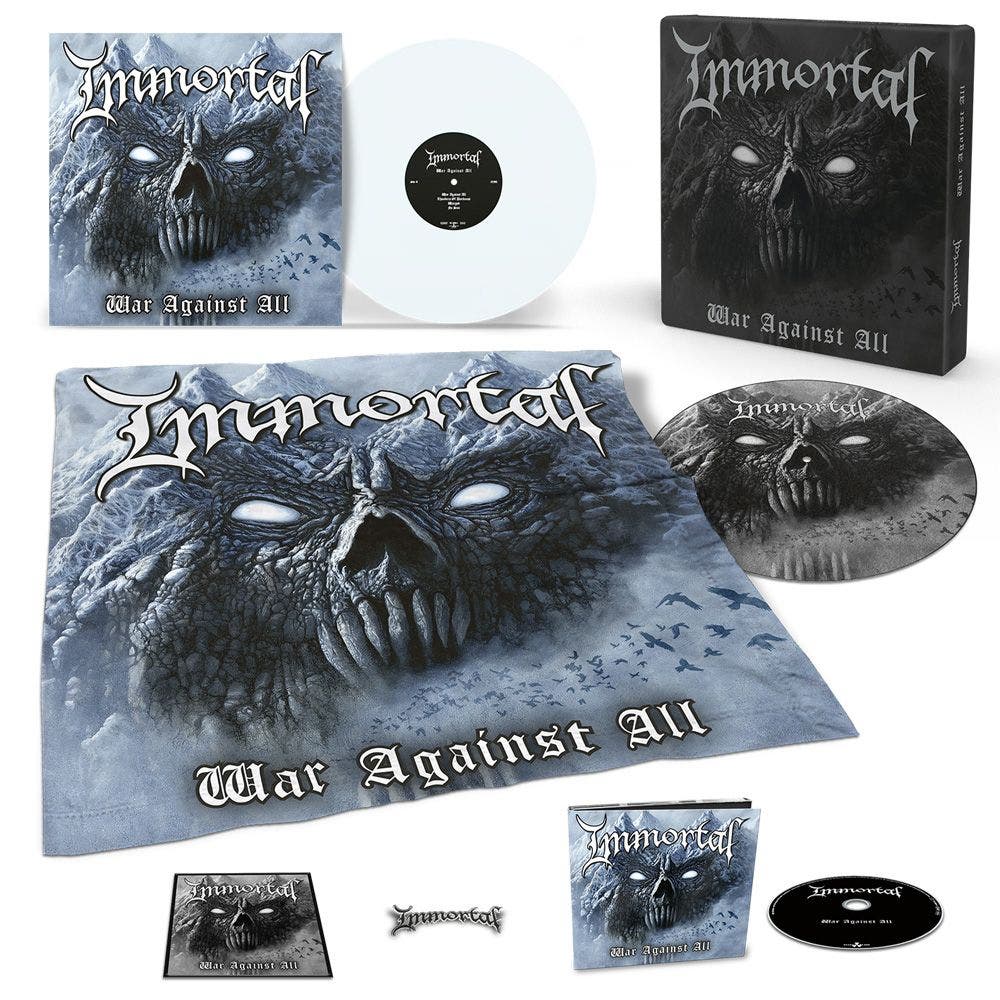
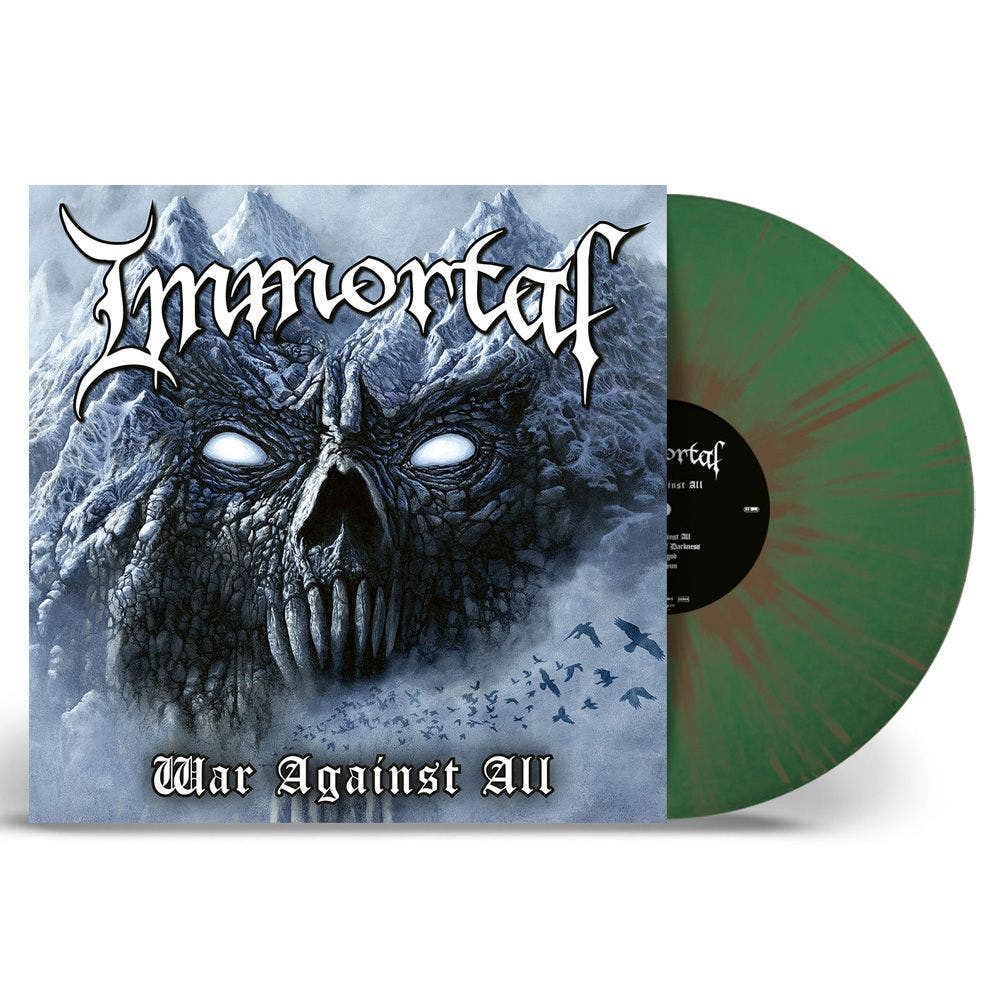
Nos, az összes zenét magam írtam, aztán minden dalhoz készítettem egy demót. A producer, Ice Dale [Arve Isdal], ő játssza a basszust, és Kevin [Kvåle] az, aki a dobokon kísér. Őt Ice Dale-en keresztül találtam meg, ő mondta, hogy nagyszerű dobos. Meghallgattam a játékát, és felvettem vele a kapcsolatot – összehoztunk néhány próbát, próbáltunk, elküldte nekem a dalok dobsávjait, amiket otthon rögzített, és igen, meg voltam győződve arról, hogy nagyszerű munkát fog végezni, és így is lett. Úgy játszik, mint egy gép, de a legkevésbé sem hangzik úgy, mint egy gép.
Ez nagyon jól hangzik. Hogyan dolgoztok? Leültök együtt próbálni és ötletelni, vagy DAW-ot használtok, mint a Reaper vagy a Cubase, és küldözgetitek a sávokat? Pontosan mi is a zeneszerzés módja?
Nem használok Cubase-t. Csak szalagos felvevővel dolgozom, mert nem használok túl gyakran számítógépet – túlzottan lekötné az energiáimat. Helyette van egy telefonom, amit csak felvételekhez használok… ilyen egyszerű. És tudod, az Immortal zenéje a gitárokra épül. Szóval a harminc évvel ezelőtti módon készülnek a dalokat: leülök és felveszem az egész számot az összes riff-fel együtt, csak a gitárt. Aztán elmegyek a stúdióba, és feljátszok néhány demót is, csak úgy gyorsan, hogy elküldhessem a dobosnak. Szóval a dalok hangszerelését és a dalokkal való munkát mindig is így végeztem. Megírom a gitárriff-eket – erre épülnek a dalok –, és miután megvannak a dobok és minden egyéb, megírom a szöveget. Mindig tudom előre a témát, amikor a dalokkal foglalkozom – a szövegek bizonyos szempontból ugyanolyan fontosak, mint maga a zene.
A dalok egy menetben el is készülnek, vagy gyakran változtatod a részeket, átírod a riff-eket, cserélgeted a dobsávokat?
Általában nem változtatok olyan sokat, próbálok az eredeti ötlet mentén haladni, próbálok visszaemlékezni a dolgokra, mivel nem veszek fel mindent. Az írás során próbálok emlékezni… és mindent magnóra veszek fel, mert szeretem a hangzását. Szóval a dalok riffenként szalagokra készülnek, és aztán erre írom, tudod, a dalszövegeket. És ha a riff-kazettákat hallgatom, gyakran kimegyek a szabadba, hogy ötleteket gyűjtsek… annak idején, amikor a zenét hallgattam, mindig kimentem a természetbe, sétáltam az erdőben, fejhallgatóval a fejemen. Ettől egy optimális hangulatba kerülök, távol mindenkitől. És igen, ez egy közhely, de én így csinálom.

Sokszor láttam, hogy a zenészek a számítógépeket matatják, a szoftvereket piszkálják, közben meg az egész dolog emberi része valahogy elvész.
Emlékszem, volt egyszer egy hangkártyám, tudod, a klasszikus számítógépbe valósi. Valaki azt mondta nekem, hogy tutira ezt kell használnod, satöbbi-satöbbi. És én megpróbáltam, beszereltem a gépbe, rákötöttem a gitárkábelt, volt hozzá valami doboz is, összekötöttem az egészet – és egyszer csak teljesen rossz lett a jel. Úgyhogy megfogtam, kibasztam az egészet az ablakon, a francnak sem kell ilyesmi. Egy dal írása során nem fogják mindenféle hibaüzenetek meg felugró ablakok szétcseszni a napomat! Ez tönkreteszi az egészet! Szóval a magnó tökéletes. Két gomb, bumm, és máris kezdheted játszani a riffet. Tökéletes!
Miközben beszélgetünk, a képernyőn meg van nyitva a Metal Archives, és azt írja, hogy „Demonaz videojátékokhoz is ír zenét, mint például a Naval War: Arctic Circle”. Ezek a zenék is analóg módon készülnek?
Ez egy hosszú történet. Van egy srác, akinek van egy Turbo Tape Games nevű cége, ami nagyon elborult számítógépes játékokat készít. Az egyik a Naval War volt, egy haditengerészeti katonai játék. Én meg segítettem neki ebben, tudod. A March of the Norse albumból használt néhány részt a játékban háttérzenének, és később megkért, hogy írjak még valamit. Megtettem, írtam néhány háttérzenét, és ugyanígy írtam az Ur nevű játékukhoz is. Ez az a két játék, amihez zenét írtam. Nem mellékesen az egész csapat náluk Immortal-rajongó.
Azt hiszem, mindenki, akivel mostanság interjúztál, megkérdezte – én is meg fogom: lesz lehetőségünk a jövőben színpadon látni az Immortal-t?
Május végén lesz egy találkozónk Håkon-nal [Håkon Grav] és a menedzsmenttel. Miután az album kijött, eljön Bergen-be, és akkor lesz egy találkozóm vele, át fogjuk nyálazni az összes ajánlatot, és meglátjuk, mit tehetünk. Mindaddig, amíg előre lendíti a zene ügyét, szeretnék minden ajánlatot alaposan megfontolni. És persze rengeteg dolog fog még történni ebben az évben… a többiek a saját zenekaraikban játszanak, és nekik is rengeteg tervük van. Szóval idén szerintem semmi, de jövőre talán tervezhetünk valamit.
Mit gondolsz, mennyire stabil a mostani felállás? Maradtok úgy, ahogy vagytok, vagy tervben vannak változtatásokra?
Session zenészek játszanak az albumon, és a terv az, amit mondtam: le kell ülnünk megbeszélni, és utána kitalálom azt a forgatókönyvet, amelyik mindenkinek elfogadható – szóval nem ígérhetek semmit, amíg nincs meg ez a beszélgetés.
Egy kérdés az íngyulladással és a későbbi műtéttel kapcsolatban: hogy érzed most magad, hogy van a jobb karod?
A bal karom volt az, de a probléma más volt – kezdetben azt hitték, hogy szimplán ínhüvelygyulladás, de végül kiderült, hogy maga az izom szakadt le a vállamról. Szóval valójában kettészakadt, de 2012-ig nem jöttek rá. Aztán két évig kellett gyógytornára járnom a karommal. Egy év gitározás nélkül, kibaszott horror volt… egy év gitár nélkül maga a kínszenvedés. Nagyon, nagyon, nagyon rossz volt… de most már rendben van a karom.
Hadd kérdezzelek a visszajelzésekről: a War Against All-ról két dal is kijött már, és ugye volt az 2018-es anyag is. Kérlek, mesélj a visszajelzésekről.
Amikor megláttam az interjúfelkérések listáját és láttam azt a sok embert, akik érdeklődtek és beszéltek róla, azt mondtam magamnak, hogy „oké, hát ezzel még sok munka lesz”. A visszajelzések tényleg elsöprőek, a hallgatók nagyon-nagyon odavoltak ezért az albumért, és ez jó motiváció számomra. Szóval már most rengeteg pozitív visszajelzés érkezett. Például tegnap kaptam egy üzenetet, hogy a Sweden Rock Magazine a hónap albumának választotta az albumot. Szóval szerintem ez… ez nagyon jó. És nagyon remélem, hogy a rajongók velem maradnak, és élvezni fogják az új albumot is. Ez a legtöbb, amit most tehetek.
A March of the Norse 2011-ben jött ki, és később hét év szünet következett. Mi adott energiát és erőt, hogy mindent újrakezdj gyakorlatilag a semmiből?
Hát, tudod, az az igazság, hogy már 2002-2003-ban is voltak gondok a zenekarban. Abbath kilépett, abba akarta hagyni, és problémák voltak a zenekar szellemiségével, tudod. És azt hiszem, ez csak rajtunk múlt… nem én gitároztam, a zenekar szenvedett ettől… ha én játszottam volna, akkor más lett volna az egyensúly, lett volna egy egyensúly. Megpróbáltuk a tagcseréket, Abbath átvette a gitárt. Annyira szerettük volna, hogy a zenekar működjön, de az a tény, hogy nem voltam ott minden koncerten, bizonyos értelemben aláásta a barátságunkat és meggyengítette az Immortal szellemiségét. Szóval Abbath úgy érezte, hogy valami mást akar csinálni, és én is így voltam vele: azt gondoltam, hogy oké, akkor ez nem működik. Aztán megpróbáltam újraéleszteni a zenekart 2007-ben, és folytatni az All Shall Fall albummal, ami 2009-ben jelent meg. De valami nem stimmelt, valami nem volt rendben a hajtóerővel, és úgy gondoltam, hogy a zenekar rossz irányba halad. És bizonyos értelemben nem láttam, hogy volna jövőnk… persze volt néhány probléma köztünk – gondolom, mindent tudsz róla, hallottad… De nem akarok személyeskedni és belemenni ezekbe a dolgokba. Ha van egy zenekarod 20 vagy 30 évig – a legtöbb zenekar két CD után abbahagyja – szóval ha van 30 évig egy zenekarod, akkor biztosan lesznek problémák a tagok között, lesznek nehézségek, konfliktusok vagy eltérő vélemények, bármi. Szóval a tagok jönnek és mennek. Ami történt… az az volt, hogy én megpróbáltam megoldani a dolgokat. Abbath kilépett, én és Horgh pedig folytattuk. Aztán megírtam a Northern Chaos Gods-ot, ahol ő dobolt, de a zenét én írtam. Aztán felmerült néhány probléma köztem és Horgh között, és… tulajdonképpen újra kellett alapítanom a zenekart. Ez volt az egyetlen módja, mert senki más nem tudta volna megcsinálni, tudod. Megpróbáltuk… és az emberek kérdezték, hogy miért lépett ki [Abbath] és ugyanezt megkérdezték tőle is… megpróbáltuk. Kilépett 2003-ban, és kilépett [később] 2014-ben, most miért kérdezzem meg harmadszor is? Ez olyan, mintha… Én vagyok az egyetlen, aki újra képes működtetni a zenekart, és én soha nem adom fel. Soha nem adtam fel a zenekart, olyan nincs. Nem láttam okát, hogy ezt tegyem, szóval az Immortal lassacskán egy „lenni vagy nem lenni” dologgá alakult – ez az egyetlen út. És számomra az Immortal zenéje igazából az első albumokat jelenti. Én voltam a gitáros a négy első albumon, igaz? Szóval hat Immortal albumon játszottam mint gitáros, és ez az én hangzásom. Így szól az Immortal, ha én gitározok – ilyen az Immortal eredeti hangzása a kezdetektől fogva, mert szerintem a zenekar arculata többé-kevésbé az első négy lemez alatt alakult ki.
Ez a nomen est omen esete – úgy tűnik, hogy elpusztíthatatlanná tetted a Immortal-t. De hadd kérdezzek néhány személyes dolgot. Honnan jön az ihlet?
Mindig ugyanaz… a zenei inspiráció elég kevés zenekartól jön. Rengeteg zenekart hallgatok, természetesen azokat a bandákat, akikért a 80-as évektől fogva rajongok… a 80-as és a 90-es évek között rengeteg nagyszerű album született. Az összes Iron Maiden album… vagy ha keményebb zenéről van szó, akkor a Celtic Frost, vagy a Bathory, vagy a Sepultura és az ő Schizophrenia albumuk… az összes obskúrus, zúzós album abból az időből… a Venom, a Possessed meg a Morbid Angel egy kicsit… És [természetesen] a Bathory, az a lényeg. De nem hiszem, hogy az Immortal zenéje ezekhez hasonló lenne – inkább olyan, mintha a keveréke lenne azoknak a bandáknak, amiket a 80-as és a 90-es években hallgattam… azt hiszem, ezek egyfajta keveréke.
A Hardangervidda, ahol élsz, inspirál, vagy a metal a fő inspiráció?
Természetesen! Öt évvel ezelőtt valóra váltottam egy régi álmomat: vettem egy házat a hegyek között, három órányira Bergen városától Hardanger-ben, két nemzeti park között. A házam mögött fel tudok sétálni a gleccserekhez, nincsenek [más] házak, kint vagyok a vadonban, fantasztikus kilátással. Amikor kiállok az udvarra, 360 fokban csodálhatom a havas hegyeket körös-körül. Szóval kurva jó, szeretem. Nagyon inspiráló, természetesen… és sokáig tartott, amíg találtam egy ilyen házat.
Hadd kérdezzelek a zenei hátteredről, a zenei képzettségedről.
Kisgyerekként zongoráztam… egy szomszédunktól tanultam néhány dolgot… a szomszéd zongoratanárnő volt, de ez még nagyon fiatal koromban történt. Aztán úgy tízéves koromban kezdtem el gitározni, de később úgy éreztem, hogy ez így nem megy, úgyhogy vettem helyette egy dobfelszerelést, amikor tizenegy éves voltam vagy valami ilyesmi. Aztán két évig doboltam, majd tizenhárom éves koromban megkaptam az első igazi elektromos gitáromat, és onnantól kezdve Tony Iommi és Keith Richards inspirált a Rolling Stones-ból. Emlékszem, az első dal a Satisfaction volt… akkor hallottam először igazi gitárriff-et. De amikor meghallottam a Black Sabbath-ot… Tony Iommi-t… rögtön rákattantam, és úgy éreztem, hogy egész életemben gitározni akarok. Londonban volt alkalmam találkozni vele a Metal Hammer Golden Award-on… szóval szerintem ő a riffek ura. Ő teremtette meg a heavy metalt, és ez bőven elég nekem. Ő teremtette meg a heavy metalt – szóval hogy is ne tisztelném, ha a gitárzene a mindenem?
Ha sorra vesszük az Immortal albumokat az elsőtől napjainkig, azt gondolom, hogy a gitárzene sokat változott. Mit gondolsz erről, mi az oka? A gitárosok személye lehet ez ok, vagy van valami más a háttérben?
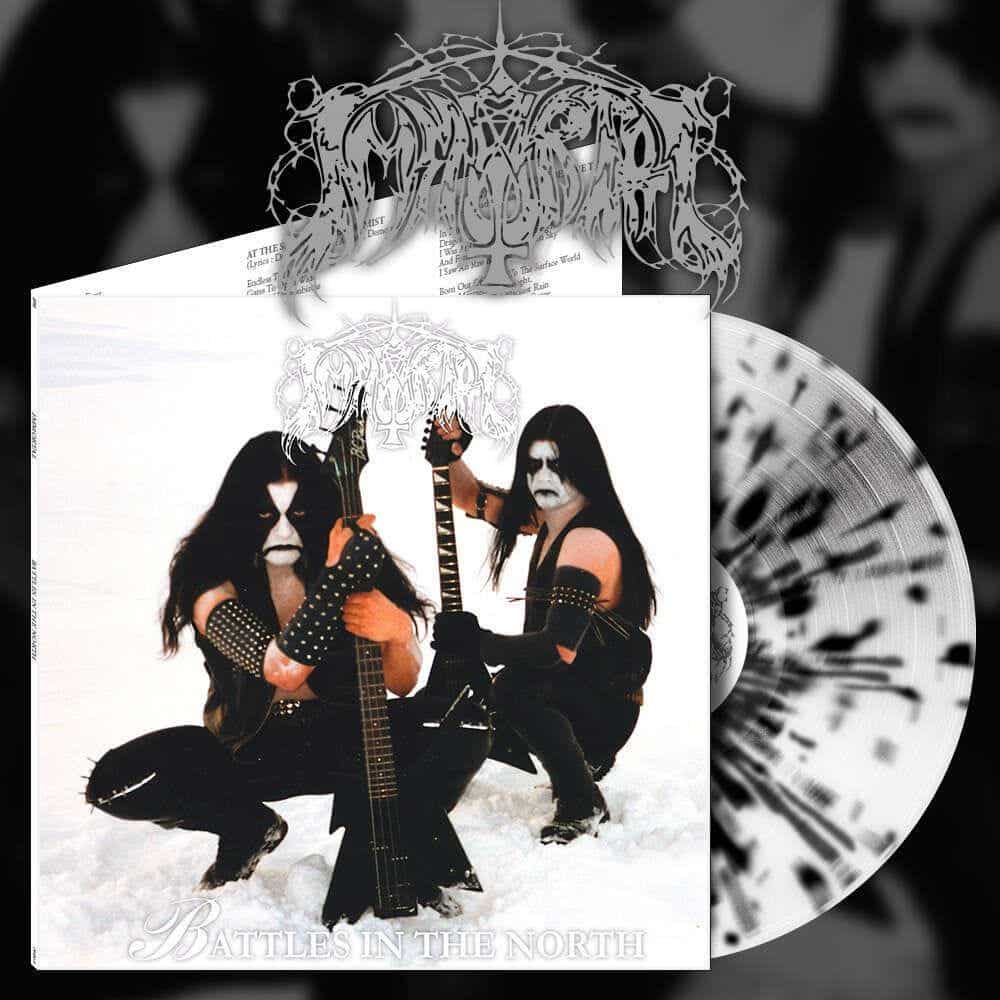
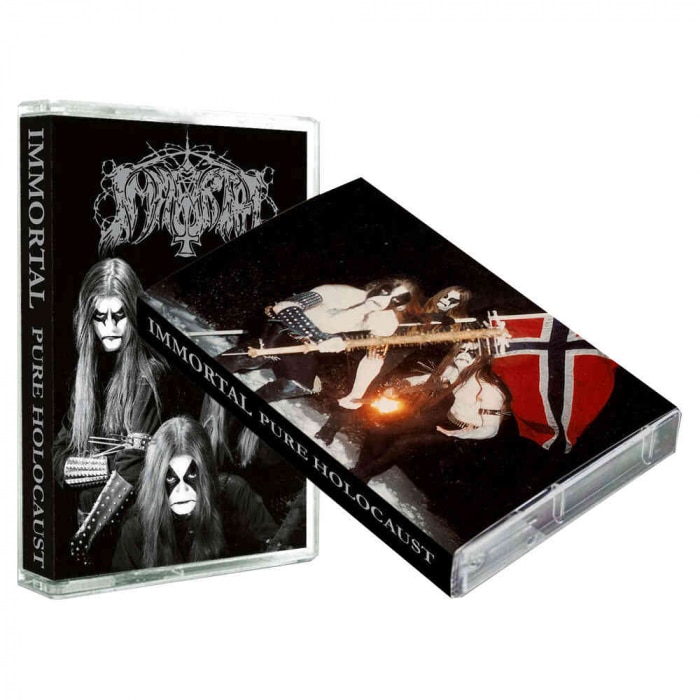
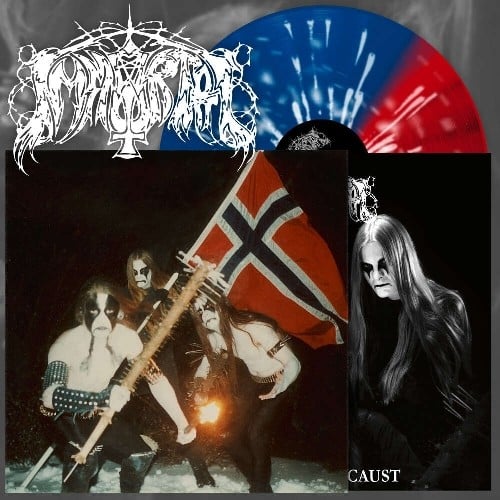
Szerintem a zene lényege ugyanaz, de a technika más, és az idő múlásával fejlődik a játékstílusunk. Nehéz visszamenni az időben és lemásolni, amit annak idején csináltál, különösen a hangzás tekintetében. Az első albumokon azért nem profi zenészeket hallani, bizonyos értelemben röptében tanultunk. És egy új zenei stílust alakítottunk ki, a skandináv black metal-t, ami egy szűz terület volt, ha érted, mire gondolok. El kellett mélyedjünk ebben, hogy megpróbáljuk megtalálni a saját stílusunkat és kialakítani a saját hangzásunkat, ami persze idővel meg is lett. Az első album nem volt valami gyors… a Pure Holocaust egy kicsit tempósabb lett, aztán jött a Battles in the North, ami szerintem már maga az Immortal világa olyan dalokkal, mint a Battles in the North és a Blashyrkh Mighty Ravendark… úgy gondoltam, hogy nagyjából akkorra megtaláltuk a saját stílusunkat. Aztán megírtuk az At the Heart of Winter-t, ami szerintem nem lóg annyira ki a sorból, csak a hangzás más azon az albumon. Sokan azt mondják, hogy ez az album nagyon más – nem, nem az, ha így gondolod, hallgasd meg újra, hiszen csomó dala ott lehetett volna a korábbi albumokon is. Csak a hangzás más, különösen a gitárhangzásnak – van egy elég jellegzetes hangzása annak az anyagnak. Damned in Black… az album, aminek a anyagát leginkább Abbath írta, én nem nagyon vettem részt a munkában. A Sons of Northern Darkness volt bizonyos értelemben a közös visszatérő albumunk: leültünk, fogtuk és összeraktuk. És azt hiszem, az At the Heart of Winter, a Damned in Black és a Sons of Northern Darkness a legjobb anyagaink, amiket készítettünk. Az All Shall Fall... nem is tudom… valahogy kilóg a sorból; azt hiszem, ez az album talán a leginkább egyedi mindegyik közül. Amikor a Northern Chaos Gods-ot és a War Against All-t írtam, rengeteg Immortal-t hallgattam. Beköltöztem ebbe a házba, lehúztam az összes függönyt és zenét írtam. Persze lehetetlen végig ugyanazt a stílust megtartani, de próbálok annyira hű maradni a gyökereimhez, amennyire csak tudok. Mert erre szeretnék haladni, ez az a stílus, amit magam is szeretek… Az albumok, amiket most kiadok, azt tükrözik, hogy most milyen az Immortal. Nem fogok változni… és a következő album punkosabb lesz (nevet)!
Mielőtt elbúcsúznék, kérlek, mondj pár szót arról, hogy mit is jelent számodra a zene.
Harminchét gitár van az otthonomban. Van egy műhely a pincémben, így magam tudom szervízelni őket. Vannak klasszikus gitárjaim, és mindenhol valami zenéhez kapcsolódó tárgy… hangszórók… régi Marshall-ok… Mindenhol, és a házam háromszintes! A zene számomra minden. És egyébként az összes gitár fekete. Lehetetlen, hogy egy nap zene nélkül ébredjek, vagy hogy ne gondoljak a zenére… ez lehetetlen. Emlékszem arra az egy évre, amikor nem tudtam gitározni, azt hiszem, depressziós lettem… de az már a múlté.
A szerző és a metal.hu szerkesztősége köszönetét fejezi ki Tim Nottorf-nak (Nuclear Blast).
Írta: Á
Borítókép: Jacsó Balázs
******** English content ********
‘Okay, Thursday half eleven agreed. Demonaz is waiting for your call, you can ring him on his mobile’, the promoter wrote. I’ve seen many things during fixing a good number of interviews, but to get the phone number of the founding member of an iconic band for a chat, was something totally unprecedented. Especially since Immortal is a band very deep in my heart since I was young, and as it turned out later on, I drove right by Demonaz house almost twenty years ago…
Please tell me about the recent album. What were the roles? Who is responsible for what, and who is responsible for the music writing?
Well, I wrote all the music myself, and then I did demos of each song. I had Ice Dale, the producer, he did the bass, and I had a drummer called Kevin [Kvåle], who is obviously playing the drums. I found him through Ice Dale, because he told me he was a great drummer. I listened to some of his playing, and I contacted him, and we did some rehearsals, and [later on we were] rehearsing for the album. He sent me back also the drumming for the tracks, and yeah, I was convinced that he would do a great job, and I think he did. He plays like a machine, but he doesn’t sound like a machine.
That sounds absolutely great. And how did you exchange music? Have you had the chance to sit together, or are you using DAW like Reaper or Cubase… basically what’s your way of composing?
I don’t use Cubase. I only record with a tape recorder, because I don’t connect with the computer so much, it’s stealing my energy. I have a phone, which I only use for recordings… that’s easy. And you know, Immortal’s music is based on the guitarist. So I make the songs the old school way, and I sit and I record the whole track with all of the riffs, just playing by guitar. And then I go to the studio and record also some of the demos quickly, and so I could send to the drummer. Arranging the songs, and working with the songs is something I do like I’ve always done. It’s like I write the guitar riff and base the songs on that, and after we put the drums and everything on, I put the lyrics on the top. I always know the topics, when I work with the songs. The words are as important as the music in a way.
Is everything created in one go, or are you often changing parts or modifying riffs or changing the drum tracks?
Normally I don’t change so much, I try to keep the original idea, I try to remember things, as I don’t record everything. During the process of writing, I try to remember… and I record everything on the tape recorder because I like the sound. So the songs are made on riff tapes and then I write, you know, lyrics upon that. And the I listen to the riff tapes and maybe I walk outside to get those ideas… I was always going outside, walking in the woods, whatever with the headphones, you know. Just get in a certain mood when I do that, away from everybody. And yeah, it’s a cliche, but it’s the way I do it.
I have seen many times that people are just tampering with the computers, using machines, and the human part has just gone somehow.
I remember one time I had this sound card, you know, which you put into the machine. And someone said to me, ‘you have to use this’ and blah, blah, blah. And I tried, I tried to put it into the machine and I put in the guitar cable. And you get this box… and then something was wrong with the signal. I fucking threw it out the window, I don’t want it. It’s like… I can’t stop my day trying to write an Immortal track when I get boxes on the screen about mistakes, whatever! It destroys the whole feeling! So my tape recorder is perfect. Two knobs, bang, and then you can record the riff. Perfect!
While we are talking here, I have the Metal Archives open on my screen, and it says, like, ‘Demonaz writes music for video games such as Naval War: Arctic Circle’ and other stuff. You are creating those kind of music also on analog way?
That’s a long story. There was a guy who has this company called Turbo Tape Games, which is creating very dark games for computers. One of them was Naval War, it’s like a heavy machinery, naval army game. I helped him out with that, he used some stuff from the March of the Norse album on this game in the background, and later on he asked me to write something to help him. I did that, I wrote some background music for this, and the same for a game called Ur. Those are the two games I wrote for, yes, I did. The whole company are Immortal fans, by the way.
I think, everyone who just contacted you, asked for the same thing: can we have the chance to see Immortal on stage in the future?
I have to say that we’re going to have a meeting with Håkon [Grav], with the management in the end of May. When the album is out, he’s coming to Bergen, and then I have a meeting with him, and we are going to go through all the offers and see what we can do with it. As long as it makes justice to the music, and if there are some offers… Yeah, I would like to consider that. And of course, there’s been a lot of things happening during this year… all the other guys are in their bands, and they also have a lot of plans. So nothing for this year, but we will plan something for next year, maybe, yeah.
What do you think, how stable the recent lineup is? So you will remain as is, or is there any plans about changes?
There are session musicians on the album, but the plan was, like I told you: we have to sit down and talk about it, and I will make a plan what fits for everybody, so I can’t promise anything before we have that meeting.
In the past, you had tendinitis and a surgery later on, so how do you feel about your right arm now?
It was my left arm, but the problem was a different one. They thought it was like a tendinitis, but at the end of the day, the muscle was broken from the shoulder. So it was actually cut into two, and they never found it out about until 2012. I had to go for a two years of rehab with my arm with one year without playing the guitar, it was a fucking horror… one year without guitar was a torture. So that was really, really, really bad. But then now my arm is okay.
Let me ask about the feedbacks, because two songs from War Against All still are out and you just had an album out in 2018, so please tell me about the feedbacks.
When I was like seeing the list of the interviews [requests – metal.hu] and all the people who were interested in and talking about it, I just told myself, ‘OK, there will be a lot of work to be done’. But when I talk to people… the feedbacks are really overwhelming, and they were really-really into this album, and I think that’s good, that’s a good motivation for me. So already there’s been a lot of positive feedback. Like yesterday… I got a message that Sweden Rock Magazine is voting the album for the album of the month… I got a picture on that yesterday. So I think it’s like, yeah, it’s very good. And I really hope the fans can stay with me and they will enjoy the new album. This is the best I can do at this point.
Please tell me what gave you the energy to restart everything? Because March of the Norse came out in 2011, and later on there was a seven years of break. So what gave you the energy and the power to restart everything basically from scratches?
Well, you know, the honest thing is that we had problems with the band already back in 2002- 2003. Abbath quitted, he wanted to stop, and there were problems with the band spirit, you know. And I think it just fall on us, because I didn’t play the guitar and the band was suffering from that… because if I would play, there would be another balance, a different balance. And we tried to have different members, we tried that Abbath take over the guitar, you know. We wanted so badly to have the band going, but the fact that I wasn’t there on all the concerts, took the toll on our friendship in a way, and the spirit of Immortal. So Abbath, he felt he would do something else and I was at the same page: we thought, okay, it’s not working. So I tried to get the band back in 2007 and continue with the All Shall Fall album, which came out in 2009… But there was something wrong, there was something wrong with the spirit, it wasn’t there. I thought the band was moving in the wrong direction… and I didn’t see a future in a way… there were some issues between us, of course. I guess you know everything about it, you’ve heard it… and I don’t want to go in personally on that. If you have a band for 20 or 30 years… most bands quit after two CDs, you know… but when you have a band for 30 years, you will [definitely] have some issues between members, you will have some conflicts or different opinions, whatever, so members will come and go. Abbath quitted, and me and Horgh, we continued. Then I wrote Northern Chaos Gods where he did the drums, but I wrote the music. And still, there were some issues between me and Horgh, and it was like… I had to re-establish the band. It was the only way to do it, because nobody else can do it, you know. We tried… and people did ask for why did he quit and vice versa… we tried it. He [Abbath] quit in 2003 and he quit [later on] in 2014, so why should I ask him the third time? It’s like… I’m the only one who can do this, and I never gave up. I never gave up the band, no matter. And I didn’t see a reason to do that, so Immortal would be a ‘to be or not to be’ [thing], you know. It’s the only way. And for me, the music of Immortal is the music of the first albums, really. I was the guitarist on the four first albums, right? So I’ve been doing six Immortal albums on the guitar, and this is my sound. This is how Immortal sounds with me upfront. It’s the original sound of Immortal from the beginnings, because I think the band’s expression was more or less formed on the first four records.
In this case, nomen est omen, and fortunately you made Immortal to be really immortal. But let me ask you about some personal things. Where your inspiration is coming from?
Always the same, you know. The musical inspiration comes from very few bands, I think, really. I listen to a lot of bands, of course, from the youth, those bands I’m a fan of since the 80’s… between the 80’s and the 90’s, there were like tons and tons of great albums. All Iron Maiden albums, or if it’s a harder music, like Celtic Frost, or Bathory or Sepultura and [their album] Schizophrenia… all those really, really obscure, crashy albums from that time, and Venom, and musically, I think, Possessed and Morbid Angel a bit… just a bit of them. And [of course] Bathory, it is the essential. But I don’t think the music of Immortal is similar to any of those, it’s more like a mix between those bands… I think it’s like a mix of those in some way.
The landscape you have in the Hardangervidda area, is that something which is also inspiring you? Or mostly metal is the main input?
Of course. Five years ago I made a long-time dream to come true: I bought a house by the mountains, three hours from the city of Bergen. It’s in Hardanger, between two national parks. On the back of my house, I can walk to the glaciers, and there are no [other] houses, it’s out in the wilderness with a fantastic view. When I stand in my yard, I can watch 360 degrees on all the snow covered mountains, all the way around. So it’s fucking great. I like that, you know. It’s very inspiring, of course. It took me a long time to find a house like that.
Let me please ask about your musical background, about your musical education, so are you a natural talent, or have you had the chance to learn playing guitar?
I played piano when I was a young kid, I learned a few things from a neighbor [of us], she was a piano teacher, but that was when I was very young. Yeah, I started to play guitar when I was like ten years old. And then I felt I couldn’t do it, so I bought a drum kit instead when I was eleven or something. And then I played drums for two years and later on when I was thirteen years old I got my first real electric guitar. And from there, my inspirations are Tony Iommi and also Keith Richards from Rolling Stones. I remember the first song was Satisfaction… that was the first time I heard a proper guitar riff. But when I listened to Black Sabbath… to Tony Iommi… I was hooked, and it was like, okay, I’m going to play guitar for the rest of my life. I had the chance to meet him in London at the Metal Hammer Golden Award. I think that he is the riff master, he created heavy metal, and that’s [enough] for me. He created heavy metal, so how can I not respect that, if the guitar is everything to me?
If we are looking at the Immortal albums from the first one until today, I think there are a lot of changes regarding the guitar music. How do you feel about that, so what’s the reason behind those changes? Is that because of the personal changes on guitar, or is there anything else behind?
I think the essence of the music is the same, but it’s a different technique, [and] you evolve through time with your playing. And it’s hard to go back and copy what you did both sound-wise also. Because on the first albums we were not very skilled musicians, we were learning while we were playing in a way. And we also developed a new style of music, you know, black metal with a Scandinavian expression, and there was a lot of unexplored territory, if you know what I mean. So we had to go into that to try to find our own signature, our own sound, which, of course, developed over time. The first album was not that fast, you know. Pure Holocaust was a bit faster and then we came to Battles in the North, which I think opened up the universe of Immortal with songs like Battles in the North and Blashyrkh Mighty Ravendark. And then I thought we had found more or less the style. And then we wrote At the Heart of Winter, which is not so different from the previous ones. It’s just the sound that is different on that album. People say, these albums are very different. No, it’s not, then you have to listen to it again, because a lot of those songs could have been on those albums before. It’s just the sound, what’s different, especially the guitar sound on that album has a very different signature, and it makes the whole thing different. Damned in Black… the album Abbath wrote most the material of, I didn’t participate that much on that album. But Sons of Northern Darkness, that was our comeback album, in a way. It was like we sat down and really nailed an album. And I think At the Heart of Winter, Damned in Black and Sons of Northern Darkness, are the best we did in that time. And All Shall Fall… I don’t know… it’s like different material in a way. I think that is the album maybe most different of those. When I wrote Northern Chaos Gods and War Against All, I listened to a lot of Immortal. I moved to this house, I shut down all the curtains and wrote the music. I think it’s impossible to keep the same style all the way, and I try to be as honest to my roots as I can. Because that’s what I want, that’s what I like myself… I like that. The albums that I’m releasing now represents what Immortal is just now. I’m not going to change. The next album is going to be more punk (laughing)!
Before saying farewell, please say some phrases about what music means to you.
I have 37 guitars in my home. I have a guitar workshop in my basement, so I can fix them myself. I have classical guitars, and there’s music everywhere… speakers… old Marshalls… Everywhere in my house, and I have a house of three floors. Music to me is everything. And all of those guitars are black, by the way. For me, it’s like, you know, it’s impossible to have a day without music, or think about music… it’s impossible. I remember the one year I couldn’t play guitar, I think I was depressed.. but fortunately, that year has gone.
The author and the editorial staff of metal.hu would like to thank Tim Nottorf (Nuclear Blast).
Written by: Á
Cover art by Balázs Jacsó