******** FOR ENGLISH CONTENT PLEASE SCROLL DOWN ********
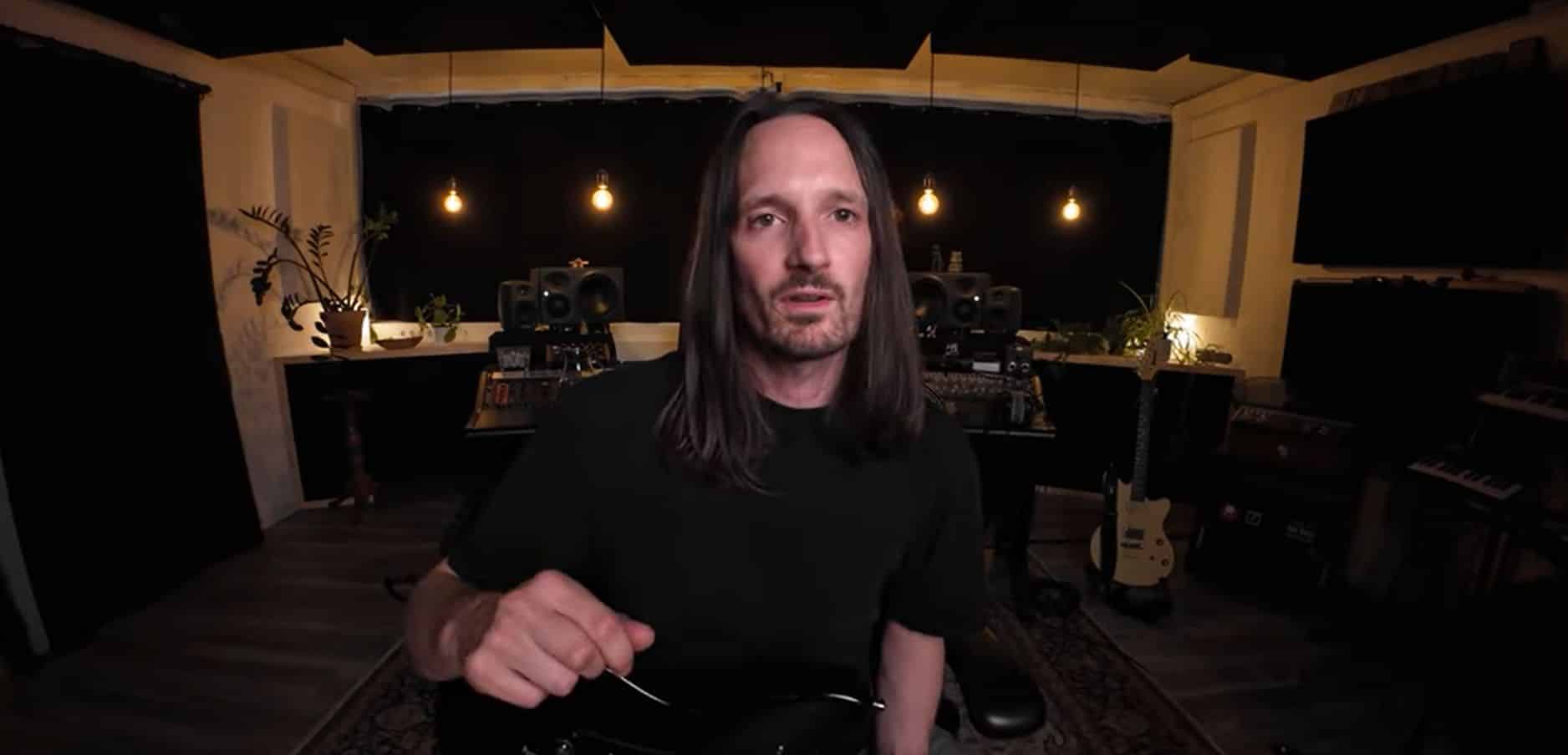
Vékony, bajszos srác ül le velem szembe. Elmélázik, csak időnként élénkül meg a beszélgetés során – ám amikor a zene szépségeiről, annak mindent áltható erejéről lesz szó, tűz lobban fel a szemében. Ő Nikita Kamprad, a Der Weg einer Freiheit mögötti agy, akit Borbás Robi kiállításának megnyitóján kérdezgettünk.
Mostanában fejeztetek be egy 17 állomásos turnét, tartottatok egy rövid szünetet, most itt vagytok Budapesten, ahonnan Isztambulba utaztok tovább. Egy ilyen turné után mennyire vagytok fáradtak?
Nagyon odafigyelek arra, hogy eleget aludjak, és ne merítsem ki magam, mert maga a koncert, a beállás… gyakorlatilag az egész folyamat nagyon fárasztó. Ha túl intenzív a társasági élet vagy sok a bulizás, akkor az még jobban igénybe vesz, ezért ezt őszintén szólva kihagyom azért, hogy teljes mértékben a koncertre tudjak koncentrálni, meg persze arra is, hogy a turné után vissza tudjak térni a hétköznapi életbe – például már két nappal azután, hogy hazaértünk. Tudom, hogy ez nagyon németesen hangzik, de a többiek is ugyanígy csinálják: mindannyian kihagyjuk az piát, ami őszintén szólva a turnézás jelentős tényezője… és ez sokkal könnyebbé teszi az életünket menet közben. Így a turné után – még ha nagyon kimerítő is minden este a 90 perces műsort lenyomni – pár hétig még tudnánk is folytatni.
Mennyire szeretsz turnézni? Szórakoztató ez számodra?
Igen. Ha turnén vagyok, és minden jól működik, minden a helyén van, akkor otthonosan érzem magam. Imádom, nagyon szeretem. De néha a felkészülés, az, hogy mentálisan ráhangolódjak egy turnéra, elég nagy kihívás – legalábbis számomra. A felkészülés nagyon fontos, és rengeteg energiát igényel. Számunkra ez általában nem csak egy turné… ez egyfajta fizikai és mentális felkészülés, ami sok héttel a turné előtt elkezdődik, és ez a része a legnehezebb. Néha kényszerítened kell magad, hogy meg legyen a megfelelő hangulat, mert muszáj – de a végén minden este látjuk, hogy megéri. A mai estét meg különösen nagyon várom.
Azt hiszem, ez a hatodik látogatásotok Budapesten. Volt időd körülnézni, ha nem is feltétlenül ma?
Igen, még ma is tekeregtünk. Olyan részén szálltunk meg Budapestnek, ahol korábban még nem jártunk. Nem tudom a kerület nevét, de sétáltunk egyet, és sütött a nap – ez turné közben nagyon fontos: kimenni a szabadba, és napfényen lenni, amikor csak lehet! Az idő nagy részét mindenféle épületekben töltöd, vagy a színpadon állsz, a backstage-ben meg ritkán vannak ablakok, szóval ki kell használni a napfényt, ha van. Ma ez megadatott. De már sokszor jártunk Budapesten, és azt hiszem, az első vagy második alkalommal még egy szabadnapunk is volt itt a turné során – akkor bejártuk az egész várost, megnéztük a nevezetesebb épületeket, és elmentünk az egyik fürdőbe is – az nagyon klassz volt.
Kicsit a zenekar és a zene felé kanyarodva: utolsó albumotok, az Innern, szeptemberben jelent meg. Milyen visszajelzéseket kaptatok?
Elképesztőeket. Nagyon boldogok vagyunk emiatt, és nem csak a sajtóban vagy a médiában olvasott dolgok miatt. Az az érzésem, hogy a személyes üzenetek, kommentek és a koncerteken folytatott beszélgetések – különösen a mostani turnén – valami mást, mélyebbet képviselnek, mint korábban. Úgy érzem, hogy a hallgatók még jobban kapcsolódnak a zenéhez ezzel az új albummal, ami fantasztikus, mert tulajdonképpen ezért csináljuk: ez az egész a kapcsolódásról szól. Szerintem a zene és a művészet egyfajta nyelvet ad az embereknek, amely lehetővé teszi, hogy olyan dolgokról beszéljenek, amiket szavakkal nem lehet elmondani. Az emberek ezt akkor is megérzik, ha például nem értik a német nyelvet – és ez csodálatos. Ez sokkal többet ér, mint egy ötcsillagos kritika – a hallgatósággal való kapcsolat számít igazán.
Ezt a kapcsolatot látni vagy érezni a színpadon?
Ó, igen, abszolút! Az emberek reakciói nagyon különbözőek lehetnek. Németországban például – őszintén szólva – sokan csukott szemmel élvezik a koncertet. Visszafogottak, de nem negatív értelemben – egyszerűen csak így élvezik, mozdulatlanul. A mai estét azért is várom, mert sokan jönnek majd, és a magyar közönség a korábbi budapesti koncertjeinken sokkal aktívabb volt, inkább „kifelé” élte meg az élményt.
Említetted a dalszerzést. Ki miért felelős a Der Weg einer Freiheit esetében?
Én vagyok a fő dalszerző. Tulajdonképpen én vagyok az egyik alapító tag, és az egyetlen, aki a kezdetektől fogva a zenekar tagja. Körülbelül két évvel az indulás után csatlakozott hozzánk Tobias dobosként, állandó tagként. Nagyon örülök, hogy itt van velünk, és biztos vagyok benne, hogy még nagyon sokáig együtt leszünk. Bár ő kiváló dobos, nagyon jó barát és egy hozzám nagyon közel álló ember, nem érzi szükségét annak, hogy részt vegyen a dalszerzésben. Nagyon tiszteli az elképzeléseimet, teljesen érti az általam írt zene lényegét, és boldog azzal, hogy „csak” dobol. Ez talán furcsán hangozhat egy zenekar esetében – sokan úgy képzelik el, hogy minden tag együtt írja a dalokat –, de nálunk nem így van. Ettől függetlenül mi egy megbonthatatlan egységet alkotunk, és ez a mai napig így van, az új albummal is. Az album összes dalát én írtam, kivéve az utolsót, a Forlorn-t, amely Nicolas-szal, a gitárosunkkal közös munka volt, nagyjából fele-fele arányban. Ez egyfajta kísérlet volt, olyasmi, amit korábban nem csináltunk – és nagyon jól sült el. Szórakoztató volt oda-vissza küldözgetni a zenei ötleteket, és látni, ahogy a dal gyakorlatilag magától megszületik a kettőnk közötti kommunikáció során.
Említetted Tobias-t és a dobolást. Hogyan születnek a dobtémák? Hallod a dobokat már a gitársávok megírása közben? Tobias később változtat az ötleteiden?
Amikor dalt írok, akkor nem csak gitáros vagyok – egyszerre vagyok két gitáros, egy basszusgitáros és egy dobos – sőt, néha még énekes is. Nem tudok dobolni, de már a kezdetektől fogva, amikor az első dalokat írtam, nagyon egyszerűen, valami dobgéppel feldemóztam a dobsávokat – mindez nagyjából húsz évvel ezelőtt volt. Amikor dalokat írok, egyszerre megírom a dobsávot is. Amikor egy gitárriff-en dolgozom, közben azon is agyalok, hogy milyen dob illene hozzá. Sokkal inkább egy kis zenekarnak, sőt egyfajta kamarazenekarnak látom magunkat – nem pedig egy olyan bandának, ahol mindenki csak a saját hangszeréért felel. Itt az egésznek együtt kell működnie – ezért is olyan fontos, hogy már a dalszerzés fázisában végig legyen mindez gondolva. Vannak zenekarok, amelyek együtt írják a dalokat, és náluk ez tökéletesen működik. Én viszont akkor érzem magam a legkomfortosabban, amikor egyedül ülök a számítógép előtt – mert őszintén szólva ez a fő hangszerem –, és egyszerre figyelek minden hangszerre, minden hangra, minden sávra és az énekre is… egészen addig, amíg a dal el nem készül. Tobias egy korábbi interjúban mondta – és én is így gondolom –, hogy első körben a dobok már körülbelül 90%-ban ott vannak, ahol lenniük kell. Később ő hozzáadja azt az apró kis csemegét, ami igazán egyedivé teszi a dob hangzását. Ha eredetileg egy blast beat volt tervezve, az blast beat is marad, azon nem változtat – de egy-egy fill, átvezetés vagy szünet már az ő keze nyomát viseli magán. Ez az utolsó kritikus 10% tőle jön, és ez nagyon fontos.
Tehát lényegében te írod meg a dobokat Superior Drummerrel vagy hasonló szoftverrel?
A GGD Invasion library-t használom. Ismered a Periphery basszusgitárosát [Adam ’Nolly’ Getgood – a szerk.]? Ő kezdett el egy library-t gyártani erre. Gyakorlatilag teljesen újra tudom építeni Tobias dobcuccát: két lábdob, három felső tam, egy állótam, meg az általa használt cintányérok. Még a pergő hangolását is olyanra állítom, mint az ő pergőjének a valódi hangja, és így már a demó és a pre-produkciós fázis során biztos lehetek abban, hogy minden passzolni fog az ő dobcuccához. Ezt csak az új albumnál kezdtük el használni – korábban nem foglalkoztam azzal, hogy pontosan milyen pergő vagy cintányér szóljon.
Korábban akkor inkább csak instrukciókat adtál, vagy mi is volt pontosan a megközelítés?
Tizenöt éve játszunk együtt, nagyon jól ismerjük egymást. Rengeteg koncertünk és próbánk volt közösen, és sokat beszélünk a zenéről. A legjobb barátok vagyunk, így végső soron egyszerűen tudjuk, mire is gondol a másik. Tudom, hogy ő hogyan játszik, és ő is érti az elképzeléseimet. Végtelenül szerencsésnek érzem magam emiatt.
Mi a kedvenc dalszerzési módszered? Egy menetben megírsz egy dalt az elejétől a végéig, vagy inkább párhuzamosan dolgozol a részleteken?
Régebben – egészen a Noktvrn albumig – inkább az volt a módszerem, hogy akár hónapokat is eltöltöttem egyetlen dallal. Megírtam egy részt, majd azon gondolkodtam, hogyan jutok el a következőhöz: minden részletet, átvezetést, fill-t már nagyon korán kidolgoztam. Az új albumnál viszont ez másképp volt: elhagytam a részleteket és az interludium-okat, és egyszerűen megírtam a teljes dalt. Még egy olyan hosszú számnál is, mint a Xibalba, megpróbáltam egy nap alatt kialakítani az alapstruktúrát – persze ez még nagyon nem úgy szólt, mint a végleges verzió. Fontos volt látnom, hogy a dal teljes szerkezete működik-e, mert ennél az albumnál nagyon lényeges volt a zene természetes áramlása. Néha – ami elég vicces – ’placeholder’ riffeket írtam, mert nem tudtam, hogyan folytassam, ezért csak valamit odagányoltam, hogy valahogy befejezzem a dalt, és hogy lássam, merre is szeretnék haladni. Később visszatértem ezekhez a ’placeholder’, ideiglenes részekhez, és finomítottam rajtuk. Így végül lassan a dal működni kezdett.
Mi a preferált munkamódszered? Inkább analóg módon dolgozol, vagy teljesen digitálisan?
Alapvetően teljesen digitálisan dolgozom. A Universal Audio Apollo rendszerét használom, ami szerintem a legjobb megoldás digitális munkához, miközben nagyon jó analóg érzetet ad, mivel modellezi az összes klasszikus analóg előfokot, EQ-t, kompresszort és mindazt, amit régen használtak. Olyan szinten csinálják mindezt, amit más gyártók egyszerűen nem érnek el. Annak ellenére, hogy digitálisan dolgozom, mindig próbálok a klasszikus jelútban gondolkodni, és elképzelni, hogy hogyan csináltam volna mindezt 20 vagy 30 évvel ezelőtt – még akkor is, ha akkor még csak meg sem születtem. Ez segít abban, hogy ne vesszek el a digitális lehetőségek végtelen világában – mert ez a digitális munkafolyamat legnagyobb nehézsége: a cél teljes elvesztése. Nagyon fontos, hogy elköteleződj egy hangzás mellett – például egy adott előfok mellett; ez az én megközelítésem.
Született tehetség vagy, vagy tanultál valaha hangszeren játszani?
Voltak zongoraóráim, amikor hat-nyolc éves voltam, de őszintén szólva soha sem szerettem. A szüleim talán láttak bennem valamilyen tehetséget, ezért egy ideig nyomatták, amíg végül azt nem mondtam, hogy nem akarom tovább csinálni. Ekkor azt mondták: „rendben, hagyjuk”. Tíz évvel később viszont gitárt vettem a kezembe; akkor 15-16 éves voltam, és attól a naptól fogva gitáros és zenész lettem – a kezdetektől fogva nagyon erős kapcsolatot éreztem a hangszerrel. Az egyetlen klasszikus képzésem a zongora volt tehát. Az iskolában volt egy zene-központú tantárgyunk, ami nagyon fontos volt számomra – kiváló zenetanárunk volt, és ott rengeteget tanultam. De ezen kívül… a gitározás, az éneklés, a produceri munka, a komponálás… mindezt autodidakta módon szedtem fel, talál-süllyed alapon. Sok-sok alkalommal kell kudarcot vallanod ahhoz, hogy eljuss oda, ahonnan már jól csinálod, és mindez időt és nagyfokú fegyelmet igényel. Rengetegszer próbálkoztam, és rengetegszer elbuktam. Néha ez természetesen elkeserítő, de minden egyes hiba egyben előrelépés is.
A hangszereket tekintve: az Ibanez támogat, és ha jól emlékszem, öt különböző hangszered is van tőlük. De miért is pont az Ibanez?
Az Ibanez köztudottan remek modern igáslovakat gyárt. Ezek a gitárok a modern világ és a vintage hangzás tökéletes keverékeit adják. Nagyon szeretem a formájukat is, mert a klasszikus Jazzmaster meg Jaguar stílusra emlékeztetnek. Kiváló hangzású hangszedőik vannak, amelyeket lehet single-coil üzemmódban vagy humbucker-ként is használni, így két hangszedővel egyetlen gitárnál kilenc különböző hangzás érhető el. Számunkra jelenleg ez a tökéletes gitár – és ez már sok éve így van.
Honnan merítesz zenei inspirációt? Sok interjúban beszéltél már ennek a zenei vetületéről, így ez a részlet talán ismert.
Mindig különválasztom a zenét és a szövegeket. A dalszövegek esetében sokkal könnyebb nevén nevezni az inspirációkat: könyvek, vagy például podcastok, amelyeket mostanában hallgatok, és amelyek nagyon inspiráltak. Zeneileg pedig: természetesen hallasz egy random zenekart vagy dallamot, és az valamilyen módon hatással lesz a dalszerzésedre. Ez nagyon sokféle lehet, ezért nehéz konkrétan megnevezni. Természetesen a régi black metal zenekarok, mint az Emperor, a Naglfar, vagy a német black metal színtér – ahonnan mondjuk az Agrypnie is származik – hatalmas hatással voltak rám. Manapság például a Leprous is ilyen számomra. Teljesen másképp szólnak, de éppen ezért inspirálóak: a megszokott kereteken kívül gondolkodnak. Ez az a hozzáállás, amit én is követni szeretnék: nem másolni magamat, nem másolni más zenekarokat, hanem hagyni, hogy az hasson rám, amit szeretek, ami megmozgat.
Sok albumon te írod a basszusgitár-sávokat is. Hogyan születnek ezek? Egyszerűen leegyszerűsíted a gitártémákat? Mi ebben az esetben a megközelítés?
Ahogy mondtam, amikor dalt írok, az egész dalt írom meg egyben, beleértve a basszust is – ezt a módszert az új albumnál kezdtem el tudatosan használni. A demó-fázisban egy MIDI basszus plugin-t használok a dobokkal együtt, hogy gyorsan fel tudjam vázolni a basszustémát még a gitárok felvétele előtt. Például van egy riff, amihez blast beat illik – ez már önmagában is azt jelenti, hogy a basszus valószínűleg nyolcadokat fog játszani alatta. Felveszek egy egyszerű basszustémát, felveszem a gitárokat, és öt perc alatt már van is egy elképzelésem arról, hogyan működik-e ez a rész, és hogy hol van a dalban a helye. Amikor ez megvan, előveszem a rendes basszusgitárt, és újrajátszom a géppel feljátszott szólamot úgy, ahogyan egy valódi hangszeren tenném. Ilyenkor persze új ötletek születnek: például akkordok, vagy más futamok is akár, amelyek később visszahatnak a gitárra vagy akár az énektémákra is. El kell indulni valahonnan, és bízni abban, hogy a hangszerek reagálnak egymásra, és egy ponton összeáll a hangzás. Amikor ez megtörténik, nagyon erősen érzem a beteljesülést – ezt nehéz leírni, de ez a világon az egyik legjobb érzés: amikor minden a helyére kerül.
Van egy kiadó, a Sheet Happens, amely rengeteg zenekar gitárkottájának kiadója. Tervezitek esetleg, hogy ti is kiadjátok a saját kottáitokat?
Elérhető az összes albumunkhoz a gitárkotta, de teljes mértékben csináld magad alapon. Megtalálhatók a Bandcamp-en digitális formában, és fizikai kiadványként is meg lehet őket vásárolni. Ezek is mind csináld magad megoldások: felhívtam egy helyi nyomdát, hogy „van egy kiadványom, ki tudnátok nyomni belőle 200 darabot?”, és ők megcsinálták. Ugyanakkor nagyon szeretnénk, ha ez szélesebb körben eljutna a gitáros és basszusgitáros közönséghez, mert hatalmas igény van rá. Rengetegen kérdeznek minket arról, hogy hogyan kell ezt-azt eljátszani, meg hogyan is működik amaz, hogyan áll össze egy-egy dal. Ha látják az összhangzatokat és azt, hogy hogyan játszik együtt a két gitár és a basszus – az már sokat segít. Őszintén szólva, a riff-jeink technikailag nem túl nehezek – sokszor csak egy kvint és egy arra épülő dallam –, de a lényeg igazából máshol van.
Leginkább is abban, ahogyan a harmóniák vagy a diszharmóniák együtt élnek, nem?
Pontosan. A dal szerkezete, a produkció hihetetlenül fontos – meg a basszus szerepe is. De ezt a tabulatúrákból is meg lehet érteni: nem csak technikai kérdésről van szó, hanem arról is, hogy hogyan épül fel egy dal valójában.
Új albumokon dolgozol, turnékat készítesz elő, turnézol, és emellett van egy hétköznapi munkád is. Hogyan fér bele mindez a napi 24 órába?
Elég nehezen. Sok évre volt szükségem ahhoz, hogy kialakítsak egy nagyon fegyelmezett napirendet. Van egy saját stúdióm – ez alapvetően egy szoba, ahol a zenekar raktára is van, merch, felszerelés, minden, és ott van a munkahelyem is. Ez rendkívül fontossá vált számomra: egy tér, ahol teljes mértékben a zenészi és produceri munkámra tudok koncentrálni. Mindez nem otthon van, ami óriási előny: ha otthon dolgozol, könnyen elveszítheted a fókuszt. A lehető legnémetesebb módon közelítem meg ezt a problémát: 9-től 5-ig tartó munkának tekintem mindezt. Reggel 9-kor bemegyek a stúdióba, 5 vagy 6 körül hazamegyek, van közben egy ebédszünet, és ennyi. Így dolgozom. Tudom, hogy sokan ezt sosem értenék meg, de az évek során rájöttem, hogy számomra ez működik a legjobban.
Utolsó kérdések, mert úgy érzem, lassan kifutunk az időből. Mit jelent számodra a zene?
Amikor elkezdtem zenét írni, még nem tudtam: a zene egy nagyon erős nyelv, egy univerzális nyelv, amelyet mindenki képes beszélni és megérteni. Nem hiszek abban, amikor valaki azt mondja, hogy „nem tudok énekelni”. Szerintem mindenki tud énekelni, használni a saját hangját. És mindenki képes megérteni, miről is szól a zene. Számomra a zene egy rendkívül erős, univerzális kapcsolat az emberek között. Mi egy kis zenekar vagyunk, és mégis látni, milyen hatással tudunk lenni egyes emberekre – ezt elképesztő megtapasztalni. Ugyanezt látom a hatalmas zenekaroknál is, például a Metallica-nál. Ők annak idején egy teljesen új műfajt teremtettek meg, és még ma is emberek millióit inspirálják – szerintem ez a zene szépsége.
És mit jelent számodra a metal?
Tulajdonképpen csak megismételni tudom az előző választ. A metal számomra az a nyelv, amit a művészetben beszélni tudok. Ezek [körbe mutat – a szerk.] a Robert [Borbás Robi – a szerk.] által készített műalkotások is egyfajta nyelven beszélnek. Rengeteg különböző dolog vesz körül minket, és én azt választottam, ami a legerősebben szól hozzám – ez pedig a metal. Kezdettől fogva a kemény zenékhez, a hangos dolgokhoz vonzódtam: az agresszióhoz és az erőhöz, ami a hangos gitárokból, dobokból, basszusból, sikolyokból és énekből árad.
A weboldaladon az áll: „a munkám bármilyen, hangzásában és stílusában hangsúlyos zene felvétele, keverése és masterelése”. El tudsz képzelni olyan zenét, ami érzelmileg elég hangsúlyos, de nem metal?
Amikor beléptünk ebbe a szobába úgy 10–15 perccel ezelőtt, szólt egy dal – az mondjuk jó példa volt erre. Van egy német tévésorozat, a DAS!, ami hat-hét évvel ezelőtt lett nagyon népszerű. A főcímzenéjét egy Soap&Skin nevű előadó készítette, és ez egy érzelmileg rendkívül megérintő zene – nagyon szívesen dolgoznék együtt ilyen előadókkal is. Természetesen sokan a zenekarom miatt ismernek, a metal miatt, ezért főleg metal zenekarok keresnek meg produceri munkákkal. Örömmel dolgozom metal-on – felvétel, keverés, masterelés –, de teljesen nyitott vagyok más műfajokra is. A lényeg, hogy a zene hasson a zsigerekre, hogy érezd az erejét. Egy nagyon halk, finom hang is lehet ugyanolyan erőteljes, mint egy üvegből öntött híd.
Ez nagyon szép zárógondolat volt. Nagyon köszönöm a lehetőséget!
Írta: Á
Szerkesztőségünk hálásan köszöni S Gamez és a Season of Mist segítségét.
******** ENGLISH CONTENT ********
A thin guy with a mustache sits opposite to me. He is pensive, but when the topic turns to the beauty of music and its all-encompassing power, his eyes light up. He is Nikita Kamprad, the mastermind behind Der Weg einer Freiheit, whom we interviewed at the opening ceremony of the exhibition of Robi Borbás.
You have basically finished a 17-stops tour, had a short break, and now you are here in Budapest and will be travelling to Istanbul. After such kind of a tour, how tired you guys are?
During a tour, I take very much care of enough sleep, not to be exhausted, because the show itself, also the soundcheck, basically everything, are tiring. But if you start having too much interactions or parties, you get even more tired, so I skip that, to be honest, to fully focus on the show, and also to be able to go back to daily life after a tour, like just two days when we got home. I know that sounds very German, but the same with the other guys: they all skipped drinking, which is a huge part, to be honest… and it makes life on tour a way easier. So, after this tour, even though it was very exhausting with a 90-minute set each night, we can go on for a couple of weeks, even.
Do you like touring at all? Is that a fun for you?
Yeah, if I’m on tour, if everything is running and we have everything here, I feel safe, it’s absolutely fine. I love it, I really love it. But sometimes the preparations, to get in the mental state before a tour, is quite challenging, at least for me. The preparations are very important, and that takes a lot of energy. So, for us it’s not just a tour… it’s like a physician and a mental preparation, which starts many weeks before a tour, and that’s the part where it’s challenging sometimes. Sometimes you have to get yourself into the mood, because you have to – but in the end, every night, we know it’s worth it, and we know why we’re doing this. It’s very fulfilling in the end, and that’s the main point. And I’m really, really looking forward for it tonight.
This is your, I think, sixth visit here in Budapest. Have you had any chance to look around, not necessarily today?
Yeah, today even. We were staying in a part of Budapest where we haven’t been before. I don’t know the name of the district, but we walked around, and the sun was shining. That’s also very important on tour, to get outdoor, to get the sun in your face when it’s there. Most of the time you sit in a building, or you are on stage, and the backstage rarely have windows, so you have to get the sun when it’s there. We got that today. But we’ve been to Budapest many times, and I think the first or second time, we even had a day off here on tour. So we were happy to go all around the city, visit the main buildings, and go to a spa. This was very cool.
Just moving a little bit towards the band and the music: your last album came out this September. What about the feedbacks?
Very amazing. We are very happy about that, and not only for press or anything we read in the media. I have the impression that the personal messages, comments and the personal talks on shows, especially on the tour we just did, they were something different, something more deep than in the past. I have the impression that people feel even more connected to the music with the new album, which is amazing, because this is why we do it, actually: it’s all about connecting and providing. I think music and art is always like providing a language for people to talk about things that you just sometimes can’t talk about with your words. People realize that without even understanding German, for example, and that is a great thing. It’s way more worth than a five-star review or something like that – it’s the messages and the connection with people.
Can you see it or experience this connection, or feel it when you are on stage?
Yeah, definitely. The expressions from people can vary. In Germany, to be honest, most of the people are enjoying the show with eyes closed. They are kind of reserved but not in a bad way – they are just enjoying themselves, but standing like this. I’m excited about today, because so many people will be coming here, and Hungarian shows in the past… we only played Budapest in the past… but the crowd was more moving, more going outside themselves.
You just mentioned a key word, songwriting. Who is responsible for what in the case of Der Weg einer Freihet?
It’s me, I’m the principal songwriter. Actually, I’m the founding member and the only member that is in the band since the beginning. Like two years after the start of the band, our drummer Tobias joined as a permanent member. I’m very happy he’s still around and we will be around together forever, pretty sure about that. Although he’s such a good drummer and such a good friend and very close person to me, he doesn’t feel the necessity to join the songwriting actually. He’s very respectful about my vision and totally understands the essence of the music I’m writing, and he’s very happy about just playing drums in the end. And that’s maybe a strange thing in a band – some people imagine bands working as a unit with all the band members writing the songs together, but that’s not the case for us. We are on another level, we are a strong unit, and that’s still valid until today, until the new album. I wrote all songs except for the last on, Forlorn, which was a collaboration between our guitarist Nicolas and myself, it was around about a fifty-fifty songwriting… and that was quite an experiment we didn’t do before. And it was a good thing, because it showed us that it’s also working. It was also a fun to send the ideas back and forth, and see how the song is writing itself, just through communication between the two of us.
You quickly mentioned Tobias and drumming. So what’s the way of composing the drums? Can you hear the drums while composing guitars? Is Tobias later on changing your drum patterns?
You said, if I’m writing a song, I’m a guitarist. I wouldn’t say that. Because if I’m writing a song, I’m two guitarists, the bassist and the drummer, or even the vocalist at the same time. I don’t play drums, but since the beginning, when I wrote the very first song, I already demoed the drums with a very simple drum machine – that was 20 years ago basically. And whenever I wrote songs, I always co-write the drums. At the same time, when I’m thinking about a guitar riff, I think about which kind of drum would fit the riff off. I see ourselves way more as a small orchestra than a band, where everyone are just responsible for their own instrument, here the whole unit has to work together. And that is also the reason why it’s so important to think about this in the songwriting phase. There are so great bands that write their songs all together and it works perfectly. I feel most comfortable sitting for my own in front of the computer… because it’s the main composing tool to be frank… and I’m just taking care of each instrument, each note, each layer and the vocals at the same time until the song is finished. I would say, or even Tobias in a past interview said, that the drums are already 90% there where they should be. Later on he just adds the very last little piece of spice which makes it unique. I mean, if there’s a blast beat, there’s a blast beat, he won’t change it, but a certain fill or break or something like that should, and that way he has a very unique style. The last 10%, I would say, are coming from him, and they are very important.
So you are basically composing the drum using Superior Drummer or any kind of instrument?
I’m using the GGD Invasion library. Do you know the bassist of Periphery [Adam ’Nolly’ Getgood – the eds.]? He’s doing plenty of software libraries and stuff like that. I can totally rebuild Tobias’ drum kit with two kicks, three rack toms, and one floor tom, the cymbals he uses. Even I do the snare tuning in the tone where his actual snare is. I can already make sure in the demo phase and pre-production that it will fit his actual drum kit. But we only started this way of working together with a new album – before I didn’t take care of picking the right snare or cymbals or anything.
So in the past you just gave instructions. What was the approach?
By playing together for 15 years now, we know each other very well. We played so many shows together, rehearsals, and we talk a lot about music. We’re best friends, so in the end we just know each other. I know how he plays, and he understands my vision. I’m so fortunate to be able to say that.
Which is your preferred way of composing? So you are sitting down and writing a song in one go until the end? Or you are just working at the same time on bits and pieces and later on jumping to the next one and doing that way?
That was rather the approach back in the day until Noktvrn basically, where I spent sometimes more than a few months on working on one single song until it’s finished, like writing a part and then thinking about the next part: how do I get there? Like taking care of all the details, all the transitions, fills at the very early stage of the songwriting. But for the new album, it was different. I skipped all the details, all the transitions. I just wrote the whole song, even a song like Xibalba, which is the longest song on the album. I tried to write the basic structure in one day, but it will never sound like the song you know. It was important for me to get the whole structure, if it’s working or not, because on this album it was so important to have the natural flow going through the whole album. Sometimes even, which is a funny thing, I wrote some placeholder riffs because I didn’t know how to proceed, and then I just played anything on the guitar to be able to end the song somehow, and to know where I want to go. Then I go back to the placeholder riff and do some adjustments here and there. That was it, and then the song finally worked.
What’s your preferred way of working in a studio? So you prefer an analog workflow or you are fully digital?
I am fully digital basically. I’m working with the Universal Audio Apollo system, which is I think the best solution for working digitally but having a great analog feeling because they are modeling all the analog pre-amps, EQs, compressors and everything you had back in the day, on a level that is unmatched by other brands. Even if I’m working digitally, I’m always trying to still think about the signal flow and how I would have done it 20 years ago or 30 years ago, although I wasn’t even born back then. But I’m always thinking how would I have done it back then to not lose myself in the world of endless digital possibilities, because that is the main difficulty in the digital world: losing your focus, not committing to something. It’s still very important to commit yourself to a sound, to a certain kind of pre-amp for example… so that’s my approach.
You are a natural born talent, or have you ever learned playing guitar or any kind of instrument during your childhood?
I had piano lessons back in the day when I was 6 or 8 years old, and I didn’t like it to be honest. But my parents maybe saw a kind of talent, so they pushed me until I said no, I don’t want to do it anymore. Then they said ‘okay, leave him go’. But 10 years later I picked up the guitar; at that point I was 15 or 16, and from that day I was a guitarist, I was a musician, I felt there is a very strong connection. So the only classical education I had was on the piano. Then I had a music-focused subject in school which was very important: I learned many things there because we had a great music teacher. But apart from that… playing the guitar, singing, producing, composing… actually, that is all self-taught in a trial-and-error way. You have to let yourself fail many-many times to get to a point where you start to be good. And that takes time and very much discipline, I know: I gave a lot of tries and I failed. Sometimes it’s of course discouraging, but in the end, with every mistake you make a step forward.
Regarding instruments, you are endorsed by Ibanez, and as far as I can recall, you have 5 different kind of instruments from them. Why do you prefer Ibanez?
You know, Ibanez are very well known for modern workhorses. These guitars are a perfect kind of mixture of this world and the vintage kind of sound. I also like the shape very much because it reminds me a classic Jazzmaster or Jaguar style. It has great sounding pickups which you can split to a single coil or combine them to a humbucker, so we have 9 different sound options in one guitar. It’s a perfect guitar for us at the moment, and since many years now.
Where your musical inspiration is coming from? In a lot of interviews you mentioned the musical part so I think that’s basically well known.
I always separate of course the music and the lyrics. Regarding lyrics, it’s a way easier to name inspirations by books… or I’m listening to a podcasts at the moment which inspired me a lot. And musically: of course, you hear a random band or a random melody and at some point it will influence your songwriting one way or another. And this is so various to be honest, I can’t really name… of course, black metal bands from back in the day also like Emperor, Naglfar, the German black metal scene where also Agrypnie is from. These are bands back in the day which influenced me a lot. Today bands like Leprous for example which is very important for my… of course, they sound completely different, but it’s still so important for thinking differently. They think completely out-of-the-box. And that is always the motivation and approach I want to follow not copying myself, not copying any other bands of course, but being influenced of what I like – that moves me.
With a lot of albums you are also responsible for the bass line. In the end of the day, how the bass lines are born? So you are just trying to simplify the guitars? What’s your approach?
As I said, if I’m writing a song I’m writing the full picture including the bass, that’s what I started with a new album. During the demo phase, I started using a MIDI bass plugin with the drums, basically to be able to sketch a bass line very quickly before I record the guitars. For example I have a riff and it goes something like that, and the riff needs a blast beat, that would already mean that the bass probably will play eight notes under the blast beat. So I just put a simple bass line, record the guitars and in just five minutes, I already have a feeling of this part, and where in the song it needs to be. And then, if the bass is done, I take the actual bass guitar and replay the programmed bass line in a way I would play it on a real instrument and then I come across new things like adding a power chord or different other lines – which also have an influence later on the guitar for example, or even on the vocal lines. You just have to start somewhere, and then have a trust that instruments influence each other in a way, and at some point they are complete. That’s the moment I have a strong feeling of fulfillment, that’s something I cannot describe, but it’s one of the best feelings if something really comes together.
There is a company who are releasing a lot of guitar tabs for many, many bands called Sheet Happens. Are you planning to release yours?
We have already released the tab books for each album, but it was totally do-it-yourself. They are online on Bandcamp, you can download them actually as digital. You can also purchase the physical books which are also DIY: I contacted a local printer, like ‘hey, I have the books, can you print 200 of them’, and they did it. But we would love to have it more spread for the guitar and bass playing audience, because there is such a great demand for that: so many people ask us how is this being played, how does it work, how is the song composed, and if they could see the notes and how they are combined with each other, the two guitars and the bass. We also added the bass in the tab books… and to be honest, our riffs are not very difficult, sometimes it’s just a power chord and a melody line on top, for example.
Okay, but the way of how the harmonies and the disharmonies are matching together, I think, matters.
Yes, it’s kind of the arrangements, they are so important! And with the bass as well. And that is something you can get from the tabs as well – it’s not just a technical thing, but how is the song built actually.
You are working on new albums, you are preparing for tours, you are doing the tours, and on the top of that you are doing your daily job. How is it possible to squeeze everything into 24 hours?
It’s kind of difficult. I need many years to get there, to have a very strong routine and discipline. I am having my own studio. It’s basically just a room with a storage of the band, like the merch, the gear and everything in one room, plus my studio desk and everything. And this room became so important for me, being a place where I can fully concentrate and focus on my job, being a musician and a producer. It’s not at home, which is also a big plus: if you’re working at home, sometimes it can lose your focus. I’m as German as I can be, basically, I see it as a 9-to-5 job: I’m going to the studio at 9, I’m leaving at 5 or 6, having a break in the noon and that’s it. I work like that, and I know there are so many other people who would never understand this kind of approach, but for me, I found out over the years that it works very well.
Okay, final questions, because I have a feeling that we are slowly running out of time. What music means to you?
I didn’t know that when I started writing music, but music is a very strong language, a universal language that everyone can speak and understand. I don’t believe, actually, if you say you can’t sing or something like that. I think everyone can sing and use his or her voice. It’s very unique. Also everyone can then understand what music is about. So music for me is a very universal connection between people, a very powerful one, actually. We are a small band, basically, and what kind of impact we are still having on some people, it’s so amazing to see… and I see that in case of huge bands as well, like Metallica. They forged a whole new genre back in the day, and still inspire so many people today. And that’s the beauty of music, I think.
And what is metal for you?
I can actually just repeat the answer. Metal for me… became the strongest language I can speak in the area of art in general. These arts, hanging here from Robert [Robert Borbás – the eds.], also speak a language. There are so many different things around and I just picked that one, that speaks to me the most – and that is metal. Right from the start, I was connected with the heavy bands and the loud things: the aggressiveness and the power from loud guitars, the drums, the bass and the screams and the vocals.
I went through your webpage and the motto says like ‘recording, mixing and mastering any kind of sonically and emotionally heavy music’. Can you imagine any kind of music which is emotionally heavy enough, and the sonication is okay but not a metal?
When the music started here in this room just 10-15 minutes ago, there was a song played and that would be a good example. You know, the TV series DAS! from Germany became very popular like six or seven years ago. It has a title track from an artist called Soap&Skin, and it’s emotionally very heavy, and I would have loved to cooperate in any way with such kind of artist as well. In the end, many, many artists and bands know me from my band, from doing metal, so many metal bands approach me for work. I’m always happy to produce metal, of course, or record and mix and master, but I’m always open for any other genre. It has to get you in guts, you must feel the power, I think – because the power of very smooth and quiet voice can be as powerful as a glass bridge.
That was a nice final word. Many thanks for that, I really appreciate your time.
Written by Á
Our editorial team would like to thank S Gamez and Season of Mist for their kind contribution.