******** FOR ENGLISH CONTENT PLEASE SCROLL DOWN ********
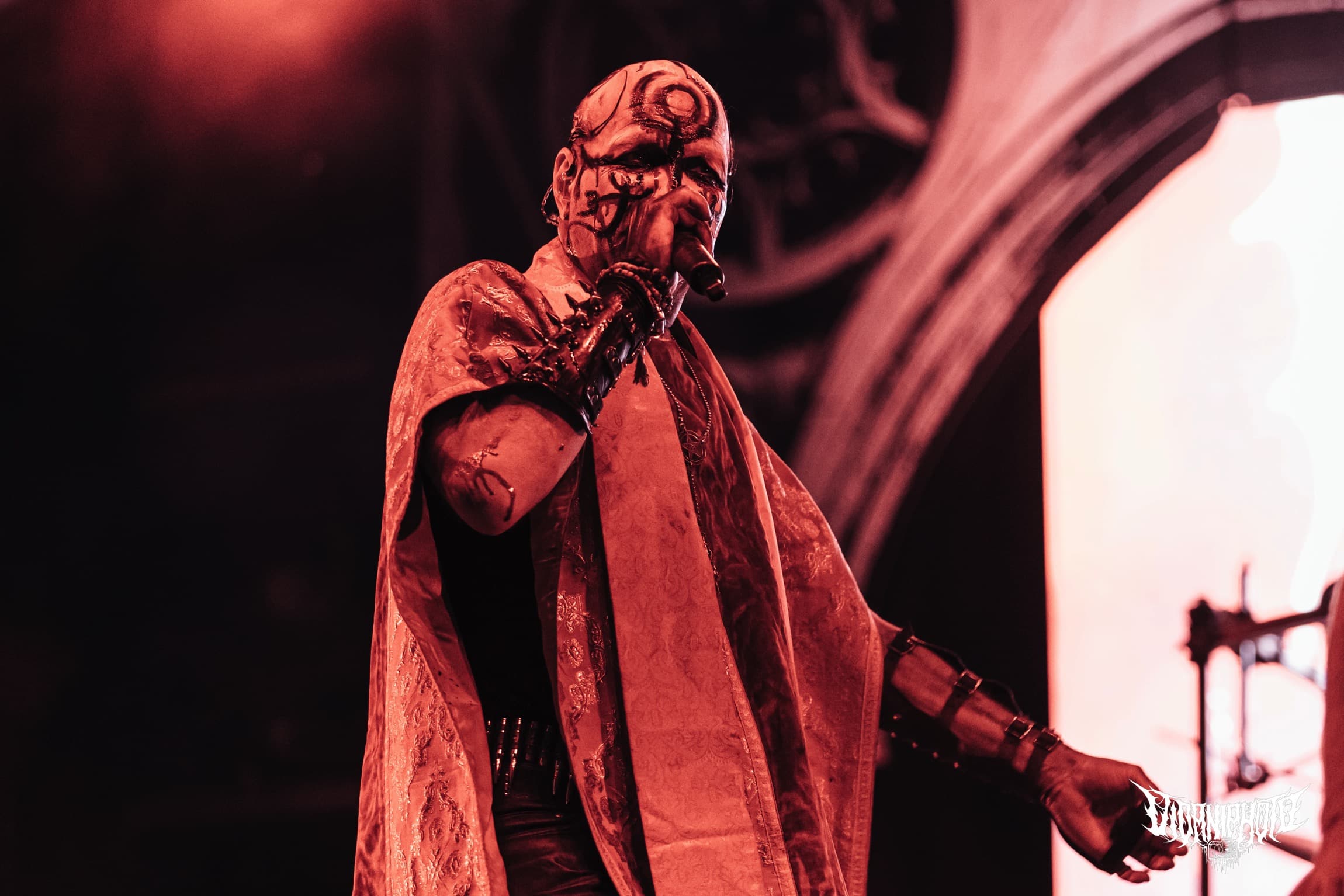
A kultikus norvég black metal zenekar, a Mayhem több mint 40 éves pályafutása során sem pihen, állandóan mozgásban van. Most február 5-én indul a Death Over Europe nevű turnéjuk a Marduk és az Immolation társaságában, a legújabb nagylemez, a Liturgy of Death pedig február 6-án, másnap érkezik. Erről és még sok minden másról beszélgettünk, a zenekar énekesével, Csihar Attilával.
Üdvözletem! Eléggé felgyorsultak az események a zenekar körül mostanában: február 6-án érkezik a Mayhem hetedik stúdióalbuma, a Liturgy of Death. Mennyiben volt más ezt a lemezt elkészíteni és felvenni mint az előző, Death című opuszt? Milyen érzéssel tölt el amikor megjelenik egy új kiadványotok?
Szervusz, először is pontosítanék: az előző lemezünk címe Daemon, nem Death. Minden Mayhem-album külön életet él, mindegyiknek megvan a saját ideje és folyamata, ahogyan megszületik és összeáll a teljes kép. Soha nem két egyforma lemez születik. Általában hat–hét év telik el két kiadvány között, most is így volt, ebben természetesen benne volt az intenzív turnézás és a Covid-időszak is.
A Liturgy of Death körülbelül három évvel ezelőtt kezdett formálódni. Az alapötlet tőlem indult, hogy a lemez teljes egészében a halál köré épüljön, és minden dal más-más aspektusból közelítse meg ezt a témát. Először néhány énekszöveg-vázlatot írtam, majd ezt követően érkeztek meg az első zenei ötletek.
Az első zenei témákat Charles (Charles Hedger – gitáros) küldte el, ezek már a kezdetektől nagyon erős, sötét irányt mutattak. Ezekre reagálva folytattam a szövegírást, később pedig Morten (Morten Iversen – a másik gitáros, a szerk.) is bekapcsolódott a dalszerzésbe. A koncepciót elsősorban Morten-nel és Charles-zal dolgoztuk ki közösen.
A három év nem folyamatos munkát jelentett, inkább hullámokban haladtunk. Voltak intenzív időszakok, majd szünetek, amikor az anyag érlelődött. Tavaly tavasszal jutottunk el oda, hogy a lemez stúdióérett legyen, a felvételek pedig az egész nyarat végigkísérték. Az énekeket augusztusban vettem fel, nagyjából négy nap alatt.
A zenét főként a két gitáros írta, nagyjából fele-fele arányban, talán Morten egy kicsivel több témát hozott. A szövegeket kizárólag én írtam, és az egész lemez gondolati íve és tematikája végig egységes maradt.
Ez jogos, teljesen igazad van, köszönöm a korrektúrát! Idővel azt vettem észre, hogy hármas ciklusra épülnek a Mayhem lemezek, tematikailag. Ezt olvastam is valahol és rációt is látok benne. A DMDS az első korszakot nyitotta meg, az Ordo Ad Chao a második ciklus, míg a Daemon a harmadik érát jelzi. Ennek legújabb stációja a Liturgy of Death album. Mit gondolsz erről?
Valóban van egyfajta ciklikusság a Mayhem történetében, de én ezt inkább korszakok sorozataként látom. Ezek mindig komoly belső változásokhoz, tagcserékhez és művészi irányváltásokhoz kötődnek.
Az első korszak a nyolcvanas évekhez kapcsolódik, a Deathcrush időszakához. Ez egy nyers, primitívebb, ösztönös extrém metal világ volt.
A második nagy korszak a kilencvenes évek elején jött el. Ebbe az időszakba tartozik az a felállás is, amelyben én is részt vettem Dead halála után. Hellhammer, Euronymous és később Varg jelenléte egy radikálisan új irányt hozott, amelynek csúcspontja a De Mysteriis Dom Sathanas. Ez nemcsak a Mayhem, hanem az egész extrém metal történetének egyik mérföldköve lett, ugyanakkor ez az időszak szó szerint romba döntötte a zenekart.
A következő korszak a Wolf’s Lair Abyss környékén indult, majd a Grand Declaration of War és a Chimera idején a zenekar tudatosan szembement a saját múltjával, a művészi szabadságot helyezve előtérbe.
2004-ben tértem vissza, ekkor készült el az Ordo Ad Chao, amely egy teljesen kortárs, túlvilági black metal lemez lett, és később norvég Grammy-díjat is kapott. Ehhez kapcsolódott az Esoteric Warfare. Az Ordo után Rune Eriksen távozott, ezt követően egy átmeneti időszak jött, majd Morten csatlakozásával, később Charles belépésével alakult ki a mostani stabil felállás. Ebben az érában született meg a Daemon és a Liturgy of Death is.
Hogyha ez igaz, akkor egy fázis még várható, hogy teljes legyen a kör.
Ez egy nagyon jó kérdés, és most nehéz rá egyértelmű választ adni. Ami biztos, hogy most indul egy új világkörüli turné Európával kezdve, és ilyenkor minden energiánk erre összpontosul. Hogy mi lesz utána, amikor hazatérünk, azt jelenleg nehéz megmondani.
A Mayhem soha nem előre megírt forgatókönyv szerint működött. Ami viszont nagyon pozitív, az a negyvenedik évfordulós turné visszhangja volt. Egy speciális műsorral léptünk fel, háttérvetítésekkel, ami a black metalban még mindig ritka. Az egyik legjobb visszajelzés az volt, amikor azt mondták, hogy élőben most szólunk a legjobban valaha. Számomra a koncert a zene csúcspontja és koronája.
Mennyire tudatos ez részetekről? Arra gondolok, hogy amikor születnek a dalok, mi alapján döntitek el, hogy ez most egy EP-re megy, az pedig egy olyan szám, ami majd a következő nagylemezen kap helyet?
Nem igazán tudatos folyamat, sokkal inkább ösztönös. Az ösztön az első és legfontosabb, egyfajta belső, transzcendentális csatorna, amin keresztül az információ áramlik. Ezt sugárzom tovább a közönség felé.
Ezt az állapotot először 1986-ban éreztem meg, amikor a Tormentorral először léptem színpadra. A lámpaláz azonnal eltűnt, és átvette a helyét valami más. Ez az élmény azóta is meghatározza a hozzáállásomat.
Erre az ösztönös alapra épül rá később a tudatos munka. Van, hogy a zenére írok szöveget, máskor fordítva, nincs fix módszer.
A közös találkozási pont Oslo-ban szokott történni ha próbáltok, vagy ezt a világ épp azon a pontján valósítjátok meg, ahonnan elindul a turné?
A Mayhem alapvetően norvég zenekar, így Oslo továbbra is természetes központ számunkra. Amikor elmélyült munkáról van szó, a legtöbb próbát ott végezzük.
Most viszont Svédországban vagyunk az NBS stúdióban, ahol a turné előtti preprodukció zajlik. Itt készült a két legutóbbi Mayhem-lemez is. Jelenleg napi nyolc-tíz órákat próbálunk. Négy új dalt játszunk majd az új lemezről, ezek a már megjelent single-ök, és emellett régi számokat is előveszünk, amelyeket régóta nem játszottunk.
Nem lehet egyszerű időbeosztásod, folyamatosan úton vagytok, jön hamarosan az Európa turné a Marduk és az Immolation társaságában. Mekkora előkészületeket igényel manapság egy ilyen komolyabb körút?
Jelenleg is intenzív felkészülésben vagyunk, ez önmagában komoly fizikai és mentális terhelés. Egy ilyen turné rengeteg előkészületet igényel.
Az időbeosztásom teljesen ki van töltve, mert nem csak a Mayhemről van szó. A Tormentorral is aktívak vagyunk, fut a Void Ov Voices, új projektet indítok Igor Cavalera társaságában, és van egy közös munkám Rhys Fulberrel a Front Line Assembly-ből is. Minden időmet a zene tölti ki, a szabadidőmben is zenét hallgatok, emellett a hobbim a hifi és a tökéletes otthoni hangzás keresése, miközben igyekszem minél több időt tölteni a családommal.
Fizikálisan és mentálisan hogyan szoktál erre felkészülni? Hogyan őrzöd meg a hangszálaid egészségét és épségét?
Negyven éve énekelek extrém zenekarokban, és számomra az éneklés alapja a légzés. Ugyanaz az alapelv működik itt, mint a jógában vagy a küzdősportokban.
Minden reggel jógázom és meditálok, sportolok is. Volt időszak, amikor sok kardiót csináltam, az utóbbi években viszont inkább plank gyakorlatokra álltam rá. Mostanában reggelente körülbelül tizenhárom percet csinálok, a rekordom egy óra egy perc. Ez rendkívül hasznos az extrém énekléshez szükséges törzsizmok erősítésében.
Régebben jellemző volt, hogy részt vettél különböző kísérleti projektekben, ezek egyike a SUNN O))). Milyen a viszonyod Stephennel és Greggel?
Mindig is szerettem több különböző projektben dolgozni, fontos volt, hogy ezek világosan elkülönüljenek egymástól. A SUNN O))) kezdetektől fontos része volt az életemnek, nagyjából tíz évig játszottam velük.
A távozásom oka a hallásom védelme volt. A koncerteken extrém hangnyomás van jelen, és sajnos kialakult a fülcsengés, ami nem gyógyítható. Nem akartam tovább kockáztatni. Ez egy tanulság is: a hallás véges, és nagyon kell rá vigyázni.
A Tormentor sem tétlen mostanság, ráadásul hazánkban is felléptek a svéd Morbid társaságában. Mit kell erről tudni?
A Tormentor az első zenekarom volt, mindent ennek köszönhetek. Tizenöt évesen léptem először színpadra, 1986 és 1990 között rengeteget koncerteztünk.
2000 körül Machat Zsolt dobossal készült el a Recipe Ferrum, majd nagyjából nyolc éve újra összeállt az eredeti felállás. Azóta nem túl gyakran, de különleges fesztiválokon játszunk. Felléptünk a Hellfesten Franciaországban, a Steelfesten Finnországban, és most jön a norvég Inferno Fesztivál is.
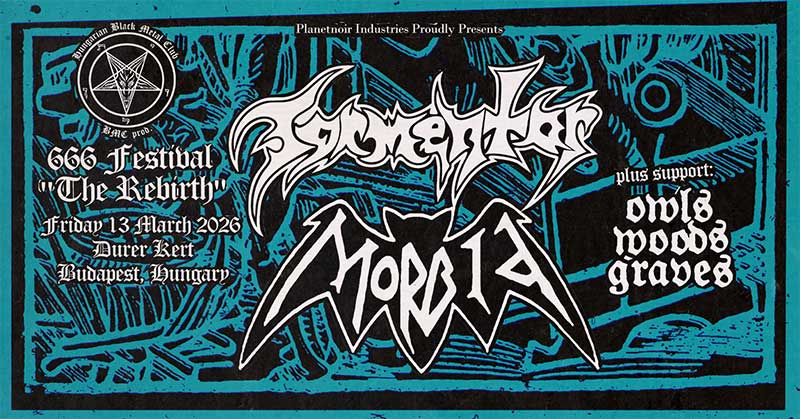
Budapesten egy különleges eseményen lépünk fel, a nyolcvanas évekbeli 666 Fesztivál újraindításán, ahol a Tormentor már 1987-ben is játszott. Ezért ennek erős érzelmi töltete van számomra.
A Tormentor csak koncertezni fog, vagy dolgoztok valamin a többiekkel?
Nem csak koncertezésről van szó. Már készült egy teljes Tormentor-lemez, amely nagyon erős, de kifejezetten magyar vonatkozású és elvont. Még nem döntöttük el, hogy ez lesz-e a következő lépés, vagy előbb egy nemzetközibb anyag jön. Jelenleg több irány is nyitott.
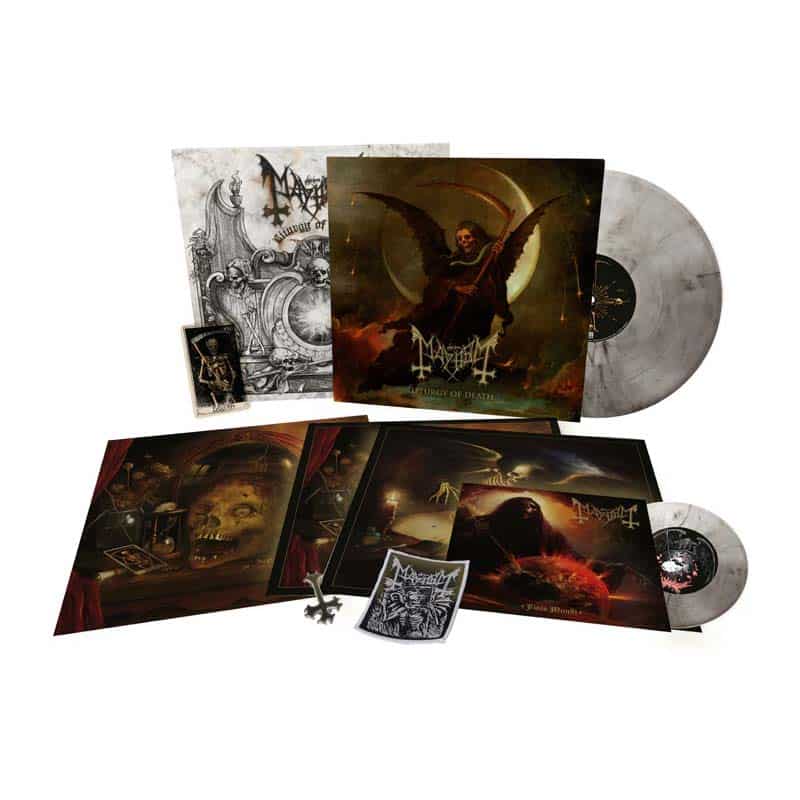
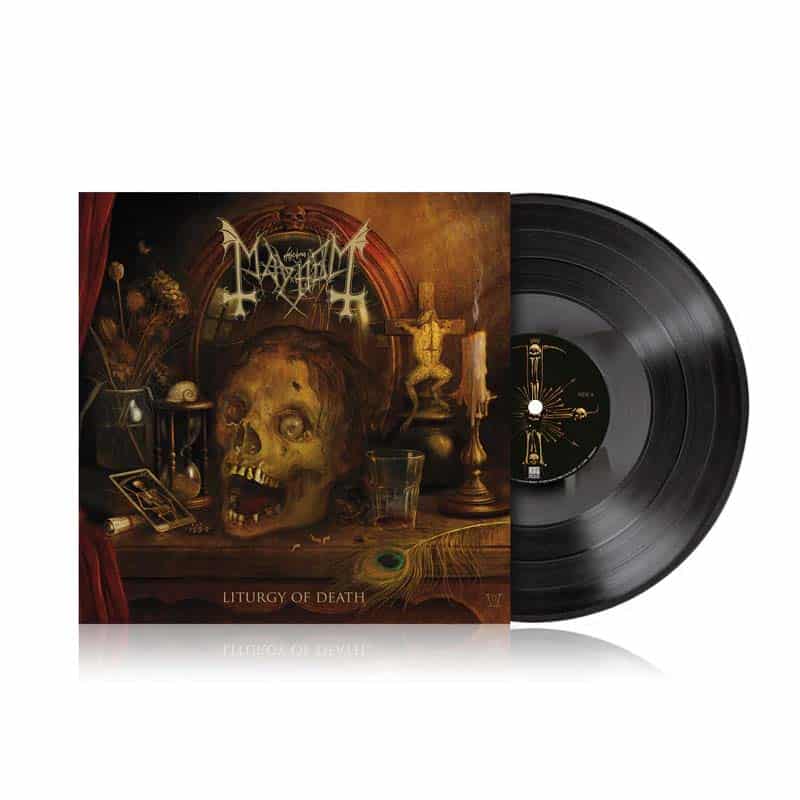
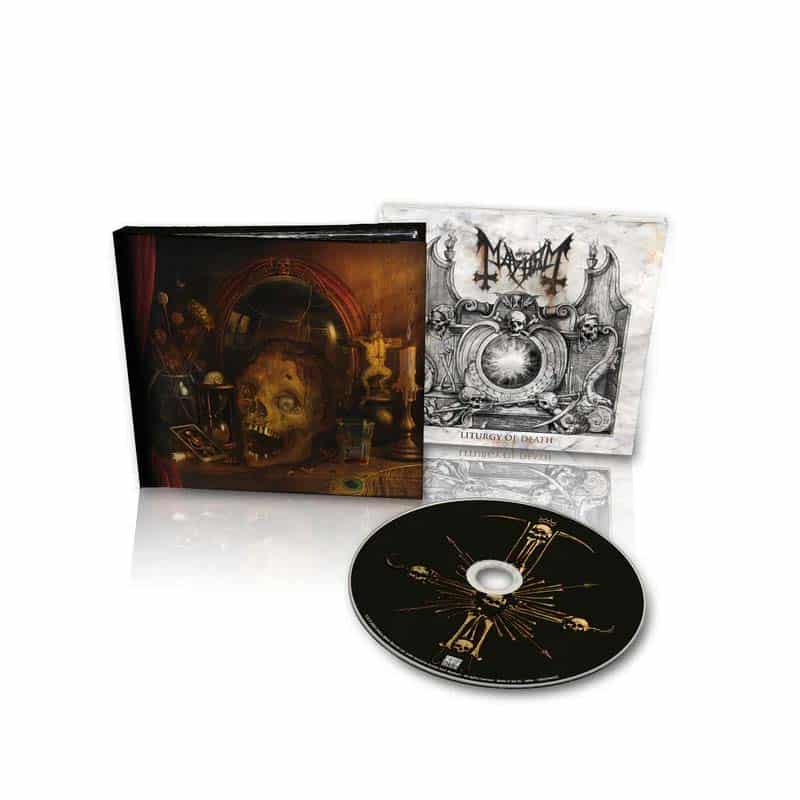
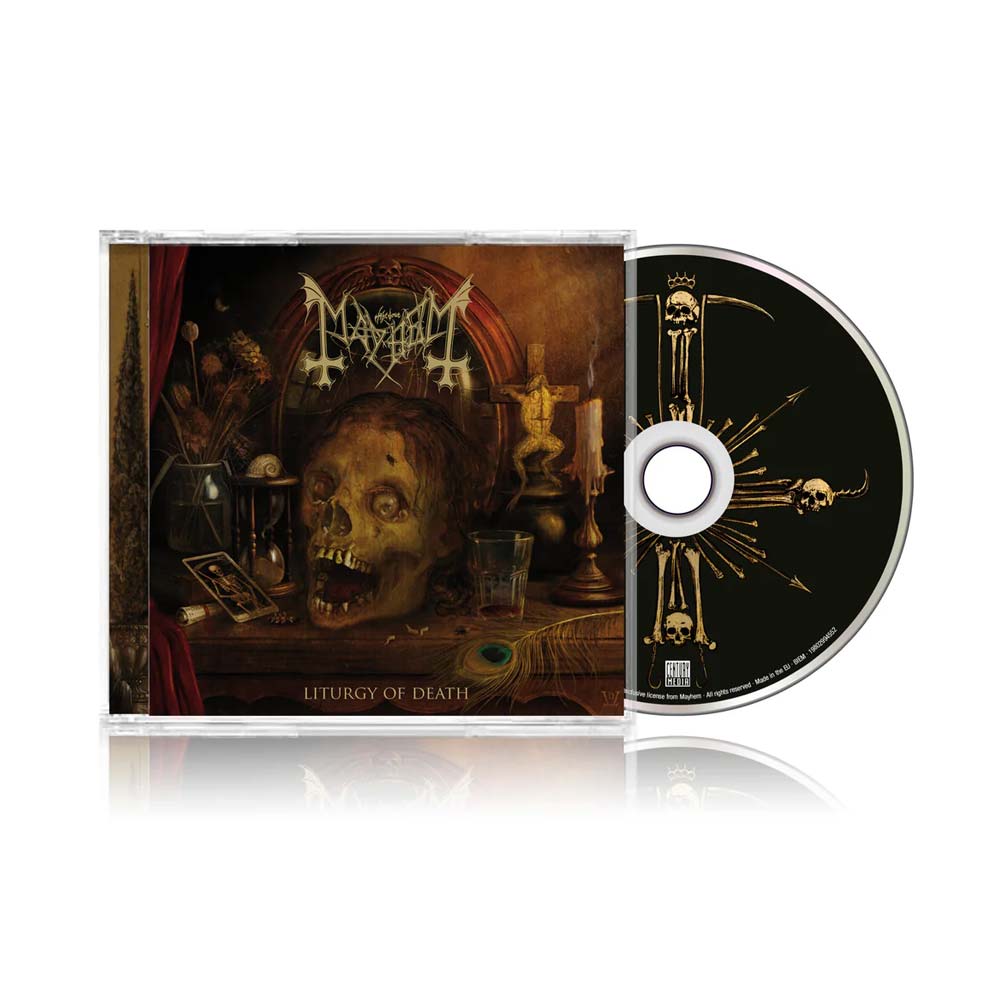
Térjünk vissza az új anyagotokra. A Liturgy of Death album artworkjét Daniele Valeriani készítette. Milyen volt vele a közös munka?
Daniele kiváló művész, már a Daemon idején is dolgoztunk vele. Szabad kezet kapott, de a folyamat beszélgetésekkel indult. Elküdtem neki a szövegeket, a demókat, majd több ötlet közül közösen választottuk ki a végleges irányt.
Fontos volt, hogy a vizuális világ rituális legyen, első pillantásra ütős, ugyanakkor túlmutasson az első benyomáson, és ne legyen klisés black metal esztétika.
A lemez főmotívuma a halál és az elmúlás. Honnan jött az inspirációd?
A teljes szöveget én írtam. A halál témája monumentális erővel jelent meg bennem, karmaszerű feladatként. Úgy éreztem, most értem meg rá szellemileg és filozófiailag.
Több oldalról közelítettem meg: a halál borzalmaként, feloldozásként, majd átmenetként. Az élet és a halál számomra nem végpontok, hanem állapotok. Ezek a gondolatok kristályosodtak ki a dalokban. A Liturgy of Death nem válaszokat ad, hanem kérdéseket nyit meg, amelyekkel előbb-utóbb mindenkinek szembe kell néznie.
Hiszel-e valami természetfelettiben vagy felsőbb rendben?
Hiszek abban, hogy létezik valami, ami túlmutat az emberen, de nem vallási értelemben. A szervezett vallásokat megkérdőjelezem, mert sokszor a kontrollról és a félelemről szólnak.
Nem vagyok materialista sem. Inkább keresek, mint hiszek. Az ősi filozófiák, a buddhizmus, a hinduizmus, valamint a görög és római gondolkodók sokkal közelebb állnak hozzám. Jézust és Buddhát nem megváltóként látom, hanem példaként, akik egy nehéz, személyes utat jártak végig.
Személyes tapasztalat alapján tudok beszélni arról is, hogy utazásaim során főleg Egyiptomban, Libanonban, Mexikóban, Bolíviában, Japánban és Indiában, de a világ számos más táján is olyan nyomokkal találkoztam, amelyek egy fejlett, előttünk létezett civilizációra utalnak. Engem mindig a misztériumok érdekeltek, és arra bátorítok mindenkit, hogy a saját útját járja, és merjen kérdezni.
Írta: MZ
******** ENGLISH CONTENT ********
Even after more than 40 years of performing, the iconic Norwegian black metal band Mayhem shows no signs of slowing down. Their Death Over Europe tour kicks off on February the 5th with Marduk and Immolation, and their latest album, Liturgy of Death, will be released a day later in February. We talked about this and much more with the band’s singer, Attila Csihar.
Greetings! Things have been moving pretty fast for the band lately: Mayhem’s seventh studio album, Liturgy of Death, will be released on February the 6th. How was making and recording this album different from the previous opus, Death? How do you feel when a new release comes out?
Hello, first of all, I would like to clarify that our previous album was called Daemon, not Death. Every Mayhem album has a life of its own, each has its own time and process, the way it is born and as the whole picture comes together. No two albums are ever the same. It usually takes six to seven years between releases, which was the case this time as well, including, of course, the intense touring and the Covid-period.
Liturgy of Death began to take shape about three years ago. The basic idea came from me, that the album should be built entirely around death, with each song approaching the subject from a different aspect. First, I wrote some draft lyrics, and then the first musical ideas came.
Charles sent the first musical themes, which had a very strong, dark feel to them right from the start. I continued writing lyrics in response to these, and later Morten also joined in the songwriting. The concept was primarily developed jointly by Morten, Charles, and myself.
The three years were not continuous work, but rather progressed in waves. There were intense periods, then breaks when the material matured. Last spring, we got to the point where the album was ready for the studio, and the recordings took us through the whole summer. I recorded the vocals in August, in about four days.
The music was mainly written by the two guitarists, roughly half and half, with Morten perhaps contributing a little more. I wrote all the lyrics, and the conceptual arc and theme of the entire album remained consistent throughout.
You’re absolutely right, my bad, thank you for the correction! Over time, I’ve noticed that Mayhem’s albums are based on a three-cycle structure in terms of their themes. I read about this somewhere and I can see the logic behind it. DMDS opened the first era, Ordo Ad Chao was the second cycle, while Daemon marked the third era. The latest stage of this is the Liturgy of Death album. What do you think about this?
There is indeed a kind of cyclicality in Mayhem‘s history, but I see it more as a series of eras. These are always linked to serious internal changes, member changes, and artistic shifts.
The first era is linked to the 1980s, the Deathcrush period. It was a raw, more primitive, instinctive extreme metal world.
The second major era came in the early 1990s. This period also includes the lineup I was part of after Dead‘s death. The presence of Hellhammer, Euronymous, and later Varg brought a radically new direction, culminating in De Mysteriis Dom Sathanas. This became a milestone not only in the history of Mayhem, but in the history of extreme metal as a whole, yet at the same time, this period literally destroyed the band.
The next era began around the time of Wolf’s Lair Abyss, and then during Grand Declaration of War and Chimera, the band consciously confronted its own past, placing artistic freedom at the forefront.
I returned in 2004, when Ordo Ad Chao was released, which became a completely contemporary, otherworldly black metal album and later won a Norwegian Grammy Award. Esoteric Warfare was connected to this. After Ordo, Rune Eriksen left, followed by a transitional period, and then with Morten joining, and later Charles joining, the current stable lineup was formed. Daemon and Liturgy of Death were also born during this era.
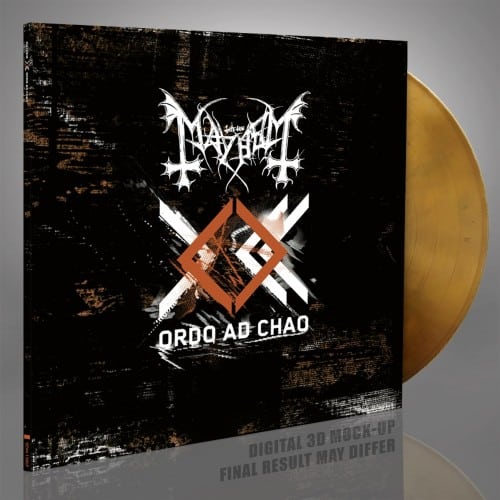
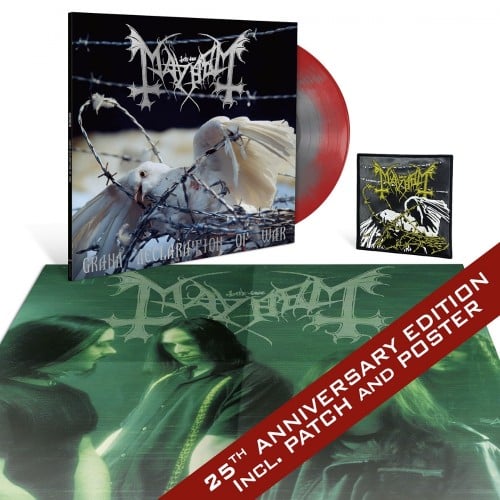
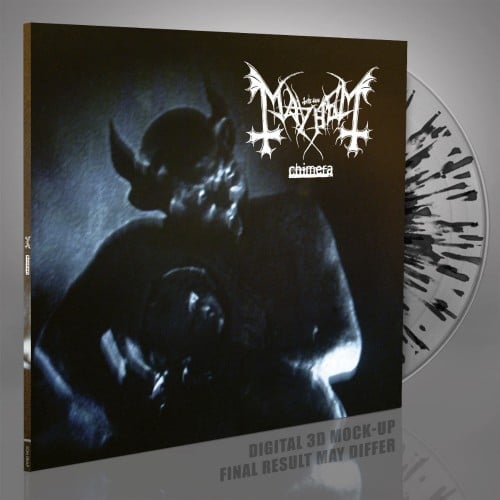
If that’s true, then one more phase is still to come to complete the circle.
That’s a very good question, and it’s difficult to give a clear answer right now. What is certain is that a new world tour is about to start, beginning in Europe, and all our energy is focused on that at the moment. It’s difficult to say what will happen after that, when we return home.
Mayhem has never operated according to a pre-written script. What was very positive, however, was the response to the 40th anniversary tour. We performed a special show with background projections, which is still rare in black metal. One of the best responses was when people said that we sound better live now than ever before. For me, concerts are the pinnacle and crown of music.
How conscious are you of this? I mean, when songs are born, how do you decide which ones will go on an EP and which ones will be included on the next full-length album?
It’s not really a conscious process, it’s more instinctive. Instinct is the first and most important thing, a kind of internal, transcendental channel through which information flows. I radiate this to the audience.
I first experienced this state in 1986 when I first took the stage with Tormentor. My stage fright disappeared immediately and was replaced by something else. This experience has defined my attitude ever since.
Conscious work is later built on this instinctive foundation. Sometimes I write lyrics to music, other times it’s the other way around, there’s no fixed method.
Do you usually meet up in Oslo when you rehearse, or do you do it at the starting point of the tour?
Mayhem is basically a Norwegian band, so Oslo remains our natural center. When it comes to intensive work, we do most of our rehearsals there.
Right now, however, we are in Sweden at the NBS studio, where pre-production for the tour is taking place. This is where the last two Mayhem albums were recorded. We are currently rehearsing eight to ten hours a day. We will be playing four new songs from the new album, which are the singles that have already been released, and we will also be playing some old songs that we haven’t played in a long time.
Your schedule can’t be easy, you’re constantly on the road, and soon you’ll be touring Europe with Marduk and Immolation. How much preparation does such a serious tour require these days?
We are currently in intensive preparation, which in itself is a serious physical and mental strain. A tour like this requires a lot of preparation.
My schedule is completely full, because it’s not just about Mayhem. We’re also active with Tormentor, Void Ov Voices is running, I’m starting a new project with Igor Cavalera, and I’m also working with Rhys Fulber from Front Line Assembly. All my time is taken up with music, I listen to music in my free time, and my hobby is hi-fi and searching for the perfect home sound, while trying to spend as much time as possible with my family.
How do you prepare for this physically and mentally? How do you keep your vocal cords healthy and intact?
I’ve been singing in extreme bands for forty years, and for me, breathing is the basis of singing. The same principle applies here as in yoga or martial arts.
I do yoga and meditate every morning, and I also exercise. There was a period when I did a lot of cardio, but in recent years I’ve switched to plank exercises. These days, I do about thirteen minutes in the morning, and my record is one hour and one minute. This is extremely useful for strengthening the core muscles needed for extreme singing.
You used to participate in various experimental projects, one of which was SUNN O))). What is your relationship with Stephen and Greg like?
I have always enjoyed working on several different projects, and it was important to me that they were clearly separate from each other. SUNN O))) was an important part of my life from the beginning, and I played with them for about ten years.
The reason I left was to protect my hearing. There is extreme sound pressure at concerts, and unfortunately I developed tinnitus, which is incurable. I didn’t want to take any more risks. This is also a lesson: hearing is finite and must be taken care of.
Tormentor is not idle these days either, and you even going to perform in our country with Morbid from Sweden. What should we know about this?
Tormentor was my first band, I owe everything to them. I first stepped on stage at the age of fifteen, and we played a lot of concerts between 1986 and 1990.
Recipe Ferrum took shape / formed around 2000 with drummer Zsolt Machat, and then about eight years ago the original lineup got back together. Since then, we haven’t played very often, but we do play at special festivals. We’ve performed at Hellfest in France, Steelfest in Finland, and now we’re going to the Inferno Music Festival in Norway.
We will be performing at a special event in Budapest, the revival of the 666 Festival from the 1980s, where Tormentor also played in 1987. So this has a strong emotional charge for me.
Will Tormentor only be performing concerts, or are you working on something else with the others?
It’s not just about concerts. We’ve already made a complete Tormentor album, which is very powerful, but specifically Hungarian and abstract. We haven’t decided yet whether this will be the next step, or whether we’ll release more international material first. Currently, several directions are open.
Let’s get back to your new material. The album artwork for Liturgy of Death was created by Daniele Valeriani. What was it like working with him?
Daniele is an excellent artist, we already worked with him during the Daemon era. He was given free rein, but the process started with discussions. I sent him the lyrics and demos, and then we chose the final direction together from several ideas.
It was important that the visual world should be ritualistic, striking at first glance, but also go beyond the first impression and not be clichéd black metal aesthetics.
The main topics of the album is death and passing away. Where did your inspiration come from?
I wrote all the lyrics. The theme of death appeared in me with monumental force, like a karmic task. I felt that I now understood it spiritually and philosophically.
I approached it from several angles: as the horror of death, as absolution, and then as a transition. For me, life and death are not end points, but states of being. These thoughts crystallized in the songs. Liturgy of Death does not provide answers, but raises questions that everyone will have to face sooner or later.
Do you believe in something supernatural or a higher order?
I believe that there is something beyond human comprehension, but not in a religious sense. I question organized religions because they are often about control and fear.
I am not a materialist either. I am searching rather than believing. Ancient philosophies, Buddhism, Hinduism, and Greek and Roman thinkers are much closer to my heart. I see Jesus and Buddha not as saviors, but as examples who walked a difficult, personal path.
From personal experience, I can also say that during my travels, mainly in Egypt, Lebanon, Mexico, Bolivia, Japan, and India, but also in many other parts of the world, I have encountered traces that point to an advanced civilization that existed before us. I have always been interested in mysteries, and I encourage everyone to follow their own path and dare to ask questions.
Written by: MZ